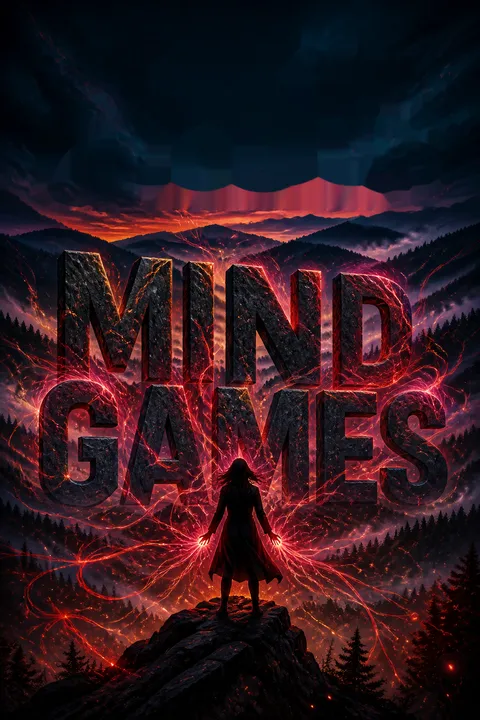


Plot Summary
A Summer Rooted in Kentucky
Twelve-year-old Thea Fox counts down to her annual summer visit to Redbud Hollow, where her grandmother Lucy Lannigan keeps a farm, makes herbal soaps, and knows the mountain families who need her help. Thea loves the chores, the dogs, and the house where her mother, Cora, grew up. She also senses things other people miss, though Cora has taught herself to distrust that family gift.
During the visit, Cora tells Lucy that the Foxes’ Christmas and summer visits no longer feel like enough. She proposes more holidays together and a family beach trip, hoping her children can know the close kinship John’s wealthy parents have withheld. Lucy accepts, and the family’s plans make the summer feel wider than its usual two weeks.
The opening places Thea inside a practical network of care before danger tests it. Lucy’s help is tangible: food, work, medicine, and familiarity with neighbors, while Cora’s proposal turns affection into a deliberate schedule. Thea’s unusual perception is embedded in ordinary family life, not presented as spectacle. That contrast matters: the gift will later pull her into violence, but its first context is a child noticing what adults hide. The Fox grandparents’ emotional distance also establishes the novel’s distinction between wealth as possession and family as repeated acts of attention.
The Watch Draws Blood
While Cora shops in Virginia, eighteen-year-old Ray Riggs notices the anniversary watch John gave her and follows her home. He sees the large house, the pool, and the expensive grill, then reads each as proof that other people possess what he deserves. After waiting until the family home is quiet, he cuts through a patio door and enters.
In Kentucky, Thea dreams herself into the intruder’s movements, feeling his resentment as he passes the family photographs and reaches the upstairs bedroom. Ray shoots John and Cora through pillows, steals jewelry, cash, and John’s car, then takes Thea’s photograph. Thea wakes to find Lucy crying; their shared vision tells them that Cora and John are dead before the police can confirm it.
Ray’s violence grows from envy, but the book makes clear that envy is his chosen justification, not a force that excuses him. He converts ordinary signs of Cora and John’s life into imagined insults, then treats theft and murder as acts of correction. Thea’s dream makes her both witness and powerless participant: she experiences the crime intimately yet cannot interrupt it. The watch becomes a material link between a loving marriage and Ray’s acquisitive gaze, while the photograph unsettles him because he senses Thea looking back.
A Dream Becomes Evidence
Lucy calls Sheriff Tate McKinnon, then stays beside Thea as the Virginia police verify the murders. Thea describes the intruder’s face, his white gloves, the glass cutter, the stolen jewelry, and his plans to drive south. She recalls his pale blue eyes and crossed front teeth clearly enough for Detective Mai Wu to draw him.
The sketch and Thea’s account guide police to a motel near Fayetteville, where Ray is arrested in the shower with John’s BMW, the gun, Cora’s watch, and the stolen photograph. The children’s grandparents then demand custody and plan to separate the parents in death by burying John in California. Lucy invokes the parents’ wills, and Thea and Rem choose to remain with her and bring their parents home.
Thea’s perception becomes useful because Lucy and the investigators translate it into ordinary evidence: a face, a vehicle, a motel, stolen property. The scene refuses a simple choice between supernatural knowledge and police work. Neither is sufficient alone. Lucy’s fight over guardianship extends the crime’s consequences beyond the murder scene, forcing the children to make decisions while grieving. Her refusal to let the Fox grandparents dictate the children’s future demonstrates that care is not merely emotional; it also requires legal and practical protection.
The Gift Under Question
After Ray’s arrest, Virginia detectives Chuck Howard and Phil Musk visit Lucy’s farm to test the family’s account. Musk suspects Lucy or Thea arranged the murders for access to the children’s inheritance, and he presses Thea to explain how she could know details she never witnessed in person. Thea answers by revealing intimate facts about both detectives, including their families and private worries.
Her knowledge stops Musk’s accusation and makes him confront the limits of his certainty. Howard apologizes for the interrogation, while Musk admits that his anger over the victims’ final moments pushed him too far. Thea accepts the apology but warns Howard about blue stairs, a prediction whose meaning neither detective understands yet.
The interrogation repeats the original crisis in a different form: Thea knows something others cannot verify by ordinary means, and authority responds with suspicion. Her disclosures are not a performance for power. She uses them because the detectives’ accusation threatens Lucy and the children. The warning about the stairs adds a quiet consequence to the scene, suggesting that Thea’s gift reaches beyond memory and criminal investigation. Musk’s change is partial rather than magical: evidence of her ability does not erase his skepticism, but it makes him responsible for how he uses it.
A Funeral, Then Breakfast
Lucy tells ten-year-old Rem that his parents were murdered, and he first rejects the news before he and Thea cling to each other in grief. Lucy confirms that the children can live with her, that Cocoa can come too, and that they may decide what to do with the Virginia house. They choose to sell it and have their parents buried together in Kentucky.
At the funeral, uncle Waylon sings the song Cora and John danced to at their wedding, while Caleb speaks about the joy they brought to others. Neighbors bring food, stories, and help with the farm. Thea meets Sheriff Tate’s daughter, Maddy, who makes her laugh. That night Thea writes the day into her journal, turning memory into a first step toward living.
Grief here is managed through decisions and routines, not overcome in a single ceremony. The children choose where their parents belong, and Lucy makes that choice materially possible. The funeral’s music gives the family a shared form for sorrow, while the gathering afterward lets neighbors return the care Lucy has long offered them. Maddy’s friendship matters because it begins without demanding that Thea become cheerful or explain herself. The journal preserves both pain and ordinary detail, teaching Thea that remembering is not a refusal to continue.
The Prison Window
As Lucy raises Thea and Rem, the farm’s chores give the children structure and a place in the community. Thea learns to regulate her inherited sight with imagined windows, charms, and phrases that help her choose when to open herself to other minds. A later vision shows Ray in prison probing guards and inmates for ways to escape and thinking about people he has killed.
Thea reports what she sees to Howard, including two unsolved murders in Bryn Mawr and New Albany and the killing of fifteen-year-old Jessica Vernon. The detectives verify the cases and keep Thea’s identity out of the investigation. Ray’s prison sentence grows, while Thea makes friends, adjusts to school, and gradually builds a life that is not organized solely around him.
The window image gives Thea a vocabulary for agency without pretending she can control every intrusion. Closing herself is not denial; it is a boundary she learns to use when attention becomes painful. Her decision to report Ray’s earlier crimes turns that boundary outward: she opens herself when a victim’s life may depend on it. The cost is real, but so is the consequence for people the police had failed to identify. Meanwhile, work, school, and friendship keep the gift from becoming her whole identity.
Endon Finds an Audience
At college, Thea tells her first boyfriend about her gift and is mocked, exposed, and treated as a curiosity. She withdraws, then decides to remain at school because game design is still the future she wants.
Her final project, Endon, earns a perfect score from Professor Cheng, who offers to send it to his cousin at Milken Entertainment. Before Thea can celebrate at home, Howard and Musk ask her to help find Shiloh Durning, a fifteen-year-old abducted on her way from school.
Thea touches the missing girl’s earrings and experiences her confinement, the captor’s appearance, his green car, and the basement where he is holding her. Police locate the house and rescue Shiloh. Thea returns to Kentucky with a real industry opportunity and a clearer understanding of what her gift can do.
The college episode places Thea’s gift under two competing social pressures. Her boyfriend treats it as an excuse to humiliate her, while the detectives ask her to expose herself to another person’s terror. The difference is consent and purpose: one encounter extracts vulnerability for status, the other gives Thea a chance to protect someone. Cheng’s recognition of her work offers a separate form of validation, grounded in craft rather than supernatural ability. Thea’s future begins to widen because she can be both an artist and a person capable of intervention.
A Rock Star Down the Lane
Years after settling in Redbud Hollow, Thea builds a successful career making games and constructs a cottage on land Lucy helped her buy. Her neighbor Leona dies, leaving her house to her great-grandson, Tyler Brennan, a former Code Red musician.
Ty arrives from Philadelphia with his four-year-old son, Bray, and begins sorting Leona’s belongings while deciding whether the place can become home. Thea recognizes Ty from the band she adored as a teenager, but meets him as a tired single father rather than an idol.
She brings him dinner, eggs, and practical advice; Bray quickly bonds with her enormous dog, Bunk. Ty discovers that Thea’s game series is familiar to his son, and their neighborly exchanges begin to make both households feel less isolated.
The adult story opens with Thea’s independence already earned. Her cottage represents work, inheritance, and a chosen attachment to place, not a rescue fantasy. Ty’s arrival brings a childhood image into contact with a real person who is grieving, parenting, and uncertain. Thea’s first response is hospitality rather than pursuit, and Ty’s first connection to her comes through Bray’s easy affection for Bunk. Their bond forms in shared routines, which gives the romance a credible foundation beyond celebrity attraction.
A Home Takes Shape
Ty and Bray settle into Leona’s house, and Thea’s family folds them into farm visits, meals, and music. Rem and Thea help Ty assemble a large play set for Bray, while Lucy introduces the boy to her animals. Ty and Thea share a first kiss after an evening of food and songs, then begin a cautious relationship that includes cooking, walks, and time with Bray.
Thea’s game work advances as Ty returns to songwriting. She also keeps Ray’s repeated mental intrusions private, using exercise and her learned protections to push him away. When Bray cannot find a favorite truck, Thea instinctively knows it is in a box Ty has not opened, and her accurate answer frightens him into suspecting she entered his house.
Domestic acts become the couple’s language of trust: the play set, shared meals, and care for Bray make affection observable rather than merely promised. Yet Thea’s privacy has a cost. Her instinctive answer about the truck is harmless in motive but indistinguishable, to Ty, from violating his home. The episode links the novel’s two kinds of intimacy: genuine closeness requires access, while psychic access without explanation can feel like surveillance. Their rupture grows from a real gap between what Thea knows and what Ty believes he has permitted.
The Toy in the Box
Ty accuses Thea of entering his house and exploiting his son, then orders her to stay away. Thea walks home shaken, and Ray uses her distress to push into her thoughts with taunts about being unwanted. When Bray, feverish and upset after a fight with his father, runs alone to Thea’s cottage, she wraps him in her cardigan and returns him to Ty.
His panic at losing his son breaks through his anger, but Thea still explains that her knowledge came from her gift, not a copied key. She reveals how she witnessed her parents’ murders and why she has hidden her abilities since a college boyfriend betrayed her confidence. Ty listens, learns about Ray’s continuing connection to her, and accepts that his suspicion was wrong.
The conflict exposes how old injuries shape present judgment. Ty interprets unexplained knowledge through his history of betrayal; Thea withholds an essential truth because a previous disclosure taught her that intimacy could become public humiliation. Bray’s disappearance interrupts their adult argument with a child’s urgent need, forcing Ty to confront the damage of his decision. Thea’s return of Bray demonstrates care without bargaining for forgiveness. Reconciliation begins only when both name their part: his accusation and her fear-driven secrecy.
A Missing Girl Found
After Thea and Ty begin cautiously rebuilding their relationship, Nadine arrives at Thea’s home terrified because her daughter Adalaide has disappeared. Afraid that police involvement will cost her custody, Nadine asks Thea for help.
Holding Adalaide’s worn pink bear, Thea follows the child’s thoughts through anger, exhaustion, and a long walk into the hills. She locates Adalaide asleep beneath an oak near a neighbor’s house, and asks that neighbor to bring her indoors before Rem drives Nadine there.
Ty sees how much the search costs Thea and how quickly it reunites a family. He tells her he loves her, including the gift she cannot separate from herself. Thea accepts him again, and they resume their relationship with honesty rather than concealment.
The lost child episode turns Thea’s power from an abstract secret into a visible act of care. She does not simply locate Adalaide; she follows the child’s hurt without mistaking anger for rejection of her mother. Nadine’s fear of authorities also reveals the unequal risks behind asking for help. Ty’s response completes the emotional movement begun by their earlier rupture: he witnesses Thea’s ability in action and chooses trust. Love becomes acceptance of her actual person, not an agreement to keep the difficult parts hidden.
The Storm Gets Inside
Ray continues entering Thea’s dreams, and she sometimes answers by trapping him in Perilous Island, a violent mental game built from her own creative work. The retaliation gives her temporary relief but deepens their connection.
Years into the struggle, Ray appears in a dream as if he has stabbed her; Thea wakes with blood on her shoulder, then realizes the wound came through the psychic encounter rather than an ordinary attack. She admits to Lucy and Rem that she has concealed the scale of the harassment and that her earlier challenges may have strengthened the bond.
Instead of continuing to retaliate alone, she designs a final confrontation and decides to visit Ray in Virginia’s Red Onion prison. She tells Ty, Lucy, and Rem what she plans, accepting their support and their fear.
Thea’s games are both her art and her defense, but this section shows that a weapon can create new exposure. Each time she draws Ray into a constructed world, she asserts control while giving him another route into her mind. Her choice to stop improvising retaliation marks a shift from momentary revenge to strategic action. Telling her family also reverses her old habit of treating self-sufficiency as protection. The plan is still dangerous, but it is no longer a private burden disguised as competence.
The Prison Game
With Ty waiting outside and Howard and Musk observing, Thea enters the prison visiting room wearing her mother’s watch and earrings. Ray believes her visit gives him power, but she takes him through memories of his cruelty, beginning with the animals he hurt as a child and the first young woman he murdered.
She changes the imagined scenes so that his victims’ vulnerability becomes his own, then forces him to relive the Virginia home invasion and confront the life sentence waiting beyond it.
Ray repeatedly tries to attack or escape within the mental world; Thea defeats him at each turn and strips away the psychic ability he used to reach her. His body suffers a stroke in the visiting room, and the prison staff rush him to medical care. Thea leaves without looking back.
The climax reverses Ray’s habitual position as the unseen observer who enters other people’s minds to exploit them. Thea uses his memories not to absolve him or discover hidden innocence, but to make him experience consequences he has always refused to acknowledge. Her control depends on preparation and on the knowledge that he has no life beyond the prison walls. The stroke makes the confrontation bodily and irreversible. The scene remains morally difficult because Thea’s victory is an act of force, yet the force is directed at a predator who has spent years weaponizing the same capacity.
For All Time, Reclaimed
Ty drives Thea away from the prison and waits until she can explain that she has trapped Ray’s remaining mind inside the prison cell and severed his gift. He refuses to let her take responsibility for Ray’s violence, then plays her a song he wrote for her, confirming that he wants a life together. Thea accepts his love and tells him she wants to build a family with him and Bray.
She asks for two more children, recalling the future she once imagined in her journal. By this point, Thea has established a career, a home, and a place in Lucy’s community; Ty has chosen Redbud Hollow as home for himself and his son. The ending joins those separate lives without erasing the losses that shaped them.
The resolution answers the opening’s question of what makes a family endure. Thea’s parents’ watch, once the object that drew Ray’s violence, becomes a sign of love carried forward rather than property stolen. Ty’s song offers recognition without demanding that Thea become ordinary or uncomplicated. Her wish for children is not a substitute for the parents she lost; it is a future she can choose after reclaiming agency over the past. The couple’s family grows from demonstrated care, with Lucy, Rem, and Bray already part of its living structure.
Analysis
Mind Games makes inheritance concrete in two competing forms. Ray inherits a capacity for unusual perception and turns it toward surveillance, acquisition, and control. Thea inherits a related gift but must learn that ability does not determine ethics. Lucy’s lessons about opening and closing a mental window are therefore not simply magical technique; they are a theory of consent. Thea’s knowledge matters most when she chooses to use it for someone vulnerable, but the cost prevents heroism from becoming effortless.
The novel’s strongest emotional structure is its movement from a child’s helpless witness to an adult who can act without pretending she can undo the past. Thea cannot save her parents, and no arrest can make that loss fair. Instead, she builds a life from the forms of care they gave her: Lucy’s household, Rem’s loyalty, friends, work, and eventually a new family with Ty and Bray. Her success as a game designer is not a decorative subplot. It gives her a language for turning chaotic experience into rules, obstacles, and choices, while also becoming the mental architecture of her final confrontation with Ray.
Ty and Thea’s romance tests whether intimacy can survive knowledge that feels invasive or frightening. Ty’s false accusation grows from his history of betrayal and his responsibility for Bray; Thea’s silence grows from a prior betrayal and fear of being reduced to a spectacle. Neither is simply right. Their repair requires disclosure, accountability, and a willingness to revise old defenses. The story’s community offers an alternative to both secrecy and control: neighbors show up with food, tools, childcare, and practical help, making belonging something people repeatedly do.
The ending does not claim that love erases trauma or that justice restores what was stolen. Instead, it gives Thea a future not organized around Ray’s access to her. The watch, once evidence of what he coveted, returns to its meaning as a promise of enduring attachment. Freedom arrives through a dangerous act of agency, then becomes livable through ordinary commitments: a home, creative work, children, and people who stay.
Review Summary
Mind Games is a captivating multi-genre novel that follows Thea Fox's journey from a traumatic childhood event to adulthood. Readers praise Roberts' masterful storytelling, blending romance, suspense, and paranormal elements. The book explores family bonds, psychic abilities, and a mental battle between good and evil. While some found the pacing slow, many appreciated the character development and emotional depth. The Kentucky Appalachian setting and supporting characters received high praise. Overall, reviewers found it an engaging and heart-wrenching read, with a satisfying conclusion.
Characters
Thea Fox
The dream-reading game makerThea is a perceptive, imaginative girl raised between her parents’ Virginia home and Lucy’s Kentucky farm. She notices feelings and facts others miss, and grows up learning that unusual knowledge can be useful, intrusive, or painful depending on how she handles it. Drawing, journaling, and designing games give her a way to shape experience rather than merely endure it. She values privacy because an early attempt at romantic trust ends in humiliation, yet she is also drawn toward people who need help. Her central tension is not whether she possesses power, but how to use it without letting danger, guilt, or fear dictate the shape of her life.
Lucy Lannigan
The family’s steady centerLucy is Cora’s mother, Thea and Rem’s grandmother, and the keeper of a farm where practical work and affection are inseparable. She supports mountain neighbors with remedies, food, and barter, while running Mountain Magic, her soap and candle business. Her steadiness is not passivity: she understands grief, protects the children, and will confront anyone who tries to take their choices away. Lucy knows the family’s inherited gift and carries her own experience of deciding when to use it and when to close herself off. She gives Thea a model of strength that includes tenderness, boundaries, humor, and the willingness to ask a community for help.
Tyler Brennan
The guarded musician fatherTyler, usually called Ty, is a former rock star and songwriter who becomes a single father to Bray. He is attentive and playful with his son, but the pressures of fame and past betrayals have made him protective of his private life. Moving to Redbud Hollow gives him room to reconsider what home and creative work can look like beyond touring. Ty’s instinct is to safeguard Bray, sometimes so fiercely that fear hardens into suspicion. He is also capable of listening, admitting harm, and revising his assumptions when someone earns his trust. His music remains central to his identity, but fatherhood changes what he is willing to risk and where he wants to stay.
Ray Riggs
The predatory mind readerRay is a violent young criminal whose resentment makes other people’s comfort feel like a personal theft. He watches, calculates, and exploits what he learns about others, using apparent insight to gain advantage rather than connection. His fixation on wealth, control, and being owed something masks a profound inability to recognize other people as separate lives. Ray’s unusual mental reach gives him new means to intrude and threaten, but it does not create his cruelty. He chooses violence repeatedly, then treats the consequences as persecution. His opposition to Thea is intimate because each recognizes a capacity in the other, though they use that capacity toward radically different ends.
Rem Fox
The quick-witted younger brotherRem is Thea’s younger brother, funny, theatrical, energetic, and more emotionally perceptive than his teasing manner first suggests. He and Thea share the loss of their parents, but their temperaments differ: Rem often turns discomfort into humor or motion, while Thea retreats into thought and work. He grows from a boy who resents his sister’s unusual abilities into a loyal adult who supports her choices while challenging her when she keeps danger secret. His business sense becomes useful to Thea’s career and Lucy’s enterprise, but his deepest role is familial. He reminds Thea that protecting one another means sharing burdens, not carrying them alone.
Cora Fox
The restless, loving motherCora is Lucy’s daughter, John’s wife, and the mother of Thea and Rem. She leaves Kentucky to build a life with John, yet remains deeply attached to her mother and the place she came from. Cora is warm, ambitious, and attentive to the emotional temperature of her family. Her discomfort with the inherited gift shapes what Thea learns about it, even as Cora’s love gives her children a secure home. She wants her children to know the kinship she sometimes took for granted as a girl.
John Fox
The devoted architect fatherJohn is Cora’s husband, Thea and Rem’s father, and her partner in the Fox and Fox Homes design business. He is affectionate without reserve and treats Lucy as a second mother, offering the children a model of warmth unlike the formal distance of his own family. His work and family life are intertwined, visible in the home and photographs he builds around those he loves. John’s loyalty gives Thea an enduring example of a marriage rooted in daily care.
Bray Brennan
Ty’s bright-hearted sonBray is Ty’s young son, full of questions, trucks, affection, and kinetic energy. He adapts quickly to Redbud Hollow because the dogs, farm animals, and other children give him room to explore. His bond with Thea is spontaneous and sincere, and it becomes one of the strongest ties between the two households. Bray’s needs make Ty confront the difference between protecting a child and controlling every uncertainty around him.
Madrigal McKinnon
Thea’s fearless best friendMaddy, whose full name is Madrigal, is Sheriff Tate McKinnon’s daughter and Thea’s closest friend. She is outspoken, funny, socially confident, and loyal enough to challenge Thea when grief or insecurity narrows her world. Maddy helps Thea enter school life and later pursues medicine, determined to return home and serve her community. Her humor is not a denial of pain; it is a way of making room for connection beside it.
Caleb Lannigan
The theatrical younger uncleCaleb is Cora’s younger brother and one of Thea and Rem’s uncles. An actor, he brings performance instincts and emotional openness to family life. He helps Lucy through the practical and ceremonial demands of bereavement, and his public confidence does not hide how deeply he feels the family’s losses. Caleb’s affection for John and his sister is expressed through both work and presence.
Waylon Lannigan
The musical older uncleWaylon is Cora’s older brother, a traveling musician whose banjo and guitar keep the family connected through music. He is affectionate and teasing, but his loyalty becomes visible when he supports Lucy, Thea, and Rem through grief. His performance at the family funeral gives his private love a public form. Later, his marriage and children widen Lucy’s family without weakening its ties to the farm.
Tate McKinnon
The trusted local sheriffTate is the Redbud Hollow sheriff, a longtime friend of Lucy’s who treats the Lannigans as his own community. He believes Lucy and Thea when their account sounds impossible, then helps translate their knowledge into useful information for the investigation. His calm authority contrasts with suspicion from outside the region. Tate’s loyalty is grounded in familiarity, but he still works within the law and expects evidence to matter.
Mai Wu
The patient police artistMai Wu is the Virginia detective and police artist who helps Thea reconstruct Ray’s face. She approaches the grieving child with patience and practical skill rather than ridicule, allowing Thea to concentrate on precise details. Her work turns an unsettling vision into a usable sketch, showing how professional care can cooperate with knowledge that falls outside ordinary explanations.
Chuck Howard
The detective who listensHoward is a Virginia detective who investigates Cora and John’s murders with his partner Phil Musk. He is cautious but ultimately receptive to Thea’s knowledge, and over the years he treats her as a person rather than a convenient tool. His later requests for help place him in a difficult position: he knows what she can do, but also understands the burden of asking her to use it.
Phil Musk
The hard-edged investigatorMusk is Howard’s determined detective partner, suspicious by temperament and driven by a fierce need to secure justice for victims. His skepticism makes him press Thea and Lucy harshly after the murders, but he can recognize when his anger has clouded his judgment. He represents the friction between institutional proof and extraordinary knowledge, as well as the risk of mistaking forceful questioning for truth-seeking.
Nadine
The vulnerable mountain neighborNadine is a young mother in Lucy’s mountain community, struggling with limited resources, pregnancy, and a husband who mistreats her. She tries to preserve her family and dignity even when she needs Lucy’s help. Her visits show how the community’s informal care network can offer practical relief, while also revealing how hard it is to change an unsafe domestic situation.
Adalaide
The determined little daughterAdalaide is Nadine’s young daughter, curious, stubborn, and eager to attend school with other children. When she feels unheard, she acts on her own wishes, revealing how a child’s anger can carry a serious risk when adults underestimate it.
Leona
The neighbor who leaves landLeona is an elderly neighbor who has lived for decades in the house she shared with her husband. She values independence, local ties, and the future of her land more than a distant relative’s idea of what she should do. Her trust in Lucy’s family gives Thea and Rem a chance to put down roots nearby.
Jessica Vernon
A victim Thea remembersJessica is a fifteen-year-old whose murder appears in one of Thea’s visions of Ray’s past. Her identity and circumstances matter because Thea’s information helps investigators revisit a case that had remained unresolved.
Plot Devices
The inherited gift
Knowledge through connectionThe women in Lucy’s family can perceive events, memories, and emotions beyond ordinary sight. Thea’s strongest experiences arrive through dreams or contact with an object connected to someone, while Lucy has a quieter form of intuition. The gift helps identify Ray, recover information about other crimes, and find people in danger, but it can produce headaches, nausea, fear, and unwanted access to other minds. Lucy teaches Thea to regulate it with boundaries, imagery, and ritual. The story treats this ability less as an all-purpose solution than as a capacity that demands judgment and carries a personal cost.
The mind-to-mind link
A killer’s continuing reachThea and Ray can enter or sense one another’s mental space. Their connection begins when Thea witnesses her parents’ murder in a dream, and it persists after Ray is imprisoned. Ray uses it to threaten and disturb her, while Thea sometimes pushes back through constructed dreams. Their exchanges blur memory, imagined space, and bodily sensation, making distance an unreliable protection. This link drives the long suspense plot and raises the question of whether Thea’s attempts at retaliation close the connection or give it new openings.
Charm bags and windows
Boundaries for sleep and sightLucy teaches Thea to imagine her sensitivity as a window she can open, narrow, or close. Herbs, scents, sewn charm bags, and a repeated bedtime practice support that mental boundary, especially when Thea fears being pulled into Ray’s thoughts. These rituals do not remove her gift or guarantee safety. Instead, they help her distinguish chosen attention from unwanted intrusion and make self-regulation part of everyday life. The window image also gives the family a simple language for discussing a difficult ability without reducing it to either illness or magic alone.
Endon and Perilous Island
Imagination becomes a weaponThea’s childhood fantasy world, Endon, grows into the video game she designs for college and later develops professionally. Her creative skill also shapes Perilous Island, a mental arena she uses against Ray after he invades her dreams. The game’s obstacles and rules let Thea imagine herself as an active player rather than a helpless witness. That strategy provides temporary control but has consequences, because using her gift to retaliate can deepen the connection she wants to break. The device joins her vocation, her childhood imagination, and the novel’s final confrontation.
For All Time
A keepsake carries love forwardJohn’s anniversary watch, engraved for Cora, first attracts Ray because he sees it as an expensive object he can steal. For Thea, the watch holds the marriage and family life Ray tried to reduce to possessions. She wears it when she confronts him, turning the object back toward the love it originally marked. Its changing meaning gives the story a compact counterweight to Ray’s envy: the same item can signify either ownership and grievance or memory and chosen attachment.
FAQ
Synopsis & Basic Details
What is Mind Games about?
- A Psychic's Journey Home: Mind Games follows Thea Fox, a college student with a unique psychic gift, as she returns to her grandmother Lucy's Appalachian farm for the summer. The story explores her deep family bonds, her burgeoning career aspirations in game design, and the unexpected arrival of a new neighbor who stirs old feelings.
- Confronting a Traumatic Past: The narrative is deeply rooted in Thea's past trauma: the murder of her parents when she was twelve. This tragedy is intrinsically linked to her psychic ability, as she witnessed the crime through a vision, and the killer, Ray Riggs, shares a twisted version of her gift, leading to a haunting connection.
- Love, Legacy, and Liberation: The novel weaves together themes of family legacy, the power of love, and the journey to self-discovery. Thea must learn to harness her extraordinary abilities, confront the lingering shadow of her past, and ultimately fight for a future free from fear, all while navigating new relationships and embracing her true self.
Why should I read Mind Games?
- Unique Psychic Thriller: Dive into a compelling blend of suspense and romance, where a protagonist's extraordinary psychic abilities are central to both solving crimes and battling a personal demon. The "mind games" aspect is literal, offering a fresh take on the genre.
- Rich Character Development: Experience a deeply emotional journey through Thea's growth from a traumatized child to a confident woman, supported by a strong matriarchal figure (Lucy) and a complex, charming love interest (Ty). Their unspoken motivations and psychological complexities add layers to the narrative.
- Appalachian Charm & Resilience: Immerse yourself in the vivid setting of Redbud Hollow, Kentucky, where community, tradition, and the enduring spirit of Appalachian life provide a grounding sanctuary against external threats and personal struggles. The novel beautifully portrays the strength found in roots and family.
What is the background of Mind Games?
- Appalachian Roots & Family Lineage: The story is set in the fictional Redbud Hollow, Kentucky, deeply embedding itself in Appalachian culture. The psychic gift is a hereditary trait passed down through the women of Lucy Lannigan's family, connecting Thea to generations of "kitchen magic" and intuitive knowing.
- Contrast of Worlds: The narrative highlights a stark contrast between the grounded, community-focused life in Redbud Hollow and the detached, materialistic world of John Fox's wealthy San Diego family. This contrast underscores themes of true wealth (love, family) versus material riches.
- Trauma and its Aftermath: The central conflict stems from the brutal murder of Thea's parents, a crime that shapes her entire adolescence and young adulthood. The novel explores the long-term psychological and emotional impact of such a tragedy, and the protagonist's active role in seeking justice and closure.
What are the most memorable quotes in Mind Games?
- "Because fourteen's not enough, and sixteen's too many.": Lucy Lannigan's iconic, seemingly simple explanation for her biscuit-making technique (Chapter 1) perfectly encapsulates her grounded wisdom, the importance of tradition, and the subtle "magic" in everyday life that she passes to Thea.
- "You're mine. You'll stay mine. Put that worry aside.": Lucy's fierce declaration to Thea and Rem (Chapter 5) after their parents' death is a powerful testament to her unwavering love and commitment, solidifying her role as their protector and the enduring strength of their family bond.
- "I'm in love with you. I'm in love with every part of you.": Tyler Brennan's heartfelt confession to Thea (Chapter 27) marks a pivotal moment of vulnerability and acceptance, signifying the deep, unconditional love that ultimately helps Thea find freedom and embrace her future.
What writing style, narrative choices, and literary techniques does Nora Roberts use?
- Sensory-Rich Prose: Roberts employs vivid sensory details, particularly in descriptions of the Appalachian setting, food, and the characters' emotional states. Readers can almost "smell" Lucy's kitchen or "feel" Thea's psychic strain, immersing them deeply in the story.
- Dual Perspective & Psychic Insight: The narrative primarily follows Thea's third-person perspective, but Roberts masterfully integrates her psychic visions and "mind walks" into the prose, often blurring the lines between dream, memory, and present reality, especially during confrontations with Riggs.
- Foreshadowing & Thematic Echoes: Subtle hints and recurring motifs, such as the phrase "For All Time" or the physical manifestations of psychic strain (headaches, nosebleeds), are woven throughout the story, building suspense and reinforcing core themes of enduring love, trauma, and the interconnectedness of past and present.
Hidden Details & Subtle Connections
What are some minor details that add significant meaning?
- Riggs's Car Color Change: Ray Riggs's decision to repaint the stolen cherry-red Mercedes a "discreet black" (Chapter 3) symbolizes his attempt to disappear and hide his criminal activities. It's a subtle detail that highlights his cunning and desire for anonymity, contrasting with the flashy nature of his crimes.
- The Fox Family's Gallery Wall: The "family wall" of pictures in Cora and John's Virginia home (Chapter 3) is more than just decor; it becomes a focal point for Riggs's rage and envy, and later, a source of Thea's psychic connection to him. It represents the very happiness and family unity he despises.
- Lucy's "Kitchen Magic": The detailed descriptions of Lucy's cooking and herbal remedies (e.g., "hawthorn tea," "turmeric paste" in Chapter 2) are not just quaint Appalachian touches. They symbolize her practical, grounded wisdom and her innate connection to the natural world, which she passes to Thea as a form of "kitchen magic" – a counterpoint to the more abstract psychic gift.
What are some subtle foreshadowing and callbacks?
- Lucy's White Hair Streak: The family lore that Lucy's dramatic white streak appeared overnight after Zachariah's death (Chapter 2) subtly foreshadows the physical and emotional toll that traumatic events can take on those with the psychic gift, mirroring Thea's own later headaches and physical manifestations of psychic strain.
- Rem's Acting Talent: Rem's early knack for "acting them out, using different voices" (Chapter 2) and Lucy's comment that he's a "natural-born actor" foreshadow his later role as Thea's business manager, where his charming "performance" and negotiation skills are crucial in securing her game deal.
- The "Blue Stairs" Warning: Thea's seemingly random warning to Detective Howard about "blue stairs" (Chapter 7) is a subtle callback that later saves his life (Chapter 11). This detail reinforces the unpredictable nature of her gift and its ability to manifest as protective foresight, even for those outside her immediate circle.
What are some unexpected character connections?
- Thea and Ray Riggs's Shared Gift: The most unexpected and chilling connection is the shared psychic ability between Thea and Ray Riggs (Chapter 9). This isn't just a hero-villain dynamic; it's a twisted mirroring of power, where Riggs's gift is corrupted by his malice, creating a unique and deeply personal battle of wills.
- Tyler Brennan's Link to Miss Leona: The romantic lead, Tyler Brennan, is introduced as Miss Leona's great-grandson (Chapter 14), a seemingly minor character who was a recipient of Thea's and Lucy's kindness. This connection grounds the rock star in the local community and provides a natural, organic way for his path to intersect with Thea's.
- Maddy's Practical Wisdom: Maddy, Thea's best friend, often provides surprisingly grounded and insightful advice (e.g., "social anxiety" in Chapter 10, "girls got oats, too" in Chapter 10). Her practical, no-nonsense approach, despite her own "wacky" family (like her father, the sheriff), offers a vital counterpoint to Thea's more ethereal struggles, highlighting the strength of their friendship.
Who are the most significant supporting characters?
- Will McKinnon: Sheriff Tate's son, Will, who steps in to help Lucy with farm chores after the tragedy (Chapter 4), represents the deep-seated community support and kindness inherent in Redbud Hollow. His quiet, consistent help underscores the novel's theme of mutual aid and the strength of local bonds.
- Katie Roster: The young mother with the ringworm baby (Chapter 2) and later the missing daughter (Chapter 28), serves as a recurring touchstone for Lucy's and Thea's compassionate use of their gifts. Her struggles highlight the everyday challenges faced by the community and provide opportunities for the protagonists to offer tangible help, reinforcing the "helping" aspect of their psychic abilities.
- Knobby: The contractor hired by Lucy to renovate the attic and later Thea's house (Chapter 10, 13), embodies the skilled, reliable, and good-natured local workforce. He symbolizes the practical foundation upon which the characters build their new lives and homes, literally shaping their physical spaces of sanctuary.
Psychological, Emotional, & Relational Analysis
What are some unspoken motivations of the characters?
- Cora's Pursuit of a "Better" Life: Cora's seemingly casual comment about needing to "shake that Appalachian dust off her shoes" (Chapter 1) hints at an unspoken desire for social acceptance and a life perceived as more sophisticated than her rural upbringing. This subtly motivates her efforts to connect with John's wealthy, disapproving parents, even as it causes her pain.
- Riggs's Need for Control and Validation: Beyond simple greed, Ray Riggs's deep-seated envy and desire to inflict pain (Chapter 3) are driven by an unspoken need for control and validation. He feels entitled to what others have, and his violence is a perverse way of asserting power and proving his "specialness" to himself, stemming from a profound sense of inadequacy.
- Lucy's Suppression of Her Gift: Lucy's admission that she "stopped using all of it to keep the peace" (Chapter 7) for Cora's sake reveals an unspoken motivation to protect her daughter from the perceived burden or social stigma of the psychic gift. This highlights a mother's sacrifice, but also inadvertently leaves Thea less prepared for its full impact.
What psychological complexities do the characters exhibit?
- Thea's Trauma-Induced Numbness and Hyper-Awareness: Following her parents' murder, Thea experiences a profound numbness (Chapter 3), a psychological defense mechanism against overwhelming grief. Simultaneously, her psychic gift makes her hyper-aware of others' emotions and thoughts, creating a complex internal landscape where she struggles to process her own pain while being bombarded by external stimuli.
- Riggs's Narcissistic Rage and Sadism: Ray Riggs exhibits extreme narcissistic traits, believing he is inherently superior and entitled to what others possess (Chapter 3). His "talent" (psychic ability) fuels his sadism, allowing him to revel in the suffering of others and justifying his violence as a means to "balance scales," revealing a deeply disturbed and unrepentant psyche.
- Ty's Protective Guardedness: Ty's past betrayals, particularly from his first girlfriend and former employees (Chapter 28), lead to a deep-seated guardedness and a fierce protectiveness of Braydon. This psychological complexity makes him initially wary of Thea's gift and her presence, but his eventual acceptance and trust demonstrate his capacity for profound love and healing.
What are the major emotional turning points?
- The Shared Psychic Revelation: The moment Thea and Lucy's eyes meet after the murders, and Thea "knew her parents were dead" (Chapter 3), is a devastating emotional turning point. It marks the end of Thea's childhood innocence and the conscious awakening of her gift, binding her and Lucy in a shared, traumatic knowing.
- Lucy's Fierce Defense of Her Family: Lucy's explosive confrontation with Christine Fox (Chapter 5), where she unleashes her "Appalachian woman" fury to protect her grandchildren and honor her deceased children, is a powerful emotional turning point. It solidifies her role as the family's unyielding matriarch and protector.
- Thea's Decision to Confront Riggs: Thea's realization that she "can't go on this way" (Chapter 29) and her deliberate choice to face Riggs in prison, risking her gift for true freedom, is a monumental emotional turning point. It signifies her transition from victim to empowered agent, taking control of her own narrative.
How do relationship dynamics evolve?
- Thea and Rem's Sibling Evolution: Initially, Thea feels a protective older sister role towards Rem. After their parents' death, their shared grief and Rem's surprising maturity (e.g., comforting Thea, his business acumen) transform their dynamic into a more equal partnership, characterized by deep loyalty, mutual support, and playful banter.
- Lucy and Thea's Mentor-Disciple Bond: Lucy's relationship with Thea evolves from a typical grandmother-granddaughter dynamic to a profound mentor-disciple bond. Lucy actively teaches Thea to understand and control her psychic gift, sharing "kitchen magic" and life wisdom, deepening their connection and ensuring the continuation of their family's unique legacy.
- Thea and Ty's Journey to Trust: Their relationship begins with a teenage crush and evolves into a cautious adult romance. Initial misunderstandings and Ty's past betrayals create barriers, but Thea's honesty about her gift and Ty's eventual acceptance and unwavering support lead to a deep, trusting, and passionate connection, transforming their dynamic into a true partnership.
Interpretation & Debate
Which parts of the story remain ambiguous or open-ended?
- The Ultimate Source of the Psychic Gift: While established as a hereditary trait in the Lannigan women, the novel doesn't delve into the metaphysical or scientific origins of the psychic gift. Its exact mechanics and limitations, beyond what's shown, remain somewhat ambiguous, leaving room for reader interpretation.
- Long-Term Effects of Riggs's "Mind Prison": Thea's final act against Riggs leaves him mentally incapacitated, trapped in his own mind. However, the long-term implications of this "mind prison" – whether he could ever recover, or if there are unforeseen consequences for Thea – are not fully explored, leaving a lingering question about the permanence of her victory.
- The Future of Thea's Gift: While Thea embraces her gift and uses it for good, the novel doesn't explicitly define its future role in her everyday life or how it might evolve. The balance between using it for "helping" and maintaining a "normal" life remains a continuous, open-ended journey for her.
What are some debatable, controversial scenes or moments in Mind Games?
- Thea's Retaliatory "Perilous Island" Game: Thea's deliberate creation of a psychic "game" (Chapter 17) to torment Riggs and inflict pain, even if deserved, raises ethical questions about using a "gift" for retribution. Readers might debate whether this act, driven by anger and a desire for revenge, aligns with the "helping" nature of her gift or if it crosses a moral line.
- Lucy's Initial Suppression of Her Gift: Lucy's decision to "shut it down" (Chapter 27) for Cora's sake, fearing the burden of the gift, can be seen as a loving sacrifice or a controversial choice
About the Author




Download PDF
Download EPUB
.epub digital book format is ideal for reading ebooks on phones, tablets, and e-readers.








