


Plot Summary
Prologue
For more than two centuries, Lost Bride Manor has watched over Poole’s Bay and kept the memories of the people who lived and died inside it. Its history is bound to Hester Dobbs, a witch who murdered the first Poole bride and cursed the family line.
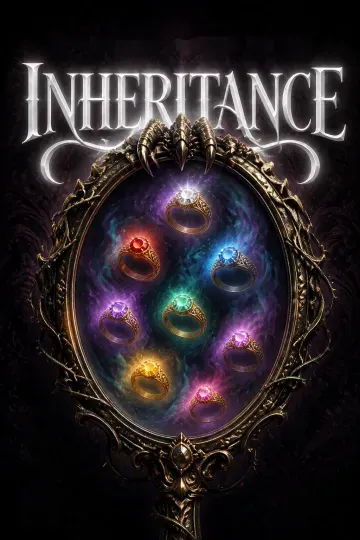
Seven brides are marked by the curse, and their wedding rings help sustain it. Now Sonya MacTavish, a descendant who has made the manor her home, is drawn toward its old mirror. The house seems to be waiting for her, while its dead watch to see whether she can end the cycle that has held them there.
The prologue makes the manor more than a setting: its long memory turns domestic space into evidence. The curse links possession of a house to possession of a family, while the rings make that claim tangible and transferable. Its promise that the dead are watching also complicates the usual ghost-story opposition between living and dead. The inhabitants of the manor are not simply trapped remnants. They may be witnesses, allies, and keepers of histories that the living have misunderstood. By placing Sonya inside a story already in motion, the prologue frames inheritance as both an unwanted burden and a chance to repair what earlier generations could not.
Lisbeth’s Unstoppable Wedding
Sonya wakes in the past beside Owen, the cousin she recently discovered, at Lisbeth Poole’s crowded wedding reception. She recognizes the year and the bride from the family history, and knows Hester Dobbs will kill Lisbeth with spiders hidden in her dress. The cousins push through the dancing guests, but arrive too late: Lisbeth collapses in her husband’s arms.
Dobbs takes the wedding ring, then blasts Sonya backward when she tries to stop her. A huge red-eyed spider races toward Sonya, and Owen crushes it before pulling her through the mirror. Back in the present, Sonya understands that she cannot undo the brides’ deaths. The seven rings, not a rescue in the past, are the key to breaking Dobbs’s curse.
The crossing immediately establishes the story’s painful limit: Sonya can witness history, but presence does not equal control. Her instinct is to intervene, and the attempt costs her physically without changing Lisbeth’s fate. Owen’s quick decision to follow her makes kinship practical rather than merely genealogical; he risks himself because she is in danger. The ring’s disappearance gives the failed rescue a consequence and a new direction. Sonya must exchange the fantasy of repairing each death for the more difficult work of confronting the structure that keeps those deaths useful to Dobbs.
A Home Under Siege
After the night’s ordeal, Sonya, her best friend Cleo, Trey Doyle, and Owen turn to breakfast, work, and plans for a June open house rather than letting fear empty the manor. Molly, the invisible housekeeper, leaves a wedding platter that belonged to Lisbeth, and Cleo begins to treat the old house as a place to live, cook, paint, and welcome people.
The gathering becomes a deliberate answer to Dobbs, who grows angry when the house fills with laughter. During an evening walk, a huge winged shape flies from the Gold Room and dissolves in sulfurous smoke. Later, Trey sees Dobbs jump from the seawall under a full moon. He and Sonya infer that her blood and death at the manor may be what bound the curse there.
Domestic work becomes a form of opposition because it restores ordinary use to rooms Dobbs wants governed by fear. The platter matters in a similar way: an object meant for a bride’s future is used again by people who remember her without pretending they can alter her fate. Sonya’s resistance is not solitary heroism. Cleo’s hospitality, Trey’s steadiness, Owen’s willingness to enter danger, and the ghosts’ small acts all create a community inside the haunted space. Dobbs’s appearance exposes the threat, but the planned gathering shows that the manor can hold an identity beyond the witch’s claim.
Patricia’s Missing Generation
Trey’s father, Deuce Doyle, brings Sonya and Cleo family records and memories of Patricia Poole, Sonya’s formidable great-grandmother. Patricia ruled her children and the family business, while her daughter Gretta remained dependent on her.
Deuce explains that Collin, raised as Gretta’s son, was actually the surviving twin of Sonya’s father. Patricia separated the babies after their mother died, keeping Collin to preserve her direct bloodline and arranging for the other twin to be adopted. Collin later defied Patricia by reopening the manor with his wife.
After Deuce leaves, Cleo finds a wedding portrait of Lisbeth painted by Collin. Sonya recognizes that her father and uncle somehow crossed the mirror too, and the portrait joins earlier paintings as evidence that the dead are guiding her search.
The family history reveals that the curse is not the only force that has divided the Pooles. Patricia’s control reproduces itself through secrecy, coerced roles, and a bloodline treated as property. Her choices echo Dobbs’s possessiveness, although the two women operate through different means. The portrait offers a counter-record: where official genealogy conceals the twins’ origin, art preserves the emotional reality of people whom the family story has reduced to names. Sonya’s inheritance therefore asks more of her than solving a supernatural puzzle. She must learn to distinguish genuine care for family from the urge to control it.
Lisbeth Speaks Beyond Death
During a night at the manor, Sonya sees the music room as it looked before Lisbeth’s wedding. Her family and friends gather around the piano while Lisbeth sings and her fiancé watches her. The scene freezes, leaving Sonya able to speak with the bride. Lisbeth describes how much she loved Edward and admits that his later life with another woman once grieved her.
She came to accept that his continued happiness was not a betrayal of her. Lisbeth also urges Sonya to find the rings, though she cannot explain where they are. When the vision fades, Sonya tells Trey and Cleo what she saw. Their partial hearing confirms that the mirror’s gift reaches Sonya more clearly than it reaches them.
Lisbeth’s appearance shifts the dead from objects of pity into people with discernible inner lives. Sonya has seen her die, but the vision prevents that death from defining the whole person. Lisbeth’s acceptance of Edward’s later happiness also offers a contrast to Dobbs’s possessive attachment: love can release its claim, while obsession converts loss into a demand that everyone else stop living. The scene’s emotional value is not that it reveals the rings’ location. It strengthens Sonya’s reason to seek them by giving the bride back a voice, a character, and a relationship that the curse could not erase.
The Gold Room Opens
When Dobbs’s attacks intensify, Sonya, Cleo, Trey, Owen, and the dogs approach the Gold Room together. Jones rushes inside, and Owen follows; Trey enters after him rather than leave his friend alone. The room fills with unnatural wind, smoke, blood on the walls, and a floating Dobbs who attacks Owen.
A drop of Owen’s blood hits the floor, and Jones tears a scrap from the witch’s black dress before she vanishes. Outside the room, Cleo’s protective sage and the group’s refusal to panic may have helped end the assault, though none can be sure. Owen later watches Dobbs jump from the seawall and recognizes the leap as a repeated scene from 1806, distinct from the living force still haunting the manor.
The confrontation converts a familiar haunting into a contest with material consequences. Jones’s torn scrap proves that Dobbs can be touched, while Owen’s bleeding hand suggests that the group’s bodies and blood may matter to the house’s magic. The characters do not claim certainty about what stopped her. That restraint is important: they are building knowledge through observation, not pretending confidence is the same as mastery. Owen’s insight about the repeated leap also separates past event from present agency. The death on the seawall may replay, but Dobbs remains capable of choosing fresh attacks inside the house.
Clover’s Last Minutes
A mirror vision carries Sonya into her own bedroom as it looked decades earlier, where Lilian Crest, known as Clover, is in labor during a snowstorm. Clover and her husband Charlie have been stranded with no help, and she gives birth to twin boys while losing blood and strength. Sonya watches Charlie wrap the babies, care for Clover, and try to keep her warm.
Before he leaves to find food, Clover is already dying. Dobbs enters, takes Clover’s wedding ring, and binds her curse with the death. Clover sees Sonya and asks her to recover the ring. Afterward, Sonya wakes on the floor beside Yoda, grieving alone. A later dream shows Clover and Charlie happy on their wedding day, giving Sonya a memory of the love that preceded the tragedy.
This vision makes Sonya’s task intimate in a new way. She is no longer only a descendant learning what happened to strangers in her family tree; she watches the birth that made her own life possible. The violence of that knowledge is balanced by the wedding dream, which refuses to let Dobbs’s intrusion become the couple’s only story. Clover’s request gives Sonya a personal obligation, but the vision also models the meaning of witness: care can preserve a truth even when it cannot reverse an ending. Sonya’s grief is not a failure of resistance. It is recognition of Clover as a person loved before she became a victim.
A Client’s Life in Pieces
Trey’s legal work brings a second kind of violence into Sonya’s orbit. His client Marlo escaped an abusive ex-husband with her children, but the man makes bail, gets drunk, and breaks into the family’s empty home.
He smashes furniture and the children’s toys, damages their belongings, and leaves the house in ruins. Trey’s anger turns inward until Sonya insists that he let her and Cleo share the burden. Trey, his mother Corrine, Owen, and neighbors clear the wreckage.
Corrine organizes a yard sale, and the community raises more than five thousand dollars for Marlo and her sons. Meanwhile Sonya builds her design business and prepares a major Ryder Sports proposal. Cleo and Owen exchange a kiss, then agree not to rush their friendship into a relationship.
Marlo’s story provides a human counterpart to Dobbs’s violence: both threats seek to make a home unlivable, but the living community can respond with concrete repair. Trey’s impulse to carry everything alone resembles the protective reflex that repeatedly concerns Sonya, and her insistence on shared responsibility changes their intimacy into a practice of equality. Corrine’s sale turns neighbors’ sympathy into money Marlo can actually use. The career and romance threads likewise show the characters choosing what to build, not only what to defend. Cleo and Owen’s decision to wait is not hesitation without desire; it is an effort to protect the friendships binding their larger group.
The Compact Crosses Time
While working in the library, Sonya feels the mirror draw her into the past, where she sees Patricia at her engagement celebration. Dobbs confronts Patricia, claims the manor as her own, and warns that any bride who lives there will die.
Patricia is terrified, yet still marries Michael Poole; she simply refuses to hold her wedding at the manor or live there. When Dobbs disappears, Sonya picks up Patricia’s fallen gold compact and carries it back through the mirror into the present.
The object proves that she can bring something physical across time, not merely observe. Its broken mirror becomes evidence of the earlier confrontation and a possible method for reaching the rings. Sonya decides to visit Gretta and learn what remains of the family secret.
The compact changes the mirror from a one-way theater into a possible instrument of action. Sonya has not yet retrieved a ring, but she has crossed a boundary the characters previously assumed was fixed. The object also clarifies Patricia’s refusal to inhabit the manor: her distance was not simply a preference for a newer house but a response to Dobbs’s threat. The compact’s broken reflective surface condenses the story’s concern with appearances. Patricia prized presentation, yet the object survives as damaged evidence of a truth she never publicly explained. Sonya’s curiosity now has an investigative method as well as a family motive.
Gretta’s Buried Choice
Before Sonya visits Gretta, Owen dreams of playing chess with a younger Collin, who identifies Sonya as the person meant to inherit the manor and asks Owen and Trey to stand with her. At the memory center, Sonya shows Gretta the compact. Gretta’s memories break through her dementia: Patricia forced her to choose one twin, and Gretta selected Collin to raise as her own while Sonya’s father was adopted.
Gretta resents the life she surrendered but blames Charlie rather than her own compliance. Sonya later gives the compact to Clarice, a practical Poole cousin who accepts it as part of Patricia’s matching set. Clarice confirms that Patricia was controlling, but had respected Clarice’s business ability and backbone.
The visit refuses an easy moral verdict. Gretta was pressured by a powerful mother, yet she also made a choice that shaped two brothers’ lives and then protected the lie. Her dementia exposes resentment without producing a clean confession or repair. Sonya’s anger is understandable, but the scene forces her to distinguish explanation from absolution. Clarice offers a contrasting form of inheritance: she acknowledges Patricia’s force without allowing that force to determine her own identity. Owen’s dream quietly reinforces the same distinction. Family connection matters, but it does not require repeating the family’s old obedience.
The Manor Remembers Everything
In May, Sonya and Cleo continue reclaiming rooms and preparing the open house. A new portrait appears in Cleo’s studio, this one of Agatha, painted by Sonya’s father.
During a later three o’clock disturbance, the manor seems to contain several eras at once: a mother in labor, servants at work, guests dancing, and dead brides moving through the halls. Sonya and her friends see Dobbs on the seawall facing the house, apparently aware of them, while the scenes around them end in the brides’ deaths.
When the visions vanish, they conclude that the house has exposed its accumulated memories rather than one coherent present. The experience confirms that Sonya’s struggle involves the manor’s entire history, not only the moments when Dobbs chooses to attack.
The temporal fracture enlarges the scale of the conflict. The house is no longer a container for separate hauntings but a repository in which different periods can become simultaneously legible. That density challenges the living characters’ desire for a neat sequence of causes and effects. They can observe, but they cannot reliably intervene in every scene. Dobbs’s apparent awareness raises the stakes without resolving the mechanism. The portrait of Agatha offers a quieter counterforce: repeated artistic attention gives the brides individuality, while the storm of memory threatens to reduce them again to a succession of deaths.
Sonya Wins Ryder Sports
Sonya travels to Boston with Cleo as her assistant to present her Ryder Sports campaign. Before the meeting, her former fiancé Brandon Wise ambushes her in the hallway, mocks her independent business, and claims the established firm has already secured the account.
Sonya refuses to let him derail her. She presents a campaign rooted in Ryder’s family history and its appeal to athletes of every age and ability. Miranda Ryder later tells her that the company chose Sonya’s vision over the rival proposal.
Miranda also confirms that Brandon’s bullying was reported and that, had the rival firm won, he would have been removed from the project. Sonya returns with a major client and renewed confidence, while Brandon’s employers later dismiss him for dishonesty and unprofessional conduct.
The professional contest echoes the manor conflict without making the two identical. Brandon tries to define Sonya through his judgment, while Dobbs tries to define the house through possession. Sonya counters both by presenting work that reflects her own values rather than competing on intimidation or polish alone. Ryder’s decision validates her independent judgment, but it does not create her talent; it recognizes what she has already made. The distinction matters psychologically because Sonya’s security no longer depends on proving that her former relationship was a mistake. She can want the opportunity, enjoy the victory, and still understand that her worth precedes both.
The Dead Hold a Party
After Sonya and Cleo return, they find the manor lit and hear music, laughter, and dogs barking. For a fleeting moment they see Jack tossing his ball and Clover among the gathered spirits, who have staged a celebration of their own.
Sonya understands the gesture as welcome and recognition, not another attack. The respite does not last: Dobbs later triggers alarms and forces the group to search the house, then a separate assault sends storm, smoke, and thunder through the halls.
Cleo risks the third floor to retrieve Pye, and Owen calms both of them by singing as he carries the cat away from the Gold Room. Trey burns his hand on the door, but the group reunites and treats the injury. Cleo and Owen begin a physical relationship after agreeing their connection is worth the risk.
The spirits’ celebration demonstrates that the manor’s dead are not merely a chorus of suffering. They can welcome, play, and respond to the living, making the house’s emotional history more varied than Dobbs’s appetite for grief. The following attack tests whether that happiness has made the group careless. Instead, each person acts from attachment: Cleo returns for Pye, Owen steadies her, and Sonya and Trey care for his injury. The emerging romance between Cleo and Owen grows within this network rather than replacing it. Intimacy becomes another way of inhabiting the manor, precisely the kind of living fullness Dobbs seeks to extinguish.
Arthur’s Death Was Murder
While following Yoda into the woods, Sonya feels the mirror’s pull and enters a vision set in 1805. She watches Arthur Poole ride home and confront Dobbs, who admits she drugged his son Collin and used the spell to seduce him.
Arthur rejects her claim to the family and threatens to remove her from Poole’s Bay. Dobbs kills him with a violent twist of magic, then sends his horse running so the family will find the body and assume an accident. She celebrates her chance to become mistress of the manor, but briefly senses Sonya without understanding who she is.
Back in the present, Sonya tells Trey, Cleo, and Owen what she witnessed. They realize that Dobbs’s hunger was for ownership, and that Arthur’s death began a chain of losses hidden beneath family history.
The revelation revises the family’s account of its own past. Arthur did not die through misfortune, and Collin’s later shame may have rested on a false belief about his encounter with Dobbs. The original crime is not merely an early murder in a long sequence; it is the moment Dobbs removes an obstacle to ownership and disguises violence as ordinary fate. Sonya’s role as witness supplies the missing evidence, though it cannot return Arthur to his family. Her grief is therefore also historical anger. The vision makes the curse’s motive more intelligible without making its consequences any less monstrous.
The Manor Opens Wide
Sonya and Cleo open the manor to the people of Poole’s Bay, with Bree coordinating food, staff, bars, and the flow of guests. Their families arrive, as do local business owners, neighbors, and Poole relatives. Guests eat, dance, tour the house, and admire the portraits of the brides.
Imogene gives Cleo a protective tourmaline and explains that the house’s joyful energy can hold Dobbs back for a time, though not forever. The party succeeds without a major attack, and the guests see the manor as a welcoming home rather than a cursed ruin.
Afterward, Winter and Sonya’s grandparents leave with a deeper understanding of the family’s history. The gathering gives the ghosts and the living a shared occasion, but Imogene warns that Sonya still has work ahead.
The open house is a public claim, not only a private celebration. By bringing neighbors and relatives through the doors, Sonya and Cleo weaken the isolation on which Dobbs’s possession depends. The portraits make the brides visible as a collective, while food, music, and conversation restore the manor’s social function. Imogene’s protection is deliberately temporary, which prevents the party from serving as a magical solution. Its achievement is instead relational: the living community now has a stake in the house, and the dead are recognized as part of its history. The event shows that resistance can be joyful without being naive about danger.
Johanna’s Wedding Replays
After the party, Sonya witnesses Collin and Johanna in an earlier, tender moment and learns that Johanna was pregnant before their wedding. A new portrait of Marianne appears, bringing the displayed brides to five.
Later, Cleo launches the custom Sunfish Owen built from her mermaid painting, and she, Sonya, Yoda, and Pye sail the bay. At three, Sonya and Owen cross the mirror into 1995, where Johanna removes her painful shoes, discovers Dobbs, and loses her wedding ring before the witch kills her.
Dobbs identifies Sonya as the descendant she has sensed and says the seven rings secure her claim. Back in the present, Sonya finds the dead filling the foyer: Astrid, Johanna, and Collin among them. Their grief is drowned by Dobbs’s triumphant laughter as the story stops.
The final sequence joins personal happiness to the curse’s most brutal repetition. Johanna’s pregnancy makes the life she and Collin were preparing feel newly concrete, while the boat launch briefly gives Cleo and Owen’s creative exchange a joyful, physical result. Then the mirror carries Sonya to the last bride’s murder, revealing that Dobbs possesses all seven rings and still claims the house. The return does not provide a solution; it floods the present with the dead and leaves the living facing the scale of the curse. Ending in unresolved violence sharpens the difference between witnessing and winning. Sonya now knows what she must oppose, but not yet how to defeat it.
Analysis
The novel treats inheritance as an argument about who gets to define a home. Dobbs claims the manor through violence, then tries to make fear feel like proof of ownership. Patricia pursues control through family hierarchy and the management of bloodlines. Their methods differ, but each turns people into instruments of possession. Sonya’s counterclaim develops through acts that are deliberately ordinary: she works in the library, cooks in the kitchen, hangs paintings, makes a business, tends gardens, and invites the community inside. These acts matter because they give the manor a present that Dobbs cannot reduce to its past. The mirror sharpens the distinction between witnessing and intervention. Sonya sees deaths she cannot prevent, including the births and losses that shaped her own family. The visions do not grant mastery over history; they demand a disciplined kind of attention. The portraits perform a related task in public form. By displaying the brides together, Sonya refuses to let the curse make their deaths their only identity. The dead are remembered as daughters, lovers, artists, and people who expected futures.
The romantic and community plots reinforce that resistance without replacing the central conflict. Trey learns to let Sonya share his burdens, while Cleo and Owen negotiate desire without treating friendship as disposable. Their relationships model connection without possession. The open house extends that ethic beyond the household: neighbors, relatives, workers, and spirits all help make the manor socially alive. Its joy does not defeat Dobbs, and the final scene makes clear that the danger remains active. It does, however, establish what is at stake. Sonya is not fighting only to inherit a building or gather a set of rings. She is defending a home whose meaning comes from shared care, remembered lives, and the freedom to build new ones.
Review Summary
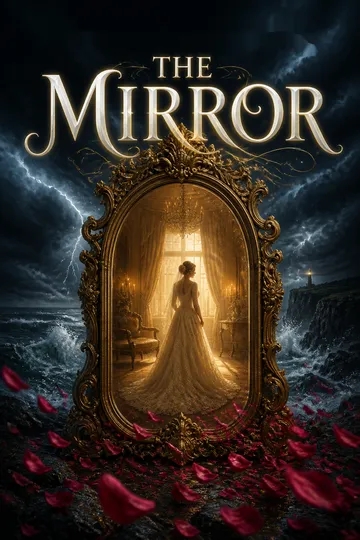
The Mirror is the second book in Nora Roberts' Lost Bride trilogy. It continues the story of Sonya MacTavish and her haunted Maine mansion. While some readers found it captivating, others felt it lacked plot progression and focused too much on mundane activities. The book explores the history of the cursed brides and develops relationships between characters. Many praised Roberts' world-building and character development but criticized the slow pacing. The audiobook narration by Brittany Pressley received high praise. Overall, opinions were mixed, with some eagerly anticipating the final installment and others disappointed.
People Also Read


Characters
Sonya MacTavish
The inheriting witnessA Boston-born graphic designer who inherits Lost Bride Manor and discovers a Poole family connection she never knew she had. Sonya values work, loyalty, and self-direction; after a painful betrayal by her former fiancé, she is building a life on terms she chose herself. Her practical habits help her absorb the manor’s impossible events without losing her footing, though witnessing the brides’ suffering tests her limits. She is imaginative but not credulous, and she responds to uncertainty by gathering evidence, making plans, and asking trusted people to stand beside her. Her central tension is between the urge to rescue everyone and the recognition that some losses cannot be undone.
Trey Doyle
The steady protectorA Poole’s Bay lawyer and Sonya’s partner, Trey combines professional patience with a strong instinct to care for people in danger. He grew up close to the manor and to Collin, so its history is personal rather than abstract. Trey approaches frightening events by sorting observation from assumption, a habit that helps the group understand the recurring vision of Dobbs’s leap. His protectiveness can make him reluctant to share his own burdens, but Sonya expects a relationship built on equal ground. He is also a committed advocate for vulnerable clients, and his work outside the manor reveals how naturally he turns concern into practical action.
Cleo Fabares
The fearless chosen sisterSonya’s closest friend and housemate, Cleo is an illustrator and painter with a lively imagination, a gift for humor, and a strong appetite for new experiences. She moves from Boston to the manor because she loves Sonya and quickly comes to love the house itself. Cleo does not confuse courage with invulnerability; she can be frightened and still refuse to let fear make decisions for her. Her artistic eye helps make the manor welcoming, while her family’s spiritual traditions give the group practical rituals and a language for protection. Her attraction to Owen grows from respect for his loyalty, craft, and willingness to act without hesitation.
Owen Poole
The loyal builderSonya’s newly discovered cousin, Owen is a marine craftsman, businessman, and longtime friend of Trey. His loyalty is instinctive: when Sonya enters the mirror, he follows before he has time to understand the danger. He is blunt, funny, and more emotionally perceptive than his rough-edged manner suggests. Owen trusts practical skill, whether he is building a boat, helping repair a damaged home, or protecting an animal. His friendship with Trey is central to his life, and he respects Cleo’s independence enough to accept her boundaries as well as her interest.
Hester Dobbs
The possessive witchA witch tied to Lost Bride Manor by a violent claim of ownership, Hester Dobbs treats people as obstacles or instruments in her effort to rule the house. Her power feeds on fear, grief, and the consequences of her own crimes, so she repeatedly tries to make the living surrender the home through terror. Her fixation is not simply romantic jealousy; the manor, its status, and its future matter more to her than the people who inhabit it. She is intelligent enough to plan and cruel enough to enjoy suffering, yet the house’s other inhabitants and the bonds among the living frustrate her control.
Collin Poole
The absent twin heirSonya’s uncle and Owen’s uncle, Collin was raised within the Poole family and became deeply attached to Lost Bride Manor. His artistic life and friendship with Trey’s father give him a place between the Poole and Doyle families. Collin values independence, history, and chosen kinship, and his affection for the house appears in the portraits and plans he leaves behind. His story is shaped by family secrets he did not fully understand and by the love he built with Johanna. Through his art and memories, he continues to influence Sonya’s understanding of what the manor means.
Clover
The musical grandmotherBorn Lilian Crest, Clover is Sonya’s biological grandmother and the mother of the separated twins. She is an artist and free spirit whose affection for music is carried into the present through songs played by the manor’s devices. Sonya encounters her through visions that reveal both her courage and her tenderness. Clover’s warmth gives the family history a counterweight to the cold decisions made by Patricia and Gretta. She communicates in fragments, often through music, but her presence feels attentive and protective. Her life reflects an expansive idea of family grounded in love rather than status or obedience.
Johanna Poole
Collin’s devoted brideCollin’s wife, Johanna is practical, warm, and deeply committed to making the manor a home. She imagines a future filled with family, art, and music, and she approaches marriage as a partnership rather than a social performance. The glimpses Sonya receives of Johanna reveal a woman who can be playful and determined at once. Her connection to Collin is one of the clearest examples of the love and ordinary happiness that existed in the manor before Dobbs’s violence entered their lives.
Lisbeth Poole
The joyful young brideA Poole bride whose wedding reception becomes one of Sonya’s first journeys through the mirror. Lisbeth is affectionate, lively, and openly delighted by her fiancé and family. Her later communication with Sonya reveals a generous capacity to value Edward’s life after her own story has been cut short. The portraits and memories help preserve Lisbeth as more than a victim: she is a young woman with humor, affection, and hopes for the life she expected to share.
Astrid Grandville Poole
The first lost brideThe earliest Poole bride associated with the curse and the subject of the portrait in the manor’s entrance. Astrid’s marriage to Collin Poole stands at the beginning of the family’s tragic history. Though Sonya has only limited contact with her memory, Astrid’s portrait gives the curse a visible point of origin and reminds the household that the brides existed as individuals before their deaths became family legend.
Agatha Winward Poole
The formal fourth portraitA Poole bride whose portrait appears in the studio and expands the series Sonya and Cleo are assembling. Agatha is presented with a stately bearing and a carefully detailed wedding gown. Her image helps Sonya recognize that the portraits are meant to be seen together, preserving each bride’s distinct presence rather than leaving them scattered through storage and family memory.
Marianne Poole
The bride before AgathaA Poole bride whose portrait is discovered after Sonya witnesses a private moment between Collin and Johanna. Marianne’s image carries the grace and hope of a wedding day, qualities that make the knowledge of her family’s grief more affecting. Her portrait adds another piece to the developing sequence Sonya believes must be completed.
Patricia Poole
The controlling matriarchSonya’s great-grandmother, Patricia is a polished, formidable woman who expects family and business to obey her direction. She values status, order, and the continuation of the Poole line, and she is capable of treating intimate decisions as matters of administration. Her power is social rather than supernatural, but its consequences reach across generations. Patricia’s rigid self-command makes her difficult to intimidate, while her fixation on appearances and lineage leaves little room for the needs of the people closest to her.
Gretta Poole
The dutiful daughterPatricia’s daughter and the woman who raised Collin under a concealed family story. Gretta is remembered as anxious, passive, and closely governed by her mother. Her interest in art and dreams of an independent life sit uneasily beside the duties imposed on her. She carries complicated feelings about the decisions she made, and her changing memory makes her difficult for Sonya to understand or reach. Gretta embodies the emotional cost of prolonged submission without being reduced to a simple villain or a simple victim.
Deuce Doyle
The family historianTrey’s father, a lawyer and researcher who wrote the Poole family history for Collin. Deuce is warm, careful with evidence, and willing to separate remembered fact from rumor. His long friendship with Collin gives him a personal understanding of the manor and the family’s past. He helps Sonya interpret Patricia’s influence and gives her access to photographs and records without pretending to know everything.
Winter MacTavish
Sonya’s devoted motherSonya’s mother, Winter is affectionate, perceptive, and proud of her daughter’s independence. She remains a grounding connection to Sonya’s Boston life while supporting the new home and work Sonya has chosen in Maine. Winter’s reassurance does not become control; she offers care while allowing Sonya to make her own decisions. Her response to the family portraits shows how the manor’s past reaches beyond the Poole line.
Imogene Tamura
Cleo’s wise grand-mèreCleo’s grandmother, an experienced spiritual practitioner who brings herbs, stones, rituals, and a lively sense of humor to the manor. Imogene understands that protection is strongest when it is connected to love and community rather than fear. She respects Cleo’s judgment and offers tools without insisting that everyone share her beliefs. Her calm presence helps the group treat spiritual danger seriously without letting it dictate every part of their lives.
Arthur Poole
The founder’s family patriarchA successful Poole businessman and father who takes pride in the family, the shipyard, and the manor he built. Arthur believes he can protect his son and home through authority, a confidence that places him in direct opposition to Dobbs. His role connects the family’s public history to the private violence hidden inside it.
Bree Marshall
The event’s practical forceA chef and organizer from Poole’s Bay, Bree understands crowds, food service, and the small logistical failures that can undo a large gathering. She agrees to coordinate Sonya and Cleo’s open house and brings brisk efficiency without stripping the event of its warmth. Her practical expertise helps turn their ambition into a workable community occasion.
Molly O’Brian
The invisible housekeeperA longtime servant spirit who continues to care for Lost Bride Manor by cleaning, setting out clothes, arranging flowers, and leaving useful objects for its living residents. Molly’s quiet work gives the house a sense of continuity and care. She rarely appears directly, but her thoughtful interventions help Sonya and Cleo feel that the manor’s past contains kindness as well as danger.
Jack
The manor’s playful childA young boy spirit who plays ball with Yoda and sometimes rearranges the kitchen when he wants attention. Jack’s presence brings mischief and companionship into the house. His small acts, including looking after the pets, show that the manor’s ghosts retain habits and affections from their lives.
Yoda
Sonya’s loyal little dogSonya’s brindled, short-legged dog, Yoda is affectionate, sociable, and often braver than his size suggests. He anchors her daily routine and forms an unlikely friendship with Jack. His presence also keeps the adults attentive to the needs of living creatures in a house where supernatural events can easily dominate their attention.
Pyewacket
Cleo’s watchful black catCleo’s sleek black cat, usually called Pye, quickly makes the manor her territory. She is confident around the dogs and alert to the house’s disturbances. Her presence gives Cleo a companion of her own and adds an independent, observant creature to the household’s unusual community.
Jones
Owen’s fearless dogOwen’s scruffy, one-eyed dog is stubborn, devoted, and eager to confront anything he considers a threat. Jones’s loyalty becomes especially useful around the Gold Room, where his instincts are often quicker than the humans’ understanding. He is both comic company and a genuine participant in the household’s defense.
Plot Devices
The carved mirror
A doorway into historyThe mirror appears at different places and times in the manor and can draw Sonya, and sometimes Owen, into scenes from the Poole family past. Some crossings happen while Sonya is awake; others arrive as visions that feel like dreams. The mirror lets her witness private moments and murders, but it does not initially let her alter what happened. Its rules remain uncertain, which makes each journey both an investigative opportunity and a physical risk. When Sonya carries Patricia’s compact back into the present, the mirror becomes more than a viewing surface and suggests that objects, including the rings, might cross its boundary.
Seven wedding rings
The curse’s binding tokensDobbs takes a wedding ring from each doomed Poole bride, using the rings to maintain her claim on the manor. The jewelry links her supernatural power to the family’s repeated losses and gives Sonya a concrete objective when saving the dead proves impossible. The rings are not recovered in the provided story, and the narrative has not yet established exactly how they must be used to end the curse. Their repeated appearance makes the brides’ personal histories part of the same larger mechanism.
The bride portraits
A gallery of witnessesPortraits of the Poole brides appear in the manor, painted by Collin or Sonya’s father and arranged as though they belong to a connected series. Sonya and Cleo bring them out of storage and hang them together in the music room. The images honor the brides at moments when they were alive and happy, countering the family tradition of remembering them mainly through the deaths that followed. The sequence also seems to guide Sonya toward missing pieces of the past and toward the possibility that all seven brides matter to the curse’s eventual undoing.
The three o’clock hour
A repeated supernatural traceAt three in the morning, the manor’s clock chimes, piano music begins, and old grief often stirs. Dobbs’s leap from the seawall repeats as a kind of replay from the night she died, while the living Dobbs can still attack inside the house. Sonya’s sleepwalking and mirror visions sometimes begin at this hour, but not every disturbance is the same event. The recurring time provides a pattern the characters can study while reminding them that the manor holds both recorded memories and an active threat.
The manor’s resident spirits
A household of unseen alliesThe manor’s ghosts continue familiar tasks and attachments: Molly cleans, Jack plays with Yoda, and Clover communicates through music. Their actions are often small, but they help Sonya and Cleo inhabit the house rather than surrender it to Dobbs. The spirits also preserve histories through objects, portraits, sounds, and visions. Their allegiance is not expressed through a single formal explanation; it emerges from repeated acts of care and from the joy they show when the living fill the manor with people.
The Lost Bride Trilogy Series
About the Author




Download PDF
Download EPUB
.epub digital book format is ideal for reading ebooks on phones, tablets, and e-readers.








