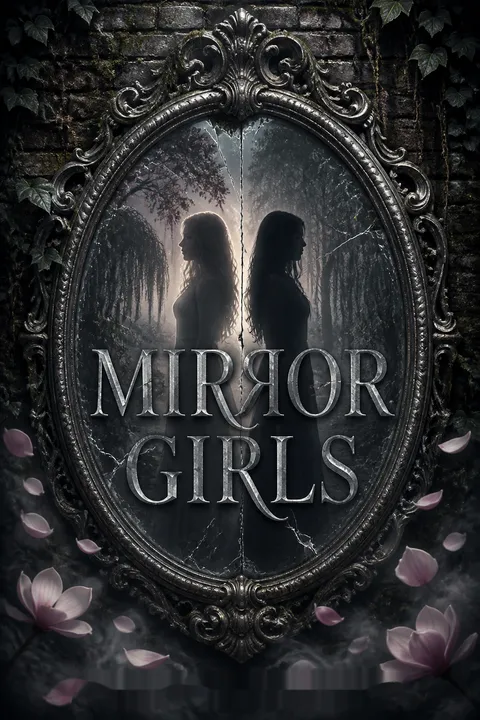


Plot Summary
Prologue
Years before the story begins, Jeannette Yates flees Eureka carrying her dark-skinned granddaughter, Charlene, after Marie and Dean Heathwood are killed. Her pale twin, Magnolia, remains behind with Dean’s mother, Blanche. Jeannette believes grief and fear led her to break the sisters’ bond, so she visits the swamp conjurer Old Roland and offers years of her own life for answers, including protection for the child she left behind.
Roland destroys Marie’s treasured book of love poems in his potion, then seals the bargain by making Jeannette a silver snake-headed cane. Jeannette leaves Georgia with Charlene, determined to keep the child alive, though the spirits warn that Magnolia may come seeking help too late.
The prologue establishes that the sisters’ separation is not a clean rescue but a choice made under coercion, grief, and racial terror. Jeannette can move Charlene to safety, but she cannot undo the social order that makes Magnolia’s pale skin appear to offer protection. Her bargain converts love into a measurable cost, years of life, while the ruined poetry book gives that cost a material form. The cane carries both the family’s history and Jeannette’s attempt to remain responsible for a child she cannot raise. The supernatural contract does not replace historical violence; it grows directly from it.
A Return Across the Line
In 1953, seventeen-year-old Charlie Yates leaves Harlem with her dying grandmother, Jeannette, to fulfill Jeannette’s wish to return to Eureka, Georgia. Charlie expects a final family visit, not the rigid segregation that meets them on the train: in Maryland, a conductor forces them from first class into the colored car despite Jeannette’s failing strength.
Darius Lucien, a blue-eyed young man traveling home, gives them his seat and later carries Jeannette to his Cadillac when she collapses at Eureka Station. He knows Charlie’s name before she gives it. As he drives them across the river into Colored Town, signs and unpaved roads make plain that Charlie has entered a place governed by rules she does not yet understand.
Charlie’s return reverses the familiar migration northward. She has grown up believing that organizing and city life give her some leverage against racism, but the train conductor strips that confidence down to the immediate need to protect her grandmother. Darius’s help matters because it is both practical and socially risky: he offers care where the official system offers humiliation. The bridge into Colored Town turns racial classification into geography, directing bodies to different roads and neighborhoods. Charlie’s first response is not passive wonder but alertness, a habit formed by activism that must now adapt to a town where even a bench or a drink can become a test of safety.
The Girl Missing From Glass
At Heathwood Plantation, Magnolia Heathwood sits beside her dying grandmother, Blanche, who reveals that Magnolia’s mother was a Black housekeeper, not the Spanish aristocrat in the family portrait. Blanche insists Magnolia must conceal the truth and remain attached to the Heathwood name.
After Blanche dies, Magnolia searches the plantation’s obsidian mirrors and discovers that none shows her reflection. She retreats from the world until Aunt Hilda forces her to receive Annamae Waylon, Magnolia’s closest friend.
Annamae celebrates a new law ordering Black graves moved to a swamp cemetery, and Magnolia realizes she once signed the petition behind it. Odessa, the family’s Black housekeeper, confirms Magnolia’s ancestry and warns that hiding it will demand a choice.
Magnolia’s crisis begins not with a change in her body but with a change in the story she has been taught to tell about herself. Blanche has trained her to treat whiteness as a performance maintained through grooming, seclusion, and obedience. The missing reflection makes that performance physically unstable: Magnolia cannot verify the familiar image on which her social identity depends. Her signature on Annamae’s petition complicates any simple account of her as an innocent victim. She has benefited from the system and helped advance its violence, even without understanding her own position within it. Odessa offers truth, but leaves Magnolia responsible for what she does with it.
A Mother in Obsidian
At Freedom House, Charlie wakes beside Jeannette’s body and finds a photograph clutched in her grandmother’s hand. A voice draws her to an obsidian mirror, where her dead mother, Marie, appears in a wedding dress marked by a gunshot wound. Marie explains that two men stopped her and Dean on the road because they were together, then urges Charlie to find her sister and repair what has been broken.
Dr. Colt and Preacher Lucien later explain that Marie gave birth to twins: Charlie, brown-skinned, and a pale girl taken by Blanche Heathwood. Jeannette had first refused Blanche’s money, but the threat of Don Bell’s lynching helped break her resolve. Charlie recoils from the revelation, then heads for the station to leave.
The mirror turns bereavement into an encounter with history that ordinary family testimony could not provide. Marie’s appearance gives Charlie a personal bond to the dead, but also makes her family’s loss inseparable from racial violence. The revelation of a twin changes Charlie’s understanding of her own childhood: the faint memory she assigned to her mother may belong to the sister taken from her. Jeannette’s decision is presented with moral complexity. She tried to protect both children within a murderous order, yet her choice helped produce a second, ongoing injury. Charlie’s impulse to flee shows how knowledge can initially feel less like empowerment than another burden to carry.
Two Faces at Heathwood
Darius catches Charlie at the station and persuades her to meet the sister she is about to abandon. At Heathwood, Charlie and Magnolia recognize their shared face, and Magnolia admits she knows the family’s truth but has not decided how to live with it.
In Freedom House, Marie’s mirror briefly shows the twins as babies in Dean’s arms, confirming their parents’ love and the life they were denied. The sisters argue over their radically unequal childhoods, then share the first comfort either has found in the other.
Magnolia’s reflection and appetite remain absent. When Blanche’s will offers her the plantation only if she disowns Charlie and all Black relatives, Magnolia refuses the inheritance and leaves Heathwood, despite the shelter and status it could have secured.
The sisters’ first bond is not effortless recognition. Charlie sees privilege and danger in Magnolia’s polished manners, while Magnolia sees in Charlie the family intimacy she was denied. Their argument makes those differences explicit rather than smoothing them into a sentimental reunion. The mirror image of Dean holding both babies offers proof of parental tenderness, but it cannot restore the years in which the sisters were raised apart. Magnolia’s rejection of the will is therefore more than a declaration of identity: it costs her property, protection, and the only future Blanche prepared her to expect. The scene asks whether kinship can be chosen deliberately after a system has spent years assigning its members different worth.
Freedom House's New Guest
At Freedom House, Magnolia tries to eat the food Charlie prepares, but each bite tastes like dust or grave soil. Darius arrives with Nat and Joe to plan a protest against the cemetery disinterment. When the boys question Magnolia’s place among them, she publicly identifies herself as Charlie’s sister and stands with Colored Town.
The community gathers at Jeannette’s repast, where Preacher Lucien introduces the twins as a sign of solidarity and calls people to defend their dead. Magnolia feels welcomed, dances, and believes joining the community may lift her curse. Then the enslaved boy ghost who has haunted her appears in the crowded room and points at her. Her reflection does not return, and she cannot swallow a piece of pecan pie.
The repast offers Magnolia a social welcome that her household never gave her, but acceptance by living people does not immediately settle her spiritual or psychological status. Her bodily symptoms persist even as she makes a public choice to stand with her sister. The distinction matters: identity cannot be repaired by declaration alone when a history of complicity remains unaddressed. The ghost’s accusation interrupts a celebratory scene because the past is not satisfied by Magnolia’s new allegiance. Meanwhile, the protest gains force through the twins’ visible presence, turning family history into a public symbol. That symbolism helps organize resistance, but it also places Magnolia under scrutiny before she has learned what she must answer for.
Roland Names the Curse
After Magnolia chokes on the repast’s pie, Odessa takes her and Charlie into the swamp to consult Old Roland. He recognizes Magnolia’s lost reflection and inability to eat as signs that she is trapped between worlds, neither accepted as white nor securely claimed as Black. Jeannette had already paid for a second answer about Magnolia, surrendering another year of her life; Roland says the spirits predicted the child would become lost in the veil.
He offers Magnolia a brutal choice: return to passing as white and live, or remain with Charlie and risk dying. He also gives her grave dirt that can reveal when the curse began. Magnolia leaves the hut with the vial, torn between the price of safety and the life she has begun to want.
Roland frames belonging as reciprocal rather than purely self-declared. Magnolia can reject the privileges of Heathwood, but her choice cannot erase the harm she helped enable or command the spirits to accept her instantly. His diagnosis gives supernatural form to a historically familiar condition: passing may preserve a person physically while severing her from kin, memory, and community. Jeannette’s sacrifice further complicates the sisters’ inheritance, because Magnolia has been loved by someone she never knew, at a cost she never consented to. The conjurer’s stark alternatives force Magnolia to confront how a racist order turns survival into an apparent choice between bodily safety and a life lived honestly.
The River's Hidden Dead
Magnolia tells Charlie she signed Annamae’s cemetery petition without considering its consequences, then decides to ask her former friend to halt the disinterment. Annamae refuses, insisting the digging cannot be stopped.
When Magnolia admits she is Black and asks Annamae to intervene, Annamae proposes that she hide the truth again and cut off Charlie. Aunt Hilda unexpectedly defends Magnolia and sends Annamae away. While Magnolia confronts her former friend, Charlie asks permission to examine the hidden space behind Freedom House’s bathroom mirror.
There she finds a carved scene of enslaved people leaping into the river rather than remain in bondage. A surviving boy, their ancestor Charles Freedom, hides on the bank. Charlie understands why the river is feared and why the town’s buried past remains physically present.
The two discoveries expose different kinds of evasion. Annamae offers Magnolia a route back into white society by treating identity as a secret that can be managed, while Charlie’s carved panel reveals that the town has concealed violence by turning it into folklore. Magnolia’s confession about the petition makes accountability personal: she cannot claim a clean conscience simply because she has changed sides. Aunt Hilda’s defense shows that affection can survive disagreement, though it cannot undo her earlier participation in Magnolia’s isolation. The ancestor’s image gives Charlie a lineage of resistance that predates organized protest. His survival is not triumph without cost; it is a witness to those who had no safe route out.
Cemetery Night Breaks
On Cemetery Night, Magnolia returns to Freedom House but cannot join the march, convinced the spirits have rejected her. Charlie follows Darius, Preacher Lucien, and Colored Town to the cemetery, where families form a line around their loved ones’ graves.
White officials arrive with police, shovels, and a fire truck. Negotiations collapse when the authorities insist the removal will proceed. Police charge the unarmed crowd, and a fire hose sweeps Charlie off her feet while men are arrested and the graves are dug up.
She wakes in a ditch to find the cemetery torn open and her mother’s headstone overturned. Darius, battered but alive, climbs from his uncle Otto’s empty grave. Charlie tends to him at Freedom House, while Dr. Colt warns that night riders may target them.
The protest’s defeat is concrete and institutional: the state protects the excavation, arrests those defending the graves, and uses water as a weapon against an unarmed crowd. The graveyard’s physical destruction makes the town’s racial hierarchy impossible to treat as a matter of manners or private prejudice. Charlie’s cry for Magnolia while drowning shows that the sisters’ bond has become central even when Magnolia is absent. Darius’s survival offers no easy victory; he is injured, and his uncle’s empty grave becomes shelter by accident. The aftermath leaves Charlie facing both political failure and immediate danger, while the community’s losses sharpen rather than resolve the question of whether resistance can matter when it does not prevail.
A Cradle Torn Apart
Before the protest, Magnolia uses Roland’s grave dirt on Marie’s mirror, and the glass recreates the night Jeannette and Blanche argued over the twins. Blanche first coaxed Jeannette with grief and promises of safety, then took Magnolia and paid her to leave town.
Seeing the betrayal, Magnolia believes the damage is too deep to repair and leaves Charlie to return to Heathwood. The following day, as the curse drains her strength, Finch arrives with a marriage offer that would conceal her ancestry in exchange for obedience and the plantation’s recovery.
Magnolia refuses when Finch makes clear that any dark-skinned child of theirs would be sent away. In parallel, Charlie boards the ghost train for New York, where Nana tells her Magnolia chose death rather than pass and urges her to return.
The scene makes the novel’s central bargain explicit: security purchased by denying kinship reproduces the original injury. Magnolia’s refusal of Finch costs her the only socially sanctioned future available in Eureka, but his condition reveals that his acceptance depends on controlling the next generation as well. Her decision is thus not merely romantic rejection; it interrupts a family strategy that would pass racial concealment forward. Charlie’s encounter with Nana places responsibility beside grief. Jeannette acknowledges her mistake, yet her love cannot make the past disappear. The ghost train supplies a final chance to act, not a guarantee of rescue, and sends Charlie back toward the very plantation she had tried to escape.
The Train Between Worlds
Aboard the ghost train, Charlie meets Jeannette and Otto Lucien among Eureka’s unsettled dead. Jeannette admits she made a mistake in giving Magnolia away and explains that Magnolia has refused Finch, choosing an honest life even if it means dying.
She warns Charlie that Blanche’s influence still clings to Heathwood and tells her to return before Magnolia is lost. The train stops at the plantation’s stable, where Charlie steps into the same cold place that marks a hidden chamber.
As she searches for Magnolia, the small ghost boy who once led Magnolia to the shackles takes Charlie’s hand and guides her to the hatch beneath the abandoned stable. Magnolia’s scream rises from below, turning Charlie’s return into a race against Blanche’s power.
The ghost train converts the novel’s recurring language of departure into a moral test. Charlie had treated leaving Georgia as the only practical way to survive, while Jeannette’s account shows that Magnolia’s refusal has made escape impossible for her. The dead do not offer a full explanation or erase their own failures; they give Charlie just enough knowledge to choose again. Otto’s presence also keeps Darius’s family history linked to the same communal struggle, even though Darius himself is elsewhere. The boy ghost’s guidance connects the secret stable room to the ancestors who were previously only glimpsed in traces. Charlie’s return is an act of chosen kinship, not a denial of danger.
The Chest of Names
In the stable chamber, Charlie finds Magnolia shackled while Blanche’s ghost threatens her with the heated iron she once used to control her. Charles Freedom guides Charlie to the locked chest. Blanche admits she hired the men who killed Marie and Dean, then shows the sisters the murder through a wall turned mirror.
Charlie refuses to retreat and reaches Magnolia. Their reunion restores Magnolia’s reflection, giving her the strength to resist Blanche and open the chest. Inside lie thousands of bills of sale naming enslaved people, including the child who became Charles Freedom.
The papers rise around Blanche until her apparition breaks apart. Spirits gather around the sisters, and together they tear Magnolia’s iron shackles from the wall. For the first time, the dead of Heathwood recognize Magnolia as one of their own.
The climax joins intimate rescue to public historical reckoning. Charlie’s love does not defeat Blanche by force; it makes the ghost’s claim of ownership less credible, allowing Magnolia to act and the records to surface. The bills of sale matter because they restore names to people reduced to property, while also exposing the material foundation of Heathwood’s authority. Blanche’s confession links private family trauma to racial violence, showing that the parents’ murder was not an isolated eruption but an effort to preserve inheritance and hierarchy. Magnolia’s reflection returns only after she chooses action and her sister stands beside her. The supernatural resolution therefore depends on solidarity and truthful memory, not on racial identity as a simple label.
Two Tickets North
After the protest, floodwater carries Otto Lucien’s empty casket into Colored Town, and the sight convinces Preacher Lucien that Eureka must keep fighting. Darius chooses to remain with his family and community rather than join Charlie in New York.
Charlie and Magnolia bury Jeannette, with Odessa and even Aunt Hilda present, while Darius and his father work toward aboveground tombs that can protect the displaced dead. Then the twins buy two tickets north. On the departing train, their reflections appear side by side.
They glimpse Marie and Dean dancing together on the station platform, then watch their parents recede as the train carries them toward a future they will build for themselves. Magnolia considers a life of investigation and reform, while Charlie keeps faith with organizing.
The ending refuses to treat escape as a cure for Eureka. Darius remains because local resistance needs people who will stay, while the twins leave because their survival and growth require distance from the town that shaped their trauma. Otto’s casket, empty yet recognizable, makes the cemetery conflict impossible to reduce to a symbolic dispute: even an absent body has a family and a place in communal memory. The proposed tombs suggest practical adaptation rather than a sudden victory over segregation. The parents’ final image offers emotional release, not a repaired past. Charlie and Magnolia carry forward the knowledge that happiness is neither granted by status nor guaranteed by love; it must be pursued alongside the work of changing the conditions that deny it.
Analysis
Mirror Girls makes racial passing a supernatural crisis without detaching it from material history. Magnolia’s missing reflection is not simply an image of confused identity; it is tied to the town’s effort to decide who may inherit land, claim kin, or be recognized as fully human. Her ability to pass gives her access to white protection, but that protection depends on silence and on accepting the disposal of any child who might expose the lie. Charlie, meanwhile, arrives with the language of activism but learns that organizing in Eureka carries risks unlike those she has known in Harlem.
The novel gives memory a physical architecture. Heathwood hides shackles, enslaved people’s records, and a family murder behind polished surfaces. Freedom House hides the account of a slave revolt behind a mirror. The town’s supernatural phenomena make concealment unstable: the dead continue to appear because the living have not settled what was done to them. Yet ghosts are not a substitute for political action. The cemetery protest fails to stop the excavation, and the surviving characters must still find practical ways to protect the dead and each other.
The twins’ reconciliation therefore does not amount to a convenient cure for racism. Their love restores Magnolia’s capacity to act, but it cannot bring their parents back or make Eureka safe. Darius stays to continue the local struggle, while Charlie and Magnolia leave to build lives beyond the plantation’s reach. The ending’s hope is deliberately laborious. Happiness is possible, the book argues, not because history has been repaired, but because the sisters refuse the identities and family arrangements designed to keep that history intact. Their inheritance is not Heathwood’s property. It is the responsibility to remember accurately, choose one another, and keep working toward change.
Review Summary
Mirror Girls is a historical fantasy novel about biracial twin sisters separated at birth in 1950s America. Readers praise its exploration of race, segregation, and family curses, with many finding it haunting and powerful. The book's blend of historical fiction and magical realism is well-received, though some felt the pacing was rushed or the horror elements underdeveloped. Most reviewers appreciate the strong sister relationship and the novel's handling of difficult themes, recommending it for young adults interested in civil rights history.
People Also Read
Characters
Charlene Yates
Harlem-born organizerKnown as Charlie, Charlene is a seventeen-year-old Black girl raised in Harlem by her grandmother. She organizes protests and believes collective action can make a difference, though her confidence is tested by the violence and enforced rules of Eureka. Her bluntness protects her from the social performance expected of young women, but it can also make her misread people whose lives have been shaped differently from hers. Charlie carries grief for parents she barely remembers and anger at the racial order that killed them. Her bond with her sister becomes another form of responsibility: intimate, difficult, and distinct from the public work she already knows how to do.
Magnolia Heathwood
Sheltered plantation heiressMagnolia has been raised inside the declining Heathwood Plantation, trained to prize decorum, beauty, and marriage above independent ambition. She is observant and capable, but her polished manners conceal how little room she has been given to question the life chosen for her. Her understanding of race and family is shaped by the people who control her household, leaving her vulnerable to guilt when she recognizes how readily she accepted their assumptions. Magnolia’s longing for affection is genuine, yet she must learn to distinguish being valued as an ornament from being known as a person.
Jeannette Yates
Protective grandmotherJeannette, whom Charlene calls Nana, is a practical, fiercely loving woman formed by a lifetime of labor and Jim Crow restrictions. She teaches Charlie to keep fighting while warning her not to mistake persistence for guaranteed victory. Jeannette’s faith and reliance on old spiritual practices coexist uneasily, reflecting how she seeks help wherever survival allows. She is not an uncomplicated moral guide: grief and fear have shaped decisions she carries privately. Her greatest strength is endurance, but the cost of enduring is that she often protects the young by deciding what they can bear to know.
Marie Ann Yates
Absent motherMarie is the twins’ mother, a young Black woman who works in the Heathwood household. Her relationship with Dean challenges the racial and class boundaries that govern Eureka, and her children inherit the consequences of that defiance. She is remembered through family stories, a wedding dress, a book of poems, and brief supernatural appearances. These traces make her more than a symbol of forbidden love: they suggest a young woman who imagined a future with her partner and children despite knowing that the town might punish them for it.
Dean Heathwood
Heir who chose loveDean is the white heir to Heathwood Plantation and the twins’ father. His love for Marie places him in direct conflict with his family’s racial expectations and inherited power. The stories and visions of him emphasize his tenderness toward Marie and the babies, contrasting with the patriarchal idea that an heir must preserve property and lineage above all else. Dean’s choice has consequences for everyone around him, but the book presents him as a person who attempts to make a family across a boundary his society treats as absolute.
Blanche Heathwood
Plantation matriarchBlanche is the formidable matriarch of the Heathwood family, committed to preserving its name, land, and white social standing. She treats manners and appearance as instruments of control, particularly in shaping Magnolia’s education and presentation. Her authority rests not only on wealth but on her ability to define which histories may be spoken and which relationships count as legitimate. Blanche’s fear of racial mixing is bound up with fear of losing power, so she frames domination as protection. Her household teaches Magnolia to seek approval while making that approval conditional.
Odessa
Truth-telling housekeeperOdessa has spent years working in the Heathwood household while maintaining ties to the Black community and to Jeannette. She tries to teach Magnolia about Black history and the injustice of Jim Crow, but must weigh honesty against the danger of speaking openly under Blanche’s authority. Her care is direct rather than indulgent: she offers Magnolia affection, boundaries, and consequences in equal measure. Odessa’s perspective exposes the difference between being close to a family and being treated as belonging to it.
Darius Lucien
Activist preacher's sonDarius is a young Black man from Eureka, the son of a preacher and nephew of a decorated airman. His blue eyes and polished manners do not shield him from the town’s racial danger, which he understands from personal experience. He combines charm with a serious commitment to organizing, and he is willing to challenge older people when caution threatens to become surrender. Darius’s attachment to family and community pulls against the possibilities of a wider life, while his interest in Charlie grows through respect for her convictions, not merely attraction.
Annamae Waylon
Segregation's eager championAnnamae is Magnolia’s childhood friend and the daughter of a powerful Eureka family. She moves from hobby to hobby with intense confidence, and her latest cause is a campaign to separate Black and white graves. Her friendship with Magnolia is real within the limits of a relationship built on shared privilege and unspoken rules. Annamae wants recognition and approval, but she mistakes the town’s prejudices for evidence of her own importance. Her certainty makes her dangerous even when she does not think of herself as cruel.
Aunt Hilda
Fragile Heathwood auntHilda is Blanche’s sister and Magnolia’s aunt, a socially anxious woman who relies on alcohol and on the family’s remaining status. She has spent much of her life yielding to Blanche, a habit that makes her seem weak but also reveals how power can train people into silence. Hilda cares for Magnolia, yet her idea of protection often means steering the girl toward an acceptable marriage and a secure household. Her own history suggests that the respectable white world can punish women who fail to conform, even when they belong to its ruling families.
Finch Waylon
Magnolia's polished suitorFinch is Annamae’s brother and Magnolia’s longtime suitor, raised to inherit the assumptions of Eureka’s white elite. He is handsome, educated, and increasingly interested in reform, but his principles remain entangled with ambition and the social respectability he expects a wife to provide. Finch’s courtship shows how charm and progressivism can coexist with a desire to control another person’s choices. He imagines himself as a protector, a role that can obscure the unequal terms on which he offers help.
Old Roland
Swamp conjurerOld Roland is a conjure man whose hut stands at the edge of Eureka’s swamp. He works with spirits, snakes, and costly bargains, treating supernatural power as something that requires payment rather than as a free remedy. His knowledge reaches into family history and the local dead, but he is not a comforting oracle. Roland’s blunt predictions force the living to confront choices they would rather avoid, and his practice reflects a community’s need for forms of power beyond the institutions that exclude it.
Preacher Lucien
Community's cautious leaderDarius’s father is a minister whose authority comes from his congregation’s trust and his long experience of Eureka’s dangers. He believes in protecting people from violence, which can make him wary of the risks his son wants to take. His caution is not indifference: he remembers the cost of resistance and knows who is likely to pay it. As a preacher, he uses ritual, history, and public gathering to help the community decide what it can face together.
Dr. Colt
Town doctor and witnessDr. Colt is a local physician who has known the Yates family since Charlene’s birth. He helps care for Jeannette and contributes to the account of the twins’ family history. His medical role places him beside moments of bodily vulnerability, while his knowledge of Eureka’s past makes him more than a detached professional. Colt understands that diagnosis cannot explain every danger in the town, but he remains attentive to what the living need in order to endure it.
Charles Freedom
Freedom House's ancestorCharles Freedom is an ancestor whose name and history are woven into Freedom House and the Yates family. He represents a generation forced to live under the Heathwood name before claiming a different identity after emancipation. His story survives in a hidden carving and in the house’s relationship with its ghosts. Charles is a reminder that family history includes both the names imposed by power and the names people choose for themselves.
Otto Lucien
Darius's absent uncleOtto was Darius’s uncle and godfather, a Tuskegee Airman who wrote regularly to the boy he loved. His military service connects Eureka’s local struggle with the larger hypocrisy of a country that asks Black men to defend freedom while denying them full respect at home.
Nat
Young protest organizerNat is one of Darius’s friends and helps plan the response to the cemetery disinterment. He contributes to the collective work that makes the protest possible, even as the group weighs the danger of confronting Eureka’s white authorities.
Joe
Nervous protesterJoe joins Darius and Nat in organizing against the cemetery plan. His fear before the march gives the protest a human scale: the participants are not symbols without bodies, but young people who know they may be hurt and choose to stand with their neighbors anyway.
Plot Devices
Obsidian mirrors
Glass that remembersThe obsidian mirrors connect the living to family history and the dead, but they also expose Magnolia’s unstable sense of identity. When she learns that her mother was Black, the mirrors cease to show her. Charlie later sees Marie through one and learns that she has a twin. The glass can preserve scenes that the family’s stories concealed, including the separation of the babies and the truth behind their parents’ deaths. Its changing reflections make visibility more than a question of appearance: the sisters must decide which version of themselves they accept and which histories they are willing to face.
Jeannette's silver cane
A bargain carried forwardOld Roland forges the cane from a snake’s spirit after Jeannette pays for answers with years of her life. Its cobra head makes the bargain portable, so Charlie carries a piece of Eureka’s old magic with her beyond the swamp. The cane links Jeannette’s choices to Charlie’s journey and serves as a reminder that protection in this world has a cost. It is practical enough to be held and symbolic enough to carry family responsibility, connecting the grandmother’s secret history to the granddaughter’s decisions.
The ghost train
A route through memoryThe ghost train carries the dead who remain caught in Eureka’s history and allows Charlie to cross between ordinary travel and the supernatural world. Its stations bear the names of places where Black people have suffered, turning the local landscape into a map of accumulated violence. Charlie encounters Jeannette and Otto aboard it, learns that Magnolia is in danger, and is directed to the stable at Heathwood. The train does not erase grief or guarantee justice. It gives Charlie a brief passage and a chance to act before the living and dead are separated again.
The bills of sale
Evidence against erasureThe locked chest beneath the Heathwood stables contains records documenting enslaved people as property. The papers reveal the material basis of the family’s wealth and preserve names that the plantation’s respectable surface has hidden. Their discovery allows the dead to confront Blanche’s control and gives the sisters a way to challenge the household’s version of its own past. The documents turn historical evidence into an active supernatural force, insisting that the people reduced to transactions remain part of the present.
The cemetery petition
A policy becomes a crisisAnnamae’s petition leads to a law ordering Black bodies moved from the shared cemetery to swamp ground vulnerable to flooding. Magnolia signed it before understanding its consequences, so the document binds private complicity to public policy. The proposed removal drives Darius and the community to organize a protest, gives Magnolia a chance to confront her former friend, and places Jeannette’s burial in immediate doubt. The petition makes segregation concrete: it determines where the dead may rest and which families are allowed dignity.
FAQ
Synopsis & Basic Details
What is Mirror Girls about?
- Dual Identity Quest: Mirror Girls follows biracial twin sisters, Charlie and Magnolia, separated at birth in the Jim Crow South, one raised Black in New York and the other white in Georgia, as they uncover the truth behind their parents' murders and navigate their intertwined identities. The narrative explores their journey to reunite, confront a family curse, and fight against the deep-seated racial injustices of their time.
- Historical Reckoning: Set in 1953, the story immerses readers in the brutal realities of segregation, lynching, and systemic racism, particularly in the fictional town of Eureka, Georgia, where the past refuses to die. It highlights the personal toll of Jim Crow laws and the courage required to challenge them.
- Supernatural Entanglement: Beyond historical fiction, the novel weaves in elements of magical realism, where ancestral spirits, curses, and a "thin veil" between worlds actively influence the characters' lives, symbolizing the enduring weight of history and unresolved trauma.
Why should I read Mirror Girls?
- Unique Blend of Genres: Mirror Girls offers a compelling fusion of historical fiction, mystery, and magical realism, providing a fresh perspective on the Civil Rights era through a deeply personal and supernatural lens. Readers seeking a story that transcends typical historical narratives will find its blend captivating.
- Profound Exploration of Identity: The novel delves into the complex psychological and emotional landscape of biracial identity, particularly in a segregated society. It challenges conventional notions of race, belonging, and self-acceptance, making it a powerful read for anyone interested in themes of identity formation and social justice.
- Emotional Resonance & Hope: Despite its heavy themes of racism and loss, the story is ultimately one of resilience, love, and the enduring power of family. The sisters' journey to find each other and fight for a better future offers a poignant message of hope and the possibility of change, even in the face of overwhelming adversity.
What is the background of Mirror Girls?
- Jim Crow Era South: The novel is deeply rooted in the historical context of the Jim Crow South in 1953, a period characterized by legal racial segregation, disenfranchisement, and violence against Black Americans. This setting informs every aspect of the characters' lives, from segregated train cars and public spaces to the constant threat of white supremacist violence.
- Conjure and Ancestral Beliefs: The story incorporates elements of African American folk magic, or conjure, through the character of Old Roland and the pervasive presence of spirits. This reflects a cultural background where spiritual practices provided a means of understanding and coping with an often brutal reality, emphasizing the power of ancestral wisdom and community.
- Civil Rights Movement Precursors: While set before the major legislative victories of the Civil Rights Movement, the novel depicts the burgeoning activism and resistance, particularly through Charlie's background in New York and Darius's organizing efforts in Eureka. It highlights the grassroots struggles and personal sacrifices that laid the groundwork for broader social change, drawing on real historical figures and events like the NAACP and lynchings.
What are the most memorable quotes in Mirror Girls?
- "For colored girls, there's no such thing as happily ever after. No use chasing it. You've got to fight to survive, but don't hope for too much." (Jeannette Yates): This quote, repeated by Nana to Charlie, encapsulates the harsh realities and survivalist mindset imposed on Black women in the Jim Crow South, setting a somber, yet resilient, tone for their journey. It highlights the systemic oppression that denies Black individuals the simple joy of a "happily ever after."
- "Your choice alone is not enough. Your side must choose you, too." (Old Roland): This chilling pronouncement to Magnolia reveals the profound challenge of racial identity in a segregated world, where self-acceptance is insufficient without societal affirmation. It underscores the external pressures and the deep-seated nature of the "curse" of being caught between worlds.
- "It's a precious thing to see yourself for who you are, and not who others want you to be." (Magnolia Heathwood): Spoken by Magnolia at the novel's end, this quote signifies her profound journey of self-discovery and liberation from the expectations of white society. It encapsulates the central theme of identity and the transformative power of embracing one's true self, regardless of external validation.
What writing style, narrative choices, and literary techniques does Kelly McWilliams use?
- Dual Narratives: McWilliams employs alternating first-person narratives from Charlie and Magnolia, providing intimate access to their distinct experiences, internal thoughts, and emotional journeys. This narrative choice effectively highlights the stark contrast in their upbringings and perspectives, enriching the exploration of identity and privilege in the Jim Crow South.
- Sensory and Evocative Language: The prose is rich with sensory details, particularly descriptions of the humid Southern landscape, the smells of the swamp, and the visceral reactions of the characters to their environment and experiences. This vivid imagery immerses the reader in Eureka's oppressive atmosphere and the characters' emotional states, making the historical setting feel immediate and tangible.
- Magical Realism as Metaphor: The integration of supernatural elements—ghosts, curses, and conjure—serves as a powerful literary device, blurring the lines between the literal and metaphorical. These elements symbolize the enduring legacy of slavery and racial violence, the psychological weight of hidden truths, and the ancestral connections that guide the characters, adding layers of meaning to the historical narrative.
Hidden Details & Subtle Connections
What are some minor details that add significant meaning?
- Magnolia's Inability to Eat: Magnolia's physical inability to consume food, which tastes like "dust" or "grave dirt," is a subtle yet potent manifestation of her curse and her psychological distress. This detail symbolizes her deep disconnection from her true self and heritage, as she literally cannot stomach the lies of her white upbringing or the historical injustices she's complicit in.
- Charles Freedom's Hidden Etching: The discovery of the detailed wooden etching behind Freedom House's bathroom mirror, depicting a slave revolt and mass drowning, is a crucial hidden detail. It reveals the true, horrific history of the river and the origins of the town's haunting, directly linking Charlie's ancestral past to the pervasive sense of dread and the "thin veil" in Eureka.
- Blanche Heathwood's Hair Iron: The recurring mention of Blanche Heathwood's hair iron, used to straighten Magnolia's "unruly curls" and even burn her, is a subtle symbol of forced conformity and the violence inherent in maintaining white supremacy. This seemingly domestic detail foreshadows Blanche's deeper cruelty and her role in shaping Magnolia's identity through pain and control.
What are some subtle foreshadowing and callbacks?
- Jeannette's Sacrifice to Old Roland: In the prologue, Jeannette's decision to give Old Roland "three years" of her life, with the third year specifically for Magnolia, subtly foreshadows Magnolia's later visit to the conjure man. This callback reveals the depth of Nana's love and sacrifice, and that Magnolia's "curse" was, in a way, pre-emptively addressed by her Black grandmother's magic.
- Nana's "Nothing Ever Dies" Mantra: Jeannette's repeated assertion that "Nothing ever dies" in Eureka subtly foreshadows the pervasive presence of ghosts and the enduring nature of historical trauma. This callback reinforces the idea that the past is not merely history but an active, haunting force that characters must confront to find peace.
- Magnolia's Reflection Returning Before Her Choice: When Magnolia sees her reflection in the parlor window just before Finch's proposal, it subtly foreshadows her agency and the internal nature of her curse. This callback suggests that her self-acceptance and choice to reject her white life are already taking root, rather than being solely dependent on external magical intervention.
What are some unexpected character connections?
- Aunt Hilda's Past at Dearing Hospital: Aunt Hilda's revelation that she was sent to Dearing Hospital for "hysteria" after trying to run away, and her description of the "horrid" colored ward, creates an unexpected connection to the systemic abuse within white society. This detail adds a layer of tragic complexity to her character, explaining her fear and why she clings to the Heathwood lie, despite her underlying affection for Magnolia.
- The Conductor as the "First African to Die in Georgia": The ghost train conductor's identity as the "first African to die in Georgia" is a profound and unexpected connection, linking the supernatural element directly to the brutal history of slavery and racial violence. This revelation transforms a seemingly minor character into a powerful symbol of ancestral suffering and resilience, guiding Charlie through the spiritual landscape of Eureka.
- Finch Waylon's Superficial "Integrationism": Finch's claim to be an "integrationist" due to his college experiences, while still expecting Magnolia to maintain a "white girl" facade and expressing casual racism, reveals an unexpected, yet common, form of performative allyship. This connection highlights the nuanced and often self-serving nature of white "change" during the era, contrasting sharply with Darius's genuine commitment.
Who are the most significant supporting characters?
- Odessa: More than just a maid, Odessa serves as Magnolia's quiet moral compass and a crucial bridge to her true heritage. Her knowing glances, subtle guidance ("You've got to make a choice"), and unwavering loyalty to "Colored Town" are instrumental in Magnolia's awakening, embodying the resilience and wisdom of the Black community.
- Charles Freedom (The Little Boy Ghost): This ancestral spirit, Charlie and Magnolia's great-grandfather, is a pivotal guide, leading Magnolia to the hidden slave pen and later assisting Charlie in her confrontation with Blanche. He represents the active presence of history and the enduring fight for freedom, directly influencing the plot's resolution and the breaking of the curse.
- Annamae Waylon: While seemingly a typical "southern belle," Annamae is significant as a representation of the insidious, casual racism embedded in white society. Her "Gravediggers' Potluck" and her willingness to use her influence for segregation highlight the pervasive nature of prejudice and the social pressures Magnolia must overcome, making her a key antagonist in Magnolia's journey of self-acceptance.
Psychological, Emotional, & Relational Analysis
What are some unspoken motivations of the characters?
- Blanche Heathwood's Fear of Decline: Beyond overt racism, Blanche's deepest unspoken motivation is a desperate fear of the Heathwood family's decline and loss of status. Her manipulation of the twins' separation and her obsession with an "heir" stem from a desire to preserve a fading aristocratic legacy, even at the cost of human lives and familial bonds.
- Magnolia's Craving for Belonging: Magnolia's initial adherence to her "southern belle" persona and her struggle to accept her Black heritage are driven by an unspoken, profound craving for belonging and acceptance. Having been raised in a world that valued her whiteness, her fear of rejection and isolation motivates her to cling to the familiar, even as it poisons her.
- Charlie's Protective Instincts: Charlie's initial reluctance to engage with Eureka's "southern nonsense" and her desire to return to New York are rooted in an unspoken protective instinct, not just for herself, but for the memory of her parents and Nana. She fears that confronting the past will only bring more pain and loss, making her initial resistance a form of emotional self-preservation.
What psychological complexities do the characters exhibit?
- Magnolia's Dissociation and Identity Crisis: Magnolia exhibits profound psychological dissociation, manifested by her lost reflection and inability to eat. This symbolizes her fragmented identity, caught between the white world she was raised in and the Black heritage she discovers. Her journey is a complex process of integrating these disparate parts of herself, battling internalized racism and the trauma of her hidden past.
- Charlie's Burden of Knowledge and Resilience: Charlie carries the psychological burden of knowing her parents' tragic history and the pervasive racism of the South, which shapes her pragmatic and resilient outlook. Her initial skepticism towards the supernatural and her focus on tangible action reflect a coping mechanism against overwhelming historical trauma, yet she also grapples with the emotional weight of her family's suffering.
- Darius's Mask of Composure: Darius, despite his outward bravery and composure, reveals deep psychological scars from his own experiences with racial violence, such as the police officer's abuse. His ability to "pick his battles" and maintain a calm demeanor in the face of injustice is a complex coping mechanism, masking the profound pain and fear that motivate his activism.
What are the major emotional turning points?
- Magnolia's Confrontation with Odessa: This is a pivotal emotional turning point for Magnolia, as Odessa directly challenges her "ugly pretending" and reveals her mother's true identity. This confrontation shatters Magnolia's carefully constructed reality, forcing her to confront the lies of her upbringing and initiating her painful, yet necessary, journey of self-discovery.
- Charlie's Vision of the Slave Revolt Etching: Witnessing the hidden etching of the mass slave suicide is a profound emotional turning point for Charlie. It connects her directly to the deep historical trauma of Eureka, transforming her understanding of the town's "curse" and solidifying her commitment to fighting for justice, even if it means personal risk.
- The Sisters' First Embrace: The moment Charlie and Magnolia embrace at Heathwood, after learning the truth about their parents, is a powerful emotional turning point. It signifies the breaking of the generational curse of separation and the forging of a new, unconditional bond, providing both sisters with a sense of belonging and safety they had previously lacked.
How do relationship dynamics evolve?
- Charlie and Magnolia: From Suspicion to Unbreakable Bond: Their relationship evolves from initial suspicion and judgment (Charlie viewing Magnolia as "spoiled," Magnolia seeing Charlie as "rude") to a deep, unconditional love and mutual reliance. Their shared trauma and the fight against the curse forge an unbreakable sisterhood, becoming each other's true "mirror."
- Magnolia and Aunt Hilda: Conditional Love to Flawed Acceptance: Magnolia's relationship with Aunt Hilda shifts from one of conditional affection, where Magnolia strives for approval within the
Download PDF
Download EPUB
.epub digital book format is ideal for reading ebooks on phones, tablets, and e-readers.








