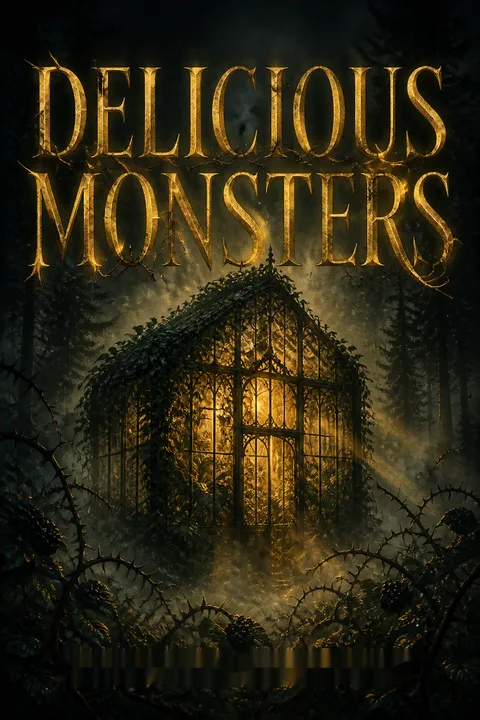


Plot Summary
Noah Walks Away
Seventeen-year-old Daisy Odlin sees Noah, the university student who mentored her and became her boyfriend, walking with Stephanie after weeks of silence. When she confronts him, he denies that they were a couple and blames their age difference, leaving Daisy ashamed and suddenly untethered. At home, her mother, Grace, reveals that a recently deceased uncle has left them a mansion on a northern Ontario lake.
They must live there permanently or lose it. Grace makes Daisy choose, though she has wanted the property for years. Daisy says yes partly for the promised independence, partly to escape Toronto and the reminders of Noah. She believes the house could give her enough security to leave her mother one day.
Daisy’s decision looks like agency, but it grows from a life in which other people have defined the choices available to her. Noah’s rejection strips away the identity she built around being his girlfriend, while Grace presents the inheritance as both rescue and obligation. Daisy accepts the move because freedom seems purchasable: if she helps Grace establish a business, she may eventually secure money and distance of her own. The bargain is emotionally credible precisely because Daisy has learned to confuse usefulness with love. Her choice is real, but it is made inside conditions set by her mother.
The House Beside the Lake
Grace quits her job, and she and Daisy drive north, where Grace admits she spent six summers near the lake as a teenager but offers almost nothing about that past. The inherited property is an immense mansion and a separate, comfortable bunkie; Grace insists they live in the smaller building and forbids Daisy to enter the house without her.
While examining a scab on her newly shorn scalp, Daisy sees a pale worm wriggle from beneath it. Grace searches her hair, finds nothing, and tells her she imagined it. Daisy tries to believe her, though the unexplained creature joins the dead people she has seen since childhood. The house promises a fresh start, yet its first effect is to deepen the secrets between mother and daughter.
The move gives Daisy physical space for the first time, but the mansion immediately comes with rules she cannot understand. Grace’s refusal to enter the house herself, paired with her insistence that Daisy stay out, marks the property as more than a financial opportunity. The worm is a bodily intrusion that echoes Daisy’s lifelong difficulty trusting her perceptions: she sees the dead, but her mother has taught her to treat her own certainty as a liability. The bunkie offers shelter, not explanation. This turn makes the house’s mystery inseparable from the family’s habit of withholding information.
Ivy Opens the Door
Daisy meets Kingsley Okeke, usually called King, whose family practices psychic work, and Ivy, a guarded girl with long braids and bright orange clothes. King warns Daisy that the mansion is dangerous; Ivy says she has never entered it, then accompanies Daisy inside. The rooms contain far more ghosts than Daisy expected, all drawn toward the building.
A worm emerges from Daisy’s scalp, and after she pulls it free, it crawls toward her until she crushes it. On another walk through the woods, Daisy falls into a thorn patch as butcherbirds peck at her. Grace and King drag her out, leaving Daisy injured and frightened, while Ivy disappears. The house has turned curiosity into a physical threat.
Ivy’s easy disregard for boundaries gives Daisy permission to do what she already wants, while King’s warning meets the resistance Daisy feels toward being managed. Their contrast establishes the emotional triangle that will shape the haunting: King offers cautious care, Ivy offers recognition and risk, and Daisy wants answers badly enough to mistake danger for access. The worm and the birds also make the supernatural intimate. The threat does not remain in the mansion or forest; it enters Daisy’s body and attacks her skin. Her need to investigate is no longer merely curiosity, but a response to a danger she believes only she can perceive.
Brittney Takes the Case
Ten years later, film students Brittney and Jayden pitch a new season of their popular paranormal series, Haunted. Torte rejects their focus on forgotten Black girls as too narrow, so they propose investigating haunted homes, beginning with the mansion Grace now markets as the Miracle Mansion.
Brittney wants to expose the polished story surrounding her own mother, a celebrated memoirist whose life supposedly changed after staying there. Their first interview is Noah. He describes Daisy as an unstable younger mentee who imagined a romance, rather than acknowledging their relationship.
Brittney hears the familiar pattern of a man discrediting a girl; Jayden reserves judgment. Their disagreement introduces the central tension of their work: sympathy can reveal neglected people, but it can also outrun evidence.
Brittney’s investigation begins with two motives that overlap without being identical. She wants to recover Black girls erased by sensational crime coverage, but she also hopes to challenge the public redemption story that has shaped her own life. Jayden’s insistence on verification is not indifference; it is a safeguard against making a preferred narrative look like truth. Noah’s interview activates Brittney’s instincts because his account resembles the language used to dismiss girls who are inconvenient to adult men. The scene establishes the documentary’s ethical problem: the investigators are not outside the story, and their personal histories can sharpen their attention or distort it.
The Guests Forget
At school, Daisy finds that her days are blurring; she completes work she cannot remember doing, while her grades rise without explanation. King admits he sometimes knows things about people’s pasts and futures, but Daisy resists trusting his ability. Meanwhile, she discovers that someone has killed the goat Grace bought, and later learns that guests Ted and Mary were trapped in a room where unseen bees terrified them.
They emerge smiling and remember none of it. The danger becomes undeniable when another guest, Liza, dies of a brain aneurysm inside the mansion. Police arrive, Grace retreats into silence, and Daisy is left wondering whether the house caused the death or whether someone is using its power.
The mansion’s threat escalates by making harm difficult to prove. Ted and Mary’s terror leaves no memory, while Liza’s death has an ordinary medical explanation. Daisy therefore faces a gap between what she experiences and what the outside world can verify, a gap that mirrors her childhood struggle to be believed. King’s knowing ability offers a possible ally, but his reluctance to explain himself repeats the evasions Daisy knows from her parents. The goat’s unexplained killing links the domestic and supernatural worlds: the house is not only a place where frightening events occur, but a system someone may be feeding.
The Old Stories Fray
Brittney and Jayden interview Perry Helms, the lawyer who handled the estate, then Grace’s former friend Helga and Daisy’s biology teacher, Katie. Their accounts complicate Grace’s public image: she had more financial security than people assumed, kept her old friends at a distance, and returned to Timmins with a strikingly different manner.
Helga recalls Grace persuading their teenage circle to steal and kill a goat. Katie remembers feeling afraid in the mansion and describes Grace asking for the goat’s stomach to protect someone from a danger she would not explain.
Both women hint that Grace was frightened, but neither will fully discuss what happened in the house. A confidential source urges Brittney to pursue Grace and her estranged sister, Dione.
The interviews do not solve the case; they expose how much the community’s stories depend on partial knowledge. Grace can be read as a struggling single mother, a persuasive friend, a frightened teenager, or a woman who learned to control the account others tell about her. Katie and Helga remember different facets, but their reluctance to speak shows that silence can be a form of loyalty as well as fear. Brittney’s commitment to Black girls matters here because the public record has treated Daisy as a problem and Grace as a miracle story, leaving the women’s private histories largely unexamined.
A Father Warns Daisy
Daisy researches the old goat killing at the library with King and discovers that Grace was pregnant with her when the teenagers carried out the act. Her father, Jordan, calls with a warning to leave the mansion, then reveals that Grace wanted Daisy conceived there because children born in the house might be different.
Daisy rejects the claim, but it intensifies her suspicion that her mother’s plans began long before the inheritance. Grace eventually tells Daisy that Peter, her former brother-in-law and childhood protector, sexually abused her in the mansion. Daisy recognizes the distorted, moaning ghost she has seen as Peter. Grace says the house once helped her endure him, but she still refuses to explain what she gave it in return.
Daisy’s research turns family history into a question of consent and design. Jordan’s warning suggests that her supernatural ability may not be accidental, while Grace’s account reveals that the house was present during the abuse and became part of her survival. Neither parent gives Daisy a clean explanation: Jordan has been emotionally absent, and Grace has made protection another form of control. The revelation about Peter also changes the meaning of Grace’s stillness. What Daisy read as coldness begins to look like a learned response to danger, though understanding its origin does not erase the harm Grace has caused her daughter.
Brittney Leaves the Hotel
In Timmins, Brittney and Jayden’s partnership strains as he privately researches a possible documentary about Grace. Brittney assumes he has gone behind her back, and her own mother’s sudden calls deepen the suspicion.
Her mother has become famous by publishing painful details of Brittney’s childhood, while still holding financial leverage over her. Brittney books a flight home. At the airport, Jayden finds her and explains that he had contacted Torte to prevent them from interviewing her mother without Brittney’s consent, not to recruit her.
He offers to abandon the project rather than continue without her. Brittney recognizes that her mother’s account has manipulated her again and chooses to return with Jayden, though the trust between them needs rebuilding.
Brittney’s flight is not simply a reaction to conflict with Jayden; it shows how thoroughly her mother’s version of events has trained her to anticipate betrayal. She knows that control can arrive disguised as apology, yet she still wants the care she was denied. Jayden’s explanation matters because it restores the possibility of trust through accountable action rather than reassurance. Their partnership becomes a counterpoint to the mother-daughter bond: disagreement does not have to mean domination, and a friend can admit a hidden motive without demanding that Brittney excuse it. Returning is Brittney’s first deliberate refusal to let her mother dictate the project.
Two Sisters Face Cameras
Brittney and Jayden bring Grace and Dione together for an interview at the mansion. Grace says Peter abused her as a child and that Dione dismissed her disclosure; Dione admits she did not believe her, and apologizes. Brittney then presses them about the unidentified Black girl found dead in the house. Dione reveals that the girl, Ivy, was her daughter.
Peter had kept Ivy hidden in the basement, where he abused and confined her. Dione discovered the child but left without reporting Peter, while Grace and Dione later identified the body without naming Ivy. Their silence allowed the public to invent stories about a nameless intruder. Brittney insists that both sisters’ pain matters, but neither can use it to erase what Ivy suffered.
The interview shifts the mystery from a haunted building to a chain of choices made by adults who had power over a child. Grace’s abuse is real, and Dione’s shame is real, but the interview refuses to treat either as a substitute for naming Ivy. Brittney’s questions confront a familiar mechanism of erasure: when a Black girl is unnamed, strangers can turn her into whatever story is easiest to consume. Making Dione say her daughter’s name does not repair the abandonment, yet it restores Ivy’s place in the family record. The camera becomes both an instrument of exposure and a test of who gets to control the story.
Ivy Takes Daisy's Place
Daisy learns that Ivy has been possessing her, influencing her schoolwork and actions while using her body to enter the mansion. Grace admits she has secretly placed protective maggots in Daisy’s ears and has been feeding the house victims in exchange for its help tormenting Peter’s ghost.
After Daisy attacks Tower producer Hayden with a fireplace poker while Ivy controls her, Daisy is injured, charged, and publicly branded unstable. Grace tells Daisy she was conceived in the mansion as part of a plan to give the house a medium and escape her own mother. Feeling used by both women, Daisy lets Ivy possess her and tries to disappear from her own life. Grace’s daily notes and renewed care gradually help Daisy return.
Daisy’s surrender is not a simple failure of will. It follows years of being taught that her own judgment is unreliable and that other people know what she needs better than she does. Ivy’s possession initially offers relief from decision-making, while Grace’s protection has also involved secrecy, coercion, and the use of Daisy’s ability. The public response to Hayden’s injury repeats the book’s concern with how quickly a Black girl is reduced to a danger. Yet Grace’s notes create a small, imperfect bridge back: care begins to matter when it is offered without requiring Daisy to perform usefulness in exchange.
The House Names Its Price
When the mansion grows more aggressive, Grace and Daisy try to flee, but thorned branches seize Grace and drag her inside. Daisy follows, despite the risk, and confronts Ivy. Grace reveals that she promised the house a replacement child to save her unborn Daisy and escape the abuse; she secretly sabotaged Dione’s birth control, and Dione’s daughter became Ivy.
Peter kept Ivy in the basement and locked her in a freezer, where she died. The house then used Ivy’s grief and power to kill Peter and manipulate Daisy. Daisy understands that Ivy was never merely an intruder or enemy. She agrees to help Ivy control the mansion, promising to remain with her, and enters the freezer with her after taking pills and drinking alcohol.
The revelation makes the two girls’ lives part of the same bargain, but it does not make them interchangeable. Grace’s attempt to save Daisy depended on sacrificing a child who had not yet been born, while Ivy’s later violence grew from the confinement and abandonment she endured. The house exploits love by translating it into a price: one girl is made responsible for another’s survival, and loyalty becomes a lever. Daisy’s promise to Ivy is compassionate, but it also repeats the old pattern of offering herself as payment. The choice reveals both her empathy and the danger of believing that care must require self-erasure.
A Life Chosen Again
King and Grace reach the sealed freezer and call for Daisy, while Ivy can keep its door shut. Hearing them, Daisy admits she does not want to die and wants the chance to live differently. Ivy opens the freezer, and firefighters later rescue both girls. Daisy spends a year in a mental health facility, then rebuilds her relationship with Grace and begins to know Jordan as a father.
Ivy stops the mansion from feeding on living guests, allowing it to consume the dead as it was meant to. King loses his knowing ability and later becomes a life coach. Daisy turns her love of plants into a career, returns north each summer, and helps create a memorial greenhouse for Ivy, who chooses to remain with her.
The rescue turns Daisy’s life from a promised sacrifice into a choice she can finally state for herself. Her desire to live does not cancel her loyalty to Ivy; instead, Ivy’s decision to open the freezer lets care exist without demanding death as proof. The mansion’s danger is contained not by defeating grief but by refusing its logic of endless payment. Daisy’s later work with plants gives her a vocation that is hers, while the greenhouse memorial makes remembrance active rather than ceremonial. The ending allows relationships to continue with limits: Grace can try to repair harm, Ivy can remain, and Daisy can build a future beyond either woman’s needs.
The Contact Was Daisy
After the interview, Brittney and Jayden learn that their anonymous source was Daisy, who had guided them toward the witnesses without dictating what they should conclude. Daisy gives Brittney Ivy’s sunglasses, confirming that the girl Brittney met alone in the mansion was Ivy. Brittney and Jayden reshape their series into Forgotten Black Girls, telling Ivy’s story alongside the accounts of Grace and other survivors.
Brittney declines to answer her mother’s call and blocks her number. Years later, Daisy still returns to the north, where Ivy lives in a glass greenhouse surrounded by plants and butcherbirds. A plaque names Ivy and records her life. The girl once treated as an unidentified body is now remembered by name.
The anonymous contact allowed Daisy to intervene without becoming the subject before Brittney and Jayden had assembled their evidence. Her choice reflects a hard-won distinction between shaping a story and controlling it. Brittney’s final decision to block her mother likewise separates recognition from reconciliation: she can understand her mother’s influence without returning to its reach. The documentary title restores the project’s original focus, while the greenhouse gives remembrance a place that must be tended. Ivy’s name is no longer a clue or a mystery. It is a public claim that a Black girl’s life deserves a record beyond the circumstances of her death.
Analysis
Delicious Monsters makes the haunted house a machine for converting private pain into public spectacle. Guests arrive hoping for a miracle, viewers consume a mystery, and Grace turns the mansion into both a business and a stage for revenge. Yet the most consequential horrors are not supernatural in origin. Peter’s authority, Dione’s silence, Grace’s bargain, and Daisy’s learned self-doubt show how ordinary relationships can reproduce the house’s coercive logic: someone powerful names what happened, someone vulnerable is expected to adapt, and the truth is postponed because acknowledging it would demand action.
The alternating timelines expose how stories change when the people inside them become evidence. Daisy experiences events that others dismiss or reinterpret; Brittney later finds that interviews can recover facts but cannot make every witness ready to speak. Her documentary work is ethically uneasy because she, too, must shape real suffering into watchable material. The novel does not pretend that good intentions purify the camera. Instead, it asks whether a storyteller can give someone room to be complicated, rather than making them a symbol of victimhood or redemption.
The mother-daughter relationships resist simple verdicts. Grace loves Daisy and harms her; Daisy can recognize both truths without pretending they cancel each other. Brittney’s decision to block her mother offers a different boundary, while Daisy’s eventual closeness with Grace is a choice she makes after gaining greater clarity and independence. Neither response is presented as universally correct. Their contrast insists that survival may mean leaving, staying cautiously, or choosing connection with eyes open.
Plants, ghosts, and the mansion’s appetite form a shared language for care. Daisy knows how to tend living things, but the book challenges the assumption that nurturing means endless sacrifice. Ivy’s memorial greenhouse turns that knowledge toward remembrance: a life once hidden is publicly named and continually cared for. The final hope is not that trauma disappears, but that people can interrupt its transmission by telling the truth, setting limits, and refusing to let the dead or the living be reduced to what others need from them.
Review Summary
Delicious Monsters receives mostly positive reviews, praised for its haunting atmosphere, complex characters, and exploration of trauma. Readers appreciate the dual timeline structure and the author's vivid writing style. Some criticize pacing issues and underdeveloped characters. The book is noted for its intense themes, including abuse and neglect. While some found it slow-paced, others were captivated by the mystery and horror elements. Content warnings are frequently mentioned, emphasizing the book's mature themes.
People Also Read







Characters
Daisy Odlin
Haunted-house heirDaisy is a seventeen-year-old plant lover who has seen the dead since childhood. Quiet and observant, she has learned to monitor other people’s moods and make herself useful, especially to Grace, her emotionally guarded mother. She initially treats her supernatural ability as a burden and distrusts her own perceptions because adults have dismissed or managed them. Her attachment to plants reflects a desire to nurture something without being judged or manipulated in return. Daisy is also capable of anger, jealousy, and poor choices; the story does not make her an uncomplicated victim. Her central struggle is to distinguish care from obligation and to imagine a future that is not simply repayment for what others have done.
Grace Odlin
Daisy's guarded motherGrace is a resourceful website designer who reinvents herself through work, polished public stories, and ambitious plans. She can be warm with Daisy in brief, genuine moments, but she also withholds crucial information and makes her daughter responsible for keeping their lives stable. Her stillness and secrecy come from a childhood shaped by betrayal and abuse, though her history does not excuse the ways she controls Daisy. Grace wants financial security, escape from her past, and a measure of justice, but she often pursues those needs without recognizing their cost to others. Her relationship with Daisy is defined by attachment and harm existing together, a contradiction she has trouble acknowledging.
Ivy
The unseen captiveIvy is a strange, forceful girl who wears vivid colors and moves through the world with a confidence that can turn abruptly into need. She is drawn to the mansion and fascinated by its attention, yet she also longs for friendship and a life she believes she missed. Her humor and directness make her appealing to Daisy, while her willingness to cross boundaries makes her dangerous. Ivy’s fixation on being chosen reveals how isolation can make even harmful attachment feel like belonging. She is not simply a monster or a victim; her capacity for cruelty and tenderness grows from the same hunger to matter to someone.
Kingsley Okeke
Psychic neighbor gardenerKnown as King, Kingsley is a local teenager from a family of psychics. He grows vegetables, works part-time, and has a wide circle of friends, yet his ability to know fragments of other people’s pasts and futures isolates him in ways he rarely shows. He dislikes using that knowledge because warnings cannot guarantee that people will listen. With Daisy, he tries to offer help without pretending he can control her decisions. His steadiness and humor contrast with the mansion’s coercive force, though he can be blunt when he believes she is putting herself in danger.
Brittney
Investigative filmmakerBrittney is a tall, confident-seeming film student and cohost of Haunted. Her humor and assertiveness help her survive a workplace where she is underestimated, but beneath them sits a history of abuse and a difficult dependence on her famous mother. Brittney is drawn to stories about Black girls who are ignored or blamed, partly from journalistic conviction and partly because she recognizes herself in them. Her emotional investment gives her interviews urgency, yet it can make her assume the worst before evidence is complete. Learning to trust Jayden and to set limits with her mother are as important to her work as uncovering the mansion’s history.
Jayden
Evidence-minded cohostJayden is Brittney’s closest friend and creative partner on Haunted. He brings careful research, patience with interview subjects, and a belief that a compelling story must still be tested against facts. His spiritual openness does not make him credulous; he is willing to hold several explanations in view. Jayden wants to move from online entertainment into serious documentary filmmaking, a private ambition that affects his choices. His instinct to protect Brittney sometimes leads him to withhold information, creating friction even when his intentions are caring. He represents a form of friendship built on honesty, disagreement, and repair.
Dione Odlin
Grace's estranged sisterDione is Grace’s older sister, a private woman who built a life away from the mansion and from her former husband. She once served as a source of safety for Grace, but fear and shame complicate her ability to act when that protection is needed. Dione is not simply an adversary to Grace; she is a person who has learned to avoid painful truths until avoidance itself becomes consequential. Her relationship with her sister carries affection, guilt, and resentment that neither woman has known how to resolve.
Peter Belanger
Piano teacher patriarchPeter is a wealthy, respected pianist whose public standing gives him authority in his community and within his family. He presents himself as a benefactor and father figure, especially to Grace, while maintaining control over the mansion and those who depend on him. His polished reputation contrasts with the private power he exercises over vulnerable young people. The story uses this contrast to show how abuse can remain concealed behind cultural respectability, family loyalty, and the assumption that a successful adult must be trustworthy.
Jordan Hill
Distant fatherJordan is Daisy’s father, a man who has maintained contact through regular calls and financial support but has struggled to form a close relationship with her. His caution often sounds like disinterest, and he avoids direct conversations with Grace. Jordan carries fear from his own experience of the mansion, though he has not known how to explain it to Daisy. He is imperfect and emotionally hesitant, but his concern for her is genuine, and he has the capacity to show up more fully when she needs him.
Noah Durand
Older student mentorNoah is a university student who meets Daisy through a mentoring program and becomes the center of her first romantic attachment. He prizes novelty, independence, and the image of being more discerning than ordinary people. His attention makes Daisy feel seen, but the imbalance in their ages and experience gives him more power than she understands. Later, he describes their connection in a way that protects his own reputation. Noah matters not as a supernatural force but as an example of how a young person can be taught to mistrust her discomfort.
Megan
Loyal city friendMegan is Daisy’s close Toronto friend, a joyful dancer from a financially comfortable family. She is curious, affectionate, and more perceptive than Daisy expects, often noticing when Daisy claims not to care about something that clearly matters. Megan’s optimism can make her miss the material differences between their lives, but she does not treat Daisy’s strangeness as a reason to withdraw. Their friendship offers Daisy an example of connection that is not organized around romance or duty.
Katie Kurukulasuriya
Teacher and witnessKatie is Daisy’s biology teacher and one of the few adults who knew Grace as a teenager. She is observant, responsible, and careful with other people’s private histories. Her memories of the mansion carry fear she has not fully discussed, and her loyalty to Grace makes disclosure difficult even when silence has consequences. Katie’s caution is not cowardice; it reflects the burden of deciding whose story she has the right to tell.
Helga Bouchard
Farm-owning childhood friendHelga runs her family farm with her husband and children. As a teenager, she was part of Grace’s summer circle and was drawn to Grace’s forceful charisma. Helga is warm and practical, but her memories make clear how easily loyalty can lead a group to follow someone into dangerous choices. As an adult, she is willing to help the newcomers while remaining uneasy about the history they share.
Perry Helms
Lawyer and local witnessPerry is the local lawyer who handled Peter’s estate and later represents Daisy. Friendly and talkative, he knows the family’s legal history and the town’s habits, but he can be too casual with information other people regard as painful. His recollections help Brittney test the polished public account against records and community memory.
Mackenzie Gagnon
Welcoming classmateMackenzie is a friendly Timmins student who becomes one of Daisy’s familiar classmates. Her family’s connection to the Belangers gives Daisy access to photographs and local history, though Mackenzie does not know every secret behind them. She is sociable and generous, and her ease with other people contrasts with Daisy’s guardedness.
Brittney's mother
Famous memoiristBrittney’s unnamed mother is a bestselling author and public speaker whose memoir turns private family pain into a story of personal transformation. She presents herself as a reformed parent, but her financial support gives her continuing leverage over her daughter. She can offer sincere apologies and still use closeness to regain control. Her public image makes Brittney’s private truth difficult to state without seeming ungrateful.
Stephanie
Noah's new girlfriendStephanie is the young woman Daisy sees with Noah after his silence. Daisy studies her online and compares her appearance with her own, making Stephanie a focus for insecurity rather than a developed antagonist. Her presence reveals how strongly Daisy has tied her self-worth to Noah’s attention.
Hayden Doukas
Tower producerHayden is a producer on the Tower crew that visits the mansion. She approaches the property as both a family-linked destination and a subject for media coverage. Her experience there becomes part of the public record and exposes how quickly an investigation can turn a person into a headline.
Plot Devices
The mansion
A house that feedsThe mansion is both the center of the family’s history and a supernatural force that attracts the dead and speaks to selected people. Its intended function is to consume ghosts, but it can also draw living guests into rooms where they are terrified and made to surrender something. Grace believes she can manage it through sacrifice, while Ivy learns to control it more directly. The house’s ability to exploit fear and desire connects the supernatural plot to the family’s history of abuse, secrecy, and unequal power.
Daisy's mediumship
A bridge to the deadDaisy sees ghosts others cannot, reads fragments of their memories by touching their hearts, and can force some spirits to pass on. Her gift gives her access to the mansion’s hidden history, but Grace trains her to use it before Daisy understands its emotional cost. The ability is also a source of isolation: Daisy worries that she has mistaken the living for the dead and that nobody will believe what she sees. Its rules shape both the danger and Daisy’s choices.
The protective maggots
A safeguard with a costGrace secretly places maggots from a goat’s stomach in Daisy’s ears, believing they protect her from supernatural influence and block certain psychic knowledge. The creatures also create recurring body horror, appearing to emerge from Daisy’s scalp and later from her mouth during an attack. Their protection depends on concealment, so Daisy cannot consent to or understand the safeguard. The device reflects Grace’s pattern of trying to protect her daughter through secrecy and control.
King's knowing
Warnings without certaintyKing receives fragments of people’s pasts and futures, a family ability associated with the mansion’s supernatural imbalance. He can often sense danger but cannot freely explain every detail, and speaking a prediction may make its outcome more fixed. His knowledge creates tension rather than easy solutions: he sees Daisy heading toward harm but cannot choose for her. The ability also disappears when the house returns to its proper function, leaving King to build a life without supernatural certainty.
The Haunted investigation
Two timelines, one caseBrittney and Jayden’s documentary research unfolds ten years after Daisy’s experiences, allowing interviews, records, and media narratives to challenge what Daisy remembers firsthand. Their work first frames the mansion as a true-crime mystery, then exposes the people erased beneath its haunted-house reputation. The anonymous contact feeds them leads without revealing an identity, while Brittney’s personal connection to the mansion complicates her reporting. This structure makes the reader compare lived experience with the public stories built around it.
Download PDF
Download EPUB
.epub digital book format is ideal for reading ebooks on phones, tablets, and e-readers.








