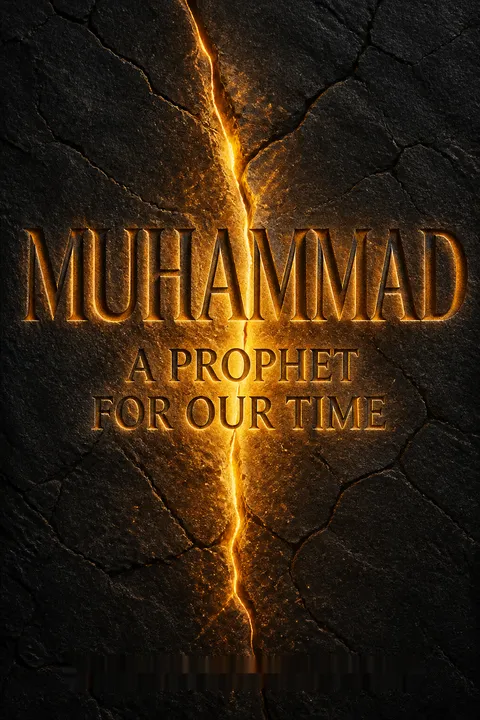


Key Takeaways
Read Muhammad's rise as a response to Mecca's moral economy
Prosperity broke old bonds. Mecca grew wealthy by serving long-distance trade, but its success weakened the tribal ethic of sharing. Powerful families accumulated private fortunes while poorer clans, widows, and orphans lost protection. Muhammad, himself orphaned and raised with limited means, saw this as more than an economic problem: a society that abandoned its vulnerable members was losing its moral direction.
Revelation challenged self-sufficiency. The message he brought to Mecca called people to recognize their dependence on God and answer that dependence with justice. Armstrong presents his mission less as a campaign to impose abstract doctrine than as an effort to change hearts, redistribute responsibility, and rebuild a decent community. The religious claim and the social program belonged together.
The book’s strongest interpretive move is to connect religious awakening to the everyday distribution of security and wealth. It makes the first revelations legible as interventions in a specific commercial crisis, rather than timeless slogans detached from conditions. That framing also invites a useful question: who benefits when a society calls accumulation prudence and need personal failure? The account is an interpretation of a distant past, not a complete economic history, but its focus on orphans and widows gives the moral argument a concrete test.
Treat jahiliyyah as violent honor culture, not merely a vanished age
A mindset, not a date. Armstrong explains jahiliyyah as a condition marked by arrogance, touchy concern for honor, and readiness to answer perceived insults with violence. It is not simply a name for Arabia before Islam. The older Bedouin code, muruwah, prized courage, endurance, generosity, and loyalty, but its care largely stopped at the tribe’s boundary. A person could protect relatives and still treat outsiders as expendable.
Forbearance offered another model. The Qur’anic ideal of hilm meant patience, mercy, and restraint, including care for people with little power. Muhammad urged Muslims to answer provocation without reflexive retaliation. Armstrong’s example of Abu Jahl’s abuse and the early Muslims’ restraint shows how difficult that demand was in a culture where backing down could look like dishonor.
This distinction helps explain how a society can praise courage and generosity while sustaining cycles of revenge. The key question is not whether a community has moral ideals, but whom those ideals include and what happens when pride is injured. The shift from tribal loyalty to a wider ethic is compelling, though restraint should not be confused with passivity toward abuse. Forbearance can interrupt escalation, but it also needs institutions capable of protecting those who cannot safely absorb the next insult.
Make worship accountable through steady care for people Mecca discarded
Belief had to become conduct. Tawhid means the oneness of God, but Armstrong stresses that it also calls for an integrated life in which wealth, status, and family loyalties do not rival moral responsibility. Prayer, or salat, repeatedly interrupted ordinary business and trained Muslims in humility. Zakat, charitable giving, made support for the poor regular rather than an occasion for a wealthy person to display extravagant generosity.
Small acts carried lasting weight. The Qur’an’s judgment imagery pressed listeners to consider what their choices amounted to, including seemingly minor acts of kindness or selfishness. Feeding the hungry, freeing enslaved people, and protecting orphans were not side projects beside faith. They were evidence of it. The early community’s practices were intended to cultivate gratitude and care, not merely affirm a creed.
The emphasis on repeated practice recognizes that ethical character is not produced by conviction alone. Ritual can interrupt routine, while giving rules can make generosity less dependent on mood, status, or public applause. This is a powerful account of how communities train attention and distribute responsibility. Still, charity is not a substitute for changing the arrangements that keep people poor. The book’s own examples point toward both duties: care for those in need now, and a moral order that stops treating their vulnerability as someone else’s problem.
Build allegiance strong enough to cross the boundaries of blood
Migration changed the terms of belonging. The hijrah was the Muslims’ migration from Mecca to Yathrib, later called Medina. It meant leaving kin and accepting protection from people who had been strangers. That risk mattered in a society where tribal loyalty determined safety and survival. In Medina, members of the Aws and Khazraj tribes, long divided by conflict, joined the Muslim community alongside the Meccan migrants.
Shared identity needed daily support. Muhammad paired migrants with Medinese helpers, encouraging relationships that crossed old kinship lines. The ummah, the community of Muslims, offered a new basis for solidarity, though it did not erase tribal habits overnight. A deliberate attempt to stir up old rivalries nearly brought Muslims to blows; Muhammad had to confront them and restore the bond they had chosen to make.
The hijrah is presented as a social experiment, not just a change of address. Its test was whether people would accept obligations to newcomers when resources were limited and old loyalties still exerted force. Pairing households gave the new identity practical form, but the near return to tribal fighting shows that declarations alone do not dissolve inherited conflict. Groups built across divisions need repeated shared work, ways to settle disputes, and a reason to protect one another when cooperation becomes inconvenient.
Keep religious difference from becoming a contest for exclusive ownership
A wider prophetic family. Armstrong reads Muhammad’s night journey to Jerusalem as a defining image of connection with earlier prophets. In the account, Muhammad joins the company of figures such as Moses, Jesus, and Abraham. The Qur’an’s message, she argues, places its revelation within a continuing history of divine guidance rather than claiming that God belongs to one community alone.
Different paths can answer to one God. The Qur’an recognizes distinct religious ways of life and urges people to compete in good works, leaving ultimate judgment to God. This is not indifference to belief: Muhammad rejects the Meccan idols and does not treat every doctrine as interchangeable. But the text’s pluralism resists coercion and insists that religious belonging is not the same thing as exclusive ownership of the divine.
This is a demanding form of pluralism because it combines firm conviction with limits on religious coercion. It neither asks people to pretend that traditions make identical claims nor makes disagreement a license for contempt. That distinction is especially useful in societies where identity can become a proxy for political loyalty. Armstrong’s reading is an interpretation of Qur’anic passages and their historical setting, so it should not be mistaken for a claim that every Muslim community has understood pluralism in the same way.
Keep jihad broader than battle, and battle narrower than revenge
Struggle was the larger mission. Jihad means effort or struggle, including the work of putting divine principles into practice. Armstrong describes armed conflict as one part of Muhammad’s career, not its defining purpose. After the Muslims were driven from Mecca, the Qur’an permitted them to defend themselves, while treating aggression and persecution as distinct from legitimate defense.
War tested the limits of the ideal. At Badr, the Muslims defeated a much larger Meccan force, and Muhammad ordered that prisoners be released or ransomed rather than killed. Yet the conflict also produced raids, expulsions, and, after the Battle of the Trench, the execution of the men of Qurayzah. Armstrong treats this episode as a grave moral failure against the peace the Prophet sought, not as an uncomplicated religious triumph.
The distinction between a broad moral struggle and armed defense guards against reducing a religion to its wars. The account also refuses the opposite simplification, which would make wartime decisions seem harmless because they were framed as defensive. Political fear and retaliation can push a community to betray its own stated limits. The Qurayzah episode makes the cost visible: a leader can seek justice and peace, yet still act within brutal conventions that leave lasting moral questions.
Choose restraint when peace can open what victory would close
Hudaybiyyah looked like retreat. In 628, Muhammad led unarmed pilgrims toward Mecca, intending to perform the pilgrimage. The Quraysh blocked their entry, and negotiations produced a ten-year truce. The Muslims had to return without visiting the sanctuary that year, and the agreement initially appeared to favor Mecca. Muhammad accepted terms that angered many of his own followers, including the return of some converts who came to Medina without permission from their guardians.
The agreement changed the conversation. The truce reduced immediate fighting and made it possible for people to meet and discuss Islam without a battle looming over them. Armstrong reports that conversions increased sharply in the following period. Muhammad’s decision was not simply a tactical pause: he judged that preserving Mecca and opening a path to reconciliation mattered more than a dramatic victory.
Hudaybiyyah shows why restraint can be a form of political action rather than surrender. Muhammad accepted a settlement his followers experienced as humiliating because he saw a chance to change the conditions of conflict. The result supports the value of patience, but success can make earlier choices look more inevitable than they felt at the time. This episode is most instructive when read as judgment under uncertainty: concessions carry risks, and their wisdom depends on whether they create a credible path toward peace.
Protect women's rights even when political pressure makes reform costly
The Qur’an altered women’s legal position. In a society where women could be treated as part of a man’s estate, its rules recognized women’s inheritance, gave brides control of their dowries, and opposed forcing orphan girls into marriage. The permission for a man to marry up to four wives was presented in the context of caring for widows and orphans, with fairness required. Muhammad’s wives also lived near the mosque and took part in community life.
Progress met resistance. Women asked why scripture addressed them less often and pressed for a role in public life. Muhammad opposed wife-beating, but political pressure from his male supporters led him to accept a limited compromise. The hijab instruction in this account applied to the Prophet’s wives as protection from harassment, though later generations applied it more broadly. The reforms were real, but the struggle over them remained unfinished.
This history resists both easy praise and easy dismissal. Legal rights could substantially improve women’s security while leaving patriarchal authority intact, and a reformer could challenge abuse yet compromise when political support weakened. That tension is a useful lens for judging social change: formal rules matter, but so do enforcement, control over resources, and who gets to define acceptable conduct. Armstrong’s account also cautions against treating later practices as straightforward evidence of what the original instruction meant.
Judge Muhammad's victory by reconciliation, without erasing its human costs
Mecca fell without a massacre. In 630, Muhammad entered the city at the head of a large force after the Quraysh broke their truce. He issued a broad amnesty, did not compel the population to convert, and left established officials in place. He even returned the Kaaba’s key to its traditional custodian. The conquest aimed to bring Mecca into a shared political order, not replace every local authority with a purist administration.
The record remains mixed. Muhammad’s leadership also included the devastating punishment of Qurayzah, and the community remained divided over the meaning of his mission. At his final pilgrimage, he urged Muslims to end vendettas and treat one another justly. After his death in 632, disagreements over leadership and political power intensified. Armstrong presents the Prophet’s example as a standard by which Muslims can question their rulers, not a license to sanctify every action taken in his name.
The book’s closing argument gains force by holding together outcomes that do not fit a simple portrait: clemency at Mecca, severe violence in Medina, and a continuing appeal to justice. Reconciliation is not proved by victory alone; it is visible in whether the defeated retain dignity, safety, and a place in public life. Nor should a leader’s most humane achievement erase actions that remain hard to defend. The lasting value of a religious exemplar may lie partly in the standards later communities use to criticize power.
Analysis
Armstrong’s biography is organized around a moral argument: Muhammad’s central achievement was not simply the establishment of a religion or the defeat of Mecca, but an attempt to move Arabian society from competitive honor and tribal exclusion toward justice, restraint, and a wider human allegiance. The narrative makes this argument through a series of political tests. The first revelation challenges the wealthy merchant culture of Mecca. The hijrah tests whether solidarity can cross bloodlines. Badr shows that defense can be disciplined, while the treatment of Qurayzah reveals how war can deform the ideals it claims to protect. Hudaybiyyah and the bloodless entry into Mecca show the political force of patience and clemency.
The biography’s most useful conceptual contribution is its account of jahiliyyah as a recurring social disposition rather than a historical period sealed off from the present. That reframing prevents modern readers from imagining that violence belongs exclusively to an uncivilized past. It also complicates the book’s interfaith appeal: Armstrong finds pluralism and non-coercion in the Qur’anic vision, but does not claim that Islam is free of conflict or that its history has followed one consistent interpretation.
The historical method deserves attention. Armstrong relies on early Muslim biographies and Qur’anic passages, while noting gaps, competing reports, and the symbolic character of some stories. Yet her narrative necessarily selects and arranges those materials to support a thesis. Readers should distinguish the reported episode from Armstrong’s interpretation of its meaning, especially where the evidence is uncertain or the moral judgment is contested. This does not undo the argument; it clarifies its nature.
The result is a biography that is most persuasive when it holds ideals and compromises together. Muhammad’s appeal to mercy cannot make every wartime decision exemplary, and his political success cannot be separated from the people harmed along the way. But the tension is precisely what gives the book contemporary force: a tradition can preserve standards that its own leaders and followers fail to meet. For Armstrong, Muhammad matters as a demanding measure of political and spiritual conduct, not as a symbol to be used for easy praise or easy condemnation.
Review Summary
Muhammad: A Prophet for Our Time receives mixed reviews. Many praise Armstrong's balanced perspective and effort to dispel misconceptions about Islam, though some criticize her for glossing over controversial aspects. Readers appreciate the historical context and Armstrong's portrayal of Muhammad as a complex, human figure. Some Muslims find it refreshing to read a non-Muslim perspective, while others note inaccuracies. The book is seen as a good introduction for non-Muslims, though not comprehensive. Critics argue it's overly sympathetic, while supporters value its attempt to bridge cultural divides.
People Also Read


Glossary
jahiliyyah
violent honor-bound mindsetArmstrong uses jahiliyyah not simply for Arabia before Islam, but for a disposition marked by arrogance, excessive concern for honor, tribal chauvinism, and readiness to retaliate violently. In her account, it is a recurring danger that can persist even among Muslims. Its opposite is the discipline of patience, mercy, and restraint.
muruwah
Bedouin chivalric codeMuruwah was a Bedouin ideal of courage, endurance, loyalty, protection of the vulnerable within the tribe, and generosity. It helped people survive scarcity by encouraging mutual support. Its limits were also significant: obligations centered on kin and allies, while outsiders could be treated as expendable, and public generosity could become a display of status.
hilm
patient, merciful restraintHilm is a traditional Arab virtue that Armstrong presents as central to the Qur’anic moral ideal. It means controlling anger, bearing injury without impulsive retaliation, and acting with patience and mercy. It is not merely passive tolerance: it includes practical care for the poor, freeing enslaved people, and protecting those with less power.
tawhid
divine unity and human integrationTawhid means the oneness of God. In Armstrong’s account, it is more than a theological statement: it calls Muslims to order their lives around God rather than wealth, status, tribe, or other competing loyalties. A properly integrated personal and communal life reflects this unity through worship, humility, and justice.
hijrah
migration into a new communityHijrah refers especially to the migration of Muhammad and his followers from Mecca to Medina in 622. Armstrong emphasizes that it was not merely a move between cities. In a society where tribal membership offered protection, the migrants left their kin and accepted the risks of belonging to a community that crossed established lines of blood and allegiance.
ummah
Muslim communal bodyThe ummah is the community of Muslims formed around shared commitment to God and the Prophet. In Medina, it brought together Meccan migrants and local helpers who had previously belonged to different and sometimes hostile tribes. The new identity did not erase old loyalties automatically; it required practices and agreements that made cooperation possible.
jihad
striving to enact divine willJihad means struggle, effort, or striving. Armstrong stresses that it is broader than armed conflict and includes spiritual, social, intellectual, economic, and domestic efforts to put religious principles into practice. Fighting occurred in Muhammad’s career, but the book treats it as a constrained response to conflict, not the whole meaning of jihad.
din
religion and way of lifeDin can mean religion, moral law, a way of life, or reckoning. Armstrong uses its range of meanings to explain Qur’anic passages about religious difference and accountability. Different communities may have distinct religious practices, while all remain answerable to God for their conduct and are urged to do good.
sakinah
peaceful inner steadinessSakinah is a spirit of peace, serenity, or reassurance associated in the Qur’anic narrative with God’s support. Armstrong describes it as inner steadiness amid danger, rather than triumphal confidence. At moments of crisis, it helps the Muslim community resist panic and the vengeful impulses associated with jahiliyyah.
FAQ
What's "Muhammad: A Prophet for Our Time" about?
- Overview: The book is a biography of the Prophet Muhammad, exploring his life, teachings, and the impact he had on the world.
- Historical Context: It places Muhammad's life within the historical and cultural context of 7th-century Arabia, highlighting the challenges he faced.
- Religious Significance: The book examines Muhammad's role as a prophet and the development of Islam as a major world religion.
- Modern Relevance: Karen Armstrong discusses how Muhammad's teachings can be relevant to contemporary issues, promoting peace and understanding.
Why should I read "Muhammad: A Prophet for Our Time"?
- Comprehensive Biography: The book provides a detailed account of Muhammad's life, offering insights into his character and leadership.
- Cultural Understanding: It helps readers understand the origins of Islam and its foundational principles, fostering interfaith dialogue.
- Historical Insight: Armstrong's work sheds light on the socio-political landscape of Arabia during Muhammad's time, enhancing historical knowledge.
- Contemporary Relevance: The book connects Muhammad's teachings to modern-day issues, encouraging readers to reflect on their applicability today.
What are the key takeaways of "Muhammad: A Prophet for Our Time"?
- Muhammad's Leadership: Muhammad was a transformative leader who sought to create a just and compassionate society.
- Islam's Core Values: The book emphasizes the principles of peace, justice, and community in Islam, countering misconceptions.
- Historical Context: Understanding the historical context of Muhammad's life is crucial to comprehending his impact and the spread of Islam.
- Modern Lessons: Muhammad's life offers lessons on tolerance, resilience, and the importance of dialogue in resolving conflicts.
What are the best quotes from "Muhammad: A Prophet for Our Time" and what do they mean?
- "Muhammad was not a man of violence." This quote underscores the book's argument that Muhammad's mission was one of peace and reconciliation, contrary to some modern portrayals.
- "The Qur’an is the holy word of God, and its authority remains absolute." This highlights the centrality of the Qur'an in Islam and its role in guiding Muslims' lives.
- "We can no longer afford to indulge this type of bigotry." Armstrong calls for an end to Islamophobia and a more nuanced understanding of Muhammad's teachings.
- "His life was a jihad: as we shall see, this word does not mean 'holy war,' it means 'struggle.'" This clarifies the often-misunderstood concept of jihad, emphasizing personal and communal effort towards righteousness.
How does Karen Armstrong portray Muhammad's character in the book?
- Compassionate Leader: Armstrong portrays Muhammad as a compassionate and just leader who cared deeply for his community.
- Visionary Prophet: He is depicted as a visionary who sought to reform society and promote ethical conduct.
- Human Struggles: The book acknowledges Muhammad's human struggles and challenges, making his achievements more relatable.
- Balanced Perspective: Armstrong provides a balanced view, addressing both Muhammad's successes and the controversies surrounding his life.
What historical context does "Muhammad: A Prophet for Our Time" provide?
- 7th-Century Arabia: The book delves into the socio-political and economic conditions of Arabia during Muhammad's time.
- Tribal Society: It explains the tribal dynamics and the role of the Quraysh tribe in Mecca, where Muhammad was born.
- Religious Landscape: Armstrong discusses the religious environment, including the presence of polytheism and monotheistic influences.
- Cultural Practices: The book explores pre-Islamic customs and how Muhammad's teachings challenged and transformed them.
How does "Muhammad: A Prophet for Our Time" address common misconceptions about Islam?
- Peaceful Teachings: Armstrong emphasizes the peaceful and compassionate nature of Muhammad's teachings, countering the stereotype of Islam as a violent religion.
- Role of Women: The book highlights Muhammad's progressive views on women's rights, challenging the notion of Islam as inherently oppressive to women.
- Jihad Misunderstood: It clarifies the concept of jihad, explaining it as a personal and communal struggle for righteousness, not merely warfare.
- Interfaith Relations: Armstrong discusses Muhammad's respect for other monotheistic faiths, promoting a message of interfaith harmony.
What lessons from Muhammad's life does Karen Armstrong highlight for modern readers?
- Tolerance and Dialogue: Armstrong emphasizes the importance of tolerance and dialogue in resolving conflicts, drawing from Muhammad's example.
- Social Justice: The book highlights Muhammad's commitment to social justice and caring for the marginalized, relevant to contemporary social issues.
- Resilience and Patience: Muhammad's perseverance in the face of adversity serves as an inspiration for resilience and patience in modern challenges.
- Community Building: Armstrong underscores the value of community and collective responsibility, as demonstrated by Muhammad's leadership.
How does "Muhammad: A Prophet for Our Time" explore the development of Islam?
- Revelation Process: The book details the process of revelation and how the Qur'an was compiled, shaping Islamic theology.
- Early Muslim Community: Armstrong describes the formation of the early Muslim community in Medina and its challenges.
- Spread of Islam: The book examines the factors that contributed to the rapid spread of Islam beyond Arabia.
- Islamic Principles: Armstrong discusses the core principles of Islam, such as tawhid (unity of God) and zakat (charity), and their societal impact.
What role does the Qur'an play in "Muhammad: A Prophet for Our Time"?
- Central Scripture: The Qur'an is presented as the central scripture of Islam, guiding the beliefs and practices of Muslims.
- Revelation Context: Armstrong provides context for the Qur'anic revelations, linking them to specific events in Muhammad's life.
- Interpretation Challenges: The book addresses the challenges of interpreting the Qur'an and its application in different historical contexts.
- Spiritual Guidance: Armstrong emphasizes the Qur'an's role in providing spiritual guidance and moral direction for Muslims.
How does Karen Armstrong address the concept of jihad in the book?
- Misconceptions: Armstrong clarifies that jihad primarily means "struggle" or "effort" in the path of God, not "holy war."
- Personal and Communal: The book explains jihad as both a personal struggle for self-improvement and a communal effort for justice.
- Historical Context: Armstrong places jihad within the historical context of Muhammad's time, highlighting its defensive nature.
- Modern Relevance: The book discusses how the concept of jihad can be applied to contemporary issues, promoting peace and justice.
What impact did Muhammad have on the world, according to "Muhammad: A Prophet for Our Time"?
- Religious Transformation: Muhammad's teachings led to the establishment of Islam, a major world religion with a profound global impact.
- Social Reforms: He introduced significant social reforms, promoting justice, equality, and compassion in society.
- Cultural Influence: Muhammad's life and teachings have influenced art, literature, and culture in the Islamic world and beyond.
- Interfaith Relations: Armstrong highlights Muhammad's role in fostering interfaith understanding and dialogue, relevant to today's global challenges.
About the Author
Other books by Karen Armstrong





Download PDF
Download EPUB
.epub digital book format is ideal for reading ebooks on phones, tablets, and e-readers.








