

Key Takeaways
Treat music as a core human capacity, not a decorative extra.
Music recruits many systems. Sacks begins with a puzzle: music makes no claims about the world, yet people everywhere devote time and feeling to it. He argues that humans are musical as well as linguistic. Hearing music draws on dispersed brain networks, not one isolated music center, and combines pitch, rhythm, memory, movement, and emotion. Even people who do not consider themselves musical often keep time or replay tunes in their minds.
Its power is bodily. Music can calm, excite, console, or organize people. Listeners may move with a beat without deciding to, and imagined music can activate some of the same auditory and motor systems as heard music. Its evolutionary purpose remains uncertain, but its place in human life is not.
What's striking is that music's importance does not depend on its conveying information in the way language does. It coordinates attention, anticipation, movement, and feeling at once. That makes it less like a message and more like a shared activity the brain can enter. The book also avoids claiming that every culture hears music identically: human susceptibility may be widespread, while training and culture shape what sounds meaningful. The distinction matters. A universal capacity is not a universal taste.
A changed brain can awaken musical passions without revealing their cause.
New passions can erupt. Tony Cicoria, a surgeon with little musical interest, survived a lightning strike and temporary memory problems. Weeks later, he developed an intense desire to hear piano music, began teaching himself to play, and started composing. Salimah M. also became newly passionate about music after surgery to remove a temporal-lobe tumor, alongside changes in her emotional life. In another reported case, a woman who had long disliked music began seeking it out after seizure medication controlled her epilepsy.
The mechanism is uncertain. Sacks considers whether changes in brain activity could alter the link between sound and emotion, or release abilities that were previously muted. These cases show that musical interest can change dramatically, but they do not prove one cause, or promise that brain injury will produce creativity.
These stories make musical identity look less fixed than people often assume. A capacity can be quiet, unnoticed, or inaccessible, then become central to a person's life. But the distinction between a vivid case and a general explanation is essential: the cases do not establish that injury creates talent, or that sudden changes are necessarily beneficial. Their lasting value is to challenge narrow assumptions about what a person is capable of, while leaving room for uncertainty about why a change occurred.
Distinguish a tune in the mind from music heard as perception.
Inner music varies widely. Some people can deliberately imagine a whole performance; others mainly experience involuntary fragments. Repeated tunes, often called earworms, can loop for hours or days. They are common and usually differ from musical hallucinations, which can seem as if real music is coming from outside the person. Sacks describes Sheryl C., whose severe hearing loss preceded loud, repetitive songs that she knew were being generated internally.
Several causes are possible. Seizures can produce musical auras or be triggered by particular music. Hearing loss may also reduce normal input to auditory systems, allowing internally generated music to emerge, a phenomenon Sacks describes as release hallucination. Such experiences are not automatically signs of psychosis. Their causes, intensity, and effects differ, and some people find ways to redirect or accommodate them.
The useful distinction here is not simply real versus imaginary. Musical imagery can be vivid and involuntary without being experienced as an outside sound, while a hallucination may feel perceptual despite the listener's insight that no orchestra is present. That difference helps explain why a single label can conceal very different experiences. It also encourages careful listening before interpretation: the person's account of location, control, and distress is clinically meaningful, not a decorative detail.
Measure musicality in separate abilities, not a single talent.
There is no single musical skill. Pitch, rhythm, melody recognition, emotional response, performance, and musical judgment can separate from one another. D.L., who had congenital amusia, could follow speech and tap rhythms, yet experienced music as an undifferentiated noise. Other people can perceive notes accurately but fail to combine them into a recognizable melody. Absolute pitch, the ability to name a note without comparing it to another, is rare and does not guarantee artistry or taste.
Other profiles complicate the picture. Some people with synesthesia automatically experience music alongside color or other sensations. Musical savants may retain remarkable musical memory and performance despite severe difficulties elsewhere. People with Williams syndrome often show unusual musical engagement, but not all are exceptional performers. These examples make musicality a varied profile, not a single score.
This account resists the everyday habit of sorting people into musical and unmusical. A person may have excellent rhythm and weak pitch discrimination, or intense emotional response with little technical skill. That is a better model for education and assessment because it identifies what someone can do rather than treating one weakness as a verdict. Still, breaking musicality into components cannot capture everything: taste, cultural familiarity, motivation, and the personal importance of music shape ability in ways a laboratory test may miss.
Give movement a musical pulse when intention alone cannot start it.
Rhythm can organize action. After a mountain accident left Sacks unable to walk normally, a familiar violin concerto playing in his mind seemed to restore the rhythm and continuity of walking. He describes similar effects in patients with Parkinson's disease, whose movements can become frozen, slow, or jerky. A suitable piece of music may help them step, dance, or speak with greater fluency while it lasts.
The match matters. Sacks calls the fluent flow of ordinary movement a kinetic melody. Music can provide an external structure that helps a disrupted motor system get going, a process related to entrainment, the coordination of movement with a beat. But the right music differs from person to person. A smooth passage may help one patient, while a strong, percussive beat may make another feel pushed or jerked along.
Music here acts less like a command than a continuous scaffold. A spoken instruction asks a person to initiate and organize movement; a musical pulse supplies a pattern that can be followed moment by moment. This helps explain why rhythm can be useful when deliberate control is unreliable. The limit is equally important: a temporary improvement does not mean the underlying disorder has disappeared. When the music stops, the support may disappear with it, so therapy needs to be judged by the patient's actual function, not by the drama of a single response.
Use melody to reopen speech when words have gone quiet.
Song can reach language. Samuel S. had severe expressive aphasia after a stroke and could not produce ordinary speech. A music therapist heard him singing fragments of a familiar song and worked with him through regular sessions. He learned more lyrics, then began producing short spoken replies. Sacks describes this as a possible route from automatic, song-linked language toward more purposeful communication.
Melodic intonation therapy teaches patients to sing or rhythmically intone useful phrases, then gradually reduces the musical support. In one reported case, a man with long-standing aphasia developed a working vocabulary and short conversations after treatment. Later studies described changes in speech and brain activity after intensive therapy. This is not a guaranteed cure: results vary, and the therapist's interaction, timing, and encouragement are part of the treatment.
The method takes advantage of the fact that speaking and singing overlap without being identical. A familiar melody can provide timing and phrasing when ordinary speech initiation is difficult, giving a patient a workable path into communication. The social setting matters too: a therapist models, responds, and adjusts, rather than simply playing a recording. The reported gains are promising, but the evidence described here does not make melody a universal substitute for speech therapy. Its value lies in opening a route that may otherwise remain unused.
Preserve musical performance without mistaking it for restored autobiographical memory.
Different memories can fail differently. Clive Wearing, a musician, developed profound amnesia after brain infection. He could not retain new experiences and had lost much of his past, yet he could still read music, sing, play, and conduct. Music gave him a structured present in which skill and feeling could reappear, even though the performance did not restore his memory of the event afterward.
Skill is not a personal history. Procedural memory supports learned actions and sequences, while episodic memory supports recollection of particular events. Woody Geist, who had Alzheimer's disease, could perform songs with precision despite being unable to remember basic facts about his life. Singing could make him seem vividly present and connect him with family, but it did not reliably transfer information into lasting, usable memory.
These cases complicate the idea that a person's identity resides in one continuous autobiographical story. Musical skill, emotional response, habits, and relationships can remain active when explicit recollection has collapsed. Yet preserved performance should not be treated as proof that the person remembers the occasion or understands every lyric. That distinction protects both scientific accuracy and dignity: music can provide a genuine experience in the moment without serving as a hidden cure for amnesia.
Train musicianship deliberately, but treat repetitive strain as a neurological warning.
Practice changes the brain. Studies described by Sacks found structural differences in musicians' brains, with some measures associated with the age training began and the intensity of practice. Even brief practice can alter activity in motor systems. Such plasticity supports learning, but it is not automatically beneficial in every form.
Repetition can become a trap. Musician's dystonia is a task-specific movement disorder in which fingers or other muscles stop responding normally during performance. In some affected musicians, sensory representations of the fingers become blurred or overlap, potentially worsening control. Pianist Leon Fleisher kept performing with one hand for decades after his right-hand dystonia began, then returned to two-handed playing after treatment. His experience is exceptional, not a reason to force through symptoms. Sacks relays Fleisher's warning: musicians should treat their small muscles as athletes treat their bodies.
Neuroplasticity is a capacity for change, not a promise that every change is an improvement. The same intense repetition that refines a performer’s movements may, in susceptible people, contribute to a loss of precise control. This makes early recognition more sensible than heroic persistence. The comparison with athletic training is apt because musicians can mistake task-specific pain or loss of coordination for a problem to overcome through more practice. Individual outcomes remain uncertain, so early assessment matters.
Let music reach emotion without demanding that it explain itself.
Feeling and analysis can separate. Some people who struggle to recognize melodies still respond emotionally to music. Others retain musical perception but lose the feeling music once stirred. Sacks describes patients with amusia who could judge a piece as sad, and a stroke patient who could identify music but no longer found it emotionally moving.
Music can meet grief directly. Sacks recounts hearing Zelenka's Lamentations after weeks of emotional numbness following his aunt's death. The music opened a path to mourning. But music does not work on command, and the same sound may comfort one person or intensify distress in another. Its power is emotional rather than representational: instrumental music need not describe a specific event to give shape to a listener's feeling.
Music's abstractness is part of its unusual emotional reach. Because it does not specify exactly what a listener should feel, it can accompany grief without turning grief into an explanation. But that openness also means response is deeply personal. A piece may unlock emotion, leave someone untouched, or feel unbearable. The practical lesson is not to prescribe a universal soundtrack for sadness, but to notice whether music is helping a particular person feel, regulate, or connect.
Make rhythm communal: synchronized sound can turn isolated bodies into a group.
Shared rhythm builds participation. Sacks describes a drum circle for people with Tourette's syndrome. Before the drumming began, participants showed their individual tics; once the group played together, many became calmer and coordinated around a common musical task. Music did not simply suppress movement. It gave restless energy a shared form.
Musical engagement takes many forms. People with Williams syndrome often show unusual enthusiasm for music and strong social interest, though their musical abilities vary. In dementia care, familiar songs or group singing can draw people into a shared activity even when conversation is difficult. Rhythm, singing, and movement can create contact before anyone needs to explain themselves. The effect depends on the person and setting: some people are sensitive to sound, and not every musical form is welcoming.
Synchronized rhythm offers a simple kind of coordination: participants do not need identical skills or a lengthy conversation to contribute to one shared pattern. That can make music socially useful for people who find speech, attention, or self-regulation difficult. The drum-circle example also shows why group music is not merely individual therapy performed in public. Still, cohesion should not be confused with universal comfort. The same sound that organizes one person may overwhelm another, so participation works best when the musical environment is responsive.
Analysis
Musicophilia is best read as a clinical atlas of how music interacts with perception, memory, movement, emotion, and identity. Its organizing principle is not a single theory but a repeated demonstration of dissociation: one musical capacity fails while another survives, or a previously quiet capacity becomes suddenly dominant. This case-based structure makes the book memorable because each neurological claim is tied to a person whose daily life has been altered. Cicoria's new musical drive, Clive Wearing's performances amid amnesia, and patients moving more freely to rhythm are not interchangeable examples. Each shows a different relation between brain function and lived experience.
The book's strongest intellectual contribution is its refusal to reduce music to either decoration or a mysterious force. Music is biologically embodied, distributed across neural systems, and shaped by learning and personal history. Its effect can be physiological without being impersonal: a sound may trigger a seizure because of its acoustic properties, or become meaningful through childhood associations. The same brain can use musical structure as a motor cue, a memory scaffold, or an emotional outlet, without those functions being identical.
The main limitation is evidentiary. Many claims rest on rare clinical cases, correspondence, and the author's close observations. These sources are excellent for revealing possibilities and subjective distinctions, but they cannot establish how frequent an effect is, identify one mechanism, or predict who will benefit from music therapy. Sacks generally acknowledges uncertainty, though the richness of a story can make a proposed neural explanation feel firmer than it is. The sensible reading is to treat the cases as demonstrations of human variation, not templates for diagnosis or treatment.
That caution does not diminish the practical insight. Clinical care often privileges what a patient cannot do, especially when speech or memory is impaired. Sacks repeatedly asks what remains available, and what kind of music can meet the person there. This shifts attention from a generic prescription to a specific fit: familiar or novel, rhythmic or legato, solitary or social. Music is not a cure-all in these accounts. It is a remarkably versatile way to reach capacities that ordinary language and deliberate intention sometimes cannot reach.
Review Summary
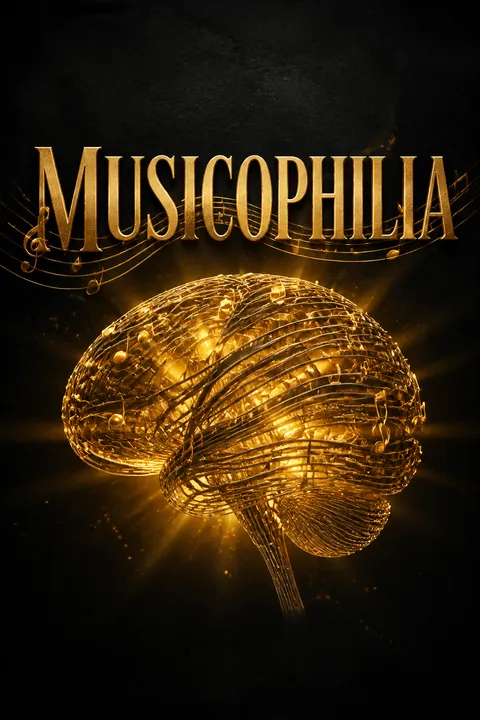
Musicophilia explores the relationship between music and the brain through fascinating case studies. Readers praise Sacks' engaging writing style and deep empathy for his patients. The book covers various neurological conditions and how music affects or treats them. While some found certain sections repetitive or dry, many appreciated the insights into music's power to heal and connect with people, even those with severe cognitive impairments. The book's anecdotes and scientific explanations offer a unique perspective on the human brain's relationship with music.
People Also Read


Glossary
musicophilia
human susceptibility to musicSacks uses musicophilia for the widespread human propensity to make, hear, imagine, and respond to music. It includes more than musical expertise: musical memory, involuntary rhythm, emotional response, and the desire to listen all belong to this broad susceptibility. The book explores how it varies between people and how neurological change can alter it.
amusia
impaired musical abilityAmusia is a broad term for impaired musical perception or production. It can affect pitch, rhythm, melody recognition, or the integration of musical elements, and may be congenital or acquired through brain injury or illness. The term does not imply a total absence of musical feeling: someone may struggle to identify tunes yet still enjoy music emotionally.
release hallucinations
hallucinations after sensory lossRelease hallucinations are internally generated perceptions that can arise when normal sensory input is reduced. In musical hallucinations associated with hearing loss, deprived auditory systems may begin producing music from stored memories. The experience can feel vivid or external without indicating psychosis. Sacks presents reduced sensory input as one possible route, while noting that other causes also occur.
musicogenic epilepsy
music-triggered seizuresMusicogenic epilepsy is a rare form of epilepsy in which particular music, sounds, or musical features provoke seizures. Triggers vary between individuals and may involve a specific tune, instrument, pitch, timbre, rhythm, or emotional association. Seizures may range from brief altered awareness to convulsions, and some patients also experience music as part of a seizure aura.
absolute pitch
identifying notes without referenceAbsolute pitch is the ability to identify or produce a musical note without first comparing it with another note or an external reference. People with the ability may experience each pitch as having a distinctive quality. It is uncommon, often associated with early musical training, and does not by itself guarantee musical judgment, performance skill, or creativity.
synesthesia
automatic cross-sensory experienceSynesthesia is an involuntary, consistent pairing between sensory or conceptual experiences. A person with musical synesthesia might experience a key as a particular color, or an interval as a taste. These associations are typically automatic and individual rather than deliberate metaphors. For many people who have synesthesia, it is a lifelong feature of perception, not an illness.
kinetic melody
fluent, organized movementKinetic melody is Sacks's term for the smooth, continuous organization of ordinary movement. Walking, for example, usually unfolds as a coordinated sequence rather than a set of separately planned steps. Neurological conditions such as Parkinson's disease can disrupt this flow. Music may help restore a temporary pattern by providing rhythm and temporal structure.
melodic intonation therapy
singing-based speech rehabilitationMelodic intonation therapy is a treatment approach for some people with nonfluent aphasia. Patients practice useful phrases by singing or rhythmically intoning them, with the musical support gradually reduced. The approach aims to help speech emerge through preserved musical and timing abilities. Sacks describes encouraging results, while emphasizing intensive practice and the role of therapist-patient interaction.
musician's dystonia
task-specific movement disorderMusician's dystonia is a movement disorder in which a musician loses normal control of particular muscles during a specific performance task, such as fingering an instrument. The affected movement may involve involuntary curling, clenching, or misplacement of fingers. It is associated with altered sensorimotor function, can threaten a performing career, and is not simply ordinary muscle fatigue.
procedural memory
memory for learned skillsProcedural memory supports learned actions and sequences, such as playing an instrument, walking, or carrying out a familiar routine. Unlike episodic memory, which allows recollection of particular events, procedural memory may remain available when a person cannot remember practicing or performing. Sacks uses this distinction to explain preserved musical performance in people with severe amnesia.
Williams syndrome
genetic developmental conditionWilliams syndrome is a rare genetic condition associated with distinctive physical features and an uneven profile of cognitive abilities. Sacks describes people with the condition as often highly sociable and unusually engaged with music, while having significant difficulties in other areas, especially visuospatial tasks. Musical enthusiasm is common in his account, but exceptional performance is not universal.
FAQ
What's Musicophilia: Tales of Music and the Brain about?
- Exploration of music's impact: The book delves into how music affects the brain and human experience, influencing emotions, memory, and identity.
- Neurological case studies: It presents case studies of individuals with unique musical experiences, such as musical hallucinations and amusia.
- Interdisciplinary approach: Oliver Sacks combines neurology, psychology, and musicology to explore music's role in human life.
Why should I read Musicophilia by Oliver Sacks?
- Insight into human nature: The book offers a fascinating look at the innate human connection to music, suggesting its fundamental role in our species.
- Engaging storytelling: Sacks shares compelling narratives of patients transformed by music, making complex science accessible.
- Therapeutic implications: It highlights music therapy's potential, offering hope for those with neurological disorders.
What are the key takeaways of Musicophilia?
- Music as a universal language: Sacks emphasizes music's power to transcend cultural and linguistic barriers.
- The brain's musicality: The book illustrates that the human brain is wired for music, involving multiple areas in perception and appreciation.
- Therapeutic potential of music: Sacks discusses music's use in therapy for neurological conditions, aiding rehabilitation and emotional healing.
What are the best quotes from Musicophilia and what do they mean?
- “Music expresses only the quintessence of life”: This quote reflects music's ability to capture human emotions and experiences without words.
- “We listen to music with our muscles”: It suggests that music affects our bodies physically, not just our minds.
- “Every disease is a musical problem; every cure is a musical solution.”: This highlights music's intrinsic connection to healing and therapy.
How does Musicophilia explain the phenomenon of musical hallucinations?
- Involuntary music perception: Musical hallucinations occur when individuals hear music not present in their environment, often linked to neurological conditions.
- Emotional and cognitive aspects: These hallucinations can evoke strong emotions and may be tied to memories, reflecting deep connections between music, memory, and identity.
- Case examples: Sacks shares stories of individuals experiencing these hallucinations, providing insight into their subjective experiences.
What is amusia, and how is it portrayed in Musicophilia?
- Definition of amusia: Amusia is a neurological condition characterized by the inability to recognize or produce musical tones, often described as "tone deafness."
- Types of amusia: Sacks distinguishes between congenital amusia (present from birth) and acquired amusia (resulting from brain injury or stroke).
- Impact on individuals: The book discusses how amusia affects people's lives and relationships, often leading to feelings of isolation.
What role does synesthesia play in the context of music in Musicophilia?
- Definition of synesthesia: Synesthesia is a condition where stimulation of one sensory pathway leads to involuntary experiences in another, such as seeing colors when hearing music.
- Musical synesthesia: Sacks explores how some individuals experience colors or shapes in response to musical notes, enhancing their musical perception.
- Personal experiences: The book shares accounts of synesthetes, illustrating how their unique sensory experiences shape their relationship with music.
How does Musicophilia illustrate the connection between music and memory?
- Music as a mnemonic device: Sacks discusses how music can trigger memories and emotions, serving as a powerful cue for recalling past experiences.
- Case studies of memory loss: The book features individuals with amnesia or dementia who can still remember songs, highlighting the resilience of musical memory.
- Neuroscientific insights: Sacks explains the neurological underpinnings of this connection, emphasizing music's role in activating memory-related brain regions.
What is the significance of Williams syndrome in Musicophilia?
- Unique musical abilities: Individuals with Williams syndrome often exhibit heightened musicality and sociability, showcasing distinct cognitive strengths.
- Case studies: Sacks shares stories of individuals with Williams syndrome, demonstrating extraordinary musical talents despite intellectual disabilities.
- Neuroscientific implications: The book discusses how brain structure may contribute to their musical abilities, providing insights into genetics and musicality.
How does Sacks illustrate the therapeutic effects of music in Musicophilia?
- Music as a healing tool: Sacks emphasizes music's power as a therapeutic intervention for various neurological conditions.
- Patient transformations: The book includes examples of patients experiencing significant improvements in mood and behavior through music therapy.
- Scientific backing: Sacks supports his observations with research findings, demonstrating music's physiological and psychological benefits.
What role does music play in patients with dementia in Musicophilia?
- Preservation of musical memory: Sacks notes that many dementia patients retain their ability to recognize and respond to music.
- Emotional engagement: Music can evoke strong emotional responses, often bringing patients back to a sense of self.
- Therapeutic applications: The book discusses how music therapy can enhance the quality of life for dementia patients, providing moments of clarity.
How does Musicophilia address the concept of musical intelligence?
- Multiple intelligences theory: Sacks aligns with Howard Gardner’s theory, suggesting musical intelligence as a distinct cognitive ability.
- Case studies of savants: The book features individuals with extraordinary musical talents, demonstrating musical intelligence's independence from other cognitive functions.
- Neuroscientific evidence: Sacks discusses brain imaging studies revealing unique neural pathways involved in musical processing.
About the Author


Download PDF
Download EPUB
.epub digital book format is ideal for reading ebooks on phones, tablets, and e-readers.








