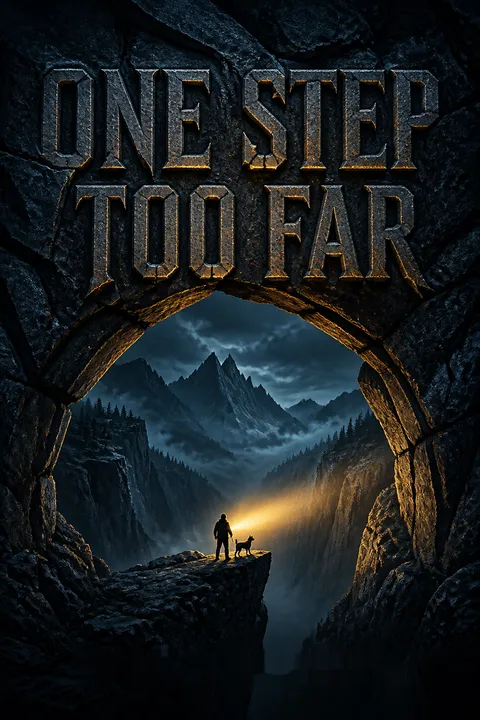


Plot Summary
Five Men Enter The Woods
Five college friends head into Wyoming's Popo Agie Wilderness for Tim O'Day's bachelor weekend. After drinking around the campfire, they hear cries in the dark and discover Scott is missing. Tim sets off before dawn to find help; by morning Scott has returned, but Tim has vanished. Searchers scour the mountains for twenty-three days, then leave without finding him.
Five years later, his father, Martin, is preparing one final expedition while his wife, Patrice, is dying of cancer. Frankie Elkin, a sober drifter who searches for people overlooked by authorities, reads about Patrice's wish to be buried beside her son. She abandons her planned trip to find a missing boy in Idaho and reroutes herself to Ramsey.
The disappearance begins as a chain of ordinary errors: too much alcohol, a missing friend, and a decision to split up in dangerous terrain. Yet the story's central wound is the gap between what happened and what the group told rescuers. Frankie enters that gap because she understands unresolved loss as a practical problem, not an abstract condition: families need answers, even when a body is all that can be brought home. Her choice to redirect herself also establishes the cost of her vocation. She answers other people's unfinished business while remaining unable to settle her own.
Frankie Joins The Search
At a highway mini-mart, Frankie hitches a ride with rancher Lisa Rowell, who warns that the wilderness has claimed several people, not only Tim. In Ramsey, Frankie finds Martin's team planning its last search. Martin distrusts the underprepared stranger, and guide Nemeth questions whether she can manage the terrain.
Frankie wins a place when Josh, one of Tim's friends, collapses from alcohol withdrawal and is taken to hospital. She borrows Josh's pack and gear. Search-dog handler Luciana Rojas and her rescue Lab, Daisy, help Frankie repack it for survival; Bigfoot researcher Bob, a friendly giant and fellow missing-persons enthusiast, welcomes her. Frankie spends the night fighting exhaustion and a craving for alcohol before setting out.
Frankie's entry into the expedition depends less on formal qualification than on her ability to notice what the group has already normalized. Josh's collapse exposes how grief and addiction have shaped the friends' return, while Frankie's own sobriety gives her a quiet credibility. Luciana's practical instruction also marks a shift in Frankie's usual method: she cannot simply question neighbors or follow social clues here. Her survival depends on accepting help and learning from specialists. The team is assembled through necessity, but its uneasy fit prepares the novel's deeper question: whether strangers can become responsible for one another before danger forces the issue.
The Canyon's Fractured Party
Nemeth leads the party toward Devil's Canyon, insisting they keep pace and report injuries before they become serious. Frankie struggles under her pack, while Bob coaches her through the climb and Miguel, called Miggy, admits he never wanted this annual return to the mountains.
At a rest stop, Martin explains how camping gave energetic young Tim a place to thrive, and how the wilderness became father and son's shared refuge during Patrice's first cancer battle. The team reaches the canyon exhausted.
Miggy accuses Martin of dragging the friends through another punishing search, then walks away. Frankie follows and learns the old friends have drifted apart, Josh has deteriorated, and Scott has married Tim's former fiancee, Latisha. The search has already exposed a divided group beneath its common purpose.
The landscape acts as a pressure test, making each character's private burden visible through physical behavior. Frankie hides pain to prove she belongs; Miggy's anger breaks through because endurance has become compulsory rather than chosen. Martin's memories complicate his authority: the same father who organized the expedition once gave Tim freedom and joy outdoors. His insistence on continuing is therefore not simply stubbornness but an attempt to restore a family history whose happy chapters have become inseparable from loss. The estranged friends, meanwhile, reveal how grief does not preserve a group unchanged. It can keep people bound to the same event while pushing them away from one another.
Scott Returns Bloody
After the first night at camp, a man's scream sends the searchers into the darkness. Frankie finds Scott behind the tents, scratched and bleeding, and brings him back. He insists he saw Tim standing at the forest's edge, though he had no light and sometimes sleepwalks under stress.
Luciana treats long cuts across his chest. At the same time, someone has shredded two suspended food bags without leaving tracks. Martin and Nemeth keep the losses quiet until morning, when the survivors calculate that only a few days of meals remain.
Martin refuses to abandon the expedition. The injuries and missing rations could be wilderness mishaps, but the clean absence of animal signs and the strange noises leave Frankie uneasy. Something in the canyon seems to be testing the party.
The episode turns familiar search procedures into sources of uncertainty. Scott's account cannot be trusted as literal evidence, but dismissing it does not explain his injuries or the food's destruction. The leaders' choice to delay the announcement protects morale in the short term and weakens trust once the shortage becomes public. Frankie reads these contradictions as she would a witness interview, but the forest offers no witnesses to question. The group's isolation intensifies the ambiguity: every sound could be wildlife, every injury an accident, and every concealment a reasonable effort to prevent panic. The thriller's danger first appears as a problem of interpretation.
A Shelter, Then Blood
The team finds a crude lean-to beyond the trail. Martin recognizes its careful cuts and evenly arranged fire stones as habits that might belong to Tim, though Nemeth cannot date the shelter with confidence. Luciana begins a systematic search with Daisy, explaining how wind and terrain shape the dog's work.
The group then fans out along the cliff, where dozens of caves might have offered shelter. Frankie suspects Tim would have tried climbing toward higher ground rather than staying put.
Before she can test the idea, a whistle summons her to Neil, who lies bloodied beside a boulder after an unexplained blow to the head. His injury stops the search. Frankie tells the others she spotted a patch of dark green cloth partway up the cliff, a possible trace of Tim's jacket.
The lean-to and cliff transform memory into evidence, but neither offers certainty. Martin reads symmetry as his son's signature because personal recognition is one of the few forms of knowledge grief leaves him; Nemeth resists treating that intuition as proof. Frankie contributes a different kind of inference by imagining Tim's temperament and likely next move. Neil's injury then interrupts the search before that theory can be confirmed, turning the group's attention from the dead to the vulnerable living. This reversal exposes the expedition's moral tension: Martin's need for recovery is intense, but each new clue risks making the survivors pay for it physically.
The Friends Confess
While Frankie stays beside the concussed Neil, he admits the friends lied about the bachelor party. Tim had been drunk, not sober, when he left. Around the campfire, Tim apologized for past betrayals: taking Miguel's job interview, pursuing Latisha after Neil and Scott had feelings for her, and secretly sleeping with Josh's younger sister, Julianna.
She became pregnant and had an abortion without telling Josh who the father was. When Tim confessed, Josh attacked him; the others joined the argument, and the groomsmen effectively quit.
Tim grabbed his pack and headed back toward the trail. The friends later concealed the fight because they feared the truth would reduce the search effort. Martin learns that their false account sent rescuers looking for the wrong version of his son.
The confession recasts the disappearance without making the friends its direct cause. Their lie was born from panic and shame, yet it deprived rescuers of crucial information about Tim's intoxication, injury, and direction of travel. Tim's own behavior also becomes more complicated: his generosity coexisted with a habit of taking what friends wanted, then trusting charm and apology to repair the damage. Josh's violence makes the rupture irreversible, while his absence from the expedition leaves his private grief unexplained. The novel resists a clean division between innocent victim and guilty companions. They hurt one another, but the lie's lasting burden comes from the uncertainty it preserved.
The Search Splits Apart
The next morning, the remaining food is gone. Martin refuses to leave the canyon, even after admitting Patrice is near death and wants him to continue searching. Frankie challenges Bob about the five-thousand-dollar check Miguel saw him receive.
Bob reveals that Martin hired him as a private investigator after someone stole camping gear, damaged Martin's car, and sent sophisticated threats telling him to stay away from Ramsey. The group now has evidence of deliberate interference, not just bad luck.
Frankie persuades Nemeth that he and Luciana should take Daisy out for help, while Bob stays with Martin and Frankie returns to the cliff. Scott and Miguel remain with Neil, who cannot walk safely. The party divides without radios, food security, or a reliable way to know who is watching them.
The revealed threats change the meaning of every earlier mishap: the damaged food and nighttime disturbances may be coordinated attempts to drive Martin away. Bob's hidden employment complicates his friendly persona, but his loyalty to Martin is also genuine. Frankie responds by prioritizing roles over authority, sending the experienced guide and dog handler for rescue while preserving support for the injured. This is a practical decision with a dangerous cost: separation removes the group's greatest safeguards. Martin's disclosure about Patrice reveals why he cannot stop. He is not only pursuing Tim; he is trying to answer his dying wife's wish before there is no family left to receive the answer.
Eight Bodies Behind Stone
At the cliff, Martin returns to the cave he believes Tim occupied. Frankie and Bob search the boulder field and discover a hidden stone panel, actually a painted foam door. Behind it lies a chamber containing eight mummified bodies, some bearing apparent wounds to the head or chest and marks at the neck.
Frankie cannot identify Tim among them. She and Bob race to warn Martin, but a sniper fires from across the canyon and wounds his shoulder. Martin refuses to leave without seeing the remains.
When another storm rolls in, he draws the gunman's attention by running into the open, giving Frankie and Bob a chance to escape. Shots follow him across the rocks. They reach cover believing Martin has been killed, with the killer still armed and the location of the chamber exposed.
The hidden room converts the wilderness from an indifferent hazard into a deliberately arranged crime scene. The bodies' order and concealment imply a human system behind what the searchers had treated as unrelated disappearances. Yet discovery does not immediately provide closure: Frankie cannot identify Tim, and the sight of many victims multiplies the families who remain unanswered. Martin's refusal to leave reflects both love and the danger of allowing a desired answer to overrule present survival. His diversion is an act of protection, but also the culmination of a pattern in which he risks everything to recover his family.
Daisy's Vest Becomes Bait
Frankie and Bob return to camp and learn from Miggy that someone redistributed the stolen meals around the tents to attract bears. He removed the food, but the sabotage confirms that the attacker is trying to make their camp unsafe.
Bob scouts the route and returns with Luciana's abandoned pack and a snare, with no bodies or blood to explain her disappearance. The group assumes Nemeth and Luciana have been ambushed and that no rescue is coming soon. With Neil concussed and Scott feverish from his chest wounds, fleeing down the mountain is too dangerous.
Frankie proposes using Daisy's torn red vest as bait, expecting the attacker to inspect it. They conceal themselves near the vest and prepare to strike together, though their plan depends on an injured, exhausted group outsmarting a practiced hunter.
The bait plan grows out of the group's shrinking options rather than confidence. Their improvised strategy uses the attacker's apparent concern with controlling evidence and witnesses against him, but it also repeats the expedition's original mistake of dividing attention among competing dangers. Daisy's vest carries special weight because the dog is both a working partner and a source of morale; using it as bait turns affection into tactical risk. Miggy's resourcefulness begins to replace his earlier resentment, while Scott and Neil remain involved despite their injuries. The friends cannot undo their old failure to protect Tim, but they can choose not to abandon one another now.
Martin Takes The Ravine
The hunter appears disguised in camouflage, carrying a rifle and moving through the trees like part of the landscape. Bob charges with bear spray, but a shot drops him; another hit wounds Scott, and Neil is struck again.
Miggy fires back, buying Frankie and himself time to flee, while Bob dies and their friends remain behind. The hunter pursues the pair through the wilderness. As Miggy and Frankie struggle toward a ravine, the masked gunman catches them. Then Martin, bloodied but alive, attacks him.
The two men fight at the ravine's edge, and Martin drives them both over it. Frankie and Miggy survive the fall from direct view but are badly hurt, lost, and freezing. Their attempted escape has cost them Bob and left them without strength or certainty that help will reach them.
The ambush makes survival depend on collective action, yet the group's improvised cohesion cannot overcome the hunter's superior preparation. Bob's charge buys time at the cost of his life; Miggy's shot and Martin's return each interrupt the attack without resolving its consequences. Martin's assault is not a neat victory but a final refusal to let the killer dictate the terms of his family's disappearance. For Frankie, the sequence strips away her usual identity as a capable observer: she can neither prevent Bob's death nor guarantee the wounded men are safe. The ravine becomes both weapon and uncertainty, leaving the survivors suspended between escape and another loss.
The Flask Before Rescue
Frankie and Miggy crawl through the mountains with a damaged shoulder, a wounded chest, and no clear route out. They find a ravine that blocks their descent and use a map to correct their direction, but a storm and the hunter's distant shots keep them moving.
When their injuries and cold finally stop them, Miggy gives Frankie a flask of Maker's Mark he had brought for a toast to Tim. Frankie has avoided alcohol for more than ten years, yet accepts a drink as they prepare for what they fear may be their last night.
They shelter near a small fire and lose consciousness from exhaustion and exposure. Luciana and Daisy, having escaped captivity, return with the rescue team. Frankie wakes in hospital; Miggy has survived surgery, and Scott and Neil are alive.
Frankie's choice to drink is a crisis of sobriety, not a simple relapse of desire. In the wilderness, alcohol becomes a ritual of farewell shared with a friend, linking her father's drinking, Tim's lost gathering, and the present group's fear. The moment exposes how fragile her recovery remains when exhaustion and anticipated death strip away the supports of ordinary life. Yet the rescue complicates the meaning of that choice: Frankie survives, but survival does not erase what she did or the need to face it. Luciana and Daisy's return also answers the earlier separation with a concrete act of loyalty, not a promise.
Daisy Exposes The Lovers
At the motel, Frankie finds a tube of synthetic corpse scent among the expedition gear. She has read about the old disappearances and suspects the substance could have confused Daisy's search. At the hospital, she places the scent near Nemeth's bed and brings Daisy in.
The dog alerts, confirming that the wilderness guide had access to the material. Frankie confronts Nemeth and diner owner Marge Santi, whose sister Jessica was the first known person to disappear. Marge admits that she and Nemeth hid Jessica's body in the canyon and continued killing hikers to protect the chamber.
They also sabotaged Martin's expedition and attacked the search party. Sheriff Kelley arrests Marge. Nemeth, gravely injured after the ravine, dies in hospital. Forensic teams begin identifying the eight victims.
Frankie's deduction combines material evidence with local history, the method she usually applies to human networks now adapted to a wilderness crime scene. The scent vial is powerful because it converts Daisy's confusing search into evidence of deliberate interference, while the sister's disappearance supplies the motive's first link. Marge and Nemeth's partnership has made shared secrecy look like intimacy, but their intimacy depends on violence against outsiders. The confrontation also refuses to romanticize wilderness expertise: skills that should protect the lost have been turned into tools for concealment and control. Frankie's anger at Nemeth expresses a demand for accountability, though it does not restore the people he helped erase.
Epilogue
Investigators find the victims' possessions in Marge's hunting cabin, along with Tim's note describing his shelter, his plan to climb out, and his love for his friends and family. His remains are identified, and Patrice receives the news that Martin kept his promise to bring their son home. Bob's husband, Rob, hears how Bob died protecting the others.
Neil recovers and proposes to Anna; Miguel survives, Scott begins healing with Latisha, and Josh starts recovery. The survivors and Rob give Frankie five thousand dollars and Luciana gives her a survival bracelet. After staying long enough to help and grieve, Frankie leaves Ramsey for the case of Eugene Santiago, the missing eight-year-old whose search she had postponed.
The epilogue distributes closure rather than pretending to restore what was lost. Tim's note gives his friends a final account of his intentions, but it cannot undo the lie, the murders, or the years spent imagining his last hours. Patrice receives the family news she wanted, while Rob and the surviving friends must build lives around Bob's absence. Frankie accepts help from people who once doubted her, a small but meaningful break in her habit of passing through without attachment. She still leaves for another case, yet her departure now follows connection and gratitude. The novel's final movement suggests that belonging need not mean staying forever; it can mean allowing others to matter and letting their care reach you.
Analysis
One Step Too Far builds its mystery from the collision between wilderness uncertainty and human concealment. At first, the forest seems to explain everything: drink, darkness, difficult terrain, and bad luck can account for a lost hiker. Search procedures then promise a rational answer, but the novel repeatedly shows how incomplete information can misdirect even skilled rescuers. The friends' lie makes that failure intimate. They do not intend to erase Tim, yet their effort to protect themselves deprives his family of an accurate account and allows uncertainty to harden into five years of grief.
Frankie's work is grounded in a different ethic. She cannot command the terrain or produce certainty on demand, but she can keep asking questions after others have stopped. Her attention to personal inconsistencies eventually matters as much as Nemeth's maps or Daisy's scent work. At the same time, the story refuses to present her as an invulnerable investigator. Her sobriety is strained by isolation and fear; her instinct to help can put her in danger; and she cannot save every person she finds. Her eventual acceptance of help complicates the self-image of a drifter who owes no one anything.
The O'Day family and the college friends represent different forms of grief. Martin tries to conquer loss through action, while Patrice can acknowledge that life must continue around it. The friends preserve their bond by revisiting the search, but guilt and resentment have made them strangers to one another. Their movement toward cooperation does not erase the past; it gives them a new way to act within it. The final gift to Frankie echoes this shift. Care is no longer something she only delivers to other people. It can also be offered to her, received without becoming a chain.
Review Summary
One Step Too Far is widely praised as a gripping, atmospheric thriller set in Wyoming's wilderness. Most readers celebrate its well-developed characters, relentless tension, and survivalist adventure elements. The cadaver dog Daisy emerges as a fan favorite across nearly all reviews. Many consider it superior to the first Frankie Elkin installment. Critics note some implausibility in the plot's latter half and occasional pacing issues. Overall, readers were captivated by Frankie's complex character and the immersive wilderness setting, with the majority rating it highly.
People Also Read










Characters
Frankie Elkin
Restless missing-person finderFrankie is a middle-aged recovering alcoholic who travels from case to case, searching for people whom police or the public have stopped looking for. She has no formal investigative credentials, but she listens closely, notices inconsistencies, and is willing to approach strangers others avoid. Her unsettled childhood with alcoholic parents and the death of Paul, the man who helped her get sober, shape both her compassion and her fear of being rooted in one place. Frankie is brave in motion, though often careless about her own safety and uncomfortable receiving help. Her work gives her a way to serve people who have been forgotten, while forcing her to confront whether constant movement is purpose, avoidance, or both.
Tim O'Day
Missing outdoorsman and friendTim is an energetic mechanical engineer, experienced hiker, and the center of a close college friendship that shaped several lives. His father taught him to camp, and the mountains became a place where his restless nature could flourish. Tim is remembered as generous, charismatic, and eager to bring others along, but his friends also recall that he could be selfish and prone to pursuing what someone else wanted. That contradiction makes his disappearance difficult for the people who loved him: they mourn a vivid, beloved friend while still carrying unresolved hurt. His intended marriage to Latisha and his closeness with his parents give the search a personal urgency beyond the mystery of where he went.
Martin O'Day
Father leading the searchMartin is Tim's father, a carpenter and experienced outdoorsman whose knowledge of camping helped shape his son's childhood. He is practical, forceful, and accustomed to directing people, traits that make him an effective organizer but a difficult companion. His love for Tim and Patrice is expressed through action: he plans, builds, searches, and tries to solve problems with his hands. Faced with uncertainty, he clings to tasks and plans because stillness would leave him alone with grief. Martin's devotion is deeply moving, but it can become controlling when he treats other people's limits as secondary to his mission.
Patrice O'Day
Tim's ailing motherPatrice is Martin's wife and Tim's mother, a cancer survivor whose illness has returned. She stands beside Latisha during the years of searching and understands that grief cannot freeze the lives of the people left behind. Her perspective is more accepting than Martin's, though her wish to know what happened to Tim gives the final search profound urgency. Patrice's quiet presence reminds the group that the missing person belongs to a family extending beyond the expedition.
Nemeth
Veteran wilderness guideNemeth is a former Shoshone National Forest district ranger who now guides expeditions and leads the search team. He is physically formidable, disciplined, and exacting about safety, insisting on proper pacing, water, and attention to injuries. His knowledge of terrain gives the group a crucial advantage, while his history with Martin makes him personally invested in finding Tim. Nemeth trusts experience and instinct, and expects others to obey when lives depend on his judgment. His hard exterior can seem dismissive, but it is paired with a deep sense of responsibility for the people he leads.
Luciana Rojas
Search-dog handlerLuciana is a Colombian American disaster-response volunteer who works with Daisy, a highly capable search dog. She is warm, confident, and technically skilled, bringing knowledge of scent behavior, canine morale, and wilderness equipment to a group with uneven experience. Luciana also works as an insurance project manager, balancing ordinary employment with demanding volunteer deployments. She treats Daisy as a partner rather than a tool and understands that a working animal's emotional state affects the search. Her practical generosity helps Frankie learn how to survive beyond city streets.
Daisy
Rescue dog with a noseDaisy is a rescued Lab mix whose natural drive and problem-solving ability made her an exceptional search-and-rescue dog. Luciana trained her to alert by sitting and raising a paw rather than barking, a method meant to avoid frightening people who may be lost or trapped. Daisy can search for living people, remains, and victims in water, but she also needs rest and encouragement after difficult work. Her playfulness and affectionate nature make her a source of comfort for the exhausted expedition, while her nose can detect evidence the human searchers cannot.
Bob
Bigfoot researcher and allyBob is a towering, red-bearded member of the North American Bigfoot Society who studies wilderness disappearances and spends time searching remote areas. His cheerful manner, affection for dogs, and willingness to help make him easy to underestimate. He is also knowledgeable about backcountry travel and attentive to the safety of people around him. Bob's interest in Sasquatch grows from curiosity about what remains unknown, but his work also brings him into contact with overlooked missing-person cases. His good humor softens the expedition's tension without disguising his seriousness when danger appears.
Miguel Santos
Engineer and guilty friendMiguel, usually called Miggy, is one of Tim's college friends and a practical engineer who once shared a home with the group. He is resentful of Martin's yearly searches and reluctant to return to the mountains, yet his loyalty to the people he loves repeatedly overcomes that resistance. Miguel carries guilt over the night Tim vanished and has difficulty separating responsibility from helplessness. He is also capable of clear thinking under pressure, drawing on his engineering background when the group needs to move an injured friend. His struggle is not simply to forgive himself, but to imagine a life not governed by that night.
Scott Riemann
Sleepwalking friend and husbandScott is one of Tim's college friends and has a history of sleepwalking, especially under stress. His unexplained disappearance on the night of Tim's loss made him central to the friends' guilt. He is perceptive about the group's shared past and remains deeply attached to the people who once felt like brothers. Scott's feelings for Latisha began long before Tim's disappearance, creating complicated loyalties that his friends do not all understand. He wants to honor Tim's memory while building a life with Latisha, and he fears that moving forward may look like betrayal.
Neil
Friend carrying old griefNeil is an engineer and one of Tim's longtime friends, known within the group for humor and a capacity to show up when someone is in trouble. His own family history includes an alcoholic father and a younger sister who died after struggling with addiction. Tim helped Neil through that loss, deepening Neil's attachment to him. Neil keeps his current relationship private from his old friends, partly because the group's shared past has made privacy feel precious. Beneath his jokes, he is still working through grief and the fear that moving into a new life means leaving Tim behind.
Josh
Best man in recoveryJosh is Tim's best man and a capable engineer with experience in hunting and the outdoors. He is quiet and private, rarely sharing what he feels even with close friends. His relationship with Tim carries particular emotional weight, and a painful family history complicates the friendship further. Josh's drinking has grown severe enough to threaten his health and his place in the group. He is the absent member of the expedition whose collapse forces Frankie into the party, but his role in the friends' history remains essential to understanding their guilt.
Latisha Gibbons
Tim's fiancee and Scott's partnerLatisha is a successful marketing professional, an adventurous hiker, and a woman whose warmth and energy made a strong impression on Tim and his friends. She loved Tim and later builds a life with Scott, another member of the college circle. Her connection to both men gives the friends' memories of Tim an intimate complication, but she is not merely a prize in their old rivalries. She has her own judgment, capacity for forgiveness, and desire to keep the dead remembered without abandoning the living.
Marge Santi
Ramsey diner ownerMarge owns the Ramsey diner where the original search effort began and where locals gather during the final expedition. She is practical, observant, and deeply rooted in her mountain community. Marge has participated in local search efforts and treats the town's tragedies as matters that belong to its residents as much as to visiting families. Her relationship with Nemeth appears close and long-standing, and her protectiveness toward the search party reflects the loyalty small communities can inspire.
Lisa Rowell
Rancher and local guideLisa is a Ramsey-area rancher who gives Frankie a ride from the highway into town. She took part in the original search by lending horses and knows the wilderness's dangers. Her frank warning broadens Frankie's understanding of the case beyond Tim's disappearance.
Sheriff Jim Kelley
County law officerSheriff Kelley is a respected local law officer responsible for a large rural county. He works with Nemeth on search efforts and later coordinates the response to the crisis. His familiarity with Ramsey and its residents gives him a perspective that outside investigators lack.
Paul
Frankie's late partnerPaul loved Frankie and helped her through the early years of sobriety. He wanted her to build a settled life and worried that her fixation on other people's problems allowed her to avoid her own. His death remains a source of grief and guilt, shaping Frankie's reluctance to stay close to anyone.
Anna Hajlasz
Neil's longtime partnerAnna is Neil's longtime girlfriend, a patient and devoted partner who has waited for him to make space for a shared future. Her relationship with Neil exists mostly outside his old college circle, reflecting his need to build something separate from the past.
Rob
Bob's husbandRob is Bob's husband, a neurosurgeon whose scientific outlook contrasts with Bob's interest in Bigfoot. Their relationship is affectionate and steady, and Bob's love for him is a quiet center beneath his expansive personality.
Julianna
Josh's younger sisterJulianna is Josh's younger sister, a college student whose private history becomes part of the fracture among Tim's friends. She is not present on the expedition, but what happened in her life shapes the friends' understanding of Tim and Josh.
Seth
Helpful motel clerkSeth works the Ramsey motel desk and is curious about the hikers' ordeal. He bends workplace rules to let Frankie use the office computer, giving her access to local newspaper archives.
Plot Devices
The Wilderness Search
Turns terrain into evidenceSearch-and-rescue procedures give the group a practical way to reason through a vast landscape. Nemeth uses maps, likely routes, and last-known-position analysis; Luciana calculates scent and wind for Daisy; the others watch for clothing, shelter, and human traces. These methods narrow the search, but their limits matter: a person can be missed, a clue can be misread, and a hidden crime scene can defeat ordinary procedures. The wilderness is not merely scenery but a system of obstacles that shapes what the characters can know and how quickly they can act.
Daisy's Search Alerts
Finds what people missDaisy's trained nose is the expedition's best chance of locating human remains. Luciana directs her through shifting air currents and difficult rock fields, while teaching the group that the dog may pass visible clues while tracking a scent. Daisy's behavior also becomes a measure of the expedition's morale: Luciana gives her breaks and play so that the work does not overwhelm her. The device combines practical detection with emotional trust, and later makes Daisy's response to an artificial scent a vital clue.
The Friends' False Account
Hides Tim's last known routeThe friends conceal the drunken fight that preceded Tim's disappearance and report a more orderly version of the night. Their lie preserves their shame and fear, but it also distorts the original rescue effort by hiding Tim's intoxication, injury, and direction of travel. Five years later, the truth explains why the friends remain bound by guilt and why Martin's search has rested on incomplete information. The false account delays emotional understanding even as it does not, by itself, explain what happened to Tim.
The Hidden Boulder Chamber
Reframes disappearances as murderA disguised panel conceals a chamber of preserved human remains among the boulders. Its concealment explains why earlier searches failed and links several missing-person cases to one location. The chamber changes the expedition from a recovery mission into a hunt for a killer, while withholding the victims' identities until forensic work can begin. Its presence also gives the attackers a reason to frighten Martin away and sabotage the search before the group discovers what lies beneath the rocks.
The Synthetic Scent
Exposes a compromised searchA tube of synthetic corpse scent, found among the expedition gear, gives Frankie a way to test whether someone could have diverted Daisy. By placing the scent near Nemeth's hospital bed, she lets Daisy's trained alert connect the substance to him. The vial makes a hidden technical detail legible as evidence: a search method can be manipulated by someone who understands it. Frankie then combines this clue with the local history of disappearances to identify a wider conspiracy.
About the Author
Other books by Lisa Gardner




Download PDF
Download EPUB
.epub digital book format is ideal for reading ebooks on phones, tablets, and e-readers.








