

Key Takeaways
Treat pulling and picking as personal behavior patterns, not failures of character
A pattern, not a flaw. Hair pulling and skin picking can cause physical harm, distress, and shame, but they are not proof of weak character. The book describes how a treatment approach grew from listening closely to people whose needs were not met by a simple instruction to use willpower. In 1990, clinicians began working with a group of people who pulled their hair after medication offered little relief. Habit Reversal Training helped some, but others found it too narrow. The clinicians developed a broader approach that considers each person’s distinct triggers and the purpose the behavior serves.
Causes remain uncertain. Biology may contribute, but no single cause or reliable medication has been established. The book notes that BFRBs affect many people, while shame and secrecy can make sufferers feel uniquely alone. The goal is not to define a person by the behavior, but to build control and reclaim energy for life.
What's striking is the shift from moral judgment to functional understanding. Asking what a behavior accomplishes, such as soothing discomfort or supplying stimulation, creates more options than asking why someone cannot simply stop. This perspective also protects dignity: people can take responsibility for change without being blamed for having the problem. The model's breadth is useful, though it demands more effort than a single technique. A personalized plan is not automatically an easy plan, and the book's compassionate framing matters because shame can make that work harder to begin.
Record three episodes before deciding what needs to change
Observe before intervening. Self-monitoring means recording what happens around a picking or pulling episode, as soon as practical. Note the place and activity, sensations, thoughts, emotions, body movements, what happens to the removed hair or skin, and how early you noticed the urge. The book recommends documenting at least three episodes, including two weekdays and one weekend day, to reveal patterns that memory may miss.
A routine can hide details. Alicia, who had pulled her hair since childhood, assumed she already understood the behavior. During a commute, she noticed that traffic stress, work worries, a familiar posture, and touching a tender spot had all contributed. She had been pulling without realizing it. The record did not solve the problem, but it gave her a map. Without noticing what precedes and follows an episode, interventions are mostly guesses.
This step resembles careful observation in science: a useful explanation starts with data, not with a favored theory. It also counters hindsight, which tends to compress a complicated episode into a vague account such as, 'I got stressed and did it.' Tracking can reveal small cues and rewards that are easy to overlook. There is a practical caveat: recording every detail can feel burdensome or turn into another standard to fail. A short, imperfect record is more useful than abandoning observation because the form is not complete.
Choose several interventions that match your own triggers
Use five lenses. The book's SCAMP model organizes influences on BFRBs into sensory experiences, cognitions, affective states, motor actions, and place or environment. Together, these lenses help identify both what starts an episode and what rewards or prolongs it. For example, a rough sensation may prompt touching, a thought may grant permission to continue, and privacy may make it easier to lose track of time.
Build a combination. The authors recommend trying at least three interventions across three relevant domains in a setting, rather than expecting one trick to solve everything. An action plan records where and when each strategy will be used, then tracks awareness and behavior over the week. Alicia combined gloves, a comb, a reminder, and stress management while driving. The aim is not to collect techniques indiscriminately, but to meet the specific needs that picking or pulling has been serving.
This is a form of individualized problem solving rather than a universal recipe. In systems thinking, a behavior is maintained by interacting conditions, so changing several links can be more robust than targeting only the most visible one. The combination principle also explains why familiar tools may have failed in the past: a barrier alone may not address a rewarding sensation, a permissive thought, or the setting itself. Still, three strategies are a starting suggestion, not a law. The useful test is whether the combination fits the person and the situation.
Interrupt the sensory reward before grooming becomes self-injury
Sensation can start the loop. A hair that feels coarse, a scab that catches a fingertip, or a visible blemish can draw attention into searching, touching, picking, or pulling. The behavior may offer a satisfying sensation or brief relief. Examining or handling the removed hair or skin can add another reward, making the next episode more likely. Damage then creates new roughness, scabs, regrowth, or irritation that can become fresh targets.
Offer safer input. The book suggests reducing visual and tactile cues, keeping mirrors dim or covered when they invite scrutiny, and finding harmless sensory substitutes such as a textured object, gum, or a soothing grooming routine. Healthy skin and hair care can reduce some irritating triggers, but close grooming may itself become risky for some people. A dermatologist or other professional can help when skin or hair problems need medical attention.
The important distinction is between ordinary grooming and a cycle in which immediate sensory payoff outweighs delayed harm. That is a familiar learning dynamic: consequences that arrive quickly can keep a behavior going even when later outcomes are painful. Sensory substitutes are strongest when they meet the same need, rather than merely distracting for a moment. Care is needed, however, not to turn grooming into more inspection. For someone whose visual scrutiny is a cue, elaborate skin or hair routines may intensify the very attention the plan is meant to reduce.
Challenge the thought that gives picking or pulling permission
Thoughts can authorize action. People may tell themselves that a flaw is intolerable, that picking will make skin heal faster, or that they will stop after one hair or a few minutes. Such beliefs can feel convincing in the moment, even when past experience shows they lead to more damage. Other unhelpful thoughts include assuming that everyone will judge visible damage, or treating a lapse as proof of personal failure.
Prepare a credible reply. The book recommends writing short, realistic coping statements and placing them where urges tend to occur. A useful response might remind someone that picking tends to create more scabs, or that imperfect regrowth is preferable to further injury. The goal is not forced optimism. It is replacing permission-giving or self-attacking thoughts with statements grounded in experience, while allowing room for patience and self-respect.
This approach treats thoughts as influences, not commands. That distinction is valuable because arguing with an urge in the middle of an episode can be difficult; a prepared response reduces the amount of improvisation required. The most credible statements are specific and believable, not slogans that deny distress. Shame deserves particular care: disclosure to a trusted person or connection with a support community may reduce isolation, but disclosure should remain the individual's choice. A thought record can clarify choices, yet it cannot guarantee that other people will respond well.
Give distress, boredom, and transitions healthier outlets
The behavior may regulate feeling. Anxiety, shame, sadness, anger, frustration, boredom, and restlessness can all precede an episode. Picking or pulling may briefly soothe, energize, or distract, but the relief does not erase the damage and can reinforce reliance on the behavior. Episodes may also appear when shifting between tasks feels uncomfortable, such as moving from relaxing to paying bills or facing a crowded list of obligations.
Plan an alternative response. The book suggests relaxation or breathing practices for agitation, engaging activities and social contact during low moods, and hands-on alternatives when boredom leaves the hands idle. Behavioral activation, a depression treatment approach that encourages meaningful activity rather than waiting to feel better first, is offered as a useful principle. If distress is severe or persistent, a qualified health professional can assess whether additional care is needed.
The useful insight is that an unwanted behavior can be doing a job, even while causing harm. Replacing it works best when the alternative addresses the same state: stimulation for boredom, calming for agitation, or manageable action when overwhelm stalls a transition. This avoids treating emotion as an enemy that must be suppressed. At the same time, a walk or hobby is not a substitute for treatment of serious depression or other conditions. The book's suggestions are self-management tools, not a promise that ordinary activities alone can resolve every emotional difficulty.
Interrupt the hand movement before the behavior chain gathers speed
Motor habits can run automatically. Repeated movements become easier for the nervous system to perform, sometimes before a person notices them. A typical sequence may begin with entering a familiar setting, then touching or searching for a target, followed by pulling or picking and handling what was removed. Some people experience episodes mostly outside awareness, others are highly focused, and many experience both styles.
Act at the earliest link. The book advises using barriers or competing activities before entering a vulnerable situation, not waiting until an episode is well underway. Gloves, bandages, clothing, or an object that keeps the hands occupied can interrupt access and bring movement into awareness. Aisha, who picked at her arms while waiting in public places, began to notice how folded arms and empty hands helped start the sequence. Earlier interruption gives other strategies time to work.
The chain model makes an abstract habit visible as a sequence with possible interruption points. It also explains why awareness alone can be insufficient: a person may notice the behavior only after several actions have already occurred. In practical terms, changing posture or occupying the hands can create a pause in which choice returns. Barriers should be understood as aids, not tests of commitment. A strategy that is uncomfortable, conspicuous, or hard to maintain may be abandoned, so usability matters as much as theoretical fit.
Make high-risk places less private, convenient, and cue-rich
Settings can cue routines. Bathrooms, bedrooms, cars, and quiet corners may become linked with picking or pulling. Privacy, long stretches of sitting, a particular time of day, bright mirrors, tweezers, or needles can make an episode easier to begin or sustain. In a bathroom, for example, close inspection may reveal minor irregularities that would not attract attention at an ordinary distance.
Change the setup. Consider moving to a different seat or room, taking movement breaks, keeping a door open when appropriate, reducing mirror access or bright light, and storing implements away from the usual trigger area. A reminder note or phone alert can prompt an intervention before the familiar routine starts. Melissa changed her morning TV routine by sitting with her children instead of settling into her usual chair, and kept her hands occupied. Small environmental changes can disrupt a well-practiced sequence without requiring constant vigilance.
Environmental design turns self-control from a purely internal struggle into a question of access and cues. The same principle appears in many forms of prevention: making a risky action less immediate can create room for a different response. The book's examples are concrete, but context matters. Privacy can be necessary, and removing mirrors or tools may be impractical or inappropriate for some people. The goal is selective redesign of the situations that reliably lead to harm, not a life organized around avoiding every possible trigger.
Treat setbacks as evidence for revising the plan, not starting over
Plans need maintenance. A strategy may work for weeks and then weaken because routines change, life becomes stressful, or an intervention is uncomfortable and quietly dropped. The book distinguishes a slip, a limited return of behavior, from a more substantial setback or relapse. These events are not proof that progress was imaginary. They can reveal which part of a plan needs attention.
Adjust gradually. Review the self-monitoring notes and action plan, restore useful supports, or replace interventions that do not fit. When control is stable for a while, reduce one support at a time in a lower-risk setting, rather than abandoning the whole plan abruptly. Keep useful supplies available in case they are needed again. If self-help does not provide enough control, the book recommends seeking a therapist experienced with BFRBs or another appropriate source of support.
A setback is more informative when it is treated as feedback rather than a verdict. This resembles iterative design: a system is tested in real conditions, weak points are found, and the system is adjusted. That frame reduces the all-or-nothing response that can turn one difficult day into giving up. The caution is that tracking and revising should not become endless self-surveillance. A sound plan should gradually support ordinary life, relationships, and activities, rather than making recovery itself the only thing a person is allowed to think about.
Protect healing with practical skin care and appropriately qualified support
The body needs time to repair. Picking can reopen skin before it heals, prolong scabs, and increase the risk of irritation, infection, discoloration, or scarring. Repeated pulling can irritate follicles, while prickly regrowth may become a new target. The book explains that hair grows from follicles beneath the skin, so removing a shaft does not remove the follicle. Skin and hair may recover when damage stops, though healing and regrowth take time and may not look perfect at first.
Care beyond the target. Gentle skin and hair care, sleep, nourishing food, exercise, and stress-reducing activities can support general well-being. A dermatologist can advise on skin conditions and wounds; a trained BFRB therapist can help tailor treatment. The book reports no prescription medication proven to reliably treat BFRBs. It describes N-acetylcysteine as a possible aid for some adults with hair pulling, with uncertain benefit for skin picking, and advises consulting a physician before medication or supplements.
This closing perspective connects behavior change with bodily repair. The skin and hair are not cosmetic details alone: they are living systems that need protection and time, while attempts to force immediate perfection can restart injury. Health routines may also support energy and emotional steadiness, making other parts of a treatment plan easier to use. The limit is important: wellness practices can complement targeted treatment, but they do not replace medical assessment of wounds, infection, or persistent symptoms. Nor should imperfect healing be mistaken for evidence that recovery has failed.
Analysis
The book's central achievement is a change in the question being asked. Instead of treating hair pulling and skin picking as isolated acts that should yield to stronger willpower, it asks what combinations of sensation, thought, emotion, movement, and setting make the behavior likely, and what immediate reward keeps it going. That shift is clinically consequential: once a behavior is understood as serving functions, treatment can seek safer ways to meet those functions while disrupting the learned sequence.
Its strongest practical idea is the movement from observation to tailored action. Self-monitoring turns an apparently mysterious behavior into a set of identifiable contexts and steps. The SCAMP categories then make those details usable, while the weekly action plan adds a feedback loop. The result resembles applied problem-solving more than inspirational self-help. It accepts that interventions must be tested, revised, and combined, and that success in one setting does not automatically transfer to another.
The approach also has a humane theory of responsibility. It asks readers to take their behavior seriously without treating it as a moral defect. That distinction matters because shame can promote secrecy, while secrecy can limit access to support and leave the person alone with the pattern. Its attention to dignity is therefore not ornamental; it is part of making sustained work possible.
The model's breadth is also its main burden. Completing forms, preparing materials, changing routines, and sustaining several interventions can be demanding, especially for someone already exhausted or distressed. The book partly addresses this through gradual steps and permission to modify the plan, but readers may still benefit from professional guidance or support. Its evidence claims should also be read carefully: many component techniques have established behavioral rationales, while the book says research on the full ComB treatment is ongoing. The sound conclusion is not that one comprehensive plan guarantees recovery, but that structured, individualized experimentation offers a more credible path than blame, secrecy, or one-size-fits-all restraint.
Review Summary
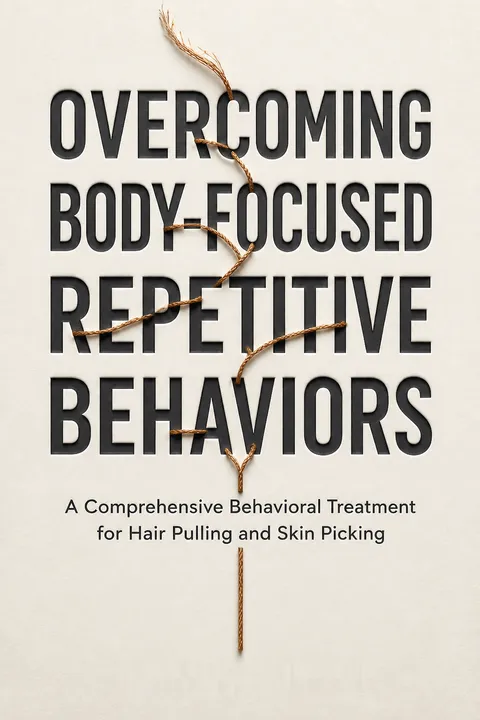
Overcoming Body-Focused Repetitive Behaviors is highly praised for its compassionate, practical approach to treating BFRBs like hair pulling and skin picking. Readers appreciate its comprehensive ComB method, clear explanations, and useful worksheets. Many found it validating and empowering, noting significant improvements in managing their behaviors. The book is commended for its accessibility, though some found it repetitive. Overall, reviewers consider it an invaluable resource for those struggling with BFRBs, as well as for mental health professionals and supportive loved ones.
People Also Read









Glossary
Body-Focused Repetitive Behaviors (BFRBs)
Repeated self-directed grooming behaviorsA group of repetitive behaviors involving the body, including hair pulling and skin picking. When persistent, these behaviors can cause physical damage, distress, or interference with daily life. The book also mentions related behaviors such as nail biting. BFRBs vary widely in what triggers them, how consciously they occur, and what sensations or emotional effects maintain them.
Comprehensive Behavioral (ComB) treatment
Personalized BFRB treatment approachA behavioral treatment approach that identifies the individual factors that trigger and maintain hair pulling or skin picking, then matches interventions to those factors. It considers sensory experiences, thoughts, emotions, movements, and environmental settings. Treatment is organized around assessment, planning, and trying interventions, with adjustments based on what happens in daily life.
SCAMP
Five domains for mapping BFRBsAn acronym organizing factors that may contribute to a BFRB: sensory experiences, cognitive activity, affective states, motor actions, and place or environment. The categories help a person notice both triggers and consequences, then select interventions suited to the particular behavior pattern. Not every domain is equally relevant to every person or situation.
Habit Reversal Training (HRT)
Awareness and competing actionsA behavioral treatment approach developed for repetitive behaviors that teaches people to notice when a behavior is occurring and to practice a movement incompatible with it. For hair pulling, an incompatible action might occupy the hands. The book describes HRT as a well-studied treatment component, while noting that some people find it too narrow when used without attention to other triggers.
competing response training
Practice an incompatible movementA component of Habit Reversal Training in which a person practices a physical action that interferes with the movement used in a repetitive behavior. The competing action is intended to make the original response harder to perform and to strengthen an alternative movement pattern. It is one possible intervention, not a complete account of every factor that may maintain a BFRB.
behavioral activation
Use activity to improve moodAn approach to depression that encourages engagement in meaningful, productive, or pleasurable activities rather than waiting for mood to improve before acting. The book applies this principle to low mood that may increase vulnerability to picking or pulling. Examples include getting out of bed, reconnecting with others, completing manageable tasks, and spending time outdoors.
FAQ
What's "Overcoming Body-Focused Repetitive Behaviors" about?
- Focus on BFRBs: The book addresses body-focused repetitive behaviors (BFRBs) such as hair pulling and skin picking, offering strategies to manage and overcome these behaviors.
- Comprehensive Treatment Approach: It provides a comprehensive, evidence-based treatment grounded in cognitive behavioral therapy (CBT) to help individuals understand and control their BFRBs.
- Step-by-Step Guide: The authors present a step-by-step guide to help readers identify triggers and develop a personal action plan to manage their behaviors.
- Expert Contributions: Written by experts Charles S. Mansueto, Sherrie Mansfield Vavrichek, and Ruth Goldfinger Golomb, the book combines their extensive experience in treating BFRBs.
Why should I read "Overcoming Body-Focused Repetitive Behaviors"?
- Proven Strategies: The book offers proven-effective strategies to manage BFRBs, which can significantly improve the quality of life for sufferers.
- Understanding Triggers: It helps readers understand why they engage in these behaviors and how to identify and manage their triggers.
- Empowerment and Control: By following the guide, readers can gain control over their behaviors and reduce feelings of shame or embarrassment.
- Expert Insights: The authors are renowned experts in the field, providing reliable and authoritative information.
What are the key takeaways of "Overcoming Body-Focused Repetitive Behaviors"?
- ComB Model: The book introduces the Comprehensive Behavioral (ComB) model, a structured approach to understanding and treating BFRBs.
- SCAMP Domains: It emphasizes the importance of the SCAMP domains (Sensory, Cognitive, Affective, Motor, and Place) in managing BFRBs.
- Personalized Action Plan: Readers are guided to develop a personalized action plan tailored to their unique triggers and behaviors.
- Holistic Approach: The book encourages a holistic approach, integrating self-care and wellness into the treatment of BFRBs.
What is the ComB model in "Overcoming Body-Focused Repetitive Behaviors"?
- Comprehensive Approach: The ComB model is a comprehensive behavioral approach that considers a wide range of factors contributing to BFRBs.
- Individualized Treatment: It involves a structured assessment to identify the unique pattern of triggers and behaviors for each individual.
- Five Domains: The model focuses on the SCAMP domains—Sensory, Cognitive, Affective, Motor, and Place—to address different aspects of BFRBs.
- Research-Based: The ComB model is based on research-supported clinical techniques used by cognitive behavior therapists worldwide.
How does the SCAMP model help in managing BFRBs?
- Five Key Domains: SCAMP stands for Sensory, Cognitive, Affective, Motor, and Place, each representing a domain that influences BFRBs.
- Trigger Identification: The model helps individuals identify specific triggers within each domain that lead to picking or pulling episodes.
- Targeted Interventions: By understanding these domains, individuals can develop targeted interventions to manage their behaviors effectively.
- Holistic Management: SCAMP provides a holistic framework for understanding and addressing the complex nature of BFRBs.
What are some effective strategies from "Overcoming Body-Focused Repetitive Behaviors"?
- Awareness Building: The book emphasizes the importance of building awareness of triggers and behaviors through self-monitoring.
- Intervention Planning: It guides readers in planning and preparing interventions tailored to their specific needs and triggers.
- Action Plan Implementation: Readers are encouraged to implement their action plans and adjust them as needed for effectiveness.
- Holistic Self-Care: The book advocates for integrating self-care practices, such as healthy grooming and stress management, into the treatment plan.
What role do emotions play in BFRBs according to "Overcoming Body-Focused Repetitive Behaviors"?
- Emotional Triggers: Emotions such as anxiety, shame, and frustration can trigger BFRB episodes, making emotional management crucial.
- Short-Term Relief: Picking or pulling may provide short-term relief from negative emotions, reinforcing the behavior.
- Healthy Alternatives: The book suggests finding healthy alternatives to manage emotions, such as relaxation exercises and mindfulness.
- Affective Domain: The Affective domain in the SCAMP model specifically addresses the emotional aspects of BFRBs.
How can cognitive interventions help in managing BFRBs?
- Challenging Beliefs: Cognitive interventions involve challenging unhelpful thoughts and beliefs that contribute to BFRBs.
- Realistic Replacements: The book encourages replacing distorted thoughts with realistic and helpful ones to reduce picking or pulling.
- Cognitive Domain: The Cognitive domain in the SCAMP model focuses on identifying and addressing cognitive triggers.
- Empowerment Through Thought: By changing thought patterns, individuals can gain greater control over their behaviors.
What are some practical tips for reducing BFRBs from "Overcoming Body-Focused Repetitive Behaviors"?
- Barrier Techniques: Use barriers like gloves or bandages to prevent easy access to picking or pulling sites.
- Environmental Changes: Modify environments to reduce triggers, such as dimming lights or removing mirrors.
- Sensory Substitutes: Engage in sensory activities that provide similar stimulation without causing harm.
- Routine Adjustments: Change daily routines to avoid high-risk situations and incorporate healthy habits.
What are the best quotes from "Overcoming Body-Focused Repetitive Behaviors" and what do they mean?
- "The definitive guide for those who pick or pull." This quote highlights the book's comprehensive approach to managing BFRBs.
- "Gain control over your behaviors—and your life." It emphasizes the empowerment and life improvement that comes from managing BFRBs.
- "A compassionate and empowering writing style." The authors' approach is supportive and understanding, offering hope to readers.
- "A well-studied, person-centered approach." The ComB model is based on research and tailored to individual needs, ensuring effectiveness.
How does "Overcoming Body-Focused Repetitive Behaviors" address the shame associated with BFRBs?
- Normalizing the Experience: The book reassures readers that they are not alone and that BFRBs are common and manageable.
- Support and Resources: It encourages seeking support from trusted individuals or support groups to reduce feelings of isolation.
- Compassionate Approach: The authors emphasize a compassionate approach, helping readers overcome shame and build self-esteem.
- Educational Insights: By educating readers about BFRBs, the book helps reduce stigma and promotes understanding.
What should I do if self-help isn't enough according to "Overcoming Body-Focused Repetitive Behaviors"?
- Seek Professional Help: The book suggests consulting with trained professionals if self-help efforts are insufficient.
- Support Groups: Joining support groups can provide additional encouragement and shared experiences.
- Reassess and Adjust: It encourages reassessing and adjusting the action plan to better meet individual needs.
- Persistence and Patience: The authors remind readers that recovery is a journey and to remain patient and persistent.
Download PDF
Download EPUB
.epub digital book format is ideal for reading ebooks on phones, tablets, and e-readers.








