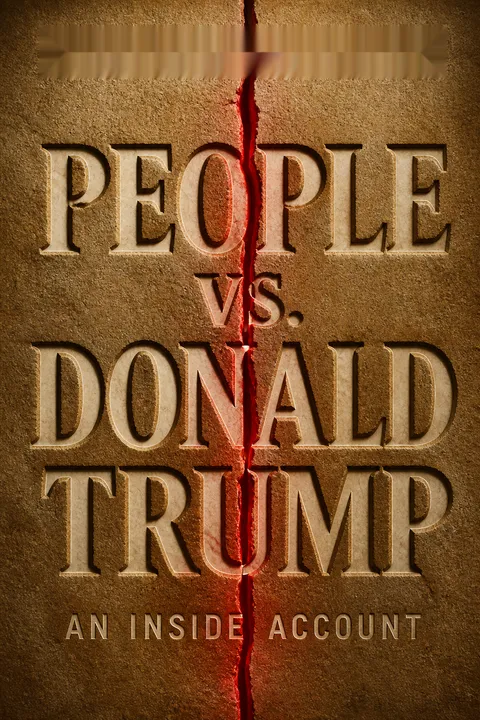


Key Takeaways
Treat a sprawling investigation as a puzzle, not a pile of suspicions
From observer to prosecutor. Mark Pomerantz joined the Manhattan district attorney’s Trump inquiry after retiring and recovering from cancer surgery. At first, the investigation looked like a jumble: hush money, taxes, loans, insurance claims, and property values. His central job was to sort relevant facts into a case that could be presented honestly to a jury. That meant finding the pieces that belonged together, while resisting the temptation to force uncertain facts into a neat story.
Focus creates a case. Pomerantz believed investigators needed both a clear theory and a witness who could guide jurors through complex records. He also stressed that prosecutors must master the underlying documents themselves, not rely entirely on summaries from junior staff. A persuasive theory is useful only when the evidence supports it.
What's striking is that investigation appears here as a discipline of selection, not merely accumulation. The puzzle metaphor captures a real danger: a compelling narrative can emerge from incomplete facts, and investigators may mistake coherence for truth. The safeguard is not to avoid interpretation, which is impossible, but to preserve inconvenient evidence and make uncertainty visible. The same principle applies to journalism, scientific inquiry, and internal audits: conclusions are more trustworthy when the process records what did not fit, not just what completed the picture.
A morally ugly deal can still fail the legal test for a charge
The revived hush money theory. Michael Cohen paid adult film actor Stephanie Clifford $130,000 to keep her account of an alleged affair with Donald Trump from becoming public. Trump later reimbursed Cohen through payments recorded as legal fees, although the invoices described services that had not been performed. Pomerantz saw deception and explored whether the payment could support money-laundering charges by treating it as the proceeds of extortion.
A legal timing problem. New York larceny by extortion required the person making the threat to receive the money. That meant the payment did not become criminal proceeds until Clifford’s side had received it, too late for Pomerantz’s proposed theory that sending it was money laundering. The office also doubted whether the threat amounted to extortion. The inquiry, nicknamed the zombie case, was shelved despite the conduct’s apparent dishonesty.
This episode separates moral judgment from legal classification. A transaction can look deceptive while failing to satisfy the precise elements of a particular offense. That distinction protects people from punishment based on outrage alone, but it can also leave serious misconduct outside a statute’s reach. The case illustrates why prosecutors need several possible legal theories, yet must resist stretching one merely because the facts seem offensive. Technical rules are not annoying decorations around justice. They are part of what makes legal authority legitimate.
Look for a repeated valuation pattern, not one disputed estimate
Numbers that moved one way. The investigation examined Trump’s annual Statements of Financial Condition, which reported his assets and net worth. For 2011 to 2017, prosecutors’ experts analyzed assets representing about 90 percent of the stated total. They concluded the statements overstated asset values by billions of dollars each year, averaging roughly twice the estimated reasonable values.
Examples made the pattern concrete. Trump’s Seven Springs estate was listed at $291 million in some statements, though an internal appraisal put its development value at $50 million and the prosecutors’ experts valued the property at $33 million. His Trump Tower apartment was described as nearly 30,000 square feet and valued at $327 million, then its recorded size was reduced to 10,996 square feet after reporting challenged the larger figure. The prosecution’s theory was not that every appraisal difference proves fraud, but that repeated, one-directional inflation supported an inference of intent.
What's powerful here is the move from isolated discrepancy to repeated asymmetry. Real estate valuation is inherently uncertain, so a single estimate rarely settles whether someone intended to deceive. A pattern across assets and years can be more probative, especially when the same person benefits and the figures consistently rise. Still, expert valuation is not pure measurement: assumptions about future use, income, and comparable properties matter. A jury would need to see not only that estimates diverged, but why the chosen methods were unreasonable and what the decision-maker knew.
Make corroboration carry a compromised witness, not his reputation
Cohen had baggage. Michael Cohen had pleaded guilty to federal crimes, had lied publicly about the hush money payment, resented Trump, and repeatedly sought media attention. Yet he had firsthand knowledge of Trump’s business practices and told Pomerantz that Trump set a desired net-worth figure, then directed subordinates to adjust asset values to reach it. Cohen had already been sentenced, so he did not need a pending sentence to motivate cooperation. He said he wanted Trump held accountable.
Independent evidence mattered. Pomerantz believed Cohen could describe key conversations, but the case could not rest on his word. Documents, financial statements, banker testimony, appraisal records, Trump’s own prior statements, and reporting from Forbes could support or challenge his account. The investigative team also had to prepare for Cohen’s weaknesses as a witness. His credibility was a question to test against evidence, not a label to settle in advance.
This is a useful model for evaluating human testimony: credibility is not a simple choice between trustworthy and untrustworthy. A witness can be self-interested and still provide accurate information, particularly when independent records support specific details. The reverse is also true: corroboration of one claim does not certify every claim a witness makes. The strongest approach is proposition-by-proposition testing. Cohen’s public self-promotion could damage him, but it also made disciplined witness preparation and careful separation of evidence from personality especially important.
Choose a charge that fits the proven pattern, not the grandest theory
The broad case was too broad. Pomerantz initially proposed enterprise corruption, a New York offense modeled on federal RICO law that can target a business built or operated through repeated crimes. Possible underlying conduct included financial statement fraud, tax offenses, consumer fraud, misuse of a charity, and false insurance claims. The theory reflected how he believed Trump’s business operated, but proving the entire pattern would demand more time and staff than the local office had.
A narrower case advanced. Investigators instead pursued the Trump Organization and its chief financial officer, Allen Weisselberg, over untaxed compensation. The company paid personal costs such as rent, tuition, cars, and utilities, while internal spreadsheets counted them toward compensation that was not fully reported to tax authorities. Weisselberg and the company were indicted in 2021. Weisselberg later pleaded guilty, and a jury found the company guilty in 2022. These charges did not resolve the separate question of Trump’s financial statements.
The contrast shows that legal ambition has a resource cost. A pattern-based charge can reveal how separate acts reinforce one another, but it also multiplies the factual and legal disputes a jury must understand. A narrower case may be more manageable without being more morally important. Good case selection therefore involves matching the scope of the accusation to the evidence, staffing, and trial capacity available. The temptation to make one indictment explain an entire business history can obscure the strongest, most provable conduct.
Do not demand certainty only because the defendant is powerful
A charge is not a guaranteed verdict. Pomerantz argued that prosecutors should bring a case when evidence supports guilt beyond a reasonable doubt and a jury could reasonably convict, even when acquittal remains possible. He did not claim the case against Trump was perfect. The team debated whether Deutsche Bank had relied on false statements, whether it had suffered a loss, and how to answer the argument that bankers already knew Trump exaggerated his wealth.
A past case shaped his judgment. As a prosecutor, Pomerantz helped bring a civil rights case against police officer Frank Livoti after Livoti’s chokehold killed Anthony Baez. Federal officials warned the case might fail, but the jury convicted Livoti. Pomerantz took from the case that prosecution can be justified even when success is uncertain, particularly when failing to act would leave serious conduct unchallenged. He argued that a former president should not face a higher evidentiary threshold than anyone else.
The principle protects against status-based leniency, but it requires careful limits. A prosecutor’s willingness to risk an acquittal cannot replace a sound legal theory or evidence capable of persuading an impartial jury. The Baez case supports courage under uncertainty, not a general license to prosecute for symbolic effect. Pomerantz’s own account acknowledges that the Trump case had contested issues and that reasonable lawyers disagreed. The key question is whether the decision standard is applied consistently, rather than raised or lowered according to a defendant’s popularity.
Treat leadership transitions as investigative risks, not office housekeeping
Separate agencies held different pieces. New York’s attorney general had gathered testimony and financial records through a civil investigation while the district attorney pursued criminal charges. Their tools and legal constraints differed, and rivalry could have kept evidence siloed. Instead, the offices shared information, and two attorney general lawyers joined the criminal team. That cooperation helped uncover the compensation scheme and supplied a factual foundation for examining Trump’s statements.
A leadership change disrupted continuity. Cyrus Vance had supported moving toward charges, but Alvin Bragg took office in January 2022 without having been extensively briefed during the transition. Pomerantz and Carey Dunne believed the new team had little time to absorb years of financial records, witness accounts, and legal analysis. The office also lacked enough experienced trial lawyers. Complex evidence cannot be transferred like a folder; incoming leaders need time to understand it, question its assumptions, and assess the people who developed it.
This is an institutional design problem as much as a personnel problem. Investigations depend on tacit knowledge: why a witness matters, how a spreadsheet was built, which legal theory was rejected, and what remains uncertain. Written files preserve only part of that knowledge. A transition plan should therefore include structured briefings, access to investigators, and a forum where incoming leaders can challenge conclusions directly. The account also shows the need for independent review: continuity should not mean inheriting the outgoing team’s view without scrutiny.
An indefinite pause can become a decision to abandon prosecution
The disagreement became operational. Bragg’s team raised concerns about Cohen’s credibility, the lack of a conventional victim, and whether the banks had relied on the financial statements. Pomerantz believed those questions could be answered, but felt the new leadership had not fully absorbed the evidence. After a series of presentations, the office stopped preparing witnesses for the grand jury and did not recruit the senior lawyers the case would need.
Waiting had consequences. Bragg said he had not reached a final decision and wanted to see how events developed. Pomerantz concluded that no likely new evidence would materially change the case, so the delay functioned as a refusal to proceed. He resigned in February 2022, followed by Dunne. Pomerantz also acknowledged that he and Dunne pushed for a rapid decision and may have assumed too readily that Bragg would share their assessment. He rejected claims of corruption, describing the dispute as a judgment call.
The chapter’s most revealing tension is between patience and paralysis. More investigation can improve a case, but it can also defer responsibility when no new evidence is realistically expected. Conversely, a deadline can pressure leaders into deciding before they understand the record. The distinction depends on whether additional work has a defined purpose and a plausible route to changing the decision. Pomerantz’s candid admission that his team may have pressed too hard is important: advocacy can make a delay look like evasion even when a new leader is still trying to judge the case.
When prosecutors give no clear account, suspicion fills the vacuum
The decision had public meaning. After the investigation was suspended, some people accused Bragg of corruption, though Pomerantz said he had no evidence for those claims. Others saw the outcome as proof that wealth and power insulated Trump from prosecution. The book argues that failing to bring a case the investigators believed justified damaged confidence in equal enforcement, even as it recognizes that a failed prosecution could also have intensified claims of political persecution.
Transparency has limits. Prosecutors cannot disclose secret grand jury material or freely narrate an active investigation. Still, Pomerantz thought the public had a strong interest in understanding why a consequential case had stopped. His account offers one explanation, but it is also written by a prosecutor who strongly favored indictment. The unresolved tension is how institutions can explain consequential decisions without compromising legal process or turning a charging decision into a referendum on public opinion.
Public trust depends on more than a correct decision. It also depends on whether institutions can show that their reasoning is principled and consistent. Yet transparency cannot mean publishing confidential evidence or litigating every internal disagreement in public. The challenge is to explain standards, process, and reasons at an appropriate level, while protecting witnesses and defendants. Pomerantz’s memoir itself demonstrates both the value and the risk of disclosure: it corrects speculation with insider detail, but readers still receive one participant’s account rather than a neutral record of every decision-maker’s thinking.
Analysis
The book is both an insider account of a complicated investigation and an argument about the duties of prosecutors. Its strongest contribution is procedural. It shows how a suspected financial crime becomes prosecutable only after investigators connect records, witnesses, legal elements, and proof of intent. The sequence matters: the hush money theory seemed morally forceful but failed a technical legal test; the financial statement inquiry grew stronger as independent evidence supported the claim of systematic inflation; the enterprise corruption idea captured a broad alleged pattern but exceeded the office’s practical capacity. The narrative makes prosecution look less like a single dramatic revelation than a long contest between evidence, law, time, and institutional organization.
The book also exposes the limits of individual expertise. Pomerantz’s experience helped him see the significance of documents and anticipate trial problems, but expertise did not give him authority over the new district attorney. Nor could years of accumulated knowledge be compressed into a few presentations. The transition failure described here is a form of institutional fragility: evidence may survive in files while the reasoning that makes it intelligible is lost or discounted.
The reader should also account for the book’s perspective. Pomerantz openly advocates prosecution and presents extensive reasons for his judgment, but the account remains one participant’s retrospective case for a decision he believes was wrong. Bragg’s internal reasoning is largely unavailable, and the financial fraud allegations had not been tested in a criminal trial at the time described. The memoir is therefore valuable evidence about investigative process and prosecutorial disagreement, not a judicial finding of Trump’s guilt.
Its lasting question is not whether prosecutors should always take risks. It is how they distinguish principled caution from status-based hesitation, and how they explain that distinction when the defendant is unusually powerful. Equal treatment requires neither automatic indictment nor automatic restraint. It requires a transparent, evidence-based standard that does not change with the defendant’s fame, the prosecutor’s political exposure, or the anticipated reaction of the crowd.
Review Summary
People vs. Donald Trump offers an insider's account of the criminal investigation into Trump's finances. Readers appreciate Pomerantz's clear explanations of complex legal issues and his candid assessment of the case. Many found the book informative and well-written, praising its insights into the justice system and Trump's business practices. Some readers expressed frustration with the lack of accountability for powerful figures, while others questioned the motivations behind the investigation. Overall, reviewers found the book compelling and relevant to current events, recommending it for those interested in law and politics.
People Also Read

Glossary
Statements of Financial Condition
Personal financial statementsAnnual documents reporting a person’s assets, liabilities, and net worth. In the investigation, Trump’s Statements of Financial Condition were compiled with accounting support and distributed to lenders and other parties. Prosecutors examined how the values were calculated, whether they were materially inflated, what Trump knew about them, and whether recipients were given accurate representations.
enterprise corruption
Pattern-based business crimeA New York criminal offense modeled on federal RICO law. It allows prosecutors to charge participation in an enterprise through a pattern of criminal activity, rather than treating each alleged offense as wholly separate. Pomerantz proposed it as a way to connect suspected fraud, tax offenses, and other conduct across the Trump business, but the breadth of proof required made the approach difficult to pursue.
zombie case
Revived hush money inquiryPomerantz’s nickname for the investigation into the payment to Stephanie Clifford and the records used to reimburse Michael Cohen. The inquiry had been set aside, then revived when he considered whether concealing the payment could support money-laundering charges. A legal problem over when the money became criminal proceeds, along with doubts about proving extortion, led the office to shelve that theory again.
accomplice corroboration
Independent support for accomplice testimonyA New York rule that a person cannot be convicted solely on the testimony of someone who says they committed the crime with the defendant. Prosecutors must offer independent evidence tending to support the accomplice’s account. Pomerantz emphasized that this was not a serious obstacle to relying on Cohen because the financial records, witness testimony, and other evidence could corroborate key parts of his story.
willful blindness
Deliberately avoiding knowledgeA legal principle under which a person may be treated as knowing a fact if they deliberately avoid learning it because they suspect the truth. A jury instruction based on this principle can prevent a defendant from escaping responsibility by intentionally keeping away from information. Pomerantz argued that the concept could address a claim that Trump did not know the true values of assets listed in his financial statements.
grand jury
Pretrial charging bodyA group of citizens that hears evidence presented by prosecutors and decides whether probable cause supports formal criminal charges. It does not decide guilt or innocence; a trial jury makes that decision under the higher standard of proof beyond a reasonable doubt. In New York, felony charges generally require a grand jury indictment, and the state’s limits on hearsay can make presentations more demanding than federal ones.
FAQ
What's People vs. Donald Trump: An Inside Account about?
- Investigation Focus: The book provides an insider's view of the investigation into Donald Trump's financial dealings by the Manhattan District Attorney's office.
- Alleged Crimes: It covers alleged crimes such as financial fraud, tax evasion, and falsifying business records.
- Personal Insights: The author, Mark Pomerantz, shares his reflections on the legal system and the moral implications of prosecuting a former president.
Why should I read People vs. Donald Trump: An Inside Account?
- Unique Perspective: Offers a rare insider's view of a high-stakes legal investigation involving a former president.
- Engaging Narrative: Combines legal analysis with personal anecdotes, making it both informative and engaging.
- Insight into Justice System: Sheds light on the challenges and ethical dilemmas faced by prosecutors.
What are the key takeaways of People vs. Donald Trump: An Inside Account?
- Complex Legal Proceedings: Highlights the complexity and drawn-out nature of legal investigations involving powerful figures.
- Moral Responsibility: Emphasizes the need for accountability in public office and the moral implications of prosecuting high-profile individuals.
- Importance of Evidence: Stresses the necessity of corroborating evidence in building a case, especially in white-collar crime.
What are the best quotes from People vs. Donald Trump: An Inside Account and what do they mean?
- “No man is above the law”: Emphasizes accountability and justice, reminding that legal standards apply to everyone.
- “A decision made in good faith may nevertheless be wrong”: Illustrates the complexities of legal decision-making and potential for unjust outcomes.
- “We do our work in courts of law, not the courts of public opinion”: Highlights the importance of basing legal decisions on evidence and law.
What specific financial misconduct does People vs. Donald Trump: An Inside Account detail?
- Overvaluation of Assets: Trump allegedly inflated asset values to secure favorable loans.
- False Financial Statements: Misleading statements were used to deceive banks and financial institutions.
- Inconsistent Valuation Methods: Discrepancies in asset valuation methods raised legitimacy concerns.
How did the investigation into Trump’s finances unfold in People vs. Donald Trump: An Inside Account?
- Initial Steps: Began with a review of Trump’s financial statements and supporting documents.
- Challenges Faced: Encountered legal battles and complex financial data.
- Final Decision: Culminated in a recommendation to prosecute, which was not authorized by the new district attorney.
What role did Michael Cohen play in the investigation detailed in People vs. Donald Trump: An Inside Account?
- Key Witness: Provided insider information about Trump’s financial practices.
- Credibility Issues: His past convictions posed challenges for his credibility as a witness.
- Public Statements: Media appearances complicated his role in the investigation.
What evidence was gathered against Donald Trump in People vs. Donald Trump: An Inside Account?
- Financial Statements: Examination revealed inflated asset values, crucial for establishing misrepresentation.
- Hush Money Payments: Linked to falsified business records, highlighting potential campaign finance violations.
- Tax Evasion: Investigation into alleged failure to report income from various benefits.
How did the author become involved in the investigation in People vs. Donald Trump: An Inside Account?
- Retirement and Invitation: Invited by Carey Dunne to join the investigation team due to his legal experience.
- Transition to Active Role: Initially an advisor, later became a special assistant district attorney.
- Motivation to Serve: Driven by a sense of duty and desire for accountability in public office.
What challenges did the investigation face in People vs. Donald Trump: An Inside Account?
- Political Pressure: Intense media scrutiny and political pressure complicated proceedings.
- Legal Technicalities: Grand jury presentations and hearsay evidence limitations slowed progress.
- Cooperation from Witnesses: Securing cooperation from key witnesses was a significant hurdle.
How does People vs. Donald Trump: An Inside Account address the concept of prosecutorial discretion?
- Definition of Discretion: Prosecutors decide on charges based on available evidence.
- Factors Influencing Decisions: Public sentiment, political implications, and evidence strength are considered.
- Consequences of Inaction: Failing to prosecute can lead to a perception of impunity among powerful individuals.
What lessons can be learned from People vs. Donald Trump: An Inside Account regarding accountability and justice?
- Importance of Accountability: Essential for maintaining public trust in the legal system.
- Complexity of Legal Decisions: Balancing legal obligations with public expectations requires careful consideration.
- Role of the Public: Transparency and accountability are crucial for fostering trust in the justice system.
Download PDF
Download EPUB
.epub digital book format is ideal for reading ebooks on phones, tablets, and e-readers.








