Plot Summary
The Masquerade of Motives
At the heart of London's high society, a lavish Victory Ball becomes the stage for murder. Lord Cronshaw, dressed as Harlequin, is found stabbed, and his lover, Coco Courtenay, dies of a cocaine overdose the next day. Poirot, with Hastings and Inspector Japp, unravels the tangled relationships and theatrical disguises. The key lies in a green pompon, a missing costume piece, and the realization that the murderer impersonated Cronshaw after his death. Poirot's reconstruction exposes the actor Davidson as the killer, motivated by drug trafficking and fear of exposure. The emotional arc is one of glamour turned to tragedy, as love, jealousy, and addiction intertwine, and Poirot's methodical brilliance brings the truth to light.
The Vanishing Cook's Secret
Poirot is reluctantly drawn into the case of a missing cook, Eliza Dunn, from a Clapham household. What seems trivial soon reveals a sinister undercurrent: a bank clerk has absconded with securities, and a trunk is sent away under suspicious circumstances. Poirot's investigation uncovers a web of deception, as the cook's sudden inheritance is a ruse to remove her and her trunk from the house. The real crime is murder—Davis, the bank clerk, is found dead in the trunk, and Simpson, the lodger, is the true thief and killer. Poirot's humility in accepting the case and his triumph in solving it highlight the importance of never dismissing the seemingly insignificant.
Poisoned Hearts in Cornwall
Mrs. Pengelley, a nervous Cornish woman, fears her dentist husband is poisoning her. Poirot and Hastings travel to the quiet town, only to find Mrs. Pengelley dead upon arrival. The town is rife with gossip, and the evidence points to her husband, who stands to gain from her death and is entangled with his attractive assistant. Yet Poirot's psychological insight reveals a deeper layer: the true murderer is Jacob Radnor, the niece's fiancé, who manipulates both women for financial gain. Poirot's moral dilemma—allowing Radnor a head start before justice—underscores the complexity of guilt, love, and the consequences of unchecked suspicion.
Kidnapped at Waverly Court
The Waverly family is thrown into chaos when young Johnnie is kidnapped despite police protection. Poirot is called in as the parents receive ransom demands and the household is upended. Through careful observation, Poirot deduces that the kidnapping is an inside job, orchestrated by Mr. Waverly himself, with the help of the butler and a friend, to extort money from his wealthy wife. The emotional tension is palpable as Poirot confronts the father, giving him a chance to return the child and avoid scandal. The story explores parental love, desperation, and the lengths to which people will go to preserve reputation.
The Double Clue Unveiled
At a fashionable gathering, Marcus Hardman's priceless jewels are stolen. Poirot investigates four suspects, each with secrets and motives. The evidence—a glove and a cigarette case—seems to implicate the young Bernard Parker, but Poirot's linguistic and psychological acumen reveals the true thief: Countess Vera Rossakoff, a charismatic Russian émigré. The double clue is a ruse, and the Countess's quick wit and nerve impress Poirot. The case is a dance of intellect and attraction, as Poirot admires a worthy adversary and the boundaries between law and charm blur.
Royalty, Blackmail, and Clubs
The murder of impresario Henry Reedburn draws Poirot into a world of scandal, blackmail, and hidden identities. Valerie Saintclair, a celebrated dancer, is implicated, but Poirot's investigation uncovers a family's desperate attempt to protect one of their own. The king of clubs, a symbolic card, points to the Oglander family, who shield Valerie, their estranged daughter, after her brother kills Reedburn in a moment of rage. Poirot's empathy for family loyalty and his ability to see through staged alibis bring resolution, but not without moral ambiguity and the cost of truth.
The Lemesurier Curse
The Lemesurier family is haunted by a curse: no firstborn son survives to inherit. Poirot is drawn into a series of tragic accidents and apparent misfortunes, but his investigation reveals a chilling pattern. The patriarch, Hugo Lemesurier, driven mad by superstition and illness, orchestrates the deaths of his own kin to fulfill the curse and secure the inheritance for his favored son. Poirot's confrontation with the nature of evil, the power of belief, and the tragedy of a family destroyed from within is both haunting and deeply human.
The Lost Mine's Shadow
Poirot is enlisted to recover the lost papers of a valuable Burmese mine, following the murder of Wu Ling, a Chinese merchant. The trail leads through opium dens, false identities, and a web of lies. Poirot's methodical reasoning exposes the true culprit: Pearson, a trusted company director, who orchestrated the murder and attempted to frame an innocent man. The case is a meditation on trust, the corrupting influence of money, and the dangers of underestimating the quiet, persistent detective.
Death on the Plymouth Express
When Flossie Halliday is found dead on a train, Poirot is summoned by her grieving father. The investigation uncovers a plot involving a jewel thief, a duplicitous maid, and a staged alibi. Poirot's attention to detail—especially the significance of clothing and witness testimony—reveals that the maid, in league with a notorious criminal, impersonated her mistress to mislead investigators. The emotional impact is heightened by the father's grief and Poirot's satisfaction in restoring justice through intellect rather than force.
The Chocolate Box Confession
Poirot recounts his greatest failure: the death of a French politician, Paul Droulard, apparently from natural causes. Poirot's investigation, hampered by lack of evidence and misdirection, leads him to suspect the wrong person. The true murderer is Droulard's mother, who kills her son to prevent further evil. Poirot's humility in admitting his error and the moral complexity of the case—where justice and love collide—offer a rare glimpse into the detective's vulnerability and the fallibility of even the greatest minds.
The Submarine Plans Disappear
The theft of top-secret submarine plans from Lord Alloway's estate threatens national security. Poirot is called in to navigate a web of suspects: loyal secretaries, mysterious guests, and political rivals. Through psychological insight and careful deduction, Poirot uncovers that Alloway himself staged the theft to outwit blackmailers and protect his career, substituting false plans for the real ones. The story is a study in patriotism, personal sacrifice, and the subtle interplay of public and private honor.
Murder in the Third-Floor Flat
A group of young friends accidentally discover a murder in the flat below. Poirot, living upstairs, is drawn into the case, which at first seems a straightforward crime of passion. Through clever ruses and psychological manipulation, Poirot exposes Donovan Bailey as the killer, motivated by a secret marriage and the threat of exposure. The emotional core is the pain of betrayal and the redemptive power of truth, as Poirot's intervention saves the innocent and brings closure to the grieving.
The Miniature Conspiracy
During a holiday excursion, a young woman's valuable miniatures are stolen en route to a sale. Poirot, ever observant, suspects a conspiracy when the evidence points to an innocent man. His investigation reveals that the theft was orchestrated by the woman and her aunt to defraud a wealthy collector and save their failing business. The case is a blend of lighthearted deception and poignant necessity, as Poirot balances justice with compassion for those driven to crime by circumstance.
Locked Room at Market Basing
A man is found dead in a locked room, apparently a suicide. Poirot, Japp, and Hastings are on holiday but cannot resist the puzzle. The evidence—cigarette smoke, a misplaced handkerchief, and a missing key—leads Poirot to uncover that the housekeeper, Miss Clegg, staged the scene to frame blackmailers who drove her beloved employer to despair. The story is a meditation on loyalty, grief, and the lengths to which love will go to right a perceived wrong.
The Wasp's Nest Dilemma
Poirot visits John Harrison, who is dying and plans to kill his rival, Claude Langton, using cyanide under the guise of destroying a wasp's nest. Poirot's psychological insight and sleight of hand prevent the crime, substituting harmless washing soda for the poison. The emotional climax is Harrison's realization of the darkness within himself and his gratitude for Poirot's intervention. The story is a powerful exploration of fate, choice, and the detective's role as both observer and savior.
The Veiled Lady's Ruse
A veiled woman seeks Poirot's help to recover a compromising letter from a blackmailer. Poirot's investigation leads to a daring burglary, a hidden Chinese box, and a web of deception. The supposed victim is revealed as a member of a jewel-thieving gang, and the case is a masterclass in misdirection, as Poirot's attention to detail—especially shoes and social cues—unmasks the true criminal. The story is a playful yet sharp commentary on appearances and the art of detection.
Death at Sea
On a Mediterranean cruise, the domineering Mrs. Clapperton is found murdered in her locked cabin. Poirot observes the dynamics among the passengers, noting the husband's perfect composure and the presence of young women vying for his attention. The solution hinges on Colonel Clapperton's past as a ventriloquist, allowing him to fake his wife's voice and create an alibi. Poirot's exposure of the truth leads to the colonel's death from shock, and the story is a poignant reflection on loneliness, longing, and the masks people wear.
Mistress Mary's Garden
Poirot is summoned by a nervous old lady, Miss Barrowby, who fears for her life. Before he can act, she is found dead, apparently poisoned. The household is a tangle of relatives, a Russian companion, and hidden resentments. Poirot's attention to the garden—specifically, an incomplete border of oyster shells—leads him to the truth: the niece, Mary Delafontaine, poisoned her aunt and tried to frame the Russian girl. The story is a meditation on appearances, the symbolism of gardens, and the detective's ability to see what others overlook.
Characters
Hercule Poirot
Poirot is the central figure in all these cases, a Belgian detective whose methods rely on order, logic, and the "little grey cells." His relationships with Hastings and Japp provide both contrast and camaraderie, as he navigates the British class system and human nature with equal skill. Poirot's psychological insight is his greatest asset, allowing him to see through lies, misdirection, and social masks. He is both compassionate and unyielding, often giving criminals a chance for redemption or confession. Poirot's development is subtle: he is humbled by his rare failures, delighted by worthy adversaries, and always driven by a sense of justice that transcends mere legality.
Captain Arthur Hastings
Hastings is Poirot's friend and chronicler, providing a human, often naïve perspective that grounds the stories. His emotional responses—whether admiration, frustration, or romantic interest—offer readers a relatable entry point. Hastings's limitations are often played for humor, but his loyalty and courage are unwavering. He serves as a foil to Poirot's intellect, asking the questions readers might and occasionally stumbling upon insights that aid the investigation.
Inspector Japp
Japp represents the official face of British law enforcement. He is practical, sometimes dismissive of Poirot's methods, but ultimately respectful of his results. Japp's relationship with Poirot is one of mutual respect tinged with rivalry and humor. He provides access to official resources and serves as a counterpoint to Poirot's more abstract reasoning, embodying the tension between traditional police work and the detective's unique approach.
Miss Lemon
Poirot's secretary, Miss Lemon, is the epitome of order and efficiency. She is almost machine-like in her devotion to routine, yet her rare forays into imagination or emotion are telling. Miss Lemon's role is to support Poirot's investigations, manage his affairs, and occasionally provide a practical perspective that contrasts with his more theoretical musings.
Lord Cronshaw
Cronshaw's murder at the Victory Ball sets the tone for the collection: beneath the surface of glamour lies vulnerability and danger. His relationships—with Coco Courtenay, his uncle, and his social circle—are fraught with jealousy, addiction, and hidden motives. Cronshaw's death is both a personal tragedy and a symbol of the destructive power of secrets.
Coco Courtenay
Coco is a victim of both her own weaknesses and the machinations of others. Her addiction to cocaine and her tumultuous relationship with Cronshaw make her both a suspect and a casualty. Coco's death, whether accidental or engineered, is a catalyst for the unraveling of the case and a commentary on the era's social ills.
Davidson
Davidson embodies the theme of performance—both on stage and in life. His ability to impersonate, deceive, and manipulate is central to the Victory Ball case. Davidson's motivations are complex: love, fear, and self-preservation drive him to murder, and his downfall is a testament to Poirot's ability to see through the most convincing masks.
Mary Delafontaine
Mary is the architect of her aunt's murder, driven by greed and a sense of entitlement. Her ability to manipulate appearances—both in the garden and in her interactions—makes her a formidable adversary. Mary's downfall is a result of Poirot's attention to detail and his understanding of human psychology.
Hugo Lemesurier
Hugo is both a victim and a perpetrator, driven to madness by the family curse and his own ambitions. His actions are a chilling exploration of the power of belief and the destructive potential of inherited guilt. Hugo's psychological unraveling is one of the most poignant arcs in the collection.
Countess Vera Rossakoff
The Countess is both a suspect and a fascination for Poirot. Her intelligence, wit, and nerve make her a worthy opponent, and her ambiguous morality challenges Poirot's black-and-white view of justice. The dynamic between Poirot and the Countess is one of mutual respect, attraction, and the recognition of complexity in human nature.
Plot Devices
Disguise and Impersonation
Many cases hinge on the ability of characters to assume false identities, whether through literal costumes (as in the Victory Ball), social roles, or psychological manipulation. Poirot's success often depends on his ability to see through these disguises, using logic, observation, and empathy to reveal the truth beneath the surface.
Locked Rooms and Impossible Crimes
Several stories feature locked rooms, missing keys, or seemingly impossible circumstances. These serve both as puzzles for Poirot and as metaphors for the secrets people keep. The resolution often involves a combination of physical evidence and psychological insight, demonstrating Poirot's holistic approach to detection.
Psychological Insight and Motive
Poirot's greatest tool is his understanding of motive: love, jealousy, greed, fear, and pride are the true engines of crime. He often solves cases by reconstructing the emotional and psychological landscape of the suspects, rather than relying solely on physical clues. This focus on motive elevates the stories from mere puzzles to explorations of the human condition.
Red Herrings and Misdirection
Christie's stories are renowned for their use of red herrings—clues that point in the wrong direction, suspects who seem guilty but are innocent, and solutions that upend expectations. Poirot's ability to sift through these distractions and focus on the essential is a hallmark of his method.
Social Satire and Class Commentary
The stories are set in a world of country houses, social climbers, and hidden scandals. Christie uses these settings to comment on class, gender, and the changing mores of the time. Poirot, as an outsider, is both observer and critic, able to see what others miss because he is not bound by their assumptions.
Analysis
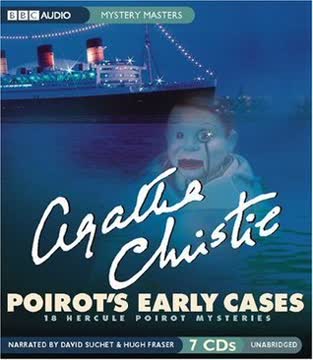
"Poirot's Early Cases" is a masterclass in the art of the short detective story, blending intricate plotting with acute psychological insight. Agatha Christie uses Poirot not just as a solver of puzzles, but as a lens through which to examine the complexities of human nature: the masks we wear, the secrets we keep, and the lengths to which we will go for love, money, or revenge. The stories are united by themes of disguise, performance, and the tension between appearance and reality. Christie's genius lies in her ability to create suspense and surprise within the constraints of the short form, while also offering social commentary and moments of genuine emotion. Poirot's methods—his reliance on logic, order, and empathy—are both a celebration of rationality and a recognition of its limits. The collection endures because it is not just about crime, but about the human heart in conflict with itself, and the detective's role as both judge and healer. In a modern context, these stories remind us of the enduring power of observation, the necessity of questioning appearances, and the importance of understanding motive in a world where truth is often hidden behind a mask.
Last updated:
Review Summary
Poirot's Early Cases collects 18 short stories featuring Hercule Poirot, with mixed reactions from readers. Many appreciate the quick, lunch-sized mysteries and quality narration by David Suchet and Hugh Fraser in audio versions. Reviewers note that while some stories are excellent—particularly "The Affair at the Victory Ball," "Wasps' Nest," and "The Chocolate Box"—others feel rushed or formulaic. Several critics observe strong similarities to Sherlock Holmes in structure and characters. Readers generally prefer Christie's novels over her short stories, finding these early cases occasionally lacking atmosphere and character development, though still entertaining and well-crafted.