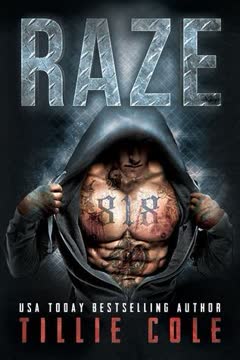
Plot Summary
Chains and Poison
In the darkness of a Georgian cellar, a nameless man—221—paces, burning with pain and rage, his mind and body enslaved by a drug that erases memory and compels violence. He is a weapon, a prototype, forced to kill at his master's command. The only relief from the agony in his veins is slaughter. His humanity is buried beneath layers of obedience and trauma, his identity reduced to a number. The world outside is a distant, unreachable place, and the only language he knows is pain, blood, and the iron weight of chains. In this crucible, the seeds of vengeance and longing for freedom are sown, even as his mind is stripped of hope and memory.
Haunted by the Past
Luka Tolstoi, once a death-match fighter known as Raze, is now heir to the Russian Bratva in Brooklyn. Haunted by the violence of his past, he is tormented by guilt over the friend he killed in the cage—362, a brother in all but blood. Luka's nightmares and rage threaten to consume him, even as he tries to fulfill his role as knayz. The world of organized crime is suffocating, and Luka's only solace is his wife, Kisa, who anchors him to the present. Yet, the promise he made to 362—to avenge his suffering—remains unfulfilled, gnawing at Luka's soul and driving him toward a dangerous quest for justice.
The Enemy's Heir
Talia Tolstaia, Luka's sister, seeks escape from the violence and expectations of her Bratva lineage. She retreats to the family's Hamptons estate, craving normalcy and freedom. But the return of the Jakhua Georgians to Brooklyn stirs ancient animosities. Luka discovers that 362, the friend he killed, was Anri Kostava—the heir of a rival Georgian clan, long thought destroyed. The revelation that Anri had a twin brother, Zaal, still alive and enslaved by Jakhua, sets Luka on a collision course with the past. The lines between friend and enemy blur, as loyalty and vengeance become inseparable.
A Broken Monster
Luka leads a daring raid to rescue Zaal Kostava—221—from Jakhua's clutches. Drugged, feral, and nearly unrecognizable as human, Zaal is brought to the Tolstoi estate and chained in the basement. Talia, drawn by a fascination she cannot explain, becomes obsessed with the broken man beneath her feet. She watches him through surveillance, witnessing his suffering and withdrawal. Zaal's presence is a living reminder of the family's blood feud, but Talia cannot look away. In his agony, she sees a reflection of her own loneliness and longing for connection.
Obsession in the Basement
Talia's obsession with Zaal deepens as she witnesses his slow, torturous detox from the obedience drug. She is both repulsed and captivated by his raw power and vulnerability. When Zaal appears to be dying, Talia's compassion overrides her fear. She enters the basement, risking her safety to offer comfort to the man everyone else sees as a monster. Her touch awakens something in Zaal—a flicker of memory, a longing for gentleness. In this forbidden space, the seeds of an impossible bond are planted, defying the hatred that has defined their families for generations.
Touch and Awakening
Talia's care breaks through Zaal's conditioning. She cleanses his wounds, washes his hair, and offers him the first kindness he has known since childhood. Zaal, still struggling with language and memory, is soothed by her presence. Her touch calms the rage and pain that have ruled his life. For Talia, the act of caring for Zaal is transformative—she sees the man beneath the scars and numbers. Their connection deepens as Zaal learns to trust her, and Talia finds herself drawn to the very enemy she was raised to despise.
Forbidden Connection
As Zaal regains strength, the attraction between him and Talia becomes undeniable. Their encounters grow intimate, charged with both tenderness and primal need. Talia teaches Zaal about freedom, light, and the world beyond his cell. Zaal, in turn, gives Talia a sense of purpose and belonging she has never known. Their love is a rebellion against the legacy of violence and hatred that binds their families. But the specter of betrayal looms—Talia is a Tolstoi, Zaal a Kostava. Their union is a dangerous defiance of everything they have been taught.
The Cost of Freedom
Zaal's memories begin to return in fragments—visions of his family's massacre, his twin brother, and the betrayal that led to his enslavement. The truth of his identity and the depth of his trauma threaten to overwhelm him. When he learns that Talia is a Tolstoi, the family sworn to destroy his own, Zaal is torn between love and vengeance. The past collides with the present, and the fragile peace they have found is shattered. Meanwhile, Jakhua, desperate to reclaim his prized weapon, sets a trap that endangers them all.
The Enemy Within
Jakhua's men infiltrate the Tolstoi estate, abducting Zaal and Talia. Zaal, faced with the threat to Talia's life, sacrifices his freedom, agreeing to return to Jakhua's control in exchange for her safety. Talia is left broken, chained in the basement where she once cared for Zaal. Luka and the Bratva race against time to rescue them, but the cost of loyalty and love grows ever higher. The cycle of violence threatens to consume them all, as old wounds are reopened and new ones inflicted.
Remembering Pain
Imprisoned once more, Zaal endures torture and the threat of being drugged into oblivion. But the love he found with Talia gives him the strength to resist. Memories of his family's murder, his brother's sacrifice, and the promise to "be strong, keep strong" fuel his determination. Luka, embracing both his violent past and his role as leader, leads a brutal assault on Jakhua's stronghold. In a final confrontation, Zaal claims vengeance, killing Jakhua and reclaiming his freedom. The cycle of blood is broken, but the scars remain.
Love Against Blood
Zaal returns to Talia, but their union is fraught with uncertainty. The Tolstoi and Volkov patriarchs are reluctant to accept a Kostava into their family, haunted by the sins of the past. Talia, unwavering in her love, stands by Zaal, demanding acceptance. Luka, recognizing the brotherhood forged in suffering, advocates for Zaal's place among them. Through acts of humility and loyalty, Zaal pledges himself to the family that was once his enemy. The old codes of vengeance are set aside, and a new family is forged from the ashes of the old.
The Price of Loyalty
Zaal visits the grave of his twin, Anri, honoring the brother who saved him and the friend who saved Luka. The two men, once enemies by birth, now stand as brothers in arms, united by loss and love. Talia and Zaal build a life together, healing each other's wounds and defying the legacy of hatred. Luka, too, finds peace in his dual identity as both knayz and Raze, supported by Kisa and the promise of a new generation. The cost of loyalty is high, but the reward is a family rebuilt on trust and forgiveness.
Vengeance and Sacrifice
The final reckoning with Jakhua brings closure to decades of pain. Zaal's act of vengeance is not just for himself, but for all those who suffered under Jakhua's cruelty. The act is both brutal and redemptive, freeing Zaal from the chains of his past. The Bratva, under Luka's leadership, emerges stronger, tempered by the lessons of mercy and love. The survivors are left to rebuild, carrying the memory of those lost and the hope of a future unburdened by old hatreds.
The Rescue
Zaal and Talia, now accepted by both families, begin a new life together. Their love, forged in suffering and defiance, becomes a symbol of reconciliation. The wounds of the past are not forgotten, but they are no longer the only story. The next generation is born into a world where love can cross the boundaries of blood and vengeance. The cycle of violence is broken, not by force, but by the courage to choose forgiveness and hope.
Blood for Blood
Zaal pledges his loyalty to the Tolstoi and Volkov families, offering his life in exchange for the blood his father spilled. The gesture is accepted, and Zaal is welcomed as a brother and son. The old codes of honor are rewritten, making space for healing and new beginnings. Talia and Zaal's union is celebrated, not as a betrayal, but as a testament to the power of love to overcome even the deepest wounds.
A New Family
The survivors gather around the table, forging a new family from the remnants of the old. Zaal, once a nameless slave, finds belonging and purpose. Talia, once trapped by duty and legacy, finds freedom in love. Luka, once haunted by guilt and rage, finds peace in acceptance. The scars remain, but they are no longer chains. Together, they look to the future, determined to build a life defined not by vengeance, but by love.
Full Hearts
In the quiet of their new home, Zaal and Talia find peace in each other's arms. Their love is a sanctuary from the violence of their pasts, a place where scars are honored and hearts are full. The world outside is still dangerous, but within their embrace, they are safe. Their story is one of survival, forgiveness, and the courage to choose love over hate. The legacy of blood is transformed into a legacy of hope.
Epilogue: For You
Zaal and Talia, united against all odds, dance beneath the stars, their hearts finally at peace. Their love, once forbidden, is now a beacon for others—a testament that even the deepest wounds can heal. In the shadows, another survivor learns that Zaal is alive, hinting at stories yet to be told. But for now, the cycle of violence is broken, and the promise endures: "You are for me. I am for you." Scarred souls, healed by love.
Characters
Zaal Kostava (221)
Zaal is the surviving heir of the Kostava clan, stolen as a child and transformed into a mindless killer by Jakhua's drugs and cruelty. His identity is stripped, reduced to the number 221, and his humanity is buried beneath layers of trauma, obedience, and rage. Zaal's journey is one of painful reclamation—of memory, self, and love. His relationship with Talia is both healing and fraught, as he struggles to reconcile his violent past with the possibility of a future. Zaal's development is marked by the gradual return of his memories, the awakening of his capacity for love, and the ultimate act of vengeance that frees him from his chains. His loyalty, once forced, becomes a conscious choice, and his greatest strength is his willingness to sacrifice himself for those he loves.
Talia Tolstaia
Talia is the daughter of a Bratva boss, raised in a world of violence, loyalty, and rigid expectations. She is intelligent, strong-willed, and deeply compassionate, yet feels trapped by her family's legacy. Talia's fascination with Zaal begins as curiosity and grows into a profound, forbidden love. She is the first to see the man beneath the monster, risking everything to care for and ultimately save him. Talia's journey is one of self-discovery and defiance—she chooses love over blood, forging her own path despite the consequences. Her relationship with Zaal is transformative, allowing her to break free from the chains of her upbringing and find true belonging.
Luka Tolstoi (Raze/818)
Luka is the knayz of the Russian Bratva, a survivor of the gulag and a former death-match fighter. His psyche is fractured by guilt, violence, and the loss of his friend Anri (362). Luka's struggle is to reconcile his brutal past with his responsibilities as a leader and husband. His loyalty to Anri drives him to rescue Zaal, and his acceptance of his dual nature—both Luka and Raze—allows him to lead with both strength and compassion. Luka's development is marked by his willingness to embrace his darkness, his devotion to Kisa, and his role as a bridge between old enemies.
Kisa Tolstaia
Kisa is Luka's wife and Talia's best friend, a survivor of her own trauma at the hands of Alik Durov. She is nurturing, wise, and fiercely loyal, providing emotional support to both Luka and Talia. Kisa's presence is a stabilizing force, helping Luka accept himself and guiding Talia through her forbidden love. Her own journey is one of healing and acceptance, culminating in the promise of a new generation and a future built on love rather than violence.
Levan Jakhua (Master)
Jakhua is the antagonist, a Georgian mob boss who enslaves and experiments on children to create perfect killers. He is manipulative, cruel, and obsessed with power, using drugs to strip his victims of identity and will. Jakhua's relationship with Zaal is one of absolute control, and his eventual downfall is both a personal and symbolic victory for the survivors. He embodies the cycle of violence and the legacy of hatred that the protagonists must overcome.
Anri Kostava (362)
Anri is Zaal's twin, also stolen and experimented on by Jakhua. He becomes Luka's friend and mentor in the gulag, teaching him how to survive and ultimately sacrificing himself in the cage. Anri's death is the wound that drives Luka's quest for vengeance and redemption. Though absent for much of the narrative, his presence is felt in the memories, promises, and brotherhood that bind the main characters.
Ivan Tolstoi
Ivan is Talia and Luka's father, a Bratva boss shaped by loss and the codes of the underworld. He is stern, proud, and initially resistant to accepting Zaal, haunted by the blood feud with the Kostavas. Ivan's development is marked by his struggle to balance loyalty to family with the need for forgiveness and change. His eventual acceptance of Zaal is a turning point, signaling the possibility of reconciliation and healing.
Kirill Volkov (Pakhan)
Kirill is the head of the Volkov Bratva, a figure of authority and tradition. He is calculating, focused on the survival and strength of the organization. While initially wary of Zaal, he recognizes the strategic value of alliance and is willing to set aside old grudges for the greater good. Kirill's role is to enforce the rules of the world, but he is also capable of adaptation and mercy.
Savin and Ilya
Savin and Ilya are Talia's personal guards, embodying the loyalty and violence of the Bratva world. They are both protectors and enforcers, caught between duty and personal affection for Talia. Their presence highlights the constant danger of the world the characters inhabit, and their injuries and sacrifices underscore the cost of loyalty.
Zoya Kostava
Zoya is Zaal's younger sister, murdered in the massacre that destroyed the Kostava family. Her memory haunts Zaal, representing both the pain of the past and the hope for redemption. Zoya's presence in Zaal's dreams and memories is a driving force in his quest for vengeance and healing.
Plot Devices
Duality of Identity
The narrative is driven by the tension between who the characters were and who they have become. Zaal is both 221 and Kostava, Luka is both Raze and knayz. The struggle to reconcile these identities is central to their development and the story's emotional arc. The use of numbers as names symbolizes the erasure of self, while the reclamation of true names marks the return of humanity.
Cycles of Violence and Redemption
The story is structured around cycles—of vengeance, trauma, and loyalty. The legacy of blood feuds and betrayal threatens to consume each generation, but the possibility of redemption emerges through acts of sacrifice and forgiveness. The narrative uses foreshadowing (dreams, memories) and parallelism (twin brothers, forbidden love) to highlight the patterns that must be overcome.
Forbidden Love as Catalyst
The romance between Zaal and Talia is both a personal and political rebellion. Their connection defies the codes of their families and the expectations of their world. The intimacy of their relationship is contrasted with the brutality of their environment, serving as a sanctuary and a force for change. Their love is the means by which the cycle of violence is broken.
Memory and Amnesia
Zaal's journey is marked by the gradual return of his memories, triggered by touch, kindness, and trauma. The narrative uses flashbacks and dreams to reveal the truth of his past, building suspense and deepening emotional resonance. The recovery of memory is both a source of suffering and the key to reclaiming agency and identity.
Brotherhood and Found Family
The relationships between Luka, Zaal, and Anri are central to the story's emotional core. Brotherhood is forged in suffering and loyalty, not just blood. The formation of a new family—one that includes former enemies—serves as a model for healing and hope. The narrative structure emphasizes the importance of chosen bonds and the possibility of reconciliation.
Analysis
Reap is a dark, emotionally charged exploration of trauma, identity, and the redemptive power of love. Tillie Cole crafts a narrative that delves into the psychological scars left by violence and the struggle to reclaim humanity in a world defined by brutality. The story's central romance—between Zaal, a man broken by years of enslavement, and Talia, a woman trapped by legacy—serves as both a personal and symbolic rebellion against the cycles of vengeance that have shaped their families. The novel interrogates the cost of loyalty, the possibility of forgiveness, and the courage required to break free from inherited hatred. Through the use of dual identities, memory as both wound and salvation, and the formation of a new, chosen family, Reap suggests that healing is possible, but only through acts of vulnerability, sacrifice, and the willingness to see the humanity in one's enemy. The lesson is clear: love, though hard-won and fraught with pain, is the only force strong enough to transform even the most scarred souls. In a modern context, the book resonates as a meditation on the enduring impact of trauma, the necessity of empathy, and the hope that even the deepest wounds can be healed through connection and acceptance.
Last updated:
Review Summary
Reap is a dark romance novel that continues the Scarred Souls series. Readers praise the emotional intensity, gripping storyline, and captivating characters. Many found it even better than the first book, with Zaal and Talia's forbidden love story touching hearts. The novel explores themes of redemption, healing, and unconditional love amidst a brutal mafia world. While some felt the pacing was slow at times, most were enthralled by the raw emotion and steamy scenes. The ending left readers eagerly anticipating the next installment.