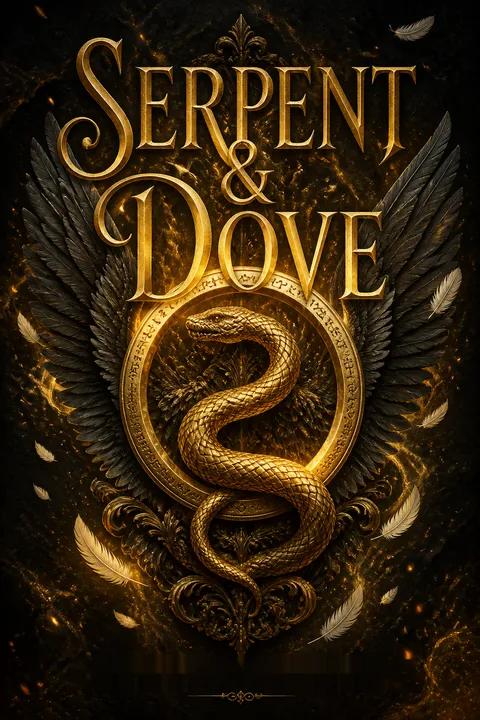


Plot Summary
The Ring in the Vault
In Cesarine, Lou and her friend Coco search for Angelica’s Ring, a magical object that can hide its wearer from enchantments. Their trail leads to Monsieur Tremblay, an aristocrat who traffics in magical goods and whose daughter Filippa was killed after he exploited witches. At the Bellerose brothel, Lou and Coco bribe courtesan Babette to spy on a meeting between Tremblay and Madame Labelle, the brothel’s formidable owner.
They learn Tremblay has hidden the ring in his townhouse. Lou needs it because a powerful witch is hunting her, though she keeps the danger to herself. The theft seems straightforward until the women realize that retrieving the ring will require Lou to use magic she has spent years suppressing.
The ring begins as a practical tool, but Lou’s urgency gives it emotional weight: safety is something she must steal, not something the world will grant her. Her secrecy is also a survival habit. She tells Coco enough to plan a burglary, but not enough to expose the terror underneath it. The Bellerose scene introduces a society where women disguise themselves, sell information, and negotiate with dangerous men because ordinary protections are unavailable to them. Even the object’s legend carries a warning: love and loss have already shaped its magic, so Lou’s escape will not be free of cost.
The Parade Turns Savage
While the city gathers to welcome Prince Beauregard home, Lou slips through the crowd disguised as a man. A towering Chasseur, Reid Diggory, accidentally strikes her, then realizes she is a woman and tries to detain her.
She escapes onto a rooftop just as magic silences the parade and three witches begin attacking civilians. Reid recognizes the assault as a distraction: a disguised hag is approaching the royal carriage while his fellow Chasseurs rush to help the injured. He tackles the hag before she reaches the prince.
She briefly transforms into a beautiful, pregnant woman, then escapes in smoke after declaring the witches will reclaim their homeland. The Archbishop praises Reid for saving the royal family, but privately identifies the attacker as Morgane le Blanc, the witches’ queen.
Lou and Reid first encounter each other through a collision shaped by unequal power: he can physically restrain her, while she survives by disguise, speed, and nerve. The parade then exposes the machinery behind their eventual intimacy. Reid’s training helps him see through the attack’s spectacle, yet the transformation of the hag unsettles his rigid ideas about witches and women. The royal family’s survival is celebrated as a victory, but the escape of Morgane means the threat has only become more personal. The scene also plants a crucial tension: the Chasseurs call their violence protection, while the witches frame their campaign as the recovery of stolen land.
Invisible at Tremblay’s
Lou, Coco, and Bas, Lou’s former lover and fellow thief, enter Tremblay’s townhouse under cover of night. Lou breaks the gate’s lock with magic, paying for it by snapping her fingers, then incapacitates the guards at the cost of a cherished memory of Bas.
Inside, she finds Angelica’s Ring hidden in an album of Filippa’s sketches. The constabulary and Chasseurs arrive before the thieves can escape. Bas flees, while Coco slips out separately, leaving Lou trapped on the roof with two broken fingers.
She puts the ring in her mouth and disappears, evading the search. Later, Andre and Grue, rival thieves who want the ring, attack her in an alley. Lou fights them off and returns alone to the theater attic she shares with Coco, battered and frightened but still in possession of the relic.
Lou’s magic turns every success into an exchange. The lock opens, but her fingers break; the guards fall, but an affectionate memory disappears. This is not power as effortless mastery. It is a resource that makes her ask what she can bear to lose. Bas’s flight reinforces the precariousness of her alliances, while Coco’s separate escape offers a more dependable kind of loyalty. The ring’s invisibility saves Lou from immediate capture, but it also makes her appear even more suspicious to the Chasseurs. Her survival is real, yet it leaves her isolated in the theater, where the price of being independent is that no one is there to help her recover.
A Marriage as Cover
The next morning, Reid finds Lou hiding in the theater during a performance. Their struggle spills onto the stage, where the audience mistakes his attempt to seize her for an assault. The Archbishop recognizes the public scandal could damage both Reid’s standing and the Chasseurs’ authority.
Rather than send Lou to prison, he forces a bargain: she must marry Reid, allowing the Church to present the incident as a husband disciplining his wife. Lou accepts because marriage offers a chance to avoid imprisonment and the stake.
At the river, the Archbishop baptizes her roughly while Reid and Jean Luc watch. Reid hesitates, then takes his vows; Lou does too. The Archbishop immediately insists they must consummate the marriage for it to be legally binding, trapping them in a union neither expected nor freely chose.
The marriage is imposed as a public repair job. The Archbishop protects an institution by converting an apparent assault into a story of marital authority, and Lou’s consent is shaped by the threat of prison and execution. Reid is also trapped, but his position gives him choices Lou does not have. His brief decision to accept the vows matters because it interrupts his obedience, even if he cannot yet name why. Their marriage begins as a performance designed for spectators, but it forces both characters into sustained proximity. The book’s central romance therefore grows inside a coercive structure, making every later act of protection, trust, or desire something the characters must choose for themselves.
Inside the Chasseur Tower
At Saint-Cécile, Lou signs the marriage certificate and enters the Chasseur Tower with Reid. She refuses to share his bed, faking consummation with her own blood, and he gives her his shirt while the staff quietly supplies new clothes.
Reid tries to confine her, but she leaves for a pastry and returns, making clear that protection cannot mean imprisonment. In the council room, Chasseurs question her about the townhouse. Lou admits she planned the theft with a witch friend but conceals Angelica’s Ring and the threat behind her flight.
She also names Madame Labelle and Andre and Grue among her enemies. Reid intervenes when Jean Luc insults her, surprising both his wife and his fellow hunters. The interrogation gives the Chasseurs leads, but Lou’s most important secret remains hidden in plain sight.
The Tower turns domestic space into contested territory. Reid sees confinement as care because he has been taught that order prevents harm; Lou recognizes the same arrangement as another form of control. Her small acts of refusal, leaving for a pastry or withholding the ring, are not merely comic defiance. They preserve a self that marriage is meant to absorb. Reid’s defense of her marks a shift, but not yet a conversion: he still believes the Church’s account of witches. Their cooperation is therefore partial and unstable. Lou gives the Chasseurs information to manage immediate danger, while holding back the truth that would make her survival impossible.
The Infirmary’s Hidden Cost
Lou sneaks into the Tower’s forbidden infirmary with Coco, who has disguised herself as a healer named Brie Perrot. The patients suffer grotesque magical afflictions, and the priests keep them restrained while experimenting with injections of hemlock.
Coco believes the injections are meant to paralyze witches so Chasseurs can capture them. Lou also meets Monsieur Bernard, an elderly patient whose body is marked by black, poisoned blood. The discovery convinces her that the Tower is a useful place to practice magic: its sick wards mask the smell.
Coco offers to take Lou to her aunt’s coven, but Lou refuses, choosing to remain near the Chasseurs and prepare for the witch who is hunting her. Soon after, Lou uses an enchantment on the guards and frees Bas from his cell, sacrificing her memories of him to make the escape possible.
The infirmary unsettles the moral distinction the Church depends on. Its patients look monstrous, but their suffering is produced and prolonged by human institutions that claim to oppose evil. The poison experiments make the conflict more dangerous: the Chasseurs are not only trained to kill witches, they are developing methods to control them. Lou’s choice to stay in the Tower is not trust in the Church. It is a calculated decision to use its protections and concealment while she prepares. Freeing Bas shows how far she will go for someone who once abandoned her, but the memory cost complicates the rescue: she saves his body by erasing part of her own emotional history.
Estelle Recognizes Lou
After Madame Labelle warns Lou that someone is coming for her, Lou recognizes Estelle, a performer at Soleil et Lune whom she knew as a child. Estelle identifies Lou as the runaway witch and attacks her and Reid in an alley.
Reid subdues Estelle, then takes her to the Tower, where the priests inject her with the new paralytic poison. The Archbishop orders her publicly burned. Lou watches from her window, unable to stop the execution, and uses her magic to take the fire’s pain into her own body.
Estelle dies peacefully, but Lou collapses and remains feverish and unconscious for three days. Reid stays beside her, and when she wakes, she calls Estelle a person rather than a demon. Reid insists witches deserve the stake, leaving their marriage strained by the killing he believes he carried out to protect Lou.
Estelle’s return makes Lou’s hidden past physically present. The former friend is not an abstract emblem of witch resistance; she is someone Lou once knew, now transformed by the danger surrounding them. By absorbing Estelle’s pain, Lou performs a form of solidarity that costs her three days of consciousness. Reid interprets the same event through his doctrine, believing he has defeated a threat. Their disagreement cannot be smoothed over by attraction because it concerns who counts as human. Lou’s grief becomes a moral test: she must confront the fact that survival has made her complicit in the violence she fears, while Reid must face the possibility that protection can still produce cruelty.
A Fragile Kindness
As Lou recovers, Reid helps braid her hair when the fever makes her too weak to lift her arms. She asks about his life, and he describes becoming a Chasseur, though his account of killing supernatural creatures leaves her unsettled.
Later, they leave the Tower together for sticky buns, share a cloak in the cold, and laugh at their awkward attempt to stay warm. Lou also returns to the infirmary, where she and Coco practice magic. When Monsieur Bernard vanishes from his chained bed, the Chasseurs search the church and city, unable to determine whether he escaped or died.
Reid comforts Lou by treating Bernard’s suffering with compassion rather than condemning him. These small gestures make trust possible, but Lou still conceals her history, and the threat from her mother remains close.
This stretch of the story gives intimacy a scale smaller than rescue: braiding hair, sharing warmth, and admitting uncertainty about a suffering patient. Reid’s care does not erase his training, but it reveals capacities his doctrine cannot fully organize. Lou, meanwhile, allows herself to receive help without surrendering her independence. Bernard’s disappearance keeps the infirmary’s horror unresolved and turns their private tenderness toward a wider question: whether compassion can survive inside institutions built to classify and punish. The relationship advances not through declarations but through repeated attention. Each character notices a need the other has not comfortably voiced, then responds without demanding immediate trust in return.
Célie’s Last Chance
At a royal ball honoring Reid, Lou sees him with Célie Tremblay, the woman he once hoped to marry. The Archbishop privately tells Lou that Reid has lost the future he wanted because of their forced marriage. Lou follows Reid and Célie into a garden and overhears Célie ask him to seek an annulment.
She says she still loves him, but Reid refuses to break his vow to Lou, even though he admits he does not yet know whether he can love his wife. Lou feels jealousy and guilt, then chooses honesty when Reid asks what she heard. She admits she spied on them and tells him she wants their marriage to work. Reid accepts her answer, and they return to the ball together, beginning to choose the relationship that had been imposed on them.
Célie’s scene gives the marriage an alternative history. Reid’s commitment to Lou is not yet romantic certainty; it is a decision to honor a vow after his first love offers him a way out. Lou’s response is equally important. She could protect herself with mockery, but instead admits she watched and names her desire to try. Their choice remains complicated by coercion, yet it becomes more ethically meaningful because both recognize the cost. The scene also exposes how idealized romance can function as a refuge from difficult knowledge. Reid must stop treating Célie as the untouched future he lost, while Lou must risk being known rather than winning affection through concealment.
Blood in the Smithy
On Saint Nicolas Day, Lou visits a blacksmith to buy Reid a copper-handled dagger. The smith has informed Andre and Grue of her whereabouts, and the two thieves trap her inside. Lou’s magic offers brutal choices, including injury to herself, but she uses a pattern to blind Andre and directs burning coals at both men.
She kills them with their own knife, then floods the room and fills it with smoke to mask the traces of magic. Reid arrives for a gift and finds Lou beside the bodies. He comforts her instead of recoiling, and Lou kisses him. Back at her former attic home in the theater, she shares fragments of her past and admits her mother scarred her. On the rooftop, Reid gives her his mother’s ring, and they consummate their marriage.
The smithy is a turning point in both danger and desire. Lou’s violence is not a clean victory: she kills to prevent her own murder, then must face the bodies and the magic she used. Reid’s response matters because he sees the aftermath without reducing her to it. Their first kiss follows his arrival, but it is Lou’s choice, not a reward for rescue. The ring he gives her carries a different inheritance from Angelica’s: it is an intimate fragment of a life he never knew. Their physical union does not resolve their ideological conflict, but it converts the marriage from legal arrangement into mutual vulnerability.
The Queen at the Cathedral
After Reid and Lou find Monsieur Bernard reanimated as a shadowy creature, Reid kills him when he attacks Lou. The couple then attends a performance by Ye Olde Sisters outside the cathedral.
Its actors stage a scandalous story about an archbishop and a witch, then reveal that Morgane le Blanc is Lou’s mother and that the Archbishop fathered her. The crowd’s shock turns to chaos as Morgane attacks. A witch pursues Lou inside the Tower, but Lou binds the attacker with magic and kills her using a Balisarda.
Reid sees what Lou is, recoils, and accuses her of using him. Lou insists she loves him, but he disowns their marriage. She flees the Tower before Morgane captures her with a paralytic injection. The Archbishop is also taken, while Reid remains behind among the Chasseurs.
The public performance makes private history impossible to contain. The revelation does not arrive through a confession but through theater, turning the cathedral steps into a stage where the Church’s authority is suddenly vulnerable to ridicule and accusation. Lou’s lineage explains why she has been hunted, but it does not absolve her of the lies that protected her. Reid responds as a man whose entire moral world has collapsed, reaching for the only category his training offers. His rejection wounds Lou precisely because their intimacy had become real. Bernard’s reanimation also confirms that Morgane’s influence reaches beyond the living, raising the stakes from personal pursuit to a war over bodies and inheritance.
A Daughter for the Crown
Morgane transports Lou to Chateau le Blanc, keeping her conscious but paralyzed with repeated injections. She explains that Lou was conceived as the final piece of a spell: her death will end the Lyons’ bloodline, including King Auguste and his heirs, and free the witches from human rule.
Lou’s own life is the price because Morgane’s plan also ends her lineage. At the Chateau, Manon, Lou’s childhood friend, asks her to accept the sacrifice, revealing that her younger sister Fleur was burned by Chasseurs at eleven.
Lou promises not to flee, exhausted by the suffering on both sides. On the night of Modraniht, Morgane prepares Lou for the ceremony. The Archbishop, captured while searching for her, is brought to Morgane’s chambers, giving Lou one last chance to confront the father she never knew.
Morgane turns kinship into political arithmetic. Lou is not raised as a daughter with a future but treated as a tool whose death is meant to balance centuries of persecution. The argument is powerful because it rests on real losses: Manon’s sister was burned, and the witches have suffered systematic violence. Yet grief does not make Morgane’s plan just. Lou’s promise to Manon arises from exhaustion as much as conviction, exposing how easily a person can mistake surrender for moral clarity when every available choice has been narrowed. The captive Archbishop complicates the coming sacrifice. He embodies both Lou’s biological origin and the institution that has helped make her death seem necessary.
The Rescue at Modraniht
Reid, Coco, Ansel, Beau, and Madame Labelle infiltrate the Chateau in disguise, but Morgane displays Lou before the gathered witches and begins the sacrifice. Madame Labelle is captured and killed by Morgane. Reid reaches the altar too late to stop Lou’s throat from being cut.
In the darkness that follows, he sees a life-pattern connecting Lou and the Archbishop. He kills the Archbishop, sacrificing one life to restore Lou’s, and her wound begins to close. Coco’s attack distracts Morgane, while Beau’s bawdy song disrupts the witches’ advance.
Chasseurs led by Jean Luc storm the clearing. Reid, Ansel, Beau, Coco, and the recovering Lou escape through the temple as arrows and spells fill the woods. Coco uses blood magic to keep Madame Labelle alive long enough for her to heal.
The climax refuses a clean rescue. Reid saves Lou through an act that destroys his relationship with the Archbishop and gives him a power he has spent his life denying. The exchange is intimate and terrible: survival depends on taking another life, not simply defeating an enemy. Coco’s attack, Beau’s absurd distraction, and the Chasseurs’ assault each interrupt Morgane’s control, but the result is not victory so much as escape. The scene also turns the story’s moral categories inside out. A Chasseur uses magic to restore life, while a witch queen invokes liberation to justify murder. What matters is no longer which side claims virtue, but what each person chooses to do with power.
The Witch in Reid
The fugitives retreat into La Forêt des Yeux while Chasseurs and witches hunt them. Lou remains unconscious as Coco tends her wounds and protects the group with blood magic. When Madame Labelle wakes, she confronts Reid about the pattern he saw during Lou’s revival.
He admits that darkness opened inside him and that he could manipulate the golden cord linking Lou to the Archbishop. Madame Labelle concludes that Reid has magic, making him the first male witch anyone in their circle has known. Lou wakes, recognizes him, and asks whether he has started swearing.
Reid apologizes for abandoning her and for the words he used after learning her identity. Lou tells him she understood his fear, and they reaffirm their love. Their reunion is tender, but Morgane remains alive and the Chasseurs know where the witches live.
Reid’s new magic makes the conflict impossible to resolve through a return to his former self. He cannot simply resume his vows after using witchcraft to save Lou, nor can he treat magic as an enemy outside himself. Lou’s awakening gives the romance emotional repair, but not political safety. Their forgiveness is grounded in accountability: Reid acknowledges the harm he caused, while Lou recognizes the inherited fear that shaped his response without excusing it. The forest offers temporary shelter, not a new world. By making Reid’s body evidence against his own doctrine, the story shifts its central question from whether he can accept Lou to whether he can accept the part of himself his order taught him to destroy.
La Voisin’s Protection
As the group regathers, Lou warns that Morgane’s defeat has not ended the war. Madame Labelle plans to return to King Auguste and tell him the truth, while Beau agrees to accompany her. Reid, Lou, Ansel, and Coco choose a different refuge: Coco’s blood coven, which can protect them from both Morgane and the Chasseurs.
Coco reveals that her aunt is La Voisin, a powerful witch whose name makes Reid understand the danger and reach of the alliance they are entering. Lou and Reid leave together, no longer pretending their marriage is only a shield.
Their immediate survival is secured by friendship and a new home, but the book closes with the kingdom divided, Morgane still a threat, and Reid’s identity as a male witch unresolved beyond the small circle that now knows.
The ending offers sanctuary rather than settlement. Lou and Reid choose a community that may protect them, but neither the political conflict nor the danger surrounding their identities has disappeared. Madame Labelle’s decision to approach Auguste keeps open the possibility of negotiation across the divisions that have shaped the book. Coco’s aunt, La Voisin, provides a practical route to safety while reminding the reader that power is distributed among groups the Church has refused to understand. The final movement is therefore not a triumphant return to order. It is a deliberate step into uncertainty, made possible by relationships that have survived betrayal, grief, and incompatible beliefs.
Analysis
Serpent & Dove builds its romance inside a conflict where both lovers inherit institutions that have already defined the other as inhuman. Lou’s distrust is not a personality flaw detached from history; it is a survival strategy shaped by maternal violence, persecution, and the knowledge that a single exposed spell can cost her freedom or life. Reid’s certainty has a similar origin in dependence and discipline. The Church gives him family, status, and purpose, so questioning its treatment of witches threatens more than an abstract belief system. It threatens the structure that made him feel whole.
The novel’s most consequential reversals come when its clean categories fail. The infirmary reveals that the Church can produce horror while claiming to contain it. Lou’s compassion does not prevent her from killing, and Reid’s protective impulses do not prevent him from participating in violence. Their attraction therefore cannot substitute for ethical change. It becomes meaningful only when each begins to recognize the person beneath the enemy category, and when each accepts responsibility for harm rather than treating good intentions as absolution.
Magic sharpens this argument by making power visibly costly. Lou’s spells trade memory, pain, or bodily integrity for immediate results. At the climax, Reid’s discovery of magic in himself turns the supposedly exclusive boundary between hunter and witch into a bodily fact. His identity is no longer compatible with the order that formed him, while Lou’s survival requires her to confront the violence of her own family’s political project. Neither character can simply return to the safety of an old allegiance.
The ending offers neither reconciliation between institutions nor an easy victory. It offers a chosen refuge, a renewed relationship, and the possibility of acting differently inside a conflict they did not create. The book’s deepest claim is not that love dissolves structural violence. It is that intimacy can make inherited violence harder to excuse, and that recognizing a person across a boundary is the beginning of resistance, not its completion.
Review Summary
Serpent & Dove received mostly positive reviews, with readers praising its enemies-to-lovers romance, witty banter, and French-inspired fantasy setting. Many enjoyed the chemistry between the main characters Lou and Reid, as well as the strong female friendship. Some criticized the lack of world-building and rushed character development. While some found it overhyped, others considered it a refreshing YA fantasy. The book's mature content and feminist themes were noted, though opinions varied on their execution. Overall, it was a divisive but engaging read for many.
People Also Read





Characters
Louise Larue
Runaway with a secretLou, born Louise Larue, is a quick-witted thief who disguises herself as a man and lives by misdirection. Her humor, appetite, and taste for provocation conceal a history she refuses to discuss, even with her closest friend. She values freedom because dependence has repeatedly endangered her, yet she is also fiercely loyal and will risk herself to protect people she loves. Lou’s instincts are practical rather than ideological: she judges people by what they do, not by the banners they serve. That flexibility makes her resourceful, but her fear of being known leads her to conceal truths even when secrecy damages the relationships she wants to keep.
Reid Diggory
Devoted Chasseur captainReid is a disciplined captain in the Church’s order of witch hunters, raised within its strict rules and dependent on the Archbishop as a father figure. His reflex is to impose control, especially when frightened, and he initially confuses obedience with moral certainty. Beneath his reserve, he is protective, conscientious, and hungry for a family and purpose. His attraction to Lou forces him to encounter people his training has taught him to dismiss. Reid’s struggle is not simply to choose love over duty; it is to discover whether a duty built on ignorance can remain honorable once he sees whom it harms.
Cosette Monvoisin
Lou’s fierce confidanteKnown as Coco, Cosette is Lou’s closest friend and partner in crime. She is bold, socially perceptive, and more willing than Lou to admit that magic and loyalty carry costs. Her confidence often takes the form of teasing, but she reads danger carefully and repeatedly acts when Lou is isolated. Coco has a complicated relationship with her own family and coven, which makes chosen friendship especially important to her. She can be impulsive when protecting Lou, yet she also challenges Lou’s habit of treating self-reliance as the only safe option.
The Archbishop
Church’s relentless patriarchThe Archbishop leads the Church’s campaign against witches and serves as Reid’s guardian, mentor, and authority. He combines personal discipline with institutional ruthlessness, presenting violence as necessary protection and demanding loyalty from those he has raised. His ability to command crowds and shape public narratives makes him more dangerous than a simple battlefield opponent. He believes order can be preserved through fear, and he often treats compassion as a weakness to be managed. His relationship with Reid gives the Church’s ideology an intimate face: to question the Archbishop is also to question the father figure who formed Reid’s identity.
Madame Labelle
Bellerose’s guarded brokerMadame Labelle runs the Bellerose, a luxurious brothel that also functions as a network for information and influence. Elegant, calculating, and difficult to intimidate, she understands how vulnerable women survive by turning social access into leverage. She frequently bargains with Lou and Coco, but her motives are more complicated than her polished manner suggests. Labelle is protective without being transparent, a combination that makes her useful and frustrating in equal measure. Her decisions are shaped by old loyalties and the cost of keeping secrets in a kingdom where both the Church and witch covens punish disobedience.
Ansel
Openhearted young initiateAnsel is a sixteen-year-old orphan training to join the Chasseurs. Gangly, observant, and intellectually curious, he has grown up inside the Church but has not fully adopted its certainty about witches. Lou’s irreverence unsettles him and expands his understanding of the world beyond the Tower. His impulse to protect the vulnerable sometimes conflicts with his desire to belong to the order. Ansel’s kindness is not naïveté; it is a choice to notice suffering even when authority tells him to look away.
Jean Luc Toussaint
Reid’s ambitious comradeJean Luc is Reid’s oldest friend and fellow Chasseur, sharp-eyed, confident, and fond of provoking people to expose what they conceal. He has long measured his own career against Reid’s, especially after Reid receives the captaincy. His wit can make him entertaining, but it also disguises a persistent sense of grievance. Jean Luc values the brotherhood and its hierarchy, yet his desire for recognition complicates his loyalty to Reid. He is often the first to detect a weakness in others and the last to admit his own.
Morgane le Blanc
Queen of the Dames BlanchesMorgane leads the Dames Blanches and believes the witches must reclaim Belterra from the crown and Church. Powerful, theatrical, and unwavering, she can transform her appearance and bend other people’s bodies through magic. Her cause is rooted in generations of persecution, but she is willing to treat individual lives as fuel for collective revenge. She regards motherhood less as a bond than as a political obligation, and expects obedience from those she considers her people. Morgane’s conviction makes her formidable, while her refusal to distinguish justice from retaliation reveals the danger of a liberation project built around sacrifice.
Célie Tremblay
Reid’s former belovedCélie is the daughter of aristocrat Monsieur Tremblay and the sister of Filippa. Gentle and proper by temperament, she carries deep grief over her sister’s death and directs much of her attention toward the Chasseurs’ pursuit of witches. Her affection for Reid is bound up with their shared childhood and the life she once imagined with him. Célie is not merely an obstacle in Lou and Reid’s relationship; she represents a future shaped by familiarity, safety, and social approval. Her grief also shows how personal loss can draw someone toward a cause that promises punishment.
Beauregard Lyon
Irreverent crown princeBeauregard, usually called Beau, is the king’s son and heir. He is vain, flirtatious, and quick with a joke, but his irreverence also lets him move through tense situations without pretending to be solemn. He dislikes the obligations attached to his title and has a strained view of his father. Beau’s charm often serves as armor against expectations, though he can act decisively when people around him are threatened. His connection to the royal line places him close to the political conflict even when he would rather avoid it.
Bastien St. Pierre
Charming former partnerBas is an aristocratic relation with a thief’s instincts and a practiced talent for charming wealthy people out of their belongings. He once shared a passionate relationship with Lou, but his first loyalty is often to his own survival. His wit and social position make him valuable during a burglary, even as his self-interest makes him unreliable under pressure. Bas understands the risks of the criminal world and has learned to leave before danger closes in. His past with Lou brings out both her capacity for attachment and her ability to act decisively when a friend is threatened.
Estelle
Performer from Lou’s pastEstelle is an actress at Soleil et Lune who once knew Lou in childhood. She is bold enough to use magic in public and determined to advance the witches’ cause. Her return forces Lou to confront the life she left behind, while her fierce commitment makes her dangerous to the Chasseurs. Estelle’s confidence sits alongside the vulnerabilities of someone shaped by a society that hunts her kind. She embodies the painful gap between personal affection and political allegiance.
Manon
Lou’s childhood companionManon was once close to Lou at Chateau le Blanc and still carries the grief of losing her younger sister, Fleur. She is tender toward Lou when circumstances allow, but her loyalty to the witches’ cause presses her to ask for a sacrifice she knows is cruel. Manon’s compassion does not free her from the movement’s demands. She represents the many people who have suffered under the same conflict and who can sincerely love Lou while supporting a plan that would destroy her.
Monsieur Bernard
Infirmary’s haunted patientMonsieur Bernard is an elderly patient held in the Chasseur infirmary, where his body bears the effects of a terrible magical affliction. He is mostly silent and physically constrained, but Lou becomes attached to him through her visits. His suffering makes the consequences of witchcraft visible without making him a simple symbol of evil. Bernard’s presence also exposes the limits of the Church’s care: the priests can restrain and medicate him, but they cannot restore the person he was.
Andre
Rival thief and threatAndre is one of two crude, aggressive thieves who compete with Lou in East End. He resents her skill and treats her as someone he can intimidate or exploit. His greed makes him an unreliable ally and a persistent danger.
Grue
Andre’s brutal accompliceGrue is Andre’s large, violent partner. He relies on physical strength rather than subtlety and assumes Lou can be overpowered. His blunt confidence makes him dangerous, especially when he believes she has nowhere to run.
Filippa Tremblay
Victim of magical traffickingFilippa is Monsieur Tremblay’s daughter and Célie’s older sister. Her death follows her father’s involvement in the magical black market and becomes a warning against exploiting witches. Though absent from most of the action, her loss shapes both the Tremblay family’s grief and the political fear surrounding magic.
Plot Devices
Angelica’s Ring
Protection with a priceThe ring can shield its wearer from enchantment and make the wearer invisible when held in the mouth. Lou steals it from Tremblay because she believes it may protect her from the witch hunting her. Its legend connects it to the grief of Angelica, whose loss transformed the ring’s magic. The ring repeatedly changes hands and offers Lou a tactical advantage, but it cannot erase the political danger surrounding her or prevent Morgane from capturing her. Its existence also supplies the story with a concrete object around which thieves, witches, and protectors make competing claims.
The Balisardas
Weapons against enchantmentEach Chasseur carries a Balisarda, a silver knife associated with Saint Constantin’s relic. The blades protect their bearers from witches’ magic and are treated as proof that the Church’s order possesses sacred authority. Their supposed religious origin later becomes less certain, complicating the Chasseurs’ confidence in the distinction between holy power and witchcraft. The knives also shape the action physically: they allow Reid and his comrades to fight magic users, and one becomes the weapon Lou uses when she must defend herself inside the Tower.
Magic’s Balance
Every spell takes somethingLou’s magic works through patterns connected to the land and her ancestors. She must give up something to produce an effect, and the exchange depends on what the spell does and how she understands it. A lock costs her broken fingers; knocking out guards costs a cherished memory; later acts demand far more. This system makes magic a moral and psychological choice rather than an effortless solution. It also explains why Lou fears practicing after years of suppression and why her power can become dangerous when grief or desperation overwhelms her judgment.
The Forced Marriage
A public lie becomes intimateThe Archbishop arranges Lou and Reid’s marriage after their struggle on the theater stage threatens Reid’s reputation and the Church’s authority. The marriage initially functions as political cover, keeping Lou from prison and preserving Reid’s standing. It also places a witch and a witch hunter in constant proximity, forcing them to negotiate consent, protection, and trust. The legal and social arrangement begins coercively, but both characters gradually make choices within it that the original bargain never anticipated.
The Bloodline Prophecy
A life meant to end dynastiesMorgane’s plan depends on Lou’s death, which she believes will destroy the Lyons’ line and end the witches’ persecution. Lou is the intended sacrifice because of her birth and blood, while her death would also end Morgane’s own lineage. The prophecy turns family relationships into political weapons: Lou’s parentage threatens the king, the Archbishop, Reid, and the witches’ future. It drives the pursuit to Chateau le Blanc and forces the characters to decide whether inherited patterns can be changed or only fulfilled.
FAQ
Synopsis & Basic Details
What is Serpent & Dove about?
- Forbidden love blooms: A witch and a witch hunter are forced into a marriage, creating a volatile relationship filled with secrets and danger.
- Hidden identities collide: The story explores the clash between the magical world of witches and the rigid, religious world of the Chasseurs.
- A fight for survival: The main characters must navigate political intrigue, personal betrayals, and a looming war while trying to protect themselves and those they love.
Why should I read Serpent & Dove?
- Complex characters: The story features morally gray characters with compelling backstories and motivations, making their choices and relationships all the more engaging.
- Intricate world-building: The author creates a rich and detailed world with its own history, culture, and magic system, drawing readers into a unique and immersive experience.
- High stakes romance: The forbidden love between Lou and Reid is fraught with tension and danger, creating a captivating and emotionally charged narrative.
What is the background of Serpent & Dove?
- Religious persecution: The story is set in a world where witches are hunted and persecuted by the Church and its Chasseurs, creating a backdrop of fear and oppression.
- Political intrigue: The kingdom of Belterra is ruled by a monarchy with its own complex power dynamics, adding layers of political tension to the story.
- Magical heritage: The world is infused with magic, with different types of witches possessing unique abilities and connections to the land and their ancestors.
What are the most memorable quotes in Serpent & Dove?
- "Wicked are the ways of women.": This quote, often repeated by Reid, highlights the ingrained prejudice against women and witches in Belterra, and his own internal struggle.
- "I'm not a witch, I'm a woman.": Lou's defiant statement challenges the societal norms and expectations placed upon women, and her own identity as a witch.
- "Where you go, I will go.": This quote, spoken by both Lou and Reid, signifies their deep connection and commitment to each other, despite their opposing worlds.
What writing style, narrative choices, and literary techniques does Shelby Mahurin use?
- Dual POV: The story is told from the alternating perspectives of Lou and Reid, allowing readers to understand their individual motivations and experiences.
- Foreshadowing and symbolism: Mahurin uses subtle hints and recurring motifs to foreshadow future events and deepen the thematic resonance of the story.
- Intense emotionality: The narrative is driven by the characters' strong emotions, creating a highly charged and immersive reading experience.
Hidden Details & Subtle Connections
What are some minor details that add significant meaning?
- The color blue: Reid's Chasseur uniform is a constant reminder of his duty and the rigid structure of his world, while also foreshadowing his connection to the sea and Lou's eyes.
- The use of French: The inclusion of French phrases and proverbs adds depth to the world-building and hints at the cultural history of Belterra.
- The recurring motif of birds: Doves, crows, and other birds appear throughout the story, often symbolizing freedom, fate, or impending doom.
What are some subtle foreshadowing and callbacks?
- Lou's broken fingers: Her broken fingers from picking locks foreshadow her eventual use of magic to manipulate locks and other objects.
- The Archbishop's unease: His discomfort around Lou and his sudden change in behavior foreshadow his connection to Morgane and his own hidden secrets.
- The mention of L'Eau Mélancolique: The Wistful Waters, created by Angelica's tears, foreshadows the emotional depth and tragic elements of the story.
What are some unexpected character connections?
- Madame Labelle and Reid: The revelation that Madame Labelle is Reid's mother adds a layer of complexity to their relationship and highlights the hidden connections between the witches and the Chasseurs.
- Ansel and Lou: Their shared experience as orphans creates an unexpected bond, challenging the rigid boundaries between the Chasseurs and witches.
- Bas and Lou: Their past relationship and shared history as thieves adds a layer of complexity to their interactions and reveals Lou's vulnerability.
Who are the most significant supporting characters?
- Ansel: His compassion and open-mindedness challenge the rigid beliefs of the Chasseurs, making him a crucial ally to Lou and Reid.
- Madame Labelle: Her knowledge of the magical world and her complex motivations make her a key player in the unfolding events.
- Jean Luc: His envy and ambition create a constant source of conflict and tension, highlighting the internal struggles within the Chasseurs.
Psychological, Emotional, & Relational Analysis
What are some unspoken motivations of the characters?
- Reid's fear of intimacy: His rigid adherence to the Chasseur code and his initial rejection of Lou stem from a deep-seated fear of vulnerability and emotional connection.
- Lou's desire for belonging: Her rebellious nature and her constant need to prove herself stem from a deep-seated desire to find a place where she truly belongs.
- Morgane's need for control: Her ruthless pursuit of power and her willingness to sacrifice her own daughter stem from a deep-seated need to control her own destiny and avenge her people.
What psychological complexities do the characters exhibit?
- Reid's internal conflict: He struggles to reconcile his duty as a Chasseur with his growing feelings for Lou, leading to intense internal conflict and self-doubt.
- Lou's fear of vulnerability: She hides her true self behind a facade of sarcasm and bravado, afraid to reveal her true emotions and her past.
- Morgane's twisted love: Her love for her daughter is intertwined with her desire for revenge, creating a complex and disturbing dynamic.
What are the major emotional turning points?
- Lou's near-death experience: The burning at the stake forces her to confront her own mortality and the consequences of her choices.
- Reid's discovery of his magic: This revelation shatters his worldview and forces him to question everything he has ever believed.
- The betrayal at the Chateau: The revelation of Morgane's plan and the subsequent attack on Lou and Reid forces them to confront the true nature of their relationship.
How do relationship dynamics evolve?
- Lou and Reid's forced marriage: Their relationship evolves from mutual distrust and animosity to a deep and passionate love, challenging their preconceived notions about each other.
- Lou and Coco's friendship: Their bond is tested by secrets and betrayals, but their loyalty and love for each other remain a constant source of strength.
- Reid and Jean Luc's brotherhood: Their relationship is strained by jealousy and ambition, highlighting the internal conflicts within the Chasseurs.
Interpretation & Debate
Which parts of the story remain ambiguous or open-ended?
- The true nature of magic: The story leaves the origins and nature of magic somewhat ambiguous, allowing for multiple interpretations and further exploration in future installments.
- The future of Belterra: The ending leaves the future of the kingdom uncertain, with the potential for further conflict and change.
- The fate of the characters: The ending leaves the fate of some characters open-ended, allowing for speculation and debate among readers.
What are some debatable, controversial scenes or moments in Serpent & Dove?
- The forced marriage: The forced marriage between Lou and Reid is a controversial plot device that raises questions about consent and power dynamics.
- The portrayal of the Chasseurs: The Chasseurs are portrayed as both protectors and oppressors, leading to debates about the nature of good and evil.
- The use of violence: The story contains graphic depictions of violence, which may be disturbing to some readers.
Serpent & Dove Ending Explained: How It Ends & What It Means
- Lou's sacrifice: Lou's willingness to sacrifice herself for Reid and her people highlights her growth and her acceptance of her true identity.
- Reid's transformation: Reid's embrace of his magic and his willingness to defy the Chasseur code signify his transformation and his commitment to Lou.
- The uncertain future: The ending leaves the future of Belterra uncertain, with the potential for further conflict and change, but also with a glimmer of hope for a more tolerant and accepting world.
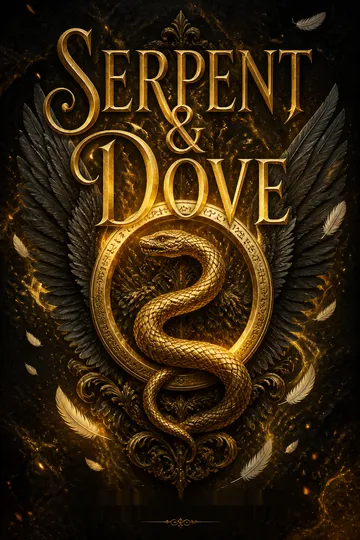
Serpent & Dove Series


About the Author
Other books by Shelby Mahurin
Download PDF
Download EPUB
.epub digital book format is ideal for reading ebooks on phones, tablets, and e-readers.








