Plot Summary
Return to Saoirse's Shadows
After fourteen years away, August Salt steps off the ferry, carrying his mother's ashes and a lifetime of secrets. The island, shrouded in mist and memory, is both familiar and hostile. August's return is not just a fulfillment of his mother's last wish, but a confrontation with the ghosts of his past—most painfully, the unresolved death of Lily Morgan and the love he left behind, Emery Blackwood. The island's insular community eyes him with suspicion, and August feels the weight of old accusations and betrayals. As he steps onto the dock, the boundaries between past and present blur, and the island's magic—subtle, ancient, and alive—begins to stir, promising that nothing buried ever stays forgotten.
The Island's Whispering Omens
Emery Blackwood, rooted in Saoirse's soil and traditions, wakes to a world out of balance. The trees have turned overnight, starlings linger past their season, and omens—both subtle and violent—ripple through her days. The tea shop she inherited from her mother is a sanctuary of herbs and whispered spells, but the island's magic feels restless, as if warning of upheaval. Emery's relationships are strained: her bond with Dutch Boden is fraying, and her connection to the island's old ways is both comfort and curse. The return of August, the boy she once loved and lost, is a storm on the horizon, threatening to upend the fragile peace she's built from the ashes of tragedy.
Ghosts in the Tea Shop
The tea shop is more than a business; it's a vessel for memory and magic. Emery's days are haunted by the past—her mother's death, the fire that scarred her father, and the unsolved mystery of Lily's drowning. The island's tourists come for folklore and herbal remedies, but beneath the surface, the locals trade in secrets and suspicion. Emery's interactions with Nixie, Leoda, and her father reveal a community bound by shared trauma and silent compacts. The arrival of a dead starling, the shattering of glass, and the crack in the window are not just omens—they are reminders that the island's wounds are still open, and that the truth about that fateful night is still festering.
Old Wounds, New Faces
August's return is a catalyst, forcing old friends and enemies to confront what they've buried. Dutch, now running the orchard, is both rival and ally, his own history with Emery and Lily tangled in guilt and longing. The town council—Leoda, Nixie, Bernard, Zachariah, and Jake—tighten their grip, wary of August's presence and what it might unearth. Emery and August's first encounters are charged with pain, regret, and unresolved desire. The island's rituals—apple picking, tea readings, and council meetings—mask a deeper unrest. As August seeks to settle his mother's affairs, he finds himself drawn back into the web of love, loss, and suspicion that drove him away.
The Fire's Lingering Ashes
The orchard fire, which nearly destroyed the town and left Emery's father scarred, is the axis around which all their lives spin. The community's collective memory is selective, focusing blame on August for Lily's death while ignoring the complicity and secrets of others. Emery's nightmares return, vivid and suffocating, as the anniversary of the fire approaches. The fire is both literal and metaphorical—a force that exposed the island's rot but also provided cover for deeper crimes. As August and Emery revisit the events of that night, they begin to question not only who set the fire, but what else was lost in the flames.
Secrets Beneath the Orchard
August's search for the deed to his mother's cottage leads him into the labyrinth of the island's legal and magical history. The orchard, once the pride of the Salts, is now managed by Dutch, but its ownership is murky. Emery discovers a cache of letters in her attic—correspondence between her mother and August's, revealing a secret network of communication and protection. The letters hint at guilt, complicity, and a pact to keep August safe at all costs. As August and Emery piece together the past, they realize that the fire, Lily's death, and the transfer of the orchard are all threads in a larger tapestry of betrayal and survival.
The Town's Unspoken Pact
The town council, guardians of Saoirse's traditions and secrets, are revealed to be both protectors and perpetrators. Their decisions—who to shield, who to exile, who to sacrifice—are driven by a fierce loyalty to the island and a willingness to do whatever it takes to preserve its way of life. Leoda, in particular, is a force of nature, her magic and ambition entwined with the orchard's fate. The council's actions after the fire—altering deeds, hiding evidence, and orchestrating August's departure—are acts of both love and violence. As the threat of exposure grows, the council prepares to do whatever is necessary to keep the past buried.
Love Bound by Blood Moon
The love between August and Emery is elemental, forged in childhood and sealed by a blood moon ritual. Their connection is both blessing and curse, a source of strength and a wound that never heals. As they navigate the minefield of old hurts and new revelations, they are drawn together by a force neither can resist. Their intimacy is a reclamation of what was stolen, but also a reckoning with the choices they made. The magic that binds them is real, and breaking it would mean losing not just each other, but a part of themselves. In the face of the island's darkness, their love is both defiance and hope.
The Letter in the Attic
Emery's discovery of a letter from Eloise to her mother is a turning point. The letter, later stolen and used as blackmail, contains a cryptic confession—"what August did is unforgivable"—that reignites suspicion and fear. The letter's disappearance coincides with an arson attack on August's truck, signaling that someone will stop at nothing to keep the truth hidden. As August and Emery race to recover the letter and decipher its meaning, they realize that the island's magic is not the only force at work—human malice and desperation are just as dangerous. The letter becomes both a weapon and a key, unlocking the final secrets of that night.
The Lies We Inherit
The sins of the parents are visited upon the children. August learns that his family's legacy is not just the orchard, but a history of violence, abuse, and manipulation. Emery confronts her own parents' complicity in hiding the truth, their attempts to protect her costing her years of pain and longing. Dutch's confession—that he lied about August's alibi, and that he and Lily were lovers—shatters the last illusions of innocence. The council's willingness to kill to protect their secrets is revealed, and the island's code of silence is exposed as both shield and prison. The past is no longer a distant shadow, but a living force demanding reckoning.
The Night Lily Died
Through a combination of letters, police files, and magical intuition, August and Emery reconstruct the events of the night Lily died. Lily, desperate and jealous, attempted a dark spell meant to sever August and Emery's bond, using a willow bracelet, seaweed, and a stolen necklace as magical anchors. The spell backfired, drowning Lily on dry land. The town's rush to blame August, and the council's manipulation of evidence, were acts of self-preservation rather than justice. The revelation is both devastating and liberating—Lily's death was not murder, but a tragic consequence of love, magic, and human frailty.
The Council's Dark Bargain
As August prepares to leave the island, the council—led by Leoda and Jake—decides he must die to protect their secrets. They lure him to Wilke's Pointe, intending to stage his suicide. Emery, with her father's help, intervenes at the last moment, confronting the council with the threat of exposure and the promise of retribution. The standoff is tense, with guns drawn and old alliances shattered. In the end, it is the threat of the truth—the will, the letter, the possibility of the island's destruction—that forces the council to relent. The cost of survival is exile, not blood.
The Spell for Drowning
In a haunting flashback, the true nature of Lily's death is laid bare. Driven by heartbreak and envy, Lily sought to use the Blackwood Book of Spells to bind August to her and sever him from Emery. The spell, requiring seaweed, blood, and a willow bracelet, was beyond her skill. Instead of harming Emery, it turned on Lily, drowning her from within. The island's magic, ancient and impartial, exacted its own price. The tragedy is not just Lily's death, but the chain of lies and violence it set in motion, warping the lives of everyone left behind.
The Orchard's True Heir
The original will, finally obtained, names August as the rightful heir to the orchard. The council's forgery and theft are exposed, and the true nature of their power is revealed—they are not just stewards, but usurpers. August, who never wanted the orchard, is left with a choice: claim his birthright and perpetuate the cycle, or walk away and break the chain. Emery's decision to give him the deed is an act of trust and love, a refusal to let the island's darkness dictate their future. The orchard, once a symbol of legacy and burden, becomes a crossroads.
The Island's Reckoning
The events of the past and present converge in a final reckoning. The council's crimes are laid bare, and the island's magic, long suppressed, surges back to the surface. The starlings, the turning trees, the restless wind—all are signs that the old order is ending. August and Emery, having survived betrayal, violence, and the weight of history, choose to leave Saoirse together. Their departure is both escape and exorcism, a refusal to be defined by the island's wounds. The island, left to its own devices, must reckon with the cost of its survival.
Breaking the Bind
The blood moon bind that once joined August and Emery is tested, but not broken. Their love, forged in magic and pain, is the one thing that endures. They leave the island not as fugitives, but as survivors, carrying with them the lessons of Saoirse—the power of love, the danger of secrets, and the necessity of choosing one's own fate. The island's magic, once a source of fear, becomes a memory and a legacy, something to be honored but not obeyed. In leaving, they break the cycle and open the door to a new kind of life.
The Last Ferry Out
August and Emery board the ferry, leaving behind the only home they've ever known. The island recedes into mist, its secrets and sorrows left to those who remain. In Portland, they build a new life—one rooted in honesty, love, and a gentler kind of magic. The scars of the past remain, but they are no longer chains. The orchard, the council, and the island's old ways become stories, not destinies. The future is uncertain, but it is theirs to shape.
A New Magic Begins
Years later, August and Emery have created a family and a home far from Saoirse. Their daughters inherit the old ways, but not the old wounds. The magic of the island lives on in small rituals, in love, and in the stories they choose to tell. The past is honored, but not repeated. The island's call is still faintly heard, but it is no longer a summons to pain. Instead, it is a reminder that healing is possible, that love endures, and that the most powerful spell is the one we cast for our own forgetting—and our own becoming.
Characters
August Salt
August is the last of the Salt line, marked by tragedy, suspicion, and a legacy he never wanted. Fleeing the island after being blamed for Lily's death and the orchard fire, he spends years in self-imposed exile, carrying the weight of guilt and longing for Emery. His return is both a reckoning and a quest for closure. August is introspective, fiercely loyal, and shaped by generational trauma—his father's abandonment, his grandfather's cruelty, and his mother's quiet strength. His love for Emery is the axis of his life, both a wound and a salvation. Over the course of the story, August moves from shame and avoidance to acceptance and agency, ultimately choosing love and freedom over legacy and secrecy.
Emery Blackwood
Emery is Saoirse's daughter in every sense—rooted in its magic, traditions, and pain. Orphaned by her mother's death and scarred by her father's injuries, she is both healer and wounded, caretaker and seeker. Emery's relationship with August is elemental, bound by ritual and memory, but also by the trauma of loss and betrayal. She is fiercely independent, yet shaped by the expectations and secrets of her family and community. Her journey is one of reclamation—of her magic, her truth, and her right to choose her own fate. Emery's psychoanalysis reveals a woman torn between duty and desire, haunted by nightmares and the fear of her own darkness, but ultimately courageous enough to break the cycle.
Lily Morgan
Lily is the beautiful, impulsive, and deeply wounded friend whose death fractures the island. Her jealousy and longing for August drive her to attempt a dark spell, which backfires and leads to her own drowning. Lily's relationships—with Emery, Dutch, and the island itself—are marked by both love and rivalry. She is both victim and agent, her actions setting in motion the events that unravel the community. Lily's psychological portrait is one of desperation, envy, and a yearning to belong, but also of innocence corrupted by forces beyond her understanding.
Dutch Boden
Dutch is the island's everyman—hardworking, overlooked, and desperate for love and belonging. His unrequited love for Emery and secret affair with Lily place him at the center of the island's web of lies. Dutch's decision to lie about August's alibi is both an act of friendship and self-preservation, but it ultimately destroys his own happiness. He is both victim and perpetrator, shaped by a legacy of disappointment and a longing to matter. Dutch's arc is one of slow unraveling, as his secrets come to light and his illusions are shattered.
Leoda Morgan
Leoda is the island's most powerful elder, wielding both magic and political influence. Her devotion to the island and the orchard is absolute, and she is willing to sacrifice anything—including her own granddaughter—to preserve what she believes is rightfully hers. Leoda's psychoanalysis reveals a woman hardened by loss, ambition, and a belief in the ends justifying the means. She is both villain and tragic figure, her actions driven by love twisted into control.
Nixie Thomas
Nixie is Emery's surrogate aunt and the island's voice of reason. She is fiercely protective, skeptical of the council's machinations, and haunted by her own complicity in past crimes. Nixie's relationship with Emery is maternal and honest, often challenging her to face uncomfortable truths. She is the conscience of the community, but also a survivor who knows when to keep secrets and when to break them.
Jakob (Jake) Blackwood
Jake is both lawman and family, torn between his duty to the island and his love for Emery and Eloise. His role in covering up evidence, orchestrating August's exile, and nearly executing him is driven by fear, loyalty, and a desperate need to maintain order. Jake's psychological complexity lies in his capacity for both tenderness and violence, his inability to reconcile justice with survival, and his ultimate recognition of the cost of his choices.
Noah Blackwood
Emery's father, Noah, is a man marked by loss and injury—both physical and emotional. His love for his daughter is profound, but his complicity in the island's secrets weighs heavily. Noah's psychoanalysis reveals a man who chooses silence and survival over confrontation, but who ultimately supports Emery's quest for truth and freedom.
Albertine Blackwood
Albertine is the matriarch of the Blackwood line, blind but all-seeing, the repository of the island's magical knowledge. She is both guide and guardian, teaching Emery the old ways and warning of the dangers of magic misused. Albertine's wisdom is tempered by sorrow, and her presence is a reminder of the power and peril of tradition.
Bernard Keller
Bernard is the council's legal mind, responsible for the forged deeds and the bureaucratic cover-up of the orchard's theft. He is anxious, easily manipulated, and ultimately a follower rather than a leader. Bernard's role is that of the functionary who enables greater crimes, his conscience dulled by fear and self-interest.
Plot Devices
Nonlinear Narrative and Multiple Perspectives
The novel employs a nonlinear structure, weaving together present-day events with flashbacks, letters, and multiple points of view. This device allows the gradual revelation of secrets, the layering of suspicion, and the deepening of character motivations. The use of Emery and August as alternating narrators creates intimacy and tension, while the inclusion of council members, Lily, and others broadens the scope. The nonlinear approach mirrors the way trauma and memory work—fragmented, recursive, and resistant to closure.
Magical Realism and Symbolic Omens
The island's magic is both literal and symbolic—a force that shapes events, reveals character, and heightens atmosphere. Omens (turning trees, lingering starlings, dead birds) foreshadow disaster and signal the island's unrest. Spells, rituals, and the blood moon bind are plot devices that externalize internal conflicts—love, jealousy, the desire to forget or to remember. Magic is also a tool of power, used by the council to control, by Lily to destroy, and by Emery to heal.
The Unreliable Community and Collective Guilt
Saoirse is more than a setting; it is a living, breathing entity, shaped by collective memory, silence, and complicity. The council's decisions, the town's willingness to blame outsiders, and the shared trauma of the fire and Lily's death create an atmosphere of paranoia and repression. The unreliable nature of communal truth—what is remembered, what is forgotten, what is deliberately erased—is a central device, driving both suspense and thematic depth.
The Lost Letter and the Stolen Deed
The discovery, theft, and recovery of letters and legal documents serve as catalysts for revelation and confrontation. The letter from Eloise, the deed to the orchard, and the missing police evidence are not just MacGuffins—they are embodiments of the secrets that bind and divide the characters. Their movement through the narrative mirrors the shifting alliances and the gradual unmasking of the island's true history.
The Blood Moon Bind and Breaking the Cycle
The ritual that binds August and Emery is both a literal spell and a metaphor for the ways love and pain are passed down through generations. The attempt to break the bind, and the ultimate decision not to, is a plot device that encapsulates the novel's central question: can we ever truly escape the past, or must we learn to live with it? The breaking of the cycle—of violence, secrecy, and magical thinking—is both the climax and the resolution.
Analysis
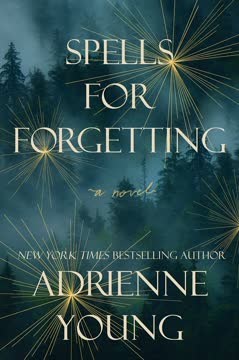
Spells for Forgetting is a haunting meditation on the ways communities and individuals are shaped—and sometimes destroyed—by the stories they tell and the truths they refuse to face. Adrienne Young uses the trappings of magical realism and small-town mystery to explore deeper questions of generational trauma, the inheritance of guilt, and the redemptive power of love. The island of Saoirse is both paradise and prison, its magic a double-edged sword that can heal or harm. The novel's nonlinear structure and shifting perspectives invite readers to question the reliability of memory and the dangers of collective silence. Ultimately, the book argues that healing is possible only when secrets are brought into the light, when love is chosen over fear, and when the courage to break the bind of the past is found. The final image—of August and Emery building a new life, their children inheriting magic without the wounds—offers hope that cycles can be broken, and that the most powerful spell is the one we cast for our own becoming.
Last updated: