

Plot Summary
A Diary for a New Life
Fourteen-year-old Nikki Maxwell hopes a flashy phone will help her fit in at Westchester Country Day, the private school her father’s extermination contract has helped her enter. A misunderstanding about her old, clunky phone once got her invited to lunch, then sent two popular girls fleeing when it rang. Now her mother offers a blank diary instead of the new phone Nikki wants.
Nikki dismisses it as useless, but her first days at school leave her lonely enough to write in it anyway. She misses her old friends and art classes, worries that her family cannot afford the school’s fashions, and mistakes popularity for the key to belonging. The diary becomes the place where she can admit what she will not say aloud.
Nikki’s diary begins as an unwanted substitute for the public attention she thinks a phone could buy. Writing privately lets her expose the gap between her confident comic performance and her fear of being overlooked. Her first mistake is not wanting friends, but believing that friendship depends on displaying the right objects.
MacKenzie's Hallway Kingdom
MacKenzie Hollister, the school’s admired and cutting fashion queen, turns the space beside her locker into a daily reminder of Nikki’s outsider status. When an art competition offers a cash prize, Nikki wants to enter but freezes after seeing MacKenzie sign up. She chooses library shelving instead, then meets MacKenzie’s contempt again when the girl mocks her ambitions and spies as Nikki finally submits an entry.
Their rivalry grows sharper after MacKenzie hands Nikki a party invitation that Nikki opens, only to learn it was meant for another girl. The public mistake leaves Nikki embarrassed and blaming herself. Her grandmother’s advice about choosing courage over retreat lingers, though Nikki is not yet ready to trust it.
MacKenzie’s power comes from making social judgment feel like an objective measure of worth. Nikki first responds by withdrawing, then takes a small but consequential risk by entering the contest. The invitation humiliation shows how quickly she turns another person’s cruelty inward, treating exclusion as proof that she deserved it.
The Lunchroom Rescue
Nikki’s first real companions are Chloe Garcia, a book-loving reader, and Zoey Franklin, a pop-culture enthusiast with a talent for seeing through school snobbery. After they invite Nikki to sit with them, she begins to enjoy lunch instead of eating alone. Then Nikki falls in the cafeteria, scattering food over herself while classmates laugh and MacKenzie jeers.
Brandon Roberts, a quiet student journalist Nikki secretly likes, helps her stand and gives her a napkin. Nikki reads the brief kindness as a sign of romance, but hides that hope from Chloe and Zoey. The two friends find her crying in a janitor’s closet, clean her clothes, and share their own jokes until she can face the hallway again.
The spill makes Nikki’s social fear visible: she is exposed, watched, and unable to control how others see her. Brandon’s help matters, but Chloe and Zoey offer something more durable, staying through the mess rather than turning it into entertainment. Their care gives Nikki her first evidence that belonging can be practical, not performative.
Tattoos Stop the Escape
When librarian Mrs. Peach announces a future trip to New York, Chloe and Zoey become so determined to be chosen that they plan to run away and wait in the public library. Their fixation has already derailed a ballet assignment, where a misplaced music disc turns their routine into an improvised zombie dance and earns them a poor grade.
Nikki refuses to betray them to their parents, so she offers to draw temporary tattoos for National Library Week instead. The promise persuades her friends to abandon their escape plan. Soon Brandon notices Nikki’s sketches and praises her skill, giving her a rare moment of confidence that has nothing to do with MacKenzie’s approval.
Nikki’s response to the runaway plan is an early act of loyalty shaped by creativity. Rather than control her friends through threats, she invents an alternative that respects what excites them while keeping them safe. Brandon’s attention also starts to separate Nikki’s artistic confidence from her longing for popularity.
The Bug Van Birthday
Nikki’s father takes her and her little sister, Brianna, to an urgent extermination job at MacKenzie’s house, while Nikki tries to hide from the conspicuous van topped by a giant roach. Brianna needs a bathroom and wanders into MacKenzie’s bedroom just as the birthday-party host arrives. Nikki hides with her sister, who mistakes MacKenzie for the tooth fairy from Nikki’s earlier prank, then panics and attacks her.
Nikki gets Brianna out before the family’s connection to the exterminator becomes even more humiliating. The next day, Nikki’s parents let her borrow the watercolor she painted for their anniversary as her art-contest entry. The painting represents years of work, so she promises to protect it carefully.
The episode turns Nikki’s shame about her family into slapstick, but it also shows how her elaborate attempts to manage appearances can be undone by ordinary family life. Brianna’s frightened confusion echoes Nikki’s own tendency to turn insecurity into fantasy. The watercolor, by contrast, gives Nikki’s ambition a tangible stake.
Ink Buys a Seat
Nikki begins drawing the promised designs on friends’ arms with a pen, and Chloe and Zoey turn the idea into Ink Exchange, collecting books for charity in return for tattoos. Popular students flock to their table, and Nikki enjoys being recognized for her art. Brandon wants to photograph the project for the school newspaper, while classmates request more designs than Nikki can manage.
Chloe raises the number of books required, and Zoey builds a long waiting list without checking with Nikki. The project that began as a favor becomes a crowded workload that costs Nikki sleep, study time, and lunch. Her artwork has made her visible, but the attention starts to feel less like friendship than a service everyone expects her to provide.
The exchange makes artistic labor legible, but popularity quickly converts Nikki’s gift into an obligation. Her friends’ good cause does not erase the imbalance: they control the schedule and rewards while Nikki supplies the work. The episode distinguishes recognition from reciprocity, a distinction Nikki has been too eager to overlook.
The Clique's Price
When Chloe and Zoey receive invitations to MacKenzie’s rescheduled party, they leave Nikki alone with the tattoo requests and spend lunch at the popular table. Nikki sees their choice as proof that they used her to earn a place among the CCP crowd. She quits Ink Exchange and refuses Brandon’s planned newspaper interview, even though he is trying to celebrate her work.
Hurt hardens into certainty: she decides that Chloe, Zoey, and Brandon have all chosen someone else. After calling her grandmother for advice, Nikki still considers transferring schools rather than risking another rejection. Her assumptions isolate her just as quickly as the workload did, and the art competition now seems like one more reason she may not belong.
Nikki’s break with her friends is driven by a real imbalance, but she interprets an incomplete picture as total betrayal. That certainty protects her from the vulnerability of asking what happened, while also shutting out Brandon’s support. Her instinct to leave turns social pain into a verdict on the entire school.
The Painting Crushed
On the morning of the art competition, Nikki oversleeps and races to school in the rain with her painting and backpack. Her father gives her a ride in the extermination van; as she climbs back to retrieve her bag, he drives over the framed watercolor she has left beside the vehicle. MacKenzie sees the wreckage and mocks Nikki, who is already soaked and shaken.
Brandon shelters her with an umbrella and tries to make her laugh, but at her locker Nikki finds a cruel message written in MacKenzie’s favored lip gloss. Convinced she cannot endure another humiliation, Nikki calls her parents and decides to transfer. The broken painting seems to confirm her fear that every attempt to belong ends in public damage.
The destroyed watercolor joins physical loss to social exposure: Nikki’s private labor is literally crushed in front of the rival whose judgment she fears. Brandon’s kindness offers a counterexample, but the locker message overwhelms it because Nikki is already primed to expect rejection. Her decision to leave is understandable, yet made before she knows the whole story.
The Student Body
Before the transfer is completed, Nikki slips into the art exhibit to see whether MacKenzie has won. Instead, she finds first prize beside The Student Body, a series of photographs showing the tattoo designs Nikki created.
Chloe, Zoey, and Brandon have gathered students and assembled the display after her painting was destroyed. Nikki changes her mind about leaving, then finds Chloe and Zoey and hears their apology for letting the tattoo project consume their friendship.
She is angry they acted without telling her, but laughs when they describe MacKenzie’s reaction to losing. Nikki keeps her school, wins the cash prize, and resumes Ink Exchange on a limited schedule. The next day Brandon asks to be her biology partner, and Nikki answers in her own exuberant, awkward way.
The prize recognizes Nikki’s work without requiring her to imitate MacKenzie’s polished image. The collaborative photographs also reveal that friendship can survive a rupture, though repair requires apology and changed boundaries. Nikki’s decision to stay is not a sudden cure for insecurity; it is a choice to remain present while still being herself.
Analysis
Nikki’s central problem is not simply that she attends a wealthy school while her family has less money. She has learned to treat social approval as something purchased through phones, clothes, invitations, and proximity to admired students. Her jokes let her expose that system while still protecting herself from it: if she turns humiliation into comedy, she can pretend it has not hurt. Art offers a more honest measure of her abilities, but even that becomes entangled with popularity when her drawings attract a crowd.
The book’s social world is built from small, consequential acts. MacKenzie’s invitation mix-up and the cafeteria spill make exclusion public; Chloe and Zoey’s help in the closet makes friendship physical and immediate. Later, the friends’ careless handling of Nikki’s work genuinely wounds her, even though their intentions are generous. The story allows both facts to stand. Trust is neither automatic nor impossible; it depends on recognizing harm and repairing it.
Nikki’s artistic success matters because it arrives through collaboration rather than imitation. The winning photographs preserve her designs and make visible the students who chose to wear them. By staying at Westchester, Nikki does not suddenly stop caring what others think. Instead, she begins to see that she can be valued for the work she makes, the loyalty she offers, and the odd, enthusiastic person she already is.
Review Summary
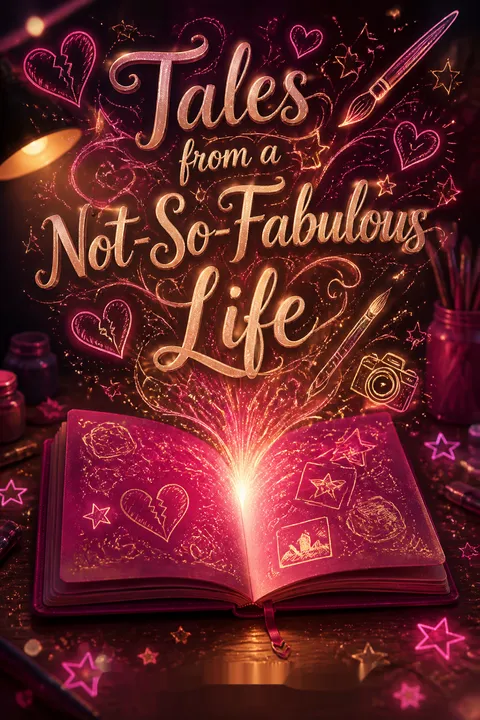
Dork Diaries: Tales from a Not-So-Fabulous Life receives mixed reviews. Many readers, especially young girls, love the relatable protagonist and humorous storyline. Critics praise its appeal to reluctant readers and comparison to Diary of a Wimpy Kid. However, some find the main character shallow and materialistic, criticizing the writing quality. Parents and educators debate its appropriateness and literary value. Despite criticism, the book remains popular among its target audience, with many readers eagerly continuing the series.
People Also Read




Characters
Nikki Maxwell
Artist seeking belongingNikki is a fourteen-year-old artist who narrates her school life through a private diary. She is observant, imaginative, and quick with comic exaggeration, but measures herself against money, clothes, and popularity. Her longing to be accepted can make her misread other people’s actions and hide what she truly feels. Drawing is both her refuge and her clearest source of confidence.
MacKenzie Hollister
Fashionable social rivalMacKenzie is a wealthy, stylish student whose attention organizes the social world of Nikki’s grade. She uses fashion, gossip, and public put-downs to keep her status secure, while presenting herself as destined for fame. Her polished confidence makes her intimidating, especially to students who already doubt their own place.
Chloe Garcia
Book-loving friendChloe is an avid reader who enjoys fictional romances and friendship stories. She is warm and enthusiastic, but can become so absorbed in an exciting plan that she overlooks the work and feelings of the people helping her. Books give her a language for imagining how life might unfold.
Zoey Franklin
Pop-culture confidanteZoey is socially perceptive, fond of pop culture, and interested in advice about relationships. She brings humor and energy to her friendship with Nikki and Chloe, though her confidence in organizing people can outrun her attention to their limits. Her blended family informs her interest in the many forms close relationships can take.
Brandon Roberts
Quiet student journalistBrandon is a reserved photographer and reporter for the school newspaper. He notices details other students overlook and treats Nikki’s art with genuine respect. His awkward humor and low concern for social ranking make him difficult for Nikki to read, especially because she has a crush on him.
Brianna Maxwell
Imaginative younger sisterBrianna, Nikki’s six-year-old sister, turns ordinary objects into characters and believes the elaborate stories Nikki tells her. Her energy often disrupts Nikki’s attempts to manage her image, but her imagination also gives the family’s comic mishaps their unpredictable force.
Nikki's parents
Well-meaning family anchorsNikki’s mother and father try to help her adjust to a new school, sometimes through plans Nikki finds embarrassing. Her father runs an extermination business, whose conspicuous van links the family’s working life to Nikki’s worries about status. Both parents offer care even when Nikki cannot recognize it immediately.
Grandma
Unconventional encouragerNikki’s grandmother is exuberant, devoted to game-show strategy, and eager to try new activities. Her optimism gives Nikki a different model of how to meet a challenge, even when Nikki initially dismisses her advice as eccentric.
Mrs. Peach
Library supervisorMrs. Peach supervises the library shelving assistants and encourages students to contribute. Her planned New York trip gives Chloe and Zoey a goal that grows far beyond the modest opportunity she intended.
Plot Devices
Nikki's diary
A private inner refugeNikki’s diary turns a gift she initially rejects into the space where she can record embarrassment, longing, and confusion. Because she tells the diary what she rarely says aloud, its entries reveal the distance between her comic self-presentation and her insecurity.
Avant-garde art competition
Talent made visibleThe competition gives Nikki a concrete chance to test her art against MacKenzie’s fashion illustrations. Its deadline raises the stakes of the ruined watercolor, while the exhibit allows Nikki’s work to be recognized in a form she did not expect.
Ink Exchange
Art traded for booksThe temporary tattoos begin as Nikki’s inventive way to encourage her friends and support a library project. As students trade books for designs, the idea brings social attention but also exposes how a generous project can become unfair when others control the labor and schedule.
FAQ
Synopsis & Basic Details
What is Tales from a Not-So-Fabulous Life about?
- Navigating a New School: The story follows Nikki Maxwell, a quirky and artistic middle schooler, as she starts attending Westchester Country Day, a prestigious private school on a bug extermination scholarship, feeling like a total outsider.
- Struggling for Acceptance: Nikki desperately wants to fit in and make friends, believing that having popular items like an iPhone is the key, while constantly clashing with the school's queen bee, MacKenzie Hollister.
- Finding Her Voice: Through writing in the diary her mother gave her, Nikki chronicles her embarrassing moments, her crush on Brandon Roberts, and her journey to discover her true self and find genuine friendship amidst the social chaos.
Why should I read Tales from a Not-So-Fabulous Life?
- Relatable Middle School Struggles: The book captures the universal anxieties of fitting in, dealing with bullies, and navigating friendships during the awkward middle school years, making Nikki's experiences highly relatable for young readers.
- Humorous and Engaging Narrative: Told through Nikki's diary entries, complete with doodles and witty commentary, the story is filled with laugh-out-loud moments and a distinct, engaging voice that keeps the reader hooked.
- Empowering Message: Despite facing constant setbacks and humiliation, Nikki learns to embrace her unique artistic talents and finds true friends who appreciate her for who she is, offering a positive message about self-acceptance and resilience.
What is the background of Tales from a Not-So-Fabulous Life?
- Contemporary Middle School Setting: The story is set in a modern American middle school environment, reflecting the social dynamics, technology (or lack thereof for Nikki), and cultural touchstones relevant to early 2000s teens, like pop stars (Miley Cyrus, Jonas Brothers), TV shows (America's Next Top Model, High School Musical), and brand-name items (iPhone, Prada, Juicy Couture).
- Focus on Social Hierarchy: The narrative is deeply rooted in the social structure of middle school, particularly the divide between the "Cute, Cool & Popular" (CCP) clique and everyone else, highlighting the pressures and anxieties associated with status and popularity.
- Diary Format as a Genre Convention: The book utilizes the popular diary fiction format, allowing for an intimate first-person perspective, immediate reactions to events, and a blend of text and illustrations that mimics a personal journal.
What are the most memorable quotes in Tales from a Not-So-Fabulous Life?
- "Only a TOTAL DORK would be caught WRITING in a DIARY!!": This quote, from Nikki's initial reaction to her gift, perfectly encapsulates her fear of being seen as unpopular and sets up the central irony of the book – that the diary becomes her most important tool for self-expression and connection.
- "You can be a CHICKEN or a CHAMPION. The choice is YOURS!": Nikki's grandma's repeated advice, initially dismissed as senile rambling, becomes a powerful mantra that Nikki eventually internalizes, driving her decision to enter the art competition and stand up for herself.
- "You have more talent in your smallest burp than she has in her entire body.": Brandon's blunt yet supportive compliment to Nikki about her art compared to MacKenzie's is a pivotal moment, validating Nikki's artistic skill and boosting her confidence in a way that superficial popularity never could.
What writing style, narrative choices, and literary techniques does Rachel Renée Russell use?
- First-Person Diary Narrative: The entire story is told from Nikki's perspective through her diary entries, providing immediate access to her thoughts, feelings, and often exaggerated reactions, creating a highly personal and engaging tone.
- Illustrations and Visual Humor: The text is heavily interspersed with Nikki's doodles, sketches, and comic-strip-like panels, which not only break up the text but also add layers of visual humor, express Nikki's emotions, and reinforce her identity as an artist.
- Hyperbole and Exaggeration: Nikki frequently uses extreme language and exaggeration ("clinically brain dead," "absolutely DIE," "total RETARD," "PSYCHO WARD") to describe her experiences, reflecting the intense emotions of adolescence and contributing to the book's comedic effect.
Hidden Details & Subtle Connections
What are some minor details that add significant meaning?
- The Toaster Incident Foreshadows Destruction: The seemingly random event where a positive affirmation sticky note catches fire in the toaster foreshadows the later, more significant destruction of Nikki's prized painting, also linked to her parents' well-meaning but sometimes clumsy attempts to help her.
- Brianna's Tooth Fairy Fear Connects to MacKenzie: Brianna's irrational fear of the tooth fairy, stemming from Nikki's prank, is subtly echoed when MacKenzie is later called the "wicked tooth fairy" by Brianna, linking MacKenzie's antagonistic nature to a childish, primal fear within the family dynamic.
- Specific Store Names Highlight Class Divide: Nikki's embarrassment about shopping at stores like JCPenney, Sears, Target, and Wal-Mart, contrasted with MacKenzie's designer brands (Juicy Couture, Prada, Gucci, Jimmy Choo), subtly emphasizes the economic and social class differences that contribute to Nikki's feelings of inadequacy at the wealthy private school.
What are some subtle foreshadowing and callbacks?
- Early Mentions of Art Competition: The posters for the "Random Acts of Avant-Garde Art" competition appear early in the book, initially causing Nikki to retreat due to MacKenzie's presence, setting up the central conflict and eventual triumph related to her artistic talent.
- The Napkin as a Recurring Symbol: The napkin Brandon gives Nikki after her cafeteria fall is initially just a kind gesture, but it becomes a cherished "token" and a symbol of potential connection, later revisited humorously in Chloe's "chick flick" fantasy and Zoey's germ concerns.
- Grandma's "Chicken or Champion" Mantra: Grandma's seemingly nonsensical advice is repeated at key moments, first when Nikki backs down from the art competition, and later when she decides to re-enter, serving as an internal call to action and a measure of her personal growth.
What are some unexpected character connections?
- Brandon's Unexpected Kindness: Brandon, initially just Nikki's crush, is revealed to be genuinely kind and observant when he helps her after her cafeteria fall, showing a depth beyond his popular status and establishing a connection based on empathy rather than superficiality.
- Chloe and Zoey's Loyalty Despite Flaws: Despite getting caught up in the popularity of the "Ink Exchange" and briefly neglecting Nikki, Chloe and Zoey demonstrate unexpected loyalty and initiative by secretly collaborating with Brandon to create the winning art project after Nikki's painting is destroyed.
- MacKenzie's Family Life Hints: MacKenzie's frantic phone call during her party preparation reveals a strained relationship with her mother ("Getting my mom to do anything these days is like pulling TEETH!") and annoyance with her younger sister Amanda, subtly hinting that her perfect facade might hide family pressures or frustrations.
Who are the most significant supporting characters?
- Chloe and Zoey: As Nikki's first true friends at WCD, they are crucial to her emotional support system, providing companionship, validation, and ultimately playing a direct role in her success in the art competition, highlighting the theme of genuine friendship.
- Brandon Roberts: Beyond being a crush, Brandon represents genuine acceptance and validation of Nikki's true self (her art, her humor), contrasting with the superficial acceptance she seeks from the CCPs and serving as a catalyst for her confidence.
- Nikki's Parents: Despite their embarrassing moments (the van, the sticky notes, the painting destruction), their unwavering love and support, particularly the scholarship that allows her to attend WCD and their willingness to let her transfer (and then stay), form a crucial foundation for Nikki's journey.
Psychological, Emotional, & Relational Analysis
What are some unspoken motivations of the characters?
- MacKenzie's Need for Control: MacKenzie's constant need to be the center of attention, dictate fashion, and put others down (like Nikki) suggests an unspoken motivation driven by insecurity and a deep-seated need to maintain her social status and control over the school hierarchy.
- Nikki's Desire for Belonging: While Nikki explicitly states she wants friends and popularity, her deeper unspoken motivation is a profound need for belonging and acceptance, stemming from feeling invisible and out of place, which drives many of her early, awkward attempts to fit in.
- Chloe and Zoey's Quest for Recognition: Chloe and Zoey's initial eagerness for the NYC trip and their later enthusiasm for the "Ink Exchange" project, even getting carried away with popularity, suggests an unspoken motivation to gain recognition and status within the school themselves, mirroring Nikki's initial desires before they find true friendship.
What psychological complexities do the characters exhibit?
- Nikki's Internal Conflict & Self-Sabotage: Nikki exhibits significant psychological complexity through her internal monologue, where she often says brave or witty things "inside her head" but acts shy or awkward externally, demonstrating a conflict between her inner desires and her fear of judgment, sometimes leading to self-sabotaging behavior (like clucking like a chicken instead of signing up for art).
- MacKenzie's Bullying as a Defense Mechanism: MacKenzie's vicious bullying and need to tear others down can be interpreted as a psychological defense mechanism, projecting her own insecurities onto others to maintain a facade of perfection and power.
- Adolescent Emotional Volatility: The characters, particularly Nikki, exhibit the emotional volatility typical of adolescence, swinging rapidly between despair ("MY LIFE TOTALLY SUCKS!!") and elation ("VERY happy and butterflyish"), reflecting the intense and often overwhelming nature of their experiences.
What are the major emotional turning points?
- The Cafeteria Fall: This is a major emotional low point for Nikki, representing public humiliation and reinforcing her feelings of being a "klutz" and a "loser," but it also leads directly to a significant positive interaction with Brandon, marking a turning point in their relationship.
- The Art Competition Setback: The accidental destruction of Nikki's painting is emotionally devastating, pushing her to the brink of giving up and transferring schools, symbolizing the crushing of her hopes and dreams related to finding acceptance through her talent.
- Discovering the Winning Art Project: Finding out that her tattoo designs won the art competition, and realizing her friends and Brandon secretly worked together to make it happen, is the ultimate emotional turning point, transforming her despair into joy, validating her talent, and solidifying her understanding of true friendship.
How do relationship dynamics evolve?
- Nikki and MacKenzie's Rivalry Intensifies: Their relationship starts with immediate dislike and MacKenzie's snobbery, escalating through incidents like the locker hogging, the party invitation humiliation, the cafeteria fall, and the locker graffiti, solidifying their roles as protagonist and antagonist.
- Nikki, Chloe, and Zoey's Friendship Deepens and is Tested: Their friendship quickly forms based on shared outsider status and humor (the "Scared-of-Balls" girls, the janitor's closet), deepens through shared experiences (Ballet of the Zombies), is tested by the popularity of the "Ink Exchange" and perceived betrayal, but ultimately proves resilient and supportive.
- Nikki and Brandon's Connection Grows: Their relationship evolves from a distant crush to meaningful interactions (biology class, cafeteria, library), culminating in Brandon's supportive presence after the painting incident and his involvement in the winning art project, suggesting the potential for a deeper connection based on mutual respect and shared interests.
Interpretation & Debate
Which parts of the story remain ambiguous or open-ended?
- MacKenzie's True Motivations: While portrayed as a bully, the story leaves some ambiguity about the root cause of MacKenzie's behavior. Is she purely malicious, or are her actions driven by deep insecurity, family pressure, or a desperate need for external validation, hinted at by her frantic phone call during the party setup?
- The Future of the "Ink Exchange" Program: Although Nikki decides to continue the program on a limited basis, the long-term impact of the "Ink Exchange" on the school's social dynamics and the potential for it to create new pressures or hierarchies remains open-ended.
- The Nature of Nikki and Brandon's Relationship: While the ending shows a clear connection and mutual interest, the story concludes at the beginning of their potential relationship ("lab partners for 'structure of mitochondria'"), leaving the future development of their romance open to reader interpretation.
What are some debatable, controversial scenes or moments in Tales from a Not-So-Fabulous Life?
- Nikki's Faux Vomit Scheme: Nikki's elaborate plan to fake being sick using a detailed "faux vomit" recipe to avoid school is a debatable moment. While presented humorously, it involves deception and could be seen as promoting dishonest behavior to achieve a desired outcome (staying home).
- Keeping the Hearing Aid: Nikki's initial decision to keep Mrs. Wallabanger's hearing aid, rationalized by her desire for a "faux cell phone thingy," is morally questionable. Although she eventually returns it anonymously, her initial hesitation and the potential negative consequences for Mrs. Wallabanger (like stepping in wet cement) present a debatable ethical dilemma.
- The "Ink Exchange" Motivation: The "Ink Exchange" project, while framed as a charity initiative, is initially driven by Nikki's desire for popularity and later exploited by Chloe for collecting more books. This raises a debatable point about the characters' true motivations – is it genuine philanthropy, a means to an end (NYC trip), or a tool for social climbing?
Tales from a Not-So-Fabulous Life Ending Explained: How It Ends & What It Means
- Artistic Triumph and Validation: The ending reveals that Nikki won the avant-garde art competition not with her destroyed painting, but with a collection of photographs of her temporary tattoo designs, secretly submitted by Brandon, Chloe, and Zoey. This signifies that her true, unique artistic talent, expressed spontaneously through the tattoos, is what brings her recognition and validates her identity beyond superficial measures.
- The Power of True Friendship: The revelation that Chloe, Zoey, and Brandon collaborated on the winning project is the core of the ending's meaning. It demonstrates that genuine friends support you even when you feel alone and use their strengths (Brandon's photography, Chloe/Zoey's initiative) to lift you up, proving that true connection is more valuable than fleeting popularity.
- Choosing to Stay and Embrace Self: Despite her earlier decision to transfer schools after the locker graffiti humiliation, winning the competition and realizing the depth of her friends' support leads Nikki to choose to stay at WCD. This signifies her growth from seeking external validation to finding confidence in her talent and relationships, embracing her "dorky" self, and realizing that her "fabulous life" isn't about fitting in, but about being true to who she is.
Dork Diaries Series

About the Author
Download PDF
Download EPUB
.epub digital book format is ideal for reading ebooks on phones, tablets, and e-readers.








