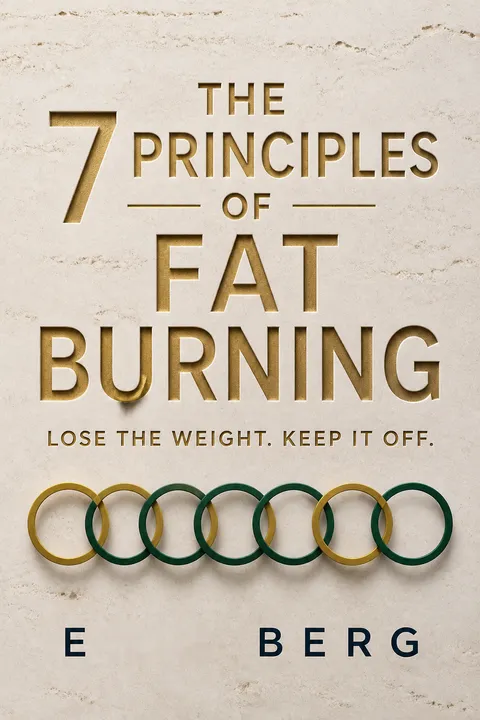


Key Takeaways
Read stubborn weight as a health clue, not a failure of willpower
Change the question. Berg opens by challenging the idea that repeated diet failure proves a person lacks discipline. He argues that people are unlikely to stay with a plan that does not work for them, and that understanding the body's responses matters more than being handed another menu. His central reframing is that weight may be a sign of underlying problems, rather than the problem to solve by itself.
Track more than pounds. Berg suggests noticing energy, sleep, digestion, cravings, strength, and how clothes fit. A patient weighing more than 350 pounds, he recounts, saw no weight change in her first month, but felt stronger and slept better. She later lost weight. The story illustrates why the scale can miss meaningful change.
The most useful part of this reframing is its attack on shame. Weight management is affected by behavior, biology, and surroundings, so treating every setback as a character flaw is both simplistic and demoralizing. The book's emphasis on observing several outcomes also resembles good feedback practice: a single measure rarely captures a complex process. Its weakness is treating weight too confidently as a symptom of glandular ill health. That can replace one oversimplification with another, especially when it discourages appropriate diagnosis or evidence-based care.
Use body shape to generate questions, not to diagnose a hormone problem
A four-part map. Berg proposes four body types, each linked to a gland or organ: Adrenal, Ovary, Thyroid, and Liver. In his model, abdominal fat around the organs suggests an Adrenal pattern; weight around the hips and thighs suggests an Ovary pattern; more generalized weight suggests a Thyroid pattern; and a protruding abdomen that may involve fluid suggests a Liver pattern. These are the book's categories, not a medical diagnosis.
Look for patterns. A quiz and symptom lists are meant to help readers choose among the book's eating and exercise plans. Berg allows that a person may show traits from several types, while arguing there is usually a primary one. The book's larger point is that it rejects one universal prescription in favor of individual response.
The typology makes a complicated topic memorable by turning abstract physiology into a visual map. That can help a reader notice patterns and ask more specific questions about health. But a body outline cannot reliably identify which gland is malfunctioning, and the categories blur distinct causes of weight gain, including changes in body fat and fluid. The sound use of this framework is as a prompt for curiosity, not as a self-test that settles what is happening internally.
Begin with liver support, the hub in Berg's fat-burning model
The proposed first step. Berg presents the liver as central to processing hormones and nutrients, and says thyroid hormone activation depends heavily on it. On that basis, he asks every reader to begin with his Liver Enhancement Plan, regardless of body type. The initial phase lasts at least 14 days and emphasizes vegetables, especially cruciferous vegetables, while sharply limiting sugar, grains, and animal protein.
Not a quick cleanse. The book describes this as an attempt to support liver function, not merely shed weight. It also advises adjusting the plan if a reader feels dizzy, unusually cold, fatigued, or bloated, and says some people may need to add protein or change course. Its broad menus and supplement suggestions are part of Berg's program, not a universally established treatment.
Making one organ the starting point gives the program a clear sequence: improve the body's capacity before trying to force a result. The liver does play important roles in processing nutrients and many medications, so attention to it is sensible. The more sweeping claim that fat-burning hormones all depend on liver health, and that a restrictive plan can restore it, needs stronger evidence than the book supplies. A detox label or a food plan should never replace medical assessment of suspected liver disease.
Target refined sugar and starch, the book's main insulin trigger
The core food rule. Berg argues that sugar and refined carbohydrates raise insulin, which he describes as a fat-storing hormone that blocks the use of stored fat. His plan therefore sharply restricts sweets, juice, breads, pasta, cereals, and starchy foods such as potatoes. He warns that sugar can be hidden in items such as flavored yogurt, sauces, and salad dressing.
Prefer intact foods. Whole vegetables and fruit contain fiber, which the book says slows the body's response to sugar. Berg particularly favors nonstarchy vegetables and treats whole apples more leniently than juice or dried fruit. He argues that food quality and hormonal response matter more than calorie counting, while still distinguishing vegetables from refined or processed foods.
The practical strength here is the focus on foods that are easy to consume quickly and provide little fiber, such as sweet drinks and many refined snacks. Checking labels and choosing whole produce can make eating patterns more deliberate. The book's absolute language, however, implies that even small amounts of carbohydrate shut down fat loss. That conclusion is more categorical than the physiology warrants. Readers can take the useful emphasis on less-refined foods without adopting the idea that every carbohydrate is a metabolic switch.
Treat chemical exposure as a possible influence, not a proven explanation
Hormone-like signals. The book uses the term endocrine disruptors for chemicals that can mimic, block, or otherwise interfere with hormone signaling. Berg points to pesticides, plastics, and substances used in animal production as possible contributors to hormonal problems and stubborn weight. He recommends choosing organic or hormone-free foods when practical, and favors cruciferous vegetables as part of his approach to liver health.
Separate concern from certainty. The book invokes the history of diethylstilbestrol, a synthetic estrogen used in medical and agricultural settings, to show that hormone-active exposures can have serious effects. That history supports taking chemical safety seriously, but it does not establish that routine dietary exposure explains an individual's weight or body shape. Berg's suggested threshold of buying at least 50 percent organic food is his recommendation, not a demonstrated requirement.
This section usefully widens the frame beyond personal choices: health is shaped partly by what people encounter in food, work, and the wider environment. The term endocrine disruptor captures a real scientific concern. The leap from that concern to a specific explanation for obesity is much less secure, however. Environmental exposures vary, and the book offers anecdotes and hypotheses rather than a way to identify a cause in an individual. Practical food choices should not become an expensive test of moral purity.
Adjust protein and fat to your response, not a one-size-fits-all diet
Use feedback, not a fixed menu. Berg proposes that people in his Liver and Thyroid categories need less animal protein than those in the Adrenal and Ovary categories. He gives approximate daily ranges of 25 grams for the first pair and 50 to 75 grams for the second, while also advising gradual adjustment based on energy, sleep, digestion, cravings, and weight or inches lost. He favors whole foods over protein powders and bars.
Fat is not one thing. The book argues that dietary fat does not directly trigger fat storage in the way refined carbohydrates do, but says a person with a troubled liver may tolerate less fat. It recommends adjusting fat alongside protein and avoiding trans fats. These targets are Berg's model, not general nutrition advice; the amounts may be unsuitable for some readers.
Personalization is a strong principle when it means attending to hunger, tolerance, preferences, and health needs rather than forcing everyone into the same template. The book's body-type categories, however, are not a reliable way to determine an individual's protein requirement. The unusually low quantities it proposes for some readers also deserve particular caution. A useful lesson is to treat food response as information, while setting nutritional targets with qualified guidance when health conditions, medications, or restrictive eating are involved.
Protect sleep and recovery because training's payoff is not just calories burned
Recovery is part of exercise. Berg argues that exercise changes the body partly through hormonal responses after the workout, not simply through calories burned during it. He says these effects may continue for 14 to 48 hours, and that poor sleep, high stress, pain, or eating refined carbohydrates can undermine them. The book recommends at least seven hours of sleep and treats stress management as part of weight management.
A broader definition of progress. In Berg's account, rest allows the body to repair muscle and tissue after exertion. This is why he advises against exercising through significant soreness and connects sleep quality to the program's intended results. His explanation centers on growth hormone and cortisol, but the practical emphasis is straightforward: training without recovery is not a complete plan.
This is one of the book's most durable messages because it treats exercise as part of a recovery cycle, rather than a punishment for eating. Sleep, stress, and pain influence whether a person can exercise consistently and feel well. That perspective also guards against the fantasy that a harder workout can compensate for every other strain. The exact hormone timeline is more precise than the book's evidence justifies, but its broader case for adequate recovery is persuasive.
Match exercise intensity to recovery, not to guilt about your weight
Different plans for different types. Berg distinguishes low-intensity aerobic exercise from higher-intensity anaerobic exercise. He recommends gentle, longer activity for his Adrenal type, whom he believes may be worsened by intense training; short, intense efforts for Liver and Thyroid types; and a mix for Ovary types. He says people who are fatigued should first focus on eating and sleeping well rather than forcing exercise.
Intensity has a cost. In his model, intense exercise can prompt repair-related hormonal effects, but excessive training can add stress and delay recovery. He recommends short bouts with rest between them rather than long, exhausting sessions. These prescriptions are built around the book's body-type system. Fitness level, injury, disability, medical conditions, and personal preference are more reliable factors to consider when choosing activity.
The valuable shift is from exercise as a calorie eraser to exercise as a practice that must fit a person's capacity. That can protect beginners from confusing exhaustion with effectiveness, while still leaving room for challenging training. The weak point is assigning exercise styles by body shape and presumed gland weakness. A better individual plan responds to health, training history, enjoyment, and recovery rather than a category inferred from appearance.
Measure progress in energy, sleep, inches, and digestion, not pounds alone
The scale tells only part. Berg distinguishes fat loss from fluid shifts and notes that body weight can change substantially as water comes and goes. He also argues that muscle repair may temporarily obscure fat loss on the scale. In one case, a patient over 350 pounds did not lose weight in the first month, but Berg reports better energy, sleep, digestion, and strength. She later lost 23 pounds in the second month and 61 pounds by the third.
Think beyond the initial phase. The book urges readers to continue the eating pattern that seems to help, rather than treating the first weight drop as the finish line. It presents stable health and habits as the route to keeping weight off. The patient story is illustrative, not a prediction of typical results; the book itself warns that individual outcomes vary.
The shift from one headline number to a small dashboard of outcomes can make progress easier to interpret and reduce premature discouragement. It also recognizes that body weight includes more than fat. The anecdote makes that point vivid, but a single patient's trajectory cannot establish what others should expect, and changes in energy or digestion do not prove that a gland has healed. A balanced approach uses several measures while checking important health concerns with a clinician.
Analysis
The book is a hybrid of diet manual, explanatory model, and clinical anecdote. Its organizing move is to replace calorie-focused dieting with a hormone-centered story: body shape hints at a weak gland, the liver acts as a central hub, and food, sleep, stress, and exercise either activate or obstruct fat-burning signals. This framework gives readers a coherent sequence, beginning with a liver-focused phase and moving toward eating and exercise plans tailored to four body types. It also gives practical attention to food quality, recovery, and progress beyond the scale.
Its explanatory confidence exceeds its evidential strength. The book presents complex weight regulation as a contest between a small set of fat-burning and fat-storing hormones, often in absolute terms. Modern physiology supports the importance of hormones in appetite, energy use, and fat storage, but does not make calorie balance irrelevant. Energy intake and expenditure remain important, while hormones, sleep, medication, genetics, environment, and behavior help shape both. Nor is the book's four-type system a validated diagnostic method for identifying gland dysfunction. Body shape alone cannot establish that a specific organ is impaired.
The most constructive reading separates useful habits from speculative mechanisms. Eating more minimally processed foods and vegetables, reducing sugary drinks, protecting sleep, and choosing exercise that can be recovered from are reasonable themes. By contrast, claims that a small amount of sugar blocks fat burning for a day, that common chemical exposure explains an individual's weight, or that a restrictive liver plan repairs hormonal function should not be accepted as established facts. The proposed protein targets and supplement recommendations are not suitable for everyone. The author advises readers to consult health professionals and not stop medication without medical guidance. That caution is essential, particularly for people with chronic illness, pregnancy, a history of disordered eating, or suspected liver or endocrine disease. The book is most valuable as a call to examine routines and context, not as a diagnostic or treatment protocol.
Review Summary
The 7 Principles of Fat Burning receives mostly positive reviews, with readers praising its informative approach to weight loss based on body types and hormones. Many found the book's focus on health rather than just dieting refreshing. Readers appreciated the detailed explanations, meal plans, and recipes provided. Some found success following the ketogenic diet outlined in the book. However, a few critics noted repetitive content and skepticism about some claims. Overall, readers found the book enlightening and helpful in understanding the relationship between hormones and weight loss.
People Also Read






Glossary
Body Type Quiz
Sorts readers into four patternsA self-assessment in the book that uses body shape and reported symptoms to classify readers as Adrenal, Ovary, Thyroid, or Liver types. Berg presents the categories as a way to choose among his eating and exercise plans, while acknowledging that people may show features of more than one type. It is an element of the book's model, not a clinical diagnostic test.
Liver Enhancement Plan
Initial liver-focused eating phaseThe book's opening eating phase, recommended for at least 14 days before readers move toward a body-type plan. It emphasizes vegetables, particularly cruciferous vegetables, and limits sugar, grains, and animal protein. Berg says the duration and foods should vary with the reader's response. The plan is a program described by the author, not an established treatment for liver disease.
endocrine disruptor
Chemical that interferes with hormonesA substance from outside the body that can mimic, block, or otherwise interfere with hormone signaling. The book lists pesticides, plastics, solvents, and heavy metals as examples, and argues that such exposures may affect hormone function and weight. The term is used in environmental health; the book's broader claims linking ordinary exposures to an individual's body shape are hypotheses, not individual diagnoses.
Fatburning-Tracker Coach
Food and exercise tracking programA web-based service presented as a companion to the book. It records foods, exercise, and reported measures such as sleep, energy, digestion, and stress, then displays graphs intended to identify patterns related to the author's hormone model. The service is described as offering health-coach support and tailored suggestions. Its interpretations follow Berg's framework and should not be confused with medical testing.
Acupressure Stress Elimination Technique (ASET)
Author's stress-reduction techniqueA named acupressure method that Berg says is intended to reduce body tension and stress and support relaxation and sleep. The book describes it as a technique performed by a trained practitioner and promotes it alongside its broader weight-loss program. It is not presented as a substitute for medical evaluation or treatment, and the claimed effects should be understood as the author's description.
Insulin-like growth factor (IGF)
Liver hormone affecting fuel between mealsA hormone the book describes as being produced by the liver in response to growth hormone. Berg assigns it a role in maintaining blood sugar between meals by releasing stored fuel, including sugar and fat. He contrasts this with insulin's role after eating and uses the distinction to explain his advice that Liver types avoid snacks. This is the book's account within its broader hormone model.
Adrenal type
One category in Berg's body modelOne of four body patterns in the book, associated by Berg with adrenal function and commonly described as weight concentrated around the abdomen, sometimes with relatively thinner limbs. The author links this type to stress responses and recommends a different eating and exercise approach from the other categories. The label is part of his self-help framework and does not establish adrenal disease.
FAQ
What's The Healthy Keto Plan about?
- Focus on Hormones: The Healthy Keto Plan by Eric Berg emphasizes the role of hormones in weight loss and health, highlighting the importance of understanding fat-burning hormones for effective weight management.
- Body Types: It categorizes individuals into four body types—Adrenal, Ovary, Thyroid, and Liver—each with tailored dietary and exercise plans based on hormonal influences.
- Liver Enhancement: The initial phase is the Liver Enhancement Plan, designed to detoxify and prepare the body for effective fat burning.
Why should I read The Healthy Keto Plan?
- Educational Approach: Unlike many diet books, it educates readers about the underlying causes of weight gain, particularly hormonal imbalances, rather than just prescribing a diet.
- Long-term Solutions: Offers strategies for maintaining a healthy weight by addressing the root causes of weight gain, not just temporary fixes.
- Comprehensive Guidance: Provides detailed meal plans, exercise recommendations, and insights into triggering fat-burning hormones effectively.
What are the key takeaways of The Healthy Keto Plan?
- Seven Principles of Fat Burning: The book outlines principles that govern fat burning, including understanding body shapes and hormonal triggers.
- Health Before Weight Loss: Emphasizes that one must be healthy before effectively losing weight, as obesity often indicates underlying health issues.
- Customized Diet Plans: Includes specific dietary recommendations based on individual body types, ensuring a personalized approach to health and weight loss.
What are the best quotes from The Healthy Keto Plan and what do they mean?
- "You have to be healthy before you can lose weight." This highlights the book's philosophy that health is a prerequisite for effective weight loss.
- "Fat is not a cushion or insulation, but a store of reserve energy." Reframes the perception of fat as a resource for energy rather than merely excess weight.
- "Your weight is a symptom, not the cause." Suggests that focusing solely on weight loss without addressing hormonal and health issues will not lead to sustainable results.
How does The Healthy Keto Plan address different body types?
- Four Body Types Defined: Eric Berg categorizes individuals into Adrenal, Ovary, Thyroid, and Liver types, each with unique dietary needs.
- Specific Dietary Recommendations: Each type has specific recommendations regarding protein, fat, and carbohydrate intake to optimize health and weight loss.
- Monitoring Progress: Encourages readers to monitor energy levels, cravings, and overall health to determine the effectiveness of their dietary choices.
What is the Liver Enhancement Plan in The Healthy Keto Plan?
- 14-Day Detox Program: A structured program designed to detoxify the liver and improve its function, foundational for achieving long-term health benefits.
- Focus on Whole Foods: Emphasizes eating whole, nutrient-dense foods while avoiding sugars, grains, and processed items to reduce inflammation.
- Expected Outcomes: Participants can expect improved energy levels, reduced cravings, and potential weight loss, resetting the body’s metabolism.
How do hormones affect weight loss according to The Healthy Keto Plan?
- Hormonal Balance: Hormonal imbalances can lead to weight gain, and understanding these hormones is key to effective weight management.
- Fatburning vs. Fat-Storing Hormones: Distinguishes between fatburning hormones (like growth hormone) and fat-storing hormones (like insulin), emphasizing the need to activate the former.
- Triggers for Hormones: Specific foods, exercise, and lifestyle choices can trigger or block these hormones, making tailored diet and activity essential.
What dietary changes does The Healthy Keto Plan recommend?
- Eliminate Sugar: Strongly advises against consuming sugar and refined carbohydrates, as they trigger insulin and prevent fat burning.
- Increase Vegetables: Encourages a high intake of raw, nutrient-dense vegetables, particularly cruciferous types that support liver health.
- Moderate Protein Intake: Recommends consuming adequate protein based on body type, focusing on whole food sources rather than processed proteins.
What role does exercise play in The Healthy Keto Plan?
- Tailored Exercise Plans: Different body types require different types of exercise to effectively trigger fat burning.
- Intensity Matters: Highlights the importance of high-intensity, short-duration exercise for fat burning, as opposed to long, moderate workouts.
- Hormonal Impact: Exercise influences hormonal balance, with the right type enhancing fatburning hormones while the wrong type can trigger fat-storing hormones.
How does The Healthy Keto Plan suggest managing cravings?
- Nutrient-Dense Foods: Consuming a variety of nutrient-dense foods can help prevent cravings by ensuring the body receives adequate nutrition.
- Protein and Healthy Fats: Incorporating sufficient protein and healthy fats into meals can stabilize blood sugar levels and reduce hunger.
- Hydration and Fiber: Staying hydrated and consuming high-fiber foods can also help manage cravings, promoting satiety.
What are the dietary restrictions in The Healthy Keto Plan?
- Avoid Sugar and Processed Foods: Emphasizes eliminating sugar and processed foods, which can lead to insulin spikes and hinder weight loss.
- Limit Grains and Starches: Advises avoiding grains and starchy foods, focusing instead on non-starchy vegetables and healthy fats.
- Dairy and Certain Fruits: Recommends limiting dairy and high-sugar fruits, especially during the Liver Enhancement Plan.
How can I tell if The Healthy Keto Plan is working for me?
- Monitor Energy Levels: An increase in energy levels is a key indicator of success, showing positive impacts on health.
- Track Cravings and Mood: A reduction in cravings and improved mood can indicate effectiveness, with a journal suggested for tracking changes.
- Physical Changes: Look for changes in body measurements and weight, with improvements in body composition being good signs of progress.
Download PDF
Download EPUB
.epub digital book format is ideal for reading ebooks on phones, tablets, and e-readers.








