

Key Takeaways
Treat brain age as changeable, not a verdict handed down by genes.
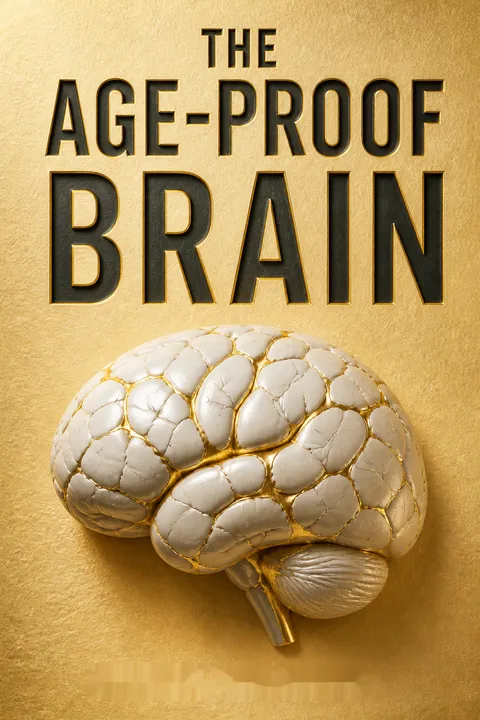
The story begins with loss. Milstein’s grandmother, Bubbi Lorraine, was funny, artistic, and athletic before dementia gradually changed her. Her doctors could not identify its type and offered little help. That experience led him to study how brain health connects to the rest of the body, rather than treating each organ as an isolated system. The book’s central claim is that significant decline is not an inevitable price of aging.
Small changes matter. The brain shrinks by about 5 percent per decade after forty, but studies cited in the book link lifestyle changes with better brain measures. One Rush Medical Center study found that people following brain-health recommendations had nearly 60 percent lower Alzheimer’s risk. That is risk reduction, not a guarantee. The practical starting point is manageable habits, not a miracle pill.
The strongest feature of this argument is its replacement of fatalism with agency. That shift can motivate prevention and make early symptoms worth discussing with a clinician. It also needs a careful boundary: population-level risk reductions cannot predict an individual’s future, and disease is not proof that someone failed to live correctly. The useful message is not total control, but meaningful influence. The book’s whole-body framing also resists a common medical blind spot: brain function depends on the circulation, metabolism, sleep, and immune activity that sustain it.
Protect deep sleep, your brain’s nightly waste-removal shift.
Sleep does more than restore energy. During deep sleep, the brain’s glymphatic system helps move cellular waste into fluid that drains away. In research described by Milstein, sleeping brains shrank temporarily, making room for fluid to wash out debris. REM sleep has a different job: it helps strengthen new memories and reorganize connections. Sleep cycles last roughly ninety minutes, and brief awakenings between cycles are normal.
Improve the conditions for sleep. Get natural light soon after waking, keep a regular sleep schedule, dim lights before bed, and make the bedroom dark and cool. A warm shower about ninety minutes before bed may help the body cool toward sleep. Persistent unrefreshing sleep, especially with snoring, deserves medical attention because sleep apnea can disrupt memory-supporting sleep without a person noticing each awakening.
Sleep is a useful example of why brain health cannot be reduced to willpower: light, temperature, schedules, and medical conditions all shape the body’s ability to rest. The author’s emphasis on sleep quality complements the familiar focus on hours slept. Still, claims about waste clearance should not be taken to mean that a specific bedtime routine prevents dementia. Sleep supports multiple biological processes, but persistent insomnia or suspected apnea calls for clinical evaluation, not just better bedroom habits.
Track blood pressure and blood sugar as brain-health vital signs.
The brain needs reliable fuel and flow. Though it is a small share of body weight, it uses about 20 percent of the oxygen delivered by the heart. Heart disease, high blood pressure, and stroke can limit that supply and damage brain vessels. Diabetes adds another threat: insulin resistance leaves excess sugar in the blood, where it can harm vessels and interfere with the brain’s use of glucose. The book reports that untreated diabetes is associated with a 65 percent higher risk of Alzheimer’s.
Bring numbers to your checkup. Milstein’s “One Important Sheet of Paper” gathers tests to discuss with a clinician, including a lipid panel, hemoglobin A1C, homocysteine, C-reactive protein, vitamin D, B-12, and folate. Which tests and target ranges are appropriate depends on personal health history. The point is to identify treatable risks, not self-diagnose from a number.
This turns a vague wish to “protect the brain” into a practical conversation with primary care. It also links prevention with ordinary cardiovascular medicine, an important corrective to the idea that brain care requires exotic tests or supplements. The evidence is strongest for managing diagnosed conditions and known risk factors. A list of tests is a prompt for clinician-led decisions, not a universal screening prescription: age, symptoms, medications, and medical history alter what should be measured and how results should be interpreted.
Keep the immune system balanced, not merely more powerful.
Immune defense requires restraint. The book describes pro-inflammatory cells as attackers that help eliminate threats, and anti-inflammatory cells as the responders that calm the attack afterward. If that balance fails, inflammation can persist and damage healthy tissue. In the brain, microglia normally help clear debris, but chronic inflammation may disrupt their work and contribute to injury. Acute inflammation from a minor infection or scratch is different: it is part of healing and usually subsides.
Look for persistent causes. The book connects chronic inflammation with conditions including diabetes, heart disease, and some autoimmune disorders. It also highlights less obvious sources, such as gum disease, and suggests discussing a C-reactive protein test with a physician. The goal is not to suppress normal immune responses or chase “immune boosting,” but to identify and address ongoing problems.
The distinction between a short-lived defense and prolonged inflammation makes the immune system easier to think about without treating every symptom as danger. It also supports a systems view: inflammation can arise outside the brain and still affect it. The term “chronic inflammation,” however, covers varied causes and mechanisms. A single marker cannot diagnose its source, and “balance” is not a do-it-yourself treatment. The most useful implication is to investigate persistent symptoms and manage underlying conditions with professional guidance.
Treat anxiety and depression as brain-health conditions, not character flaws.
Mental health and cognition are linked. A study following 1.7 million people for thirty years found that dementia began, on average, about five years earlier among people with a mental disorder than among those without one. This association does not mean a diagnosis causes dementia or makes it inevitable. The book explains possible pathways: prolonged stress responses, disrupted sleep, reduced activity, inflammation, and changes to brain regions involved in memory and mood.
Seek assessment and treatment. Anxiety, depression, and bipolar disorder are medical conditions, not simply bad moods or failures of will. Treatment may involve therapy, medication, and lifestyle support, with choices tailored to the person. Physical causes can also matter. For example, thyroid problems may contribute to depression-like symptoms, so persistent or treatment-resistant symptoms deserve a thorough evaluation rather than an assumption about their cause.
This framing connects mental health care with long-term cognitive care while reinforcing that treatment has value even without a dementia concern. It also helps counter stigma by describing symptoms as part of complex brain and body processes. The association in a large study is important, but it does not establish a single causal route; shared risks and differences in diagnosis or care may contribute. The sound takeaway is to treat mental distress because it matters now, and to assess its causes carefully.
Use brief stress to mobilize action, then practice recovery.
Stress is not one thing. The book distinguishes manageable, short bursts from chronic stress. A brief challenge can sharpen attention and trigger cellular cleanup processes; repeated activation of the stress response can keep cortisol and inflammatory signals elevated. Milstein’s practical focus is not eliminating every pressure, but changing how the brain responds and restoring calm afterward.
Practice being present. Mindfulness means attending to the present moment with acceptance. In a study cited in the book, people practicing about thirty minutes daily for eight weeks showed changes in brain regions related to learning and stress response. Shorter practices may also help. A mindful walk, a meal without scrolling, or several focused breaths can offer a small rehearsal in attention. If stress is severe or persistent, these practices complement rather than replace appropriate care.
The distinction between challenge and chronic strain is more useful than the blanket instruction to avoid stress. It resembles the difference between training and overtraining: effort can build capacity when recovery is part of the cycle. The mindfulness research offers a plausible route to practice attention, but brain scans are not the same as proof of durable clinical benefit for everyone. The concept works best as a low-cost skill, not a promise that a few minutes of breathing can resolve trauma, illness, or unsafe circumstances.
Walk after meals to support memory, metabolism, and heart health.
Movement benefits the brain through several routes. Exercise supports circulation, immune function, and the connections between brain cells. In a yearlong study of adults sixty and older, the aerobic-exercise group improved memory scores by an average of 47 percent, while the stretching group did not. Other research cited in the book links walking with a larger hippocampus, a brain structure central to memory.
Start with repeatable movement. The author suggests aiming for roughly 120 minutes of moderate exercise a week, with walking as an accessible option. A fifteen-minute walk after meals can help manage blood sugar. To make exercise stick, Milstein uses CARS: Cue, Action, Reward, and Support. Place a visible reminder, begin with an achievable activity, make it enjoyable, and involve a friend or class. Regularity matters more than punishing intensity.
The case for movement is unusually practical because it includes immediate benefits, such as post-meal blood sugar support, alongside long-term associations. CARS also recognizes that routines depend on prompts, enjoyment, and social accountability, not just motivation. The reported 47 percent improvement comes from a particular study and should not be promised as a typical result. For people with pain, disability, or cardiovascular risks, the right activity and intensity need individual adjustment; movement should be adapted, not treated as an all-or-nothing test.
Feed gut diversity with plants, fiber, and minimally processed foods.
Diet affects more than digestion. The gut-brain axis describes two-way communication between the gut and brain through nerves, chemical messengers, and immune activity. Gut microbes help process food and support immune and metabolic functions. A Mediterranean-style pattern, rich in vegetables, fruit, beans, nuts, whole grains, fish, and olive oil, is the book’s preferred foundation. The MIND diet, which combines elements of Mediterranean and DASH eating, was associated in one study with about 35 percent lower Alzheimer’s risk among casual followers and up to 53 percent among stricter followers.
Add helpful foods rather than chase fads. Fiber feeds gut microbes, while highly processed foods and excess added sugar can undermine metabolic health. The author recommends regular fatty fish and a variety of colorful produce. Food responses vary between people, and evidence about supplements, alcohol, and specific nutrients is less settled than the broader case for a balanced dietary pattern.
The dietary advice is persuasive because it focuses on a flexible pattern rather than a restrictive menu, and because it connects food with vascular and metabolic health as well as the microbiome. That makes the approach easier to sustain. The MIND diet figures are associations from a particular study, not guaranteed effects of compliance. Microbiome research is still developing, so claims about a food “feeding good bacteria” should not be mistaken for precise personal prescriptions. The broad pattern is more dependable than a single superfood.
Choose emotional closeness over a large contact list.
Loneliness is about felt connection. The book reports that loneliness is associated with a 40 percent higher dementia risk and compares its mortality impact with smoking fifteen cigarettes daily. These are population-level associations, not a prediction for any one person. Simply being around people does not ensure closeness; meaningful relationships involve trust, support, and feeling heard. Social interaction can also stimulate attention, learning, and emotional regulation.
Make connection concrete. Call someone rather than relying only on posts or texts, share enjoyable activities with family and friends, and seek help when caregiving becomes overwhelming. Hearing loss can make interaction harder and is associated with cognitive and mood risks. The book reports that hearing-aid use is linked with lower dementia risk, making hearing assessment a potentially important part of staying socially engaged.
This section usefully separates social quantity from social quality. A crowded calendar can coexist with isolation, while a dependable relationship can provide a buffer against stress. That idea connects brain health to social infrastructure, including hearing care and accessible community life. The striking cigarette comparison communicates scale, but it should not be read as a precise equivalence or a causal calculation. Loneliness is also shaped by bereavement, disability, poverty, and geography, so individual outreach matters alongside broader social support.
Learn unfamiliar skills with focused attention, not just familiar puzzles.
New learning builds and exercises connections. The book describes memory as a process: attention helps information enter short-term memory, rehearsal strengthens encoding, and later retrieval depends on connections distributed across the brain. New skills, languages, and music can challenge multiple systems. SuperAgers, people in their eighties or older with unusually strong cognitive performance, are presented as evidence that exceptional memory can coexist with advanced age and is not explained by genes alone.
Make information memorable. When learning something important, pause long enough to attend to it, repeat or review it, say it aloud, and connect it to a vivid image or feeling. The author describes short-term information as lasting roughly seven to twenty seconds without reinforcement. Familiar brain games may be enjoyable, but challenging learning that requires sustained attention is the more useful principle.
The learning argument links neuroplasticity with a practical distinction between activity and challenge. A puzzle can occupy time without transferring its benefits to everyday tasks, whereas learning a skill recruits new combinations of attention, memory, and movement. The phrase “use it or lose it” is a helpful shorthand, not a literal rule that every unused ability disappears. Age, education, health, and opportunity shape access to learning, so the advice is strongest when it invites curiosity rather than blaming people for cognitive change.
Reduce avoidable toxin exposure without chasing miracle detoxes.
Environment contributes to brain risk. The exposome is the combined set of environmental exposures a person encounters through air, water, food, and everyday materials. The book connects pollution with inflammation and metabolic risk, and cites studies associating traffic pollution with higher rates of neurological conditions. One Vancouver study found that spending thirty minutes a day in a park mitigated some of the increased dementia risk associated with living near busy roads.
Choose practical precautions. Check local air quality, ventilate indoor spaces when outdoor air is clean, and consider safer cleaning products. Wash produce and, where feasible, choose organic for items without thick peels. Avoid heating food in plastic. These steps reduce some exposures but cannot remove every risk. The book also warns that sweating is not an effective way to detoxify the body, despite wellness marketing.
Environmental health is where the book’s individual advice meets policy. Personal choices may reduce exposure, but clean air, safe water, and chemical regulation cannot be solved by shopping habits alone. That distinction matters because the burden of pollution is unevenly distributed. The park finding is encouraging, though it cannot establish that greenery alone caused the protection; activity, light, and social contact may also contribute. Practical risk reduction is sensible, while fear of invisible chemicals can become counterproductive when evidence is uncertain.
Analysis
The book’s distinctive contribution is its refusal to treat the brain as a sealed organ. Memory, mood, and cognitive aging are presented as outcomes shaped by sleep, circulation, glucose regulation, immunity, movement, diet, social connection, and environmental exposure. That integrated model gives readers a coherent reason to care about ordinary routines and ordinary medical care. It also broadens prevention beyond memory games and supplements, which are often marketed as if the brain could be upgraded in isolation.
Its most useful organizing principle is cumulative risk. In many cases, no single factor explains dementia; several vulnerabilities may interact over years. That framework favors manageable changes and screening for treatable conditions over the search for one cure. The author’s personal account of his grandmother gives this argument emotional force without turning it into a claim that lifestyle can reverse every disease.
The scientific claims, however, do not all have the same evidential strength. Some are based on long-term human studies, while others rely on animal experiments, small trials, or associations that cannot establish causation. A lower observed risk in people who follow a diet or exercise routine does not prove that the routine alone produced the difference. Mechanistic explanations, including links among gut microbes, inflammation, and brain function, are promising but still evolving. Readers should also distinguish population estimates from personal forecasts.
The most defensible interpretation is neither fatalism nor total control. The book supports a practical middle position: daily behavior and timely treatment can influence risk and function, but they do not guarantee a particular outcome. Its strongest advice is therefore also its least glamorous: sleep consistently, move regularly, eat a varied minimally processed diet, maintain close relationships, address mental and physical symptoms, and review relevant health markers with a clinician. The habits reinforce one another, and their value extends beyond dementia prevention to present-day energy, mood, and functioning.
Review Summary
The Age-Proof Brain receives mostly positive reviews for its accessible, evidence-based approach to maintaining brain health. Readers appreciate the practical advice, humor, and scientific backing. The book covers topics like sleep, stress management, exercise, diet, and social connections. Some find it overwhelming or repetitive of known information, while others praise its comprehensive nature. Critics note a lack of in-depth analysis and potential American-centric focus. Overall, reviewers find it a valuable resource for those interested in brain health and dementia prevention.
People Also Read









Glossary
glymphatic system
brain waste-clearance pathwayA brain waste-clearance system involving glial cells and fluid movement. During sleep, the brain creates conditions that help fluid carry cellular debris toward drainage pathways connected with the body’s lymphatic system. The book presents this process as one reason deep sleep matters for brain health, while not treating it as a complete explanation of cognitive aging.
gut-brain axis
two-way gut-brain communicationThe two-way communication network linking the digestive system and brain. It includes the vagus nerve, chemical messengers, immune signaling, and interactions involving gut microbes. The term helps explain how stress and emotion can affect digestion, and how gut activity may influence mood, metabolism, and brain function.
inflamm-aging
inflammation accompanying agingA term for the chronic, low-level inflammation that can accompany aging. The book describes how persistent inflammatory activity may affect organs, immune regulation, insulin function, and brain structures involved in memory. It distinguishes this ongoing process from acute inflammation, which is a temporary response that helps the body heal.
MIND diet
brain-focused dietary patternA dietary pattern whose name stands for Mediterranean-DASH Intervention for Neurodegenerative Delay. It combines elements of the Mediterranean diet and DASH, emphasizing foods such as vegetables, fruit, beans, whole grains, nuts, fish, and olive oil. The book cites research associating adherence to this pattern with lower Alzheimer’s risk.
CARS
exercise habit-building sequenceA four-part method for making exercise more consistent: Cue, Action, Reward, and Support. A cue reminds a person to begin, the action is kept achievable, the reward makes the activity enjoyable, and support adds accountability or companionship. The framework treats exercise consistency as something shaped by routine and surroundings, not motivation alone.
One Important Sheet of Paper
personal health-test checklistA checklist the reader can bring to a medical appointment to discuss selected markers related to brain and body health. The book includes a lipid panel, homocysteine, blood sugar testing, C-reactive protein, vitamin D, vitamin B-12, and folate. It is a prompt for clinician discussion, not a universal testing schedule or substitute for medical advice.
exposome
combined lifetime environmental exposuresThe combined set of environmental factors a person encounters over time, including chemicals and other exposures in air, water, food, work, and home environments. The book uses the term to frame environmental health as cumulative and complex, while acknowledging that it is difficult to measure the separate effects and interactions of many exposures.
SuperAgers
older adults with strong cognitionA label used for older adults, including people in their eighties and beyond, whose memory or cognitive performance remains unusually strong compared with typical age-related patterns. The book discusses them to show that chronological age does not perfectly predict brain function, and that lifestyle and individual resilience may help explain some of the difference.
FAQ
What is The Age-Proof Brain by Marc Milstein about?
- Comprehensive brain health guide: The book provides a science-based, actionable roadmap to maintaining and improving brain health, memory, and cognitive function throughout life.
- Focus on lifestyle interventions: It emphasizes that while there is no cure for dementia or Alzheimer’s, lifestyle changes can dramatically reduce risk and improve brain longevity.
- Accessible neuroscience: Dr. Milstein breaks down complex brain science into practical, easy-to-understand advice for readers of all ages.
- Holistic approach: Topics include sleep, stress, exercise, diet, social connection, environmental toxins, and continual learning.
Why should I read The Age-Proof Brain by Marc Milstein?
- Evidence-based recommendations: The book distills decades of neuroscience research into practical, actionable tips for everyday life.
- Empowering and hopeful: Milstein stresses that cognitive decline is not inevitable and that readers can take control of their brain health.
- Holistic perspective: It covers the interconnectedness of brain, heart, immune system, and gut, showing how overall health impacts the brain.
- Avoids fads and myths: The advice is rooted in science, steering clear of quick fixes and misinformation.
What are the key takeaways from The Age-Proof Brain by Marc Milstein?
- Eleven critical lifestyle factors: These include sleep, stress management, diet, exercise, immune and heart health, social connection, mental health, toxin avoidance, and lifelong learning.
- Synergistic effects: The combination of these factors, rather than any single one, is what slows brain aging and protects against dementia.
- Brain-body connection: The book highlights how the health of the entire body—heart, gut, immune system—directly impacts brain function.
- Actionable routines: Tools like the S.L.E.E.P. cheat sheet and a seven-day brain boot camp help readers implement changes immediately.
How does The Age-Proof Brain by Marc Milstein define and explain “brain age” versus chronological age?
- Brain age can differ: Your brain’s functional age may be younger or older than your actual years, depending on lifestyle and health habits.
- SuperAgers concept: Some people in their 80s or 100s maintain youthful cognitive abilities due to lifelong learning and healthy habits.
- Indicators of brain age: Executive function, memory recall, movement speed, and subjective feelings of age can provide clues to brain age.
- Brain scans and limitations: While scans can show brain age, they are not widely accessible; lifestyle remains the most controllable factor.
What are the most important lifestyle factors for brain health in The Age-Proof Brain by Marc Milstein?
- Eleven key factors: These include robust immune and heart health, diabetes prevention, mental health management, quality sleep, nutritious diet, regular exercise, stress management, toxin avoidance, social connection, and continual learning.
- Synergy matters: The combined effect of these habits is far greater than any single intervention.
- Nuanced advice: For example, sleep quality is more important than just hours slept, and immune health is about balance, not just boosting.
- Empowerment through habits: The book provides specific, manageable routines to address each factor.
What does The Age-Proof Brain by Marc Milstein say about sleep and its impact on brain health?
- Sleep is foundational: Most people need 7–9 hours, but quality and consistency are just as important as quantity.
- Brain cleaning during sleep: Deep sleep activates the glymphatic system, which flushes out toxins and “brain trash” like amyloid plaques.
- Practical sleep tips: Take a warm shower 90 minutes before bed, write down worries, and create a “sunset” environment by dimming lights and avoiding screens.
- Self-assessment: The book suggests a four-day trial without caffeine, electronics, or alarms to find your natural sleep needs.
How does The Age-Proof Brain by Marc Milstein recommend managing stress for optimal brain health?
- Not all stress is bad: Acute, manageable stress can motivate and even slow brain aging by activating autophagy, which clears brain waste.
- Chronic stress is harmful: Ongoing stress increases inflammation, damages brain cells, and accelerates cognitive decline.
- Mindfulness and happiness: Practices like mindfulness (10–25 minutes daily) and cultivating positive emotions strengthen the prefrontal cortex and reduce anxiety.
- Practical strategies: Writing down worries, scheduling “worry time,” and practicing gratitude are recommended for stress resilience.
What is the connection between the immune system and brain health in The Age-Proof Brain by Marc Milstein?
- Balanced immune response: A well-regulated immune system protects the brain by removing waste and preventing chronic inflammation.
- Glymphatic system: The recently discovered brain lymphatic system flushes out toxins during deep sleep, crucial for brain cleaning.
- Risks of dysfunction: An aging or unbalanced immune system can increase risks for dementia, depression, and other brain disorders.
- Lifestyle impact: Diet, exercise, and sleep all play roles in maintaining immune balance for brain health.
How does The Age-Proof Brain by Marc Milstein describe the heart-brain and gut-brain connections?
- Heart-brain link: The heart and brain communicate via the vagus nerve and circulatory system; heart health directly affects brain oxygen and function.
- Heart disease risks: High blood pressure, atrial fibrillation, and poor cholesterol increase dementia risk by reducing brain blood flow.
- Gut-brain axis: The gut’s 500 million neurons and diverse microbiome influence mood, memory, and cognition through neurotransmitter production.
- Diet and diversity: A healthy, diverse gut microbiome supports brain health, while imbalance and inflammation can accelerate brain aging.
What dietary advice does The Age-Proof Brain by Marc Milstein provide for brain longevity?
- Mediterranean and MIND diets: Emphasize fruits, vegetables, whole grains, nuts, fish, olive oil, and moderate wine to reduce Alzheimer’s risk.
- Healthy fats and proteins: Omega-3 rich fish, nuts, and choline-containing foods (eggs, fish, chicken) support brain cell communication and reduce inflammation.
- Limit processed foods: Avoid high-fructose corn syrup, excess salt, preservatives, and processed foods that disrupt gut bacteria and increase inflammation.
- Protective foods: Foods rich in sulforaphane (like broccoli sprouts) and omega-3s help detoxify pollutants and protect brain structure.
What are the best exercise and social connection strategies for brain health in The Age-Proof Brain by Marc Milstein?
- Exercise as a miracle drug: Regular physical activity improves immune function, heart health, brain blood flow, and increases gray matter volume.
- Moderate, consistent activity: About 120 minutes per week of moderate exercise, such as walking, is effective; even short bouts boost focus and mood.
- Social connection matters: Loneliness increases risks of heart disease, dementia, and depression; quality relationships buffer stress and promote resilience.
- Practical tips: Use technology wisely, practice gratitude, and engage in acts of kindness to foster social bonds.
How does The Age-Proof Brain by Marc Milstein explain memory formation and improvement techniques?
- Three memory stages: Sensory register, short-term memory (hippocampus), and long-term memory (distributed brain storage) are key to forming and retrieving memories.
- Focus and attention: True focus is essential to encode memories; distractions prevent information from moving from short-term to long-term memory.
- Memory techniques: Use the SAVED method—Say it out loud, Associate, Visualize, Emotionally connect, and Draw—to enhance encoding and recall.
- Lifelong learning: Engaging in diverse activities like languages, music, and sports builds new neural connections and protects against memory loss.
What are the best quotes from The Age-Proof Brain by Marc Milstein and what do they mean?
- “Serious mental decline is not inevitable.” This quote encapsulates the book’s hopeful message that lifestyle changes can dramatically reduce dementia risk.
- “The brain is not a separate organ; it’s part of a system.” Milstein emphasizes the interconnectedness of brain, heart, gut, and immune health.
- “Happiness is not just a feeling; it’s a brain protector.” Positive emotions and social connection are shown to have measurable effects on brain resilience.
- “There is no magic pill, but there is a magic plan.” The book rejects quick fixes in favor of a holistic, science-backed approach to brain longevity.
Download PDF
Download EPUB
.epub digital book format is ideal for reading ebooks on phones, tablets, and e-readers.








