Plot Summary
Lost Among Strangers
Moon, a shapeshifter with no knowledge of his origins, drifts from settlement to settlement, always hiding his true nature. He longs for acceptance but is repeatedly cast out when his ability to shift is discovered. Living among groundlings, he is always the outsider, forced to conceal his identity and never able to form lasting bonds. The pain of isolation and the constant threat of exposure shape his wary, restless existence. When he is accused of being a Fell—a monstrous predator feared by all—he is poisoned and left for dead by those he thought were friends. This betrayal cements his belief that he will never truly belong anywhere, setting the stage for his desperate search for kin and a place to call home.
The Shifter's Secret
Rescued from execution by a mysterious shifter named Stone, Moon is confronted with the possibility that he is not alone. Stone, a powerful Raksura, recognizes Moon as one of his own and offers him a place in his distant court. For the first time, Moon learns the name of his people and glimpses a world where his abilities are not a curse but a birthright. Yet, trust does not come easily. Moon's years of hiding and betrayal make him suspicious of Stone's motives. The promise of kinship is both intoxicating and terrifying, and Moon must decide whether to risk everything for a chance at belonging.
Hunted and Hunted
As Moon travels with Stone, he learns about the Raksura's ancient enemies, the Fell—predatory shapeshifters who destroy courts and cities alike. The threat of the Fell is ever-present, and Moon's resemblance to them only deepens his sense of alienation. The journey is fraught with peril, as both groundlings and Fell hunt the Raksura. Moon's skills and instincts are tested, and he is forced to confront the violence within himself. The line between hunter and hunted blurs, and Moon realizes that survival depends not just on strength, but on trust and cooperation with others like him.
Stone's Revelation
Stone reveals the complex social structure of the Raksura: courts ruled by queens, with consorts, warriors, and Arbora (wingless caretakers). Moon learns he is a consort—a rare, fertile male, highly prized for his ability to father royal clutches. The revelation is both a relief and a burden, as it explains his differences but also places expectations on him. Stone's stories of lost courts, ancient migrations, and the Raksura's place in the Three Worlds fill Moon with awe and longing. Yet, the shadow of his unknown bloodline and the trauma of his past remain, making him question whether he can ever truly fit in.
Raksura and Fell
Arriving at the Indigo Cloud Court, Moon is thrust into a world of intrigue, suspicion, and looming disaster. The court is weakened by disease, low numbers, and the threat of the Fell. Moon's presence is both a hope and a source of tension, as his unknown origins and solitary past make others wary. The court's queens, Jade and Pearl, vie for power, and alliances with other courts are fragile. When the Fell attack, Moon must choose between fleeing and fighting for a people who may never accept him. His courage and unique perspective become crucial in the court's survival, but trust is hard-won.
The Court's Invitation
As Moon is formally introduced to the court, he faces hostility from warriors and skepticism from Arbora. His relationship with Jade, a sister queen, deepens, offering him both love and a sense of purpose. Yet, the court's traditions and the scars of Moon's solitary life create friction. The arrival of visitors from other courts, each with their own agendas, complicates matters. Moon's role as consort is both coveted and resented, and he must navigate the court's complex social hierarchy while proving his loyalty and worth. The longing for home and the fear of rejection war within him.
Bloodlines and Betrayals
The court's fragile peace is shattered by betrayal from within. Poisonings, accusations, and the revelation of Moon's true bloodline—descended from a powerful queen—bring old wounds to the surface. The court's history of loss, exile, and crossbreeding with Fell is exposed, forcing everyone to confront the cost of survival. Moon's memories of abandonment and the trauma of his childhood are mirrored in the court's collective pain. The search for a stolen seed, vital to the colony's survival, becomes a quest for redemption and truth. Trust is tested, and the line between kin and enemy blurs.
The Crossbreed's Dilemma
The discovery that Opal Night has raised crossbreed children—half Raksura, half Fell—shakes the foundation of Raksuran identity. Moon meets his half-brother Shade, a crossbreed consort, and Lithe, a crossbreed mentor. Their existence is both a miracle and a threat, as the Fell seek to reclaim or destroy them. The court is divided over whether to accept or exile the crossbreeds, and Moon is forced to confront his own fears and prejudices. The crossbreeds' struggle for acceptance mirrors Moon's own journey, and their fate becomes entwined with the court's survival.
The Seed's Theft
The theft of the colony tree's seed—a magical artifact essential for the tree's health—threatens the court's existence. Moon, Jade, and their allies embark on a perilous journey across the Three Worlds to recover it. Their quest takes them through ruined cities, encounters with groundling scholars, and battles with Fell. Along the way, Moon learns the value of community, sacrifice, and the strength that comes from embracing one's true self. The journey is as much about healing old wounds as it is about saving the court, and Moon's leadership and resilience are tested to the limit.
The Leviathan's Prison
The search for the seed leads Moon and his companions to a city built on the back of a giant leviathan. The city's magisters have stolen the seed to maintain control over the creature, and the court must navigate a web of groundling politics, betrayal, and magical traps. The leviathan's body is a labyrinth of dangers, and the court's survival depends on Moon's ability to adapt and lead. The journey through the leviathan's prison is a metaphor for Moon's own struggle to break free from the past and claim his place among the Raksura.
The Ancestor's Trap
Deep beneath the sea, Moon and his allies discover an ancient city and a trapped forerunner—a being from which both Raksura and Fell are descended. The forerunner manipulates Fell and Raksura alike, promising power and knowledge in exchange for freedom. The court must decide whether to trust this ancestor or destroy it, knowing that its release could doom the world. The encounter forces Moon to confront the legacy of his people, the nature of power, and the danger of unchecked ambition. The forerunner's trap is both physical and psychological, testing the court's unity and resolve.
The Queen's Bargain
As the court faces extinction, Jade and Moon must negotiate with rival queens, groundling scholars, and even their own blood relatives. The price of survival is high, and old enmities must be set aside for the greater good. Moon's relationship with Jade is tested by jealousy, duty, and the demands of leadership. The court's future depends on their ability to forge new alliances, accept the crossbreeds, and embrace change. The queen's bargain is not just for power, but for the soul of the Raksura.
Poison and Confession
The court is rocked by a series of poisonings and confessions, as old secrets come to light. The true cost of survival is revealed, and those who have betrayed the court must face justice. Moon's own past is laid bare, and he must decide whether to forgive or seek vengeance. The process of confession and punishment is both cathartic and painful, forcing the court to confront its darkest moments. In the end, healing can only begin when the truth is acknowledged and the guilty are held accountable.
The Fell's True Purpose
The court learns that the Fell's obsession with crossbreeding is part of a larger scheme to unlock ancient powers and reshape the world. Shade and Lithe become the focus of the Fell's attention, and their fate will determine the future of both species. The court must protect the crossbreeds while unraveling the Fell's true purpose. The struggle is not just for survival, but for the right to define what it means to be Raksura. The crossbreeds' dilemma becomes a test of the court's compassion and adaptability.
The Underwater City
The pursuit of the Fell leads Moon and his allies to a hidden city beneath the sea, filled with ancient magic and deadly traps. The city is both a marvel and a nightmare, a testament to the power and hubris of the forerunners. The court must navigate its dangers, confront the forerunner, and prevent the Fell from unleashing a catastrophe. The journey is a crucible, forging new bonds and revealing hidden strengths. The underwater city is a place of transformation, where the past and future of the Raksura are decided.
The Forerunner's Deceit
The forerunner's true nature is revealed: a manipulator who has used both Fell and Raksura to further its own ends. The court must unite to destroy it, using all their skills, magic, and courage. The battle is fierce and costly, but in the end, the forerunner is defeated and the threat to the world is ended. The victory is bittersweet, as the court mourns its losses and contemplates the price of freedom. The forerunner's deceit is a warning against the dangers of unchecked power and the importance of trust and unity.
Fire and Flight
With the forerunner destroyed and the Fell flight in disarray, the court escapes the underwater city and returns to the surface. The journey home is a time of healing, reflection, and renewal. Old wounds are mended, new alliances are forged, and the court emerges stronger and more united. Moon's place among the Raksura is finally secure, and he embraces his role as consort, leader, and kin. The fire and flight of the court's escape symbolize the resilience and adaptability that define the Raksura.
The Return Home
Back at Indigo Cloud, Moon is welcomed as kin, not just by Jade but by the entire court. The crossbreeds are accepted, new clutches are born, and the court's future is bright. The lessons of the past—about trust, forgiveness, and the importance of community—shape the court's new beginning. Moon's journey from exile to belonging is complete, and the court stands as a beacon of hope in a world still threatened by darkness. The story ends with a sense of possibility, as the Raksura look to the future with courage and hope.
Characters
Moon
Moon is a shapeshifter who has spent most of his life alone, hiding his true nature from groundlings and other Raksura alike. His early trauma—losing his family and being abandoned—leaves him wary, restless, and desperate for acceptance. As a consort, he is rare and valuable, but his unknown bloodline and solitary past make him an object of suspicion. Moon's journey is one of self-discovery, as he learns to trust, love, and lead. His relationship with Jade is both a source of strength and vulnerability, and his compassion for outsiders and crossbreeds reflects his own struggle for identity. Moon's arc is a testament to the power of resilience, adaptability, and the longing for home.
Jade
Jade is a sister queen of Indigo Cloud, fiercely intelligent, courageous, and determined. Her leadership is tested by the court's crises, the threat of the Fell, and her love for Moon. Jade's willingness to challenge tradition and embrace change makes her both a visionary and a target for criticism. Her relationship with Moon is passionate and complex, marked by jealousy, trust, and the demands of leadership. Jade's struggle to balance personal desire with the needs of the court is at the heart of her character, and her growth mirrors the court's journey toward unity and acceptance.
Stone
Stone is the line-grandfather of Indigo Cloud, a consort of immense age, wisdom, and power. He serves as a mentor to Moon and a stabilizing force in the court. Stone's pragmatism, dry humor, and deep knowledge of Raksuran history make him both a guide and a challenger. His own losses and regrets shape his perspective, and his willingness to adapt and support Jade and Moon is crucial to the court's survival. Stone's presence is a reminder of the importance of tradition, memory, and the strength that comes from enduring hardship.
Pearl
Pearl is the reigning queen of Indigo Cloud, a master of court politics and survival. Her ambition and pragmatism are both a strength and a source of conflict, especially in her rivalry with Jade. Pearl's willingness to make hard choices, form alliances, and even accept crossbreeds reflects her adaptability. Her relationship with Moon is complex, marked by suspicion, competition, and a grudging respect. Pearl's arc is one of learning to balance power with compassion, and her eventual acceptance of change is key to the court's renewal.
Celadon
Celadon is Moon's clutchmate, a daughter queen of Opal Night. Her loyalty to family and court is unwavering, and she serves as a bridge between Moon's past and present. Celadon's pragmatism, empathy, and willingness to challenge tradition make her an important ally. Her relationship with Moon is marked by both tension and affection, as they navigate the legacy of abandonment and the demands of leadership. Celadon's role as mediator and advocate for the crossbreeds is crucial to the court's unity.
Malachite
Malachite is the reigning queen of Opal Night, a survivor of the Fell's destruction and a leader forged in trauma. Her strength, intelligence, and ruthlessness are matched by a deep capacity for love and loyalty. Malachite's decision to raise the crossbreeds is both an act of defiance and compassion, and her willingness to confront the Fell and the forerunner is central to the court's survival. Her relationship with Moon is fraught with guilt, pride, and the hope of redemption. Malachite embodies the court's resilience and the possibility of healing old wounds.
Shade
Shade is Moon's half-brother, a crossbreed consort raised in Opal Night. His existence challenges the boundaries of Raksuran identity, and his struggle for acceptance mirrors Moon's own journey. Shade's innocence, courage, and loyalty make him both vulnerable and heroic. His role as the key to the forerunner's prison places him at the center of the court's struggle with the Fell. Shade's arc is one of self-acceptance, as he learns to embrace his unique heritage and find his place among the Raksura.
Lithe
Lithe is a crossbreed mentor, powerful and perceptive, yet haunted by the fear of being used or rejected. Her abilities are both a gift and a burden, and her willingness to risk herself for the court is a testament to her courage. Lithe's struggle to prove her loyalty and worth reflects the court's own journey toward acceptance and unity. Her role in the battle against the Fell and the forerunner is crucial, and her arc is one of transformation and self-discovery.
Chime
Chime is a former Arbora mentor who transformed into a warrior, losing some abilities and gaining others. His struggle to adapt to his new role, find purpose, and support his friends is deeply human. Chime's curiosity, humor, and loyalty make him a beloved figure in the court. His unique perspective and evolving powers are key to the court's survival, and his arc is one of embracing change and finding meaning in unexpected places.
The Progenitor (Fell Queen)
The Fell progenitor is a symbol of predatory power, manipulation, and the dangers of unchecked ambition. Her obsession with crossbreeding, her willingness to use and destroy, and her alliance with the forerunner make her a formidable foe. The progenitor's relationship with Shade and the other crossbreeds is both monstrous and strangely intimate, reflecting the blurred boundaries between kin and enemy. Her defeat is both a victory and a warning, a reminder of the cost of survival and the importance of compassion.
Plot Devices
The Outsider's Journey
The story is structured around Moon's journey from exile to acceptance, using the classic outsider trope to explore themes of identity, trust, and community. His shifting status—solitary, consort, leader—mirrors the court's own struggles with change and survival. The outsider's perspective allows for a fresh examination of Raksuran society, its strengths and flaws, and the possibility of transformation.
Crossbreeding and Identity
The existence of crossbreed Raksura—half Fell, half Raksura—serves as a powerful plot device to question the boundaries of identity, kinship, and acceptance. Their presence forces the court to confront its fears, adapt to new realities, and redefine what it means to be Raksura. The crossbreeds' struggle for belonging mirrors Moon's own, and their fate becomes a test of the court's compassion and adaptability.
The Threat of the Fell
The Fell are not just physical enemies but represent the dangers of predation, manipulation, and the loss of self. Their ability to influence minds, crossbreed, and pursue ancient schemes creates a pervasive sense of danger. The court's battle with the Fell is both external and internal, forcing characters to confront their own darkness and the cost of survival.
The Quest for the Seed
The theft and recovery of the colony tree's seed is both a literal and symbolic quest. It represents the court's struggle to reclaim its future, heal old wounds, and restore balance. The journey is filled with trials, alliances, and revelations, serving as a crucible for character growth and the forging of new bonds.
The Forerunner's Deception
The forerunner, an ancestor of both Raksura and Fell, is a master manipulator who uses promises of power to ensnare both species. Its prison beneath the sea is both a physical and psychological trap, testing the court's unity, wisdom, and resolve. The forerunner's deceit is a warning against the dangers of unchecked ambition and the seduction of easy answers.
Cycles of Betrayal and Forgiveness
The story uses cycles of betrayal—poisonings, secrets, abandonment—and the process of confession and justice to explore the possibility of healing. The court's willingness to confront its past, hold the guilty accountable, and forgive is key to its renewal. The plot device of confession serves as both catharsis and a means of restoring trust.
Found Family and Chosen Kin
The theme of found family runs throughout the narrative, as Moon, the crossbreeds, and other outsiders are gradually accepted and embraced. The court's survival depends on its ability to welcome the lost, adapt to change, and forge new bonds. The chosen kinship of the Raksura is a powerful counter to the predatory isolation of the Fell.
Foreshadowing and Prophecy
The use of augury, prophecy, and visions creates a sense of destiny and inevitability, while also allowing for surprise and subversion. The court's attempts to interpret signs and omens reflect the uncertainty of the future and the need for adaptability. Foreshadowing is used to build tension, hint at hidden dangers, and prepare the reader for the story's twists.
Analysis
Martha Wells' Raksura trilogy is a masterful exploration of identity, belonging, and the power of community in the face of existential threat. Through Moon's journey from exile to acceptance, the narrative examines the pain of isolation, the longing for kin, and the courage required to trust and be vulnerable. The court's struggle with the Fell—predators who embody both external danger and internal darkness—serves as a metaphor for the challenges of survival, adaptation, and the temptation of power. The inclusion of crossbreeds and the forerunner's ancient schemes forces the characters to confront the boundaries of identity, the cost of tradition, and the necessity of change. The story's structure—blending quest, political intrigue, and psychological drama—creates a rich tapestry of emotion and action. Ultimately, the trilogy argues that true strength lies not in purity or power, but in the willingness to embrace difference, forgive the past, and build a future together. The lessons of trust, compassion, and resilience resonate far beyond the world of the Raksura, offering hope and inspiration for any reader who has ever felt lost among strangers.
Last updated:
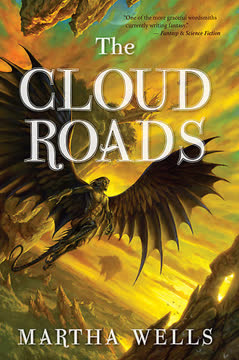
Review Summary
The Cloud Roads by Martha Wells features Moon, a shapeshifting Raksura searching for his people after a lonely life among groundlings. Reviewers praise the exceptional worldbuilding—a world without humans, populated by diverse intelligent species including the dragon-like Raksura. The matriarchal society, unique biology, and complex social hierarchy receive acclaim. Moon's journey from outcast to finding his court resonates emotionally. While some note the straightforward plot and evil-for-evil's-sake antagonists (the Fell), most celebrate the originality, vivid descriptions, and compelling characters. The writing style is accessible, action-packed, and avoids info-dumps, making this fantasy feel fresh and inventive.