Plot Summary
Snowbound Secrets Unveiled
Keira's journey begins in a snow-blanketed, otherworldly garden, where the silence is both beautiful and foreboding. She is a stranger in a strange land, surrounded by supernatural beings whose motives are as mysterious as the landscape. The cold is not just physical but emotional, mirroring her sense of isolation and uncertainty. Here, she meets Pip, a quirky, vibrant friend whose humor and warmth offer a lifeline. Yet, beneath the laughter, Keira senses the weight of secrets—her own and those of the people around her. The snow becomes a canvas for both innocence and danger, as Keira's curiosity draws her toward the edge of safety and into the heart of the forbidden. The chapter sets the tone for a story where trust, betrayal, and the search for belonging are as sharp as the winter air.
The King's Table Invitation
After a tentative start in her new job at the Afterlife club, Keira is thrust into the intimidating world of Draven, the enigmatic club owner. Invited to serve at the King's table, she is both honored and terrified. The table is a microcosm of power, with Draven at its center, surrounded by his council and family. Keira's every move is scrutinized, and the social dynamics are as perilous as any supernatural threat. Draven's coldness is offset by moments of unexpected kindness, leaving Keira—and the reader—questioning his true intentions. The invitation is not just to serve drinks but to step into a world where every gesture is loaded with meaning, and where Keira's presence is both a disruption and a temptation.
Shattered Glass, Shaken Hearts
Keira's nerves betray her as she fumbles with an expensive bottle, shattering glass and drawing blood. The accident is more than physical; it exposes her vulnerability and Draven's hidden concern. In the aftermath, Draven's reaction is unexpectedly gentle, revealing a side of him that is rarely seen. He insists on tending to her wound himself, leading Keira into his private domain. The intimacy of the moment is charged with unspoken desire and fear, as Keira grapples with the reality of her attraction to Draven and the dangers of getting too close. The broken glass becomes a metaphor for the fragile boundaries between them, and for the risks inherent in seeking connection in a world built on secrets.
Draven's Hidden Domain
Draven's private office is a sanctuary and a trap, filled with symbols of power and history. Here, Keira is both guest and captive, subject to Draven's enigmatic care. The act of tending her wound becomes a ritual of trust and exposure, as Draven gently peels back the layers—both literal and emotional—that Keira uses to protect herself. The conversation is fraught with tension, as Keira's scars, both physical and psychological, are laid bare. Draven's questions are probing, his touch both healing and possessive. The office, with its antique furnishings and hidden doors, is a liminal space where the rules of the outside world no longer apply, and where the possibility of something more than friendship begins to take root.
Boundaries and Broken Rules
The aftermath of Keira's injury blurs the boundaries between employer and employee, human and supernatural. Draven's insistence on caring for her is both protective and controlling, and Keira is caught between gratitude and resentment. The rules of the club—and of Draven's world—are clear, but both are tempted to break them. The tension escalates as Keira is drawn deeper into Draven's orbit, her curiosity and desire at war with her sense of self-preservation. The chapter explores the costs of breaking rules, both personal and cosmic, and the ways in which love and danger are often intertwined.
Dreamscapes and Demons
Keira's dreams become battlegrounds, where her subconscious wrestles with fear, desire, and the supernatural forces that shape her life. In these dreamscapes, Draven appears as both lover and monster, his true nature flickering between human and demon. The dreams are vivid, erotic, and terrifying, blurring the line between fantasy and reality. Through them, Keira confronts her deepest insecurities and the possibility that her fate is not entirely her own. The chapter uses the language of dreams to explore themes of agency, destiny, and the seductive power of the forbidden.
The Price of Curiosity
Unable to resist the lure of the unknown, Keira ventures into forbidden parts of Draven's world, uncovering secrets that were meant to stay hidden. Her curiosity is both a strength and a liability, drawing the attention of enemies as well as allies. The risks become real as she stumbles upon rituals, betrayals, and the true extent of the supernatural power at play. The price of knowledge is steep, and Keira must decide whether the answers she seeks are worth the dangers they bring. The chapter is a meditation on the costs of curiosity and the ways in which innocence can be both weapon and weakness.
Temptation in the Shadows
As Keira becomes more entangled with Draven and his world, the line between temptation and threat grows thin. Encounters with other supernatural beings—most notably Lucius, the vampire king—add layers of complexity to her relationships and her sense of self. Lucius is both rival and rescuer, his interest in Keira as much about power as it is about passion. The shadows are full of eyes, and every choice Keira makes is fraught with consequence. The chapter explores the allure of the forbidden, the dangers of desire, and the ways in which love can be both salvation and damnation.
Revelations and Reversals
Secrets are revealed, alliances are tested, and the true nature of Draven's world is laid bare. Keira learns that nothing is as it seems, and that trust is a rare and precious commodity. Betrayals cut deep, and the lines between friend and foe blur. The chapter is a turning point, as Keira must decide who to believe, who to fight for, and what she is willing to sacrifice for love and survival. The reversals are both external and internal, as Keira's understanding of herself and her place in this world is forever changed.
The Vampire's Bargain
In the wake of heartbreak and betrayal, Lucius steps forward with an offer that is as tempting as it is perilous. His bargain is simple: safety, power, and a place at his side, in exchange for loyalty—and perhaps more. Keira is torn between the comfort of Lucius's attention and the lingering pull of Draven's love. The vampire king is both protector and predator, and his motives are as opaque as his eyes. The chapter is a study in seduction, manipulation, and the ways in which power can be both gift and curse.
Heartbreak and Healing
Keira's world is shattered by betrayal, but in the ruins she finds unexpected sources of strength. Friends rally around her, and even enemies reveal hidden depths of compassion. The process of healing is messy and nonlinear, marked by setbacks and small victories. Keira learns to trust herself, to set boundaries, and to demand respect. The chapter is a testament to resilience, to the power of chosen family, and to the ways in which love—however flawed—can be a force for healing as well as harm.
The Power of Forgiveness
Forgiveness is not easy, and it is not always deserved. Keira grapples with the challenge of letting go—of anger, of regret, of the need for revenge. The process is painful, but it is also liberating. Through forgiveness, Keira reclaims her agency and her sense of self. The chapter explores the complexities of forgiveness, the ways in which it can be both gift and burden, and the necessity of moving forward even when the past cannot be changed.
Training with the Enemy
In a surprising twist, Keira finds herself training with Lucius, learning to defend herself in a world where danger is ever-present. The sessions are grueling, both physically and emotionally, as Lucius pushes her to confront her fears and embrace her power. The relationship between them is fraught with tension, attraction, and mutual respect. Through training, Keira discovers reserves of strength she never knew she had, and Lucius reveals a side of himself that is both tender and terrifying. The chapter is a meditation on empowerment, trust, and the ways in which enemies can become allies.
The Dance of Desire
The boundaries between Keira and Lucius blur as their training gives way to moments of unexpected intimacy. A shared dance becomes a metaphor for the push and pull of their relationship, for the ways in which desire can be both dangerous and redemptive. The dance is both literal and figurative, a negotiation of power, trust, and vulnerability. The chapter is a celebration of the body, of pleasure, and of the ways in which love can be found in the most unlikely places.
Betrayal's Bitter Lesson
Just as Keira begins to find her footing, a new betrayal shatters her sense of security. The lesson is harsh: trust is fragile, and even those closest to us can cause the deepest wounds. The fallout is devastating, but it is also clarifying. Keira is forced to confront the reality of her situation, to make hard choices, and to accept that not all relationships can be saved. The chapter is a reckoning, a moment of truth that sets the stage for the final act.
The Choice to Stay
In the aftermath of betrayal, Keira is faced with a choice: to run, to fight, or to stay. The decision is hers alone, and it is both terrifying and empowering. By choosing to stay, Keira asserts her agency, her right to love and be loved on her own terms. The chapter is a declaration of independence, a refusal to be defined by the actions of others. It is also a promise—to herself, to her friends, and to the world she now calls home.
The Goddess's Gambit
As the story nears its climax, the supernatural stakes are raised. The goddess—an unseen but ever-present force—makes her move, setting in motion events that will determine the fate of all involved. Keira is both pawn and player, her choices reverberating through realms seen and unseen. The gambit is risky, the outcome uncertain, but the possibility of redemption remains. The chapter is a meditation on fate, free will, and the ways in which the divine can shape—and be shaped by—human hearts.
Love's Unforbidden Future
In the end, love endures—not as a fairy tale, but as a hard-won, imperfect, and deeply human reality. Keira and Draven, scarred but stronger, find their way back to each other, forging a new path built on honesty, respect, and mutual sacrifice. The future is uncertain, but it is theirs to claim. The story closes with a sense of hope, of possibility, and of the enduring power of love to heal, transform, and transcend even the most forbidden of boundaries.
Characters
Keira Johnson
Keira is the heart of the story—a young woman marked by trauma, resilience, and a fierce desire to find her place in a world that seems determined to keep her on the margins. Her journey is one of self-discovery, as she navigates the treacherous waters of love, power, and supernatural intrigue. Keira's relationships—with Draven, Lucius, and her friends—are complex, marked by both vulnerability and strength. She is both victim and survivor, her scars a testament to battles fought and won. Over the course of the story, Keira learns to trust herself, to set boundaries, and to demand respect. Her development is a testament to the power of agency, the necessity of forgiveness, and the enduring hope that love—however flawed—can be a force for healing.
Dominic Draven
Draven is the enigmatic, brooding king at the center of Afterlife's supernatural world. His power is both seductive and terrifying, his emotions tightly controlled but always threatening to break free. Draven's relationship with Keira is fraught with tension, desire, and the ever-present danger of his true nature. He is both protector and jailer, his love for Keira complicated by the demands of his position and the secrets he must keep. Draven's journey is one of learning to trust, to let go of control, and to accept the vulnerability that comes with loving another. His development is marked by moments of tenderness, jealousy, and ultimately, the willingness to sacrifice for the woman he loves.
Lucius
Lucius is the vampire king—a rival to Draven, a temptation for Keira, and a force of chaos in the story's world. He is both predator and protector, his motives as opaque as his eyes. Lucius's interest in Keira is as much about power as it is about passion, and his relationship with her is marked by both genuine care and calculated manipulation. Over time, Lucius reveals a capacity for tenderness, humor, and even self-sacrifice, complicating the reader's understanding of him as villain or hero. His development is a study in the redemptive power of love, the dangers of obsession, and the possibility of change even for the most unlikely of characters.
Sophia
Sophia is Draven's sister and Keira's closest friend in the supernatural world. She is vibrant, outspoken, and fiercely protective, her loyalty to Keira unwavering even in the face of danger. Sophia serves as both confidante and catalyst, pushing Keira to take risks and to fight for what she wants. Her relationship with her brother is complex, marked by both affection and frustration. Sophia's development is a testament to the power of friendship, the importance of chosen family, and the ways in which love can be both shield and sword.
Vincent
Vincent is Draven's brother, an angelic figure whose calm demeanor and quiet strength provide a counterpoint to the intensity of Draven and Lucius. He is a mediator, a healer, and a source of wisdom in a world often ruled by passion and violence. Vincent's relationship with Keira is marked by mutual respect and a hint of unspoken longing, adding depth to the story's emotional landscape. His development is a study in restraint, compassion, and the quiet heroism of those who choose peace over power.
Pip
Pip is Keira's quirky, irrepressible friend—a source of humor, comfort, and unexpected wisdom. Her eccentricities mask a deep understanding of the world's dangers, and her loyalty to Keira is unwavering. Pip's role is both comic and crucial, providing levity in dark moments and reminding the reader that joy and laughter are as necessary as love and courage. Her development reveals hidden depths, as she steps up to protect her friends and to fight for what she believes in.
Layla
Layla is the story's primary antagonist—a woman driven by jealousy, ambition, and a desperate need for validation. Her actions are often cruel, but they are rooted in pain and a sense of exclusion. Layla's relationship with Keira is marked by rivalry and resentment, but also by a twisted kind of kinship. Her development is a cautionary tale about the dangers of envy, the costs of betrayal, and the possibility of redemption even for those who seem beyond saving.
Zagan
Zagan is one of Draven's most trusted lieutenants—a figure of strength, loyalty, and hidden conflict. His role is often that of enforcer, but beneath the surface lies a man torn between duty and conscience. Zagan's interactions with Keira reveal a capacity for empathy and a willingness to question the orders he is given. His development is a meditation on the nature of loyalty, the costs of obedience, and the possibility of change.
Ragnar
Ragnar is the club's imposing bodyguard—a man of few words and immense strength. He is both protector and threat, his loyalty to Draven absolute. Ragnar's presence is a constant reminder of the dangers that lurk in the shadows, but his actions reveal a surprising gentleness, especially toward those he is charged with protecting. His development is a study in contrasts, a testament to the ways in which strength and kindness can coexist.
Aurora
Aurora is a figure of beauty and ambition—a rival for Draven's attention and a catalyst for much of the story's conflict. Her relationship with Keira is marked by competition, jealousy, and occasional moments of understanding. Aurora's actions are often self-serving, but they are also driven by a desire for recognition and love. Her development is a reminder that even antagonists have their own stories, and that the line between friend and foe is often thinner than it appears.
Plot Devices
Duality of Worlds
The story is built on the tension between the human and supernatural worlds, with Keira caught in the middle. The duality is reflected in the settings—snowbound gardens, gothic nightclubs, hidden temples—and in the characters themselves, who are often torn between duty and desire, power and vulnerability. The boundaries between worlds are porous, and the story's central question is whether love can bridge the gap.
Dream as Foreshadowing
Keira's dreams are more than mere fantasy; they are windows into the future, warnings of danger, and explorations of desire. The dreams serve as both foreshadowing and psychological insight, revealing the characters' deepest fears and hopes. The line between dream and reality is often blurred, heightening the sense of uncertainty and suspense.
The Forbidden and the Unforbidden
The story is driven by the tension between what is forbidden and what is desired. Rules are made to be broken, and the consequences of doing so are both thrilling and dangerous. The forbidden is not just sexual but existential, as characters grapple with the limits of power, the costs of love, and the dangers of knowledge.
Power Dynamics and Consent
The relationships in the story are marked by imbalances of power—between human and supernatural, king and subject, lover and beloved. The negotiation of consent, agency, and autonomy is a constant theme, explored through both erotic and everyday interactions. The story is attentive to the ways in which power can be both seductive and destructive, and to the necessity of mutual respect.
Betrayal and Redemption
Betrayal is a recurring motif, as characters are forced to confront the ways in which they have been hurt—and have hurt others. The possibility of redemption is always present, but it is hard-won and never guaranteed. The story is interested in the ways in which forgiveness can be both liberating and fraught, and in the necessity of moving forward even when the past cannot be undone.
Chosen Family
In a world where blood ties are often sources of pain, the story celebrates the power of chosen family—friends who become allies, confidantes, and sources of strength. The bonds between Keira, Sophia, Pip, and others are as important as any romantic relationship, and the story is attentive to the ways in which friendship can be a form of salvation.
Analysis
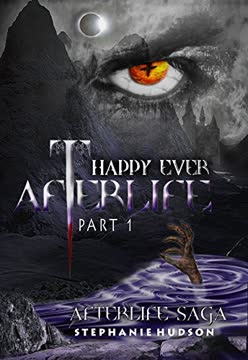
Stephanie Hudson's The Forbidden Chapters is a lush, emotionally charged exploration of love, power, and the boundaries between worlds. At its heart, the story is about the search for belonging in a universe that is both beautiful and terrifying. Keira's journey—from outsider to insider, from victim to agent of her own destiny—is a testament to the resilience of the human spirit and the transformative power of love. The book is unflinching in its portrayal of trauma, desire, and the messy realities of forgiveness, offering no easy answers but plenty of hard-won wisdom. In a modern context, the story resonates as a meditation on agency, consent, and the necessity of chosen family. It challenges readers to question the rules that govern their own lives, to embrace vulnerability as a source of strength, and to believe in the possibility of redemption even in the most forbidden of places. Ultimately, The Forbidden Chapters is a celebration of the ways in which love—imperfect, dangerous, and deeply human—can heal, transform, and transcend.
Last updated:
Review Summary
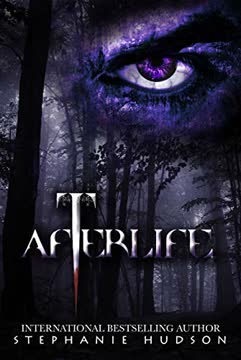
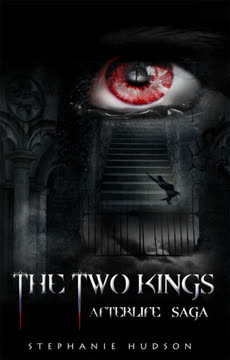
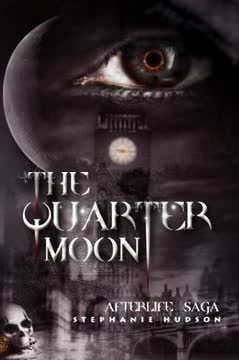
Afterlife Saga Series