



Plot Summary
The Godfather's Wedding
At Connie Corleone7's wedding in 1945, Don Vito Corleone1 receives friends who have come to ask for help. He arranges citizenship for baker Nazorine's daughter and her prisoner-of-war sweetheart, lends money to a would-be shopkeeper, and grants undertaker Amerigo Bonasera19 a private audience.
Bonasera19 had trusted the courts after two men brutalized his daughter, but their suspended sentences leave him desperate for a different justice. Vito1 refuses the revenge killing Bonasera19 first demands, then accepts his friendship and promises a measured punishment.
The requests show how Vito1's influence rests on personal obligations as much as money or violence. Meanwhile, Michael2 sits apart with his American girlfriend, Kay Adams,3 while Sonny4 slips away with Connie's maid of honor.17
The wedding makes Vito's authority visible as a social system, not merely a criminal hierarchy. His guests arrive with distinct needs, but each request enters the same economy: he offers practical help, and the recipient acknowledges a debt that can be called in later. Bonasera's humiliation matters because he first chose the civic system he believed in, then discovers its protection is unevenly distributed. Vito's refusal to grant an impulsive murder also distinguishes his power from simple vengeance. Yet his compassion is never free of leverage. The wedding celebrates family while quietly revealing the obligations and exclusions that organize it.
A Horse for Hollywood
Johnny Fontane6 returns to New York because his career and private life are collapsing. He has lost his singing voice, estranged his first wife, and been rejected by his glamorous second wife. Vito1 scolds him for abandoning his children and old friends, then promises him the starring part in a war film controlled by producer Jack Woltz.
Tom Hagen5 travels to California and offers Woltz a businesslike bargain, but Woltz refuses because Johnny6 once took a young actress he considered his possession.
Vito1 answers the refusal by having Woltz's prized racehorse killed and its severed head left in his bed. Terrified by the intrusion into his guarded estate, Woltz grants Johnny6 the role. The episode also shows that Vito1's influence can reach beyond the neighborhood and into Hollywood's machinery.
Johnny's crisis links personal weakness to professional dependence. He wants Vito to repair the consequences of choices he still refuses to reconsider, and Vito's harsh counsel makes clear that assistance is not the same as absolution. Woltz, meanwhile, mistakes control within his studio for control over every sphere of power. The horse's death is not merely a threat: it converts an abstract claim about Vito's reach into a physical violation of Woltz's private world. The victory secures Johnny's opportunity, but it also shows how a favor can be achieved through terror while being presented as a transaction.
The Turk's Dangerous Offer
Virgil Sollozzo,13 a narcotics dealer backed by the Tattaglia family, asks Vito1 to finance his heroin business and use political contacts to protect its couriers. Tom Hagen5 sees the enormous profits and warns that refusing could eventually leave the Corleones weaker than their rivals.
Sonny4 also sees the money and reveals too much enthusiasm before Sollozzo13 leaves. Vito1 rejects the proposal because drug trafficking would endanger the judges, politicians, and police officers who tolerate the family's gambling interests.
He privately rebukes Sonny4 for exposing disagreement, then sends Luca Brasi12 to investigate Sollozzo13's intentions. Before the meeting, Vito1's spies learn that Sollozzo13 has prepared an attack. The offer has turned a business disagreement into a contest over whether the Corleones can be divided and displaced.
The narcotics proposal tests Vito's long-term judgment against Sonny's appetite for immediate advantage. Vito is not making a moral objection to crime in general. He is assessing which illegal enterprise can coexist with the political relationships that sustain his power. Sonny's error is therefore both strategic and relational: by displaying dissent in front of Sollozzo, he gives the rival evidence that the family can be split. Hagen recognizes the economic future more clearly than the Don, but Vito's refusal rests on a different calculation, the preservation of an entire network. The conflict begins as a disagreement over risk and becomes a struggle over succession.
Five Bullets in Manhattan
Sollozzo13's gunmen shoot Vito1 outside his office as Fredo9 waits at the car. Fredo9 freezes, and the wounded Don1 is taken to the hospital under police guard. At the same time, Sollozzo13's men abduct Hagen,5 hoping the Corleone lawyer can persuade Sonny4 to accept a truce and the heroin deal.
Sonny4 takes command at Long Beach, orders guards placed around the hospital, and suspects Paulie Gatto after learning the bodyguard repeatedly called in sick on days Vito1 traveled. He also calls for Michael2 to return from college. With Luca Brasi12 missing and the Don1 unable to lead, the family has no certainty about who can be trusted or whether the attack will become a full war.
The coordinated attack targets more than Vito's body. It removes him from command, captures the counselor who might contain the crisis, and exploits the family's dependence on personal trust. Fredo's shock shows that proximity to power does not confer the capacity to exercise it. Sonny assumes control because he is the eldest and most forceful, but the first decisions he faces require patience and judgment, not simply courage. The missing Luca Brasi deepens the uncertainty: the family's most feared protector cannot be reached when he is needed. The assault turns a private business refusal into a test of the Corleones' internal cohesion.
Michael Guards the Hospital
At the hospital, Michael2 discovers that police have cleared the corridor and removed the guards from his father1's room. He moves Vito1 to an empty room with help from Enzo, the baker's former assistant, then stands outside to make the hospital look protected. Captain McCluskey arrives, arrests the Corleone guards, and punches Michael2 when he refuses to leave.
The attack breaks Michael2's jaw, but it also reveals that McCluskey is working with Sollozzo.13 Back at Long Beach, Michael2 insists that the family must kill both men before they can reach Vito1 again. Sonny4 laughs at first, then recognizes that his quiet younger brother is willing to take the risk. The family begins preparing Michael2 for the meeting.
Michael's transformation begins through action rather than a declaration of allegiance. He first intervenes because his father is exposed, not because he seeks power. The hospital scene forces him to see that the law itself can be purchased and used to strip away protection. McCluskey's assault makes that corruption personal, but Michael frames his response as necessity: the captain and Sollozzo remain threats to Vito. Sonny's laughter marks the gap between the brother Michael has appeared to be and the force he has concealed. Once Michael offers himself for the assassination, the family can no longer preserve his identity as an uninvolved civilian.
Two Bodies, One Exile
The Corleones arrange a meeting at a Bronx restaurant and hide a small, untraceable gun behind the toilet tank. Michael2 is frisked, retrieves the weapon, and shoots Sollozzo13 while the dealer turns to speak to a waiter. He then kills McCluskey and leaves the gun behind. Tessio11 drives him to a ship bound for Sicily, where the family hides him from American law enforcement.
His departure intensifies the war: police raids disrupt the Corleones' gambling operations, enemy gunmen attack their people, and the family loses Luca Brasi,12 whose body is identified through a fish wrapped in his bulletproof vest. Michael2's first killing for the family has saved Vito1 from an immediate threat, but it has severed his ordinary life with Kay.3
The restaurant killing is Michael's point of no return because it converts his family loyalty into a criminal identity that cannot be put away after the emergency passes. His careful preparation and calm escape contrast with the moral simplicity he once claimed for himself. Exile separates him from Kay and removes him from the family conflict, but it does not release him from its consequences. The fish message confirms that even the Corleones' most feared operative can be eliminated by a rival who understands symbols as well as force. Michael leaves New York believing he has acted to protect his father; the war makes clear that protection has expanded into a larger struggle.
Vito Learns the Neighborhood
The story turns back to Vito1's youth. After his father is killed in Sicily, twelve-year-old Vito1 escapes to America, takes the name Corleone, and grows up in a New York tenement.
When local extortionist Don Fanucci forces Vito1's friends, Clemenza10 and Tessio,11 to pay him for a small robbery, Vito1 studies Fanucci's habits and concludes that the man has less backing than his reputation suggests. He pays part of the demand, then follows Fanucci and kills him.
With the neighborhood left without a protector, Vito1 gradually takes on its disputes, helps residents, and builds an olive-oil business with childhood friend Genco Abbandando. His power grows from careful observation, useful favors, and a willingness to remove anyone who blocks his plans.
Vito's origin story complicates the idea that the Godfather was simply born into power. His first decisive act follows a diagnosis: Fanucci's authority depends on performance, not the formidable organization he claims. Vito watches before acting, then replaces an unreliable threat with a system that offers tangible protection. The neighborhood's need is real, but his answer turns that need into an alternative government whose generosity and coercion grow together. His immigrant vulnerability helps explain his contempt for institutions that failed his family, without making his later rule innocent. The flashback shows how a disciplined response to insecurity can become an empire.
Sonny Takes the Bait
With Vito1 hospitalized and Michael2 gone, Sonny4 runs the family but cannot match his father1's restraint. He repeatedly beats Carlo Rizzi8 for mistreating Connie,7 then assumes the violence has frightened Carlo8 into submission.
Carlo8's abuse continues, and when Connie7 calls for help, Sonny4 races alone toward her apartment despite the protection around him. Barzini14's men have arranged the call and prepared an ambush at the Jones Beach tollbooth. They gun Sonny4 down before his bodyguards can intervene.
Hagen5 hides the news from Vito's wife1 until the Don1 can be told, while Vito1 summons Bonasera19 to restore his son4's ruined face for the funeral. Carlo8's apparent domestic cruelty has served as bait in the war, though Sonny4 never learns who arranged it.
Sonny's strength is also the opening his enemies exploit. He recognizes danger in the abstract but cannot restrain the impulse to answer Carlo's cruelty with direct force. The ambush uses the same protective loyalty that defines him: Connie's distress draws him away from his guarded position along a familiar route. His death is thus both a tactical defeat and the consequence of a temperament his father had repeatedly tried to discipline. Carlo's role remains concealed at this point, but the scene plants the crucial connection between private violence and public warfare. Bonasera's return also shows how a favor made at a wedding becomes an obligation at a funeral.
The Thunderbolt in Sicily
In Sicily, Michael2 lives under the protection of Don Tommasino, a local Mafia chief, and hears stories from the old doctor Taza about the island's history of violence and silence. He learns that Luca Brasi12 once terrorized a midwife, Filomena, into helping with a newborn he wanted dead; Vito1 later protected her and secured Brasi12's release from prison.
During a walk, Michael2 sees Apollonia Vitelli15 near an orange grove and is overwhelmed by his attraction to her. He approaches her family formally, offers costly gifts, and marries her after a short courtship. For a time, he finds domestic warmth in the villa, teaches Apollonia15 to drive, and imagines a life shaped by neither Kay3 nor the American war.
Sicily gives Michael a way to understand his father's world from its cultural roots, but it is no uncomplicated sanctuary. Its codes of silence and protection emerge from histories of exploitation, then become the very structures that preserve violence. The story of Luca Brasi reveals what Vito's mercy can mean: he prevents a vulnerable witness from being destroyed, yet also makes a terrifying killer his devoted instrument. Michael's marriage to Apollonia offers another possible identity, rooted in place and sensual immediacy rather than American ambition. His sudden possessiveness, however, echoes the world he is trying to escape. Refuge provides love, but not freedom from the family conflict.
A Car Bomb's Answer
After learning that Sonny4 has been killed, Michael2 prepares to leave the villa for a safer part of Sicily. Apollonia15 is pregnant and plans to visit her family before joining him. On the morning of his departure, Michael2 notices that Fabrizzio, one of his shepherd guards, has disappeared beyond the villa gates. Apollonia15 sits in the Alfa Romeo and tries to drive toward him.
Michael2 recognizes the danger too late: Fabrizzio has rigged the car to explode. The blast kills Apollonia15 and Calo and leaves Michael2 badly injured. When he recovers, Don Tommasino explains that enemies were targeting Michael2 while making it appear that the attack concerned him. Michael2 asks his father1 to bring him home, and Don Tommasino begins arranging his return.
The bombing destroys more than Michael's marriage. It removes the future he had begun to build away from America and confirms that geographic distance cannot defeat a conflict carried by informants and family connections. Fabrizzio's betrayal turns the protective household into a vulnerability because its members know Michael's routines and trust. The explosion also sharpens Michael's character: grief does not make him abandon strategic thought, and he immediately offers a reward for the traitor. His request to return to his father signals a new acceptance of the family role he once rejected. By the time he leaves Sicily, the possibility of a separate life has been violently narrowed.
Peace Buys a Return
After Sonny4's funeral, Vito1 halts retaliation and calls a meeting of the Mafia families. He publicly accepts limits on his influence over narcotics prosecutions, renounces vengeance, and asks the other Dons to let Michael2 return safely from Sicily.
To make the meeting credible, he uses the Bocchicchio family as neutral hostages, guaranteeing that neither side can attack the gathering without inviting certain retaliation. Vito1 also arranges a condemned Bocchicchio man's false confession to the Sollozzo13 and McCluskey murders, so American authorities will stop hunting Michael.2
Before Michael2 can come home, however, a car bomb kills Apollonia.15 Vito1 waits until the substitute confession is confirmed and the danger has receded, then brings his surviving son2 back to New York.
Vito's peace is neither surrender nor simple reconciliation. He sacrifices the appearance of absolute control over narcotics in order to preserve the family and recover Michael, choosing a controlled retreat over an open war the Corleones might lose. The hostage system makes trust concrete: promises are reinforced by the credible cost of betrayal. The false confession reveals the reach of that political strategy, but it also exposes the human price of treating a condemned man and his family as instruments. Vito's restraint is purposeful and partial. He postpones vengeance and rearranges power, while the loss in Sicily shows that no agreement can undo what the war has already taken.
Johnny Finds His Voice
As Michael2 remains in exile and later returns to New York, Johnny Fontane6 rebuilds his career with Vito1's help. He wins an Academy Award, starts producing films, and hires his old singing partner, Nino Valenti,16 whose talent never came with much interest in fame.
Johnny6's voice returns in a deeper register after Dr. Jules Segal18 discovers and treats growths that earlier specialists missed. Jules18 also helps Lucy Mancini,17 Sonny4's former lover, understand and surgically correct a condition that had made sex painful and left her convinced she could not love again.
She and Jules18 become partners. Nino,16 however, drinks heavily and ignores his diabetes; despite Johnny6's success and Jules18's warnings, he dies after a cerebral hemorrhage. Johnny6's renewed prospects cannot rescue the friend who helped him begin.
The Hollywood and Las Vegas threads measure success against forms of need that money cannot reliably satisfy. Johnny converts Vito's assistance into an independent career and repays it by giving Nino meaningful work, yet he cannot make Nino value the life he has been offered. Jules's medicine contrasts with the entertainment industry's polished neglect: he notices physical problems others dismiss and treats them directly. Lucy's recovery likewise begins when a private source of shame becomes a diagnosable condition rather than a verdict on her worth. Together, the subplots complicate the novel's machinery of favors. Material help can create opportunity, but care requires attention to what the recipient actually needs.
Vegas Becomes the Future
After returning from Sicily, Michael2 marries Kay3 and spends years learning the Corleone businesses from Vito1 and Hagen.5 The family sees Las Vegas as its future, with Fredo9 already helping run a casino hotel under Moe Greene.21
Michael2 visits Nevada, meets Johnny,6 Nino,16 Lucy,17 and Jules,18 and offers them roles in a planned network of hotels, entertainment, and medical services. He also asks Greene21 to sell his casino interest, but Greene21 refuses and mocks the Corleones' weakened position.
Michael2 rebukes Fredo9 for siding with Greene21 and makes clear that he, not Vito,1 now directs family business. He quietly tests Albert Neri,20 a former police officer whose force and discipline recall Luca Brasi.12 As Vito1's health declines, Michael2 prepares to transfer the family west and reclaim power in New York.
Las Vegas represents more than a change of location. Michael wants to move the family from its established illegal businesses toward hotels, entertainment, construction, and visible legitimacy, but the transition depends on the same networks of coercion and obligation that built the old empire. Greene's refusal tests whether Michael can command respect without his father's public presence. His composed response suggests that he can, while his private cultivation of Neri shows how he is reproducing Vito's methods. The chapter also clarifies the family's internal hierarchy: Fredo's local authority is subordinate to Michael's larger design. Modernization here changes the business form more readily than the source of power.
The Garden Goes Quiet
Vito1 suffers a fatal heart attack while tending his garden with Michael2's young son nearby. He dies before an ambulance or doctor arrives, in Michael2's arms. At the funeral, the other families gather, while Michael2 receives mourners with formal courtesy and plans to sell the Long Beach mall.
The following day, Clemenza10 and Tessio11 challenge his decision to wait as Barzini14 and Tattaglia begin moving into Corleone territory. Michael2 tells them not to retaliate. He also keeps Carlo8 on the mall, despite sending Connie7 and Kay3 away with their children.
Michael2 admits to Hagen5 that he still needs time to secure political connections, but says Vito1 had warned that Barzini14 would approach through someone close. When Tessio11 arranges a meeting with Barzini, Michael2 identifies the betrayal.
Vito's death removes the person whose reputation could make restraint look like strength. Michael inherits not only an organization but a problem of interpretation: his captains read caution as weakness because they cannot see the preparation behind it. His decision to keep Carlo nearby and the family women away is evidence of a private plan whose meaning remains hidden until the next crisis. Hagen's continued presence matters because he can read the pattern, though Michael had previously excluded him from the most dangerous work. Tessio's betrayal is especially painful because intelligence and loyalty, once aligned, now point in opposite directions. Succession becomes a contest between what others can observe and what Michael knows.
The New Don's Reckoning
On the day of his nephew's confirmation, Michael2 acts warmly toward Carlo,8 stands as the boy's godfather, and lets Connie7 believe the families are drawing closer. The next day, with Kay3 and the children sent away, he orders the killings he has prepared.
Rocco Lampone kills Phillip Tattaglia; Albert Neri,20 disguised in his old police uniform, shoots Barzini14 outside St. Patrick's Cathedral; and Clemenza10 kills Carlo8 after Michael2 confronts him with helping arrange Sonny4's ambush. Tessio11 is arrested when the supposed peace meeting proves to be a trap, and he accepts that Michael2 has outmaneuvered him.
Michael2 tells Carlo8 he will be spared and sent to Las Vegas, then has him strangled in the car. The coordinated purge restores Corleone dominance, while Connie7's furious accusation forces Kay3 to question her husband2's denials.
The purge is the novel's most complete demonstration of Michael's political intelligence and moral transformation. Each killing uses an established vulnerability: Tattaglia's exposed appetites, Barzini's confidence in public movement, Tessio's belief that his meeting arrangements will protect him, and Carlo's expectation that family ties will spare him. Michael's performance at the confirmation is particularly cold because a sacred family rite becomes camouflage for a murder plan. Yet the sequence also exposes an important difference from Vito. Michael organizes power with great precision, but he needs Kay to believe a lie about what she has witnessed. His victory secures the institution while deepening the division between public family affection and private command.
Kay Sees the Truth
Connie7 accuses Michael2 of killing Carlo8 and blames him for Sonny4's death. Michael2 denies it to Kay,3 and his calm assurance persuades her until she sees Clemenza,10 Neri,20 and Lampone greet him with the deference reserved for their new Don.2
Kay3 leaves with the children, but Hagen5 visits her in New Hampshire and explains why Carlo8 and Tessio11 were considered continuing dangers. He does not excuse Michael2's lie; he argues that treachery would have endangered the entire family if left unanswered.
Kay3 returns, later converts to Catholicism, and prays for Michael2's soul. By the time the Corleones move permanently to Nevada, Michael2 has built a powerful western enterprise and regained New York's obedience. Kay3's return restores the household, but not her certainty about the man leading it.2
The ending refuses to equate domestic reconciliation with moral repair. Kay returns after Hagen gives her a framework for understanding the killings, but the framework does not erase the evidence she saw or the lie Michael used to protect himself. Her conversion is sincere, yet her daily prayer for Michael's soul makes the marriage's unresolved division explicit: she seeks spiritual judgment where she cannot obtain full truth from her husband. Michael's movement toward respectable businesses fulfills his ambition to secure his children in a safer world, but his authority remains founded on secrecy and lethal discipline. The family achieves stability by keeping its moral costs inside the home.
Analysis
The Godfather presents organized crime as both a response to social failure and a system that reproduces it. Vito1's rise begins with immigrant vulnerability, corrupt local authority, and a genuine need for protection. He offers help where courts and employers do not, but his solutions concentrate power in the hands of the person who can punish as well as assist. The novel's central tension is not simply law versus crime. It is between impersonal institutions that fail particular people and personal systems that make protection conditional on loyalty.
Michael2 inherits this contradiction and attempts to modernize it. He imagines that a move into hotels, casinos, and other legal enterprises can secure his children a life outside the family business. Yet he uses secrecy, coercion, and murder to create the conditions for that respectable future. His ambition is therefore both protective and self-justifying. Unlike Vito,1 who often presents violence as a last resort within a stable web of relationships, Michael2 organizes violence with the efficiency of a strategic program. The results make him powerful, but not morally free.
The novel also links public power to intimate life. Sonny4's protective impulse makes him vulnerable to an ambush. Connie7's marriage becomes a site where family authority fails to shield her. Kay3's marriage offers a competing ideal of shared trust, but Michael2's insistence on secrecy turns her into a witness who must either accept his account or live outside his world. Her final prayers for his soul do not resolve this conflict. They preserve her compassion while acknowledging that love cannot make his choices innocent.
Across the book, favors, silence, and family loyalty function as both care and control. The Corleones provide food, work, money, and protection, but they also demand obedience and define the terms of justice. Vito1 hopes his descendants will enter ordinary society. Michael2's success makes that hope seem economically plausible, while the means of achieving it show how power can change its public clothing without changing its underlying cost.
Review Summary
The Godfather is widely praised as a masterpiece of crime fiction, with compelling characters and an engrossing plot that explores themes of family, power, and morality. Readers appreciate Puzo's skillful world-building and character development, particularly the complex figure of Don Vito Corleone. While some criticize the portrayal of women and certain subplots, most find the novel captivating and difficult to put down. The book's influence on popular culture is undeniable, with many considering it superior to or equally matched with its iconic film adaptation.
People Also Read







Characters
Vito Corleone
The family's founding DonVito is a Sicilian immigrant who builds a criminal organization around loyalty, patronage, and deliberate calculation. He listens closely to petitioners and often helps people whom ordinary institutions have failed, but his generosity creates obligations and his protection depends on violence. He prizes self-control, patience, and the ability to make an opponent accept a decision as reasonable. His relationships with his children expose the limits of his influence: he loves them, yet cannot dictate who they become. Vito's deepest motive is to make his family and dependents secure in a world he does not trust. He imagines that wealth and political standing can eventually carry his descendants into respectable society, even as his own methods bind them to the criminal world.
Michael Corleone
The reluctant family heirMichael begins as Vito1's youngest son and the one most determined to define himself outside the family business. A Marine officer and college student, he is intelligent, controlled, and observant, with a strong sense of personal loyalty. His love for Kay3 gives him a genuine vision of ordinary domestic life, while his admiration for his father1 keeps him emotionally tied to the family he claims to reject. Michael's restraint can resemble moral distance, but it also conceals a capacity for decisive action. He is drawn to the idea that he can protect his loved ones without becoming like Vito1; the tension between that belief and his family's demands shapes his choices.
Kay Adams
Michael's American partnerKay is an educated New Englander whose curiosity and independence first draw her to Michael2. She wants love to include honesty, shared decisions, and a life not governed by inherited obligations. Her attraction to the Corleones' warmth exists alongside unease about their methods, and she tries to understand the family without surrendering her own moral judgment. Kay is perceptive about emotional behavior, particularly the ways silence and politeness can conceal conflict. She hopes Michael2's identity can remain separate from his father1's power, but her experience gradually forces her to confront the limits of that distinction. Her religious and family commitments reflect both personal conviction and a search for meaning amid unresolved doubt.
Santino Corleone
The hot-tempered eldest sonSonny is Vito1's eldest son, a powerful presence whose generosity and loyalty are matched by a volatile temper. He loves his family intensely and reacts fiercely when he believes one of them has been harmed. In business, that directness can make him effective in the short term, but it also exposes his plans and lets rivals anticipate his actions. Sonny wants recognition as his father1's successor and resents being treated as less capable than Vito1. His tenderness toward friends and relatives complicates his brutality; he is not emotionally cold, but he often mistakes force for protection. The gap between his father1's patience and Sonny's urgency is central to the family's succession problem.
Tom Hagen
The family's lawyer and counselorTom is an orphan taken into the Corleone household as a boy after Sonny4 found him alone and ill. German-Irish by ancestry, he becomes the family's lawyer and counselor through intelligence, composure, and absolute loyalty. He is often the person who translates Vito1's intentions into practical arrangements, and his legal training gives him a different perspective from the organization's Sicilian captains. Tom is grateful to Vito1 for the stability and opportunity he received, though he does not confuse gratitude with blood kinship. His calmness is an asset in negotiation, but he knows that his strengths may not suit every crisis. He values duty and family while maintaining a lawyer's habit of assessing consequences.
Johnny Fontane
The godson in HollywoodJohnny is a famous singer and actor, Vito1's godson, and a man whose charm often masks insecurity. He is grateful to Vito1 for helping launch his career, yet his womanizing, drinking, and neglect of old friends repeatedly damage his personal life. Johnny's deepest attachment is to performance, especially singing, which gives him a sense of purpose more durable than celebrity. He cares for his daughters and retains affection for his first wife even when he cannot rebuild their marriage. His story explores the difference between being admired and being known. He can accept help from the Godfather1, but gradually learns that lasting success also requires discipline and generosity toward others.
Constanzia Corleone
Vito's daughter and sisterConnie is Vito1's only daughter and is cherished within a family that expects its sons to carry its public responsibilities. She is romantic, emotionally expressive, and eager for the security marriage seems to promise. Her relationship with Carlo8 exposes her vulnerability to a husband who uses her dependence to feel powerful. Connie remains attached to her father1 and brothers, but she also struggles to understand the rules that govern their silence and intervention. Her need for approval can make her blind to danger, while her emotional intensity gives her a voice the men around her often try to contain.
Carlo Rizzi
Connie's ambitious husbandCarlo is Connie7's husband, a Nevada-born outsider who expects marriage into the Corleone family to bring him wealth and influence. He is physically confident and skilled at presenting himself as a capable businessman, but his resentment grows when Vito1 keeps him outside the family's central operations. Carlo's ambition is less disciplined than his self-image suggests. He wants the rewards of belonging without accepting the limits the Corleones impose on him. At home, he uses control over Connie7 to compensate for his lack of standing elsewhere. His relationship with the family exposes how its protection can shelter people while also making them feel excluded.
Fred Corleone
The overlooked middle sonFredo is Vito1's second son, dutiful and loyal, but without the forceful presence his family associates with leadership. He tends to avoid confrontation and seeks recognition through obedience and usefulness. His father1's low expectations weigh on him, even as he tries to serve the family faithfully. Sent west to help with a hotel operation, Fredo shows a practical aptitude that was not evident in New York. He is sociable and indulgent, and his desire to be accepted can make him sensitive to humiliation. Fredo's position illustrates how family rank and personal ability do not always align.
Peter Clemenza
The genial family captainClemenza is one of Vito1's oldest associates and a senior captain in the Corleone organization. He is sociable, food-loving, and comfortable among ordinary people, qualities that make him seem less dangerous than he is. Beneath the genial manner is an exacting administrator who understands how to recruit, train, and discipline subordinates. He is loyal to Vito1 and expects the same loyalty from the men he promotes. Clemenza also values practical competence over ceremony, and his approach to violence is methodical rather than impulsive. He represents the operational knowledge that keeps the family's large organization functioning.
Salvatore Tessio
The shrewd Brooklyn captainTessio is a senior Corleone captain who manages the family's Brooklyn interests. He is quieter and more calculating than Clemenza10, with a reputation for sound judgment and careful organization. Tessio values stability and tends to assess a situation by its likely outcome rather than by sentiment. His professional respect for Vito1 is matched by an awareness that power can shift when a leader weakens. He often speaks cautiously, but his reserve should not be mistaken for passivity. Tessio's practical intelligence makes him an important adviser and a measure of how others perceive the Corleone family's changing position.
Luca Brasi
The feared loyal enforcerLuca is a physically formidable man whose reputation for solitary violence makes even experienced criminals wary. He appears to fear and trust almost no one, yet he has chosen to place his allegiance in Vito1. That bond gives Vito1 access to a kind of force no ordinary captain can provide, while also requiring delicate handling. Luca's past is marked by frightening acts that reveal how little conventional morality governs him. His relationship with Vito1 is not based on warmth in the usual sense. It rests on the rare combination of fear, respect, and a need to belong to the one person he regards as worthy of loyalty.
Virgil Sollozzo
The narcotics entrepreneurSollozzo, called the Turk, is a disciplined and ambitious narcotics dealer who approaches the Corleones with a plan built on enormous profits and political protection. He understands logistics and the importance of alliances, and he avoids unnecessary violence when negotiation can secure his interests. His confidence comes from reading other people accurately, particularly their financial appetites and divisions. Sollozzo sees Vito1's refusal as an obstacle to business rather than a personal insult, a distinction that helps him justify escalation. He represents a more aggressive generation of organized crime, willing to pursue new markets even when they threaten established arrangements.
Don Emilio Barzini
The polished rival DonBarzini is a powerful New York crime leader with interests in gambling, narcotics, and several other illicit businesses. He is more modern and commercially minded than Vito1, projecting a colder style of authority. Barzini prefers indirect influence, allowing intermediaries and allied families to absorb attention while he protects his own position. His ambition is to become the central power among the New York families, and he treats negotiations as another means of expansion. He is difficult to read because he rarely commits himself publicly before he knows which side is likely to prevail.
Apollonia Vitelli
Michael's Sicilian brideApollonia is a young woman from a Sicilian village whose beauty and reserve immediately captivate Michael2. She is sheltered by her family and accustomed to local customs that place courtship under parental supervision. Her shyness should not be mistaken for a lack of vitality: she becomes curious, affectionate, and eager to learn once she trusts Michael2. Their marriage gives him a brief vision of a life grounded in shared domestic rhythms, far from Kay3 and New York. Apollonia's presence shows how powerfully Michael2 responds to belonging and possession, and how readily the desire for refuge can become another form of control.
Nino Valenti
Johnny's gifted old friendNino is Johnny Fontane6's childhood friend and former singing partner. He has an appealing voice and an easy humor, but he resists the discipline and ambition that might turn talent into a conventional career. Nino values companionship more than status and is wary when others try to reshape him for success. His drinking is both a social habit and a sign of deeper disengagement from life. He can be generous and loyal, though his joking manner makes it difficult for friends to recognize how much he is struggling. Nino's relationship with Johnny6 is affectionate, competitive, and rooted in memories from before fame divided their paths.
Lucy Mancini
The Corleones' longtime friendLucy is Connie7's friend and maid of honor, a young woman whose education and American upbringing distinguish her from the older women around the Corleones. She is frank about desire but privately carries shame about a physical condition she believes makes her incapable of pleasure. Her relationship with Sonny4 is intensely physical, though she understands a side of him his family rarely sees. In Las Vegas she builds a life of her own and develops a trusting friendship with Dr. Jules Segal18. Lucy's story centers on bodily knowledge, vulnerability, and the difference between being desired by someone and feeling fully understood.
Dr. Jules Segal
The unorthodox hotel doctorJules is a highly skilled surgeon whose work outside conventional medical rules has damaged his professional standing. He is irreverent, perceptive, and willing to say uncomfortable things when he believes a patient needs to hear them. His informal manner hides a serious commitment to medicine and a painful awareness of what illness can take from people. Jules treats Lucy17 with unusual sensitivity and recognizes a treatable cause behind her sexual distress. He also notices Johnny6's voice problem when more prestigious doctors have dismissed it. His independence makes him valuable to the Corleones, but he insists on being treated as a physician rather than a dependent.
Amerigo Bonasera
The undertaker who asks justiceBonasera is a successful undertaker who initially believes American law can protect his family. After the courts fail his injured daughter, he turns to Vito1, though he struggles with the debt and danger that choice entails. He is proud, reserved, and accustomed to comforting other people in grief. His professional skill extends beyond preparing the dead: he knows how to guide families through mourning. Bonasera's relationship with Vito1 begins in mistrust and becomes an obligation grounded in gratitude. His presence demonstrates how people who reject the Don1's world may still seek its protection when institutions abandon them.
Albert Neri
The relentless former policemanNeri is an unusually strong and uncompromising police officer whose sense of right and wrong is expressed through physical action rather than tact. He is protective of his sister and impatient with people he considers predatory or disorderly. His temperament brings him into conflict with the institutions he serves, and his experience leaves him receptive to a system that values his force instead of condemning it. Neri is taciturn, observant, and capable of sudden violence. Michael2 recognizes in him qualities that can be directed through loyalty and personal respect, while Neri seeks a place where his abilities and his moral certainty are accepted.
Moe Greene
The Las Vegas casino pioneerGreene is a former Brooklyn enforcer who becomes one of the earliest major hotel-casino operators in Las Vegas. He is energetic, proud of his business, and accustomed to settling disputes through forceful personality. His relationship with Fredo9 gives him a foothold in Corleone affairs, but he does not consider himself subordinate to the family that helped finance his enterprise. Greene's confidence reflects the rough, entrepreneurial culture of the early Strip, where personal alliances and commercial ambition overlap.
Plot Devices
Favors and obligations
Debt becomes loyaltyVito1's favors are the family's central social mechanism. He provides practical help when law, banks, or ordinary employers fail, and recipients repay him with respect and readiness to serve. The arrangement is rarely written down, but it is binding because both parties understand its terms. Bonasera19's request for justice, Nazorine's need to keep Enzo in America, and the support given to employees' families all show different forms of the same exchange. The device makes the Corleones appear generous while explaining how their influence spreads beyond their immediate organization. A favor can be humane, self-interested, or both at once.
The law of silence
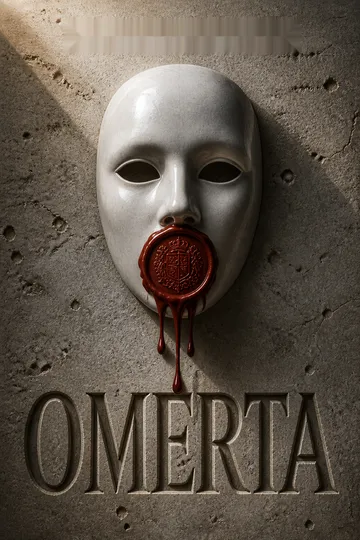
Secrecy shields the familyOmerta is the rule that prevents people in the criminal world from naming their associates to the authorities. Vito1's organization reinforces it through loyalty, support for imprisoned members' families, and a layered chain of command that separates the Don1 from operations. The law of silence is also rooted in Sicily, where official institutions have long been treated as instruments of the powerful. The device protects the Corleones from prosecution, but it also limits honest communication within families. Michael2 withholds information from Kay3, and even trusted associates know only the portion of a plan required for their work. Silence can preserve safety while making intimacy impossible.
Political protection
Influence preserves powerThe Corleone empire depends on relationships with judges, police, labor leaders, and elected officials. Vito1 builds those ties over years by offering favors and placing loyal people in useful positions. They allow the family to protect gambling and other businesses while keeping the Don1 distant from visible criminal acts. Sollozzo13's proposal depends on this infrastructure, and Vito1's refusal is dangerous precisely because his influence is difficult to replace. Michael2 later inherits much of the network and uses it to prepare the family's move west. Political protection is not merely background corruption. It is the strategic asset that turns personal authority into durable institutional power.
The staged meeting
Trust conceals a trapNegotiations recur throughout the novel as both genuine efforts at peace and opportunities to study an opponent. The restaurant meeting between Michael2, Sollozzo13, and McCluskey is arranged to make everyone feel protected, while hidden preparation gives Michael2 his chance to act. Later, Tessio11's proposed meeting with Barzini14 appears to offer a safe settlement but is actually designed to expose Michael2. The device tests how much each character understands about power and loyalty. A meeting is never only a conversation: its location, escort, timing, and the people who arrange it all reveal who controls the risks.
Las Vegas expansion
Crime seeks respectabilityThe Corleones' move west offers a path from olive oil, gambling, and New York street power into hotels, casinos, entertainment, and construction. Michael2 sees the new market as both a source of wealth and a chance to place the family inside legitimate business. The plan requires help from Johnny6, Fredo9, Jules18, and other people whose skills are not those of traditional soldiers. Yet the transition relies on inherited political influence, strategic coercion, and the family's ability to secure obedience. Las Vegas therefore functions as a promise of reinvention and as a test of whether a new business form can alter the moral foundations of the old power.
FAQ
Synopsis & Basic Details
What is The Godfather about?
- Family, power, and succession: The novel centers on the Corleone family, a powerful Mafia dynasty in New York, and their struggle to maintain their influence and navigate the treacherous world of organized crime.
- The reluctant heir: It follows Michael Corleone's transformation from a war hero who wants nothing to do with his family's business into the ruthless Don who secures their future.
- A clash of values: The story explores the conflict between traditional Sicilian values of family, honor, and loyalty, and the corrupting influence of power and violence in America.
Why should I read The Godfather?
- Complex characters: The novel offers a deep dive into the motivations and psychology of its characters, making them feel both human and terrifying.
- Intricate plot: The story is filled with twists, turns, and betrayals, keeping the reader engaged and invested in the Corleone family's fate.
- Exploration of themes: It examines universal themes of power, family, morality, and the American Dream, providing a thought-provoking and unforgettable reading experience.
What is the background of The Godfather?
- Post-World War II America: The novel is set in the aftermath of World War II, a time of economic prosperity and social change in America, but also a period of rising organized crime.
- Italian-American culture: It provides a glimpse into the traditions, values, and struggles of Italian-American immigrants in the mid-20th century.
- The Mafia's influence: The story is rooted in the historical context of the Mafia's rise to power in America, exploring its structure, operations, and impact on society.
What are the most memorable quotes in The Godfather?
- "I'm going to make him an offer he can't refuse.": This iconic line, spoken by Don Corleone, encapsulates his power and the methods he uses to achieve his goals. It highlights the theme of coercion and the lengths to which the Corleones will go to get what they want.
- "Friendship is everything. Friendship is more than talent. It is more than government. It is almost the equal of family.": This quote reveals Don Corleone's values and the importance he places on loyalty and personal connections. It underscores the theme of friendship as a currency and a source of power.
- "A man who is not a father to his children can never be a real man.": This quote emphasizes the importance of family and the role of a father in shaping his children's lives. It speaks to the traditional values that Don Corleone holds dear and his desire to pass them on to his sons.
What writing style, narrative choices, and literary techniques does Mario Puzo use?
- Third-person omniscient narration: Puzo employs a third-person omniscient narrator, allowing readers access to the thoughts and feelings of multiple characters, providing a comprehensive view of the story's events and motivations.
- Realistic dialogue: The dialogue is gritty and authentic, capturing the language and cadence of the characters, adding to the story's realism and immersion.
- Foreshadowing and symbolism: Puzo uses subtle foreshadowing and recurring symbols, such as the orange, to hint at future events and deepen the story's thematic resonance.
Hidden Details & Subtle Connections
What are some minor details that add significant meaning?
- The orange peel: The presence of oranges often foreshadows death or violence. For example, Don Corleone is shot after buying oranges, and the severed horse head in Woltz's bed is surrounded by orange peels. This subtle detail creates a sense of unease and foreboding.
- The weight of tradition: The emphasis on Sicilian customs and traditions, such as the importance of family, honor, and respect, highlights the clash between the old world and the new, and the challenges of maintaining cultural identity in America.
- The power of silence: The concept of omertà, the Sicilian code of silence, is a recurring motif that underscores the importance of loyalty and the dangers of betrayal. It also highlights the insular nature of the Mafia and its ability to operate outside the law.
What are some subtle foreshadowing and callbacks?
- Bonasera's promise: Bonasera's initial promise to repay Don Corleone's favor "someday" foreshadows the eventual call for that service, highlighting the long-term nature of the Don's influence and the inescapable nature of obligations.
- Sonny's temper: Sonny's impulsive and violent nature is established early on, foreshadowing his eventual downfall. His inability to control his anger leads him into errors of judgment and ultimately contributes to his death.
- Michael's alienation: Michael's initial reluctance to join the family business and his desire for a different life are subtly contrasted with his growing involvement in the Corleone's affairs, foreshadowing his eventual transformation into the ruthless Don.
What are some unexpected character connections?
- Tom Hagen's loyalty: Tom Hagen's unwavering loyalty to the Corleone family, despite not being of Italian descent, highlights the power of chosen family and the bonds that can transcend blood ties. His backstory as an orphan taken in by the Corleones adds depth to his character and explains his devotion.
- Luca Brasi's devotion: Luca Brasi's almost unnatural devotion to Don Corleone, despite his fearsome reputation and lack of fear for anything else, underscores the Don's unique ability to command respect and loyalty. His willingness to die for the Don highlights the power of personal connection in the Mafia world.
- Johnny Fontane's dependence: Johnny Fontane's reliance on Don Corleone for help, despite his fame and success, reveals the Godfather's far-reaching influence and the vulnerability of even the most powerful individuals. It also highlights the cyclical nature of favors and obligations in the Corleone family's world.
Who are the most significant supporting characters?
- Tom Hagen: As the Corleone family's consigliere, Tom Hagen provides crucial legal and strategic advice, navigating the complex world of organized crime and acting as a bridge between the family and the outside world. His non-Italian background offers a unique perspective on the Corleone's operations.
- Clemenza: As a caporegime, Clemenza is a key enforcer and administrator, responsible for carrying out the Don's orders and managing a significant portion of the family's operations. His loyalty and ruthlessness make him a valuable asset to the Corleone family.
- Luca Brasi: As the Don's personal enforcer, Luca Brasi is a symbol of the Corleone family's power and a reminder of the consequences of crossing them. His fearsome reputation and unwavering loyalty make him a formidable force in the underworld.
Psychological, Emotional, & Relational Analysis
What are some unspoken motivations of the characters?
- Michael's desire for approval: Michael's initial reluctance to join the family business may stem from a desire to prove himself worthy of his father's respect on his own terms, rather than simply following in his footsteps. His eventual embrace of the Don role suggests a complex mix of duty, ambition, and a need for validation.
- Sonny's need for control: Sonny's impulsive and violent behavior may be driven by a need to assert his dominance and control, both within the family and in the wider world. His hot temper and quickness to anger mask a deep-seated insecurity and a fear of being seen as weak.
- Kay's search for belonging: Kay's attraction to Michael and her willingness to enter his world may be rooted in a desire for excitement and a sense of belonging, a contrast to her seemingly ordinary life in New England. Her eventual conversion to Catholicism suggests a search for stability and meaning within the Corleone family's traditions.
What psychological complexities do the characters exhibit?
- Don Corleone's paternalism: Don Corleone's seemingly benevolent actions are often motivated by a desire to maintain control and protect his own interests. His paternalistic approach to his family and community masks a ruthless pragmatism and a willingness to use violence to achieve his goals.
- Michael's internal conflict: Michael's transformation from a war hero to a cold-blooded killer is marked by a deep internal conflict. He struggles to reconcile his love for his family with the moral compromises he must make to protect them, leading to a sense of alienation and a loss of innocence.
- Sonny's self-destructiveness: Sonny's impulsive and violent nature, while making him a formidable enforcer, also contributes to his downfall. His inability to control his anger and his disregard for consequences ultimately lead to his death, highlighting the self-destructive tendencies that can accompany power.
What are the major emotional turning points?
- Michael's decision to kill Sollozzo: This act marks a turning point in Michael's character arc, as he crosses a moral line and embraces the violence that defines his family's world. It sets him on a path from which there is no return.
- Sonny's death: This event is a major emotional blow to the Corleone family, triggering a desire for revenge and escalating the conflict with their rivals. It also forces Michael to step up and take on a greater leadership role.
- Kay's realization of Michael's true nature: Kay's growing awareness of Michael's ruthlessness and the true nature of his family's business creates a sense of unease and moral conflict. Her decision to stay with him, despite her reservations, highlights the complexities of love and loyalty in the face of moral compromise.
How do relationship dynamics evolve?
- Michael and Don Corleone: Their relationship evolves from one of filial affection and respect to a complex power dynamic, as Michael gradually assumes control of the family business. The Don's initial reluctance to involve Michael gives way to a grudging acceptance of his son's abilities and a recognition of his potential to lead the family into the future.
- Michael and Kay: Their relationship is tested by Michael's growing involvement in the Corleone family's affairs and Kay's increasing awareness of his true nature. Their love is strained by secrets, lies, and moral compromises, but their bond remains strong, driven by a shared desire for family and a sense of obligation.
- Sonny and Michael: Their relationship is marked by sibling rivalry and contrasting personalities. Sonny's impulsive and violent nature clashes with Michael's strategic and calculating approach, creating tension and conflict within the family. Despite their differences, they share a deep loyalty to their father and a commitment to protecting the Corleone legacy.
Interpretation & Debate
Which parts of the story remain ambiguous or open-ended?
- The extent of Michael's guilt: The novel leaves open to interpretation the extent to which Michael is truly responsible for the violence and corruption that surround him. Is he a victim of circumstance, forced to make difficult choices to protect his family, or is he a willing participant in a morally bankrupt system?
- The future of the Corleone family: The novel's ending leaves the future of the Corleone family uncertain. Will Michael succeed in legitimizing their operations and securing a better life for his children, or will the cycle of violence and corruption continue?
- Kay's ultimate fate: Kay's decision to stay with Michael, despite her knowledge of his true nature, raises questions about her own moral compass and her ability to reconcile her values with the Corleone family's world. Will she find happiness and fulfillment in her role as the Don's wife, or will she be forever haunted by the darkness that surrounds her?
What are some debatable, controversial scenes or moments in The Godfather?
- Michael's murder of Sollozzo and McCluskey: This scene is highly controversial, as it marks Michael's transformation from a reluctant outsider to a cold-blooded killer. Some argue that it is a necessary act of self-defense, while others see it as a betrayal of his former self and a descent into moral depravity.
- The treatment of women: The novel's portrayal of women has been criticized for its objectification and lack of agency. Female characters are often relegated to supporting roles, defined by their relationships to men and subjected to violence and abuse.
- The glorification of violence: The novel's depiction of violence has been both praised for its realism and criticized for its potential to glorify criminal behavior. Some argue that the violence is necessary to portray the brutal realities of the Mafia world, while others believe that it can desensitize readers to the consequences of violence.
The Godfather Ending Explained: How It Ends & What It Means
- Michael's consolidation of power: The ending sees Michael successfully eliminating his rivals and consolidating his control over the Corleone Family, securing their place as the dominant force in the underworld. This highlights the cyclical nature of power and the ruthless measures required to maintain it.
- Kay's exclusion and moral compromise: Kay's final scene, witnessing Michael's transformation into the new Don and being excluded from his inner circle, underscores the moral compromises she has made and the price of her loyalty. It also highlights the limitations of her influence and the patriarchal nature of the Corleone family.
- The Corleone legacy secured: Despite the violence and moral compromises, the ending suggests that Michael has successfully secured the Corleone legacy, ensuring the family's survival and prosperity for future generations. However, the cost of this success is high, as Michael has sacrificed his own soul and alienated himself from those he once loved.
The Godfather Series

Download PDF
Download EPUB
.epub digital book format is ideal for reading ebooks on phones, tablets, and e-readers.








