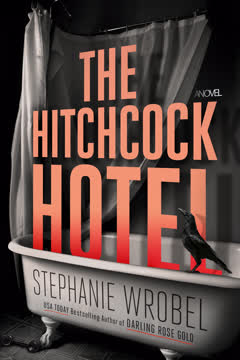
Plot Summary
Prologue: Crow's Ominous Flight
A lone crow, separated from its kin, flits through the dim, haunted corridors of the Hitchcock Hotel. It is drawn by a primal sense of danger, witnessing a grotesque, lifeless form before fleeing in terror. The crow's perspective sets a tone of foreshadowing and suspicion, hinting that the hotel and its inhabitants are trapped in a web of secrets and impending violence. The crow's inability to find its way home mirrors the guests' own entrapment—both literal and psychological—within the hotel's walls. This avian prologue frames the story as one of observation, judgment, and the inescapable consequences of guilt.
Reunion Invitations Delivered
Alfred Smettle, owner of the Hitchcock Hotel, meticulously prepares for a reunion with his five former college friends: Zoe, Grace, Samira, TJ, and Julius. Each invitation is laced with subtle manipulation, and Alfred's obsessive attention to detail reveals his need for control and validation. The hotel itself is a shrine to Hitchcock, filled with memorabilia and designed to evoke suspense. Alfred's motivations are ambiguous—part nostalgia, part revenge. The friends, each carrying unresolved guilt and secrets from their college days, accept the invitation with varying degrees of reluctance, setting the stage for a weekend of psychological games and reckoning.
Old Friends, New Tensions
As the guests arrive, old dynamics quickly reemerge. Zoe, struggling with sobriety and shame, is wary of Alfred's intentions. Grace, now a high-powered financier, is haunted by past complicity. Samira, the group's empathetic center, is privately overwhelmed by her own life changes. TJ, once sensitive and now hardened, hides a dangerous secret. Julius, the group's jester, masks pain with bravado. The group's banter is laced with barbs, and Alfred's hospitality feels performative, even sinister. The hotel's eerie ambiance and Hitchcockian references amplify the sense that beneath the surface, something is very wrong.
The Hitchcock Hotel Unveiled
Alfred leads his friends through the hotel, showcasing its Hitchcock-inspired features: a home theater, an aviary of crows, and props from classic films. The tour is both impressive and unsettling, as Alfred's fixation on Hitchcock's themes of voyeurism, guilt, and violence becomes apparent. The guests are both fascinated and disturbed by the immersive environment, which seems designed to provoke discomfort and dredge up memories. The hotel's isolation and Alfred's controlling presence heighten the group's anxiety, foreshadowing the psychological traps to come.
Dinner Games and Dark Stories
At dinner, Alfred initiates a "perfect murder" game, asking each guest how they would commit an untraceable crime. The conversation, meant to be playful, quickly turns dark as old grievances and suspicions surface. Alfred's probing questions and the group's evasive answers reveal deep-seated mistrust. Zoe, already on edge, suspects she is being targeted. The dinner becomes a battleground of veiled accusations, with Alfred relishing his role as puppet master. The guests leave the table unsettled, their camaraderie fractured by the resurfacing of past betrayals.
Secrets, Sickness, and Suspicion
The next day, Zoe falls violently ill, convinced she has been poisoned. She finds a clump of grass on her pillow—a reference to a gruesome story Alfred told about the house's previous owners. Samira experiences a terrifying encounter with a shadowy intruder in her room. The group's unease escalates as pranks and inexplicable events multiply. Missing phones, strange noises, and the sense of being watched drive the friends to paranoia. Each begins to suspect the others—and especially Alfred—of malicious intent, as the hotel's atmosphere grows increasingly claustrophobic and menacing.
Haunted by College Betrayals
Through flashbacks, the true nature of the group's college history is revealed. Alfred was expelled for running a cheating ring, but he took the fall for Grace, who masterminded the operation. Julius betrayed Alfred to the administration out of spite. Zoe, struggling academically, was both a beneficiary and a victim of the scheme. Samira and TJ, though less directly involved, failed to support Alfred when he needed them most. The group's collective guilt over their abandonment and complicity festers, fueling the current atmosphere of suspicion and dread.
Pranks, Poison, and Paranoia
The weekend spirals as the guests are subjected to increasingly elaborate pranks and threats: boots staged to look like a prowler, a mannequin floating in the pond, and a crow attacking Julius. Zoe discovers a bottle of antifreeze in the kitchen, confirming her fears of poisoning. The group's trust disintegrates as they accuse each other and Alfred of orchestrating the terror. The hotel, once a nostalgic retreat, becomes a psychological torture chamber. Alfred's true intentions remain opaque, but it is clear that someone is pushing the group toward a breaking point.
The Attic's Hidden Vents
A search of the hotel reveals a hidden attic with vents overlooking each guest room—Alfred has been spying on his friends. The discovery is both a literal and symbolic exposure of the group's secrets. The sense of violation is profound, and the guests realize that their every move has been observed and possibly manipulated. The attic, filled with Hitchcock memorabilia and personal artifacts, becomes the epicenter of the hotel's menace. The revelation of surveillance shatters any remaining trust and sets the stage for the story's violent climax.
Missing Phones, Missing Trust
The guests' phones go missing, and all the car tires are slashed, trapping them at the hotel. Attempts to contact the outside world are thwarted, and the group's desperation mounts. Alfred's explanations grow increasingly implausible, and the guests suspect he is orchestrating their isolation. The hotel's staff, including the enigmatic housekeeper Danny, are either absent or complicit. The group's alliances shift as they search for their phones and a way out, but every discovery only deepens the mystery and their sense of entrapment.
The Perfect Murder Unfolds
The group discovers Alfred's body at the base of the attic ladder, his neck twisted and blood pooling beneath his head. The scene is staged to resemble an accident, echoing the "perfect murder" scenarios discussed at dinner. Shock and horror give way to suspicion as each guest becomes both a potential suspect and a potential victim. The group's shared history of betrayal and guilt resurfaces, and the line between accident and murder blurs. The hotel, now a crime scene, becomes a crucible for confession and blame.
Death in the Closet
As the police arrive and begin their investigation, the guests are forced to confront their actions and motivations. Samira confesses to pushing Alfred in self-defense after discovering his voyeurism, believing she killed him. However, evidence suggests Alfred was strangled after his fall. The group's secrets unravel: Grace's affair with TJ, her role in the college cheating scandal, and her manipulation of the reunion. Each confession is met with a mix of empathy and condemnation, as the friends realize the depth of their entanglement in one another's lives and crimes.
The Blame Game Begins
The enigmatic housekeeper Danny is revealed to be the widow of Dr. Scott, the professor whose death was orchestrated by Alfred and Grace years earlier. Danny's long quest for justice culminates in her strangling Alfred after Samira's accidental push. She frames Grace for the murder, planting evidence and manipulating the investigation. The police, guided by Danny's subtle machinations, arrest Grace. The remaining friends, traumatized and chastened, are left to grapple with the consequences of their actions and the true cost of their betrayals.
Confessions and Consequences
In the aftermath, the group disperses, forever changed by the events at the Hitchcock Hotel. Samira, wracked with guilt but exonerated, confesses her role to the others. TJ and Julius form an unexpected alliance, while Zoe contemplates a new beginning free from the weight of her secrets. The truth about Dr. Scott's death and the group's complicity is finally spoken aloud, offering a measure of closure but no easy redemption. The hotel, now empty and haunted by memory, stands as a monument to the destructive power of guilt and the impossibility of escaping the past.
The Widow's Final Justice
Danny, having achieved her long-sought revenge, quietly leaves the hotel. Her narration reveals the depth of her grief and the cold satisfaction of her justice. She reflects on the moral ambiguity of her actions and the failures of the legal system to deliver closure. The crows, ever watchful, bear witness to the end of the story, their cries echoing the unresolved pain and the cyclical nature of violence and retribution. The hotel's future is uncertain, but Danny's work is done.
Aftermath and Unraveling Truths
Months later, the survivors attempt to rebuild their lives. The hotel is left in limbo, its legacy tainted by tragedy. The friends, once inseparable, are now bound only by the memory of what happened within its walls. The crows, symbols of judgment and fate, remain as silent witnesses. The story ends as it began: with observation, ambiguity, and the haunting question of whether true justice—or forgiveness—is ever possible.
Characters
Alfred Smettle
Alfred is the architect of the reunion and the hotel's Hitchcockian nightmare. Once an awkward, earnest college student, he was expelled for a cheating ring he ran with Grace, taking the fall for her. His life since has been marked by bitterness, loneliness, and a desperate need for validation. The hotel is both his sanctuary and his stage for revenge, meticulously designed to evoke suspense and control. Alfred's psychological wounds drive him to manipulate, surveil, and ultimately endanger his friends. His obsession with Hitchcock mirrors his own voyeuristic tendencies and desire for narrative justice. In the end, Alfred is both victim and villain—destroyed by the very cycle of betrayal and vengeance he sought to master.
Grace Liu
Grace is the group's former queen bee, now a successful financier. Brilliant, ambitious, and emotionally guarded, she masterminded the college cheating ring but let Alfred take the blame. Her need for control and fear of exposure drive her to manipulate the reunion and her friends. Grace's affair with TJ and her willingness to sacrifice others for self-preservation reveal her moral flexibility. She is haunted by guilt but resists vulnerability, ultimately becoming the scapegoat for Alfred's murder. Grace embodies the dangers of unchecked ambition and the corrosive effects of secrets.
Zoe Allen
Zoe, once the group's wild child, is now a chef battling addiction and shame. Her academic struggles made her dependent on the cheating ring, and her guilt over Dr. Scott's death and her own complicity haunts her. Zoe's suspicion and paranoia at the hotel are fueled by her history of being gaslit and dismissed. She is both a victim and a potential avenger, desperate for closure but unsure how to achieve it. Zoe's journey is one of painful self-reckoning, as she confronts the limits of forgiveness and the necessity of truth.
Samira Reddy
Samira is the group's emotional anchor, now a successful entrepreneur and mother. She is overwhelmed by her own life changes and the burden of her friends' secrets. Samira's accidental push of Alfred, in self-defense after discovering his voyeurism, becomes the catalyst for his death. Her guilt and honesty set her apart, and her eventual confession is an act of courage and integrity. Samira's arc explores the complexities of responsibility, the limits of empathy, and the cost of survival in a world where good intentions are not enough.
TJ Stewart
TJ, once sensitive and bookish, has reinvented himself as a bodyguard, hiding a dangerous secret involving political corruption. His affair with Grace and his failure to support Alfred in college reveal his conflicted loyalties. TJ's paranoia and need for control mirror Alfred's, but his ultimate willingness to confess and seek help marks a path toward redemption. TJ's journey is one of grappling with masculinity, vulnerability, and the consequences of moral compromise.
Julius Thénardier
Julius is the group's jester, using humor to mask insecurity and guilt. His betrayal of Alfred to the administration was motivated by wounded pride and a need for validation. Julius's wealth and privilege insulate him from consequences, but his cancer diagnosis and emotional isolation force him to confront his own mortality and failings. Julius's arc is one of self-awareness and the search for genuine connection, as he moves from self-protection to solidarity with his friends.
Danny (Housekeeper/Danny Danielson)
Danny is the enigmatic housekeeper, later revealed as the widow of Dr. Scott, the professor whose death was orchestrated by Alfred and Grace. Driven by grief and a thirst for justice, Danny manipulates events behind the scenes, ultimately killing Alfred and framing Grace. Her actions are both ruthless and understandable, a response to the failures of the legal system and the indifference of the world. Danny's perspective reframes the story as one of retribution and the limits of forgiveness, challenging the reader's sympathies and sense of justice.
Dr. Jerome Scott
Dr. Scott, though deceased before the main events, is the story's moral center and the catalyst for the group's downfall. His passion for film and teaching inspired his students, but his exposure of the cheating ring led to his own death. Dr. Scott's memory haunts the characters, especially Danny, and his fate is a constant reminder of the consequences of betrayal and the fragility of trust.
The Crows
The crows, both literal and metaphorical, serve as observers and omens throughout the novel. Their presence evokes Hitchcock's The Birds and symbolizes the inescapable gaze of conscience, fate, and the past. The crows' perspective bookends the story, reinforcing themes of observation, judgment, and the cyclical nature of violence and retribution.
The Hotel Staff (Chef, Concierge, Bartender)
The hotel staff, though largely background figures, contribute to the atmosphere of suspicion and unease. Their absences and peculiarities serve as red herrings, distracting the guests and readers from the true sources of danger. They embody the theme of complicity—how ordinary people can become part of a system that enables harm, even unwittingly.
Plot Devices
Hitchcockian Structure and Motifs
The novel is structured as a psychological thriller, echoing Hitchcock's films in both form and content. The use of voyeurism (the attic vents), unreliable narrators, and shifting perspectives creates a sense of constant surveillance and uncertainty. The "bomb under the table" device—where the audience knows more than the characters—generates suspense, while red herrings and misdirection keep the reader guessing. The hotel itself is a character, its design and props reinforcing themes of guilt, observation, and the blurred line between performance and reality. Flashbacks and confessions gradually reveal the group's shared history, layering the narrative with moral ambiguity and emotional complexity.
Foreshadowing and Symbolism
The story is rich with foreshadowing: the crow's flight, the grass on the pillow, the glass of milk, and the mannequin in the pond all signal impending violence and the resurfacing of buried secrets. Hitchcock memorabilia and film references serve as both atmosphere and allegory, linking the characters' actions to classic tales of guilt, betrayal, and revenge. The crows, in particular, symbolize the inescapable gaze of fate and the inevitability of judgment.
Locked-Room Mystery and Isolation
The missing phones, slashed tires, and remote location create a classic locked-room scenario, isolating the characters and forcing them to confront one another and their pasts. The hotel's design—full of hidden spaces and surveillance—mirrors the characters' psychological entrapment. The sense of being watched, both by Alfred and by one another, amplifies paranoia and accelerates the unraveling of alliances.
Confession and Unreliable Narration
The story unfolds through multiple perspectives, each character revealing only part of the truth. Confessions—both voluntary and coerced—drive the plot forward, but each is colored by self-justification, denial, or manipulation. The ultimate revelation of Danny's role reframes the entire narrative, challenging the reader's assumptions and sympathies. The use of unreliable narration underscores the theme that truth is elusive, and justice is often a matter of perspective.
Justice, Revenge, and Moral Ambiguity
The novel interrogates the nature of justice and the ethics of revenge. Each character is both victim and perpetrator, their actions shaped by past wounds and present fears. Danny's quest for vengeance, Alfred's need for retribution, and Grace's self-preservation all raise questions about the possibility of redemption and the cost of survival. The story resists easy answers, leaving the reader to grapple with the complexities of guilt, forgiveness, and the human capacity for both harm and healing.
Analysis
Stephanie Wrobel's The Hitchcock Hotel is a masterful exploration of guilt, complicity, and the corrosive effects of unresolved trauma. By weaving Hitchcockian suspense with a modern locked-room mystery, Wrobel interrogates the ways in which the past shapes the present and how secrets, left to fester, can destroy even the closest of bonds. The novel's structure—layered with flashbacks, shifting perspectives, and symbolic motifs—mirrors the psychological labyrinth in which the characters are trapped. Each friend is forced to confront their own role in a long-ago betrayal, and the story's ultimate revelation—that justice is delivered not by the law but by a grieving widow—challenges conventional notions of morality and closure. The crows, ever watchful, remind us that judgment is both inescapable and ambiguous. In the end, The Hitchcock Hotel is less a whodunit than a meditation on the impossibility of escaping one's own conscience, the dangers of unchecked ambition and resentment, and the high price of silence. The novel asks: Can we ever truly atone for the harm we cause, or are we all, in the end, both cat and mouse?
Last updated:
Review Summary
The Hitchcock Hotel receives mixed reviews averaging 3.6/5 stars. Readers praise the compelling premise of a Hitchcock-themed hotel and the locked-room mystery setup. Hitchcock fans particularly enjoy the film references and atmospheric setting. However, many find the pacing slow, especially in the first half, with excessive backstory and unlikable characters. The ending divides readers—some appreciate the twists while others find them predictable or anticlimactic. Common criticisms include overly melodramatic writing, a villain monologue finale, and characters staying despite danger for implausible reasons. Several reviewers note the book feels longer than necessary.