

Plot Summary
Prologue
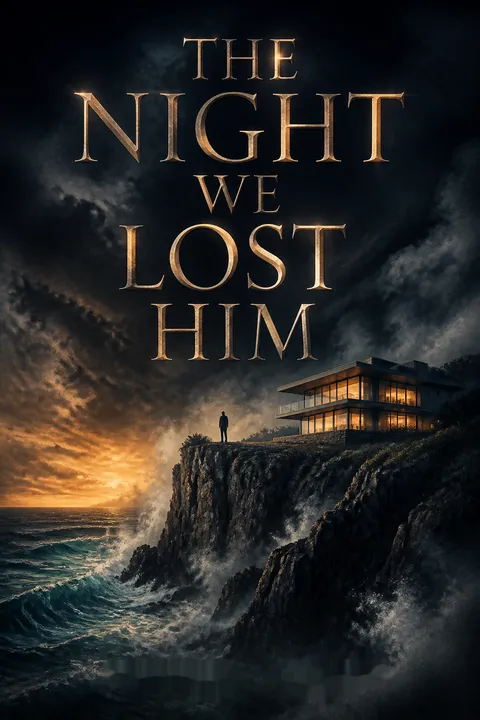
After building a hotel empire, Liam Noone buys Windbreak, a modest cliffside cottage on the California coast, and keeps it as his private refuge. Decades later, widowed from his secret hopes and estranged from parts of his family, he walks its edge, replaying the choices that shaped his life.
He believes he tried to protect his children, though he also preferred being alone at Windbreak. Then someone pushes him over the cliff. His last thought is that his children should be spared what is coming.
The opening gives away the death but withholds the killer, turning suspense away from whether Liam fell and toward the choices that brought him to the edge. Windbreak is both refuge and evidence: the place where Liam could escape his crowded family life, yet where that life’s unresolved attachments finally converge. His final thought makes protection his deepest instinct, but the novel complicates that virtue. Liam’s habit of keeping his children apart may have been care, avoidance, or both. The cliff becomes a physical boundary where those motives can no longer remain separate.
Sam Breaks the Silence
Nora Noone, a Brooklyn architect, has been avoiding her half-brother Sam and the legal affairs left by their father, hotel magnate Liam Noone. While viewing a brownstone for Sam’s fiancée, Morgan, she discovers Sam hired her without revealing their relationship. He stops her from leaving by claiming their father’s death at Windbreak was not an accident.
Nora distrusts his motives and resents his long silence, but Sam points to a recent change in Liam’s will and asks her to investigate with him in California. The will leaves Nora Windbreak, the coastal cottage she once declined to visit with Liam. Still grieving her mother’s sudden death and her own distance from her father, Nora agrees to fly west.
Sam’s accusation turns a family inheritance into an invitation to revisit a relationship Nora had managed by keeping it at arm’s length. Her professional instinct is to inspect what others overlook, but here scrutiny also threatens her carefully maintained distance from her father. The will makes Windbreak more than property: it is a belated gesture from a man she cannot question, and a place tied to a missed opportunity to reconnect. Sam’s appeal is effective not because Nora trusts his theory, but because she recognizes that refusing to look would repeat the same avoidance she now regrets.
The Cliff Has Blind Spots
At Windbreak, Sam and Nora walk the grounds with Detective O’Brien, who maintains that Liam slipped during a rainy evening walk. The investigation found no evidence of another person on the property, but the perimeter has no cameras and the beach stairs can be opened with a keypad that records no entries.
A couple found Liam below the bluff; a third witness, a jogger in unusual clothes, left before police arrived and was never interviewed. Nora sees that the detective’s confidence exceeds the evidence, while Sam pushes him to account for the untracked hours before the fall. In Liam’s office, Sam finds papers showing their father had explored selling Noone Properties to Cece Salinger, a rival hotel magnate.
The physical layout supplies the mystery with its central epistemic problem: a large property, several ways in and out, and a security system that protects privacy better than truth. Nora’s architectural training makes her notice gaps in coverage and movement, while Sam’s anger makes him challenge the official narrative directly. Neither approach is sufficient alone. The absent jogger is especially potent because he is not a dramatic clue so much as a failure of procedure, a person whose departure becomes suspicious only because no one followed up. The scene establishes how institutional certainty can conceal incomplete work.
The Sale That Stalled
Uncle Joe, Liam’s cousin and closest business partner, confirms that he investigated Cece Salinger’s offer at Liam’s request, though Liam eventually abandoned the sale. Joe dismisses Sam’s suspicion that their father had been behaving strangely and refuses to explain what else troubled him. On the drive toward the airport, Sam reveals that Liam once warned him away from a job connected to Cece’s group.
The siblings detour to meet Cece, who admits Liam called her twice on the night he died. She appears genuinely shaken by the possibility that he was harmed, but cannot explain why he reached out. Her account makes the abandoned sale, Liam’s final calls, and Joe’s guardedness seem connected without proving how.
The investigation becomes harder because each adult offers a plausible fragment while protecting some boundary of their own. Joe’s loyalty may look like obstruction; Cece’s candor may be a bid to control what the siblings learn. Nora is alert to the difference between a person hiding information and a person hiding guilt, but grief makes that distinction unstable. The sale also unsettles the brothers’ expected inheritance, giving Sam a personal stake that could distort his suspicions. The novel uses business negotiation not as a detached subplot but as a vocabulary for intimacy, secrecy, and who is permitted to inherit a life’s work.
The Phone Went Missing
Unable to get a late flight home, Nora and Sam sleep at The Ranch, Liam’s flagship resort. A night receptionist, Carmen, shares how Liam supported him during his wife’s difficult pregnancy and showed him photographs of his own sons. The story makes Nora reconsider how much of her father’s life she never saw. She then notices that police recovered Liam’s wallet, glasses, and pen, but not his phone.
Sam confirms it was absent from Windbreak. Back in New York, the company’s IT director reports that Liam’s phone remained active near Santa Barbara days after his death, while his laptop is also missing. Liam had disabled company backups on his and Grace’s computers, suggesting private files may remain beyond the heirs’ reach.
Carmen gives Nora evidence of Liam through an ordinary act of care, not a grand gesture: time off for a worker whose family needed him. That account disrupts the limited image Nora has inherited from her own carefully separated visits. The missing phone then converts this emotional widening into an investigative lead. Its continued activity after the fall means someone may have taken it, but the absent backup system prevents technology from supplying an easy answer. Liam’s insistence on privacy now protects both a hidden past and the people who might be implicated in it.
Grace’s Laptop Trail
Nora and Sam learn that Grace, Liam’s longtime creative partner, had one of the few company laptops kept outside the network. Her widower, photographer Paul Turner, says he no longer has it because Joe requested Grace’s belongings after her death. Paul also recalls that Grace warned him not to trust Liam’s children, a remark that leaves Nora uneasy.
Their half-brother Tommy, who runs the company with Sam, later admits he independently investigated the proposed sale after hearing about it from a lawyer. A magazine profile of Cece links her recent divorce and new California home to Paul’s photography. Tommy suspects Cece and Joe are involved, and Sam’s fury at being excluded exposes how badly the twins’ partnership has fractured.
The trail through Grace’s devices and Paul’s guarded answers illustrates that access to information is also a question of grief and ownership. Paul has removed reminders of his wife, while Joe has taken custody of her work materials; each can describe those actions as care. Tommy’s independent investigation further destabilizes the family’s formal structure, showing that the brothers are heirs on paper but not collaborators in practice. Nora’s role changes here: she is no longer merely Sam’s skeptical escort. She becomes a translator among people whose anger, bereavement, and rival loyalties make every explanation partial.
Sam’s Other Losses
At Noone’s unfinished Hudson Valley project, The Acres, Sam and Nora confront Tommy and his pregnant wife, Kira. Afterward, Sam takes Nora to see Taylor, his former partner, and admits she married someone else shortly after their breakup. His grief over Taylor, combined with the wrist injury that ended his baseball career, helps Nora understand why he has clung to Noone Properties and rushed toward marrying Morgan.
On the drive back, Sam describes baseball as the place where he once felt sure of his next move. Nora challenges him to distinguish the life he wants from the life that seems safest. Their conversation deepens their bond, but Sam later retreats from the investigation, overwhelmed by what it is forcing him to reconsider.
Sam’s subplot gives the investigation a second meaning: the search for what happened to Liam also forces Sam to ask whether he is living by inheritance or by desire. The losses of baseball and Taylor have trained him to seek certainty in roles that can be named, such as executive and fiancé. Nora sees the cost of that strategy because she is confronting her own avoidance of Jack. Her advice is not superior wisdom so much as recognition across parallel grief: both siblings have been trying to secure what loss has made impossible to guarantee.
Jack Steps Away
Nora’s relationship with Jack, her childhood sweetheart and fiancé, deteriorates as she withdraws into the investigation and accepts late-night comfort from Elliot, a former boyfriend and Austin’s father. Jack offers to accompany her to California, but Nora keeps him at a distance.
After returning to New York, he tells her he will temporarily run a friend’s restaurant in California because their closeness no longer feels mutual. Around the same time, forensic pathologist Susan Clifton reviews Liam’s records.
She says the fall could fit more than one explanation, but a cheek injury and the apparent force of the fall warrant further investigation; the original police conclusions were premature. Nora refuses Elliot’s offer of intimacy and begins searching for the personal history behind Liam’s final days.
The external mystery and the romantic conflict share a structure: Nora keeps information and feeling at a distance, then calls that distance protection. Jack’s departure is painful precisely because it is not punitive; he refuses to force closeness that Nora cannot choose freely. Clifton’s cautious assessment offers a parallel correction to Nora’s habits: uncertainty is not a verdict, and admitting it is more responsible than pretending the case is closed. Nora’s refusal of Elliot marks a first concrete act of loyalty to her present, even before she knows whether Jack will return.
Cory’s Name Returns
Nora visits Liam’s childhood home in Midwood and finds the names Cory and Liam carved into a closet wall. The current resident recalls seeing Liam there months before his death with a woman.
At Windbreak, Nora searches the books and photographs her father kept, then discovers a high-school literary journal containing writing by Cordelia Ryan, whose portrait resembles Grace. A handwritten dedication from Liam confirms that the young writer and Grace are the same person.
Nora reinterprets decades of memories: Grace appeared beside her father at family events and in photographs, while her mother and Grace shared an unmistakable familiarity. The discovery suggests that Liam’s bond with Grace shaped both his company and the private meaning of Windbreak.
The journal turns the novel’s archival objects into a counter-family album. A school publication and a carved name outlast the official categories that kept Liam’s relationships compartmentalized. Nora has to revise memory without discarding it: Grace was present, but Nora did not know how to read her presence. This is not simply a revelation about an affair; it exposes how children can live inside a family arrangement whose central emotional facts remain unnamed. Nora’s architectural attention to preserved traces becomes a method of reading people, but the evidence also asks her to accept what no blueprint could have made visible.
Joe Opens the Drawer
Nora returns to California with Sam and confronts Joe using the journal. Joe confirms that Liam and Grace shared a lifelong, complicated bond and that Liam intended Grace to lead Noone Properties. After Grace died, Liam considered selling the company because he could not bear to continue without her, then changed course and left it to Sam and Tommy.
Joe explains that Windbreak was meant for Nora because Liam believed she would preserve it. He also reveals that he found Liam’s missing phone in the cottage bedroom and hid it to protect the private relationship. The phone clears Joe of taking it for personal gain, but Nora recognizes that someone else had reason to be at the cliff that night.
Joe’s confession reframes suspicion as a problem of misread loyalty. He withheld the truth to honor Liam and Grace’s privacy, but that protection left the children to construct a murder theory from gaps. Liam’s succession plan also changes meaning: the company was not simply divided among his sons, and Windbreak was not merely a valuable asset for Nora. His choices were attempts to keep faith with people he had loved while providing for children he had failed to unite. The explanation is emotionally clarifying without solving the death, so knowledge brings the investigation closer to its most painful question.
Paul at the Door
Nora and Sam confront Paul at his Brooklyn apartment after Nora matches him to the unidentified jogger. Paul admits he came to Windbreak to scatter Grace’s ashes, following her wishes. Liam arrived unexpectedly, and the two men argued. Paul had spent years believing Liam was the obstacle to his life with Grace; seeing Liam devastated by her death stripped away that certainty.
When Liam tried to make peace, Paul pushed him in anger. He says he did not intend to send him over the cliff, but Liam fell and died. Paul then fled and called emergency services, leaving the other witnesses to find the body. Nora believes his account, and the siblings leave with the truth rather than the impossible comfort of a different ending.
The solution is not a calculated murder plot but a fatal convergence of grief, resentment, and a physical act whose consequence exceeds its intention. Paul’s confession preserves moral complexity without excusing him: he mistook the pain of loving someone unavailable for proof that another man had stolen her. Liam’s attempt to acknowledge Grace’s bond with Paul briefly dismantles that rivalry, but it cannot undo the push. Nora’s decision to believe Paul rests on reading remorse alongside evidence, a more difficult judgment than either automatic suspicion or easy absolution.
Ice Cream, Again
After hearing Paul’s confession, Nora and Sam walk Brooklyn’s waterfront and admit how much they miss Liam. Sam faces the likelihood that he must choose a life beyond the company and his hurried engagement, while Nora accepts that grief cannot be solved by withdrawing from the people still beside her.
A memory from a year earlier shows Liam offering Grace the ring he had carried since they first met; she declines marriage but agrees they could share a home. Nora then travels to the California restaurant Jack is running. Instead of demanding a reunion or promising that grief is over, she asks him to get ice cream with her. Jack accepts, restoring a small, familiar ritual as the first step toward rebuilding what her silence endangered.
The ending refuses to equate resolution with recovery. Nora cannot restore her parents or make Jack’s presence a guarantee against future loss; she can only choose an action that brings her back into relationship. The ice-cream invitation echoes the couple’s childhood meeting, but its meaning has changed: as an adult, Nora uses a modest request instead of hiding behind either certainty or grand promises. Sam’s future is similarly left open, with the investigation having made denial harder rather than supplying a tidy plan. The novel closes on chosen presence, not on safety.
Analysis
The novel’s mystery is built around a death that initially appears to have a simple physical explanation: a private walk, a rainy cliff, and a fatal fall. Each new clue complicates not only the mechanics of the death but the story the family tells itself about Liam. His children read his silence as distance, his business decisions as succession, and Joe’s secrecy as guilt. Those readings are understandable, but incomplete. The eventual account shows how grief and loyalty can look suspicious when the people who possess the truth believe that withholding it is an act of care.
Liam’s divided family life gives the book its central ethical tension. He tries to protect people by keeping their worlds separate, yet that compartmentalization deprives his children of the knowledge needed to understand him. His wish to leave the company to Grace, his later decision to leave it to his sons, and his gift of Windbreak to Nora each express care, but none repairs the cost of his evasions. Love does not erase the consequences of how it is practiced.
Nora’s work in neuroarchitecture offers a precise lens for her investigation. She reads the cliff, the missing cameras, the house, and the surviving documents as structures that channel movement and conceal certain facts. Yet the human story refuses the clean solution of a design problem. Paul’s push is impulsive and fatal, not a plotted scheme; the evidence can identify what happened without restoring what was lost. The book therefore treats truth as necessary but not curative.
Nora’s emotional resolution comes through chosen acts of presence. She allows Sam to become a brother rather than an adversary, turns away from Elliot’s familiar comfort, and risks asking Jack for a small shared pleasure without demanding certainty about the future. The ending’s quietness is its argument: grief cannot be engineered out of a life, but it need not become a reason to stop living one.
Review Summary
The Night We Lost Him receives mixed reviews, with readers praising Dave's writing style and character development but criticizing the slow pacing and lack of thrills. Many found it more of a family drama than a mystery thriller. Some readers enjoyed the emotional depth and interwoven timelines, while others felt disconnected from the characters. The book's exploration of complicated relationships and family secrets resonated with some, but others found it underwhelming compared to Dave's previous works. Overall, opinions varied widely, with ratings ranging from 1 to 5 stars.
People Also Read








Characters
Nora Noone
Architect trained to noticeNora is an independent Brooklyn architect who studies how designed spaces affect human well-being. Her work rewards precision, patience, and attention to what a space makes possible, qualities she brings to the investigation of her father’s death. She is also grieving her mother and struggling with the distance she kept from Liam before he died. Nora tends to analyze emotion rather than enter it, especially when intimacy threatens to expose how much she might lose. Her relationships with Sam and Jack test that defense from different directions. She is perceptive without being infallible, and her growth depends on treating connection as something she must actively choose, not merely understand.
Sam Noone
Restless heir and brotherSam is Liam’s son from his second marriage and Nora’s half-brother. He is intense, competitive, and quick to act when he feels excluded, traits sharpened by the end of his baseball career after a serious wrist injury. His work at Noone Properties gives him proximity to his father’s business but does not settle what he wants from his own life. Sam approaches grief by searching for explanations and pushing other people to take risks with him. Beneath that urgency is a desire for steadiness and recognition. His relationship with Nora begins with years of distance and distrust, yet the investigation gives them a chance to become siblings by choice as well as by blood.
Liam Noone
Builder of divided livesLiam is the ambitious founder of Noone Properties, a hotel empire built around intimate, carefully designed retreats. Raised in Brooklyn, he is disciplined, exacting, and deeply invested in making places feel singular. As a father, he tries to maintain separate relationships with children from different marriages, believing that compartmentalizing his life protects them from conflict. His generosity and loyalty are real, but so is the cost of keeping important truths private. Liam’s attachment to Windbreak reflects his need for solitude and his complicated history. His children inherit both his practical gifts and the unanswered questions created by his habits of concealment.
Grace
Storyteller behind the brandGrace is a trusted creative partner at Noone Properties, skilled at finding the story that makes a hotel feel rooted in its place. She has worked with Liam for decades and is respected for intelligence, discretion, and a steady understanding of people. Nora remembers her as warm and attentive, particularly when she encouraged Nora’s independent career. Grace keeps strong boundaries around her private life, even as her professional judgment shapes the company’s identity. Her closeness to Liam and her connections to his family are felt in small gestures and old photographs, giving her a presence in the story that is at once intimate and difficult to interpret.
Jack
Steady love at a distanceJack is Nora’s fiancé and the chef-owner of Sheet Music, the neighborhood restaurant they built together. He first knew Nora as a classmate in eighth grade, then met her again as an adult after establishing a career of his own. Jack is attentive without being intrusive and offers support through practical care, humor, and physical tenderness. His patience has limits, however; he wants mutual presence rather than a relationship in which one person waits indefinitely outside the other’s grief. His connection with Nora is rooted in shared history, but the story asks whether history can sustain love unless both people keep choosing it in the present.
Sam Noone
Restless heir and brotherSam is Liam’s son from his second marriage and Nora’s half-brother. He is intense, competitive, and quick to act when he feels excluded, traits sharpened by the end of his baseball career after a serious wrist injury. His work at Noone Properties gives him proximity to his father’s business but does not settle what he wants from his own life. Sam approaches grief by searching for explanations and pushing other people to take risks with him. Beneath that urgency is a desire for steadiness and recognition. His relationship with Nora begins with years of distance and distrust, yet the investigation gives them a chance to become siblings by choice as well as by blood.
Uncle Joe
Loyal friend and operatorJoe is Liam’s cousin, lifelong friend, and business partner. He helped build Noone Properties and has spent much of his adult life at Liam’s side, managing the practical work that supports Liam’s larger vision. His loyalty is fierce, sometimes to the point of deciding that other people should not know what he knows. Joe is affectionate toward Liam’s children but has not always found a way to bring them into the same family life. He tends to respond to conflict by controlling what information is released and when. That instinct can look like guilt, though it grows from an effort to protect people and preserve the past.
Paul Turner
Photographer with divided loyaltiesPaul is a prominent editorial photographer whose work connects him to Grace’s professional and personal world. He is observant, private, and still shaped by the loss of the people and life he expected to keep. His apartment doubles as a working studio, filled with photographs that record other people’s stories. Paul’s grief is complicated by his sense of where he belongs in the lives he loves. He tends to frame his choices as attempts to honor someone else, though that does not necessarily spare him from their consequences.
Cece Salinger
Rival with an old historyCece is a successful hotel magnate whose large international group competes with Liam’s smaller, privacy-focused properties. Elegant, direct, and strategically perceptive, she has pursued Noone Properties for years and understands the value of what Liam built. She knows Liam and Joe from long before the siblings became involved in the company’s affairs. Cece is skilled at controlling a conversation without seeming to dominate it, but her composure does not make her indifferent. Her complicated connection to the Noone family means that even a candid answer can leave questions unresolved.
Tommy Noone
Twin built for achievementTommy is Sam’s twin brother and a lawyer with a business degree who has advanced quickly at Noone Properties. He is disciplined, polished, and oriented toward measurable achievement, and he often appears more comfortable inside the company than Sam does. Tommy’s ambition complicates his relationship with his twin, particularly when both are expected to lead together. He is married to Kira, and they are preparing to welcome twins. He can be sharp and defensive, but beneath the rivalry is a history of deep interdependence that neither brother knows how to discuss easily.
Elliot
Doctor offering familiar comfortElliot is a pediatric cardiologist and the father of Austin, a gifted young pianist. He and Nora once dated, then maintained a careful friendship after he reconciled with Austin’s mother. Elliot is tall, warm, and emotionally available, and his friendship with Liam gives him a shared language of grief with Nora. That familiarity becomes tempting when Nora feels cut off from Jack. Elliot is not simply a romantic alternative; he represents a connection to her father and to a goodbye that never felt entirely complete. His professional ethics also limit what he can share about people he has helped.
Morgan
Image-conscious bride-to-beMorgan is Sam’s fiancée, a young social-media personality planning a wedding and a major renovation of a Brooklyn brownstone. She is accustomed to having her preferences acted on quickly and can seem impatient with the work involved in turning an old house into a home. Her relationship with Sam is entangled with his need for security and her own expectations of public display. Morgan’s presence brings Nora into contact with Sam at the start of the investigation, while her plans for the brownstone expose the difference between appearances and the slower work of making a life.
Taylor
Sam’s unfinished loveTaylor is Sam’s former partner, a sharp family lawyer whose family owns a Hudson Valley orchard. She is intelligent, warm, and capable of asking questions that make Sam look beyond the polished account of his own life. Taylor values a life connected to family and place, and she does not soften her judgments simply to comfort someone. Her bond with Sam is affectionate but complicated by timing, ambition, and the different futures they imagine. She remains a formative presence in how he understands both commitment and loss.
Inez
Former wife turned friendInez is Liam’s third former wife, an entrepreneur who built a holistic skin-care company. Her marriage to Liam was brief, but they remained close after separating, and she is part of his extended family through her wife, Elizabeth, and daughter, Luna. Inez is self-possessed and compassionate, though she understands that Liam kept parts of his life private even from people who loved him. She can offer Nora comfort without pretending to know everything. Her carefulness reflects the difficult line between protecting someone’s confidence and helping the people left behind.
Clark
Caretaker of WindbreakClark has cared for Windbreak since before Liam bought it. He knows the property’s paths, gates, and habits, and his long service gives him a perspective that neither the family nor the police can easily reproduce. Clark is loyal but not blindly compliant; he feels uneasy about what happened and gradually shares details he once kept to himself. He also remembers Liam as a person who spoke about his children and treated workers generously. His knowledge turns the landscape into a record of who visited and who was usually absent.
Detective O’Brien
Investigator guarding the reportO’Brien is the local police liaison who presents the initial conclusion that Liam’s death was accidental. He is brisk and defensive when Sam and Nora question the investigation, and he treats their concerns as expressions of grief rather than evidence. His certainty is not matched by a complete account of the witnesses or the property’s access points. O’Brien represents the limits of a case handled too quickly, especially when privacy and incomplete records make the ordinary explanation convenient.
Carmen
Night clerk with memoriesCarmen is the overnight receptionist at The Ranch, where he has worked for years. He remembers Liam not only as the demanding owner of a luxury resort but as a colleague who played cards with him and supported his family during a difficult pregnancy. Carmen’s stories give Nora a glimpse of her father’s generosity outside his role as parent and mogul. His recollections also direct Nora’s attention to what is missing from the account of Liam’s last night.
Susan Clifton
Forensic pathologist with doubtsSusan Clifton is a forensic pathologist who reviews the records from Liam’s fall. She is careful about the limits of what can be concluded, particularly because Liam was cremated and important tests were not completed. Rather than offer Nora certainty, Clifton identifies injuries and fall patterns that merit further inquiry. Her restraint distinguishes evidence-based caution from the confidence of the initial report.
Kira
Tommy’s blunt, expectant wifeKira is Tommy’s wife, an interior-design director at Noone Properties, and the mother-to-be of twins. She is talented, outspoken, and impatient with family tensions that disrupt the work around her. Kira has little interest in smoothing over old resentments for Nora and Sam’s benefit. Her directness makes the distance between the brothers visible, while her design work contributes to the unfinished Hudson Valley property they visit.
Austin
Young pianist Nora cherishesAustin is Elliot’s eight-year-old son, a piano prodigy who also loves baking. He has a fond connection with Nora and Liam, who attend his recitals and treat his musical life with genuine attention. Austin gives Nora a reason to keep a promise even when her own life feels unsettled. His uncomplicated affection makes the absences caused by death visible in a child’s ordinary expectations.
Meredith Cooper
Witness who remembers the joggerMeredith Cooper is a former volunteer EMT who was house-sitting near Windbreak with her husband. She and her husband found Liam after the fall and waited for emergency services. Though shaken by the event, Meredith later helps Nora recall the unidentified jogger’s clothing and confirms that she had not seen him on her usual walks. Her willingness to answer careful questions gives the investigation a useful human detail.
Plot Devices
Windbreak and the cliff
Private refuge becomes crime sceneWindbreak is Liam’s small coastal cottage, a place he bought early in his career and kept apart from the grand hotels and family homes around it. Its cliff, beach stairs, gate, and sparse security create the physical conditions of the mystery. For Nora, the house also holds childhood memories, her father’s private belongings, and evidence of relationships that were never openly explained. Its meaning changes as she returns: first an inheritance, then a scene to reconstruct, and finally a place where she can imagine building a life of her own.
The missing phone
Turns absence into evidencePolice do not recover Liam’s phone from the beach, and it is not in his Windbreak office. Company IT later discovers that the device remained active after his death, while Liam had disabled the usual company backups. The missing phone directs Nora and Sam toward people who could have held it, while also preserving Liam’s private communications from easy access. It makes the siblings distinguish a genuine clue from a convenient assumption: someone took the phone, but that fact alone does not identify who or why.
The will and sale papers
Inheritance unsettles the familyLiam’s altered will leaves Windbreak to Nora and places Noone Properties in the hands of Sam and Tommy after a brief transition period with Joe. Separate acquisition papers show that Liam considered selling the company to Cece Salinger, despite having resisted such offers for years. These documents give Sam a reason to question the official story, but they also reveal that Liam’s plans changed and that the children do not know why. The will is not simply a legal answer. It is a map of intentions whose missing context becomes central to the investigation.
The school journal
A name uncovers a hidden historyAt Windbreak, Nora searches the personal books and photographs Liam saved and finds an old Midwood literary journal. Its table of contents lists Cordelia Ryan, and a dedication in the journal links her to Liam. The printed name and photograph help Nora recognize Grace in the life Liam had kept compartmentalized. This physical object pays off the earlier carved names in Liam’s childhood home and the scattered appearances Nora recalls from family photographs. It lets her reconstruct the hidden past from traces rather than from an explanation anyone is willing to give.
Neuroarchitecture
Trains Nora to read spacesNora’s work designing spaces for health and well-being shapes how she investigates. She notices missing cameras, unsafe access points, and the way the cliff’s geography could make a fall or an escape possible. Her method is not forensic expertise, but a trained habit of asking what a place permits, conceals, or makes difficult to see. The novel links this professional attention to Nora’s emotional development: she learns that understanding the structure of a family does not mean she can control what happens inside it, but careful observation can reveal where an explanation has left something out.
FAQ
Synopsis & Basic Details
What is The Night We Lost Him about?
- Unraveling a Father's Death: The novel follows Nora Noone, a neuroarchitect, and her estranged half-brother Sam as they investigate the mysterious death of their powerful father, Liam Samuel Noone, initially ruled an accident. Their quest takes them from Brooklyn to Liam's beloved California cliffside property, Windbreak, uncovering layers of family secrets and a hidden love story.
- Journey of Self-Discovery: As Nora and Sam delve into Liam's past, they confront their own complicated relationships with him and each other, forcing them to re-evaluate their lives, loves, and the meaning of loyalty. The narrative explores how a patriarch's compartmentalized life leaves a profound legacy on his children.
- Mystery and Emotional Depth: Beyond the "whodunit" aspect, the story is a rich exploration of grief, the enduring power of love, and the intricate architecture of family bonds. It delves into the unspoken motivations that drive people and the profound impact of choices made across decades.
Why should I read The Night We Lost Him?
- Intricate Family Mystery: Readers who enjoy a compelling mystery intertwined with deep emotional resonance will be captivated by Nora and Sam's journey to uncover the truth behind their father's death. The gradual revelation of secrets keeps the pages turning, offering a satisfying blend of suspense and character development.
- Rich Character Psychology: The novel excels in its psychological exploration of grief, loyalty, and identity, particularly through Nora's unique perspective as a neuroarchitect. It offers a nuanced look at how past relationships and unresolved emotions shape present-day choices, making characters feel deeply human and relatable.
- Stunning Settings & Themes: Laura Dave masterfully uses settings like the California coast and historic Brooklyn as characters themselves, enhancing the story's atmosphere and thematic depth. The exploration of themes such as inherited trauma, the nature of fidelity, and the search for authentic happiness provides ample food for thought.
What is the background of The Night We Lost Him?
- Neuroarchitecture as a Lens: Nora's profession, neuroarchitecture, is central to the novel's intellectual and thematic background. This field, which designs spaces to positively impact well-being, provides Nora with a unique framework for analyzing her father's life and death, viewing environments as reflections of emotional states and potential for healing.
- Author's Inspiration from Real Events: Laura Dave shared that the book's origin was inspired by a real-world succession battle at a children's book publisher, which solidified her exploration of "what it means to show up for someone" and "to be the witness to someone's life." This real-world grounding adds a layer of authenticity to the corporate intrigue and personal stakes.
- Contrasting Geographies: The story is deeply rooted in two distinct geographical and cultural landscapes: the secluded, soulful Central California Coast (Carpinteria, Santa Barbara) and the vibrant, historic neighborhoods of Brooklyn (Cobble Hill, Ditmas Park, Midwood). This contrast highlights Liam's desire for escape versus his deep-seated origins, and Nora's own journey between these worlds.
What are the most memorable quotes in The Night We Lost Him?
- "It isn't regret, exactly. It isn't anything as clichéd or inactive as regret. No. It is penance." (Prologue): This quote from Liam Noone's prologue defines his internal struggle, revealing a man actively seeking atonement rather than passively dwelling on past mistakes, setting a profound tone for the exploration of his life choices. It highlights Liam Noone's motivations and the weight of his conscience.
- "Fidelity is who you tell your stories to." (Page 130): Attributed to Cory (Grace), this line encapsulates a core theme of loyalty and intimacy in The Night We Lost Him. It suggests that true connection isn't just about physical presence or legal bonds, but about the profound act of sharing one's authentic self and being truly seen, offering a deep insight into Grace Cory symbolism.
- "I believe, in my gut, that we make bad decisions when we are operating from fear." (Page 260): Nora's internal reflection, shared with Sam, becomes a guiding principle for both siblings as they navigate their personal lives and the aftermath of their father's death. This quote speaks to the psychological complexities of grief and decision-making, and is central to Nora Noone's character analysis.
What writing style, narrative choices, and literary techniques does Laura Dave use?
- Dual Timelines and Flashbacks for Layered Revelation: Laura Dave masterfully employs a dual timeline structure, alternating between Nora and Sam's present-day investigation and flashbacks to Liam's past. This technique, while mentioned in the existing summary, is crucial for building suspense and gradually revealing the emotional context of Liam's life, allowing readers to piece together the mystery alongside Nora.
- Symbolic Architecture and Environmental Symbolism: The author's writing style is rich with sensory details, particularly in descriptions of settings like Windbreak and Ditmas Park, which function as more than mere backdrops. Environmental descriptions often mirror characters' internal states, such as the "windy and soulful" cypress trees reflecting Liam's initial feeling of rebirth at Windbreak, or the "eerie silence" Nora experiences there after his death.
- Internal Monologue and Emotional Resonance: Dave frequently uses Nora's internal monologue to explore complex emotions, grief, and self-doubt, drawing readers deeply into her psychological journey. This narrative choice creates a strong sense of empathy, allowing Nora Noone's character analysis to unfold through her raw, honest reflections on her father, her relationships, and her own fears.
Hidden Details & Subtle Connections
What are some minor details that add significant meaning?
- Liam's "Noone" Pronunciation Joke: Liam's amusement that people mispronounce his surname as "No one" (page 30) is a subtle yet profound detail. It foreshadows his lifelong tendency to compartmentalize and hide his true self, creating a private world where he could be "no one" to those outside his most intimate connections, linking to themes in The Night We Lost Him about identity and secrecy.
- The Significance of Windbreak's Name: The name "Windbreak" for Liam's cherished cottage, initially an escape, ironically becomes his "time capsule" (page 3). This detail symbolizes how his attempts to flee his past ultimately led him back to confront it, and how the place meant to offer shelter from life's storms instead became the site of his final, unresolved conflict.
- Cory's Literary Magazine Role: The discovery that Cory (Grace) was "Editor in Chief" of Jabberwocky: The Midwood High School Literary Review (page 239) is a crucial, easily missed detail. It highlights her intellectual and creative depth, establishing her as Liam's equal and muse, and subtly foreshadows her later role in shaping Noone Properties' "storytelling" brand, enriching Grace Cory symbolism.
What are some subtle foreshadowing and callbacks?
- Sam's Wrist Brace and Coping Mechanisms: Sam's recurring wrist pain, exacerbated by cold and "helped" by alcohol (page 58), subtly foreshadows his deeper emotional wounds and his reliance on unhealthy coping mechanisms. This callback to his career-ending injury highlights his struggle to find purpose and his vulnerability, which Nora later observes, contributing to Sam Noone's character arc.
- Nora's Mother's Warning about Money: Nora recalls her mother's adage, "Too much money causes trouble" (page 28), which subtly foreshadows the complications and betrayals stemming from Liam's vast fortune and the Noone Properties empire. This early detail hints at the underlying tensions and hidden motives that Nora and Sam will uncover, linking to themes of wealth and family secrets analysis.
- The "Cory & Liam" Closet Etching: The small, almost overlooked etching in Liam's childhood closet (page 279) is a powerful piece of early foreshadowing. It's the first concrete evidence of Cory's deep, enduring presence in Liam's life, predating his marriages and public persona, and serves as a callback to his desire to "not take anything with me from here" (page 127), revealing the opposite truth.
What are some unexpected character connections?
- Paul Turner's Photography for Cece Salinger: The revelation that Paul Turner, Grace's husband, was the photographer for Cece Salinger's Forbes profile (page 200) creates an unexpected and intricate web of connections. This detail links Grace's estranged husband directly to Cece, adding a layer of complexity to the motivations and relationships surrounding Liam's death, and hinting at a broader network of secrets.
- Ben King's Proximity to Windbreak: Ben King, Liam's college friend and the reason Liam first saw Windbreak, lives on a neighboring property (page 66). This seemingly minor detail underscores the cyclical nature of Liam's life and his inability to truly escape his past, as a figure from his youth remains physically close to his most private sanctuary, highlighting the enduring influence of early relationships.
- Carmen's Shared Fatherhood with Liam: Carmen, the night receptionist at The Ranch, reveals that Liam shared photos of his twin sons and offered him paid leave during his wife's difficult pregnancy (page 219). This unexpected connection showcases a rarely seen, compassionate side of Liam, influencing Nora's perception of her father and subtly guiding her to the clue of the missing phone by emphasizing Liam's deep connection to his children.
Who are the most significant supporting characters?
- Clark, Windbreak's Caretaker: Clark's long-standing presence at Windbreak, even before Liam owned it, makes him a crucial, understated witness. His observations about Liam's privacy, his surprise at Liam's unannounced arrival, and his eventual, reluctant revelation of "Cory" (page 290) are pivotal in unraveling the central mystery, providing key insights into Liam Noone's motivations and hidden life.
- Carmen, The Ranch's Night Receptionist: Carmen's brief but impactful interaction with Nora provides a rare glimpse into Liam's personal generosity and his pride in his children. His story about Liam helping him during his twins' difficult birth (page 219) not only humanizes Liam but also inadvertently gives Nora the critical clue about Liam's missing phone, driving the plot forward.
- Paul Turner, Grace's Husband: Paul is arguably the most significant supporting character, as his grief and resentment over Grace's death directly lead to Liam's demise. His complex emotional state and his accidental role in the tragedy provide the ultimate resolution to the mystery, forcing Nora and Sam to grapple with the nuances of justice and forgiveness, central to Paul Turner's motivations.
Psychological, Emotional, & Relational Analysis
What are some unspoken motivations of the characters?
- Liam's "Penance" for Grace: Liam's prologue reveals his drive for "penance" (page 3) rather than mere regret, an unspoken motivation to atone for not fully choosing Grace in life. This suggests his actions, like leaving Windbreak to Nora (Grace's desired home) and the company to his sons, were attempts to rectify past wrongs and secure Grace's legacy, even posthumously, linking to Liam Noone's motivations.
- Nora's Grief-Induced Distance from Jack: Nora's emotional withdrawal from Jack after her parents' deaths is an unspoken motivation driven by a primal fear of further loss. She admits, "Closeness, especially closeness to Jack, stings too much. Like my most visceral reminder of what I've lost. Of what I stand to lose" (page 49). This highlights her psychological complexity, using distance as a self-protective mechanism.
- Sam's Pursuit of Validation and Identity: Beyond solving his father's death, Sam's relentless pursuit of the truth is an unspoken motivation to find validation and a sense of purpose after his baseball career ended. His desire to impress Taylor (page 250) and his later admission of "settling for a life you don't actually want" (page 260) reveal a deep longing for an authentic identity, central to Sam Noone's character arc.
What psychological complexities do the characters exhibit?
- Liam's Compartmentalized Loyalty: Liam exhibits a complex psychological need to maintain separate, intense loyalties to multiple people (Grace, his wives, his children) without allowing these worlds to intersect. This compartmentalization, while seemingly a way to "disrupt his life—all of his lives—as little as possible" (page 31), ultimately leads to profound emotional distance and a legacy of secrets, a key aspect of Liam Noone's motivations.
- Nora's Neuroarchitectural Lens on Grief: Nora's professional expertise in neuroarchitecture, designing "healing spaces" (page 24), reflects her personal psychological complexity in processing grief. She attempts to apply a structured, analytical approach to her emotional chaos, seeking "a simple and elegant solution that addresses all the complexities" (page 170) of her loss, highlighting Nora Noone's character analysis and her unique coping mechanisms.
- Paul Turner's Guilt and Resentment: Paul's confession reveals a profound psychological complexity rooted in a lifetime of loving Grace while resenting Liam. His act of pushing Liam is not malicious but a spontaneous eruption of "pain" and "pointlessness" (page 320) fueled by grief and the realization that he could no longer blame Liam, showcasing the intricate interplay of Paul Turner's motivations.
What are the major emotional turning points?
- Nora's Dream of Liam's Warning: A significant emotional turning point occurs when Nora dreams of Liam, who tells her, "Don't miss this too" (page 269). This dream serves as a powerful catalyst, pushing Nora to confront her emotional distance from Jack and to actively engage with the truth about her father, rather than passively letting life happen.
- Sam's Vulnerability with Taylor: Sam's detour to Taylor's office, and his raw confession about her marriage and his own feelings of loss and "settling" (page 256), marks a major emotional turning point for his character. This moment of profound vulnerability allows Nora to see him not just as a "shady" brother but as a deeply wounded individual, strengthening their sibling bond and initiating Sam Noone's character arc towards authenticity.
- Paul Turner's Confession: Paul's detailed confession of accidentally pushing Liam (page 319) is the climactic emotional turning point of the novel. It provides a tragic, yet human, explanation for Liam's death, shifting the narrative from suspicion to understanding, and allowing Nora and Sam to begin processing their grief with a clearer picture of their father's final moments.
How do relationship dynamics evolve?
- Nora and Sam: From Estrangement to Alliance: Their relationship evolves from one of mutual suspicion and awkward distance ("I can count the number of times I've been in the same room as Sam," page 20) to a deep, vulnerable alliance. Their shared mission forces them to confront their father's legacy together, culminating in Nora's realization, "I've reached my brother" (page 275), transforming their bond.
- Liam and Grace: A Lifelong, Unconventional Fidelity: The dynamic between Liam and Grace (Cory) is revealed as the central, enduring love story, evolving from high school sweethearts to lifelong confidants and business partners. Their "fidelity is who you tell your stories to" (page 130) dynamic transcends conventional marriage, showcasing a unique, deeply loyal connection that shaped Liam's entire life and the themes in The Night We Lost Him.
- Nora and Jack: Navigating Grief's Barricade: Nora and Jack's relationship faces its greatest challenge as Nora's grief creates an "invisible wall" (page 222) between them. Jack's decision to leave for California to give Nora "space" (page 299) forces Nora to confront her fear of intimacy and actively choose to bridge the distance, evolving their dynamic from passive acceptance to active pursuit of their love.
Interpretation & Debate
Which parts of the story remain ambiguous or open-ended?
- The Full Extent of Liam's "Penance": While Liam's prologue mentions "penance" (page 3) for his life choices, the exact nature and full scope of what he felt he needed to atone for remain somewhat ambiguous. Was it solely his treatment of Grace, or did it extend to his other wives and children, or even his business practices? This leaves room for readers to interpret the depth of his internal struggle.
- The Future of Noone Properties: The novel concludes with Sam rejecting the company path, leaving the future leadership of Noone Properties open-ended. While Tommy is still involved, and Uncle Joe is a temporary CEO, the long-term vision and stability of the empire Liam built, especially without Sam's involvement, are left for the reader to ponder, contributing to themes in The Night We Lost Him about legacy.
- **The
Download PDF
Download EPUB
.epub digital book format is ideal for reading ebooks on phones, tablets, and e-readers.








