

Key Takeaways
Treat attention as a creative practice, not a resource to ration
Listening begins with noticing. Cameron’s path starts with the ordinary world: birds, traffic, a ticking clock, a conversation, or a feeling that has been brushed aside. Paying attention to these details, she argues, makes life more vivid and reveals information that distraction hides. Listening is not only hearing words. It means attending to tone, surroundings, emotion, and the thoughts that surface when the mind slows down.
A path, not a performance. The book unfolds as a six-week progression: listen to the environment, other people, inner guidance, deceased loved ones, personal heroes, and silence. Cameron connects this attention to creativity and spiritual life. Her central promise is practical as well as expansive: the pause required to notice can make a person clearer, more connected, and better able to choose what to do.
What's distinctive is the book's broad definition of listening: a trained attention that moves between the senses, relationships, and private thought. That resembles mindfulness, but Cameron emphasizes what attention can disclose, not merely how it calms. The approach also counters the assumption that creativity requires a dramatic flash of inspiration. Still, attention is selective, not neutral. What a person notices depends on expectations and mood, so observation works best as an invitation to investigate, not as proof that every perceived signal carries a message.
Write three private pages each morning to hear what you keep avoiding
A daily listening practice. Morning Pages are three pages of longhand, free-form writing done soon after waking. The writer follows whatever thoughts appear, from errands and irritations to desires that feel risky to admit. Cameron insists the pages are private and need no topic or polished style. Their purpose is not to produce literature, but to record experience before it is tidied up for other people or for the writer’s own self-image.
From fog to a next step. Cameron says the pages expose denial, clarify mixed feelings, and often point toward action. A person might begin by complaining about work and realize the deeper issue is an unspoken wish to leave. Cameron reports that, in her teaching, the practice often becomes habitual within two or three weeks. She also describes it as a way to spot opportunities and organize a day around personal priorities.
The practice gives vague feelings a concrete form, a useful bridge between introspection and behavior. That is one reason free writing can feel different from simply turning a problem over mentally: the page makes contradictions visible. Privacy may also lower the pressure to perform for an audience. The limitation is that repeated writing can deepen rumination if it only rehearses grievances. A helpful safeguard is the practice's action-oriented question: after naming the problem, identify one small response, or decide that no response is needed yet.
Schedule playful solo outings to refill the imagination, not to improve yourself
Play is creative preparation. An Artist Date is a planned weekly outing, taken alone, that offers enjoyment or curiosity rather than self-improvement. Cameron suggests simple pleasures such as browsing a children’s bookstore, visiting a pet shop, or exploring a garden. The solo element matters: the time is devoted to noticing what interests the person, without managing another person’s preferences.
Collect sensory material. Cameron compares creative work to drawing from an inner supply of images. A playful outing replenishes that supply through colors, textures, sounds, and encounters. Its benefits may appear later and indirectly. A visit to see rabbits, for instance, might leave someone more alert to rabbits in the neighborhood and more ready to write or make art. Cameron argues that anticipation and memory are part of the pleasure, too. The activity should feel like delight, not homework.
This is a persuasive case for incubation: focused effort is not the only condition for good ideas. Cognitive research on problem solving has long explored how stepping away from a task can allow fresh associations to form, though Cameron presents the point through lived practice rather than experiments. The useful distinction is between restorative play and disguised productivity. An outing chosen because it is educational, impressive, or useful can reproduce the very pressure it is meant to interrupt. Pleasure is not a reward for finishing creative work; here, it is part of the preparation.
Walk slowly enough to notice what your surroundings are telling you
Movement sharpens attention. Cameron’s Walks are short, regular outings that invite a person to notice the sounds and sights of a route. She describes walking with her dog, Lily, through New Mexico weather, hearing approaching cars before seeing them, and watching the dog react to ravens, deer, and storms. In the city, shop windows and street sounds offer a different landscape. The point is not to find a perfect natural setting, but to become present to the one at hand.
Let the route inform you. Cameron says walking can lift a bad mood, provide physical activity, and help untangle a problem. She recommends returning from a walk with one memorable observation and one insight written down. She also asks readers to examine their daily soundtrack. An irritating alarm, rattling fan, or noisy route may be changeable. Listening first can reveal a practical fix instead of resignation.
Walking combines movement with a low-demand attentional task, a pairing that can make reflection feel less effortful than sitting still and staring at a problem. The environmental focus also widens attention beyond the self, which can loosen repetitive thinking. Cameron’s account makes a helpful point: awareness need not mean accepting every discomfort. Sometimes the soundscape suggests a repair or a different route. Her claims about mood and inspiration are experiential rather than universal, however. Access, mobility, safety, weather, and disability shape whether walking is a useful tool.
Let conversations finish before deciding what they mean
Listen beyond the sentence. Cameron asks readers to notice not just a speaker’s words, but also tone, pace, pauses, and body language. A cheerful-sounding phrase may conceal distress, while a pause may mean the speaker is still developing a thought. Rather than interrupting or completing a sentence, the listener can wait, ask a gentle follow-up, and allow the other person to say more than expected.
Conversation needs reciprocity. The book’s examples include actors listening for a scene partner’s intention and a journalist letting an interviewee take an unexpected turn. Both illustrate the same discipline: stop rehearsing a reply long enough to learn something new. Cameron describes good conversation as a back-and-forth in which each person speaks and listens. If one person dominates, the exchange becomes a monologue, and the other loses the chance to contribute or discover.
Waiting is more than a courtesy. It interrupts the conversational habit of preparing a reply while someone else is speaking, making room for information that was not predictable from the opening sentence. That can improve understanding and reduce needless conflict. Tone and posture can add valuable context, but they are not transparent windows into another person’s mind. Crossed arms or a tight voice may have several explanations. The strongest practice is therefore curiosity rather than confident decoding: notice a cue, then check its meaning with the speaker.
Choose reciprocal listeners, and refuse advice that erases your agency
Seek believing mirrors. Cameron uses this term for people who reflect a person’s strengths and possibilities rather than feeding self-doubt. She describes turning to trusted friends while deciding whether to buy a house and while trying to publish a novel that faced repeated rejection. Their encouragement did not make the decision for her; it helped her hear her own judgment and continue when confidence wavered.
Listening includes discernment. The book does not ask readers to hear everyone out indefinitely. Cameron argues that unsolicited advice can imply that the recipient is incapable of handling their own life. She contrasts such fixing with sharing one’s own experience and letting another person decide whether it applies. When a conversation repeatedly feels dismissive or one-sided, the listener can set a boundary, change the subject, or step away.
Supportive relationships can strengthen agency when encouragement helps someone access their own reasons instead of substituting another person’s judgment. The idea of a believing mirror captures that difference neatly. It also pairs listening with boundaries, avoiding the mistaken ideal that kindness means endless availability. A useful test is whether counsel increases the recipient’s capacity to decide. Still, optimism alone is not reliable advice: trusted friends can share blind spots or conflicts of interest. Good support welcomes questions and leaves room for evidence, disagreement, and the listener’s final choice.
Ask your wiser self for guidance, then distinguish calm counsel from fear
Make inner advice explicit. Cameron calls her written question-and-answer practice the Obi-Wan Kenobi tool, borrowing the image of a wise guide. She writes a question about a real concern, then records the answer that comes to mind. She suggests prompts such as what needs to be known, accepted, tried, grieved, or celebrated. In her account, the answers are often simpler and calmer than the mind’s anxious debate.
Notice the inner critic. Cameron gives her recurring critical voice the name Nigel, turning it into a character she can recognize rather than an authority she must obey. She contrasts its harsh, perfectionistic verdicts with guidance that feels steadier and more constructive. The practice is meant to build self-trust, not to eliminate reason. Cameron recommends listening to both heart and intellect, then taking a practical step that tests the guidance.
Writing a question and answer can create psychological distance from a tangled concern. Instead of treating every thought as fact, the writer can observe its tone and ask which response supports a considered choice. Naming a critic similarly separates a familiar mental habit from the whole self. Yet calmness is not a guarantee of correctness, and confidence can reflect bias as easily as wisdom. Inner guidance is most useful when paired with external facts, time to reconsider, and attention to consequences, especially for choices involving health, money, or other people.
Stay open to continued bonds with loved ones who have died
A spiritual practice of contact. Cameron describes writing questions to deceased friends and recording the replies she experiences. Her friends Jane and Elberta, she says, answer in voices consistent with how they spoke in life, offering reassurance about sobriety, work, and personal worries. She presents these exchanges as genuine communication, not simply a metaphor, and encourages readers to try the practice if they are open to it.
Keep the bond present. The exercise is simple: think of someone dearly missed, ask to hear from them, and write whatever response comes. Cameron says the result can feel like resuming a familiar conversation and can help the person feel loved and supported. She also recommends treating doubts with openness rather than immediately dismissing the experience. The book frames this as one layer of listening, built on attention to inner thoughts and remembered relationships.
The practice meets a recognizable human need: grief does not necessarily end a person’s felt relationship with the dead. Bereavement research often discusses continuing bonds, meaning the ways memories, rituals, and inner conversations keep a relationship psychologically present. That perspective can honor the comfort without establishing that a message came from beyond. Cameron makes a stronger spiritual claim than the evidence in the book can verify. Readers can approach the exercise as faith, imagination, or reflection, while remaining attentive to whether it supports grounded living and healthy grieving.
Borrow courage from heroes by asking which values their example awakens
Choose heroes personally. Cameron asks readers to name people they genuinely admire, rather than people they think they are supposed to admire. A hero might represent daring, learning, artistry, or another value the reader wants to live by. She then writes to heroes such as Bill Wilson, a co-founder of Alcoholics Anonymous, and psychologist Carl Jung, asking for guidance and recording the responses she hears.
Turn admiration into direction. Cameron says these imagined or spiritual conversations reassure her that her own work matters and encourage her to keep going. The useful question is not only what a hero accomplished, but what quality their example makes possible in the reader’s own life. The practice follows the book’s larger movement from listening to the world, to people, to inner guidance, and then to sources of inspiration beyond one’s immediate circle.
A hero can function as a values prompt. Imagining what a person one admires might counsel can make an abstract commitment, such as courage or service, feel more concrete. This resembles perspective-taking: a person temporarily borrows another viewpoint to loosen a narrow frame. The exercise is strongest when it leads back to the reader’s own judgment. An imagined mentor can also be made to endorse whatever the reader already wants, so the answer deserves scrutiny. Asking what evidence or value supports the advice keeps inspiration from becoming mere permission.
Make room for silence before the next demand claims your attention
Silence is an active practice. Cameron’s final step is to sit without filling the space with devices, music, or conversation. She recommends beginning with three minutes and adding time gradually, aiming toward twenty minutes. The goal is not to force an empty mind. At first, thoughts may race or quiet may feel uncomfortable. With continued attention, she says, the pace settles and small sounds, feelings, or ideas become easier to notice.
Find quiet where you can. A silent room is not essential. Cameron recounts students finding calm in a church, a library, an empty car, or even a brief pause between errands. She understands silence as a place to hear inner guidance and, for spiritually inclined readers, a higher presence. After returning to a noisy setting, familiar sounds may seem sharper and more distinct.
Silence removes competing inputs, making it easier to notice thoughts that background noise can mask. It can also reveal how strongly a person relies on stimulation to avoid discomfort. The gradual approach matters: a few minutes is less likely to turn quiet into another demanding test. Silence does not guarantee insight, and some people experience it as distressing rather than peaceful. For them, gentle sound, movement, or companionship may be a better route to reflection. The principle is not that quiet suits everyone, but that chosen pauses can restore attention.
Analysis
The book is a practical creativity guide, a spiritual memoir, and a six-week listening course. Its organizing idea is unusually expansive: listening begins with sound but grows to include attention to other people, one’s own thoughts, the dead, admired figures, and silence. Cameron’s stories of Lily, her dog, and of friends who encourage her give the program a domestic scale. A rattling fan, an awkward conversation, or a walk before a storm can become a prompt to notice and respond. The result is less a theory of listening than a series of repeatable invitations to pay attention.
The practical tools are the book’s strongest contribution. Morning Pages externalize private thoughts; Artist Dates make play a deliberate part of creative work; and walks combine movement with observation. Together, they offer different ways into attention for readers who do not benefit from sitting still or reasoning harder. The sections on conversation add an ethical dimension: listening requires patience, reciprocity, and the ability to disengage from people who disregard boundaries. This keeps the practice from becoming passive people-pleasing.
The spiritual framework is both central and the book’s most contested element. Cameron describes guidance from God, deceased friends, and heroes as real communication. The text offers personal testimony, not a method for independently verifying those claims. Readers who share her beliefs may find the exercises sustaining; others may use them as reflective writing or imaginative dialogue. Either way, interpretation matters. A comforting inner message can be meaningful without being treated as unquestionable evidence.
The same care applies to reading tone and body language. Such cues can deepen empathy, but they are ambiguous and should prompt questions rather than confident conclusions. Overall, the book is most persuasive when listening means sustained curiosity: observe, write, wait, ask, and then choose a response. Its spiritual language names one way to understand that experience, while its attention practices remain usable across a wider range of worldviews.
Review Summary
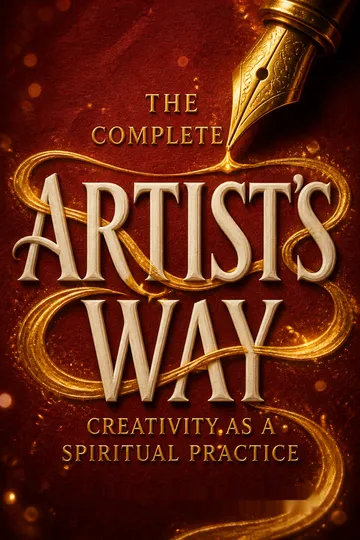
The Listening Path received mixed reviews, with an average rating of 3.31 out of 5. Some readers found the book repetitive and unfocused, while others appreciated Cameron's insights on listening and creativity. Many felt it lacked depth compared to her earlier work, "The Artist's Way." Criticisms included excessive anecdotes about the author's dog and repetition of familiar concepts. Some readers valued the practical exercises and renewed emphasis on morning pages and artist dates. Overall, opinions varied widely on the book's usefulness and relevance.
People Also Read









Glossary
The listening path
Progressive practice of attentionCameron’s name for a six-week practice that develops listening in stages: to the environment, other people, inner guidance, deceased loved ones, personal heroes, and silence. Its central aim is greater attention and connection. The practices include writing, solo outings, walking, conversation, spiritual reflection, and quiet.
Morning Pages
Daily free-form writingThree pages of longhand stream-of-consciousness writing done first thing in the morning. The writer records whatever thoughts arise, without choosing a topic or aiming for polished prose. Cameron treats the pages as private, a way to notice feelings, wishes, and avoided problems, and to clarify possible next steps.
Artist Date
Weekly solo playA planned weekly outing, taken alone, devoted to an activity that interests or delights the participant. Cameron distinguishes it from self-improvement or work: the aim is playful attention. The experience can refresh creative energy by filling memory with images, sensations, and details that later inform creative work.
believing mirrors
People who affirm potentialCameron’s term for supportive people who reflect someone’s capacity and promise, especially when that person’s confidence is low. Their encouragement can help sustain creative effort and clarify a decision, as Cameron describes when friends support her novel submissions and house purchase. A believing mirror supports agency rather than taking over.
Obi-Wan Kenobi
Written inner-guidance exerciseCameron’s playful name for writing a question about a concern and then recording the guidance that seems to answer it. The imagined guide represents a wiser perspective, not necessarily a literal external being. Cameron uses the exercise to seek calm, direct counsel and to distinguish it from habitual anxious or self-critical thinking.
Nigel
Personified inner criticCameron’s name for her recurring perfectionistic, discouraging inner voice. Giving the critic a distinct character makes it easier to recognize its judgments as a mental pattern rather than unquestionable truth. The technique is intended to reduce the critic’s authority enough for a person to try creative or personally meaningful actions.
FAQ
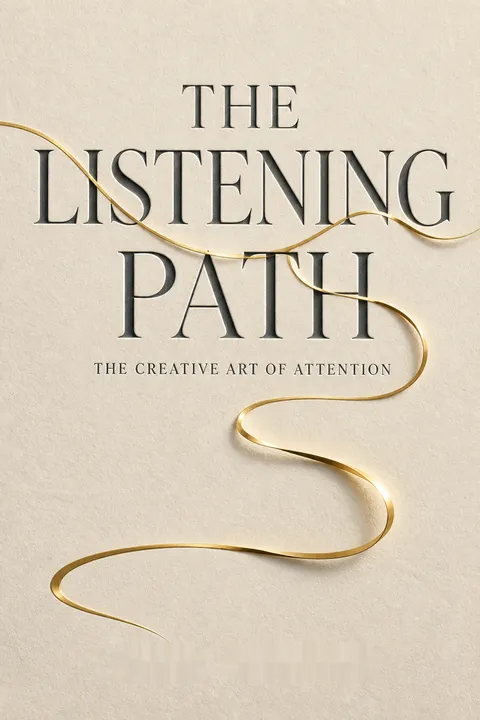
What's "The Listening Path: The Creative Art of Attention" about?
- Overview: "The Listening Path" by Julia Cameron is a guide to enhancing creativity and connection through the art of listening. It builds on the principles introduced in her earlier work, "The Artist's Way."
- Listening as a Tool: The book explores listening as a multifaceted tool that can improve our lives by fostering clarity, connection, and direction.
- Six-Week Program: Cameron introduces a six-week program that guides readers through different levels of listening, from the environment to silence.
- Personal Growth: The book emphasizes personal growth and healing through improved listening skills, offering exercises and reflections to deepen the practice.
Why should I read "The Listening Path"?
- Enhance Creativity: The book provides tools to unlock creativity by teaching you how to listen more deeply to yourself and the world around you.
- Improve Relationships: By becoming a better listener, you can improve your relationships with others, fostering deeper connections and understanding.
- Personal Development: It offers a structured approach to personal development, encouraging mindfulness and self-awareness.
- Practical Exercises: The book includes practical exercises that can be easily integrated into daily life, making it accessible for anyone looking to enhance their listening skills.
What are the key takeaways of "The Listening Path"?
- Listening Levels: The book outlines six levels of listening: to the environment, others, your higher self, beyond the veil, your heroes, and silence.
- Morning Pages: A daily practice of writing three pages of stream-of-consciousness thoughts to clear the mind and enhance listening.
- Artist Dates: Weekly solo adventures to nurture your inner artist and improve your ability to listen to your own desires and instincts.
- Walks: Regular walks to connect with your environment and listen to your inner guidance, promoting clarity and creativity.
How does Julia Cameron define "The Listening Path"?
- Gentle Path: Cameron describes it as a gentle path with tools to become better listeners to our environment, others, and ourselves.
- Healing and Insight: The path brings healing, insight, and clarity, offering joy and perspective through improved listening.
- Connection: Above all, it fosters connection with the world, oneself, and beyond, enhancing both personal and creative growth.
- Structured Approach: The path is structured over six weeks, each focusing on a different aspect of listening to deepen the practice.
What are Morning Pages and how do they help?
- Daily Practice: Morning Pages are a daily practice of writing three pages of stream-of-consciousness thoughts first thing in the morning.
- Clearing the Mind: This exercise helps clear the mind of clutter, making room for more focused listening throughout the day.
- Self-Reflection: It serves as a form of meditation, allowing for self-reflection and the discovery of hidden thoughts and feelings.
- Creative Unblocking: Many find that Morning Pages help unblock creativity, leading to breakthroughs and new ideas.
What is the purpose of Artist Dates in "The Listening Path"?
- Solo Adventures: Artist Dates are weekly solo adventures designed to nurture your inner artist and enhance your listening skills.
- Play and Exploration: They encourage play and exploration, helping you listen to your own desires and instincts.
- Replenishing Creativity: By engaging in activities that intrigue or enchant you, Artist Dates replenish your creative well.
- Connection to Self: These dates foster a deeper connection to yourself, allowing you to listen more closely to your inner voice.
How does "The Listening Path" suggest we listen to others?
- Active Listening: The book emphasizes active listening, where you fully engage with the speaker, paying attention to their words and emotions.
- Empathy and Understanding: It encourages listening with empathy and understanding, allowing for deeper connections and more meaningful conversations.
- Body Language: Cameron highlights the importance of listening to body language and tone, not just words, to truly understand others.
- Reciprocity: The book suggests that good listening invites others to listen to you in return, creating a cycle of mutual respect and understanding.
What does Julia Cameron mean by listening to your higher self?
- Inner Guidance: Listening to your higher self involves tuning into your inner guidance and intuition for clarity and direction.
- Spiritual Connection: It is about connecting with a higher power or spiritual force that offers wisdom and insight.
- Trust and Faith: The practice requires trust and faith in the guidance you receive, even if it seems subtle or unexpected.
- Practical Questions: Cameron provides practical questions to ask your higher self, helping you access deeper wisdom and understanding.
How does "The Listening Path" address listening beyond the veil?
- Spiritual Openness: The book encourages spiritual openness to connect with those who have passed on, offering comfort and guidance.
- Continued Bonds: It suggests that relationships with deceased loved ones can continue, providing support and reassurance.
- Simple Practice: Cameron offers a simple practice of asking to hear from a loved one and listening for their response.
- Reassurance and Love: The messages received are often reassuring and filled with love, helping to heal grief and maintain connection.
What role do heroes play in "The Listening Path"?
- Guidance from Heroes: The book suggests reaching out to personal heroes for guidance and inspiration, even if they are no longer alive.
- Connection to Values: Heroes often reflect our values and aspirations, providing a source of wisdom and encouragement.
- Simple Communication: Like with deceased loved ones, Cameron advises asking to hear from a hero and listening for their guidance.
- Empowerment: This practice can empower you to pursue your goals with renewed confidence and clarity.
How does "The Listening Path" explore the concept of silence?
- Listening to Silence: The book emphasizes the importance of listening to silence as a way to connect with higher wisdom and inner peace.
- Calm and Clarity: Silence offers a space for calm and clarity, allowing insights and ideas to emerge naturally.
- Meditative Practice: Cameron suggests incorporating silence into daily life as a meditative practice to enhance listening skills.
- Connection to the Divine: In silence, many find a connection to a higher power or divine presence, offering guidance and support.
What are the best quotes from "The Listening Path" and what do they mean?
- "Listening is something we all do—and something we can all do more of." This quote emphasizes the universal nature of listening and its potential for improvement.
- "The reward for attention is always healing." Cameron suggests that by paying attention and listening deeply, we can find healing and clarity.
- "Listening is an act of love." This highlights the idea that listening is a way to show care and respect for others, fostering deeper connections.
- "Silence is the language of God; all else is poor translation." This quote underscores the spiritual significance of silence and its role in connecting with the divine.
About the Author
Other books by Julia Cameron




Download PDF
Download EPUB
.epub digital book format is ideal for reading ebooks on phones, tablets, and e-readers.








