

Key Takeaways
Choose a God you can speak to honestly, not one you fear.
Inherited beliefs can obstruct prayer. Cameron argues that many people carry a childhood image of God as punitive, judgmental, or distant. That picture can make prayer feel like a test, so people either perform the approved words or avoid prayer altogether. Her proposed first step is to examine that inherited “God concept,” then imagine a higher power that is loving, accepting, and safe to approach.
Make the relationship your own. Cameron was raised Catholic, yet after getting sober she began praying in ordinary, candid language instead of relying only on formal prayers. She invites readers to use whatever language or idea feels workable, whether God, the universe, or a creative force. The aim is not to settle theology before beginning, but to find a way to speak openly.
This approach treats spiritual language as something people can revise rather than inherit unchanged. That flexibility can be especially valuable for readers whose religious upbringing connected authority with shame or fear. It also resembles a broader therapeutic principle: a person’s internal model of a relationship shapes what they feel safe expressing within it. The useful test is whether a chosen concept supports honesty, compassion, and responsible action. A comforting image alone cannot settle questions about what is true, but it can make reflection possible.
Let creativity become a spiritual practice, not a bargaining chip.
Recovery changed Cameron’s relationship to art. In 1978, after days of drinking, she woke at four in the morning to find her bottle empty and feared facing sobriety. A friend directed her to another alcoholic, and that connection helped launch her recovery. Asked to pray, the agnostic Cameron began with brief requests for help staying sober, despite believing that alcohol and writing belonged together.
The work opened up. Once sober, she was encouraged to let a higher power guide her writing. Rather than trying to sound brilliant, she focused on showing up and writing honestly. She found that ideas and prose came more freely, and she eventually built a long creative career. Her central claim is reciprocal: creativity can deepen spiritual connection, while spiritual practice can loosen creative fear.
The compelling shift is from treating creativity as a private talent to treating it as a relationship with something beyond the ego. That move can reduce perfectionism: the maker remains responsible for the work while no longer demanding total control over inspiration. Cameron’s account is personal testimony, not proof that spiritual belief causes artistic productivity. Still, the practice offers a concrete experiment: show up, work with care, and observe whether less self-consciousness makes the process more sustainable.
Clear your head before the day claims it with three handwritten pages.
Morning Pages are a daily clearing practice. Cameron defines them as three pages of longhand writing, done soon after waking, about whatever comes to mind. They are private, not polished, and not intended as literature. A page might contain irritation, errands, fears, or thoughts that seem trivial. The point is to keep writing without judging the material.
Clarity comes from making room. Cameron compares the pages to clearing a windshield: worries and distractions are put on paper, making it easier to notice what needs attention. She recommends writing before meditation because the pages can surface practical concerns that might otherwise drift by. For someone who writes for a living, the rule is especially important: do not turn the pages into a performance. The practice is for the writer, not an audience.
The tool turns attention into an everyday practice rather than waiting for insight to arrive fully formed. Private, unedited writing can make vague concerns more specific, which often reveals the next practical step. Its value depends less on literary quality than on consistency and permission to be unremarkable. The method is not a universal fix for anxiety, depression, or trauma, and three pages may be burdensome for some people. A shorter version can preserve the essential experiment: externalize thoughts, then decide what deserves action.
Schedule play and solitary walks to make room for fresh ideas.
An Artist Date is assigned play. Cameron’s term means a weekly solo outing chosen for enjoyment, not achievement. It might be a visit to a bookstore, a beach, a film, or anywhere that sparks curiosity. She urges readers to plan it in advance and protect the time. Her own example is visiting a pet store to spend time with a rabbit.
Walking creates another kind of space. Cameron recommends two solo walks of about twenty minutes each week, without a phone, headphones, pets, or companions. The walk may begin with a question, or simply with attention to the surroundings. She links these outings to inspiration and synchronicity, the sense that an unexpected opportunity or coincidence fits a current need. The practical point is to stop demanding that every hour produce an immediate result.
Play and walking counter the assumption that useful thought must happen through concentrated effort. They provide structure without dictating what the mind should discover, and they give attention a chance to move beyond familiar routines. The idea of synchronicity can be meaningful as a way to notice opportunities, though a coincidence does not establish supernatural intervention. A grounded practice holds both possibilities lightly: enjoy the surprise, then assess whether the opportunity is genuinely useful and sound.
Ask a question on paper, then write the answer without censoring it.
Writing out guidance turns prayer into dialogue. Cameron writes a question about a concern, listens for a response, and records what comes to mind. The answer may be plain and practical rather than dramatic. When she worried about a publisher’s offer, the guidance she wrote was to keep a promise she had made to another publisher. She followed that advice, and the other publisher welcomed her book.
Use the practice for ordinary decisions. Cameron also describes asking what to write next and receiving ideas she had not expected. She treats the resulting words as guidance from a higher power, while acknowledging that they might be imagination. Her invitation is to try the practice and see whether the answers prove useful over time. The ritual makes space for an inner response that hurried thinking can drown out.
The exercise can be understood as a way to slow down and let tacit judgment become visible. Writing a question, then answering it, separates the initial worry from a considered response and creates a record that can be reviewed. That is useful even for someone who does not interpret the result as divine communication. For consequential choices, however, an inner answer should be checked against facts, values, and trusted counsel. A feeling of certainty is not, by itself, evidence that a decision is wise.
Ask boldly, then leave room for an answer you did not choose.
Petition means asking for help. Cameron describes prayers of petition as requests for guidance, protection, or a desired outcome. She encourages directness, from asking for support with a major decision to asking for help with a small household problem. Her account of an offer from a publisher shows the tension: she wanted the money, but her written guidance urged her to honor a promise instead.
Hold the outcome loosely. Cameron presents three possible responses to a request: yes, no, or not now. She recommends asking for what one wants while remaining open to a different or delayed answer. Acceptance does not require pretending to feel happy about disappointment. A person can express anger or confusion honestly, then consider what remains within their control and what action is possible.
The combination of asking and relinquishing control can help people distinguish a preference from a demand. It leaves room for uncertainty without requiring passivity: the request is clear, and the next step can still be practical. The caution is important. Interpreting every refusal or hardship as a benevolent plan can minimize real injustice or pressure people to accept preventable harm. The most constructive version uses surrender to soften rigidity, not to silence judgment, safety concerns, or efforts to change what can be changed.
Practice gratitude to notice what a difficult day hides.
Gratitude is a form of attention. Cameron recommends noticing the gifts already present: health, shelter, friendship, nature, meaningful work, and small pleasures. She describes a snowbound day when she felt isolated and frustrated. Calls with friends, a walk through her accomplishments, and writing cards helped her see the day as more than confinement. Her mood lifted as she remembered the people and routines supporting her.
Name the specific good. Cameron suggests making lists rather than relying on a vague sense of appreciation. The list can include a beautiful morning, a helpful person, or something completed despite low spirits. She also treats gratitude as a way to recognize beauty in the natural world and generosity in relationships. It is not a claim that every circumstance is good; it is a practice of seeing what else is true alongside the difficulty.
The strength of this practice is its specificity. Naming concrete supports can counter the tunnel vision that often accompanies a low mood and make available actions easier to see. Gratitude is most credible when it does not demand cheerfulness or erase pain. A person can be thankful for a friend and still be grieving, angry, or overwhelmed. Used as an addition to honest emotional recognition, the exercise widens perspective; used to invalidate distress, it becomes another way to avoid listening.
Make prayer visible in how you serve people and pursue your art.
Prayer can be action, not only words. Cameron’s conversations with artists and spiritual practitioners show many ways to express it: making art, offering kindness, helping others, or paying attention to nature. Sterling Zinsmeyer found a deeper spiritual path while supporting people dying of AIDS. For him, prayer meant asking to be present and comforting, then putting love and tolerance into practice.
Work with your own nature. Cameron sees creative activity as participation in a larger creative force. Her friend Scott Thomas links spiritual life to behavior, relationships, and service, not simply formal prayers. The book also describes synchronicity, or a meaningful-feeling coincidence, as something that can appear when people clarify a desire and respond to an opportunity. The important action is to create, notice, and say yes when an opportunity genuinely fits.
This view makes spirituality accountable to conduct. A prayer that produces kindness, patience, or a finished piece of work has entered the world rather than remaining an intention. The connection to service is especially powerful because it shifts attention away from private reassurance and toward other people’s needs. At the same time, an opportunity should not be accepted just because it feels fated. Discernment matters: meaningful coincidence can prompt exploration, but ethical judgment and practical constraints still have a place.
Turn prayer into a routine shared with people who steady you.
Regularity makes the practice available. Cameron describes prayer as a companion through the day, strengthened by repeated habits rather than reserved for emergencies. Actor James Dybas begins and ends his day with prayer and returns to it during ordinary activities. Cameron’s own recurring practices include morning writing, weekly play, walking, and asking for guidance.
Connection can be part of the routine. The book’s stories show friends and mentors praying for one another, offering encouragement, and helping each other stay sober or continue creative work. Cameron’s recovery began not through solitary resolve but through a chain of people who responded when she asked for help. The practical lesson is to build a pattern that is personally meaningful and to let trusted relationships support it. Prayer, in this account, is private conversation and shared goodwill.
Rituals reduce the burden of deciding from scratch when to pause, reflect, or seek support. Relationships add accountability and warmth, while the recovery story underscores that spiritual practice need not replace human help. A useful routine should fit a person’s life rather than become a measure of moral worth. If missed days trigger shame, the ritual has hardened into another demand. Its purpose is to make support easier to reach, not to create a new standard for self-criticism.
Analysis
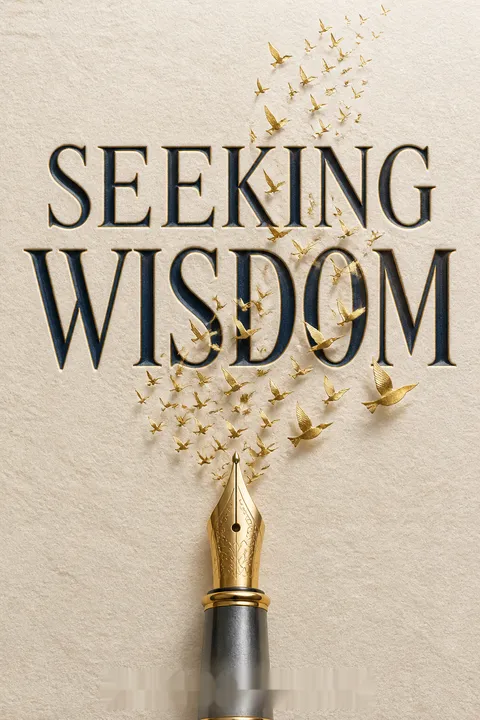
Seeking Wisdom is a spiritual workbook built around a personal recovery narrative. Cameron begins with a crisis of alcoholism and the unexpected human chain that helped her become sober. From there, she develops a six-week invitation to reconsider God, experiment with prayer, and connect spiritual practice to creative work. The structure is less a formal theology than a sequence of exercises, stories, and recurring tools: Morning Pages, Artist Dates, walks, and written guidance. Its strongest contribution is permission. Readers need not accept inherited religious language, adopt a single doctrine, or wait for certainty before trying a practice.
The book’s central proposition is that creativity and spirituality nourish each other. Cameron supports it with her own experience and with accounts from artists, friends, and people in recovery. The testimony is vivid and humane, but it is not comparative evidence that prayer reliably produces creative success or that every intuitive message comes from beyond the self. The exercises remain valuable without that stronger claim. Longhand reflection can clarify concerns; scheduled play can disrupt routine; gratitude can broaden attention; and prayer can give people a vocabulary for hope, humility, and connection.
The most important qualification concerns surrender. Cameron often interprets disappointment as protection or divine timing. That frame may comfort someone facing uncertainty, but it should not convert injustice, illness, or abuse into something a person is expected to accept. The book is strongest when surrender means loosening the grip on outcomes while taking the next responsible action. Its recovery story also matters here: help arrived through friends, peers, and practical support, not through belief alone. The lasting value is therefore both spiritual and relational. Ask, listen, create, notice, and seek help from people who can respond. The reader can adopt the practice while remaining free to interpret its source.
Review Summary
Seeking Wisdom receives mixed reviews, with ratings ranging from 1 to 5 stars. Many readers appreciate Cameron's exploration of prayer and creativity, finding it inspirational and helpful. Some praise the book's practical exercises and personal anecdotes. However, others criticize it as repetitive, overly focused on privilege, and too steeped in religious language. Several reviewers note similarities to Cameron's previous works, particularly The Artist's Way. While some find the spiritual approach refreshing, others feel it lacks depth or relevance to their experiences.
People Also Read










Glossary
God concept
Personal picture of GodA person’s working image of the divine, shaped by upbringing, experience, and choice. Cameron argues that an inherited image of a punitive or distant God can make prayer feel unsafe. Examining that image allows a person to choose language and beliefs that support an honest relationship with a higher power.
Morning Pages
Private morning writingThree pages of longhand writing completed soon after waking, on any subject and without editing or judging the content. Cameron presents the practice as a way to empty mental clutter, surface concerns, and prepare for the day. The pages are private and are not intended to be polished writing.
Artist Date
Weekly solo creative playA planned, usually weekly outing taken alone for enjoyment and curiosity rather than productivity. Examples include visiting a bookstore, seeing an unfamiliar film, or spending time somewhere appealing. Cameron treats the activity as a way to replenish attention and invite new ideas by giving play a protected place in adult life.
writing out guidance
Written question and responseA prayer practice in which a person writes a question, listens for an inner response, and records the answer. Cameron interprets useful responses as guidance from a higher power, while allowing that a reader may understand them as imagination. The written exchange can be revisited and assessed against later choices and experience.
co-creator
Person creating with the divineCameron’s term for the relationship between a person and a creative higher power. The individual still makes and develops the work, but does not treat inspiration as entirely self-generated or fully controllable. This understanding encourages showing up, listening for ideas, and approaching creative activity as both personal expression and participation in a larger force.
About the Author
Other books by Julia Cameron



Download PDF
Download EPUB
.epub digital book format is ideal for reading ebooks on phones, tablets, and e-readers.








