

Plot Summary
The Lion Camp's Strangers
Ayla and Jondalar meet Talut, the huge, red-haired headman of the Lion Camp, while traveling with Whinney and her colt, Racer. Talut recognizes Jondalar as kin through his brother's former partner and invites both travelers to stay. Ayla hesitates: the noisy crowd frightens her, and she fears the Mamutoi will hunt her horses.
She demonstrates that Whinney comes when called and lets her ride, astonishing the Camp. The horses' arrival causes alarm when curious people press too close, and Whinney kicks them back. Talut makes good on his promise to protect them. Inside the earthlodge, Ayla realizes she has reached people like those she was born among, but their customs and crowds feel unfamiliar.
Ayla's first test is not whether the Mamutoi can accept her, but whether she can risk entering their world without surrendering what keeps her safe. Her insistence on protecting Whinney turns a private bond into a public negotiation, and Talut's promise gives hospitality a practical consequence. The horses also expose a cultural difference: the Camp sees potential prey, while Ayla sees companions. Her hesitant consent begins the book's central movement, from solitary survival toward belonging on terms she must help define.
A Child Who Knows
Among the children crowding around the horses, Ayla sees Rydag, a frail boy with Clan features who resembles her son, Durc. When she lifts him onto Whinney, Rydag experiences the ride that his weakness usually denies him, and Nezzie, his adoptive mother, recognizes Ayla's instinctive acceptance.
At the evening gathering, Ayla explains that she was raised by the Clan and once had a mixed son. Frebec calls the Clan animals and rejects Rydag's humanity. Ayla answers by teaching Rydag a Clan sign for mother; he uses it to address Nezzie, who understands him for the first time. The gesture changes the Camp's relationship with the boy and gives Ayla's buried loss a living echo.
Rydag is not simply a reminder of the son Ayla left behind. His inability to speak makes the Camp's assumptions about intelligence visible, while Ayla's sign language gives him a way to contradict them. The mother's sign matters because it converts private recognition into a relationship Nezzie can experience directly. Ayla's care for Rydag also begins as an act of identification, but it becomes something more ethical: she sees him as himself, not merely as a substitute for Durc.
Ayla Names Her People
When the Camp asks about her past, Ayla recounts the earthquake that orphaned her, Iza and Creb's decision to raise her, and her later life alone in the valley. She explains that the Clan communicate through gestures and that she learned their healing knowledge from Iza. Nezzie tells how Rydag's Clan mother died after giving birth, leaving her to nurse and raise him.
Ayla recognizes the mother's courage and teaches the children more signs; Rydag quickly learns and begins correcting their gestures. Frebec's contempt disrupts the gathering, but Talut insists that Ayla be heard. Her plain account unsettles the Mamutoi's belief that the Clan are animals, while Rydag's new ability to speak makes that belief harder to maintain.
The scene places two forms of evidence against prejudice. Ayla offers testimony, but the Camp can still dismiss her as an exception or a liar. Rydag's new communication is harder to evade: his intelligence appears in action, and the children learn from him rather than merely helping him. The Mamutoi's response is divided because belief is not only an idea; it protects a social boundary. Ayla's honesty risks her acceptance, yet concealment would require her to disown the people who made her life possible.
A Healer Under Scrutiny
When three-year-old Nuvie chokes, Ayla clears the blockage and breathes air into the child until she revives. The rescue gives Nezzie and other skeptics evidence of Ayla's practical medical skill, though Frebec still resists trusting her. Ayla also learns how Mamutoi customs differ from the Clan's, including the Bride Price that assigns social value through a woman's maternal line.
Talut's party finds a bison herd, and Ayla offers to scout it on Whinney with Latie. The horse carries them quickly to the river gorge, where Latie uses Danug's scratched ivory map to locate the animals. Their report gives Talut a way to trap the herd and puts Ayla inside a hunting party that accepts her abilities.
Ayla earns standing through a crisis, not through an abstract claim to expertise. Her intervention saves Nuvie, but the community's response remains conditional because competence does not immediately erase prejudice. The scouting trip supplies another kind of proof: Ayla's horsemanship and practical judgment improve the hunt, while Latie's map-making contributes knowledge of her own. Their teamwork quietly enlarges what the Camp considers useful work, loosening the assumption that hunting belongs to men alone.
The Bison Trap
The Lion Camp builds a temporary surround in a narrow river valley, then discovers the bison are close to breaking past the hunters guarding them. Ayla rides Whinney into the herd and redirects the animals toward the trap while Latie, Danug, and Barzec help contain them. When the lead bull veers toward Jondalar, Ayla, Jondalar, and Ranec throw spears nearly together; the three wounds bring the bull down and send the herd into the enclosure.
The hunters kill and butcher the trapped animals, carrying back more meat than they could manage alone because Whinney hauls a travois. Later, Jondalar's spear-thrower beats Talut's unaided throw, while Ayla's sling display astonishes the Camp and intensifies the rivalry between Jondalar and Ranec.
The hunt makes Ayla's unusual skills useful to a collective effort rather than a spectacle. Her horse changes the scale and speed of the drive; Jondalar's spear-thrower extends the hunters' reach; Ranec's timely spear saves Jondalar from a charging bull. Their cooperation is real, even as personal jealousy gathers beneath it. The camp's work also reveals its values: meat, hides, and tools come from coordinated labor, and status accrues to people whose abilities help others survive.
A Place at the Hearth
Rydag's weak heart suddenly leaves him unconscious, and Ayla uses a careful foxglove preparation, breathing help, and close observation to steady him. Her treatment cannot cure his condition, but it eases his distress and confirms her skill as a healer.
Talut and Nezzie then offer to adopt Ayla into the Lion Camp. At the public meeting, Frebec objects that she has not proved her value and condemns her Clan upbringing. Jondalar proposes a demonstration: Ayla strikes flint against iron pyrite and starts a fire in the extinguished lodge.
Frebec withdraws his objection, and the Camp accepts the offer in principle. Mamut reveals that he once survived a broken arm because a Clan medicine woman treated him, linking Ayla's knowledge to his own past.
The firestone is a practical invention, but its decisive role is social: it makes Ayla's knowledge visible in a form Frebec cannot plausibly dismiss. The scene also shows that admission into a community is negotiated through both contribution and consent. Mamut's recollection gives Ayla a witness whose authority crosses the very boundary others enforce. Yet the episode does not erase prejudice; it establishes that she can be valued and still be treated as an exception.
The Valley They Leave
Before the formal adoption, Ayla and Jondalar return to her valley to retrieve medicines, food, and gifts. They find her cave ransacked by scavengers, though most of her supplies survive. On the way back, Ayla leads Jondalar to the grave where she covered his brother Thonolan's body after the lion attack.
She gives Jondalar an amulet and asks him to carry a stone from the grave, so his people can honor Thonolan. Jondalar recounts how his youthful love for his donii-woman, Zolena, led to disgrace and exile, and how his brother's death still burdens him. A storm traps the travelers in snow, but Whinney finds shelter and guides them onward. Talut has built a protected annex for the horses by the time they return.
The return to the valley reverses the usual homecoming: Ayla revisits a place that was once safety and finds it damaged, while Jondalar confronts the grave of the brother whose death shaped his journey. The trip makes their different attachments visible. Ayla carries the knowledge and objects of a life she built alone; Jondalar carries obligations to family and home. The horse annex is a concrete welcome, but it cannot settle the question of where either of them truly belongs.
Ayla of the Mammoth
At the formal adoption, Talut presents Jondalar for the Aurochs Hearth, but Jondalar declines a permanent tie because he must eventually return home. Talut and Nezzie adopt Ayla into the Lion Camp; Mamut unexpectedly claims her as a daughter of the Mammoth Hearth. The ceremony names her Mamutoi and preserves her Cave Lion protection.
Ayla gives gifts made during her years alone, including soft hides and crafted bowls, while the Camp offers her tools, food, jewelry, and clothing. Mamut begins training her in sacred symbols and Searching. During a guided vision, Ayla and Mamut locate bison and other signs, confirming her untrained ability. The adoption gives her people again, though Jondalar remains a guest with a distant home.
Ayla's adoption does not replace one identity with another. Mamut's decision lets her become Mamutoi without asking her to deny the Clan, and the ceremony explicitly retains the totem that shaped her earlier life. The difference matters psychologically: belonging becomes additive rather than assimilative. Jondalar's refusal of adoption preserves his obligation to return, establishing the fault line that will later separate the lovers even when their attachment remains strong.
The Signal Misread
During Ayla's adoption celebration, Talut's fermented drink leaves her confused and uninhibited. Ranec's advances awaken her attraction, but her Clan upbringing has taught her that a man's sexual signal is a command. She goes to his bed, believing she has no choice, while Jondalar watches and hears them share Pleasures.
In the morning, he rebuffs her, and Ayla cannot understand his anger. Mamut explains that Mamutoi women may choose whether to accept a man; Ranec invited her, he did not command her. Ayla is not sorry she went to Ranec, but she grieves that Jondalar is hurt. Jondalar's jealousy, fear of rejection, and shame about her background widen the silence between them.
The misunderstanding is not a simple love-triangle complication. Ayla has learned consent inside a system where refusal was not available, while the Mamutoi assume choice is self-evident. Jondalar interprets her action through possessiveness and fear, then punishes both of them with withdrawal. The same event therefore carries incompatible meanings: obedience to Ayla, rejection to Jondalar, and a hopeful beginning to Ranec. The conflict exposes how intimate behavior is shaped by cultural rules neither lover has yet learned to translate.
Learning to Speak Together
Through the winter, Ayla teaches the Camp's children and adults Clan signs, giving Rydag a fuller way to communicate. She invents a bone thread-puller that lets people sew by drawing sinew through leather rather than forcing it, and the tool is quickly adopted. Mamut urges her to train as a spiritual healer, but she fears returning to the altered state she experienced at a Clan Gathering.
Meanwhile, Jondalar tells her more about Zolena, the beating that caused his exile, and his guilt over First Rites. He keeps his sleeping place apart after Ayla shares Ranec's bed. Ayla grows closer to Deegie and the Camp, but cannot make sense of Jondalar's changing warmth.
Communication expands materially and emotionally in this section. Ayla's thread-puller solves a practical problem, while her signs solve a relational one for Rydag; both show that a new method can reveal capacities a community had mistaken for absence. Jondalar, by contrast, can explain his history but not yet act on what he feels. His shame converts self-control into avoidance, leaving Ayla to interpret silence as loss of love.
The Wolf Pup
While checking snares with Deegie, Ayla finds a black wolf stealing their meat. She kills it with her sling, then discovers it was a starving mother with pups. Refusing to leave the young to die, she tracks the wolf to its den and brings out the lone surviving pup.
She names him Wolf and raises him in the Lion Camp, where his friendliness wins over the children and eventually even Frebec, who retrieves him from a hiding place after a quarrel. Frebec's unexpected tenderness toward the pup softens his hostility. Ayla also shares knowledge of wolf behavior, and Rydag learns to communicate with Wolf through posture and signals, forming a bond the Camp watches with wonder.
Ayla's decision begins in guilt: she has killed the mother and feels responsible for what happens to her offspring. But the rescue also extends her idea of kinship beyond species. Wolf is not magically obedient; trust, early socialization, and careful teaching shape his place in the Camp. Rydag's bond with him further undermines the assumption that speech determines personhood. Frebec's response matters because his compassion emerges through contact, not argument.
Bectie's Unlikely Start
Fralie's worsening cough and difficult pregnancy alarm Ayla, but Frebec initially blocks her from treating his partner, fearing the advice of a woman raised by the Clan. When Fralie's labor begins early, Frebec finally asks Ayla for help. Ayla eases the cough, supports the birth, and delivers a tiny girl who breathes and suckles despite her weakness.
She tells Frebec, Crozie, and Fralie to keep the infant warm, quiet, and close to her mother's breast, and the family follows her instructions. The child, named Bectie, grows stronger. Frebec's fear and gratitude begin to soften his hostility, while Crozie and Frebec cooperate for the baby's sake. Ayla's healing becomes a shared responsibility rather than a disputed claim.
The birth turns a long-running argument into a concrete test with no room for posturing. Frebec must choose between protecting his pride and seeking the help he has repeatedly dismissed. Ayla does not demand an apology; she gives instructions that allow the family to act. Bectie's survival makes care collective, and shows that trust may begin not with changed beliefs but with a choice to depend on someone.
The Promise and the Root
At the Spring Festival, Ranec gives Ayla a carved bird-woman figure and asks her to promise a union. Thinking Jondalar is leaving and believing she may reunite with Durc only if she stays near Clan territory, Ayla agrees. Mamut then guides her through a ceremony using the potent Clan root she once took alone at a Gathering.
Ayla and Mamut enter a terrifying, unfamiliar spiritual realm; her body grows cold and still, and the Camp fears she is dying. Jondalar calls desperately for her, and his love helps draw her back. She recovers, but the experience confirms her unusual spiritual sensitivity. The Festival celebrates Bectie and Latie as well as Ayla's Promise, while Jondalar remains torn between longing and shame.
Ayla's Promise to Ranec is made under layered pressure: she wants a family, a home, and a possible path back to Durc, while Jondalar's withdrawal appears to settle the choice for her. The root ceremony then literalizes the danger of entering a world she does not understand. Jondalar's voice becomes a tether, revealing a bond neither has been able to acknowledge plainly. The episode does not resolve their relationship; it raises the stakes of denying it.
The Meeting's Divided Welcome
At the Summer Meeting, Ayla enters a gathering far larger and louder than anything she has known. The Mamutoi marvel at Whinney, Racer, and Wolf, while some visitors question the animals and Ayla's place among them. Rydag, whose heart condition has made him increasingly frail, dreads the Meeting and the staring that follows him.
Ayla answers hostility when children call him an animal, publicly revealing that she has a mixed son of her own. Some Camps support her, but others recoil, and the dispute threatens the Lion Camp's standing. Jondalar stands beside her, while Ranec remains her promised partner. Ayla's courage protects Rydag's dignity, but it also forces the gathered people to confront the prejudice they have kept unspoken.
The Summer Meeting magnifies the private dynamics of the Lion Camp into public judgment. Rydag becomes vulnerable not because his condition changes, but because the crowd turns his difference into spectacle. Ayla's disclosure is costly: she exposes the son she has never stopped grieving and risks the acceptance she has just gained. Yet she refuses the bargain of belonging through silence. Jondalar's presence beside her hints at loyalty, though neither can yet convert that loyalty into a shared future.
The Lion Returns
A cave lion appears near the crowded Meeting and frightens a young girl. Ayla recognizes him as Baby, the cub she raised in her valley, now a huge adult with the scar on his nose. She rides Whinney across the river and greets the lion without fear; Baby knocks her down in play, accepts her embrace, and lets her ride his back once more before she sends him away.
The encounter astonishes the Mamutoi and reinforces their belief that Ayla can command animals. Jondalar watches with pride and longing. Soon afterward, the hunters set out for the mammoth hunt, with Ayla carrying a spear-thrower and Jondalar using the skills she helped introduce to the Camp.
Baby's return gives physical form to a past Ayla feared she had lost completely. The reunion is not a rescue or a claim of ownership: she embraces the lion, then lets him go. That distinction clarifies her bond with living beings, which is based on care without possession. For the Mamutoi, the scene deepens Ayla's mystique; for Jondalar, it makes visible the life and history he once feared his people would reject.
The Mammoth Hunt
The hunters drive the mammoth herd toward an enclosure built among fallen glacier ice, using fire and coordinated pressure to steer the enormous animals into the trap. Ayla rides Whinney through the chaos with the spear-thrower, while Jondalar and the other hunters throw spears at the charging mammoths.
Ayla's spear wounds a young bull, but it turns on her and smashes into the ice block behind which she has taken cover. Jondalar and Talut help bring it down before it can crush her. Once the hunt succeeds, the group butchers the animals and carries home meat, hides, tusks, and other useful materials. Jondalar's fear for Ayla overwhelms his effort to keep away, though shame still clouds his response.
The hunt brings the novel's practical and emotional conflicts into the same dangerous space. Ayla's skill is not enough to make her invulnerable; the bull nearly kills her, and the success depends on coordinated action. Jondalar's response exposes the contradiction he has been trying to manage: he wants to release Ayla, yet cannot watch her face danger without acting. The mammoth hunt also tests the group's claims to mastery. Their survival depends less on dominance than on timing, shared labor, and respect for the animal's force.
A Love Misnamed
After the hunt, Ayla and Jondalar are alone together, and his jealousy and fear break through his restraint. He takes her urgently, believing he has acted against her will when he sees her tears afterward. Ayla tells him she wanted him and that he did not force her, but his shame makes him withdraw again.
Later, when he learns she has agreed to Ranec's Promise, he understands how close he came to losing her through silence. Ayla, meanwhile, accepts Ranec's affection but cannot stop loving Jondalar. Their reunion begins only when Jondalar admits his fear of bringing her home to a people who might condemn her, and Ayla insists that the Clan who raised her are not a source of shame.
This episode makes consent and shame collide. Jondalar reads Ayla's tears through his own history of violence and condemns himself before hearing her meaning; Ayla's account matters, but it cannot instantly erase his fear of becoming the kind of man he despises. Their conflict is not solved by passion alone. It requires Jondalar to name the prejudice he has carried and Ayla to assert that love cannot depend on hiding her past.
The Choice to Return
After Rydag's death, Ayla and Jondalar face what their silence has cost. He tells her he once loved Zolena and explains his guilt over the young women he initiated, believing he had used them. Ayla argues that he treated them with tenderness and gave them care, not harm. She then admits she wants to go with him, not remain with Ranec.
Jondalar asks her to return to his people, though he cannot promise they will accept her. Ayla chooses him and the uncertain journey over a settled life without him. Ranec loses the woman he loves, but accepts her decision. The story ends with Ayla and Jondalar reunited, their future still uncertain but now chosen together.
The resolution is a decision rather than a guarantee. Ayla chooses Jondalar without assurances of acceptance in his homeland, while Jondalar chooses to face that risk instead of protecting himself through distance. Their intimacy becomes possible only after each recognizes the other's agency: she can refuse, and he can stand beside her openly. Ranec's loss remains real, preventing the ending from turning love into a painless victory. The future is not secured; what changes is that Ayla and Jondalar will meet it together.
Analysis
The novel makes belonging a practical question before it makes it an emotional one. Ayla enters the Lion Camp with animals the Mamutoi fear they might hunt, then earns trust through work: rescuing Nuvie, helping drive bison, treating Rydag, and sharing technologies. Each contribution complicates the Camp's inherited categories. The question is not whether the Clan resemble the Mamutoi, but whether familiar measures of speech, strength, and parentage are adequate measures of personhood.
Ayla's divided identity is not resolved by choosing one people over another. The Mamutoi adoption allows her to carry Clan knowledge into a new social structure, but acceptance remains uneven. The Summer Meeting shows how fast a local welcome can be tested by rumor and group pressure. When Ayla defends Rydag and names her own mixed son, she risks status to refuse a bargain that would require her silence. Her courage is not fearlessness; it is the decision to speak while frightened.
The love triangle is likewise structured by mismatched assumptions. Ayla mistakes invitation for command because of her upbringing, while Jondalar mistakes tears for evidence that he has violated her. His jealousy and shame make him withdraw precisely when she needs explanation. Ranec offers direct affection and a place in the Camp, but love cannot make him the person Ayla wants. Their eventual reunion depends on speech, accountability, and choice, not on a claim of destiny alone.
The animals sharpen these questions. Ayla's relationship with Whinney and Wolf demonstrates that trust can be learned across species, while the Camp's initial awe shows how readily skill is mistaken for magic. Likewise, the novel's technological innovations, from firestones to the spear-thrower and thread-puller, arise from observation and adaptation. The story repeatedly makes survival a collective achievement, yet insists that individuals must be allowed to differ. Its final promise is therefore limited but meaningful: Ayla and Jondalar cannot guarantee welcome in his homeland, only their willingness to face it together.
Review Summary
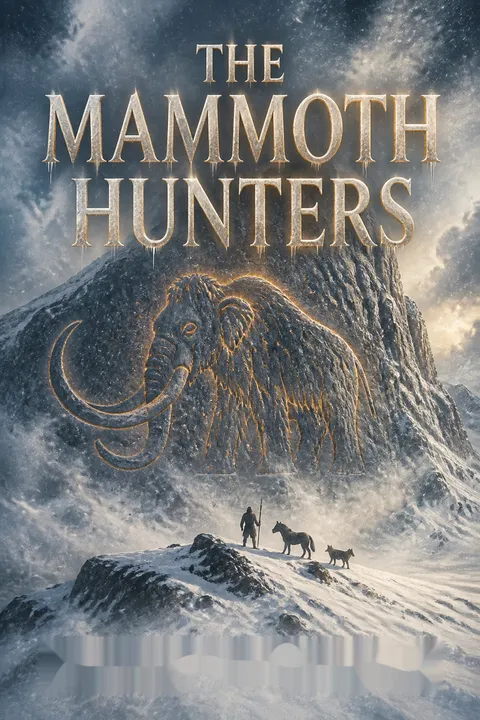
The Mammoth Hunters receives mixed reviews, averaging 3.96/5 stars. Readers praise Auel's detailed research and worldbuilding depicting prehistoric life, particularly the Mamutoi culture. However, the book faces heavy criticism for its central plot device: a prolonged, frustrating miscommunication between Ayla and Jondalar lasting hundreds of pages. Many find the love triangle with Ranec unnecessary and the characters' emotional immaturity unbelievable. Reviewers criticize repetitive, poorly-written sex scenes, excessive detail, and Ayla's unrealistic perfection at everything. Some appreciate the cultural descriptions and secondary characters like Rydag, but most agree the conflict could have been resolved quickly through simple conversation.
People Also Read
Characters
Ayla
Clan-raised healerAyla is a resourceful young woman raised by the Clan after an earthquake destroys her first home. Iza teaches her healing; Creb teaches her the Clan's signs and spiritual traditions. Her time alone in the valley makes her skilled at hunting and attentive to animals, while Jondalar teaches her spoken languages and introduces her to the Others. She is direct, observant, and slow to accept that other people may read her actions differently from the way she intends them. Her deepest motives are care, self-determination, and the wish to belong without disowning the people who raised her. Ayla learns to claim both competence and choice, even when doing so risks rejection.
Jondalar
Wandering flint workerJondalar is a tall Zelandonii flint knapper traveling home after years away. His craft is precise, his body language eloquent, and his feelings far less easy for him to manage than his tools. He carries grief for his brother Thonolan and shame from a youthful scandal that led to exile. Ayla's honesty and skill attract him, but her Clan background also triggers fears about how his own people will judge them. Jondalar's struggle is not whether he loves Ayla, but whether he can accept the social cost of loving her openly. He must learn that restraint can become a form of abandonment when he refuses to explain himself.
Ranec
Lion Camp's master carverRanec is the dark-skinned son of Wymez's hearth and a gifted carver raised by Nezzie. He is witty, socially confident, and unusually sensitive to beauty, which he seeks in carved ivory and in the people around him. His attraction to Ayla begins as admiration but deepens into a serious wish to build a hearth with her. Ranec is not merely a rival to Jondalar: he offers Ayla welcome without embarrassment and makes his intentions clear. His confidence can hide vulnerability, especially when Ayla's feelings remain uncertain. He wants lasting love and family, but must confront the limits of persuasion when the person he loves chooses another path.
Mamut
Elder spirit seekerMamut is the aged shaman of the Lion Camp's Mammoth Hearth, a healer of limited skill and a practiced guide to the spirit world. Years earlier, a Clan medicine woman treated his broken arm, giving him firsthand knowledge that the Clan are human. He recognizes Ayla's spiritual potential and becomes her adoptive father and teacher. Mamut is patient, intellectually curious, and alert to the dangers of both ignorance and overconfidence. He encourages Ayla to learn without forcing her to accept a destiny before she understands it. His authority comes less from command than from long experience and a willingness to admit what he does not know.
Talut
Lion Camp's generous headmanTalut is the enormous, red-haired headman of the Lion Camp and Nezzie's partner. His size makes him formidable, but his preferred leadership style is generous and consultative. He delights in unusual people and skills, protects Ayla's horses, and sees value in the knowledge she brings. Talut is proud of his Camp yet willing to listen when others challenge his plans. His warmth is often expressed through jokes, feasts, and exuberant affection. By offering Ayla a place among the Mamutoi, he turns hospitality into a lasting commitment, helping make the Lion Camp a place where difference can contribute rather than merely be tolerated.
Nezzie
Rydag's devoted motherNezzie is Talut's mate, a generous mother and capable cook who adopts Rydag when his Clan mother dies. She trusts the boy's understanding even before she can communicate with him, and recognizes how much Ayla's signs change his life. Nezzie is practical and emotionally perceptive, often noticing the pain beneath another person's behavior before it is spoken. Her care for Rydag gives her a strong reason to welcome Ayla, but her kindness extends beyond family: she encourages the Camp to make room for people who are vulnerable or unwanted. She balances Talut's exuberance with steady attention to the needs of children and guests.
Rydag
Silent, mixed-heritage childRydag is Nezzie's adopted son, born to a Clan woman and a man of the Others. His heart condition leaves him frail, and his Clan speech cannot reproduce the Mamutoi language, so adults often mistake silence for limited understanding. Ayla recognizes his kinship with her son and teaches him the signs she learned from the Clan. Rydag is observant, humorous, and eager to communicate; once given a language, he becomes a bridge between Ayla's history and his Camp. His bonds with Nezzie, the children, and Wolf show how much affection can flourish when others stop treating difference as evidence of lesser humanity.
Tulie
Aurochs Hearth's headwomanTulie is Talut's sister and co-leader of the Lion Camp, a physically powerful woman with a sharp understanding of status, obligations, and group stability. She is more cautious than Talut about admitting strangers, but once persuaded, she acts decisively on behalf of the Camp. Her authority is practical rather than theatrical: she mediates disputes, weighs future needs, and can make a concession that preserves both dignity and cooperation. Tulie respects skill and considers the consequences of decisions beyond the moment. Her relationship with Deegie is affectionate but also shaped by her responsibilities as headwoman and mother.
Deegie
Ayla's closest young friendDeegie is Tulie's daughter, a skilled leatherworker and the young woman promised to Branag. She befriends Ayla quickly, explaining Mamutoi customs and helping her learn sewing, clothing, and camp life. Deegie is candid, warm, and willing to challenge an assumption, as when she develops ideas for using horses or helps Ayla pursue the wolf pup. Her friendship gives Ayla an equal-age companion, not just a mentor or protector. Deegie is preparing to establish a new Camp, so her closeness with Ayla is joyful but shadowed by the knowledge that their lives may soon take different routes.
Latie
Talut's growing daughterLatie is Talut and Nezzie's daughter, an observant girl approaching womanhood. Her first ride on Whinney gives her a glimpse of freedom beyond the roles she has been assigned, and she eagerly learns horse care, hunting tools, and the signs Ayla teaches. Latie is affectionate toward Rydag and proud of her growing place among the Camp's young people. She is also navigating the awkward shift from childhood friendship with Danug and Druwez toward adult relationships. Her curiosity and eagerness make her one of Ayla's earliest bridges into the Mamutoi community.
Frebec
Crane Hearth's defensive hunterFrebec is Fralie's partner and a hunter whose low status and difficult history leave him quick to defend his pride. He resents Ayla's Clan background and repeatedly uses insult or argument to protect himself from feeling insignificant. His conflicts with Crozie and his resistance to Ayla's medical help endanger relationships he wants to preserve. Yet Frebec is not without tenderness: his concern for Fralie and his unexpected care for Wolf reveal capacities that his hostility has obscured. He responds best when treated as a person capable of contributing, rather than dismissed as merely troublesome.
Crozie
A proud, embattled elderCrozie is Fralie's mother, once a high-status headwoman whose losses and declining influence have made her combative. She argues with Frebec and fears that her daughter's choices will leave her without a secure place. Beneath her sharp demands is a need to pass on what she knows, especially her method for making white leather. Ayla's willingness to learn and to treat her aching joints gives Crozie a path back into usefulness without humiliating her. Her pride is real, but so is her capacity to soften when someone recognizes the knowledge she still carries.
Fralie
A mother seeking peaceFralie is Frebec's partner and Crozie's daughter, a gentle woman caught between two people whose constant disputes shape her life. She avoids choosing sides because both relationships matter to her, even when that silence becomes dangerous. Her difficult pregnancy and preference for peace make it hard for her to ask Ayla for help while Frebec objects. Fralie is also a skilled singer and a caring mother to Crisavec and Tasher. Her tenderness and endurance are sometimes mistaken for passivity, but she makes important choices about her family and how to live with the people she loves.
Wymez
Lion Camp's flint masterWymez is Ranec's adoptive father and a renowned flint knapper. His years of travel and careful observation led him to discover that heating flint makes it easier to shape, a technique he shares with Jondalar. Quiet and direct, he rarely praises casually, which makes his respect meaningful. Wymez's lost partner and the journey that brought him and Ranec to the Lion Camp give him a private grief beneath his reserved manner. He values craftsmanship as both useful knowledge and an expression of care.
Danug
A young, eager toolmakerDanug is Talut and Nezzie's tall, red-haired son, recently returned from training in flint work. He admires Jondalar's skill, is shy around Ayla, and is curious about horses and new techniques. His growing independence appears in practical contributions, such as improving a map and helping develop the thread-puller. Danug is also close to his sister Latie and cousin Druwez, though changing friendships make him unsure of his place. He is eager to prove himself without yet knowing which adult role he will choose.
Wolf
Ayla's adopted wolfWolf is the surviving pup of a starving black wolf killed by Ayla. She rescues him from the den and raises him among the people and horses of the Lion Camp. Playful with children and fiercely protective of his adopted pack, he responds especially closely to Ayla and Rydag. His behavior is not magic: trust, familiarity, and learned signals shape his connection to the humans. Wolf's presence unsettles strangers, but it also makes the Camp reconsider what kind of relationship can exist between people and animals.
Whinney
Ayla's faithful mareWhinney is the steppe mare Ayla raised from a foal and the first companion who stayed with her through years alone in the valley. She carries Ayla, draws a travois, and responds to subtle shifts in posture and pressure. Her trust in Ayla makes the impossible seem ordinary to the woman: a horse can choose to stay, learn, and work with a person. Whinney is not property in Ayla's mind but a friend with her own instincts and freedom.
Racer
Whinney's bold young stallionRacer is Whinney's colt, born in Ayla's valley and named by Jondalar. Faster in a short burst than his dam, he is curious, strong, and initially difficult to guide. Jondalar's patient training gradually teaches him to accept a rider, creating a bond between the man and horse that echoes Ayla's relationship with Whinney. Racer's role also shows how knowledge passes through practice rather than command.
Brecie
Willow Camp's headwomanBrecie is a Mamutoi headwoman who once helped rescue Jondalar and Thonolan from quicksand. She is a capable hunter and a friend of Tulie's. Brecie combines direct judgment with practical courage, and her willingness to assess Ayla on her abilities rather than rumor helps broaden the network of people willing to support the Lion Camp.
Vincavec
Mammoth Camp's ambitious MamutVincavec is the Mamut and headman of the newly named Mammoth Camp, a forceful leader with elaborate tattoos and a keen sense of status. He admires Ayla's apparent spiritual power and sees her as a woman whose gifts could strengthen his hearth. His interest combines attraction with ambition: he wants to draw her into his Camp and its sacred identity. He is observant, persuasive, and accustomed to treating relationships as part of a Camp's future.
Thonolan
Jondalar's adventurous brotherThonolan is Jondalar's younger brother, remembered for his humor and appetite for travel. His absence shapes Jondalar's obligations and grief, while the grave Ayla made for him becomes a place where the two men confront loss together.
Bectie
Fralie's tiny newbornBectie is the premature daughter of Fralie and Frebec. Ayla's care helps the family keep her warm and nursing while she gains strength. Her survival gives the Crane Hearth a shared reason to cooperate.
Plot Devices
Cave Lion Totem
Protection and testingAyla's Cave Lion totem connects her to the Clan's spiritual life and to the scars left by the animal that marked her as a child. She believes it protects her, but also expects it to test her. The totem gives shape to her experiences without making them easy to interpret. The Mamutoi later recognize it as part of her identity, while Jondalar receives a related mark and is invited into its meaning. It becomes a symbol of continuity across Ayla's two cultures.
Clan Sign Language
Making hidden voices legibleThe Clan's detailed system of hand signs, posture, and expression lets Ayla communicate before she can speak the Mamutoi language fluently. Teaching it to Rydag gives him a means to express thoughts that others had mistaken for incapacity. The children adopt the signs as play, but their game changes how the Camp treats Rydag. The device also carries Ayla's history into her new community, making language both a practical bridge and a challenge to the belief that the Clan are less than human.
Firestone and Flint
Knowledge becomes visibleAyla's iron pyrite and flint produce sparks that can start a fire quickly. When Frebec challenges her admission to the Lion Camp, Jondalar uses this skill as a demonstration the entire gathering can judge. The firestone helps turn the argument from speculation about Ayla's worth into a visible benefit for the Camp. It later becomes a gift to the hearths and a practical advantage for travelers. Its importance rests not in magic, but in observation, experimentation, and knowledge she acquired while surviving alone.
Horse and Wolf Bonds
Trust across speciesWhinney, Racer, and Wolf make Ayla's knowledge of animals visible to the Mamutoi. Whinney carries people and supplies; Racer becomes Jondalar's first trained mount; Wolf adopts the Camp as his pack. Their behavior grows from familiarity, patience, signals, and repeated care, though the people around Ayla often interpret it as supernatural control. The animals also expose the difference between keeping a living creature and owning it: Ayla expects their loyalty but recognizes their freedom to leave.
Clan Root Ceremony
Opening a dangerous spirit pathThe potent root Ayla once took at a Clan Gathering returns as part of Mamut's attempt to train her in spiritual practice. Its use brings her into an unfamiliar realm where she nearly cannot return. Mamut's chants and the Camp's voices provide a path back, but Jondalar's desperate call becomes the decisive emotional tether. The ceremony reveals that Ayla's spiritual sensitivity is not merely a label imposed by others; it can endanger her as well as enlarge her understanding.
Earth's Children Series
About the Author
Other books by Jean M. Auel
Download PDF
Download EPUB
.epub digital book format is ideal for reading ebooks on phones, tablets, and e-readers.








