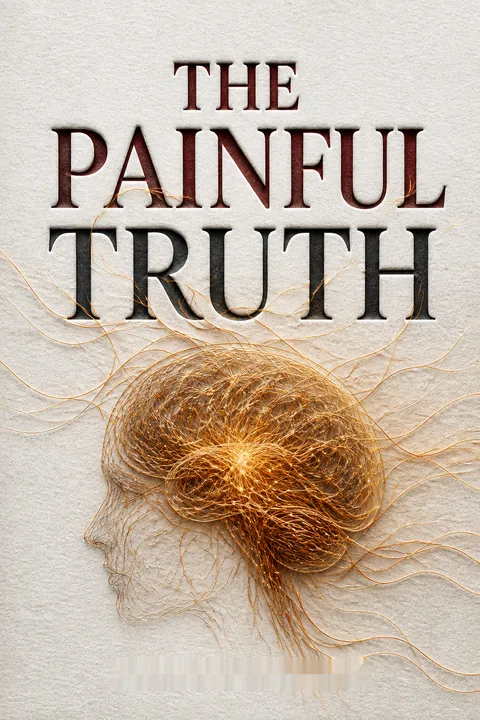


Key Takeaways
Treat pain as a protective alarm, not a damage meter
Pain is not a scan. Monty Lyman’s fish-hook injury began with little pain, then grew sharper when he was alone and imagined removing the hook. A builder whose boot was pierced by a long nail experienced agony despite no tissue damage. Such cases expose the weak link between injury and pain: one can occur without the other.
The brain makes the call. Nociception is the detection of potentially harmful signals, not pain itself. The brain combines those signals with attention, emotion, memory, and expectations to produce a conscious experience that urges protection. Paul, whose severe back pain persisted despite normal tests, was not imagining it. His clinicians’ choice between hidden damage and psychological pain was a false dilemma.
The distinction is both scientific and ethical. It allows clinicians to validate pain without claiming that a scan must reveal its cause, and it explains why a normal test cannot prove that suffering is unreal. The same logic appears in perception more broadly: the brain interprets sensory input rather than simply recording it. Still, a protective alarm can coexist with active disease or injury. Reframing pain should therefore add to careful assessment, not replace it.
Remember that pain's absence can be more dangerous than pain
Pain teaches protection. Naveed, a boy in Pakistan with a rare mutation affecting the Nav1.7 sodium channel, could walk over hot coals and injure himself without noticing. He died after an unnoticed head injury. People born unable to feel pain often accumulate burns, fractures, and other damage because they lack the alarm that would prompt them to stop.
Numbness has costs. Peter, a man with diabetes, lost sensation in his feet as nerve damage progressed. He kept walking on injuries until ulcers and bone damage led to amputation. These stories show why pain is useful even though it is unpleasant. It directs attention, changes behavior, and gives damaged tissue a chance to heal.
Pain’s protective function explains why a universal pain-killing solution would be a dangerous goal. The relevant target is not sensation in the abstract, but suffering that exceeds any protective use. This distinction also clarifies why a treatment that reduces pain must be assessed for function and safety, not just a lower pain score. The rare cases are vivid, but they do not mean every episode of pain is useful or accurately calibrated.
Use attention and expectation to change how pain is experienced
Attention changes the signal. As a teenager absorbed in a video game, Lyman failed to notice a kitten biting his toe. Burn patients using SnowWorld, an immersive virtual reality game, reported 35 to 50 percent less pain during wound care. Distraction can shift the brain’s focus and activate its own pain-modulating systems.
Expectations matter too. A placebo is an inactive treatment, while the placebo effect is the brain’s response to the treatment context. In one experiment, people given an opioid without knowing it received less relief than when they were told it was starting. Negative expectations can work in reverse: alarming language can heighten pain, a response called the nocebo effect. These effects are real, not evidence that pain is pretend.
This is a practical lesson in how care is delivered. A clinician’s explanation, tone, and attention are part of the treatment context, even when they do not replace medication or a procedure. The idea also gives caregivers low-cost ways to reduce distress, from engaging conversation to absorbing activities. Expectation is powerful but not a reliable cure, and positive messaging must not become pressure on patients to feel better or blame when relief does not arrive.
Reduce threat and restore control when pain becomes overwhelming
Pain carries meaning. Evan, an Australian special forces soldier, endured nearly one hundred hours of brutal interrogation training. Afterward, ordinary sensations, including putting on boots, could trigger intense pain. His experience shows how fear, humiliation, unpredictability, and helplessness can amplify pain even when physical damage does not explain its severity.
Agency can ease suffering. The same stimulus is often more bearable when a person has control and a clear purpose. Pain also has sensory and emotional dimensions: patients with pain asymbolia can identify pain but do not find it distressing, while emotion-focused brain stimulation has improved well-being without lowering reported pain intensity. Psychological therapies can help some people reduce fear and distress, but they do not make pain imaginary.
Restoring agency is a strong bridge between neuroscience and humane practice. A person who understands what is happening and can influence the next step has a different relationship to threat than someone who feels trapped. This principle applies well beyond pain, including trauma-informed care and consent-based medicine. Yet agency cannot mean assigning the patient responsibility for circumstances they cannot control. Support, social conditions, and appropriate medical care remain part of the picture.
Treat social connection and fairness as part of pain care
Belonging can soothe. In a study of Oxford rowers, those who rowed in synchrony as a team had roughly twice the pain tolerance they showed when rowing alone. Group singing, laughter, and ordinary friendship can also ease pain, partly by shifting attention and strengthening social bonds. By contrast, pain can isolate people, and isolation can deepen pain.
Injustice hurts physically. Studies described in the book found that Black patients in the United States were less likely than white patients to receive pain relief, and women’s pain is also often undertreated or dismissed. Babies were once assumed not to feel pain because they could not describe it. Social context is not a decorative extra: exclusion, bias, and disbelief can intensify suffering and deny care.
The social account broadens responsibility beyond the person in pain. A support network can help an individual cope, but institutions also shape whose pain is believed and treated. That makes fairness a clinical concern as well as a moral one. The rowing result should not be mistaken for proof that all group activity relieves pain equally; effects depend on the person and setting. Still, connection offers a plausible, accessible complement to medical treatment.
Notice when pain serves reward, purpose, or relief
Context can flip pain. In an Oxford experiment, moderate heat felt unpleasant when compared with warmth, but relieving when it followed a more intense painful stimulus. For some participants, the same moderate pain even became pleasant. The brain weighs sensation against what else is happening and what may follow.
Relief can reinforce behavior. Runners may tolerate pain because finishing matters, while a chilli can feel enjoyable when the brain recognizes that the burn is safe. The book also explains why self-injury can briefly relieve emotional distress: pain and the relief that follows may become reinforcing. This does not make self-harm trivial or desirable. It means that judging behavior without understanding the need it meets can miss the route to helping.
The distinction between seeking pleasure and seeking reward helps explain why people sometimes choose difficult or painful experiences. Meaning can change the felt value of a sensation, whether through achievement, safety, or relief. The same mechanism can support resilience or lock someone into a harmful cycle. That is why self-injury calls for care rather than moralizing: short-term relief may be real while the longer-term costs remain serious.
Recognize when a healed injury leaves behind an overactive alarm
Pain can learn. Central sensitization is increased responsiveness in the brain and spinal cord, so less provocation can produce more pain, and pain can linger. After a fish-hook injury to his foot healed, Lyman later felt disproportionate pain from a small scratch in the same area. The brain had learned to treat a familiar cue as a threat.
The alarm can spread. In persistent pain, nervous-system changes can weaken the connection between the original injury and present suffering. Phantom limb pain makes this especially clear: a person can feel pain in an absent limb. Mirror therapy uses reflection to make a missing or painful limb appear to move safely, while graded motor imagery gradually reintroduces imagined and observed movement. These approaches aim to update protective expectations, not deny the pain.
Learning is a useful model because it makes persistent pain understandable without reducing it to either tissue damage or attitude. It also suggests a route to change: repeated safe experience can compete with a learned danger response. The model must be used carefully, however. Some persistent pain accompanies ongoing disease or injury, and altered sensitivity is not always easy to measure. Good care keeps investigating medical causes while also addressing nervous-system sensitivity.
Lower the background stress that keeps the pain system on alert
The pain crisis is large. The book estimates that roughly one in five people in many populations live with persistent pain. Stress, inflammation, isolation, inactivity, and disrupted sleep can each contribute to a body and brain that remain on guard. Sleep and pain reinforce each other, and even modest sleep loss can increase pain sensitivity.
Medication has limits. Opioids can be valuable for acute pain, but the book describes their limited effectiveness for many long-term musculoskeletal conditions, alongside tolerance, dependence, side effects, and the possibility of increased pain sensitivity. This is not a case for abandoning medication. It is a reason to consider the wider conditions that shape pain, including sleep, movement, mental health, and the person’s social circumstances.
A systems view is more realistic than searching for one villain. Sleep, stress, movement, and social connection interact, so changing one pressure point may make other changes easier. This perspective also resists a common mistake: treating lifestyle as a substitute for clinical care or as proof that patients caused their pain. Resources and circumstances constrain what people can change. Effective plans need to be practical, supported, and tailored.
Rebuild safety through education, gradual movement, and meaningful activity
Start with a better map. Pain education explains that pain is a protective output of the brain, not a direct reading of tissue damage. In studies discussed by Lyman, people taught modern pain science improved their understanding and, in some trials, reported less pain. For persistent back pain, cognitive functional therapy combines education with gradual movement and lifestyle changes to reduce fear and avoidance.
Make recovery active. Gentle, progressively increased movement can teach the brain that a body part is safe to use. Knitting is one example of an activity that combines repetitive movement, attention, creativity, and social contact. It helps some people, not everyone, and evidence varies across treatments. Persistent pain should still be assessed by a health professional, especially when new or concerning symptoms appear.
The practical strength of this approach is that it offers several routes into change rather than a single miracle treatment. Education can make movement less frightening; activity can restore confidence, routine, and social participation. The knitting example is a useful illustration of how an ordinary practice can combine therapeutic ingredients, but personal testimony is not equivalent to strong clinical evidence. The broader principle is to find safe, sustainable activities that matter to the individual.
Analysis
The book’s central achievement is not merely replacing one definition of pain with another. It changes the reader’s interpretive habits. A normal scan no longer means that suffering is imaginary; pain becomes a real protective output whose intensity may be poorly matched to present tissue danger. That shift connects neuroscience to clinical dignity, especially for people whose symptoms are difficult to measure or whose testimony has historically been discounted.
Its strongest explanatory move is to connect apparently disparate cases: the painless child, the soldier who notices injury only after battle, the amputee with phantom pain, and the person whose healed back remains painful. Each shows that sensation, injury, and conscious pain do not map neatly onto one another. The same framework makes room for attention, expectation, emotion, and social context without treating them as alternatives to biology. The brain is not separate from the body, and psychological influence is not evidence of fabrication.
The framework also carries a risk. Calling pain protective can sound reassuring, but persistent pain can be profoundly disabling, and some pain does signal ongoing pathology. The model should therefore broaden assessment rather than license premature reassurance. Similarly, accounts of neuroplasticity and safety-based retraining are promising explanations and treatment rationales, not guarantees that a person can think or exercise their way out of pain. The book is most persuasive when it pairs hope with those limits.
Its account of treatment is consequently plural rather than triumphalist. Medication, careful diagnosis, movement, psychological therapies, education, sleep, and social support can each matter, with different effects for different people. That is less tidy than a single cure, but more faithful to a condition shaped by many interacting systems. The deepest practical implication is cultural: clinicians and caregivers can take pain seriously without assuming that its intensity reveals the amount of damage. Better understanding can reduce fear and stigma, while leaving room for uncertainty, evidence, and individualized care.
Review Summary
The Painful Truth receives widespread acclaim for its insightful exploration of pain science. Readers praise Lyman's accessible writing style, comprehensive research, and paradigm-shifting perspectives on pain management. The book challenges conventional wisdom, emphasizing pain as a protective mechanism rather than a mere symptom. Many reviewers note its potential to revolutionize pain treatment approaches and recommend it for both medical professionals and chronic pain sufferers. Some criticisms include occasional repetitiveness and a desire for more practical pain management strategies.
People Also Read



Glossary
Nociception
Detection of harmful stimuliNociception is the nervous system’s detection and transmission of potentially harmful or damaging stimuli. Specialized receptors respond to mechanical, thermal, or chemical threats and send signals through nerves toward the spinal cord and brain. Nociception can contribute to pain, but it is not itself pain: it can occur without conscious pain, and pain can occur without detectable nociceptive input.
Neurosignature
A brain activity patternA neurosignature is a pattern of activity across multiple brain regions associated with a particular experience of pain. It is not a single pain centre or a fixed pathway. Sensory information, emotion, memory, attention, beliefs, and expectations can all contribute, so the pattern varies between people and from one pain experience to another.
Central sensitization
Heightened nervous-system responsivenessCentral sensitization is increased responsiveness within the brain and spinal cord to signals associated with threat or damage. It can make pain stronger, longer-lasting, or more easily triggered. It can also contribute to allodynia, pain from normally harmless stimuli, and hyperalgesia, unusually intense pain from painful stimuli. The book presents it as an important process in some persistent pain.
Predictive processing
Perception shaped by predictionPredictive processing is a theory that the brain continually uses expectations, beliefs, and past experience to anticipate sensory information. It compares those predictions with incoming signals and updates its interpretation when the mismatch is significant. In the book, this model helps explain why expectations, context, and learned associations can alter pain without making the experience unreal.
Nocebo effect
Harm from negative expectationThe nocebo effect occurs when negative expectations or treatment cues worsen symptoms or reduce the benefit of care. In pain, alarming explanations, threatening language, or anticipated side effects can increase fear and pain. The effect does not mean symptoms are invented. It describes how context and expectation can influence the brain and the body’s experience.
Graded motor imagery
Stepwise movement retrainingGraded motor imagery is a rehabilitation programme intended to activate movement-related brain processes gradually without immediately provoking a strong pain response. The stages described in the book involve identifying whether body-part images show the left or right side, imagining movement, and using mirror therapy. It is used for persistent pain conditions including phantom limb pain and complex regional pain syndrome.
Hedonic flip
Pain becomes relative reliefThe hedonic flip is a change in how a stimulus feels when its context changes. A moderate painful stimulus may seem unpleasant beside a mild sensation but relieving, or even pleasurable, after a more intense pain. The concept shows that the brain evaluates sensations in relation to alternatives, expectations, and rewards rather than assigning them a fixed emotional value.
Protectometer
A personal threat-safety guideThe Protectometer is a pain-education tool associated with David Butler and Lorimer Moseley’s Explain Pain approach. It helps a person identify factors their brain may interpret as danger, called Danger In Me, and factors that may signal safety, called Safety In Me. The aim is to make possible contributors to pain and potential sources of reassurance easier to notice and discuss.
FAQ
What’s The Painful Truth: The New Science of Why We Hurt and How We Can Heal by Monty Lyman about?
- Comprehensive exploration of pain: The book investigates the science of pain, challenging the outdated view that pain is simply a symptom of tissue damage and presenting it as a complex, brain-generated protective mechanism.
- Focus on persistent pain: It highlights the global crisis of chronic pain, affecting up to one in five people, and explains why it is often misunderstood and poorly managed.
- Integration of science and stories: Monty Lyman combines scientific research, real-life stories, and interviews to make pain science accessible and relatable.
- Hope for healing: The book offers new hope through modern pain science, emphasizing education, movement, psychological therapies, and social support as keys to managing and reducing pain.
Why should I read The Painful Truth by Monty Lyman?
- Corrects common misconceptions: The book dismantles the myth that pain always equals tissue damage, empowering readers with a new understanding of pain’s true nature.
- Holistic and practical approach: It integrates biological, psychological, and social perspectives, offering actionable advice for managing persistent pain.
- Empowers patients and caregivers: The book provides hope and practical tools for those suffering from pain, as well as for healthcare professionals and caregivers.
- Advocates for social change: Lyman raises awareness about pain injustice, especially regarding gender and racial disparities, and calls for more compassionate, equitable care.
What are the key takeaways from The Painful Truth by Monty Lyman?
- Pain is a protector: Pain is created by the brain as a warning system, not as a direct measure of injury.
- Persistent pain is complex: Chronic pain can persist even after tissue healing due to changes in the nervous system and brain (central sensitization and neuroplasticity).
- Social and cultural factors matter: Pain perception and treatment are deeply influenced by social injustice, cultural beliefs, and personal mindset.
- Education and self-management: Understanding pain’s true nature, movement, psychological therapies, and social support are crucial for effective pain management.
How does Monty Lyman define pain and its role in The Painful Truth?
- Pain as a protective output: Pain is described as an unpleasant sensory and emotional experience, fundamentally serving to protect us from harm.
- Brain’s decision-making: The brain acts like a "Ministry of Defence," weighing evidence of danger and deciding whether to produce pain as a conscious warning.
- Complex and individualized: Pain involves sensory, emotional, and cognitive brain areas, making it a unique and personal experience.
- Not a direct injury signal: The book emphasizes that pain is not a simple indicator of tissue damage but a complex, brain-generated response.
What is the “painful untruth” discussed in The Painful Truth by Monty Lyman?
- Pain ≠ injury: The "painful untruth" is the widespread belief that pain is an accurate measure of tissue damage, which the book argues is fundamentally incorrect.
- Brain-generated experience: Pain is created by the brain as a protective response, influenced by sensory input, emotions, memories, and expectations.
- Harmful consequences: This misconception leads to misdiagnosis, stigma, and ineffective treatments, especially for those with persistent pain.
- Need for a pain revolution: Lyman calls for a shift in how medicine and society understand and treat pain.
What are the key scientific concepts about pain in The Painful Truth by Monty Lyman?
- Central sensitization: The central nervous system can become hypersensitive, amplifying pain signals and causing pain from normally non-painful stimuli.
- Neuroplasticity: The brain’s ability to rewire itself underlies both the development and potential reversal of persistent pain.
- Role of inflammation and stress: Chronic low-grade inflammation and psychological stress can sensitize the nervous system, sustaining persistent pain.
- Pain as a brain output: Pain is not a direct readout of injury but a protective output of the brain, which can become overprotective.
How does The Painful Truth by Monty Lyman explain the social and cultural influences on pain?
- Pain injustice and bias: Systemic racism and sexism lead to disparities in pain treatment, with women and minorities often receiving less effective care.
- Perceived injustice worsens pain: Feeling unfairly treated can increase pain perception, activating similar brain regions as physical pain.
- Cultural attitudes shape pain: Different cultures have varying norms about expressing and tolerating pain, affecting how pain is experienced and reported.
- Belief systems and resilience: Religious and spiritual beliefs can help people find meaning and cope with pain, fostering resilience.
What insights does Monty Lyman provide about people who cannot feel pain in The Painful Truth?
- Profiles of the “Painless Five”: The book explores rare cases of individuals with congenital analgesia or altered pain perception, revealing the biological mechanisms behind pain.
- Genetic discoveries: Mutations in genes like SCN9A and FAAH-OUT affect pain sensitivity, offering hope for new pain treatments.
- Importance for survival: These cases show that pain is essential for physical protection, emotional well-being, and social functioning.
- Lessons for treatment: Understanding these rare conditions helps inform the development of novel pain therapies.
How does The Painful Truth by Monty Lyman describe the power of attention, distraction, and imagination in pain relief?
- Distraction reduces pain: Engaging activities like virtual reality or immersive tasks can significantly decrease pain by diverting attention from pain signals.
- Hypnotherapy and suggestion: Hypnosis uses focused attention and imagination to alter pain perception, with neuroimaging evidence supporting its effectiveness.
- Mind–body connection: These methods demonstrate that pain is malleable and influenced by cognitive and emotional states.
- Non-pharmacological options: Attention-based techniques offer alternative avenues for pain management beyond medication.
What is the “expectation effect” and its significance in The Painful Truth by Monty Lyman?
- Placebo and nocebo effects: Belief and anticipation can powerfully modulate pain, with placebos triggering real opioid and cannabinoid release in the brain.
- Context and meaning: The ritual, confidence, and meaning behind treatment can influence pain relief, sometimes making sham treatments as effective as real ones.
- Open-label placebos: Even when patients know they are receiving placebos, pain relief can still occur, highlighting the brain’s predictive processing.
- Implications for care: Understanding the expectation effect can improve how treatments are delivered and perceived.
How do emotions and psychology influence pain according to The Painful Truth by Monty Lyman?
- Pain is both sensory and emotional: Brain areas like the anterior cingulate cortex integrate these aspects, explaining why emotions affect pain intensity.
- Fear and anxiety amplify pain: Anticipation and threat perception can increase pain, creating vicious cycles in chronic pain conditions.
- Psychological therapies help: Approaches like cognitive behavioural therapy, mindfulness, and acceptance and commitment therapy can reduce pain by changing thoughts and emotional responses.
- Reframing pain beliefs: Changing the narrative around pain can reduce fear and improve outcomes.
What are the main treatments and strategies for persistent pain in The Painful Truth by Monty Lyman?
- Movement and graded exposure: Gentle, gradual movement retrains the brain to perceive the body as safe, reducing pain sensitivity and releasing natural analgesics.
- Psychological therapies: CBT, ACT, mindfulness, and emotional awareness therapies help reframe pain beliefs and manage emotional factors.
- Pain education: Understanding pain’s true nature empowers patients, reduces fear, and encourages active self-management.
- Innovative techniques: Mirror therapy, graded motor imagery, visualization, and virtual reality are emerging tools to directly modulate pain circuits.
About the Author


Download PDF
Download EPUB
.epub digital book format is ideal for reading ebooks on phones, tablets, and e-readers.








