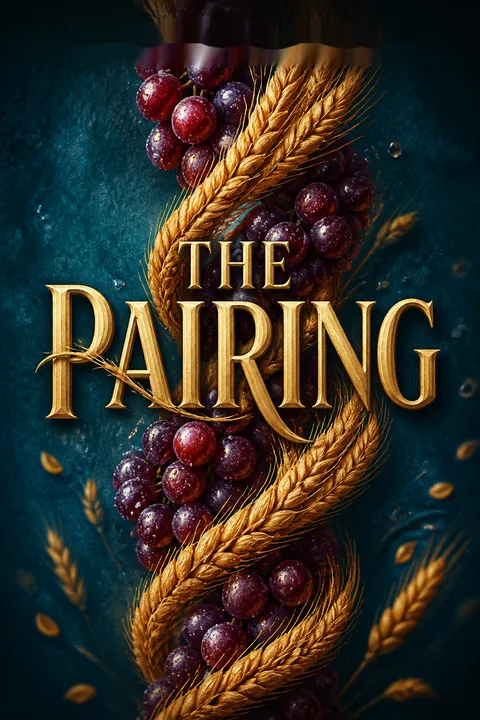


Plot Summary
Prologue
At twenty-two, Theo and Kit are best friends living together in California, each hiding a love the other seems unlikely to return. A Halloween party finally loosens their restraint: after Theo admits they once loved Kit, Kit reveals the feeling was mutual, and they begin a relationship that makes their shared life feel effortless.
Their first morning as lovers brings a second confession, this time about the present. The book opens by showing how long their love has existed before the European trip asks whether it can survive what they have made of it.
The first confession establishes the novel’s central tension: intimacy comes naturally to Theo and Kit, but naming what they want comes late. Their old habit of treating desire as a joke protects the friendship while also delaying honesty. The mutual confession seems to solve that problem, yet the reader knows from the later frame that love alone will not prevent them from misreading each other. The beginning is therefore less a promise of uncomplicated romance than a measure of what both characters stand to lose.
The Tour Bus Collision
At twenty-eight, Theo redeems the European food and wine tour voucher they had kept after their relationship ended four years earlier. They have spent the years since the airport breakup building a life in Palm Springs, working as a sommelier and turning a Volkswagen bus into a mobile bar.
In London, Theo nearly misses the tour while helping a pub manager, then reaches the bus just in time to discover Kit in the last row. They had believed Kit left them at Heathrow and went to Paris without looking back. After a tense encounter on the Dover cliffs, where a sheep interrupts their argument, they agree to coexist as friends for the three-week trip.
Theo’s attempt to travel alone is not simply a vacation; it is a test of whether competence can replace the person they still miss. The collision makes that experiment impossible. Their agreement to coexist is deliberately small, a way to control the emotional stakes without admitting that the reunion has already unsettled them. The sheep’s comic interruption also forces their grievance into conversation: Kit can apologize, and Theo can hear him, even while refusing to forgive him yet.
The Paris Girlfriend Mistake
In Paris, Theo tries to treat the pastry tour as work rather than a tour through Kit’s new life. Kit’s old classmate Maxine leads the group, and he knows the city, the bakeries, and the chefs with the ease of someone who belongs there. Theo resents watching him flourish, then bonds with Maxine over dinner and discovers she respects Theo’s wine knowledge and hard-won independence.
Kit gives Theo an olive oil cake, and they later visit his favorite hidden bar. Theo assumes Kit and Maxine are lovers, leaves with Moulin Rouge performer Estelle, and spends the night wanting Kit instead. The next morning, Kit explains that Maxine is his best friend, not his partner, and Theo realizes jealousy has already complicated their truce.
Theo reads Kit’s ease in Paris as evidence that he has replaced their shared past with a more polished life. The mistaken girlfriend is less about Maxine than about Theo’s fear of being interchangeable. Their choice to pursue Estelle is an attempt to regain control, but it leaves Theo more conscious of Kit’s absence. Maxine’s interest in Theo’s work matters because it offers recognition that does not depend on being Kit’s former partner.
Flour, Wine, and Florian
In Bordeaux, Theo and Kit are paired to shape baguettes at a château, where Kit patiently guides Theo without touching their hands. They share vineyard tastings and fall back into their old habit of building dishes and drinks from whatever they taste. Theo impresses the estate owner with a precise wine note, while Kit learns how far Theo has advanced in wine service.
Their banter returns over lunch, especially when the handsome farmhand Florian joins them. After the tour, Theo goes home with Florian, and Kit reacts with unmistakable jealousy. Watching the Calums and Fabrizio flirt with Florian gives the exes an idea: they will compete to hook up with someone in the greatest number of cities.
Cooking and tasting give Theo and Kit a low-risk way to recover their partnership: each can contribute expertise without first resolving the breakup. The sex wager extends that strategy into desire. By turning attraction into a score, they can stay close while pretending intimacy is only sport. Yet the competition’s rules also reveal the flaw in their arrangement. They are not neutral observers of each other’s sex lives, because each still wants to matter most.
The Basque Beach
In Saint-Jean-de-Luz, Theo and Kit meet Paloma, a fishmonger who introduces them to the town’s port and a beach gathering with local cooks, sellers, and friends. Theo kisses Juliette, the fruit seller from the market, while Kit kisses Paloma. Watching Kit with Paloma sends Theo into a rush of memories, and Juliette notices that Theo is focused on someone else.
She refuses to be a consolation prize and leaves Theo with the uncomfortable truth that their feelings are visible. Earlier, Theo and Kit had swum together in a secluded cove, sharing cherries, cheese, and the old pleasure of exploring a place side by side. Their easy friendship now carries a sharper current of longing.
The beach makes the competition’s emotional cost visible. Theo can kiss Juliette, but cannot keep their attention from returning to Kit; Juliette recognizes the difference between being desired and being used to distract someone. The shared swim is equally important because it restores a form of trust based on ordinary habits rather than declarations. Their closeness feels safe until Kit turns toward Paloma, showing how easily companionship becomes a test of who is chosen.
The Boarding Pass Error
In San Sebastián, a boat ride at Monte Igueldo traps Theo and Kit in a traffic jam of amusement-park vessels. Theo finally asks what happened after their argument at Heathrow. Both had believed the other chose to leave: Kit says he returned to find Theo gone, while Theo remembers waiting at the gate.
Kit checks their old messages and finds the boarding pass Theo sent him carries Theo’s name, not his. Theo had meant to send Kit’s pass, but the mistake looked like a deliberate decision to fly home alone. Kit had also tried to write an explanation before Theo blocked his number. The revelation turns four years of resentment into a mutual misunderstanding, and they agree they can be friends again.
The boarding pass is a small administrative error with an enormous emotional afterlife. Each person interpreted missing information through an existing fear: Theo expected Kit to outgrow them, while Kit believed Theo could leave without hesitation. The discovery does not erase the conflict that preceded it, but it dismantles the simple villain story that let both avoid grief. Friendship becomes possible when they recognize that both were hurt, and both helped make silence permanent.
Sagrada Familia Again
Barcelona’s heat and crowded food tours draw Theo and Kit into close quarters. When Theo forgets their phone, Kit takes notes for them and fills a sketchbook with drawings of the chocolate they taste. The next morning, they wake tangled together after Theo’s sleeping body reaches for Kit, then both pretend the accident means nothing.
At Sagrada Familia, Theo asks Kit to explain the church’s structure and Gaudí’s life. Kit shares his knowledge with open delight instead of the condescension Theo had feared, and Theo sees that his love of art is generous rather than performative. Later, Kit tells Theo that his father pretended to write a book during the summer Kit’s mother died, deepening Kit’s disillusionment with him.
The sketchbook and the church show care taking forms that do not demand repayment. Kit helps Theo preserve sensory details, then offers knowledge without using it to establish superiority. That changes Theo’s memory of their differences: Kit’s depth need not diminish Theo’s more instinctive intelligence. His disclosure about his father complicates the image of Kit as effortlessly secure. Both have been carrying private disappointments that the reunion makes newly speakable.
The Barcelona Balcony
At a Barcelona bar, Kit meets chocolate maker Santiago, who arrives with his neighbor Caterina, a painter. Theo leaves with Caterina, but their apartment balconies face Kit’s, and Theo hears Kit with Santiago through the open doors. Caterina remains attentive, yet Theo cannot reach the pleasure they expected because their thoughts keep returning to Kit.
Once alone at the hostel, Theo tells Sloane they may be falling in love with Kit again. The admission follows a day when Kit helped Theo record tasting notes and a night when their bodies fell into old patterns. Theo has begun to understand that the competition has not loosened their attachment; it has made the attachment impossible to ignore.
Theo’s encounter with Caterina exposes the limits of the wager. They can choose a new partner and genuinely enjoy her company, but they cannot prevent Kit’s presence from shaping the experience. The balcony makes the triangle literal: Theo and Kit occupy separate rooms, yet sound carries between them. The confession to Sloane is a first act of honesty, even though Theo has not yet risked honesty with Kit.
Raspberry at the Boulangerie
In Nice, Kit takes Theo to visit his pastry-school friend Apolline, whose bakery has been hit by food poisoning and a staff shortage. Theo and Kit help her prepare the afternoon service, working in sync as Kit laminates dough and Theo handles glazes and fillings. After the rush, Theo sees Apolline kiss Kit and leaves before hearing the explanation.
On Castle Hill, Theo learns their biggest wedding client has terminated the contract after Theo missed messages about a shipping crisis. The lost deposit threatens the mobile bar’s finances. Sloane offers to invest, but Theo rejects the help and accuses her success of depending on their parents. Sloane pushes back, leaving Theo ashamed and more determined to prove they can manage alone.
The bakery lets Theo experience the satisfaction of competent collaboration just as their own business begins to falter. Their flight from Apolline’s kiss shows how little distance the sex competition has created. The client’s cancellation then exposes the cost of Theo’s self-reliance: missed communication has real financial consequences, and refusing help may deepen the crisis. Sloane’s argument is painful because it challenges Theo’s belief that independence must mean refusing every resource.
Monaco’s Stolen Champagne
In Monaco, Theo tries on the reckless confidence they associate with their younger sister and gets themself and Kit onto a wealthy host’s yacht. Émile flirts with both of them, and the three move toward an intimate encounter in which he asks Kit to show him how to pleasure Theo.
Kit and Theo use their old hand signals to check consent, and Kit’s touch brings them close to crossing the line between performance and reunion. A foghorn interrupts when the yacht returns to harbor. Theo grabs a bottle of champagne and runs; Kit chases them through Monaco’s streets. Their laughter fades against a wall, where Kit touches Theo’s face and Theo lets him kiss them.
The yacht offers Theo a controlled version of danger: money, strangers, and sexual display make it possible to act bold without discussing what the boldness means. Their familiar consent signals briefly restore the intimacy they once shared, but the interruption leaves the choice unresolved. The kiss after their escape is different from the wager. It is not a point scored against anyone. It is a direct, risky acknowledgment of desire.
The Vineyard Shed
After the Monaco kiss, Kit narrates the growing strain of sharing the tour with Theo. At dinner in Manarola, Theo jokes about the kiss in front of the Calums, and Kit’s nose begins to bleed from the force of his feelings. Outside, he admits he has wanted Theo since the London bus.
Theo says the constant talk and thought of sex has made them both miserable, but insists that wanting Kit does not mean getting back together. They set limits: no kissing on the mouth and no skin-to-skin contact below the waist. In an ivy-covered vineyard shed, they touch and bring each other to orgasm without breaking those rules. Their bodies reconnect before either is ready to promise a future.
The rules give Theo a way to consent to intimacy without surrendering control of the relationship. Kit accepts them because access to Theo matters more to him than getting everything he wants. The arrangement is both careful and unstable: physical contact is permitted, while the meaning of that contact remains deliberately unnamed. Kit’s nosebleed turns his concealed emotion into something the body reveals before he can manage it.
Pisa’s Open Question
On the drive toward Pisa, the tour bus breaks down, and Theo diagnoses loose engine bolts, then works with Kit and Orla to fix them. At the city’s leaning tower, Kit takes a photograph Theo likes, prompting them to admit they finally feel at home in their appearance.
Over gelato, Theo tells Kit they are nonbinary and that they use they pronouns with the people closest to them. Kit accepts this without surprise and asks what kind of language feels right.
Theo says they want their friendship to include that understanding, then agrees they can keep having sex. They begin expanding their rules, though they still stop short of unrestricted intimacy. Theo is learning to let Kit know them more fully, while Kit learns not to assume what they need.
The roadside repair gives Theo a concrete demonstration of expertise: they identify the problem and direct a solution without needing to prove their worth through family status. The tower photograph offers a different kind of recognition, affirming how Theo sees themself. Their disclosure to Kit asks for attention rather than rescue. His response matters because he neither treats their identity as a surprise to solve nor makes it about his own understanding.
Florence’s False Proposal
In Florence, Kit takes Theo to the Buontalenti Grotto, where he patiently touches them within their agreed limits and lets anticipation do the work. Later, they revive an old joke by staging a proposal in a bar to get a free bottle of champagne. The performance draws cheers, but the familiar ring and their practiced closeness make it difficult to pretend nothing is happening.
They finally compare their lives after the breakup: Theo admits they cut Kit off to feel they had won rather than be left, while Kit explains that Paris was lonely and his casual hookups were a way to live with missing Theo. They correct the score too: neither actually slept with Paloma or Juliette.
The false proposal makes their shared history public as comedy while exposing how much tenderness still sits beneath it. Their admission that both suffered breaks the competitive story in which one person moved on and the other lost. Correcting the hookup score matters for the same reason: they had been using invented victories to avoid saying that neither had found a replacement for the bond they lost.
Chianti’s Missed Bus
A rooming error leaves Theo and Kit sharing a bedroom at Villa Mirabella, where they flirt, swim, and share a bed without settling what they are. The next morning, Theo misreads the departure time and takes Kit on a bike ride; they get lost, a tire fails, and the tour bus leaves without them. Signora Lucia drives them toward Rome in her farm truck.
Their argument revives the fight that ended their relationship, including Kit’s plan to move Theo to Paris without asking. Kit finally admits he treated Theo’s life as a problem he could solve and says the plan remains his greatest regret. Theo apologizes for the missed schedule. The two arrive back at the tour with a more honest account of their failures.
The lost bus makes the old conflict practical rather than theoretical. Theo’s mistake gives Kit a chance to feel superior, but the larger argument reveals that his original harm was deciding what Theo needed without asking. His apology differs from the earlier airport misunderstanding because he accepts responsibility for his own choice. Theo also owns the immediate error, allowing accountability to move in both directions instead of becoming another contest.
Rome Asks What Matters
In Rome, Theo and Kit continue loosening their rules and share sexual intimacy without yet deciding what it means for their future. At the Trevi Fountain, Kit asks what Theo wants, and Theo first needs time to answer. Over wine that evening, they explain their fear of committing to one pursuit: swimming once defined them, then injury ended it, and later they scattered their effort across new projects to avoid failing at any one thing.
They say they want peace, which might require choosing a direction and seeing it through. Kit listens instead of designing a solution. The conversation gives both of them a new standard for love: wanting a shared life cannot mean choosing it on the other person’s behalf.
Theo’s account reframes inconsistency as protection against another devastating loss, not simple laziness. They have avoided commitment because an unfinished possibility cannot be measured as a failure. Kit’s restraint is a meaningful change: he offers attention without turning Theo’s uncertainty into a project. The question of what each wants becomes more important than whether they can reproduce the future they imagined at twenty-two.
Naples Opens a Door
In Naples, Paloma calls Kit with news that the elderly owner of a Saint-Jean-de-Luz pâtisserie plans to sell and wants a young baker to carry it on. Kit hesitates because he has built a career in Paris, though the work no longer gives him the creative life he expected. Theo and Kit then misread Fabrizio’s invitation to his home as a proposition, only to meet his wife Valentina and Orla for a warm evening among friends.
Their condom mishap makes the misunderstanding obvious, and Fabrizio welcomes them into his life without asking them to perform a romance. Later, he urges Kit not to withhold his feelings in the name of protecting Theo. Theo and Kit end their hookup competition, recognizing it has become a way to avoid direct choice.
The bakery offer mirrors Theo’s struggle with commitment: Kit must decide whether a secure career still deserves his loyalty when it no longer nourishes him. Fabrizio’s home corrects their assumption that every invitation must be sexual, revealing a model of affection based on clear welcome and friendship. His advice also identifies Kit’s protective silence as another form of control. Respecting Theo’s choice requires giving them the truth, not withholding it.
Palermo’s Last Dance
In Palermo, Kit repeatedly nearly tells Theo he loves them, but the market, a street emergency, pastries, and the tour keep interrupting him. On the final night, an Italian band begins playing the song Theo and Kit used to sing together. Theo asks Kit to kiss them, expecting it to be a last memory before they return to separate lives.
Kit answers that he never stopped loving Theo, and they kiss openly in the crowded bar. Back at the hostel, they tell each other the feeling is mutual and abandon the limits that have kept them apart. Their first unrestricted sex in years is not a solution to the distance ahead, but it makes clear that their connection is still chosen, not merely remembered.
The repeated interruptions show how easily Kit turns honesty into something he can postpone until the perfect moment. Theo’s request finally removes that escape route by making their desire explicit, even while framing the kiss as temporary. Kit’s response changes the meaning of the trip: reconciliation is no longer a private possibility but a shared fact. Their intimacy confirms the bond, though it cannot by itself answer how they will live.
Favignana’s Last Day
After their night together, Theo and Kit decide fear of losing their friendship makes a lasting relationship too risky, so they agree to spend their final day as lovers and part afterward. On Favignana, Theo charters a small boat, Kit brings sandwiches, and they share the whiskey they had saved for the original tour.
They talk about what the trip restored: Theo wants to choose one ambition and accept help, while Kit admits he needs a more creative life than his Paris kitchen allows. They promise to remain friends and leave open the possibility of future visits. Kit seals his unsent letter in the empty whiskey bottle, but Theo asks to keep it rather than cast it into the sea.
Their decision to separate is not a lack of love; it is an attempt to prevent love from becoming another imposed life plan. Both are still afraid that wanting each other will erase the selves they have struggled to build. The boat and the bottle turn the farewell into a deliberate ritual, but Theo’s refusal to lose the letter preserves a path back. The promise of friendship is sincere, yet neither can make it emotionally neutral.
The Note Behind the Painting
Back in Paris, Kit’s mixer crashes into a painting by his mother, revealing a note she wrote to his uncle years earlier. She had hoped to give her whole heart to love without fearing the cost. The words force Kit to recognize that his decision to avoid Theo repeats the very fear he wanted to overcome.
He grabs his passport and heads for the airport, but Theo is already at his apartment door. On their flight from Palermo, Theo opened Kit’s unsent letter and realized they would never love him less. They admit they do not know how to make a shared life work, but pretending friendship is enough would be the greater mistake. Kit tells Theo he wants them back, and they choose to try.
The hidden note does not provide a new plan; it changes Kit’s understanding of the risk he has been avoiding. His mother’s words prompt him to act, but Theo arrives with an independent decision of their own. That symmetry is crucial. Their reunion is not Kit rescuing Theo or Theo following his dream. Each chooses the relationship while retaining the right to shape what it becomes.
Epilogue
Nearly a year later, Theo and Kit are preparing to open Field Day, a bakery and bar in Saint-Jean-de-Luz. They have bought the old pâtisserie and its recipes, built the new space together, and invited friends and family to taste the first menu. Theo has moved from California, learned French, and accepted Sloane as an investor; Kit has left the Paris kitchen that stifled his creativity.
Their old tour companions send ingredients and good wishes. The business joins their separate crafts without reducing either to the other’s dream. As Theo looks at Kit painting the shop, they know this time they are choosing a life together with open eyes.
Field Day fulfills the old Fairflower dream by changing its terms. The younger couple imagined a shared restaurant before either understood the labor, risk, or compromises involved. Now Theo and Kit build something grounded in skills they have developed separately, with outside help accepted rather than treated as a threat to independence. The shop’s borrowed recipes and new menu make continuity and change coexist. Theo’s happiness no longer depends on proving they can manage alone, while Kit’s devotion no longer requires designing Theo’s future for them.
Analysis
The romance is built around a distinction between love and authority. Kit’s original Paris plan begins in devotion, but because he decides what Theo needs without asking, care becomes control. Theo’s resistance is equally shaped by fear: they confuse self-reliance with refusing help and treat unfinished ambitions as safer than risking a visible failure. The reunion becomes meaningful only when both stop interpreting intimacy as permission to manage the other.
Food provides the book’s most precise model of their relationship. A good pairing does not erase the separate character of a wine and a dish; it lets each become more vivid beside the other. Theo and Kit’s eventual shared work follows the same logic. They bring distinct expertise and histories to a common project rather than returning to the fantasy that one person can supply the other’s missing pieces.
The novel also treats memory as an active construction. Each character has organized the airport breakup into a story that protects them from uncertainty: Theo believes Kit chose a more impressive life, while Kit believes Theo left cleanly and without regret. The boarding-pass mistake does not absolve every hurt, especially Kit’s unilateral plan, but it forces them to distinguish deliberate harm from misinterpretation. Their repaired relationship depends on both factual correction and changed behavior.
Theo’s nonbinary identity and career doubts deepen the question of self-authorship. They want to be seen accurately without turning every stranger into a judge, and they want to pursue a lasting ambition without surrendering control of their life. Kit’s growth is to offer love without prewriting its terms. The ending does not promise that vulnerability will prevent future mistakes. It shows them choosing a shared future while leaving room for each person to remain unfinished, ambitious, and self-directed.
Review Summary
The Pairing received mixed reviews, with some readers praising its queer representation, humor, and steamy scenes, while others found it repetitive and lacking depth. Critics enjoyed the European food and wine tour setting but felt the characters were underdeveloped. Some appreciated the exploration of gender identity and second-chance romance, while others found the plot thin and the protagonists unlikable. Overall, opinions varied widely, with some hailing it as McQuiston's best work and others considering it their weakest.
People Also Read








Characters
Theo
Restless sensory-makerTheo is a nonbinary bartender, sommelier, and maker of experiences, quick with a joke and alert to flavor, texture, and other people’s moods. They grew up in a famous Hollywood family but resist being defined by its access, preferring skills they can claim as their own. Losing a swimming career left them wary of committing fully to a new pursuit; they often protect themself by starting over before failure can become final. Their loyalty to Kit is deep, but they fear being managed or pitied. Theo’s challenge is to trust their judgment, accept support without surrendering agency, and let desire coexist with a life of their own.
Kit
Wonder-driven pastry chefKit is a French-American pastry chef and former art-history student whose curiosity turns food, paintings, and landscapes into invitations to pay attention. He is tender, observant, and instinctively helpful, often remembering what other people need before they ask. That generosity can become overreach: when he fears Theo is unhappy, he is tempted to arrange a solution rather than trust them to choose. Kit also carries a romantic belief in the transformative power of love, which makes loss difficult to accept. His growth depends on learning that devotion is not the same as knowing what is best for someone else.
Sloane
Blunt protective sisterSloane is Theo’s younger sister, a highly successful actor with an exacting mind and a fierce sense of competence. She knows Theo’s habits well enough to recognize when pride is disguising fear, and she is willing to offer practical help rather than merely comfort. Her bluntness can wound, especially when she assumes Theo’s resistance is self-sabotage, but she does not confuse support with taking over. Their sibling relationship carries the pressure of a famous family as well as the private loyalty of people who have watched one another grow.
Fabrizio
Romantic tour guideFabrizio is the exuberant Italian guide who leads the group through France, Spain, and Italy. He loves food, history, flirting, and the brief community formed by travelers sharing a bus. His theatrical charm can make guests mistake friendliness for romantic invitation, but beneath the performance he is perceptive about how people treat one another. He notices Theo and Kit’s unresolved attachment and offers them a model of direct affection through his own warm, established relationship. Fabrizio takes pleasure in making strangers feel included, then hopes some of them will remain friends.
Maxine
Paris pastry-school friendMaxine is a Paris pastry chef, guide, and Kit’s close friend from culinary school. Her lavender hair, sharp style, and dry manner can seem forbidding, but she pays close attention to what people reveal through their work. She respects Theo’s knowledge rather than treating them as an appendage to Kit, and she is protective of Kit without pretending his choices are always wise. Maxine’s friendships are candid and practical: she offers perspective, asks inconvenient questions, and expects people to take responsibility for their own desires.
Orla
Steady Irish driverOrla drives the tour bus and keeps the group moving with dry humor and competent attention. She is less dazzled by Fabrizio’s theatricality than the travelers are and understands the daily labor behind a polished tour. Her practical steadiness becomes especially valuable when the schedule goes wrong. Orla also has a life and relationship beyond the bus, which makes her a quiet example of how work, friendship, and romance can coexist without one person being the whole story.
Paloma
Rooted fishmongerPaloma is a fishmonger in Saint-Jean-de-Luz whose knowledge of the coast comes from a family tied to fishing and local food. She is direct, sociable, multilingual, and proud of having returned home after culinary school abroad failed to suit her. Paloma welcomes Theo and Kit into her community, where meals and introductions matter as much as flirtation. Her attention to the old pâtisserie below her apartment connects local care with the possibility of a new vocation for someone she trusts.
Apolline
Overworked bakerApolline is a baker in Nice and one of Kit’s friends from pastry school. She is committed to her shop and keeps working even when illness empties her staff and a kitchen accident leaves her covered in raspberry filling. Her crisis gives Theo and Kit a chance to work together in a real kitchen, where their complementary skills become obvious. Apolline is warm and energetic, but she has her own history and relationships, independent of the former couple’s assumptions.
The Calums
Australian travel companionsThe tour includes two Australian travelers both named Calum, one blond and one ginger. They are loud, playful, and quick to turn meals and flirtations into entertainment, but their friendship is more emotionally complicated than their banter suggests. Their history gives Theo and Kit a comic mirror for the loyalties and jealousies they are trying to disguise. Despite their appetite for mischief, the Calums become reliable companions who celebrate the group’s successes and make room for its awkward moments.
Montana
Enthusiastic travel influencerMontana is one of two young travel influencers on the tour. She is expressive, complimentary, and alert to the social possibilities around her. After recognizing Theo’s skill at a Coachella event, she encourages them to pursue more visible work. Her optimism offers Theo recognition outside their family and Kit’s history, while her interest in the group’s romantic entanglements makes her an informal observer of the tour’s shifting alliances.
Dakota
Deadpan travel influencerDakota travels with Montana and shares her online work, but her manner is far drier. She is observant, economical with praise, and comfortable letting other people make a spectacle of themselves. Her understated approval helps establish the friendly, curious atmosphere among the younger travelers. Dakota also participates in the shifting flirtations of the trip without being reduced to a prop in Theo and Kit’s competition.
Stig
Solo Nordic travelerStig is a broad-shouldered solo traveler who reaches the London bus after a long hike. His quiet, outdoorsy presence contrasts with Theo’s chatter and Fabrizio’s showmanship. As another person traveling alone, he gives Theo an early reminder that being unpaired does not mean being out of place. His calm participation helps the tour feel like a temporary community rather than a procession of couples.
Lars and Birgitte
Long-married Swedish coupleLars and Birgitte are an affectionate Swedish couple whose playful stories about meeting at the wrong time and finding each other later give the travelers a different model of love. They are curious rather than solemn, and they draw Theo and Kit into conversation about how the two first met. Their lasting partnership makes the tour’s fleeting romances seem less like a contest and more like one possible chapter in a longer life.
Juliette
Saint-Jean fruit sellerJuliette sells fruit at the Saint-Jean-de-Luz market and shares a brief, flirtatious connection with Theo. She is perceptive enough to see when another person’s attention is divided and refuses to settle for being a distraction. Her decision is gentle but firm, giving Theo a clear outside perspective on feelings they would rather keep unnamed.
Florian
Bordeaux vineyard farmhandFlorian works among the vines at the Bordeaux estate and becomes the first local target of Theo and Kit’s flirtatious wager. He is handsome, warm, and more receptive to playful attention than either traveler expects. His encounter with Theo establishes the competition’s score, while his presence gives the former couple a socially acceptable way to express their attraction to other people.
Émile
Monaco yacht hostÉmile is a wealthy, worldly host who invites Theo and Kit onto his yacht. He enjoys luxury but also takes pride in practical abilities, from cooking to sailing. His interest in both travelers creates a charged situation in which Theo and Kit must communicate consent and jealousy without defining their relationship. Émile functions as an encounter with a life of abundance that looks glamorous from a distance but does not answer what either of them truly wants.
Santiago
Barcelona chocolate makerSantiago is a Barcelona chocolate maker who meets Kit through a local connection. His interest in Kit contributes to the sounds Theo hears from the neighboring apartment, making Theo confront how much Kit’s presence still affects them. Santiago is a brief romantic encounter, not a rival with a larger role in the couple’s history.
Caterina
Barcelona painterCaterina is a painter with a plant-filled apartment and a recent breakup of her own. She welcomes Theo into her home and treats them with care, but she does not mistake physical attraction for a deeper promise. Her brief connection with Theo exposes the difference between wanting a new experience and being emotionally free of Kit.
Estelle
Moulin Rouge performerEstelle is a dancer Theo meets after a Moulin Rouge performance in Paris. She is direct, graceful, and interested in Theo, making their encounter a genuine possibility rather than a hollow rebound. Theo enjoys her company but remains emotionally preoccupied with Kit, revealing the limits of using a new lover to prove an old attachment has ended.
Craig
Kit’s novelist fatherCraig is Kit’s father, a prolific writer who has built a life around creative work and sudden changes of direction. Kit once admired his imagination and trusted that his choices had a larger purpose. Their relationship becomes more difficult as Kit considers how absence and self-absorption affected the family, especially during a period of grief. Craig is not a simple villain; his affection for his children exists alongside a failure to understand the cost of his behavior.
Violette
Kit’s French baker motherViolette is Kit’s French-born mother, a painter, gardener, and baker whose recipes and attention to living things helped shape Kit’s sense of beauty. She also welcomed Theo into the family’s kitchen, making food part of the children’s shared language. Her presence remains important through the habits and memories she passed on. The tenderness she gave her children offers a contrast to the adults who love deeply but do not always know how to show it well.
Thierry
Kit’s art-loving uncleThierry is Kit’s uncle on his mother’s side and the owner of a Paris apartment tied to Kit’s childhood memories. A part-time ceramicist with a succession of romantic enthusiasms, he offers Kit a connection to France and to the family’s artistic past. His apartment helps explain why Paris once seemed to Kit like the natural setting for a shared future.
Signora Lucia
Chianti villa caretakerSignora Lucia oversees the Tuscan villa where the tour stays. She is practical, observant, and willing to take charge when Theo and Kit miss their bus. Her farm truck becomes an unlikely refuge for their difficult conversation. She communicates more through action than shared language, embodying the hospitality that keeps the tour moving when its plans fail.
The Somm
Theo’s wine mentorTheo’s unnamed sommelier mentor is a demanding restaurant professional who teaches them wine through blind tastings, study, and repetition. He recognizes Theo’s sensory talent but also expects them to take their career seriously. His questions about the exam and professional events press on Theo’s insecurity, while his influence helps establish that their wine expertise is earned rather than inherited from their family’s fame.
Valentina
Fabrizio’s grounded partnerValentina is Fabrizio’s wife, warm and self-possessed, with an easy familiarity with his theatrical flirting. She welcomes Theo and Kit into their home and helps clarify that Fabrizio’s invitation was about friendship, not seduction. Her relationship with Fabrizio offers a practical example of affection that can be openly expressed without being confused for a promise to everyone who receives it.
Plot Devices
The European food tour
Forced shared itineraryThe nonrefundable tour voucher gives Theo a reason to travel alone after the breakup, then places them beside Kit when they independently redeem matching vouchers. Its route supplies the structure for the reunion: each city offers a new meal, landscape, and encounter, while the bus keeps the former couple in one another’s company. The itinerary also creates a deadline. They must face their history before the group reaches Palermo and separates again.
Food and wine
Shared sensory languageTheo’s wine expertise and Kit’s pastry craft give the pair a vocabulary for intimacy that precedes direct emotional honesty. They trade notes, improvise recipes from local ingredients, and recall meals that shaped their childhood. The practice lets each person demonstrate skill without relying on family status or romantic reassurance. As they taste together, they recover the curiosity that first made them imagine building a restaurant, while learning that shared pleasure need not require one person to direct the other.
The hookup competition
Desire disguised as playTheo proposes a city-by-city contest to see which former lover can hook up with more people. The wager gives them a reason to discuss sex, flirt, and remain close while claiming they are only friends. Its score becomes a convenient shield for jealousy and a source of comic episodes with locals and tour companions. When the pair discover that they have exaggerated their successes, the competition’s real function becomes clear: it has kept them talking, but it cannot make their feelings harmless.
The mistaken boarding pass
Breakup story overturnedAt Heathrow, Theo accidentally sends Kit a boarding pass bearing Theo’s own name. Kit reads the mistake as evidence that Theo is flying home without him, while Theo assumes Kit chose Paris after failing to return to the gate. The error is small enough to seem mundane and consequential enough to shape four years of estrangement. When Kit finds the old message in San Sebastián, the document allows them to compare memories against evidence and recognize how fear filled the gaps.
The saved letter and whiskey
A farewell kept openKit carries an unsent letter he wrote after the breakup, intending to bury it at sea at the end of the tour. Theo brings the anniversary whiskey they had planned to drink together on the original trip. Their paired objects turn the farewell into a shared ritual, but Theo keeps the letter instead of letting it disappear. Later, a message written by Kit’s mother gives him courage to act, while the letter gives Theo a reason to find him in Paris.
About the Author
Other books by Casey McQuiston



Download PDF
Download EPUB
.epub digital book format is ideal for reading ebooks on phones, tablets, and e-readers.








