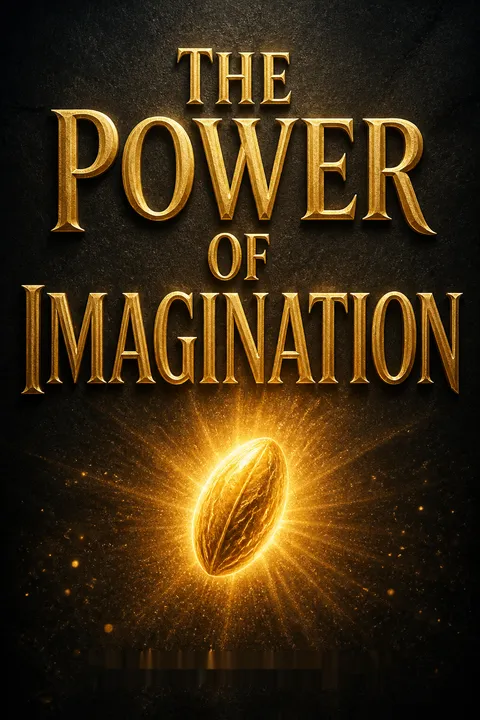


Key Takeaways
Build a larger inner picture before circumstances define your ambition.
Imagination sets direction. Wommack defines imagination as forming a mental picture of something absent. It is not merely daydreaming: people use it to remember places, understand words, and plan what to do. He argues that this inner picture becomes a frame for what people believe is possible. In 2002, after years of struggling to grow his ministry, he says God showed him that he could not see himself reaching large audiences, despite believing that was his calling.
A picture can move you. Wommack began deliberately imagining the ministry's wider reach and says its circumstances soon changed. He connects the idea to the Tower of Babel story, reading it as an example of a shared image prompting coordinated action. The core advice is to picture a meaningful future, rather than letting current evidence alone dictate what you attempt.
What's striking is the shift from aspiration as a slogan to aspiration as something mentally rehearsed. A vivid future can clarify what a person is aiming toward and make the next step easier to recognize. The distinction matters: imagination can orient effort, but a compelling picture does not guarantee an outcome. Wommack sometimes presents changed circumstances as a direct result of changed inner vision. A careful reading preserves the practical value of the practice without making setbacks proof that someone imagined poorly or lacked faith.
Replace inherited labels by rehearsing your identity in Christ.
Words can become self-images. Wommack recalls being told by his mother, jokingly, that his intelligence was barely above idiocy. He did not know it was a joke, and says the remark left him with a lasting picture of mediocrity. A friend who repeatedly heard that he could not handle car repairs became so anxious about threading a bolt that he eventually damaged one. In both stories, other people's words shaped expectations and behavior.
Choose a different source. Wommack's Christian answer is to distinguish spirit, soul, and body: the spirit is the believer's renewed identity in Christ, while the mind still needs to be reshaped by Scripture. He describes replacing his image of himself as an introvert with a picture of Christ living in him. In his theology, that new self-understanding changes how a person approaches life and service.
The account captures how a repeated label can become a lens, not just a passing insult. Changing that lens can make new behavior feel more possible. The Christian identity framework offers Wommack a source of worth that is not dependent on reputation or performance. Its application needs care, especially when a person's self-image has been shaped by abuse or trauma. A spiritual reinterpretation may support recovery, but it should not imply that pain persists because a person has failed to adopt the right identity.
Let Scripture become vivid before expecting its promises to shape action.
Reading is not the whole practice. Wommack argues that Scripture must move from words on a page into a picture that informs how a person sees their life. He uses Abraham as an example: God promised him descendants, and the images of stars overhead and sand beneath his feet repeatedly recalled that promise. In Wommack's account, the reminders helped Abraham imagine a future he could not yet see in his circumstances.
Meditate until it connects. He compares the process to consulting a blueprint rather than trying to build from verbal instructions alone. His advice is to pause over a passage, consider what it means, and picture how its teaching might apply personally. He calls imagination the believer's spiritual womb, a metaphor for the inner place where the Word is received and developed before it influences outward life.
The blueprint comparison makes a useful distinction between encountering information and translating it into an actionable model. Personalizing a text can make its moral or spiritual demands easier to remember than reciting it mechanically. The method also raises an interpretive question: a vivid reading is not automatically an accurate one. Reflection benefits from attention to context, community, and the difference between a biblical promise and a reader's preferred outcome. Imagination can deepen interpretation, but it cannot replace it.
Give faith a future to reach by practicing hope.
Hope is a pictured future. Wommack uses hope to mean a positive mental picture of what is not yet visible. He treats it as faith's partner, not its opposite: hope gives faith something to act upon. His thermostat comparison illustrates the distinction. A thermostat can call on an air conditioner, but it cannot produce cold air by itself. In his analogy, hope directs faith, while faith supplies the power to act.
A picture can prompt a step. Wommack recounts a dream in which a ministry partner challenged him to be honest about financial trouble. He then wrote to supporters, explained the need, and says the ministry received $53,000 in ten days. He presents the dream as a hopeful image that helped him take a step he had avoided. The lesson is to nurture a credible future picture rather than demand immediate certainty.
This account separates desire from action: hope makes a possible future thinkable, and that can help a person take a concrete step. The story also shows that hope need not mean private optimism; it can lead to disclosure and a request for support. The distinction between hope and faith is internally coherent within Wommack's theology, though readers need not adopt his spiritual explanation to use the practical sequence. Imagining a result is most useful when it helps identify realistic actions, not when it replaces them.
Guard the images you feed, because attention rehearses possible behavior.
Attention shapes expectation. Wommack contrasts the Israelite scouts who described themselves as tiny before the inhabitants of Canaan with David, who saw Goliath through his covenant with God. In his reading, the scouts' self-image helped turn fear into retreat, while David's conviction helped him confront the giant. The difference was not that one group saw no danger; it was the meaning they gave it.
Inputs become mental material. Wommack warns that repeated exposure to words and stories can normalize ways of acting that a person once rejected. He applies this to temptation, arguing that a person is more vulnerable when they have repeatedly entertained an imagined action. His practical counsel is to notice what occupies attention and to redirect it toward Scripture and examples of courage, rather than treating every fearful or tempting thought as a command.
The contrast between the scouts and David is memorable because both face the same threat but interpret their capacity differently. It suggests that attention influences what options people can perceive under pressure. The claim should not be reduced to the idea that media exposure mechanically produces behavior, or that people who experience temptation chose to invite it. The more defensible insight is that repeated attention can make certain responses familiar, while deliberate attention can keep other responses available.
Rehearse the work in your mind, then act on the picture.
Faith includes practice. Before renovating a ministry building, Wommack says he could not yet afford the $3.2 million project. He had contractors mark walls and doorways with tape on the floor, then spent hundreds of hours walking the layout, imagining classrooms, students, and an auditorium. After sharing the need with supporters, he says they gave enough to fund the renovation within fourteen months. The account shows how an imagined outcome can become more concrete through repeated attention.
Move from image to action. Wommack also describes speaking scriptural affirmations aloud, including words about his calling, until he could accept them as true. He points to Jesus' instruction to speak to a mountain as a model for active faith. His larger principle is that belief should produce action, not simply waiting or pleading. In this account, visualization prepares commitment; it does not replace the practical steps of planning, communicating, and building.
The taped floor plan is the book's most tangible illustration of visualization as rehearsal. It turns an abstract goal into a place the mind can explore, making decisions and hopes more specific. The story also contains practical work: construction planning, fundraising, and communication. Those details keep the account from being only a claim about thought changing reality. Readers can take the rehearsal method seriously while recognizing that the outcome depended on other people and circumstances, not imagination alone.
Remember past provision before today's crisis writes the whole story.
Memory can steady belief. Wommack reads David's prayer about preserving the people's willingness to give as a request that they remember what had happened. He contrasts this with the Israelites, who, in his account, soon forgot their escape through the Red Sea and God's provision in the wilderness. He also says he keeps a journal so he can revisit earlier difficulties and see how small some once felt in hindsight.
Recall can restore perspective. When a couple approached him in financial distress, he reminded them of how they had survived addiction and homelessness and later helped others. Their immediate problem did not change during the conversation, but Wommack says remembering their history restored their confidence. His practice is to deliberately recall specific instances of help and express gratitude, rather than allowing the current crisis to become the only evidence that matters.
The emphasis on memory is more precise than a generic call to feel grateful. Recalling specific events gives a person evidence from their own life, and journaling makes that evidence easier to recover when attention narrows. This approach can coexist with acknowledging present pain. Gratitude becomes less helpful if it is used to silence a legitimate need or pressure someone to feel cheerful. In the story, remembrance does not erase the couple's financial problem; it changes their sense of what they might face.
Challenge fear's inner script without treating sufferers as blameworthy.
Fear can magnify threat. Wommack presents spiritual warfare primarily as a struggle over thoughts and images. He tells of a student from Nigeria who described being haunted by fear and oppression, then later reported feeling free after learning to understand herself through her Christian identity. He also recalls fearing a room in his grandmother's house, where he believed demonic activity was occurring. A change in how he understood his power in Christ, he says, ended his fear.
Interpretation can change response. His advice is to question frightening thoughts, remember the believer's authority in Christ, and avoid giving fear the status of fact. He treats this as a way to resist spiritual oppression rather than fixating on demons. The principle is to examine what a fear-based image is doing to behavior and whether another interpretation is available, especially one that restores agency.
The stories show how a person's interpretation of threat can either intensify fear or help them regain a sense of agency. That can be spiritually meaningful for readers who share Wommack's beliefs. The framing also needs compassion: telling someone that fear gives an adversary access can sound like blame, particularly after abuse or during mental illness. Support should not depend on proving that a sufferer has cooperated with evil. Pastoral care can affirm spiritual resources while also taking trauma, safety, and professional help seriously.
Measure temporary loss against the Christian promise of life beyond death.
Perspective can widen the frame. Wommack draws on Paul's letters to argue that hardship is real but not the whole of existence. Paul, imprisoned and facing death, describes remaining alive as useful to others while also regarding life with Christ as his hope. Wommack says he and his wife once continued ministering through a painful public crisis because their focus remained on Jesus and their work.
Not every setback is final. He also recalls damaging two new cars in one week and later viewing the incident as frustrating but limited. For believers, he argues, financial loss, illness, and even death do not erase the possibility of hope because life extends beyond earthly circumstances. This perspective is meant to reduce panic, not to claim that trouble is imaginary or that every loss can be reversed in this life.
The eternal frame offers a distinctive answer to loss: it does not require every earthly outcome to be favorable before a person can retain hope. That can make endurance possible when problems cannot be quickly solved. The distinction between enduring hardship and dismissing it is essential. Calling a crisis temporary from an eternal perspective may comfort some people, while sounding minimizing to others. The account is strongest when it supports courage and care, rather than being used to discourage grief or practical help.
Ask for insight into God's provision, not only for new provision.
Revelation changes the request. In the book's closing argument, Wommack points to Paul's prayer in Ephesians that believers would understand their calling, inheritance, and God's power toward them. He says this is a request for clearer sight of what God has already provided through Christ, not simply a plea for something new. The framework depends on his Christian belief that salvation has renewed the spirit, while the mind still needs to be reshaped.
Renewal is the connecting step. Wommack compares the soul to a valve between spiritual provision and everyday experience: renewing the mind allows a believer to recognize and live from what faith says is already present. He recommends personalizing Paul's prayer, meditating on Scripture, and acting in line with it. The book's final invitation is to see oneself through this theology, then let that picture guide choices and responses.
This ending recasts prayer as a practice of perception as well as petition. Within Wommack's theology, the believer is not trying to persuade a distant God to become generous; the task is to recognize and embody what Christ has made available. That can be a powerful corrective to passivity. It also invites discernment about what counts as provision and how it becomes visible in difficult circumstances. The model is most balanced when confidence in spiritual resources accompanies, rather than rules out, asking other people for help.
Analysis
The book's central move is to treat imagination as the bridge between Christian doctrine and lived experience. Wommack joins several ideas that are often kept separate: mental imagery, biblical meditation, hope, self-concept, memory, speech, and action. The recurring pattern is that a person first receives a picture, then becomes emotionally oriented toward it, and finally acts in ways that make it more plausible. Abraham's stars, David's confrontation with Goliath, and the taped floor plan of a future building turn that pattern into stories readers can picture.
The framework is most persuasive as a discipline of attention. Rehearsing a desired response can clarify purpose, interrupt habitual fear, and make action feel less foreign. Remembering earlier help can also broaden a crisis narrowed by immediate pressure. Those benefits do not require every theological claim in the book to be treated as empirically established. The accounts of miracles and provision are presented as testimony; they do not demonstrate that visualization reliably causes healing, wealth, or protection.
That distinction matters because Wommack sometimes makes strong claims about health and emotion. The book suggests that depression follows wrong thinking and that believers can overcome sickness by renewing the mind. Such statements risk turning suffering into evidence of insufficient faith. Depression, illness, and trauma can involve biological, social, and psychological factors that are not resolved by positive imagery. Readers should not stop medication or delay medical care on the basis of this teaching. The more responsible application is complementary: spiritual practice may support meaning and resilience, while clinicians and practical supports address other needs.
The book is therefore best read as a faith-centered guide to inner rehearsal, not a universal formula for controlling outcomes. Its lasting question is useful even beyond its doctrinal setting: what picture is guiding the next decision, and does that picture invite courageous, responsible action?
Review Summary
The Power of Imagination receives overwhelmingly positive reviews, with readers praising its transformative message on using imagination to deepen faith and realize God's promises. Many found it life-changing, offering insights on spiritual growth and overcoming challenges. Readers appreciate Wommack's use of Scripture, personal experiences, and accessible writing style. The book is described as inspiring, challenging, and revolutionary, encouraging readers to see themselves as God intends. Some reviewers noted its potential for repeated reading and application in daily life.
People Also Read





Glossary
Imagination
Mental image-makingWommack uses imagination to mean the ability to form a mental picture of something not physically present. It supports ordinary activities such as remembering, understanding language, and planning. In Christian life, he argues, imagination also lets believers picture scriptural truths and a future they cannot yet see, influencing how they understand themselves and what they attempt.
Hope
Positive future pictureIn Wommack's specialized usage, hope is the positive imagination of something not yet visible. It gives faith an object or direction, like a control that activates a separate source of power. Hope is therefore more than vague wishing, but it is not, by itself, the force that brings a desired result into being.
Faith
Trust expressed through actionWommack describes faith as confidence in God and a positive response to God's grace. It perceives spiritual realities that cannot be confirmed through the senses alone and should lead to action rather than remain a set of ideas. In his framework, hope pictures what is possible, while faith acts on that picture in reliance on God's Word.
Spiritual womb
Inner space for conceptionThis is Wommack's metaphor for imagination as the place where a person receives and develops the seed of God's Word. Just as pregnancy involves a period between conception and birth, he says that a promise may shape a person's inner life before any outward change appears. The metaphor describes a spiritual process, not a guarantee that every imagined outcome will occur.
Spirit, soul, and body
Three-part human modelWommack's theological model distinguishes a person's spirit, soul, and body. He teaches that the believer's spirit is made new and righteous through Christ, while the soul, including thought and imagination, still needs renewal. The body remains physical. Christian growth, in this account, involves bringing thoughts and conduct into alignment with the spiritual identity Wommack says believers already possess.
FAQ
1. What is "The Power of Imagination: Unlocking Your Ability to Receive from God" by Andrew Wommack about?
- Imagination as a Spiritual Tool: The book explores how imagination is a God-given faculty that plays a crucial role in receiving from God and fulfilling His will for your life.
- Biblical Foundation: Wommack uses numerous biblical examples to show that imagination is not just for children or fantasy, but is essential for faith and spiritual growth.
- Practical Application: The author provides practical steps and testimonies to help readers activate and direct their imagination in alignment with God’s Word.
- Transformation and Receiving from God: The central message is that by renewing your mind and imagination with God’s promises, you can experience healing, prosperity, victory, and a deeper relationship with God.
2. Why should I read "The Power of Imagination" by Andrew Wommack?
- Unlock Spiritual Potential: The book teaches how to use your imagination to unlock your full potential and receive God’s best for your life.
- Overcome Limitations: Wommack explains how negative or limited thinking can restrict what God can do in your life, and how to break free from these mental barriers.
- Practical Faith Building: Readers learn actionable steps to develop a positive, hope-filled imagination that partners with faith.
- Real-Life Testimonies: The book is filled with personal stories and biblical examples that make the concepts relatable and inspiring.
3. What are the key takeaways from "The Power of Imagination" by Andrew Wommack?
- Imagination Precedes Manifestation: You must first see God’s promises in your imagination before you can experience them in reality.
- Renewing the Mind: Changing your internal picture through God’s Word is essential for transformation and receiving from God.
- Imagination as Spiritual Womb: Your imagination is where you conceive God’s promises before they are birthed in your life.
- Hope and Faith Connection: Hope (a positive imagination) gives faith something to work with, making both essential for spiritual breakthroughs.
4. How does Andrew Wommack define imagination in "The Power of Imagination"?
- Mental Image Formation: Imagination is the process or power of forming a mental image of something not present or real, according to dictionary definitions cited in the book.
- Biblical Usage: Wommack points out that the Hebrew word for “imagination” is also translated as “frame” or “mind,” showing its foundational role in human experience.
- Difference from Fantasy: Imagination is not mere fantasy or delusion; it is the ability to see with your heart what you cannot see with your eyes.
- Essential for Vision: Imagination is the root of vision, and without it, you cannot have a clear direction or purpose for your life.
5. What is the biblical basis for imagination as taught in "The Power of Imagination"?
- Scriptural References: Wommack references Genesis 11:6 (Tower of Babel), Proverbs 23:7, and 1 Chronicles 29:18 to show that imagination is a powerful, scriptural concept.
- Examples from Bible Characters: The book highlights how Abraham, David, and others used their imagination to receive God’s promises and fulfill their destinies.
- Imagination and Faith: Hebrews 11 is used to illustrate that faith involves seeing God’s promises “afar off” through the imagination.
- Renewing the Mind: Romans 12:2 and Isaiah 26:3 are cited to show that transformation and peace come from keeping your mind (imagination) fixed on God.
6. How does Andrew Wommack’s method help you use imagination to receive from God?
- Meditate on God’s Word: Spend time visualizing and personalizing God’s promises until they become real in your imagination.
- Speak God’s Promises: Use your words to reinforce the images you want to see manifest in your life, speaking directly to your circumstances.
- Guard Your Inputs: Be intentional about what you allow into your mind, avoiding negative influences that can corrupt your imagination.
- Practice Thankfulness and Remembrance: Regularly recall and imagine God’s past faithfulness to build hope and expectation for the future.
7. What is the relationship between imagination, hope, and faith in "The Power of Imagination"?
- Imagination as Hope: In the New Testament, a positive imagination is often referred to as hope, which is the confident expectation of good.
- Hope Activates Faith: Faith is the substance of things hoped for; without hope (imagination), faith has nothing to give substance to.
- Conception Before Manifestation: You must first conceive God’s promises in your imagination (hope) before faith can bring them into reality.
- Anchoring the Soul: Hope acts as an anchor for the soul, keeping you steady and focused on God’s promises despite circumstances.
8. How does "The Power of Imagination" address overcoming negative thinking and temptation?
- Control Your Imagination: Wommack teaches that you can’t be tempted by something you haven’t first imagined; controlling your thoughts is key to overcoming sin.
- Avoid Negative Inputs: The book warns against filling your mind with worldly or ungodly images, as these can conceive sin and defeat.
- Focus on God’s Promises: By keeping your imagination fixed on God’s Word, you become immune to many temptations and negative emotions.
- Practical Examples: The author shares personal stories and biblical examples of people who overcame temptation by changing their internal picture.
9. What practical steps does Andrew Wommack recommend for developing a godly imagination?
- Daily Meditation: Regularly meditate on Scripture, picturing yourself living out God’s promises.
- Speak to Yourself: Use self-talk and declarations to reinforce your new identity and God’s promises.
- Visualize Success: Imagine yourself healed, prosperous, victorious, and fulfilling God’s will, just as Bible heroes did.
- Be Consistent: Understand that changing your imagination is a process that requires time, consistency, and intentionality.
10. What are some key concepts unique to "The Power of Imagination" by Andrew Wommack?
- Imagination as Spiritual Womb: The idea that your imagination is where you conceive God’s promises before they are birthed in your life.
- Narrow-Mindedness in the Word: Becoming so focused on God’s promises that you can’t see anything contrary to them.
- Remembrance and Thankfulness: Using your imagination to remember God’s past faithfulness as a way to build faith for the future.
- Speaking into Your Future: The importance of speaking God’s Word and promises over your life to shape your imagination and destiny.
11. What are the best quotes from "The Power of Imagination" and what do they mean?
- “Imagination is the dynamo, the power source of life.” – Imagination fuels your actions and determines what you can receive from God.
- “If you can imagine something, you can do it.” – The ability to see yourself succeeding is the first step to actual achievement.
- “Your imagination is like your spiritual womb.” – Just as conception precedes birth, you must conceive God’s promises in your imagination before experiencing them.
- “Hope is a positive imagination.” – Hope is not wishful thinking, but a confident, positive expectation based on God’s Word.
12. How can applying the teachings of "The Power of Imagination" by Andrew Wommack transform your life?
- Experience God’s Best: By aligning your imagination with God’s Word, you open yourself to receive healing, provision, and victory.
- Break Free from Limitations: You can overcome negative patterns, past hurts, and self-imposed limits by changing your internal picture.
- Live Above the Norm: The book empowers you to live a life that stands out from the world, marked by faith, hope, and supernatural results.
- Partner with God’s Purposes: You become an active participant in God’s plan, using your imagination to see, believe, and walk in all He has for you.

Download PDF
Download EPUB
.epub digital book format is ideal for reading ebooks on phones, tablets, and e-readers.








