

Key Takeaways
Treat persistent symptoms as clues, not as the whole diagnosis
Look beneath the signal. Pelz opens with her own health collapse: a young competitive tennis player developed severe leg pain, relied on pain medication, had surgery, then struggled with exhaustion and rapid weight gain. She says the turning point came when practitioners focused on diet, gut health, stress, and other possible contributors rather than offering another medication. She describes returning to college within a month and playing tennis again weeks later. Her story gives the book its central argument: symptoms may point toward underlying problems, so ask what else needs assessment instead of treating the symptom as the entire explanation.
Keep treatment in perspective. The book compares symptoms to warning lights and argues that symptom relief alone may miss a cause. Its personal account is an illustration, not proof that its approach works for everyone. The author does not have grounds to conclude that medication is generally futile or that lifestyle changes can replace diagnosis and treatment.
The useful distinction is between symptom relief and understanding a condition, not between medication and lifestyle as competing camps. Pain relief can preserve sleep and mobility while a clinician investigates causes; in other cases, the symptom itself requires urgent treatment. The book’s narrative makes a persuasive case for asking better questions and considering more than one system. Its weakness is the leap from one recovery story to a broad indictment of conventional care. A good care plan can pursue both comfort now and a clearer account of what is driving the problem.
Support gut health, but don't mistake a gut theory for a diagnosis
Follow the connections. The book presents the gut as more than a food-processing tube. It describes the microbiome, the community of microorganisms living in and on the body, as relevant to digestion and immune function, and links gut health to mood, energy, and hormones. It discusses small intestinal bacterial overgrowth, or SIBO, as an imbalance involving too many bacteria in the small intestine, and describes leaky gut as increased passage of substances through the intestinal lining. The author uses patient stories, including people whose digestive problems appeared alongside pain, skin symptoms, or low mood, to argue for considering gut health when investigating broader complaints.
Separate evidence from speculation. The book also blames foods, chemicals, and vaccines for many gut and immune problems, sometimes without sufficient evidence. Its long symptom lists are not diagnostic tests. Persistent digestive symptoms deserve clinical evaluation, especially before restrictive diets or supplements.
The gut-brain connection is a productive way to think about the body as an interacting system rather than a set of isolated parts. But a plausible pathway does not identify the cause of an individual’s depression, fatigue, or pain. The microbiome is complex, and associations between gut organisms and health do not automatically establish that changing them will treat a condition. The practical value here is to discuss digestive symptoms, medication history, and diet with a qualified clinician. The risk is self-diagnosing a broad collection of symptoms as one fashionable gut disorder.
Your liver already detoxifies; focus on reducing avoidable burdens
Respect the organ’s work. Pelz describes the liver as a central processor of substances absorbed from the digestive tract and as a site for storing nutrients. She emphasizes glutathione, a molecule involved in the body’s antioxidant and detoxification processes, and argues that stress, alcohol, poor diet, pollution, and some medications can add to the liver’s workload. Her practical themes include limiting alcohol and heavily processed foods, reading product labels, and eating more fresh foods. She rejects starvation cleanses and instead frames her own detox as a period of eating restricted foods while using smoothies, supplements, and a daily meal.
Do not confuse a program with proof. The book presents its 15-day plan as repairing the liver and removing toxins, but it does not establish that the protocol does so. The liver and kidneys already process and eliminate many substances; supplements marketed for detox can have risks and interactions.
The strongest version of this idea is ordinary harm reduction: avoid unnecessary exposures, use medicines as directed, and choose a pattern of eating that supports overall health. That is different from promising that a particular cleanse will flush unspecified toxins or reset an organ. The word detox is often used without naming a substance, measuring it, or showing that a proposed intervention removes it. A reader should be especially cautious about supplement stacks, since a product intended to support the liver can itself cause harm. Evidence-based care starts with a defined exposure or diagnosis, not a vague sense of being toxic.
Weight regulation is hormonal, but calories still matter
Look beyond arithmetic. The book challenges calorie-counting diets and emphasizes hormones including insulin, cortisol, leptin, estrogen, and thyroid hormones. Pelz argues that stress, food choices, and gut health affect these signals, which in turn influence hunger, energy use, and fat storage. Her patient Fiona reports losing about 25 pounds while changing her diet, and describes improved digestion, skin, and athletic performance. The author’s program removes sugar, grains, alcohol, and processed foods, while encouraging vegetables, protein, and fats she considers healthful. The intended lesson is that appetite, satiety, and metabolism are biologically regulated, not simply matters of willpower.
Avoid a false choice. Hormones affect body weight, but the book’s title claim that calories do not count is too absolute. Food intake, energy expenditure, sleep, medicines, health conditions, and the food environment can all matter. Individual results vary, and a testimonial cannot establish which change caused them.
This section is strongest when it pushes back against moralizing weight as a test of discipline. Hormones and appetite help explain why sustained changes can feel easier for some people than others, and why sleep, stress, and food availability belong in the discussion. But replacing calorie reduction with a single hormonal explanation oversimplifies the same problem in a different direction. Hormonal regulation and energy balance are not rival accounts. A sensible approach attends to hunger, nutrition, health, and sustainable behavior without promising that one restrictive menu will unlock a universal fat-burning switch.
Build immune resilience with ordinary foundations, not miracle claims
Start with basics. Pelz describes fever and mucus as parts of the body’s defense response and encourages attention to sleep, nutrition, stress, and gut health. She also presents stories of people with cancer who made lifestyle changes alongside conventional treatment. These accounts illustrate her conviction that patients can take an active role in supporting their health; they do not show that the program treated or cured cancer. The book additionally suggests that an acidic internal environment encourages cancer and speculates that vaccine ingredients may help explain rising allergies. Those claims are presented too confidently for the evidence supplied in the text.
Use appropriate care. Fever management depends on age, symptoms, and medical context, not a universal temperature rule. Cancer, severe infection, and suspected vaccine reactions require qualified medical guidance. Food, rest, and supportive care can complement treatment, but should not replace it.
The empowering insight is that patients can contribute to their care through sleep, nutrition, stress management, and informed questions. That agency matters without implying that illness reflects personal failure or that the immune system can be commanded to cure serious disease. The book’s cancer stories are emotionally compelling, but an individual’s course cannot establish that diet or chiropractic caused a tumor to shrink. Claims about alkaline diets and vaccine ingredients are especially consequential because they may distort decisions about treatment or prevention. Supportive habits belong alongside evidence-based care, not in place of it.
Improve posture for comfort, not as a cure-all for disease
Notice daily strain. Pelz argues that prolonged screen use can encourage forward-head posture and alter spinal curves. She presents the spine as a protective structure for the nervous system and says poor alignment may affect communication between the brain and body. The chapter recommends noticing head and shoulder position, changing screen habits, and considering spinal assessment. It also describes chiropractic adjustments as a way to restore spinal curves and cites stories and small studies involving conditions beyond back pain, including blood pressure, asthma, and immune function.
Match claims to evidence. The book’s broad claims that spinal alignment can address ADHD, hormonal problems, or immune disorders are not established by these anecdotes or the limited studies it cites. Posture and movement can matter for comfort and function, but spinal care should not be treated as a substitute for appropriate medical assessment.
The ergonomic point is accessible: long periods in one position can make work uncomfortable, and breaks, screen adjustments, and movement are reasonable experiments. The leap from posture to wide-ranging disease treatment is much less secure. A study showing a short-term change in a biological marker does not demonstrate prevention or treatment of a complex illness. Readers can seek care for pain or mobility concerns while asking what outcome a proposed intervention is expected to improve, how that outcome will be measured, and what alternatives exist. That keeps useful self-care from turning into unsupported promises.
Use the 45 days as structured behavior change, not medical treatment
Two phases, one transition. The 45-Day Reset is the book’s named program. Its first phase, the 15-Day GI and Liver Detox, substitutes two smoothies and one meal for a typical day of eating, while excluding grains, dairy, alcohol, coffee, and most fruit. The second phase, the 30-Day Habit Reset, allows more meals and fruit, but continues to restrict sugar, grains, alcohol, and processed foods. The author also recommends supplements and regular movement. She says early days may bring cravings, fatigue, or irritability, and claims many participants lose weight during the program.
Treat restriction carefully. The book does not provide clinical evidence that its plan detoxifies the liver or reliably repairs the gut. A restrictive diet and high-dose supplements may not suit everyone, including people with medical conditions, medication use, pregnancy, or a history of disordered eating. A clinician can help assess safety and nutritional adequacy.
A time-limited structure can make a behavior experiment concrete: it gives someone a start date, boundaries, and a point to review what changed. The useful question is not whether the body has been reset, but which habits improved energy, digestion, or appetite, and whether they remain nourishing and sustainable. The plan’s large number of simultaneous changes makes it difficult to identify what helped or caused side effects. Restriction also carries social and nutritional costs. A medically supervised, individualized approach is safer than treating a commercial-style protocol as a universal health intervention.
Make change survivable with planning, support, and a clear reason
Prepare for friction. Pelz asks readers to write down a personal reason for changing, recruit an accountability partner, review the calendar, and prepare food before starting. She recounts a patient who lost weight with friends’ encouragement, then regained it after those friends became critical. The episode shows how a social circle can either make a new routine easier or undermine it. Her 30-second rule asks a person facing a tempting food to consider how long the pleasure may last and how they expect to feel afterward. The broader advice is to anticipate cravings and social events instead of assuming motivation will stay high.
Make support constructive. Accountability works best when it offers practical help without shame or control. Plans should allow flexibility, and a lapse should be information, not a reason to abandon the effort.
This is the book’s most portable behavioral advice. Calendar planning reduces predictable obstacles, and social support can turn a private intention into a shared routine. The 30-second pause is a simple form of prospective thinking: it brings the later consequence into view while an immediate reward is competing for attention. Yet accountability can become coercive when weight or food choices are policed by others. The best partner helps someone act on their own goals, notices barriers, and respects autonomy. A plan that can recover from an imperfect day is more robust than one that depends on perfect compliance.
Keep the useful habits, not the book's all-or-nothing rules
Build a repeatable pattern. The book’s eight Reset Truths include reading labels, choosing fresh foods, drinking water, reducing sugar, choosing preferred fats, buying organic when possible, and avoiding genetically modified foods. It encourages practical swaps, such as lettuce in place of bread or sweet potatoes instead of white potatoes. The author suggests an 80/20 pattern after the program for general health and a stricter 90/10 pattern when someone has not reached a desired goal. She also recommends walking, strength work, stretching, and brief intervals of harder exercise, while emphasizing consistency over a short burst of effort.
Choose what holds up. The habits differ in evidence and importance. More vegetables and less heavily processed food may be reasonable goals, but the book’s blanket restrictions and claims about organic food, GMOs, and disease prevention go beyond what its stories demonstrate. Sustainable changes should fit a person’s needs, budget, and medical advice.
The lasting contribution is the shift from a short challenge to repeatable choices. Simple substitutions and planned meals can lower the effort required to eat in a preferred way, while a flexible standard can prevent one deviation from becoming abandonment. The risk is that a long list of absolute rules can turn health into a purity test and make eating socially difficult. It is also important not to treat every item on the list as equally supported. Readers can preserve the behavioral tools while evaluating nutrition claims individually and choosing changes that are feasible, adequate, and compatible with their care.
Analysis
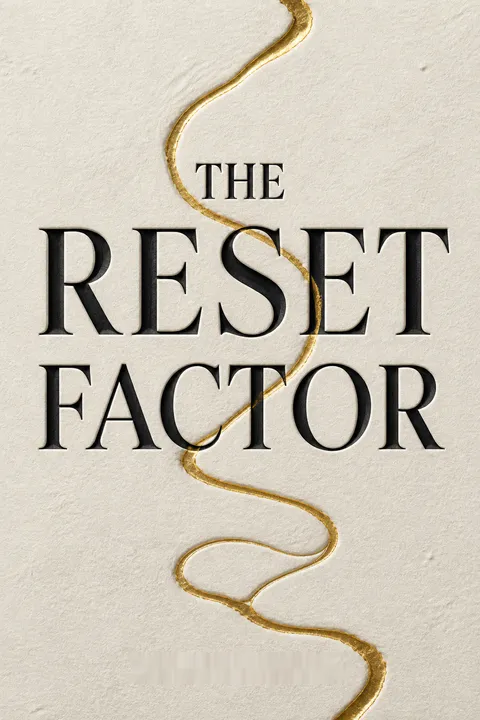
The Reset Factor combines personal memoir, health explanation, and a prescriptive 45-day program. Its narrative engine is Mindy Pelz’s account of illness as a college athlete: pain medication and surgery did not restore her, while a team emphasizing diet, gut health, stress, and chiropractic care appeared to help her recover. That story supplies emotional credibility and makes the book’s central metaphor, a bodily reset, easy to grasp. The book then builds a systems model: digestive health, liver function, hormones, immunity, the brain, and spinal alignment are presented as interdependent. Finally, it turns the model into a restrictive 15-day detox followed by 30 days of habit change.
The strongest durable ideas are less dramatic than the title’s promises. Symptoms deserve investigation, health behavior is affected by environment and social support, and planning for cravings is more useful than relying on enthusiasm. These are humane, practical insights. The book’s patients’ stories also remind readers that people want to participate in their care, not merely receive instructions.
The central weakness is evidential. Anecdotes cannot establish that a specific diet, supplement, or adjustment caused improvement, and a cluster of nonspecific symptoms cannot diagnose SIBO, leaky gut, hormone dysfunction, or liver congestion. Several claims about vaccines, food additives, acidity, toxins, chiropractic, and cancer are stated with more certainty than the text supports. The phrase detox is especially imprecise when no toxin is identified or measured. The book also risks presenting conventional symptom treatment as inherently misguided, even though symptom relief and investigation of causes can be complementary.
A careful reader can retain the book’s emphasis on questions, habits, and personal agency while rejecting its stronger medical promises. Restrictive diets and supplement regimens should be assessed for safety and adequacy, particularly when someone has a diagnosed condition or takes medication. The book is best read as a motivating but uneven lifestyle argument, not as a clinical manual or a replacement for evidence-based care.
Review Summary
The Reset Factor receives mixed reviews, with an overall rating of 4.15/5. Many readers find it informative and praise its clear explanations of complex health topics. Some report improved sleep and weight loss after following the program. However, critics note typos, outdated information, and concerns about the restrictive diet and expensive supplements. Some readers appreciate the holistic approach to health, while others find it too US-centric or fear-mongering. The book's emphasis on gut health and natural solutions resonates with many, but some struggle with its practicality and long-term sustainability.
People Also Read










Glossary
45-Day Reset
Two-phase lifestyle programPelz’s named 45-day program for changing eating and health routines. It combines a 15-day phase that restricts many foods and uses smoothies with a 30-day phase intended to establish longer-term habits. The book presents it as a way to improve health by changing diet and lifestyle, but its claimed medical effects are not established by the program description.
15-Day GI and Liver Detox
Restrictive opening phaseThe opening phase of the 45-Day Reset. The book prescribes two smoothies and one meal daily, limits permitted fruit, and removes grains, dairy, alcohol, coffee, and most added sugars. It also recommends supplements. Pelz describes this as supporting the gut and liver, but the term detox does not identify a specific toxin or demonstrate that the plan removes one.
30-Day Habit Reset
Longer habit-building phaseThe second phase of Pelz’s program, following the 15-day detox. It allows more meals and a broader range of fruit while continuing to restrict sugar, grains, alcohol, and processed foods. The stated purpose is to make the changes habitual rather than temporary. The book also recommends movement and selected supplements during this phase.
Microbiome
Community of microorganismsThe collection of microorganisms living in a particular environment, including the digestive tract. In the book, the gut microbiome is presented as important to digestion and as connected to immune, brain, and hormonal function. Its role in health is a legitimate area of research, but the book sometimes treats proposed links as settled explanations for symptoms.
Small intestinal bacterial dysbiosis (SIBO)
Excess bacteria in small intestineThe book uses SIBO for an imbalance involving excess bacteria in the small intestine and too few beneficial bacteria. It associates the condition with symptoms such as bloating, gas, diarrhea, constipation, and fatigue. These symptoms have many possible causes, so a person cannot establish SIBO from a symptom list alone; assessment should be guided by a qualified clinician.
Leaky gut syndrome
Increased intestinal permeabilityPelz describes leaky gut as small openings in the intestinal lining that allow substances to pass into the bloodstream and provoke inflammation. The book links this idea to a wide range of conditions, including allergies, pain, mood symptoms, and autoimmune disease. Increased intestinal permeability is a biological concept, but the broad syndrome and causal claims described in the book are not a stand-alone diagnosis for all those conditions.
Surge Training
Brief high-intensity intervalsPelz’s term for short bouts of exercise that raise and lower heart rate, similar to interval training. Her example alternates fast movements with brief rests over several rounds. She presents it as a time-efficient way to exercise and support metabolism. Exercise intensity should be adjusted for an individual’s fitness, health conditions, and injury risk.
30-second rule
Pause before choosing foodA decision technique Pelz uses when tempted by a food that conflicts with her current plan. The person pauses to consider the brief pleasure of eating it and how they may feel afterward. The technique aims to bring delayed consequences into an immediate choice. It is a motivational prompt, not a nutrition rule or a clinical intervention.
Big Why
Personal reason for changePelz’s label for the emotionally meaningful reason a reader wants to change their health habits. She recommends writing it down and placing it somewhere visible, then using it to remember the goal during cravings or difficult moments. The concept functions as a commitment aid, not as a guarantee that motivation alone can overcome practical or medical barriers.
FAQ
What's "The Reset Factor" about?
- Focus on Gut Health: "The Reset Factor" by Mindy Pelz is a guide to transforming your health by focusing on repairing your gut. The book outlines a 45-day program designed to reset your body to its original, healthy state.
- Comprehensive Health Plan: It provides a comprehensive plan that includes dietary changes, detoxification, and lifestyle adjustments to improve overall health and well-being.
- Personal Journey: The author shares her personal journey of overcoming chronic fatigue syndrome, which inspired her to develop this program to help others achieve optimal health.
Why should I read "The Reset Factor"?
- Holistic Approach: The book offers a holistic approach to health, focusing on the interconnectedness of the gut, brain, and overall body systems.
- Practical Guidance: It provides practical guidance and actionable steps for detoxifying the body, improving gut health, and resetting metabolism.
- Empowerment: Reading this book can empower you to take control of your health by understanding the root causes of health issues and how to address them naturally.
What are the key takeaways of "The Reset Factor"?
- Gut Health is Crucial: The health of your gut is central to your overall well-being, affecting everything from immunity to mental clarity.
- Detoxification is Essential: Regular detoxification of the liver and gut is necessary to remove toxins and reset your body's natural healing processes.
- Lifestyle Changes Matter: Sustainable health improvements require lifestyle changes, including diet, exercise, and stress management.
What is the 45-Day Reset Program?
- Two Phases: The program consists of two phases: a 15-Day GI and Liver Detox followed by a 30-Day Habit Reset.
- Detox Phase: The detox phase focuses on eliminating toxins, repairing the gut, and resetting the liver to improve metabolism and energy levels.
- Habit Reset Phase: The habit reset phase aims to establish long-term healthy habits, including dietary changes and lifestyle adjustments.
How does "The Reset Factor" suggest repairing the gut?
- Probiotics and Diet: The book emphasizes the use of high-quality probiotics and a diet rich in raw vegetables and low in processed foods to restore gut health.
- Avoid Harmful Foods: It advises avoiding foods that harm the gut, such as sugar, grains, and processed foods, to prevent inflammation and promote healing.
- Incorporate Healing Foods: Foods like bone broth and fermented foods are recommended to heal and seal the gut lining.
What role does detoxification play in "The Reset Factor"?
- Liver Detoxification: Detoxification is crucial for liver health, which in turn supports the body's ability to metabolize fats and eliminate toxins.
- Supplement Support: The book recommends specific supplements, such as milk thistle and glutathione, to support the detoxification process.
- Lifestyle Adjustments: It also suggests lifestyle changes, such as reducing exposure to environmental toxins and using natural beauty products.
What are the best quotes from "The Reset Factor" and what do they mean?
- "Nothing tastes as good as healthy feels." This quote emphasizes the long-term benefits of health over the short-term gratification of unhealthy foods.
- "Your body is built to heal!" It highlights the body's innate ability to repair itself when given the right conditions and support.
- "You get what you’re committed to." This underscores the importance of commitment and consistency in achieving health goals.
How does "The Reset Factor" address hormone balance?
- Hormonal Influence: The book explains that hormones play a significant role in weight management and overall health, and balancing them is crucial.
- Dietary Impact: It discusses how certain foods and toxins can disrupt hormone balance and how dietary changes can help restore it.
- Exercise and Stress: The book also covers the impact of exercise and stress management on hormone levels, advocating for a balanced lifestyle.
What lifestyle changes does "The Reset Factor" recommend?
- Dietary Adjustments: The book recommends a diet low in sugar and processed foods, high in raw vegetables, and rich in healthy fats.
- Exercise Routine: It suggests incorporating regular exercise, including strength training and surge training, to boost metabolism and hormone balance.
- Stress Management: Techniques such as meditation and deep breathing are recommended to manage stress and support overall health.
How does "The Reset Factor" suggest managing stress?
- Mind-Body Connection: The book emphasizes the connection between stress and physical health, particularly its impact on the gut and immune system.
- Relaxation Techniques: It recommends relaxation techniques such as meditation, deep breathing, and yoga to activate the parasympathetic nervous system.
- Lifestyle Integration: Stress management should be integrated into daily life to maintain a balanced and healthy body.
What are the potential challenges of following "The Reset Factor"?
- Initial Detox Symptoms: The detox phase may cause initial symptoms such as fatigue, headaches, and irritability as the body releases toxins.
- Dietary Restrictions: Adhering to dietary restrictions, such as eliminating sugar and grains, can be challenging but is essential for success.
- Lifestyle Commitment: The program requires a commitment to lifestyle changes, which may be difficult but are necessary for long-term health benefits.
How can "The Reset Factor" help with weight loss?
- Metabolism Reset: By detoxifying the liver and repairing the gut, the program helps reset metabolism, making weight loss more achievable.
- Hormonal Balance: Balancing hormones like insulin and cortisol is key to losing weight and maintaining a healthy weight.
- Sustainable Habits: The program focuses on creating sustainable habits that support long-term weight management and overall health.
About the Author

Download PDF
Download EPUB
.epub digital book format is ideal for reading ebooks on phones, tablets, and e-readers.








