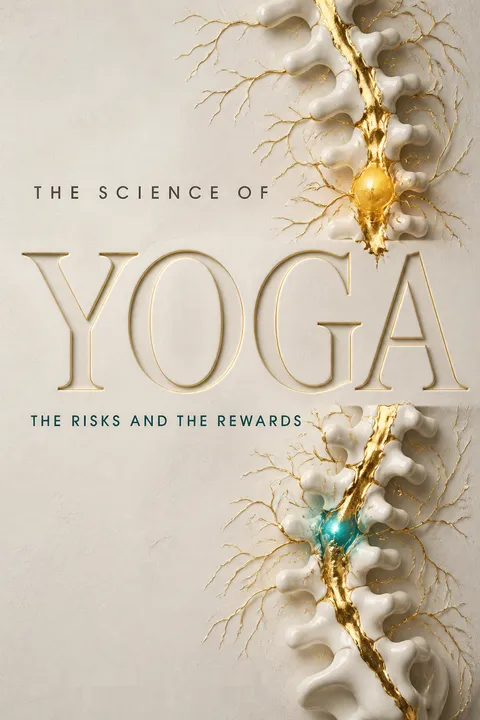


Key Takeaways
Treat yoga as a changing practice with real benefits and real hazards.
A tradition repeatedly remade. In 1837, a yogi reportedly survived forty days in a sealed burial chamber, stunning the court of Punjab. In 1851, Indian physician N. C. Paul proposed that slow breathing and altered body chemistry could explain some apparent feats. Later, Jagannath Gune built a research ashram that recast yoga around health and fitness, while teacher Krishnamacharya helped shape the flowing postures now familiar in studios.
Not one timeless system. Modern yoga grew through cultural reform, experimentation, and promotion. Its poses, aims, and public image changed substantially. The book's central argument follows from that history: real benefits do not make every claim true, and an ancient pedigree does not make every practice safe.
What's striking is that yoga's reinvention is not a corruption of some single, recoverable original. The book shows a practice shaped by nationalism, physical culture, teaching styles, and commercial incentives. That history invites a useful distinction: a tradition can preserve valuable techniques while changing their purpose. Scientific scrutiny need not erase spiritual meaning, but it can test claims about bodies and disease. The limit is that historical reconstruction is incomplete, and the Punjab burial account itself is not proof of an extraordinary physiological ability.
Use yoga to steady mood, while keeping depression treatment claims in proportion.
Calm has measurable correlates. The book links yoga's mood effects to muscular relaxation, controlled breathing, and shifts in nervous-system activity. In one small study, practitioners' brain levels of GABA, a neurotransmitter that dampens neural activity, rose an average of 27 percent after a yoga session. A later three-month study found a smaller rise among beginners, alongside improved mood and reduced anxiety. Musicians who practiced yoga also reported less anxiety during solo performances.
Promise, not prescription. Amy Weintraub described yoga as helping her recover from severe depression, but personal testimony cannot establish a general cure. The evidence supports yoga as a potentially useful aid to emotional well-being, not as a replacement for appropriate mental-health care.
The strength of this case is its attention to more than self-reported serenity. Brain chemistry, anxiety ratings, and performance contexts offer different windows on the same possible effect. That convergence makes the mood claim more persuasive than vague promises of universal wellness. Still, a shift in GABA is not itself proof that depression has been treated. Clinical outcomes, comparison groups, and longer follow-up matter, especially for people whose symptoms are severe or dangerous.
Slow breathing usually calms; rapid breathing can trigger dizziness and danger.
Carbon dioxide matters. The book challenges the popular idea that forceful breathing floods the brain with extra oxygen. In healthy people, blood is already close to saturated with oxygen. Rapid breathing instead expels carbon dioxide, which can narrow blood vessels in the brain and cause tingling, dizziness, blurred vision, or fainting. Slow breathing has the opposite general effect: carbon dioxide builds in the blood, brain vessels widen, and many people experience greater calm.
Intensity changes the experience. Fast methods such as Bhastrika and Kapalbhati can feel energizing, but some people adapt poorly, and the book describes a case of a breathing exercise associated with a partially collapsed lung. Breathing techniques are not interchangeable, and pushing harder is not automatically better.
This is a memorable example of how bodily sensations can be misread. A person who feels light-headed during rapid breathing may interpret it as a rush of oxygen, when the book's account points instead to falling carbon dioxide and reduced brain blood flow. The broader lesson is to distinguish sensation from mechanism. The physiological explanation is useful, but individual responses vary, and the book's evidence does not establish precise risk levels for every breathing style or practitioner.
Keep yoga for health, but add exercise that taxes the heart.
Benefits are not all fitness. The book describes evidence that yoga can improve factors related to cardiovascular health, including blood pressure and cholesterol. It also reports benefits for balance, fatigue, stress, sleep, and mood. But these outcomes do not establish that a class provides enough aerobic exercise to build cardiovascular fitness.
The comparisons were sobering. Studies from Texas, Wisconsin, and New York found that ordinary Hatha routines generally fell below recommended aerobic intensity. A review of more than eighty comparisons found yoga comparable to or better than exercise in several areas, but not in measures of physical fitness. Repeated Sun Salutations were more demanding than many poses, yet the book's practical conclusion is to complement yoga with exercise that raises aerobic capacity.
The distinction between feeling fitter and improving aerobic capacity is unusually valuable. A practice can leave someone stronger, more flexible, and less stressed without training the heart at the intensity required for cardiovascular conditioning. That is a reminder to match activity to outcome rather than rely on a single flattering label such as fitness. The studies summarized here were not perfect, and yoga styles differ considerably, but the book makes a strong case against treating every class as a complete exercise program.
Don't assume yoga raises metabolism or reliably causes weight loss.
Relaxation can slow energy use. A six-month study summarized in the book found that a combined yoga program lowered participants' basal metabolic rate by an average of 13 percent. The reported reduction was 18 percent among women and 8 percent among men. Basal metabolic rate is the energy the body uses for basic functions at rest. This result conflicts with popular claims that yoga automatically speeds metabolism and burns calories all day.
Weight depends on more than metabolism. Yoga may help people notice hunger, manage stress, and avoid stress-related eating. More vigorous styles also demand more effort than quiet, posture-based classes. So weight outcomes can still improve, but the book argues that yoga's calming effects and broader behavior changes are more plausible explanations than a universal metabolic boost.
This finding usefully separates a plausible personal benefit from an implausible mechanism. Someone may lose weight while practicing yoga because stress, appetite, or other habits change, even if resting energy use does not rise. That distinction prevents a popular success story from becoming a false biological rule. The metabolic study was limited, and a lower resting rate does not determine any one person's weight trajectory. Food intake, movement, and the kind of yoga practiced all influence the outcome.
Modify poses before pain turns a stretch into an injury.
Flexible does not mean invulnerable. The book describes nerve damage from prolonged kneeling and severe strokes linked in case reports to extreme neck positions. In a Headstand or Shoulder Stand, the neck may bear weight or bend sharply; some people may be vulnerable to injury of arteries that supply the brain. Other reported problems include damaged disks, torn muscles, joint injuries, and a lung rupture associated with rapid breathing.
The scale is uncertain. A survey of Ashtanga practitioners found that 62 percent of respondents reported an injury lasting more than a month, but it cannot establish injury rates for all yoga students. A separate survey of yoga professionals identified the lower back, shoulder, knee, and neck as frequent trouble spots. The book favors attentive teaching, sensible modifications, and respect for individual limits.
The strongest safety lesson is not that yoga is uniquely dangerous, but that its gentle image can hide meaningful mechanical demands. Repeatedly loading a joint at its edge is still loading it, whether the setting is a studio or a gym. The injury surveys identify patterns worth taking seriously, while their designs limit claims about how often injuries occur. Because rare catastrophic events and common strains require different responses, better reporting and individualized instruction are more useful than blanket reassurance or alarm.
Use yoga therapy only with sound diagnosis and qualified clinical care.
Specificity can help. Physician and yoga teacher Loren Fishman used medical examination to tailor postures to particular patients. In one small series, nine of ten people with rotator-cuff problems improved after practicing a chair-supported inversion for thirty seconds daily over six weeks. The example illustrates how a carefully chosen movement might help a defined condition, rather than proving that the same pose is suitable for everyone.
Credentials can mislead. The book reports that yoga therapy in the United States had no common licensing system, and that the label Registered Yoga Therapist could be confused with other credentials. Training ranged widely. A therapist without diagnostic tools may mistake a problem or prescribe an unsuitable movement. Yoga can complement care, but a health claim deserves a clear diagnosis, relevant expertise, and evidence proportionate to the stakes.
The contrast between Fishman's medical practice and generic therapeutic promises gets at a central problem in complementary care: individualization is valuable only when it is informed. A tailored movement may be safer and more effective than a standard sequence, but it also requires competence in the condition being treated. Credentials help patients judge that competence only when their meaning is transparent. The book's critique of weak standards is persuasive, though one clinician's success does not establish that a technique works broadly.
Treat yoga's sexual effects as plausible, variable, and still under-tested.
The body can respond sexually. Early research described increased testosterone after months of yoga practice, while a small Russian study found a hormone increase after participants held the Cobra pose. Other experiments examined how rapid breathing may heighten sexual arousal. A 2010 study of new practitioners reported improvements in several aspects of sexual function and closeness with partners.
Evidence is not a guarantee. These studies were small or preliminary, and the results do not mean every pose acts as an aphrodisiac or that yoga reliably treats sexual problems. The book also describes sexual misconduct by prominent teachers, sometimes rationalized by followers as spiritual instruction. Physiological possibility should never blur the importance of consent, boundaries, and accountability.
This topic matters because embarrassment and spiritual idealization can both suppress clear discussion. A physiological response is neither proof of mystical attainment nor permission for a teacher to cross boundaries. The reported hormone and arousal findings make the subject scientifically testable, but small samples and varied measures call for caution. A mature conversation about yoga and sexuality can hold two truths at once: bodily effects may be real, and authority structures can make those effects vulnerable to manipulation.
Treat kundalini as a powerful unknown, not a guaranteed awakening.
An intense experience, not a settled diagnosis. Kundalini refers both to a style of yoga and to an uncommon experience described as energy rising along the spine, sometimes accompanied by ecstasy, heat, or altered awareness. Some practitioners connect it with creative change. Reports range from Gopi Krishna's prolific poetry to ordinary people describing sudden artistic interests, but these accounts cannot establish a reliable cause.
Interpretations conflict. Psychiatrist Carl Jung warned that intense experiences could destabilize some people. Lee Sannella viewed them more positively, as a difficult process that could end in personal renewal. The book presents no strong clinical evidence that settles the disagreement. Its practical implication is restraint: do not promise enlightenment, and take severe distress or impaired functioning seriously.
Kundalini sits where spiritual interpretation, psychology, and bodily experience overlap, so no single measurement can settle every question people bring to it. The book's best contribution is to preserve the range of reports instead of flattening them into either miracle or illness. Yet anecdotal accounts are especially vulnerable to selective memory and retrospective meaning-making. Respect for unusual experiences should coexist with ordinary safeguards, including access to appropriate mental-health support when someone is frightened or unable to function.
Require evidence and training before calling yoga a medical treatment.
Claims need independent checks. The book describes a field with no central authority to distinguish established findings from commercial promises. Some studies had very few participants, and research often lacked funding or rigorous controls. This made it easy for a preliminary result to be promoted as proof, as happened when a small study was used to claim yoga alone could provide a full aerobic workout.
Better standards protect the practice. The author argues for stronger research, clearer professional credentials, and better access to reliable information. Those safeguards would help practitioners identify which benefits are supported, which are uncertain, and which claims are exaggerated. Science cannot resolve every spiritual or philosophical question, but it can test claims about injury, physiology, and treatment. That is a practical basis for making yoga safer and more useful.
The book's proposed partnership between yoga and science is stronger than either uncritical celebration or reflexive dismissal. Research can expose a false mechanism while preserving a genuine benefit, as the breathing discussion illustrates. Professional standards also protect practitioners from confusing a charismatic teacher with a qualified clinician. The needed humility runs both ways: small studies should not be marketed as settled fact, and measurable findings should not be mistaken for a complete account of spiritual experience.
Analysis
The book's most durable contribution is not a verdict that yoga is good or bad. It is a demand to replace the single, serene image of yoga with a more discriminating map. The same practice can lower stress, improve balance, or support blood-pressure control while failing to provide aerobic conditioning. A pose can be therapeutic in one carefully selected setting and hazardous when taught indiscriminately. That conditional structure is the book's real organizing idea: effects depend on the technique, the practitioner, the dose, and the claim being tested.
Broad makes this argument memorable by following evidence through people and institutions. The Punjab burial story opens a long investigation into how an apparent miracle became a question about respiratory physiology. Gune's ashram then shows science not merely evaluating yoga from outside, but helping remake its public identity. The story is strongest where the book distinguishes mechanisms, clinical outcomes, and marketing claims. The contrast between a 7 percent aerobic improvement in a tiny pilot study and later, better-controlled assessments demonstrates how context can turn tentative findings into inflated certainty.
The book also illustrates the unevenness of its own evidence. Case reports can reveal plausible dangers but cannot establish their frequency. Small studies of hormones, brain chemistry, or creativity can generate hypotheses, not sweeping promises. Some of the book's more dramatic interpretations, especially around sexual ecstasy and creativity, rest on a mixture of laboratory signals and personal accounts. Those are meaningful leads, but they require more restraint than the language of revelation often allows.
Because the research reviewed dates largely to the period before publication in 2012, this adaptation should be read as an account of that evidence base, not as a current clinical review. Its enduring lesson is methodological: ask what kind of yoga was studied, who practiced it, what outcome was measured, and how strong the comparison was. A useful practice need not be miraculous. It does need honest claims, competent instruction, and room for evidence to revise tradition.
Review Summary
The Science of Yoga received mixed reviews, with praise for its scientific approach and criticism of its writing style. Readers appreciated the historical context and debunking of myths but found some chapters lacking depth or relevance. The injury risks discussion was controversial yet informative. Many valued the evidence-based analysis of yoga's benefits and limitations. Critics noted bias and selective use of studies. Overall, readers found it a thought-provoking exploration of yoga's scientific basis, despite its flaws.
People Also Read






Glossary
Pranayama
Yogic breathing practicesPranayama is the family of breathing exercises used in yoga. The book notes that the Sanskrit term is commonly associated with controlling the life force, while its practical methods include slowing, holding, or accelerating the breath. These methods can have different physiological effects, so the term does not describe one uniform breathing technique.
VO2 max
Peak oxygen useVO2 max is the greatest rate at which the body can take up and use oxygen during increasingly strenuous exercise. The book presents it as a standard measure of aerobic capacity. It emphasizes that larger lungs or deeper breathing alone do not necessarily raise the measure, which depends substantially on the heart's ability to circulate oxygenated blood.
Hypometabolism
Reduced energy expenditureHypometabolism is a wakeful state in which bodily activity and energy use are reduced. In the book, physician Herbert Benson uses the term for physiological changes associated with deep relaxation, including lower breathing and heart rates and, in some cases, lower blood pressure and oxygen consumption. It is presented as one way yoga and meditation may ease stress.
GABA
Inhibitory brain transmitterGamma-aminobutyric acid, or GABA, is a neurotransmitter that reduces the excitability of neurons. The book describes studies in which GABA levels rose after yoga sessions and training, alongside reports of improved mood and reduced anxiety. These findings suggest a possible biological pathway for calming effects, but a change in GABA is not itself proof that a disorder has been treated.
Kundalini
Intense yogic energy experienceKundalini names both a style of yoga and an uncommon experience described in yogic traditions as dormant energy awakening near the base of the spine and rising toward the head. Practitioners report sensations and states ranging from ecstasy and heightened creativity to fear and severe distress. The book stresses that interpretations vary and that the phenomenon is not well established scientifically.
Yoga paradox
Calm followed by arousalYoga paradox is Broad's name for an apparent reversal in some advanced practitioners, from physiological slowing and relaxation to intense arousal. The book discusses research involving changes in heart rate, breathing, skin conductance, brain activity, and sexual response. It presents the idea as a hypothesis that has received little direct study, not as a settled explanation of yoga.
FAQ
What's The Science of Yoga: The Risks and the Rewards about?
- Scientific Exploration: The book investigates yoga through a scientific lens, examining both its benefits and risks to provide an impartial evaluation of its impact on health and wellness.
- Historical Context: It traces yoga's evolution from its origins in India to its modern-day practices, highlighting cultural and social factors contributing to its global popularity.
- Scientific Research: Broad draws on over a century of scientific studies to present evidence on how yoga affects the body and mind, emphasizing the importance of understanding both positive and negative aspects.
Why should I read The Science of Yoga: The Risks and the Rewards?
- Informed Perspective: The book offers a well-researched perspective on yoga, helping practitioners make informed decisions about their practice by addressing common misconceptions.
- Balanced View: It outlines potential health benefits, such as improved mood and flexibility, while also discussing risks like injury, providing a balanced view crucial for regular practitioners.
- Engaging Narrative: Broad's writing is accessible and engaging, making complex scientific concepts easy to understand, with personal experiences adding depth to the narrative.
What are the key takeaways of The Science of Yoga: The Risks and the Rewards?
- Dual Nature of Yoga: Yoga has both risks and rewards, emphasizing the importance of practicing safely. Broad states, "Yoga can kill and maim—or save your life and make you feel like a god."
- Scientific Validation: Yoga can improve mental health, reduce stress, and enhance physical fitness, but may not suffice for cardiovascular conditioning. Broad notes, "the discipline on balance does more good than harm."
- Awareness of Injury: The prevalence of yoga-related injuries highlights the need for awareness among practitioners, as yoga's image as a path to exceptional health can be misleading.
What are the best quotes from The Science of Yoga: The Risks and the Rewards and what do they mean?
- "Yoga, an ancient practice...": This quote underscores the contrast between yoga's historical roots and the exaggerated claims often made about its benefits today.
- "The risks and rewards of yoga...": Broad reflects on yoga's complexity, acknowledging significant benefits but also serious risks that practitioners must consider.
- "The beginner is likely to feel repulsed...": This highlights the overwhelming misinformation surrounding yoga, emphasizing the need for clarity and accurate information.
What are the health benefits of yoga discussed in The Science of Yoga: The Risks and the Rewards?
- Improved Mental Health: Yoga can alleviate symptoms of anxiety and depression, promoting emotional well-being by increasing levels of GABA, a neurotransmitter linked to mood regulation.
- Enhanced Flexibility and Strength: Regular practice improves flexibility and muscular strength, contributing to better physical health and reducing stress eating.
- Cardiovascular Benefits: While not providing the same aerobic benefits as traditional exercise, yoga can lower blood pressure and improve circulation, promoting heart health.
What are the risks associated with yoga as mentioned in The Science of Yoga: The Risks and the Rewards?
- Injury Potential: The risk of injuries, particularly to the neck and spine, is highlighted due to extreme postures practiced in yoga.
- Stroke Risks: Specific poses may stress vertebral arteries, potentially leading to strokes, with warnings about poses involving extreme neck bending.
- Lack of Regulation: The absence of a governing body for yoga leads to variance in teacher training and safety standards, increasing injury risk.
How does The Science of Yoga: The Risks and the Rewards address the evolution of yoga practices?
- Historical Development: Broad traces yoga's evolution from ancient roots to modern interpretations, showing its adaptation over time.
- Cultural Influences: Cultural and social factors have shaped yoga, particularly in the West, with its popularity arising from stress relief and engaging traditions.
- Emergence of New Styles: New styles like Ashtanga and Vinyasa have introduced vigorous movements, shifting focus from traditional static postures to dynamic sequences.
What scientific research is presented in The Science of Yoga: The Risks and the Rewards?
- Extensive Studies: The book references nearly a thousand scientific papers, showcasing a growing body of research on yoga.
- Focus on Health: Research highlights yoga's effects on mental health, stress reduction, and physical fitness, showing benefits like lowered blood pressure and improved mood.
- Limitations of Research: Broad points out limitations like small sample sizes and lack of rigorous controls, affecting the reliability of findings.
How does The Science of Yoga: The Risks and the Rewards differentiate between various styles of yoga?
- Overview of Styles: The book provides a detailed overview of different styles, such as Hatha, Ashtanga, and Iyengar, each with unique characteristics.
- Impact on Practice: The style practiced influences the benefits experienced, with vigorous styles being hyperkinetic and others epitomizing a tranquil approach.
- Safety Considerations: Different styles come with varying risk levels, particularly regarding injuries, emphasizing the need for wise style choices.
What recommendations does The Science of Yoga: The Risks and the Rewards make for safe practice?
- Listen to Your Body: Emphasizes being attuned to one's body and recognizing personal limits during practice.
- Modify Poses as Needed: Encourages modifying poses to suit individual abilities and avoid injury, cycling through the accelerator and brake.
- Seek Qualified Instruction: Stresses the need for proper training and guidance from experienced instructors to ensure safe practice.
How does The Science of Yoga: The Risks and the Rewards address the commercialization of yoga?
- Critique of Commercialization: Broad critiques how commercialization can dilute yoga's integrity and lead to misinformation.
- Need for Authenticity: Advocates for a return to authentic practices rooted in tradition and science, prioritizing health over profit.
- Call for Regulation: Emphasizes establishing standards and regulations to ensure safe and effective instruction.
How does The Science of Yoga: The Risks and the Rewards connect yoga to physical health?
- Physical Benefits: Outlines benefits like improved flexibility, strength, and balance, enhancing overall fitness and reducing injury risk.
- Therapeutic Applications: Highlights specific practices aiding in treating conditions like arthritis and back pain, supported by studies.
- Holistic Approach: Emphasizes yoga's holistic approach, integrating physical, mental, and emotional well-being for effective health practice.
Download PDF
Download EPUB
.epub digital book format is ideal for reading ebooks on phones, tablets, and e-readers.








