

Key Takeaways
Make healthy eating pleasurable enough to repeat, not merely virtuous on paper.
The problem was boredom. Michael Matthews describes years of choking down bland chicken, eggs, oatmeal, rice, and potatoes because he did not know how to make food that was both nutritious and enjoyable. The cookbook grew from that frustration: recipes should support muscle gain or fat loss without making every meal feel like punishment. French muscle toast, Greek pita pizza, and Thai basil chicken show the range, from familiar comfort food to stronger flavors.
Enjoyment supports consistency. The book’s central promise is practical: a diet is easier to maintain when meals taste good, ingredients are accessible, and cooking does not take over the day. Its recipes include calorie and macronutrient information so pleasure can coexist with a deliberate nutrition plan.
What's striking is the book's treatment of flavor as part of the nutrition strategy, not a decorative extra. Behavioral research on food choice broadly supports the idea that routines are more sustainable when they are rewarding and convenient. A person who enjoys dinner is less likely to experience healthy eating as a temporary punishment. The counterpoint is that delicious food can also make portions easier to overshoot, especially when calorie-dense ingredients are involved. Taste and portion awareness work best as partners, rather than as competing goals.
Use calorie balance to steer weight, while keeping food choices flexible.
Energy sets the direction. Matthews explains weight change through the balance between calories consumed and calories used. In his framework, losing fat requires an energy deficit, while gaining muscle generally calls for a modest surplus alongside training and adequate protein. He suggests adjusting intake by roughly 500 calories per day in either direction as a starting point, rather than trying to transform body composition through food labels alone.
Targets need feedback. The book offers formulas for estimating calories and macronutrients, but the useful principle is to begin with a workable plan and observe the result. A recipe’s calories can help someone assemble meals without calculating every ingredient from scratch. The estimate is not a guarantee: individual energy needs differ, and serving sizes, activity, and tracking accuracy can shift the outcome.
The energy-balance model is useful because it separates the direction of weight change from moral judgments about particular foods. That distinction can make eating plans less brittle: a favorite meal can fit if the overall pattern fits. The important caveat is that calorie estimates are approximations, not precise readings of a body’s needs. Hunger, activity, sleep, and health conditions influence what is sustainable. Treating the suggested 500-calorie adjustment as a universal prescription would mistake a convenient starting heuristic for an individualized assessment.
Give active muscles a steady supply of protein from meals.
Protein supports repair. The book presents protein as necessary for rebuilding tissue after resistance training and recommends roughly 0.75 to 1 gram per pound of body weight daily for people who exercise regularly. Matthews favors spreading protein across meals, rather than relying on one large serving after a workout. Chicken, turkey, lean beef, fish, eggs, and dairy appear often; he also lists vegetarian choices such as tofu, tempeh, beans, quinoa, and yogurt.
Food is the foundation. A serving of the book’s turkey muscle meatballs supplies 46 grams of protein, while its spinach and turkey omelet supplies 49 grams. Protein powder is offered as a convenient option when food alone is impractical, not as a requirement. The broader lesson is to make protein an intentional part of the daily pattern.
Protein is the cookbook’s most consistent nutritional thread, and its recipes turn an abstract daily target into meals readers can actually prepare. This fits a general principle of behavior design: concrete defaults are easier to follow than vague intentions. Still, the book’s body-weight formula should not be treated as mandatory for every person, and higher intake is not automatically better. Needs and tolerances vary. The practical contribution is less about chasing a perfect number than about avoiding a diet in which protein is an afterthought.
Choose recipes by their macros, not by the book's bulk-or-lean labels.
The categories are guides. Many recipes are labeled for getting big or getting lean, chiefly to signal their calorie and carbohydrate content. But Matthews says any recipe can fit either goal if it works within the overall eating plan. A lower-calorie chicken and vegetable stir-fry has about 200 calories per serving, while chicken cacciatore with whole-grain pasta has about 454. The difference is useful information, not a rule about who may eat what.
Use the numbers practically. The included spreadsheet gathers each recipe’s calories, protein, carbohydrates, and fat, allowing readers to compare meals quickly. That turns the cookbook into a planning tool: choose dishes that match the day’s needs, and adjust portions or sides when needed. The recipe label matters less than the meal’s place in the full pattern.
This flexible use of recipe labels is more valuable than a rigid division between foods for gaining and losing. It resembles modular planning: components can be combined to suit a changing objective without making each meal a referendum on success or failure. The macro spreadsheet makes that flexibility unusually concrete. However, nutrition numbers are still estimates, and a food’s value cannot be reduced to its macros alone. The categories are best used as quick navigation, not as a complete account of health or personal fit.
Treat carbohydrates as adjustable fuel, not a forbidden category.
Carbohydrates serve a purpose. Matthews describes carbohydrates as a source of glucose and stored glycogen, which the body uses for energy, including during hard training. His general approach is to vary carbohydrate intake with the goal: more when aiming to gain, less when dieting, with whole grains such as oats, brown rice, and quinoa among his preferred staples. He also recommends higher-glycemic foods around workouts and lower-glycemic choices at other times.
Timing advice is not a law. The book argues that avoiding carbohydrates close to bedtime may help fat loss through insulin and growth-hormone effects. That is the author’s proposed explanation, not a necessary rule for everyone. Its more durable point is that carbohydrate quantity and food choice can be adjusted without treating all carbs as harmful.
The book usefully rejects the idea that carbohydrates are inherently incompatible with a lean or strong body. Its glycemic-index guidance, however, is more rigid than the underlying concept warrants. Glycemic response varies with preparation, ripeness, and the rest of a meal, so a single index score cannot reliably sort every food into healthy and unhealthy bins. Likewise, the timing of carbohydrates is not a substitute for overall energy balance. Readers can retain the flexible-fuel model without adopting every timing claim.
Let vegetables, fruit, and whole grains carry health beyond macros.
Nutrition is more than protein. The book urges readers to include fruits and vegetables for fiber and micronutrients, and it favors whole grains over refined grains. Its recipes make produce part of the meal rather than an obligatory side: spinach and salmon salad combines leafy greens, asparagus, tomatoes, blueberries, and fish, while the vegetable sauté pairs zucchini, tomatoes, and spinach. Matthews also recommends unsaturated fats from foods such as olive oil, nuts, and avocado, and advises avoiding trans fats.
Quality and quantity interact. The recipes are designed to provide satisfying meals while limiting reliance on highly processed snacks and convenience foods. The author suggests three to five servings of both fruit and vegetables daily. His additional rules about glycemic scores and types of fat should be read as recommendations from the book, not as equally settled measures of food quality.
The strongest idea here is that a fitness diet should also nourish general health. Fiber-rich plants and whole grains contribute qualities that calorie and protein totals do not capture, including texture, variety, and satiety. The section is less reliable when it turns single metrics into sweeping judgments. A fruit with a higher glycemic score is not therefore an unhealthy food, and dietary fat cannot be evaluated by whether it is solid at room temperature. The whole-food emphasis remains valuable, while the book’s shortcuts need modern nuance.
Design the food routine around your actual schedule, not breakfast folklore.
A routine should fit real life. Matthews questions the claim that everyone must eat a large breakfast. He notes that the studies associating breakfast with lower body weight are observational, and argues that general dietary habits may help explain the connection. His advice is simple: eat breakfast if it suits your appetite and schedule, but do not force it if a later first meal works better.
Reduce weekday friction. The book recommends selecting a week of recipes before shopping, since many dishes share ingredients. It also suggests cooking a batch of poultry in advance for quick meals. Recipes generally use ordinary kitchen equipment and accessible ingredients, while the spreadsheet makes meal planning faster. These small logistics matter because a nutrition plan that requires elaborate daily effort is easy to abandon.
This is a quietly modern part of the book: it distinguishes a useful routine from a ritual that has become conventional wisdom. Meal timing can be organized around appetite, work, and training rather than a universal clock. The meal-prep advice applies the same logic to the environment: making a suitable meal easy to reach reduces dependence on last-minute motivation. The limitation is that convenience alone does not guarantee nutritional adequacy. Batch cooking is a tool for consistency, not a substitute for choosing a balanced mix of foods.
Schedule one satisfying meal, not an unbounded weekend of compensation.
A planned indulgence has boundaries. Matthews contrasts a single flexible meal with a full day of unrestricted eating. He argues that a meal once or twice a week can make a diet more psychologically manageable, while a large weekend splurge can erase much of the week’s calorie deficit. His suggested frequency depends on the goal: up to two meals while slowly gaining, and one while losing fat.
Do not expect a metabolic reset. The book also links overfeeding to leptin, a hormone involved in appetite and energy regulation, and suggests a carbohydrate-rich meal may help when dieting feels difficult. The psychological case for planned flexibility is more persuasive than the idea that a particular meal reliably restarts fat loss. A treat meal is best understood as an adherence choice, not permission to ignore the overall pattern.
A planned indulgence can protect a diet from all-or-nothing thinking. In behavioral terms, a bounded exception may feel more sustainable than a rule that makes ordinary social eating seem like failure. The book is right to distinguish one meal from a whole day of overeating. Its leptin explanation deserves restraint, though: short-term hormonal responses do not make a large meal a reliable fat-loss intervention. The practical test is whether the meal helps someone maintain a sensible routine without routinely cancelling the energy deficit.
Use shakes for convenience, not because muscle requires a powder.
Supplements are optional tools. Matthews presents whey, egg, and casein powders as convenient ways to meet protein needs, especially when someone lacks time to prepare food. The cookbook includes blended shakes, homemade protein bars, and quick yogurt snacks, but it also states that supplements are not necessary for eating well. Whole foods remain the foundation; shakes are a shortcut when they solve a real logistical problem.
Separate recipes from marketing. The book criticizes many commercial protein bars for added sugars and other ingredients, then promotes the author’s own supplement company in its closing pages. That commercial section should be distinguished from the cookbook’s practical recipes. A branded product is not required to use the meal-planning ideas, and any supplement choice calls for attention to ingredients, dose, and individual needs.
The useful distinction is between convenience and necessity. A shake can make a protein-containing meal easier to assemble, but its presence on a fitness menu does not make it intrinsically superior to food. The closing promotion also illustrates why readers should separate a general nutritional principle from a product claim. Transparent ingredients and evidence matter, yet marketing language is not evidence by itself. The book’s recipes stand independently of the author’s products, which makes them more broadly useful than the advertising attached to them.
Analysis
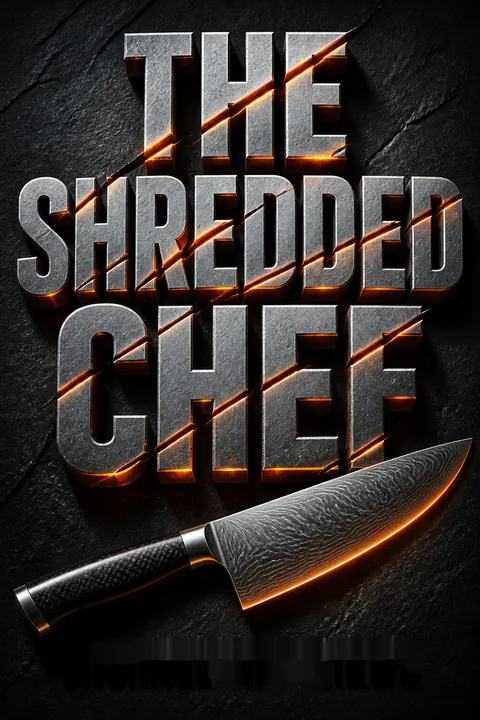
The Shredded Chef is a hybrid cookbook and practical nutrition manual, built around a simple argument: the eating plan that can be repeated is more useful than the theoretically perfect plan that becomes intolerable. Its strongest feature is the translation of that argument into recipes with serving sizes and macro estimates. The author begins with a personal story of monotonous meals, then offers a large menu of alternatives and basic planning rules. The narrative is not a sustained story so much as a problem-to-tool progression: bland food creates friction, flavorful recipes reduce it, and calorie awareness connects those recipes to changing body-composition goals.
The cookbook’s useful distinction is between direction and implementation. Energy balance supplies the direction for weight change; recipes, shopping plans, protein choices, and meal preparation make the direction actionable. Its macro spreadsheet and flexible recipe categories support a modular approach rather than a list of forbidden foods. That practical design is likely to help more readers than any individual recipe or strict timing rule.
The nutrition chapter also reflects claims common in fitness writing of its period that should not be carried forward without qualification. The author gives precise targets as if they were broadly applicable, treats glycemic-index thresholds as firm boundaries, and presents bedtime carbohydrate avoidance through insulin and growth-hormone mechanisms. Those claims are more confident than the evidence justifies. Glycemic index is not a stand-alone measure of a food’s healthfulness, and meal timing does not override total energy intake. The book’s claims about fats and water similarly deserve independent scrutiny.
Its lasting value is therefore procedural, not doctrinal. Make meals enjoyable, prepare food before hunger and time pressure dictate the choice, include protein and produce, and use calorie estimates as guides rather than laws. Read the recipe architecture as a way to make a sound plan livable, not as a medical prescription or a timeless authority on every detail of nutrition.
Review Summary
The reviews for The Shredded Chef are mixed. Many praise the book's straightforward approach to nutrition and simple, tasty recipes with clear macronutrient breakdowns. Readers appreciate the scientific explanations and practical cooking tips. Some have reported weight loss success using the recipes. However, criticisms include editing errors, lack of metric measurements, and limited options for high-carb meals. Some readers found the content repetitive or lacking in-depth meal planning advice. Overall, most reviewers found value in the book's nutritional guidance and recipe selection.
People Also Read



Glossary
Glycemic index
Carbohydrate blood-sugar rankingA scale used to rank carbohydrate-containing foods according to how quickly they raise blood glucose under specified testing conditions. The book uses the index to distinguish higher-scoring carbohydrates from lower-scoring ones and recommends different choices around workouts. A score alone does not establish whether a food is healthy, and a food's effect can vary with preparation and the rest of the meal.
Net protein utilization
Protein-use estimateA measure discussed in the book to compare how much of an eaten protein source the body retains and uses. Matthews cites different estimates for foods such as beef, whey, and eggs, and uses the measure to support choosing high-quality protein sources. It is a technical comparison, not a daily target or a requirement for planning ordinary meals.
Leptin
Appetite and energy hormoneA hormone involved in regulating appetite and energy balance. The book says leptin levels can fall during calorie restriction and rise when energy intake increases, and uses this to explain its proposed benefit of planned higher-calorie meals. The role of leptin is more complex than a simple meal-to-fat-loss switch, so the book's explanation should not be treated as a guaranteed effect.
FAQ
1. What is "The Shredded Chef" by Michael Matthews about?
- Fitness-focused Cookbook: "The Shredded Chef" is a cookbook designed specifically for people who want to build muscle, lose fat, and stay healthy through enjoyable, nutritious meals.
- Science-based Nutrition: The book combines practical, science-backed nutrition advice with 120 easy-to-make recipes tailored for athletes and fitness enthusiasts.
- Dual-purpose Recipes: Recipes are categorized for either "getting big" (muscle gain) or "getting lean" (fat loss), making it adaptable to different fitness goals.
- Accessible and Practical: Matthews emphasizes simplicity, minimal prep time, and easy-to-find ingredients, making healthy eating approachable for everyone.
2. Why should I read "The Shredded Chef" by Michael Matthews?
- Enjoyable Dieting: The book shows that dieting for muscle gain or fat loss can be pleasurable when meals are tasty and satisfying.
- Proven, Workable Advice: Matthews provides advice grounded in science, not marketing hype, and shares strategies that have helped thousands achieve their fitness goals.
- Comprehensive Resource: It’s more than a cookbook—it teaches you how to use nutrition to get bigger, leaner, stronger, and healthier.
- Practical for Busy Lives: Recipes are quick, simple, and use common ingredients, making it easy to stick to a healthy eating plan even with a busy schedule.
3. What are the key takeaways from "The Shredded Chef"?
- Balanced Nutrition is Key: Building muscle or losing fat requires the right balance of protein, carbs, and fats, not extreme restriction or complicated tracking.
- Meal Planning Simplified: You don’t need to obsess over every calorie; following a few simple rules and using the book’s recipes can help you reach your goals.
- Variety Prevents Diet Burnout: Including a wide range of foods and flavors helps prevent boredom and binge eating, supporting long-term success.
- Healthy Food Can Taste Good: With the right recipes and techniques, nutritious meals can be both delicious and effective for body transformation.
4. How does Michael Matthews’ approach to nutrition in "The Shredded Chef" differ from other diet books?
- Focus on Enjoyment: Matthews rejects bland, repetitive meals and instead prioritizes taste and satisfaction to make healthy eating sustainable.
- Flexible Structure: The book offers both high-calorie (muscle gain) and low-calorie (fat loss) recipes, allowing readers to adapt based on their current goals.
- No Gimmicks or Fads: Advice is based on scientific research, not trends or unproven diet fads, and there’s no push for unnecessary supplements.
- Practical, Real-life Application: The guidance accounts for real-world challenges like time constraints, cravings, and the need for occasional indulgence.
5. What are the main nutrition rules and advice in "The Shredded Chef"?
- Eat Enough for Your Goals: Calculate your protein, carb, and fat needs based on body weight and adjust for muscle gain or fat loss.
- Prioritize Protein: Aim for 0.75–1 gram of protein per pound of body weight daily, sourced from lean meats, fish, eggs, or quality vegetarian options.
- Choose Healthy Fats and Carbs: Focus on unsaturated fats and low-glycemic carbs, avoiding trans fats and processed sugars except around workouts.
- Eat Fruits and Vegetables: Include 3–5 servings of both fruits and vegetables daily for essential micronutrients and fiber.
- Hydrate and Limit Sodium: Drink plenty of water and minimize sodium intake to support health and performance.
6. How does "The Shredded Chef" help with meal planning and calorie tracking?
- Simple Meal Proportions: The book provides easy formulas for macronutrient intake, removing the need for constant calorie counting.
- Bonus Spreadsheet: Readers can download a spreadsheet listing every recipe’s calories, protein, carbs, and fats for easy meal planning.
- Meal Timing Tips: Advice includes when to eat carbs (mainly around workouts) and how to structure meals throughout the day for optimal results.
- Cheat Meals Guidance: Matthews explains how to incorporate cheat meals strategically to boost metabolism and motivation without derailing progress.
7. What types of recipes are included in "The Shredded Chef" by Michael Matthews?
- Wide Variety: The book features 120 recipes, including breakfasts, poultry, beef, pork, fish, pasta, salads, sides, shakes, snacks, and desserts.
- Goal-specific Options: Each section offers recipes for both muscle gain ("getting big") and fat loss ("getting lean"), with clear nutritional breakdowns.
- Healthy Baking and Treats: There are recipes for protein-rich muffins, bars, and even desserts that fit into a fitness-focused diet.
- Quick and Easy Meals: Most recipes require minimal prep and cooking time, making them suitable for busy lifestyles.
8. What are some standout or unique recipes in "The Shredded Chef"?
- French Muscle Toast: A high-protein twist on French toast, using whey protein and whole grain bread.
- Sweet Potato Protein Pancakes: Nutritious pancakes with sweet potato, oats, and egg whites for a muscle-building breakfast.
- Korean BBQ Beef: Lean flank steak marinated in a flavorful, low-sugar sauce for a quick, protein-packed meal.
- Protein Pudding Bars: Homemade protein bars using whey and oats, free from the junk found in most store-bought bars.
- Healthy Desserts: Options like Protein Pudding and Peach Cobbler allow for occasional indulgence without sabotaging your diet.
9. How does "The Shredded Chef" address common diet challenges like cravings, boredom, and eating out?
- Variety to Prevent Boredom: The diverse recipe selection ensures you don’t get stuck eating the same meals repeatedly.
- Cheat Meal Strategy: Matthews recommends planned cheat meals (not cheat days) to satisfy cravings and support long-term adherence.
- Healthy Versions of Favorites: Recipes are designed to mimic the flavors of comfort foods and treats, but with better nutrition profiles.
- Meal Prep Tips: Many recipes can be made in advance and stored, making it easier to avoid unhealthy choices when busy.
10. What is Michael Matthews’ advice on supplements in "The Shredded Chef"?
- Supplements Are Not Essential: Matthews emphasizes that proper training and nutrition are the foundation of results, not supplements.
- Transparency and Science: He advocates for supplements with transparent labeling, clinically effective dosages, and science-backed ingredients.
- Avoid Proprietary Blends: The book warns against products with hidden formulas and underdosed key ingredients.
- Recommended Basics: If using supplements, Matthews suggests high-quality whey or egg protein, and possibly creatine, but not weight-gainers or unnecessary extras.
11. What are the best quotes from "The Shredded Chef" by Michael Matthews and what do they mean?
- “Dieting to put on lean mass or strip away fat is SO much more pleasurable when you can enjoy your food.” – Emphasizes the importance of enjoying your meals for long-term success.
- “You can look and feel great without breaking out a calculator every time you eat.” – Encourages a practical, less obsessive approach to nutrition.
- “What’s needed is balance—a diet that allows for a variety of foods and that allows you to indulge now and again.” – Advocates for flexibility and sustainability in healthy eating.
- “Healthy fats, such as those found in olive oil, avocados, flax seed oil, many nuts, and other foods, are actually an important component for overall good health.” – Reminds readers not to fear fats, but to choose the right kinds.
- “You will actually come to enjoy healthy foods. I promise.” – Suggests that taste preferences can change, and healthy eating can become genuinely enjoyable.
12. How can readers get the most out of "The Shredded Chef" by Michael Matthews?
- Plan Ahead: Use the book’s meal planning tips and bonus spreadsheet to organize your weekly meals and grocery shopping.
- Try New Recipes: Experiment with different recipes to find your favorites and keep your diet interesting.
- Follow the Nutrition Rules: Apply the simple, science-based guidelines for protein, carbs, fats, and meal timing to maximize results.
- Connect with the Author: Matthews encourages readers to reach out via his website or social media for support, questions, or feedback.
- Stay Consistent: The book’s approach is designed for long-term adherence—enjoy the process and make healthy eating a lifestyle, not a temporary fix.
About the Author
Other books by Michael Matthews


Download PDF
Download EPUB
.epub digital book format is ideal for reading ebooks on phones, tablets, and e-readers.








