



Plot Summary
Prologue
Found as a freezing toddler in an alley, Wren1 grows up in a human home with an adopted sister, Rebecca,8 and no memory of her birth. At nine, Lady Nore4 and Lord Jarel19 arrive with the storm hag5 Bogdana,5 reveal Wren’s1 blue skin and sharp teeth, and claim her as their daughter, Suren.1
They enchant her parents and sister to fear her, then threaten to kill the family unless she leaves with them. Wren1 is taken to the Court of Teeth and abused as its powerless queen. Two years after the court falls, a patrol finds her on a highway, but she escapes before anyone can bring her home.
The opening makes the wound of Wren’s life more complicated than a simple abduction. Her human family’s rejection is engineered, yet she has no way to know that when she is a frightened child facing their terror. The moment establishes why she later treats affection as both hunger and danger: love has already been made to look like proof that she is unwanted. Her escape from the people trying to help her also shows how survival habits can outlast the threat that formed them. The prologue’s fairy-tale frame is cruelly literal, but Wren’s fear and attachment remain recognizably human.
Wren Returns to the Woods
Now seventeen, Wren1 secretly watches the human family who once raised her, calling them her unmother, unfather, and unsister. In the woods, she sees a desperate man accept the glaistig’s bargain: money in exchange for nightly pieces of human flesh. Wren1 snaps the enchanted strap from his wrist and warns him that the bargain will turn him against his family.
When Bogdana5 appears outside the house, Wren1 risks being caught to lead the storm hag5 away from the people inside. A horned young man and a dark-haired knight arrive to stop the pursuit. Wren1 recognizes the young man as Prince Oak,2 heir to Elfhame, and the boy she once knew. After she scratches his face, he has Tiernan3 bind her wrists.
Wren’s rescue of the bargain-bound man is more than a habit of kindness. By undoing a spell, she reverses the coercive pattern that has shaped her own life, even when the stranger sees her as another monster. Yet she cannot extend that care to herself easily. She remains outside her former home, watching rather than asking whether her family remembers her. Bogdana’s return forces her to choose between hiding and protecting people who may still reject her. Oak’s arrival makes the private struggle public: Wren is no longer only surviving the past, she is being pulled back into Faerie’s politics.
A Prince Needs the Queen
At an abandoned house, Oak2 and Tiernan3 explain that Lady Nore4 has reclaimed the Ice Needle Citadel and is building an army from enchanted wood, stolen flesh, and the remains of Mab, an ancient Faerie queen. Wren1 knows the Citadel and once held authority over Lady Nore,4 so Oak2 needs her to help reach and control her.
The offer stirs memories of their childhood: Oak2 once brought food and games to Wren1 when she was tied up in the Court of Teeth, and later sought her out in the woods. Wren1 had refused to let him stay, afraid his family would take him back. She also remembers that he did not stop the High Queen15 from sending her away. With Bogdana5 hunting her and Lady Nore’s4 threat growing, Wren1 agrees to travel north.
The quest begins with an unequal bargain disguised as partnership. Oak needs Wren’s knowledge and power, while Wren needs his protection, but each carries a history that makes trust difficult. Their childhood encounters matter because they offer evidence of kindness without erasing the larger injury of Wren’s exile. Her decision is therefore not a sudden return to affection. She chooses a dangerous alliance because every alternative is worse, and because Lady Nore’s growing power threatens the vulnerable people Wren has tried to protect. The mission also places Wren’s private trauma at the center of a political crisis.
Arrows in the Woods
As the group sets out, Wren1 collects the few belongings she has from her willow shelter, including a small silver fox from the game Oak2 gave her as a child. They ride into the night with Hyacinthe,6 a former falcon soldier still wearing a bridle that controls him, and two faerie horses. Lady Nore’s4 stick creatures ambush them, shooting one horse and striking Oak2 with an arrow coated in deathsweet.
Oak2 collapses, and Tiernan3 carries him toward a roadside motel while Wren1 leads the wounded horse. She feeds it the apple she packed. Tiernan3 finds an antidote, but the poison leaves Oak2 weak. At the motel, Wren1 washes for the first time in years, then sees Bogdana5 outside the window and hides.
The attack turns the abstract threat of Lady Nore’s power into physical evidence. Her creatures are not merely animated branches; their bodies contain pieces of the people she has harmed, making the army a material record of her disregard for life. Oak’s injury also unsettles Wren’s assumptions about the prince’s invulnerability. She has reason to distrust him, yet she is forced to help keep him alive. The motel gives her a brief encounter with ordinary comforts, but the hag’s shadow at the window prevents safety from becoming rest. Wren’s body may not feel cold, but fear still reaches her.
The Court of Moths
The travelers reach the Court of Moths, where Queen Annet10 offers them access to the Thistlewitch,12 a hag who can find lost things. Before granting the route, Annet10 reveals Oak’s2 real urgency: Lady Nore4 has taken Madoc,7 the general who raised him, and Oak2 is trying to rescue him without the High Court’s approval.
Wren1 realizes that the prince’s aim is not identical to hers, but she agrees to continue. At the revel, Oak2 dances with Wren1 and she kisses him, expecting him to recoil; instead, he kisses her back. Later, while Oak2 is distracted, Wren1 seeks Hyacinthe6 in the prison. She has learned that Queen Annet10 intends to keep him until she understands the politics of Oak’s2 mission.
Annet’s revelation changes the moral shape of the quest. Oak has concealed not only a detail but his governing motive, which means Wren has been helping a prince whose priorities may diverge from hers. His love for Madoc is not simple endorsement of the general’s violence, but it still places family loyalty above the wishes of the High Court. The kiss intensifies Wren’s vulnerability precisely when she has discovered a reason to distrust Oak. Her attraction is not proof that she has been magically manipulated, but the possibility makes her question her own judgment. The Court’s pleasures and dangers become difficult to separate.
The Prisoner’s Riddles
In the prison, Wren1 finds Hyacinthe6 unbridled but still partly transformed by the falcon curse. He promises information about Oak2 and Lady Nore4 if she helps him escape. Wren1 solves the riddle locking his cell, then releases Gwen,9 a human girl captured while trying to find her boyfriend, and a merrow weakened by lack of water.
She attempts to remove Hyacinthe’s curse and, after nearly being swallowed by its magic, pulls the whole enchantment into herself and breaks it. Hyacinthe’s6 wing becomes an arm, and he swears fealty to Wren. She sends him, Gwen,9 and the merrow toward safety, while she stays behind to delay the guards. The release is discovered, and the Court’s soldiers identify Wren1 as the culprit.
Wren’s choice in the prison marks a shift from isolated acts of sabotage to deliberate responsibility. She does not free only the person whose information she needs. She also aids Gwen and the merrow, whose vulnerability resembles the helplessness Wren knows firsthand. Breaking Hyacinthe’s curse costs her more than the smaller spells she has undone before, hinting that her ability has a deeper source. His oath gives her authority, but she understands that vows can become another form of captivity. The scene lets her act with power while remaining wary of what power does to those who hold it.
Oak’s Deadly Duel
Queen Annet10 questions Wren1 and threatens to punish her for freeing the prisoners. Oak2 negotiates a contest: if he wins, Annet10 must return Wren1 and let the quest continue. He chooses a duel against Noglan, the ogre who punched him at the revel.
Oak2 first seemed an inept swordsman, but he fights with lethal precision, killing Noglan when the ogre refuses to yield. Annet10 then poses a riddle that threatens Wren with either drowning or beheading. Wren1 answers so that Annet cannot carry out either punishment without exposing the contradiction.
The queen releases Wren1 and Oak,2 though she warns that the High Court may not forgive his actions. Jack of the Lakes,11 the kelpie who helped Wren1 reach Hyacinthe,6 is also freed after Oak2 settles their debt.
Oak’s duel reveals the violence concealed beneath his playful courtier persona. His charm is not evidence of softness, and his earlier apparent incompetence was a performance that made him easier to underestimate. The shift is unnerving for Wren because she has been trying to decide which version of him is real. Her answer to Annet’s riddle, by contrast, demonstrates a form of intelligence shaped by survival: she does not overpower the queen, but finds the flaw in the terms. Oak and Wren each win freedom through different skills, though the cost is a deeper awareness of how dangerous they can be.
The Heart Beneath the Bones
In the Court of Moths’ swamp, the Thistlewitch12 tells Oak2 that Mab gained the power to create in exchange for raising the hag Mellith as her heir. Mab later caused Mellith’s mother to kill her own daughter, and the dying hag enchanted Mellith’s heart with the power to destroy what Mab had made. Mab’s bones can animate creatures, but without the heart their creations will eventually fail.
The Thistlewitch12 says Lady Nore4 could become far more powerful if she joined the heart to the bones. Oak2 asks her to locate the heart and accepts a future favor as payment. Afterward, he refuses to take Wren1 farther, claiming she is too great a risk. Wren1 insists that she belongs on the quest, and Oak2 gives her several days to change his mind.
The Thistlewitch’s history introduces creation and destruction as powers bound together by an old betrayal. Mab’s achievements were founded on a bargain she later escaped through deception, while Mellith’s heart became the force capable of undoing her legacy. The story also foreshadows the danger of treating people as instruments: both Mellith and Wren are positioned as means to someone else’s political end. Oak’s decision to exclude Wren repeats the pattern of others deciding what risks she may take. His restraint might be protective, strategic, or both, but to Wren it feels like another denial of agency.
Bogdana’s Claim
As Wren1 travels with Oak2 and Tiernan,3 she recounts how she has broken the glaistig’s bargains for mortals. A storm drives the party into a rough shelter, where Oak2 explains that he has spent years drawing assassins toward himself to protect his family, and Tiernan3 describes the loyalty that keeps him guarding the prince.
Bogdana5 finds Wren1 alone in the woods and says she helped create her from snow, sticks, and the blood of Lady Nore4 and Lord Jarel.19 She claims Wren1 owes her life to the hag and offers an alliance against Lady Nore.4 Bogdana5 also reveals that Bex8 has seen Wren1 and is looking for her. Wren1 refuses the offer, but the claim about her origin shakes her sense of being human.
The storm-hag’s account attacks the distinction Wren has relied on between her monstrous appearance and her inner self. If she was assembled rather than born, she fears that her attachments and choices may be as artificial as her body. Bogdana uses that uncertainty strategically, offering kinship while threatening the family Wren still loves. The conversation with Oak and Tiernan provides a counterweight: both men disclose forms of fear they usually conceal, and Wren hears them as more than their social roles. Yet connection does not cure her suspicion. She leaves the encounter with a sharper sense that every alliance may contain a hidden claim.
The Bus North
Believing Oak2 may eventually sacrifice her to save Madoc,7 Wren1 steals the magical bridle from his pack and escapes to a bus station. She charges Gwen’s9 phone and learns that Gwen9 and her boyfriend are safe. Then Wren1 calls home. Bex8 confirms that she has recognized Wren1 outside the house and has been leaving milk for her.
Their human mother also wants to speak, but Wren1 cannot bear the prospect of returning in her true form. She warns Bex8 about salt, rowan berries, and iron, then boards a northbound bus. The bridle has vanished from the scarf around her waist. Oak2 and Titch16 have found her, and a tire goes flat before she can get away. Wren1 returns to camp furious at herself and at Oak’s2 skill as a thief.
The phone call gives Wren the recognition she has long wanted, but not the uncomplicated homecoming she imagined. Bex has remembered her and searched for her, yet Wren still cannot risk hearing whether her mother can accept the person she has become. Her departure is an attempt to regain control before another person chooses her fate. Oak’s quiet theft of the bridle defeats that plan, but it also shows that he can read her intentions and act without her consent. The episode makes intimacy and surveillance dangerously close: he protects her from leaving, while confirming her fear that he can outmaneuver her.
The Deer Heart Trick
On the walk to Undry Market, Wren1 challenges Oak2 to a game with the silver fox, staking a direct answer against a dance. She asks whether Lady Nore4 demanded her in exchange for Madoc.7 Oak2 explains that the hag demanded Mellith’s heart, not Wren,1 and that Bogdana5 had arranged her words to make the offer sound personal.
At the market, Oak2 buys a reliquary and later places a deer heart inside it, intending to pass it off as the missing relic. He and Wren1 help Tiernan3 bargain for a magical boat, giving up gold, a circlet, and Wren’s1 hairpin. When a giant attacks, they escape by leaping into the water and sailing away. Oak2 returns the bridle to Wren1 and tells her to keep it.
The game lets Wren demand clarity in terms Oak understands, and his answer restores enough trust for them to continue together. Yet even this reassurance arrives through a structure of wagers and strategic omissions. The market sequence shows Oak’s talent for making a bargain without surrendering everything, while the deer heart establishes a concrete deception with stakes beyond their personal relationship. Wren’s hairpin becomes part of the price, a small loss she accepts because the journey matters more. Oak’s decision to give her the bridle signals confidence, though neither of them can make that confidence feel entirely safe.
Across the Northern Sea
The boat carries Wren,1 Oak,2 and Tiernan3 north across the sea. When they encounter Loana,14 a mermaid who once loved Oak2 and tried to drown him, she warns that Queen Orlagh’s weakening rule has left the Undersea vulnerable to challengers. Oak2 asks her to conceal their passage. Loana14 agrees in exchange for a kiss, then tries to pull him beneath the waves; a rope Wren1 pushes toward him keeps him aboard.
Loana’s14 magic hides the boat from pursuit, but her warning adds another unsettled conflict to their route. They land near the Hudson Strait and begin crossing the snowy country toward Lady Nore’s4 territory. Wren1 knows the Ice Needle Citadel’s layout, while the memories of her childhood there make the return feel like approaching a wound.
The sea crossing tests the group’s reliance on bargains, but Wren’s practical intervention prevents Oak’s charm from becoming a fatal liability. Loana’s political warning also broadens the story’s world without distracting from its central threat: while Elfhame is divided, its neighboring realms are unstable too. For Wren, the northern shore is not simply a route to an enemy fortress. It is the landscape of the life she was forced to endure there. Her knowledge offers the party a tactical advantage, but it is knowledge acquired through captivity, and using it means walking back into the place where it was formed.
The Stone Forest Moves
Near the Stone Forest, the travelers find heads mounted on stakes, warnings from the trolls who rule beneath the earth. Lady Nore’s4 stick creatures drive them into the moving woods. Oak2 and Tiernan3 fight the attackers while Wren1 senses a curse binding the forest to two troll kings trapped in stone.
She redirects the enchantment toward the invading creatures, opening a fissure that swallows some of them. Oak2 destroys a huge stick spider, and the party reunites with Tiernan,3 who has survived the attack.
Trolls then escort them to their village, where Speaker Gorga offers food and shelter. Wren1 suspects the trolls are holding them, not hosting them, and listens as their storyteller recounts how the kings became stone through rivalry and refusal to yield.
Wren’s curse-breaking changes the balance between instinct and knowledge. She does not possess the strength to defeat Lady Nore’s army directly, but she can recognize how magic has been organized and redirect it. The forest’s curse is not simply an obstacle; it embodies a conflict preserved past its natural end, with two kings and their people trapped by an old refusal to stop fighting. The trolls’ stories make violence look different depending on who tells it, whether as comedy, war, or failed love. Wren’s attention to those competing accounts becomes essential to understanding what the village intends.
Poison at Dawn
Gorga’s village grows celebratory as dawn approaches, but Tiernan3 recognizes that the hospitality is a trap: the trolls can pursue them only after nightfall, when they will not turn to stone. Gorga serves poisoned drinks. Oak2 takes the cups from Wren1 and Tiernan3 and swallows the poison himself, relying on his inherited resistance to blusher mushroom. He collapses before the party can leave.
Wren1 and Tiernan3 escape Gorga’s blocked house by removing its door hinges, then use a sled to carry Oak2 through the forest. Wren1 guides Tiernan3 past the curse that tries to turn them back. Once clear, Oak2 wakes and resumes walking, still disoriented. They reach the Ice Needle Citadel, where one tower has fallen and Lady Nore’s4 rule has visibly decayed.
Oak’s decision to drink the poison reveals how far his protective impulse extends, but also how recklessly he treats his own survival. He does not merely accept danger; he volunteers to absorb it, a habit that makes his courage difficult to separate from self-destruction. Wren and Tiernan must then turn their own skills toward keeping him alive. Wren’s knowledge of imprisonment and enchantment helps them escape, shifting her from the person protected by the group to the person guiding it. The ruined Citadel promises that Lady Nore is weakened, but its familiar ice makes Wren’s return emotionally dangerous.
Back Inside the Citadel
Wren1 disguises herself in a servant’s dress and hides the bridle beneath it. Tiernan3 stays outside with the reliquary and the deer heart, ready to bargain if the others fail to return. Wren1 leads Oak2 up the Citadel wall and through the aerial entrance she remembers from childhood. They cross the Hall of Queens and see Lady Nore4 using Mab’s bones to animate new creatures.
When guards approach, Oak2 kisses Wren1 to disguise them as lovers; after the guards challenge them, he kills both and hides their bodies. Wren1 guides him to Lady Nore’s4 bedroom, but they find no reliquary there. Three bodies frozen beneath the bed awaken and sound an alarm. The pair flee downstairs, where a squad of armed guards corners them.
The Citadel’s architecture turns memory into a tactical resource. Wren can move through it because she remembers where a child could hide, but every familiar corridor also recalls the coercion that taught her those routes. The kiss with Oak serves a practical purpose, yet it is not emotionally neutral for Wren; their shared attraction makes deception feel intimate even when it is strategic. The bodies in the bed reveal that Lady Nore has built alarms out of her victims, extending her power into the very structure of her home. Their discovery ends stealth and forces the pair into open confrontation.
A Tongue Cut Short
Oak2 fights the guards until one holds a knife to Wren’s1 throat, forcing him to surrender. They are taken to Lady Nore,4 who reveals the cracked reliquary and demands Mellith’s heart. Wren1 tries to speak the command that would control her, but Lady Nore4 puts an enchanted flower petal in her mouth, forcing her tongue to utter a renunciation.
Wren1 bites down to stop it. Lady Nore4 has the guards cut out her tongue, then uses a shard of Mab’s bone to heal the wound enough to keep her alive. She orders Wren1 sent to the dungeon while she negotiates with Oak.2 In the prison, Hyacinthe6 secretly helps Wren1 and tells her he has come to carry out the escape plan she had earlier requested.
Lady Nore’s attack is designed to disable Wren’s agency rather than simply injure her. The flower petal exploits the same power Wren needs to command her, turning speech into a threat against Wren herself. Cutting out her tongue makes that threat bodily and public. Yet the bone used to heal her also leaves a possible route to power, tying the antagonist’s violence to the magic that may undo it. Hyacinthe’s return complicates the scene: his loyalty is not uncomplicated, but he honors Wren’s earlier request. Wren has been silenced, not abandoned.
The Heart Is Wren
Wren1 finds a piece of Mab’s bone in the throne room and uses it to regrow her tongue, accidentally breaking the stick creatures around her. She then commands Lady Nore,4 who summons Oak2 and cannot resist Wren’s1 orders.
The party arranges an exchange with King Hurclaw’s13 trolls, Lady Nore,4 Madoc,7 and Tiernan.3 Oak’s2 reliquary contains a poisoned dart, not Mellith’s heart; the trap incapacitates Hurclaw13 and sparks the battle. Wren’s1 magic awakens memories that reveal she is Mellith, whose heart Bogdana5 placed inside the body she made from snow and sticks.
Wren1 destroys Lady Nore4 and dismantles the stick army, then breaks the falcon curses and offers to free the Stone Forest’s trolls. Madoc7 and Tiernan3 leave. Wren1 keeps Oak2 captive in the bridle, while Hyacinthe6 remains at her side.
The revelation makes Wren both the object of the quest and the power everyone has been trying to possess. Her body was made to conceal Mellith’s heart, but her choices cannot be reduced to the purpose her makers assigned her. When she destroys Lady Nore, the act is simultaneously liberation and a frightening discovery of how completely her anger can become power. Her final decision to bridle Oak repeats the logic of ownership she has suffered, even as she frames it as protection against betrayal. The ending refuses easy triumph: Wren gains command, but risks confusing fear with love and possession with safety.
Analysis
The novel makes the fairy-tale exchange of children literal and then follows the psychological consequences of being told that a stolen life was deserved. Wren’s1 central wound is not simply that she was abused in Faerie. She was first loved in the mortal world, then made to believe that the people she loved had rejected her. The enchantment behind that rejection is eventually questioned, but it cannot restore the years in which Wren1 learned to treat belonging as a trap. Her return to Bex8 and her former home therefore remains incomplete: recognition arrives, but Wren1 cannot yet accept it without fearing another loss.
The book’s repeated bargains turn power into a problem of consent. The glaistig’s contract, Hyacinthe’s6 vow, Annet’s10 hospitality, the Thistlewitch’s12 price, and the bridle all ask who has the authority to define another person’s obligations. Wren’s gift for breaking curses seems morally clean when she frees strangers, but the ending tests that certainty. Once she can command others, she uses the bridle on Oak,2 reproducing a form of control she knows intimately. The action is understandable as an attempt to prevent betrayal, yet the novel does not let its protective motive erase its coercive effect.
Oak2 and Wren1 are mirrors whose defenses differ. Oak2 hides frightening competence beneath charm and makes himself a target to shield his family. Wren1 hides need beneath ferocity and takes power only after years of being denied it. Their attraction is real, but it is never enough to neutralize secrecy or unequal power. Wren’s1 final possession of the Citadel gives her a chance to choose what kind of ruler she will be, but not an immediate answer. She has destroyed the person who taught her that love meant ownership, then binds someone she loves to keep him near. The ending’s unease is the point: survival can deliver power before it delivers the wisdom to use it.
Review Summary
The Stolen Heir received mixed reviews, with an overall rating of 3.95/5. Many readers enjoyed returning to Elfhame but felt it didn't live up to The Cruel Prince. Some praised the dark themes, complex characters, and plot twists, while others found the romance lacking and the pacing slow. Oak and Wren's relationship divided opinions, with some loving their dynamic and others finding it underdeveloped. The ending generated excitement for the sequel, despite disappointment over minimal appearances from Jude and Cardan.
People Also Read
Characters
Wren
The exiled curse-breakerWren, also named Suren in Faerie, is a sharp-toothed, blue-skinned young woman who survived captivity in the Court of Teeth and now lives alone in the mortal woods. She breaks enchantments that trap people in cruel bargains, partly from compassion and partly as a way to oppose the Folk who once controlled her. Wren longs for the human family who raised her, but fear and shame keep her at a distance. She is observant, resourceful, and more comfortable acting than asking for help. Her hunger for affection makes her vulnerable to charm, while her suspicion protects her from easy trust. The central tension in her character is whether she can claim power without reproducing the coercion that shaped her.
Oak
The charming heirOak is the horned, goat-footed heir to Elfhame, raised by the general Madoc7 and the mortal woman Oriana18. He is handsome, funny, and practiced at turning danger into a game, qualities that make him difficult to read. Beneath his flirtation and apparent recklessness is a strategist trained to survive repeated attempts on his life. He loves his family, especially the father who taught him to fight, but his loyalty can pull him toward choices that others consider foolish or disloyal. Oak dislikes the prospect of ruling, even as his position makes him a target. His charm may be genuine, strategic, or both, leaving Wren1 unsure when she is being seen and when she is being maneuvered.
Tiernan
The wary protectorTiernan is Oak’s2 bodyguard and a member of the Court of Shadows, though he was trained in the hope of becoming a knight. He is disciplined, blunt, and distrustful of Wren1 because of her connection to the Court of Teeth. His caution is not mere coldness: he has watched previous guards die or betray Oak2, and feels responsible for keeping the prince alive. Tiernan’s history with Hyacinthe6 complicates his duty, since love and loyalty once pulled him toward opposite sides of a war. He rarely speaks openly about grief or affection, preferring practical acts of care. His guarded manner makes him a counterweight to Oak’s2 fluid charm.
Lady Nore
The cruel ice queenLady Nore is Wren’s1 Faerie mother and a powerful ruler whose ambitions are bound to the Court of Teeth and its lost place in Elfhame. She is elegant, intelligent, and capable of treating cruelty as discipline or affection as a tool. Her desire to command is sharpened by a long history of political grievance and a deep intolerance for weakness. Lady Nore understands Wren’s1 longing for belonging and can exploit it with unnerving precision. She presents herself as a mother with authority to decide what is best for her daughter, but her idea of care is inseparable from control. Her relationship with Wren1 asks whether family ties can mean anything when one party has all the power.
Bogdana
The storm hagBogdana is an ancient hag with the power to summon storms and a history of serving Lady Nore4 and Lord Jarel19. She helped bring Wren1 into the world, and sees that act as a debt that should bind the girl to her. Bogdana can be frighteningly violent, yet she has also shown Wren1 moments of tenderness, making her motives harder to dismiss as simple malice. She values old magic, long memory, and the right to claim what she believes she created. Her relationship with Wren1 is shaped by a dangerous mixture of maternal language, ownership, and genuine attachment.
Hyacinthe
The unrepentant falconHyacinthe is a former soldier of Madoc’s7 army, once a falcon under a curse and still struggling with its effects. He is proud, perceptive, and fiercely loyal to the people and causes he has chosen, even when loyalty costs him his freedom. His relationship with Tiernan3 began in love and fractured over conflicting allegiances. Hyacinthe mistrusts Oak’s2 charm and believes the prince hides his motives behind a friendly surface. Although he asks Wren1 for help, he is not merely a source of information; he has his own history of grief, revenge, and divided loyalties.
Madoc
The exiled redcap generalMadoc is a redcap general who raised Oak2 and remains a powerful presence in the prince’s sense of family and duty. He is a strategist who loves conflict and sees ambition as a way to stop waiting for permission. His choices have made him an enemy of Elfhame, but Oak’s2 devotion to him persists despite that history. Madoc is a complicated parent: capable of affection and practical tenderness, yet also shaped by a life in which conquest and political calculation feel natural. He recognizes how passivity can become a trap, though his advice carries the danger of encouraging the same ruthlessness that damaged his family.
Bex
Wren’s remembered sisterBex, formerly Rebecca, is the adopted sister who shared Wren’s1 childhood home and memories. She is observant and affectionate, but Wren’s1 disappearance left her with a family story that did not make sense. Her choice to leave milk outside suggests she has kept a place for the sister she cannot explain. Bex represents the human life Wren1 lost, not as an untouched refuge but as a relationship that still needs truth, courage, and repair.
Gwen
The captive mortalGwen is a human girl imprisoned after trying to find her captured boyfriend. She is frightened but persistent, bargaining for help and offering what she can in return. Her vulnerability recalls Wren’s1 own helplessness, and Wren’s1 decision to free her reflects a compassion that survives years of isolation. Gwen also brings the practical perspective of someone who must return to the mortal world and its ordinary means of communication.
Queen Annet
The calculating hostQueen Annet rules the Court of Moths and is a formidable host whose generosity comes with precise expectations. Pregnant and politically alert, she understands the risks of helping Oak2 and uses hospitality rules to test his intentions. Annet is not easily intimidated by royal status, and she treats contests, favors, and prisoners as pieces in a negotiation. Her court’s revelry conceals a sharp political intelligence.
Jack of the Lakes
The bargaining kelpieJack is a kelpie who carries the travelers across part of their route and can shift between horse and human forms. He is theatrical, resentful of disrespect, and quick to recognize other people’s weaknesses. Wren1 wins his help by appealing to his pride, though the price is a childhood keepsake she cherishes. His dealings with Oak2 and Tiernan3 show how debts can become either leverage or the beginning of genuine respect.
The Thistlewitch
The keeper of old magicThe Thistlewitch is an ancient hag whose knowledge reaches back to Mab’s reign. She answers Oak’s2 questions about the lost heart and the power held in Mab’s bones, but demands a future favor in return. Her manner is blunt and theatrical, and she insists on controlling how her stories are told. She represents a kind of power that does not need a throne to shape the future.
King Hurclaw
The stone forest kingHurclaw is a troll king whose people are tied to the curse of the Stone Forest. He seeks a way to free them and is willing to ally with powerful figures who promise that possibility. His imposing presence encourages others to mistake strength for certainty. The stories told about the forest suggest that Hurclaw’s situation is part of a much older conflict.
Loana
The dangerous mermaidLoana is a mermaid from the Undersea and one of Oak’s2 former loves. She is alluring, politically informed, and dangerous in the water, where her affection can become a threat. Her warning about challenges to Queen Orlagh shows that her interests reach beyond her history with Oak2. She understands how desire, power, and survival can become tangled.
Jude
Elfhame’s mortal queenJude is Oak’s2 sister and the High Queen of Elfhame. Though she does not appear directly in the journey, her authority shapes Oak’s2 decisions and his fear of putting the family at risk. She is associated with strategic intelligence and a willingness to act decisively, traits that influence how others judge the prince’s place in the court.
Titch
Oak’s owl-faced scoutTitch is a hob who can take the shape of an owl and watches over Oak’s2 party. The hob scouts routes, follows Wren1 when she flees, and carries information between allies. Its silent, watchful presence makes it both a useful companion and a reminder that escape is difficult when the Folk are tracking you.
Habetrot
The dream-seamstressHabetrot is the Court of Moths’ seamstress, famed for creating garments drawn from dreams. She makes Wren1 a patchwork gown that reflects her rough, beautiful self rather than hiding it. Habetrot is blunt but perceptive, and her work gives Wren1 a rare chance to see herself as more than a creature surviving in the woods.
Oriana
Oak’s mortal motherOriana is Oak’s2 mother by upbringing and the wife of Madoc7. Her tenderness toward Oak2 coexists with the strain of a family divided by war and allegiance. In Wren’s1 memory, Oriana’s care for her son offers a glimpse of a household where affection is visible, even when its loyalties are complicated.
Lord Jarel
Wren’s cruel makerLord Jarel is Wren’s1 Faerie father and Lady Nore’s4 partner in the failed Court of Teeth rebellion. He uses discipline, fear, and enchantment to demand obedience from Wren1. His treatment teaches her that authority can call cruelty protection, a lesson that shapes her distrust of rulers and parents alike.
Cardan
Elfhame’s High KingCardan is the High King of Elfhame and Jude’s15 husband. He remains offstage during the quest, but his rule and the politics surrounding his throne affect Oak’s2 position as heir. Stories about Cardan’s power and unpredictability remind Wren1 that even a prince’s family can be a dangerous court.
Plot Devices
Faerie bargains and vows
Debt becomes a snareFaerie bargains make desire materially dangerous. The glaistig offers a desperate man money but binds him to deliver flesh; Wren1 breaks the spell before it can destroy his family. Oaths also shape the party: Hyacinthe’s6 vow binds him to Wren1, while the Thistlewitch12 secures Oak’s2 promise of a future favor. These devices force characters to consider not only what they want, but what the wording of a promise will cost. They also echo Wren’s1 larger struggle to distinguish chosen loyalty from obedience imposed by someone stronger.
The bridle
Control made wearableThe magical bridle was created by the smith Grimsen and can suppress the will of whoever wears it. Wren1 remembers the terror of being controlled by it, and Hyacinthe’s6 bridle makes his captivity visible. It also has a second use: strands of a person’s hair can let someone wield the bridle’s power without putting it on them. The object therefore represents coercion that can be disguised as protection or strategy. Wren’s1 fear of wearing it shapes her choices throughout the quest, and its presence gives the ending its troubling final turn.
Mab’s bones and heart
Creation meets unmakingMab’s preserved bones hold a power that can animate new beings, while Mellith’s enchanted heart carries the opposing power of destruction. Lady Nore4 uses bone fragments to create an army from sticks, stone, and stolen body parts. Oak2 seeks the heart as leverage in his plan to rescue Madoc7, while the Thistlewitch12 explains why the two relics matter together. The objects connect the present conflict to Mab’s old bargain and the murder of Mellith. Their full significance is revealed during the final confrontation.
Wren’s curse-breaking
Magic turned inside outWren1 has learned to dismantle enchantments, first by undoing the glaistig’s bargains and later by breaking the curse that is transforming Hyacinthe6. Her ability is not simply a convenient skill: the more powerful spells can draw her into them and threaten to overwhelm her. The Stone Forest’s curse and the magic in Mab’s remains push that ability beyond its previous limits. What begins as an act of resistance becomes central to Wren’s1 understanding of herself and to the balance of power at the Citadel.
Hospitality and riddles
Rules create escape routesFaerie hospitality binds hosts and guests to strict obligations, but those rules can be turned into weapons. Queen Annet10 uses her authority as host to constrain Oak’s2 party, then offers a contest with terms he can exploit. Prison cells are sealed by riddles, which Wren1 solves to free Hyacinthe6 and Gwen9. Annet10 later poses a deadly either-or riddle, and Wren1 finds a response that makes the threat impossible to carry out cleanly. The device favors close attention to wording over force, a survival skill Wren1 has acquired in a world where powerful people control the rules.
FAQ
Synopsis & Basic Details
What is The Stolen Heir about?
- A Stolen Child's Return: The story follows Wren, a changeling who was stolen from the mortal world and raised in the cruel Court of Teeth in Faerie. Years later, she returns to the mortal world, living a solitary life until she is drawn back into Faerie by Prince Oak.
- A Dangerous Quest: Wren is forced to embark on a perilous quest with Prince Oak to stop Lady Nore, who is wielding dangerous magic and threatening Elfhame. This journey forces Wren to confront her past and her true identity.
- Complex Alliances and Betrayals: The narrative explores the shifting alliances and betrayals within Faerie, as Wren navigates her relationships with Oak, Tiernan, and other characters, all while grappling with her own divided loyalties.
Why should I read The Stolen Heir?
- Intricate Faerie World: Holly Black crafts a rich and complex faerie world, filled with dangerous creatures, political intrigue, and morally ambiguous characters, offering a captivating escape for readers.
- Compelling Character Development: The novel features a compelling protagonist in Wren, whose journey of self-discovery and empowerment is both emotionally resonant and thought-provoking. Her internal struggles and growth make her a relatable and engaging character.
- Themes of Identity and Power: The story delves into profound themes of identity, power, and the nature of good and evil, prompting readers to question their own perceptions and beliefs. The exploration of these themes adds depth and complexity to the narrative.
What is the background of The Stolen Heir?
- Faerie and Mortal Worlds: The story is set in a world where the mortal and faerie realms are intertwined, with characters moving between both. This creates a dynamic setting where the rules of each world clash and influence the plot.
- Political Intrigue: The political landscape of Faerie is a key element, with various courts and factions vying for power. This creates a backdrop of shifting alliances and betrayals that drive the narrative.
- Post-War Setting: The events of the book take place after the Battle of the Serpent, a major conflict in the previous series, which has left a power vacuum and created new tensions and conflicts. This historical context shapes the characters' motivations and actions.
What are the most memorable quotes in The Stolen Heir?
- "You cannot outrun fate.": This quote, delivered by Bogdana, highlights the sense of inevitability and the characters' struggle against predetermined paths, emphasizing the themes of destiny and free will.
- "I am always being poisoned. Alas, that it wasn't blusher mushroom.": This quote from Oak reveals his dark humor and acceptance of danger, showcasing his complex personality and the perilous nature of his life.
- "I am not under anyone's spell.": This quote from Wren underscores her fierce independence and determination to forge her own path, despite the forces trying to control her. It highlights her internal struggle for autonomy.
What writing style, narrative choices, and literary techniques does Holly Black use?
- First-Person Perspective: The story is told from Wren's first-person perspective, allowing readers to deeply connect with her thoughts, emotions, and internal struggles. This creates an intimate and immersive reading experience.
- Fairy Tale Elements: Black incorporates classic fairy tale elements, such as changelings, curses, and magical creatures, while subverting traditional tropes. This creates a unique and engaging blend of familiar and unexpected elements.
- Foreshadowing and Symbolism: The narrative is rich with foreshadowing and symbolism, with seemingly minor details and recurring motifs gaining significance as the story progresses. This adds layers of meaning and encourages readers to look beneath the surface.
Hidden Details & Subtle Connections
What are some minor details that add significant meaning?
- The Stuffed Fox: Wren's attachment to her stuffed fox from her mortal life symbolizes her longing for her past and her struggle to reconcile her dual identities. It represents a piece of her former self that she tries to hold onto.
- The Bridle: The bridle, used to control Wren in the Court of Teeth, becomes a recurring symbol of power and subjugation. Its presence highlights the themes of control and the characters' struggle for autonomy.
- The Color Blue: The recurring motif of the color blue, particularly in Wren's skin and hair, emphasizes her otherness and her connection to the faerie world. It serves as a visual reminder of her unique identity.
What are some subtle foreshadowing and callbacks?
- The Thistlewitch's Warning: The Thistlewitch's warning about the dangers of the Court of Moths and her cryptic comments about Mab's bones foreshadow the challenges and betrayals that Wren and Oak will face.
- Oak's Past Encounters: Oak's stories of his past encounters with various fae and mortals foreshadow his complex relationships and the dangers he faces. These stories also hint at his hidden depths and his ability to manipulate situations.
- The Game of Foxes: The game of foxes that Oak and Wren played as children foreshadows their later interactions and the complex power dynamics between them. It serves as a callback to their shared history and the shifting nature of their relationship.
What are some unexpected character connections?
- Hyacinthe and Tiernan: The past relationship between Hyacinthe and Tiernan adds a layer of complexity to their interactions and motivations. Their shared history and unresolved feelings create tension and influence their actions.
- Bogdana and Wren: Bogdana's connection to Wren's creation and her warnings about Oak reveal a complex relationship that is both adversarial and strangely protective. This connection adds depth to both characters and their motivations.
- Madoc and Lady Nore: The shared history between Madoc and Lady Nore, as well as their connection to Oak, creates a web of complex relationships and motivations that drive the plot. Their past actions and betrayals influence the present conflicts.
Who are the most significant supporting characters?
- Tiernan: As Oak's loyal companion, Tiernan provides a grounded perspective and serves as a foil to Oak's more impulsive nature. His internal conflict and loyalty to both Oak and Elfhame make him a compelling character.
- Hyacinthe: As a cursed soldier caught between his past loyalties and his desire for freedom, Hyacinthe's actions and motivations add complexity to the narrative. His relationship with Tiernan and his interactions with Wren highlight the themes of loyalty and betrayal.
- Bogdana: As a powerful storm hag with a mysterious past, Bogdana's role in Wren's creation and her warnings about Oak make her a significant figure. Her motivations and allegiances remain ambiguous, adding to the story's intrigue.
Psychological, Emotional, & Relational Analysis
What are some unspoken motivations of the characters?
- Oak's Fear of Power: Despite his position as heir to Elfhame, Oak's actions suggest a deep-seated fear of power and responsibility. His desire to save his father and his willingness to put himself in danger may stem from a desire to avoid the throne.
- Tiernan's Unresolved Feelings: Tiernan's gruff exterior masks his unresolved feelings for Hyacinthe and his internal conflict between loyalty and personal desire. His actions are often driven by a need to protect those he cares about, even if it means sacrificing his own happiness.
- Wren's Yearning for Belonging: Despite her attempts to remain detached, Wren's actions reveal a deep yearning for belonging and acceptance. Her desire to connect with her unfamily and her willingness to help others stem from a need to find her place in the world.
What psychological complexities do the characters exhibit?
- Wren's Trauma and Identity: Wren's past trauma in the Court of Teeth has left her with deep-seated fears and a struggle to reconcile her dual identities. Her journey is marked by her attempts to overcome her past and embrace her true self.
- Oak's Self-Destructive Tendencies: Oak's willingness to put himself in danger and his self-deprecating humor suggest a complex psychological makeup. His actions may stem from a desire to prove himself or a deep-seated sense of guilt.
- Tiernan's Internal Conflict: Tiernan's internal conflict between his loyalty to Oak and his past relationship with Hyacinthe creates a complex psychological dynamic. His struggle to reconcile his duty with his personal feelings adds depth to his character.
What are the major emotional turning points?
- Wren's Rejection by Her Human Family: The moment when Wren's human family rejects her after her transformation is a major emotional turning point, solidifying her sense of otherness and fueling her desire for revenge.
- Oak's Betrayal of Wren's Trust: Oak's deception and manipulation of Wren's trust is a major emotional turning point, forcing her to confront the harsh realities of her alliances and the true nature of those she once trusted.
- Wren's Discovery of Her Power: The revelation that Mellith's heart resides within Wren is a major emotional turning point, transforming her understanding of herself and her capabilities. This discovery empowers her but also forces her to grapple with the potential for darkness within her.
How do relationship dynamics evolve?
- Wren and Oak's Shifting Dynamic: The relationship between Wren and Oak evolves from a tentative friendship to a complex dynamic marked by betrayal and shifting loyalties. Their interactions are characterized by a mix of attraction, mistrust, and a shared history.
- Tiernan and Hyacinthe's Unresolved Past: The relationship between Tiernan and Hyacinthe is marked by unresolved feelings and a history of betrayal. Their interactions are fraught with tension and a longing for what could have been.
- Wren and Lady Nore's Twisted Bond: The relationship between Wren and Lady Nore is a complex mix of hatred, fear, and a strange sense of connection. Their shared history and the power dynamics between them create a volatile and dangerous dynamic.
Interpretation & Debate
Which parts of the story remain ambiguous or open-ended?
- The Nature of Wren's Power: The full extent and nature of Wren's power as the vessel of Mellith's heart remain ambiguous. It is unclear how she will use her abilities and what the long-term consequences will be.
- Oak's True Intentions: Despite his actions, Oak's true intentions and motivations remain somewhat ambiguous. It is unclear whether he is truly seeking to save his father or if he has other, more self-serving goals.
- The Future of Elfhame: The future of Elfhame and the political landscape after Lady Nore's defeat remain open-ended. It is unclear how the power vacuum will be filled and what role Wren will play in shaping the future of Faerie.
What are some debatable, controversial scenes or moments in The Stolen Heir?
- Oak's Manipulation of Wren: Oak's manipulation of Wren's trust and his willingness to use her for his own purposes is a controversial aspect of the story. Readers may debate whether his actions are justified by his goals or if they constitute a betrayal of their relationship.
- Wren's Use of Power: Wren's use of her newfound power to unmake Lady Nore and her subsequent decision to keep Oak as a prisoner are controversial moments. Readers may debate whether her actions are justified or if they represent a descent into darkness.
- The Morality of the Characters: The morally ambiguous nature of the characters, particularly Oak and Lady Nore, is a source of debate. Readers may question their motivations and whether their actions can be justified by their circumstances.
The Stolen Heir Ending Explained: How It Ends & What It Means
- Wren's Ascendancy: The ending sees Wren taking control of The Citadel and establishing herself as a new power in Faerie. This signifies her transformation from a victim to a powerful figure, but also raises questions about her future and the potential for her to become a tyrant.
- Oak's Captivity: Oak's captivity at the end of the story is a significant development, highlighting the consequences of his actions and the shifting power dynamics. It leaves his fate uncertain and raises questions about his future role in the series.
- Uncertain Future: The ending leaves the future of Elfhame and the relationships between the characters uncertain. It sets the stage for future conflicts and challenges, leaving readers to speculate about what will happen next.
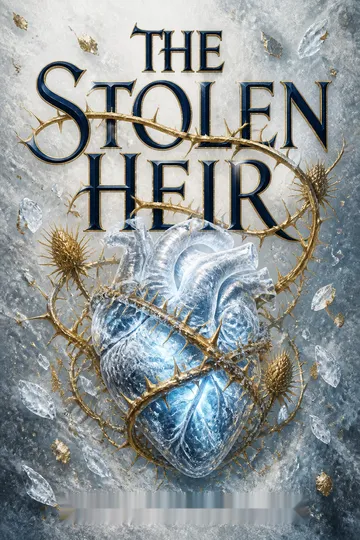
The Stolen Heir Duology Series
About the Author

Download PDF
Download EPUB
.epub digital book format is ideal for reading ebooks on phones, tablets, and e-readers.








