

Key Takeaways
Let painful feelings move through you instead of building a life around escape.
A dream challenged the story. Walker recounts recurring dreams of returning to the Army, which had felt miserable at the time. Looking back, he saw that its clear rules, periods of safety, friendships, and recognition made it more welcoming than his unpredictable, violent childhood home. The comparison shook his belief that his family life had been happy.
Feeling is not failure. Walker argues that emotions suppressed in childhood do not vanish. Their pressure can reappear as anxiety, harsh self-talk, busyness, or indirect hostility. He rejects the promise of permanent happiness: emotional recovery means making room for sadness, anger, fear, and joy, then expressing feelings safely. The aim is not to stay cheerful, but to stop organizing life around avoiding what hurts.
The Army story makes the book's thesis concrete: people can normalize a harmful environment so thoroughly that relative safety feels surprising. Walker's useful distinction is between having a feeling and acting destructively on it. Accepting anger does not require aggression, just as accepting sadness does not mean surrendering to it. The argument is strongest as a challenge to emotional perfectionism. It is less convincing if taken to mean every painful feeling should be explored immediately, regardless of safety, support, or capacity.
Grieve what happened before asking yourself to forgive.
Forgiveness can hide pain. Walker calls forgiveness premature when a person declares parents forgiven before recognizing what happened and grieving its effects. It may sound generous while leaving the survivor convinced that low self-worth or inhibited expression is a personal defect. Pressure to move on can add guilt: a person may blame themselves for not feeling the forgiveness they think they ought to feel.
Let memory become specific. Walker argues that meaningful forgiveness needs an honest account of the harm. Remembering which behaviors were hurtful helps distinguish genuine care from excuses, and makes it easier to recognize similar treatment in present relationships. Grief, in this account, is not a detour from forgiveness. It is the emotional work that can make forgiveness more than a decision or polite performance.
This reframes forgiveness as an emotional outcome, not a moral obligation. That distinction protects survivors from confusing silence with healing and allows compassion to develop without erasing injury. The emphasis on specificity is especially valuable: vague forgiveness can leave the original pattern unnamed. At the same time, memory is not a courtroom transcript. The practical goal is a credible understanding of harm and its effects, not certainty about every detail or a single, final verdict on the past.
Use blame to protect boundaries, not to punish or scapegoat.
Blame can defend the self. Walker separates healthy blame, an angry response to unfair treatment, from toxic blame, a fixed stance that keeps a person helpless or targets the wrong person. Healthy blame supports protest, refusal, and boundary-setting. A child who is punished for saying no may grow into an adult who turns anger inward or tolerates mistreatment without recognizing it.
Aim anger accurately. Walker recommends expressing blame safely, often by writing, speaking privately, or imagining a confrontation rather than attacking someone. The point is to name the injustice and reclaim the ability to act, not to make another person suffer. The book's Human Bill of Rights of Self-Expression lists rights such as refusing requests, making mistakes, expressing anger without abuse, and being treated with respect.
The distinction between blame as information and blame as identity is the section's central strength. Anger can flag a crossed boundary, but it cannot by itself establish what happened or what response is wise. The book's emphasis on nonabusive expression helps keep protest from becoming retaliation. Its rights list also turns an abstract idea into a practical check: does this relationship allow a person to disagree, set limits, and remain respected?
Give grief four exits: tears, anger, words, and quiet attention.
Grief has several forms. Walker describes four processes: crying, or releasing sadness through tears; angering, his term for expressing anger safely; verbal ventilation, putting painful experience into speech or writing; and feeling, quietly attending to emotion in the body without trying to change it. Crying alone may not address anger, and anger alone may not release sadness. Talking can help connect present distress with older hurt.
Match the response to the need. A journal, a trusted listener, a private imagined conversation, or quiet attention to sensations can each offer a different route through grief. Walker cautions against treating emotional release as an instant cure. The processes may take time, and they work best when the person is not shaming themselves or being criticized for having feelings.
The four-part account avoids reducing grief to tears or to dramatic catharsis. It includes both active expression and receptive attention, a useful balance for people who either intellectualize emotion or feel compelled to discharge it immediately. The model also invites discernment: the task is not to perform every form of grieving, but to notice what remains unexpressed. Emotional intensity alone is not evidence of progress; safety, consent, and the person's ability to return to daily life matter too.
Read flashbacks and compulsions as survival patterns, not proof of defect.
The past can feel present. Walker uses emotional flashback to describe a return to childhood states such as fear, shame, or helplessness, often without a clear picture of the original event. A harmless cue, such as speaking up or making a mistake, may bring on a reaction that seems disproportionate. Recognizing the reaction as an old alarm can reduce self-blame and point toward what needs attention.
Defenses once had a purpose. Walker describes dissociation, hypervigilance, obsessive thinking, and compulsive activity as strategies children may use to endure abuse or neglect. In adulthood, constant scanning, worry, work, or distraction can continue to keep painful feelings at bay. The aim is not to condemn these habits, but to loosen them gradually and recover more choice about when to rest, focus, or seek protection.
This account shifts the question from “What is wrong with this person?” to “What did this response once help them survive?” That can reduce shame and make behavior easier to understand. It also cautions against equating a reaction's intensity with present danger: a flashback can magnify a cue without making it harmless to ignore. A useful response combines curiosity about the past with a check of current conditions, including whether a real boundary or safety issue needs action.
Name the neglect that left no bruises, and recover what it cost.
Harm includes what was missing. Walker describes verbal, emotional, spiritual, and physical abuse, alongside neglect in each area. A child may be rarely invited into conversation, offered little warmth, discouraged from exploring, or given no safe guidance for feelings and boundaries. Because neglect leaves fewer visible signs than a beating, adults may dismiss it or assume that a childhood without severe physical violence could not have caused lasting pain.
Build a clearer picture. Walker recommends identifying repeated themes rather than trying to recall every incident. These might include ridicule for crying, little interest in a child's ideas, lack of affection, or punishment for ordinary mistakes. He recounts recovering memories of childhood beatings only after his mother described them near the end of her life. The example shows how understanding of the past can emerge gradually, not as a complete story all at once.
The focus on omission is important because family harm is not limited to spectacular incidents. Repeated indifference can shape what a child expects from relationships just as forceful criticism can. The book's invitation to look for patterns offers a more useful lens than ranking childhoods by severity. Its memory work also deserves care: a person's present feelings can clarify what an experience meant, but they do not independently verify every historical detail.
Trade flawless performance for honest self-expression and real connection.
Perfectionism silences intimacy. Walker describes perfectionism as trying to earn love or avoid punishment by becoming mistake-free, productive, or consistently pleasant. He recalls earning near-perfect school marks without receiving the praise he wanted, then becoming increasingly fixated on the one point he had missed. In his family, vulnerable subjects and personal opinions were mocked, so he learned to keep conversation safe and superficial.
Authenticity tests the bond. As an adult, Walker stopped relying so heavily on a polished persona. Some friends left, while others welcomed greater openness. He argues that connection depends on being known beyond one's achievements and cheerful presentation. Self-esteem, in this view, means retaining respect for oneself during failure, sadness, or uncertainty, not believing oneself flawless.
The book links perfectionism to a social cost, not just private stress: a flawless image leaves little room for mutual recognition. That is a compelling explanation for why high achievement can coexist with loneliness. Authenticity, however, is not the same as unrestricted disclosure. Trust and context still matter. The more practical lesson is to stop treating every imperfection as disqualifying and to share enough of one's real experience to discover who can meet it with respect.
Become the caregiver who comforts your inner child and defends its limits.
Reparenting joins care with protection. Walker uses inner child for the part of a person whose development was interrupted by unmet childhood needs. Self-compassionate reparenting means responding to that part with both tenderness and protection. Self-mothering offers comfort, encouragement, and permission to feel. Self-fathering means challenging shame, defending boundaries, and standing up to unfair treatment.
Make the promise credible. Walker suggests speaking supportively to the inner child, writing a dialogue, or imagining an adult self protecting the child from past mistreatment. He pairs reassurance with concrete rights: saying no, asking for help, making mistakes, and having preferences. The practice is not meant to erase the need for loving relationships. It helps build an internal source of care while a person also seeks fair and supportive connections with others.
The two-part image of caregiving is memorable because it prevents compassion from becoming mere soothing. A child needs comfort, but also needs someone to notice danger and say no. The framework can help people translate self-kindness into behavior, such as ending a shaming internal monologue or limiting contact with someone disrespectful. Its metaphorical language need not be taken literally; the useful test is whether the practice increases self-respect, emotional steadiness, and practical protection.
Understand your parents' history without excusing harm or surrendering distance.
Context can soften blame. Walker explores how parents may repeat what was done to them, including inherited habits of harsh discipline, emotional silence, and neglect. He traces this cycle through family stories and argues that social conditions, including factory work and pressure to behave mechanically, can weaken empathy and family connection. Understanding these influences may reduce a survivor's belief that the harm happened because the child was defective.
Explanation is not permission. A parent's painful past does not make current abuse acceptable, and compassion does not require close contact. Walker distinguishes forgiveness from trust and describes people who can feel goodwill toward a parent only from a distance. Visits may be shortened, moved to a safer setting, or ended when disrespect continues. Some relationships remain too damaging for reconciliation, even when their history is understood.
The cycle-of-harm account offers a humane alternative to imagining parents as either monsters or blameless victims. Context can explain how harmful behavior is repeated without making the child responsible for repairing the adult. The book's strongest safeguard is its insistence that forgiveness does not dictate access. Its broader claim about industrial society shaping parenting is suggestive, but family histories are diverse, and a cultural explanation should not be mistaken for proof about any individual parent.
Let love and anger coexist; forgiveness is a return, not a vow.
Feelings can contradict. Walker calls ambivalence the experience of holding opposing feelings at once, such as affection and anger toward a parent. He argues that forcing one feeling to cancel the other can produce denial or abrupt swings between idealizing and condemning someone. Forgiveness, like love, may return after hurt has been recognized and worked through, but it cannot be kept permanently in place by willpower.
Repair begins with accountability. For parents seeking forgiveness from adult children, Walker recommends naming specific harmful behaviors, apologizing, explaining relevant circumstances without using them as excuses, making amends where possible, and welcoming the child's response. The parent should show changed behavior, not demand absolution. Self-forgiveness follows a similar path: acknowledge harm, repair what can be repaired, and stop treating past mistakes as proof of permanent badness.
Allowing mixed feelings resists a common trap: treating emotional consistency as proof of sincerity. A person can care about a parent and still need distance, or accept an apology without trusting the relationship yet. The repair steps also distinguish remorse from self-defense. Explanation has a place, but the injured person should not have to comfort the apologizer or grant forgiveness on schedule. Accountability is most credible when it changes conduct over time.
Analysis
The book's distinctive move is to treat emotional recovery as a process of learning to feel, not a project of eliminating distress. Memoir, therapeutic interpretation, and spiritual language reinforce one another: Walker's family memories give the ideas emotional weight, while concepts such as blame, grieving, and reparenting offer readers ways to interpret their own reactions. The central sequence is coherent: recognize the injury, allow grief and anger, rebuild self-protection, and let forgiveness arise without forcing it. Its most useful contribution may be the insistence that compassion and boundaries are compatible.
The work also needs to be read as a product of its period and therapeutic commitments. It makes broad claims about industrial society, nonindustrial cultures, medication, and the bodily effects of suppressed emotion. Those claims are not equally supported by the autobiographical examples presented, and the book sometimes treats a compelling clinical interpretation as a general explanation. Current trauma care would also stress pacing, stabilization, and individual differences: intense emotional expression is not inherently healing, and some people need structured professional support before revisiting painful memories. Memory is reconstructive, so felt meaning should not be confused with forensic certainty. These qualifications do not erase the book's insight. They sharpen its practical message: emotions deserve attention, but attention should be safe, chosen, and responsive to the person's circumstances.
Review Summary
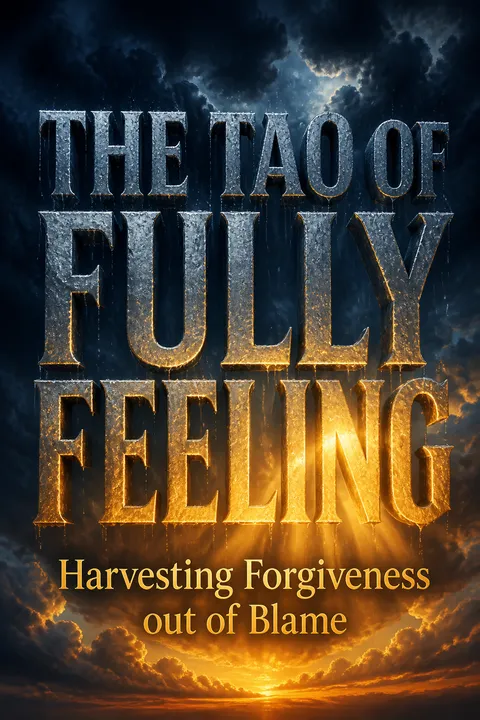
The Tao of Fully Feeling receives high praise for its insights on childhood trauma healing. Readers appreciate Walker's approach to processing emotions, forgiveness, and self-compassion. Many find the book life-changing and relatable, with practical advice for trauma survivors. Some criticize its lack of diversity and outdated anger management techniques. The cover design and title are often mentioned as potential deterrents. Despite occasional repetitiveness, most readers highly recommend the book for its wisdom on emotional healing and personal growth.
People Also Read



Glossary
Effective grieving
Working through emotional lossWalker uses effective grieving for the fuller process of acknowledging and releasing pain connected to loss, including childhood harm. It can involve crying, expressing anger, talking or writing about experience, and quietly attending to feelings in the body. The term emphasizes that merely remembering an event, while remaining emotionally cut off from it, may not resolve its effects.
Emotional flashbacks
Returns to old emotional statesEmotional flashbacks are sudden or prolonged returns to feelings associated with childhood trauma, such as fear, shame, depression, or helplessness. Unlike a vivid replay of an event, they may occur without a clear image or memory of what originally caused them. A present-day cue can evoke an old response that feels confusing or out of proportion.
Angering
Safe expression of angerAngering is Walker's term for actively expressing anger in ways intended not to harm oneself or others. It may include naming the anger, speaking or writing about it, or using structured physical expression. In his model of grieving, angering helps release protest about unfairness and supports the recovery of self-protection and boundaries.
Verbal ventilation
Feelingful speech or writingVerbal ventilation is the expression of painful experience through language charged with feeling. It can happen in conversation, therapy, private speech, or writing. Walker distinguishes it from detached analysis: its value lies in connecting words with the feelings, sensations, images, and memories being described, preferably in a receptive and nonjudgmental setting.
Wholism
Feelings form an interdependent wholeWholism describes Walker's view that emotions cannot be selected independently like items from a menu. A person cannot reliably keep only preferred feelings while excluding their painful counterparts. Sadness, anger, fear, joy, love, and relief are interrelated parts of emotional life, and rejecting some can diminish vitality and depth.
Ambivalence
Coexisting conflicting feelingsAmbivalence is the experience of holding opposing feelings toward a person, choice, or situation, either simultaneously or through rapid shifts. Walker considers it normal, especially in close relationships. Suppressing one side can lead to polarized judgments or sudden emotional breaks; acknowledging mixed feelings can support more realistic understanding and decisions.
Flow
The changing movement of emotionFlow refers to the shifting, unpredictable movement of feelings over time. Pleasant and painful states arise and pass rather than remaining permanently available on command. Walker argues that resisting unwanted feelings or clinging to preferred ones can prolong distress, while accepting emotional change can make it easier to respond flexibly.
Toxic shame
Overwhelming self-condemnationToxic shame is Walker's term for prolonged, incapacitating self-loathing associated with repeated childhood disapproval, disgust, or humiliation. It differs from a limited sense of regret about a particular action because it makes the person feel fundamentally defective. In the book, it can silence needs, feelings, and attempts at self-protection.
Inner critical parent
Internalized voice of condemnationThe inner critical parent is the internalized pattern of judgment and control learned from parents or other formative authority figures. It criticizes, orders, and shames a person in familiar tones, often reviving old standards even when the original authority is absent. Walker encourages identifying and challenging this voice rather than treating it as the self's reliable judgment.
Self-compassionate reparenting
Providing unmet care to oneselfSelf-compassionate reparenting is Walker's approach to responding to unmet childhood needs with ongoing internal care and protection. It includes comforting vulnerable feelings, encouraging self-expression, and defending boundaries against internal or external mistreatment. The practice uses the inner-child idea as a way to recognize developmental needs that were not adequately met.
Repetition compulsion
Repeating familiar harmful relationshipsRepetition compulsion is the recurring pattern in which a person is drawn into relationships or situations resembling harmful childhood dynamics. Walker argues that familiar treatment may be mistaken for love or normality, making it difficult to recognize mistreatment. Understanding the pattern can help a person identify warning signs and choose relationships with greater fairness and respect.
Busyholism
Compulsive, constant activityBusyholism is Walker's term for persistent overactivity used to avoid painful feelings or unstructured time. A busyholic may overfill days with tasks, work, or other activity, appearing productive while losing rest and attention to ordinary pleasures. The term distinguishes purposeful activity from a compulsive pace that leaves little room to experience oneself.
Fossilized forgiveness
Fixed forgiveness that hides painFossilized forgiveness is a fixed declaration of forgiveness that closes off continuing feelings of hurt or blame. Walker describes it as a defense that can restore denial, especially when a survivor feels pressure to move on or fears that grief will not end. It differs from a genuine feeling of forgiveness that can coexist with changing emotions and boundaries.
FAQ
What's The Tao of Fully Feeling about?
- Emotional Recovery Focus: The Tao of Fully Feeling by Pete Walker centers on reclaiming emotional health, especially for those from dysfunctional families. It highlights how emotional repression can lead to self-hatred and dysfunction.
- Grieving as a Process: Walker emphasizes grieving as essential for emotional recovery, allowing individuals to process past traumas and reclaim their ability to feel.
- Forgiveness and Blame: The book explores the relationship between forgiveness and blame, suggesting that true forgiveness requires acknowledging and feeling the pain of blame.
Why should I read The Tao of Fully Feeling?
- Personal Growth: The book offers practical advice for understanding and reclaiming one's emotional self, making it a valuable resource for personal development.
- Understanding Dysfunction: It provides insights into how childhood experiences shape adult emotional responses, empowering readers to break free from harmful patterns.
- Tools for Healing: Walker includes techniques for grieving, angering, and feeling, which can be applied in daily life to foster emotional health.
What are the key takeaways of The Tao of Fully Feeling?
- Importance of Feelings: Walker stresses that feelings are essential to humanity and should not be suppressed, advocating for embracing the full spectrum of emotions.
- Grieving is Essential: Grieving is highlighted as a necessary step in emotional recovery, allowing individuals to release pent-up emotions and heal from past traumas.
- Forgiveness Requires Acknowledgment: True forgiveness involves first feeling and processing the pain associated with blame, recognizing the value of both emotions in healing.
What are the best quotes from The Tao of Fully Feeling and what do they mean?
- “No prison except that...”: This quote suggests that self-imposed barriers to avoid emotional pain hinder true freedom, which comes from confronting emotions.
- “Grieving is a safe...”: Walker emphasizes grieving as a necessary outlet for emotional distress, allowing individuals to process feelings and find relief.
- “Forgiveness does not justify...”: This underscores the complexity of forgiveness, indicating it should not excuse past wrongs but involve acknowledging hurt before moving forward.
How does The Tao of Fully Feeling define grief?
- Natural Emotional Process: Grief is defined as expressing sadness and anger about loss, essential for emotional health and releasing pent-up feelings.
- Healing Mechanism: Grieving helps individuals process emotional pain and reclaim their sense of self, leading to renewed vitality and connection to life.
- Integral to Recovery: Grieving is crucial for recovery from childhood trauma, allowing individuals to confront and work through past experiences for emotional wholeness.
What techniques for grieving does The Tao of Fully Feeling suggest?
- Crying: Walker emphasizes crying as a healing release of pain, encouraging readers to allow tears to flow freely for emotional relief.
- Angering: The book discusses expressing anger in safe and healthy ways to release pent-up emotions and reclaim assertiveness.
- Verbal Ventilation: Walker advocates for talking or writing about feelings to release emotional tension and connect with emotions more deeply.
How does The Tao of Fully Feeling address the concept of forgiveness?
- Forgiveness as a Process: Walker describes forgiveness as a complex process requiring time and emotional work, emphasizing acknowledgment of pain first.
- Blame and Forgiveness: The book highlights that feeling blame is necessary before genuine forgiveness can occur, encouraging embracing both emotions.
- Limits of Forgiveness: Walker cautions against premature forgiveness, stressing the importance of fully processing hurt before moving toward forgiveness.
What is the role of self-compassion in The Tao of Fully Feeling?
- Healing Through Self-Compassion: Walker emphasizes self-compassion as essential for healing from childhood trauma, fostering a kinder relationship with oneself.
- Reparenting the Inner Child: The book discusses nurturing and caring for the inner child, promoting self-compassion and healing past wounds.
- Overcoming Toxic Shame: Self-compassion is presented as an antidote to toxic shame, encouraging embracing feelings without judgment for healing.
How does The Tao of Fully Feeling explain the connection between emotions and physical health?
- Somatization: Walker discusses unresolved emotional pain manifesting as physical symptoms, emphasizing addressing emotional issues for better health.
- Emotional Release: Effective grieving and emotional expression can alleviate physical ailments caused by repressed feelings, leading to better health.
- Mind-Body Connection: Walker underscores that emotional well-being impacts physical health, suggesting processing emotions enhances life quality.
What is the concept of "busyholism" in The Tao of Fully Feeling?
- Definition of Busyholism: Busyholism is defined as a compulsive need to stay busy to avoid confronting painful emotions.
- Impact on Life: Busyholics often miss life's subtleties, like enjoying nature or connecting with others, due to constant distraction.
- Path to Recovery: Recognizing and addressing busyholism is crucial for emotional healing, allowing individuals to slow down and engage with feelings.
How does The Tao of Fully Feeling address the relationship between blame and forgiveness?
- Healthy Expression of Blame: Blame is seen as a natural response to unfairness, essential for emotional recovery by acknowledging pain.
- Forgiveness as a Process: Forgiveness follows healthy blame expression, allowing individuals to release resentment and move toward compassion.
- Dynamic Relationship: Blame and forgiveness are interconnected; expressing blame healthily increases the capacity for genuine forgiveness.
What techniques does The Tao of Fully Feeling suggest for reparenting the inner child?
- Self-Compassionate Dialogue: Engage in dialogues with the inner child, offering love, understanding, and validation of feelings.
- Affirmations for Healing: Use affirmations to nurture the inner child, rebuilding self-esteem and emotional resilience.
- Addressing Past Trauma: Acknowledge and grieve past traumas to create a safe space for the inner child to express itself freely.
About the Author
Other books by Pete Walker

Download PDF
Download EPUB
.epub digital book format is ideal for reading ebooks on phones, tablets, and e-readers.








