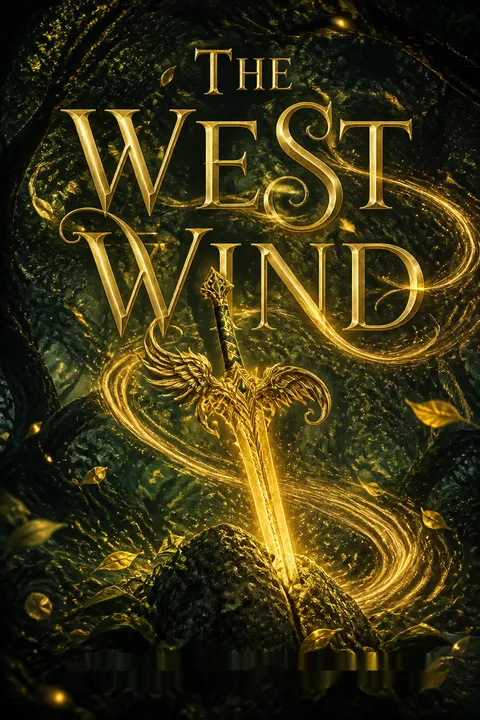


Plot Summary
A Stranger in Carterhaugh
Brielle, a twenty-one-year-old novitiate and Thornbrook's bladesmith, finds a badly beaten man in the forest. The abbey shelters women, and touching a man is forbidden, but she cannot leave him to die. At night she smuggles him through the gates and tends his wounds in her room. The stranger remains unconscious while Brielle sleeps on the floor and hides him from the other women.
Harper, a sharp-tongued rival, suspects Brielle is concealing someone, then accuses her to Mother Mabel, the abbess. When they search the room, the bed is empty. The stranger has vanished without opening the locked door. Brielle is still trying to understand how when he reappears at her window, alive and watching her.
Brielle's first consequential act is not rebellion for its own sake. She violates the abbey's rules because her practical judgment and compassion outweigh the safety of obedience. Her skill as a smith makes her physically capable, but her social world has taught her to treat desire, touch, and curiosity as threats to belonging. The stranger's impossible disappearance unsettles not only the abbey's security but Brielle's confidence in the rules that have organized her life. The rescue begins as mercy, then becomes the first opening through which an unfamiliar self can emerge.
The West Wind Wakes
The man identifies himself as Zephyrus and explains that his brother left him for dead. He is not one of the fair folk, though he travels through their underground realm, Under. Brielle admits she has waited ten years to become an acolyte, but Mother Mabel keeps choosing other women.
Zephyrus offers to take her to Willow, a being said to answer questions, so she can learn what would make her worthy. He frames the trip as repayment for her saving his life. Brielle resists the pressure, then agrees to meet him secretly at the forge. Her longing for recognition has made her vulnerable to a bargain she does not yet understand.
Zephyrus identifies the exact uncertainty that can move Brielle: not simply whether she is good, but why effort has not earned advancement. His offer works because it turns spiritual insecurity into a solvable problem, something knowledge might unlock. Brielle's acceptance is neither fully coerced nor fully free. She makes a choice within a narrow imaginative world, where becoming an acolyte seems the only future that could confirm her worth. The scene establishes the story's central tension between chosen devotion and inherited constraint, while introducing Zephyrus as both a source of possibility and a practiced manipulator.
Willow's Unwelcome Truth
Zephyrus leads Brielle through a spring into Under, where he warns her not to eat or drink, leave the grassy path, or reveal her name. At the luminous tree Willow, Brielle asks how to earn Mother Mabel's approval. Willow tells her that no action can control the abbess, though Brielle's chance will come sooner than she expects.
When she returns to the clearing, Zephyrus is gone. A sprite named Lissi explains that he is one of the Four Winds, a god called the West Wind. Brielle searches the crowded realm for him and finds him in the Orchid King's rose-lit lair. The king, Pierus, has vines drain Zephyrus' blood as punishment for failing to answer his summons.
The journey removes Brielle from the institutions that have taught her how to interpret reality. Under's rules make identity and appetite materially dangerous, while Willow's answer undermines the idea that perfection can secure another person's approval. Zephyrus' abandonment turns Brielle's dependence on him into a physical danger, and the revelation of his divine identity destabilizes her belief that the Father is the only god. Pierus' ritual adds a further complication: the charming guide is not merely mysterious but captive, and his suffering does not erase his responsibility for bringing Brielle into danger.
Seven Days Missing
Zephyrus leaves Brielle outside Thornbrook and disappears into the forest. She arrives expecting to explain a single night's absence, only to learn that seven days have passed aboveground. Mother Mabel questions her, and Brielle lies about gathering herbs rather than admit she entered Under. The abbess orders fourteen lashes, seven for each missing day and seven for the lies, then bars Brielle from the infirmary.
Her wounds worsen before Zephyrus secretly brings her a salve. Brielle refuses to trust him again, while the other women avoid her and Harper continues to needle her. Later, Mother Mabel admits she knew Brielle visited Under and offers her a chance to earn the acolyte post through a dangerous quest.
The time distortion makes Under's danger legible through its cost: Brielle loses a week of her life without knowing it, then returns to a community that can punish her but cannot hear the truth she is afraid to tell. Her deception is a survival strategy, yet it compounds the harm by severing access to care. The lashing exposes the difference between a religious institution's language of guidance and its use of bodily discipline. Brielle's refusal to trust Zephyrus is an early assertion of judgment, even as the promised quest offers a new route back into the approval she still craves.
The Sword Quest
Mother Mabel names the quest: find Meirlach, a legendary sword, and kill its guardian, the Stallion. Harper, Brielle's longtime rival, is the other candidate for the acolyte position. The women leave Thornbrook together, but Harper dismisses Brielle's advice and takes the map. At the first Under entrance, Harper refuses to give the gatekeeping nymph their last loaf of bread, and the creature shuts the door.
Their delay and growing hostility leave them camping in dangerous woods. Harper secretly lights a fire despite Brielle's warning that it will attract the fair folk. A pair of enormous darkwalkers attacks. Brielle recovers Harper's lost dagger and kills both creatures with iron, proving her training is more than abbey labor.
The quest makes Brielle's rivalry with Harper concrete: they are not competing over an abstract honor but over one place, and each woman's assumptions about the other shape their survival. Harper's refusal to sacrifice food and her disregard for the fire warning express a self-protective logic that often mistakes pride for control. Brielle's skill saves them, but the rescue does not instantly make them allies. The danger instead exposes an imbalance: Brielle has practical knowledge and accepts responsibility, while Harper resists depending on someone she has spent years diminishing.
The West Wind Returns
After Brielle kills the darkwalkers, Zephyrus steps out of hiding and praises her, revealing he watched rather than helped. He explains that salt weakens the creatures and argues that Brielle needed to discover her own strength. Harper recognizes him as the West Wind and hints at his notorious history with mortal women.
Their map cannot get them safely into Under, so Harper accepts his offer to guide them toward the Stallion's Grotto. Zephyrus says the guardian admits mortal women only, making Brielle and Harper useful to his plan. Brielle distrusts him but agrees because the quest cannot continue without a guide. His return turns the journey into a three-way contest of need, suspicion, and attraction.
Zephyrus' decision to watch Brielle fight rather than intervene presents a harsh version of empowerment: he sees capability as something she must prove under mortal threat. His logic recognizes her strength while disregarding the cost of the test. Harper's knowledge of his reputation contrasts with Brielle's sheltered ignorance, giving the rival an advantage she has not earned through trust. Yet both women accept his help because the geography of Under makes self-sufficiency impossible. The scene recasts the guide as a useful risk, not a safe ally, and forces Brielle to practice discernment rather than mere obedience.
A Kiss for Life
The trio enter Under through the Well of Past, where each traveler offers an object and a personal story. Brielle tells of her mother striking her as a child; Harper offers a story about a lost dog that she has invented. On the River Mur, Harper disappears beneath the water, taken by naiads. Brielle dives after her, fights the creatures with her iron dagger, and drags Harper to shore.
Later, Brielle's wound from the darkwalkers turns black with venom. Zephyrus says no cure exists, then produces a remedy from a healer that must pass between their mouths. Brielle accepts the kiss to survive. Her recovery leaves her shaken by desire and by the way Zephyrus has crossed her boundaries before.
The Well of Past makes memory a currency, but Harper's fabricated account signals how shame can distort what a person is willing to disclose. Brielle's rescue of Harper is more revealing than their rivalry: she acts before calculation, even for someone who has repeatedly harmed her. Her own poisoning then reverses their roles, making her dependent on the man whose judgment she distrusts. The supposedly necessary kiss blurs care with seduction, and Brielle's mixed response matters. Survival does not automatically make the act emotionally uncomplicated; it sharpens her need to distinguish consent, desire, and obligation.
Harper's Second Chance
Naiads seize Harper from the boat, and Brielle dives into the lake despite Zephyrus' warning that the creatures will paralyze her. She fights through the cold, reaches Harper, and pulls her to shore. When Harper does not wake, Brielle forces the water from her lungs until she revives. At the sea-nymph village, Harper remains shaken and hears a disturbing voice, while Brielle confronts her about years of bullying.
She tells Harper that an apology is not enough unless it includes real accountability. Harper finally admits she has made Brielle feel like a stranger at Thornbrook. Their relationship does not become easy, but Brielle stops seeking acceptance from someone who has repeatedly denied it.
Brielle's rescue is not a reward for Harper's change; it happens before Harper can offer anything in return. That distinction separates compassion from appeasement. Once Harper is safe, Brielle uses the moment to set terms, naming the harm rather than accepting a quick apology as repair. Her speech marks a shift from endurance to self-respect: kindness no longer requires silence about injury. Harper's vulnerability also complicates the rivalry without erasing it. The women become capable of recognizing one another's pain, but Brielle's boundary prevents empathy from becoming another demand that she absorb mistreatment.
The Orchid King's Warning
At the sea-nymph settlement, Brielle learns Zephyrus has traded his blood for Harper's treatment, but she does not yet know why he needs the sword. In the fair folk's village, Lissi warns that mortals are forbidden in Under outside the tithe. Brielle later follows a false call into Pierus' lair.
The Orchid King tells her that Zephyrus intends to use Meirlach, which can kill a god, to break the contract binding him to Under. He also reveals that Zephyrus has access to Brielle's blood, a potential offering to the Stallion. Brielle suspects Pierus is manipulating her, but leaves for the Grotto alone rather than let either man decide her role.
Pierus offers information mixed with self-interest, so Brielle cannot simply replace one authority with another. His warning is persuasive because it matches her own unease about Zephyrus, and because the blood trade gives his accusation a concrete basis. Yet Brielle's most important response is not to declare either man trustworthy. She changes the terms of the problem by leaving alone. That choice marks a developing autonomy: she can act under uncertainty without surrendering judgment to the person who speaks most confidently.
Meirlach's Keeper
Brielle rows alone to the Grotto, offers her blood to the River Mur, and enters the Stallion's treasure chamber. The blind kelpie first appears as a huge black horse, then takes the form of a boy. He offers any treasure except Meirlach, but Brielle insists on a duel. She fights with her knife against his longer sword, using her smith's strength and training to outlast his attacks.
When she pins him, she refuses to kill him, citing her faith's prohibition against taking life. The Stallion awards her Meirlach. Zephyrus and Harper arrive after the contest, and Brielle accuses Zephyrus of planning to use her and the sword. He admits his original motive, so she leaves with Harper.
The duel tests whether Brielle's faith is only a code she obeys when safe. She can defeat the Stallion, yet chooses not to kill him, preserving a moral boundary even when violence would secure the prize more decisively. Meirlach therefore becomes evidence of competence without becoming permission to dominate. Zephyrus' admission confirms Brielle's suspicion, but also reveals that her achievement is independent of his plan. She has won the sword through skill and restraint, then rejects the idea that success obliges her to forgive or serve the person who misled her.
Harper Takes the Stole
Back at Thornbrook, Brielle gives Harper Meirlach to present to Mother Mabel, allowing Harper to claim the acolyte position. Brielle's own return from Under has damaged her trust in the abbey, the Father, and her judgment of Zephyrus. Harper later visits the forge, praises Brielle's work, and asks how Thornbrook might better serve nearby towns.
Brielle proposes an apprenticeship program for children, pairing practical skills with food and education. Harper also admits her friendship with Isobel has ended and confesses that her childhood at home was abusive. When Harper shows Brielle the roselight she retrieved from the Grotto, its light has turned gray and blood-streaked.
Brielle's decision to hand over Meirlach is both generosity and retreat. She refuses a title she no longer trusts herself to want, while giving Harper the opportunity she once treated as a zero-sum prize. Harper's attention to Brielle's community proposal shows that her new leadership may be more than status, and her confession reframes her cruelty without excusing it. The corrupted roselight makes the cost of severing ties visible: Brielle can reject Zephyrus, but the object keeps registering his condition. Her unresolved attachment begins to challenge her chosen silence.
The Tithe's Hidden Cost
Mother Mabel confirms that Brielle may attend the coming tithe, but Brielle is unsure whether she can return to Under. She prays, receives no clear answer, then repairs a sword she once broke as a young apprentice. The act gives her a way to move forward without pretending her past failures never happened.
At Miles Cross, she slips away from the ceremony and follows the roselight toward Pierus' lair. There she finds Zephyrus covered in nightshade blooms, drained and unconscious. Brielle burns the vines away and carries him out. Lissi explains that his blood sustains Under because Pierus has drained the realm's own power, and warns that prematurely removing the flowers has poisoned Zephyrus.
The repaired sword gives Brielle a material image of growth: she does not discard a failed attempt but reshapes it with knowledge acquired since. Her return to Under is not a return to her earlier dependence on Zephyrus. She acts from a deliberate judgment that a captive is in need, despite knowing he has betrayed her. Lissi's explanation widens the moral frame: the tithe is not a neutral contract but a system that conceals the extraction sustaining it. Brielle's rescue disrupts that system, yet the intervention carries an immediate biological cost for Zephyrus.
Yakim's False Antidote
Lissi treats Zephyrus, but warns the venom will eventually paralyze him unless they find an antidote. He and Brielle reach the Estate, where his old acquaintance Ailith arranges a meeting with Yakim, a demon and poison dealer. To gain access, Brielle poses as Zephyrus' pet. Yakim demands her name in exchange for the antidote.
Zephyrus gives him a false bottle containing only air, then trades Brielle's name, which cannot control her while her trinity pendant protects her. They flee when Yakim discovers the deception and transforms into a beast. Brielle uses her iron dagger to wound him; Zephyrus finishes the fight with wind. The supposed antidote proves fake, leaving them with less time and no cure.
The name bargain converts the story's abstract threat of identity theft into an intimate test of trust. Brielle's pendant keeps Yakim from controlling her, but Zephyrus still decides that her name is expendable without asking her. The false vial shows that he has learned to anticipate betrayal, not yet to build trust. Brielle's courage in the fight keeps him alive, while the fake remedy exposes the limits of cleverness: deception can create an escape, but it cannot provide the care their situation requires.
The Hounds Give Chase
Pierus sends his Hounds after Brielle and Zephyrus. The West Wind's venom spreads until he loses the use of his legs, and Brielle helps him reach the South Wind's desert realm. Before that, they kill Yakim and evade the first Hound pack, but a later attack forces Zephyrus to unleash his full power.
He destroys the beasts, then collapses as the false antidote's failure becomes undeniable. Rather than abandon him, Brielle carries him through Under and emerges in the desert. Notus, Zephyrus' brother, initially refuses to help, insisting his brother has not changed. Brielle asks him to reconsider, and he agrees to try the oasis, but demands a duel in return.
The pursuit strips away the asymmetry between immortal guide and mortal companion. Zephyrus' power can destroy the Hounds, but it cannot prevent the venom from taking his body; Brielle's strength becomes the practical means of keeping them moving. Her insistence on carrying him answers his recurring fear that care is only an obligation others will eventually abandon. Notus' refusal gives that fear a familial history, while his eventual bargain makes aid conditional rather than sentimental. Brielle must again convert physical skill into leverage within a world that discounts her.
Notus Names the Past
The oasis temporarily restores Zephyrus' movement but does not cure the venom. Notus requires Brielle to duel him before he will continue helping. She loses, but Notus respects her skill and spares her. While Zephyrus recovers, he recounts how jealousy led him to send a wind that killed Hyacinth, the son of Pierus.
He later manipulated Boreas' wife, helping set events in motion that ended with her and her child dead. Zephyrus admits he has repeatedly acted from possession and selfishness. Brielle believes his remorse, then chooses to explore intimacy with him freely, rather than under the pressure of an alleged cure. At dawn, they return toward Under, knowing the reprieve will not last.
Zephyrus' confession makes accountability more demanding than a simple revelation of his suffering. He was wronged by captivity, but he also caused deaths through jealousy and manipulation. Brielle's compassion does not erase those facts; it becomes meaningful because she knows them and still chooses closeness on her own terms. Her decision about intimacy contrasts with the earlier coerced-feeling cure kiss: now she can define desire as hers, not as payment for survival. The oasis offers temporary bodily relief, while the emotional work is harder and less certain.
Blood at Miles Cross
Back in Under, Mother Mabel brings the Daughters of Thornbrook to complete the tithe. She reveals that Pierus once imprisoned her for seven years after she tried to end the blood contract. She challenges him with Meirlach and kills him, freeing Zephyrus from their bond. Then she turns the sword on Zephyrus, fearing his presence will endanger the women in her care.
Brielle steps between them and takes Meirlach through the chest. As she dies, Zephyrus asks Mother Mabel to trade his life for hers. The abbess agrees to a blood rite: the Daughters, Mother Mabel, and Zephyrus give their blood at the altar. Brielle returns to life, but the ritual removes her memories of Under and Zephyrus.
The climax gathers competing definitions of protection. Mother Mabel protects Thornbrook through secrecy, sacrifice, and lethal control; Brielle protects Zephyrus by placing herself in the sword's path. The abbess's past captivity explains her hatred of Pierus but does not absolve her decision to attack Zephyrus. The blood rite turns communal faith into an instrument of restoration, yet the price is not merely physical: Brielle's memories are surrendered so she can return to the life Mother Mabel believes is safest. Love succeeds biologically while being erased psychologically.
The Rose Light Returns
Brielle wakes in the infirmary believing a bear attacked her. The wound in her chest was made by a sword, but Mother Mabel and Harper support the cover story. As her memories fail to return, she notices a strange watcher and learns from Harper that they both have gaps in memory. A fair folk woman later recognizes Brielle from Under, and Brielle finds an old journal entry admitting she loves a man.
She confronts Mother Mabel, who admits the sword wounded Brielle and that she erased her memories. Brielle decides to leave the abbey. In the forest, Zephyrus gives her the roselight, and the object restores the past. Now mortal, he reunites with Brielle, who chooses him and a life beyond Thornbrook.
The recovered memories do not simply restore a romance; they return Brielle's authority over her own history. The abbey's account of the bear made her doubt what her body and reasoning had already established, while the journal and the fair folk provide evidence that survives institutional control. Her departure is not a rejection of faith so much as a rejection of the claim that faith requires surrendering every other part of the self. The roselight works as a sensory bridge between memory and affection, allowing recognition to return through touch before it becomes a complete story.
Epilogue
Now mortal and living with Brielle near Kilmany, Zephyrus plans a proposal with flowers, a blanket, wine, and raspberry tarts. Each part fails: the weaver is away, the florist sells his daisies, the wine breaks, and the tarts melt in Brielle's forge.
Zephyrus abandons the elaborate plan and tries to confess his love, but Brielle asks him to marry her first. He accepts. They have built a home together, Brielle has opened her own smithy, and Thornbrook no longer owes Under a tithe.
The epilogue makes ordinary limitation the measure of Zephyrus' transformation. As a god, he once treated desire as a reason to take; as a mortal, he must wait in lines, accept scarcity, and risk being refused. His failed proposal plan is comic, but its deeper point is that love is no longer secured by power or spectacle. Brielle's initiative reverses their earlier pattern of pursuit and rescue: she is not an object to be won, and he is not a god entitled to choose for her. Their future rests on mutual commitment and shared work.
Analysis
The West Wind makes devotion, desire, and autonomy collide through a protagonist whose goodness has been cultivated inside an institution that also limits her. Brielle begins by treating obedience as proof of worth: she works, studies, forges, and waits for Mother Mabel to choose her. Her journey through Under does not simply replace religious faith with romance. It forces her to distinguish belief from the authority that claims to interpret belief for her. Her eventual departure shows that commitment can remain meaningful without requiring the surrender of every other identity.
The novel's most consequential relationships are shaped by unequal power. Zephyrus is immortal, Brielle mortal; Mother Mabel is protector and judge; Harper is both rival and fellow woman seeking safety. These imbalances make consent and accountability central rather than ornamental. Zephyrus' suffering explains his desperation but does not excuse his manipulation. Harper's history makes her cruelty comprehensible without making Brielle responsible for healing her. Mother Mabel's protective motives do not cancel the damage caused by secrecy and control.
Under externalizes the systems that shape the characters. Names become property, blood becomes political currency, and time itself refuses to move at a fair rate. The tithe converts institutional survival into a ritual whose burden falls on women and a captive god. Its apparent necessity is exposed as the result of power concentrated in Pierus. Brielle's choices repeatedly interrupt that logic: she saves Harper without expecting gratitude, refuses to kill the Stallion, and risks herself for Zephyrus after learning what he has done.
The ending refuses an uncomplicated reward. Brielle's life returns at the cost of memory, and she must recover her own history before she can choose her future. When she leaves Thornbrook, the novel treats fear not as evidence that she should stay, but as evidence that the choice is real. Love becomes credible only after both characters can choose it without divine power, coercion, or institutional permission.
Review Summary
The West Wind receives mixed reviews with an average rating of 3.57/5. Readers praise the atmospheric world-building, character development, and slow-burn romance, particularly appreciating Brielle's growth from timid acolyte to strong woman. Many enjoyed the Greek mythology and Scottish folklore elements. However, criticisms include excessive length, slow pacing, heavy religious themes that don't resonate with all readers, and repetitive content. The protagonist's relationship with faith divides opinions. While some found Zephyrus's redemption arc compelling, others struggled to connect with him. Reviewers note it works as a standalone despite being the second book.
People Also Read


Characters
Brielle
The abbey's bladesmithA strong, red-haired novitiate raised at Thornbrook, Brielle has spent a decade seeking the approval that would let her become an acolyte. She is skilled with iron, physically capable, and more perceptive than her self-doubt allows her to believe. Her instinct to help strangers is sincere, but it can leave her vulnerable to people who mistake kindness for permission. Faith gives her structure and solace, while writing and smithing give her ways to hear her own thoughts. Brielle's central struggle is not whether she cares for others, but how to remain compassionate without surrendering her judgment, desires, or future.
Zephyrus
The captive West WindAn immortal wind-god who travels through Under, Zephyrus is charming, perceptive, and skilled at bending situations toward his advantage. He is also burdened by guilt and a deep fear that those he loves will leave. His quick wit can conceal shame, and his desire for freedom often competes with his capacity for honest attachment. Brielle's independence unsettles him because she sees both his appeal and his harm. He is drawn to her conviction, but must learn that affection cannot be built through manipulation or presumed consent.
Mother Mabel
Thornbrook's formidable abbessThe austere head of Thornbrook governs the abbey's spiritual life, its daily work, and its uneasy relationship with Under. She values discipline, institutional survival, and the safety of the women in her care. Her authority is tempered by a private history of hardship, though she rarely permits vulnerability to alter her decisions. Mother Mabel can offer a home and purpose, yet her certainty about what is best for others risks becoming control. She represents the tension between protection and autonomy, especially for women whose lives have been shaped by dependence on institutions.
Harper
Brielle's rival novitiateSharp-tongued, ambitious, and intensely concerned with status, Harper has long treated Brielle as both rival and target. Her confidence is partly defensive: she fears being overlooked and craves the security of belonging. Harper's relationship with Isobel reinforces her place in Thornbrook's social order, while her own past remains guarded. She is capable of practical courage and hard truths, even when pride makes cooperation difficult. Her character invites a distinction between understanding the source of someone's cruelty and excusing its consequences.
Pierus
The Orchid KingThe ruler of Under appears partly human and partly plant, with roots, vines, and carnivorous flowers woven into his body. He governs through contracts, punishment, and control of information, presenting exploitation as order. His history with Zephyrus and Mother Mabel gives him leverage over both, and he is skilled at making self-interest sound like concern. Pierus is not simply a monster of the wilds; he is a political power whose cruelty is sustained by systems that others have learned to tolerate.
Notus
The reserved South WindZephyrus' brother rules a desert realm and speaks sparingly, preferring measured action to charm. He remembers the ways Zephyrus has failed him and does not confuse family with automatic forgiveness. His reserve can look like indifference, but he maintains a serious sense of honor and consequence. Brielle must earn his attention through courage rather than appeals to kinship alone.
Lissi
The curious healing spriteA small sprite trained in healing arts, Lissi is inquisitive, blunt, and fond of trading in information. She is comfortable among creatures who frighten Brielle, but knows the risks of angering Under's rulers. Her curiosity makes her a useful guide to the realm's customs, while her self-preservation limits what help she is willing to give.
The Stallion
Keeper of the GrottoA blind kelpie who guards an immense treasure chamber, the Stallion distrusts mortals who arrive seeking its valuables. It is ancient, perceptive, and more interested in a challenger's intent than in appearances. Its bargains are dangerous, but not without rules. The Stallion tests whether courage can coexist with restraint.
Yakim
Under's poison dealerA demon who deals in poisons and rare remedies, Yakim is calculating, acquisitive, and alert to the weaknesses of old acquaintances. He requires blood to keep his own madness at bay and treats bargains as contests in which trust is a liability. His polished manners do little to soften his appetite for leverage.
Ailith
The faun at the EstateAilith runs the Estate, a refuge and gathering place for Under's wealthy and powerful. Warm, bold, and commercially shrewd, she understands how presentation can open doors. Her friendship with Zephyrus is tempered by clear boundaries and concern for the people sheltered under her roof.
Soria
Ailith's candid wifeSoria is direct where Zephyrus is evasive. She challenges his entitlement and insists that people who need help should ask as friends rather than treat others as tools. Her loyalty to Ailith and the Estate gives her little patience for charm without accountability.
Isobel
Harper's former allyIsobel is a socially forceful novitiate whose closeness with Harper helps shape Thornbrook's pecking order. She is quick to defend her place and slow to notice how her behavior affects women outside her circle. Her presence makes belonging seem like a prize controlled by a small group.
Fiona
The watchful novitiateFiona is a younger novitiate whose composure and attentiveness make her a trusted presence among the women. She participates in the search when Brielle disappears and helps establish how deeply the abbey fears losing one of its own.
Boreas
The North Wind brotherThe eldest of the Four Winds, Boreas governs the northern cold and has built a life beyond Zephyrus' reach. His history with his brother is shaped by grief, family loyalty, and an unwillingness to ignore past harm. His judgment complicates any simple expectation that kinship should erase injury.
Hyacinth
The lost princeHyacinth is a prince remembered for his goodness and brightness. His connection to Zephyrus and Pierus gives the story's ancient grief its human center. Though absent from the present action, his memory shapes how both gods understand love, jealousy, and irreversible loss.
Apollo
The god of lightApollo is a god associated with music, truth, and light, whose affection for Hyacinth becomes part of Zephyrus' history. His presence sharpens the distinction between love and possessive jealousy.
Eurus
The East Wind brotherEurus is one of the Four Winds, associated with storms. He belongs to the family history that surrounds Zephyrus, though he remains distant from the central journey.
Oly
Pierus' traveling aideOly is a dark-skinned woman who accompanies Pierus' council and assists him while he is away from his lair. Her quiet presence signals the practical network supporting the Orchid King's rule.
Maria
Thornbrook's physicianMaria tends the women of Thornbrook and advises on Brielle's recovery. Her medical authority helps explain the abbey's account of the injury, though she has limited knowledge of what happened in Under.
Plot Devices
The tithe
A costly seven-year pactThornbrook sends twenty-one women into Under at the close of each seven-year cycle. The women give a drop of blood, and their memories of the visit are erased before they return. The abbey's participation preserves its lease on the land, while the ritual also supports Under's survival. Its true costs are concealed from the women, turning a ceremony presented as necessary into a mechanism of extraction and political control.
The grassy path
A shifting route through dangerA strip of grass often guides travelers through Under, but it is not a guarantee of safety. The realm changes its routes, time passes differently belowground, and travelers who stray can become lost or exposed to its inhabitants. The path gives Brielle a fragile structure in a world that refuses ordinary geography. Its shifting behavior also reflects the limits of the rules she has been taught to trust.
Names in bottles
Identity becomes leverageWhen a fair folk creature learns a mortal's name, the sound can be captured in a glass bottle and used to control its owner. This makes names a form of property and explains why travelers are warned not to speak them in Under. The threat forces Brielle to treat self-disclosure as a practical danger, while her trinity pendant offers protection in a moment when she believes Zephyrus has exposed her to Yakim.
Meirlach
A blade that demands truthThe legendary sword is said to pierce armor, cut through barriers, command the winds, and compel truth when held to someone's throat. Mother Mabel sends Brielle and Harper to find it, and its powers later make it central to the struggle over Under's ruler. Meirlach is both a weapon and a test of how its wielder handles power. Brielle's craft with iron prepares her for its dangers, but the sword's abilities exceed anything she has forged.
The roselight
A beacon tied to memoryA glass sphere made luminous from Under's roses gives light in places where Brielle cannot rely on the sun. Its glow changes when Zephyrus' condition worsens, making it a quiet signal of danger. Brielle keeps the sphere even after rejecting him, and it later becomes the object through which recognition returns. The roselight links physical sensation to memory, letting an intimate history survive when the mind has been deliberately emptied.
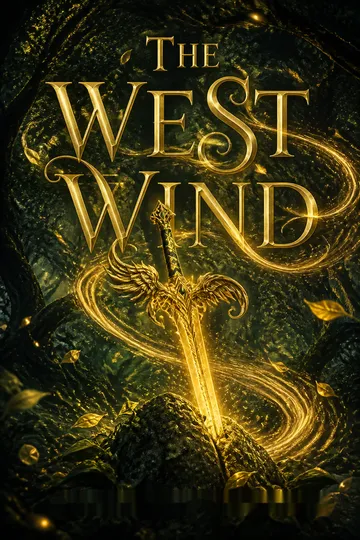
The Four Winds Series
Download PDF
Download EPUB
.epub digital book format is ideal for reading ebooks on phones, tablets, and e-readers.








