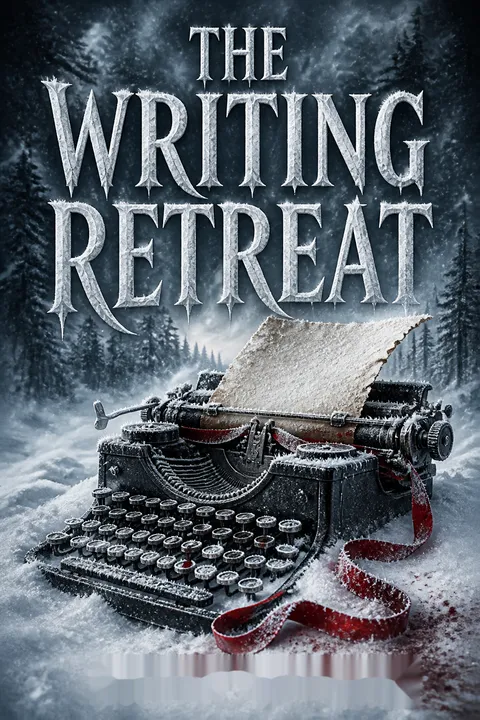


Plot Summary
Wren at Ursula’s Party
Alex, a thirty-year-old associate editor who has not written in a year, goes to celebrate her friend Ursula’s new book and fears seeing Wren, the former best friend who cut her off.
Wren once drew Alex into a vivid city life of parties, writing, and shared secrets; now their mutual friends treat Alex like an unwelcome stranger. Their rupture began after Wren moved out and Alex tried to confront her at a birthday gathering. Wren fell onto a broken glass and badly injured her hand.
Alex has told herself it was an accident, though a buried part of her knows she touched Wren in anger. Seeing Wren’s disgust sends Alex fleeing. Later, drunk with her coworker Pete, she sleeps with him and wakes ashamed, afraid she has damaged her last friendship too.
The opening makes social rejection feel bodily: Alex’s panic, nausea, and flight are consequences of a friendship she cannot explain honestly, even to herself. Her selective account of Wren’s injury establishes her as a compromised narrator, not simply a wounded innocent. The night with Pete extends the pattern: she reaches for closeness, then interprets intimacy as another failure. Her stalled writing and fractured relationships are linked from the outset, so the retreat will test not only her talent but the stories she tells herself about blame.
Ursula Opens Blackbriar
Ursula calls with a last-minute opportunity: one writer has dropped out of Roza Vallo’s monthlong retreat at Blackbriar Estate, and Ursula has sent Alex’s story to fill the place. Roza herself liked the piece, which is enough to make Alex feel that her childhood devotion to the author has finally led somewhere.
Then Ursula reveals she also submitted Wren’s work, and Roza accepted them both. Alex wants to refuse, but Ursula reminds her that the retreat is a rare chance to write and meet the author who once exposed a celebrated male novelist for stealing his former girlfriend’s book.
Alex has barely written since her friendship with Wren collapsed, yet she takes leave from work and decides to go. She hopes the estate will give her a new beginning, even if Wren is there.
Ursula’s invitation turns Alex’s private longing into a concrete test. The opportunity promises recognition, but it arrives attached to the person she has avoided and to the work she has abandoned. Roza’s public exposure of literary theft also shapes Alex’s expectations: she imagines a mentor who punishes exploitation and champions overlooked writers. That idealization makes Blackbriar emotionally dangerous before Alex reaches it. She is not merely pursuing a career break. She is seeking an authority who might certify that her voice still exists.
A Contest in the Snow
At Blackbriar, Alex meets three other writers: the friendly PR professional Poppy, the composed Keira, and the irreverent teacher Taylor. Wren arrives too, and Roza’s assistant Yana assigns Alex and Wren the same bedroom. A gold animal necklace waits for each guest, including a spider for Alex.
At dinner, Roza briefly humiliates Alex for failing to wear hers, then reveals the real terms: each woman must produce a new novel of at least eighty-one thousand words in twenty-eight days, submit three thousand words nightly, and critique the others’ pages.
Roza and editor Ian will choose a winner for publication, a book tour, and a million-dollar advance. Falling behind means expulsion. The mansion’s grandeur and the promised prize transform the retreat from a sanctuary into a tightly monitored competition.
The contest converts artistic aspiration into measurable labor. Roza’s timetable makes productivity visible, while the prize encourages each writer to treat the others as collaborators and threats at once. The necklaces give that pressure a personal, almost ceremonial form, and the shared bedroom forces Alex’s unresolved history with Wren into daily proximity. Roza’s joke at Alex’s expense previews her use of humiliation as instruction. The central bargain is seductive because it offers both material security and an imagined passage into literary legitimacy.
Alex Finds Daphne
Alex’s first proposal, about two friends who punish men, is rejected by Roza as too close to the author’s early novel and too slight for the retreat. Taylor suggests writing about Daphne Wolfe, the nineteenth-century artist who died at Blackbriar under mysterious circumstances.
In a private meeting, Roza presses Alex about the friendship rupture. Alex admits that Wren once initiated a sexual encounter, then withdrew and ended their closeness. She also admits that at the birthday gathering she deliberately touched Wren as she stood beside a step, though she did not intend the severe injury that followed.
Roza reframes Alex’s pain as material rather than a reason to stop writing. That night, Alex begins a novel about Daphne and produces three thousand words for the first time in a year.
Writing begins when Alex stops presenting herself as merely abandoned and recognizes her own capacity for harm. The confession does not absolve her; it complicates the victim narrative that had kept her emotionally immobilized. Roza’s response is effective because it converts shame into action, but its force is also coercive: she treats suffering as fuel and positions herself as the person who can interpret Alex’s life. Daphne provides a historical double through whom Alex can approach loneliness, desire, and power without initially naming them as her own.
Wren Steals the Woods
When Alex tries to make a truce, Wren dismisses their sexual encounter as a mistake and says Alex misunderstood their friendship. At Roza’s ghost-story game, Wren then recounts Alex’s childhood experience of getting lost in the woods with her long-haired friend, including the silent clearing and the creature watching them.
Alex recognizes her own published short story, which Wren had read, and confronts her for presenting it as personal history. Roza refuses to intervene, leaving Alex humiliated and furious.
Sent alone to the basement for the next stage of the game, Alex finds that one candle has already been extinguished. She sees movement behind her in the mirror, then escapes into the house. The episode deepens her distrust of Wren and makes Blackbriar’s old ghost stories feel uncomfortably immediate.
Wren’s appropriation strikes at the boundary between shared intimacy and ownership. She knows Alex’s memory because Alex trusted her with it, so the theft feels like a second betrayal rather than an ordinary contest tactic. Roza’s refusal to protect Alex makes the game’s rules more important than personal fairness. The basement then unsettles Alex’s confidence in what she has witnessed. The novel keeps emotional violence and supernatural possibility close together, letting Alex’s fear make both interpretations plausible.
Valentine’s Day Vanishes
After Alex guides Poppy back from sleepwalking into the basement, Roza’s Valentine’s Day punch becomes a more dangerous threshold. She reveals that she has put LSD in it. Keira objects and leaves rather than accept the drugging, while the others remain as the storm intensifies outside. During the resulting hallucinations, Poppy leads Alex toward the basement, saying she has found proof about someone who is not who she claims to be.
Alex loses herself in a vision of Daphne’s spirit and a blazing female presence. By morning, Poppy is missing. The phone and power are down, snow blocks the grounds, and footprints lead from a hidden basement exit into the drifts. The group searches the house and surrounding yard but finds no trace of her.
Roza’s drugging collapses consent under the language of artistic experimentation. Keira’s refusal marks a clear ethical boundary, while the others’ compliance exposes how thoroughly the retreat’s hierarchy has trained them to defer. Alex’s hallucinatory encounter with Daphne blurs memory, fiction, and intoxication just as Poppy’s warning points toward a real secret. The blizzard changes that ambiguity into practical danger: with communications cut and footprints leading outside, the group must decide whether to trust Roza’s explanations or their own growing unease.
Poppy’s Name Is False
The search produces no body, but Poppy’s suitcase yields a driver’s license and cards belonging to Zoe Canard. Wren finds an advance copy of a novel whose story closely matches the idea Poppy had presented at the first workshop.
Alex and Wren suspect Zoe entered the retreat under a borrowed identity. Remembering Zoe’s basement warning, they move boxes from a wall and uncover a concealed panel with a keypad and a tiny camera. Roza claims she has contacted the police, but Alex later discovers the office radio has been gutted and the telephone line is dead.
Searching Roza’s bedroom for another route, Alex finds a passage behind a wardrobe. It leads to a surveillance room where monitors show the house, including the guests’ bedrooms and bathrooms.
The false identity changes the disappearance from a possible accident into an investigation. Each clue is material: the license, the copied book, the keypad, the camera, the disabled communications. Alex’s habit of turning experience into narrative now becomes a practical investigative skill, although her conclusions remain vulnerable to fear. The surveillance system also redefines the estate. Blackbriar is not simply remote; it is observed and controlled. The writers’ apparent freedom has been an illusion maintained by walls, schedules, and unseen eyes.
Zoe Behind the Bars
Beyond the surveillance room, Alex discovers an iron-barred cell and Zoe alive inside it. Before Zoe can explain, someone injects Alex in the neck, and she wakes imprisoned beside her. Zoe says a masked person has kept her there and that she has been losing track of time.
Alex’s discovery draws Wren and Keira through the secret passage, but Taylor closes the door behind them and traps all four writers. Taylor’s cheerful teacher persona vanishes as she mocks the group and says Roza intended to kill them.
Zoe explains that she took the real Poppy’s place to investigate Roza. Her aunt Lucy, she believes, wrote the novel Roza published as Lion’s Rose, then died in a suspicious overdose. Zoe came to Blackbriar seeking evidence, not a writing career.
The hidden cell gives physical form to the exploitation the retreat had disguised as mentorship. Zoe’s account reframes her suspicious behavior as a desperate attempt to expose a crime, though the others have no immediate way to verify every detail. Taylor’s reversal is especially destabilizing because her warmth had helped the group feel like a community. The trap removes that social protection at once. Alex’s role shifts from anxious competitor to witness, forced to weigh uncertain testimony against the very real bars enclosing them.
Roza’s Borrowed Books
In the cell, Zoe recounts how she impersonated Poppy after the real Poppy’s mother feared sending her daughter to Blackbriar. Zoe says Roza stole books from several writers: Lucy’s Lion’s Rose, Mila’s Devil’s Tongue, and later novels by people close to her.
Taylor confirms that she wrote Maiden Pink and gave it to Roza, who published it under her own name. Alex recognizes that Yana, Roza’s devoted assistant, must have written Polar Star. When Alex asks Yana directly, Yana does not deny it, but urges them to comply with Roza.
Roza turns the retreat into forced labor, demanding six thousand words a day in exchange for food and water and threatening to let the prisoners die if they refuse. The contest has become a prison workshop built around stolen authorship.
The revelations expose a system rather than a single act of plagiarism. Roza gathers work through affection, access, dependency, and prestige, then makes herself the public author. Taylor’s willing surrender of her novel shows how exploitation can feel like love or opportunity to the person giving something up. Yana’s silence suggests a similar bind. The forced word count completes the transformation: creativity, once promised as a route to freedom, becomes the instrument used to keep the writers alive and controllable.
The Cell’s First Blood
Roza’s rules make writing the price of meals, and the prisoners comply because refusal would leave them without water. Taylor claims she is Roza’s girlfriend and reveals that she serves as enforcer; Yana and Chitra also help maintain the hidden system.
When Taylor and Yana later open the cell to take Zoe upstairs, Zoe attacks Taylor and the others join the struggle. Alex hesitates, unsure whether the gun is real, and Taylor shoots Zoe in the chest. Keira tries to help, but Zoe dies on the floor.
Taylor forces the survivors back into the cell. Alex blames herself for freezing, while Keira insists they must keep writing long enough to find another escape. The group’s hope now depends on time, observation, and whatever loyalty remains among Roza’s accomplices.
Alex’s hesitation becomes a new source of guilt because it has an irreversible consequence. The scene also strips away the last ambiguity about the danger: the gun is real, Zoe is dead, and the retreat’s games have become lethal. Keira’s insistence on writing is not faith in Roza but a tactical effort to keep the group alive. Under coercion, authorship becomes both their captor’s demand and their only available way to purchase time.
Yana Opens the Door
Yana secretly frees Alex and Keira, gives them winter clothes, and leads them to the snowmobile. Keira rides off to seek help. Alex turns back because she believes Wren will die if left behind.
She disables the surveillance system, finds Wren, and uses Yana’s code to open the cell, but Taylor and Roza remain a threat. Taylor shoots Keira as she tries to escape, and Alex later sees Taylor dragging her body toward the garage. Hidden with Wren, Alex admits her role in Wren’s fall and learns that Wren’s earlier encounter with her had mattered more than she let on.
Taylor discovers them and captures them. Roza offers Alex a way out: kill Wren, keep her novel, and join Roza’s operation. Alex refuses, hiding a vial of wolfsbane taken from Taylor’s room.
Alex’s decision to return marks a change in what she means by survival. Earlier, she sought safety through approval and imagined power; now she chooses responsibility for someone she has hurt. Her confession allows Wren to answer with her own account of fear and attachment, briefly replacing accusation with mutual recognition. Yet the kindness does not undo the danger. Roza immediately tries to turn Alex’s loyalty into a bargain, offering her the very status and protection that once made Alex vulnerable to admiration.
The Last Game at Blackbriar
On the retreat’s last day, Roza brings Alex and Wren upstairs for dinner and orders Chitra to kill Taylor. Chitra cannot do it, so Taylor kills Chitra instead. Roza then makes Alex and Wren finish their novels and destroy one manuscript as the final contest.
Alex adds wolfsbane to the wine, but Roza notices the flowers before drinking enough to be harmed. Alex burns her pages rather than let Roza own them. While Taylor turns on Alex, Keira returns from the garage, frostbitten but alive after Chitra secretly treated her, and strikes Taylor with a vase.
Roza flees upstairs. She corners Wren in the attic with a knife, forcing Alex and Keira to surrender the gun. Roza locks them in Yana’s room, tells Alex where to find a flash drive of their books, and escapes.
The final contest exposes Roza’s theory of art as a cover for domination: she demands both the writers’ work and a performance of rivalry. Alex’s burned manuscript rejects the premise that publication is worth any price. Her wolfsbane plan fails, but it creates enough uncertainty for Keira to act. Keira’s return also overturns the group’s assumption that the wounded are already lost. Roza escapes by exploiting the survivors’ exhaustion, leaving the novel’s victory deliberately separate from the villain’s capture.
Blackbriar’s Unfinished Ending
After picking the room’s lock, Alex, Wren, and Keira find a first-aid kit and tend to Keira’s injuries. They take one of Roza’s cars once the snow begins to melt, reach phone service, and report the murders and captivity. Police return with them to Blackbriar, but Roza is gone. The officers find evidence of the crimes, while Zoe, Yana, and Chitra are dead.
Keira survives, though frostbite costs her part of an ear. Alex retrieves the flash drive Roza mentioned and later sends her manuscript to an agent. The retreat ends not with a winner’s announcement but with a criminal investigation, grief, and the unsettling knowledge that Roza has vanished into the woods or beyond them.
The rescue resolves the immediate physical crisis without restoring a simple moral order. The survivors escape, but they cannot recover Zoe, Yana, or Chitra, and Roza’s absence prevents a clean reckoning. Alex’s book reaches publication through evidence of her own labor, yet its opportunity is inseparable from trauma and stolen work. The ending resists the fantasy that surviving a catastrophe makes its meaning clear. What remains is a difficult distinction between continuing to create and turning suffering into another spectacle.
Epilogue
Six months later, Alex launches her novel, The Great Commission, and prepares to move to Los Angeles. She reconnects with Pete and says goodbye to Wren, whose friendship with her is now over in a more honest way. Keira helps Alex plan the move, and the two survivors intend to create a nonprofit in Zoe’s name. Roza has not been found.
Then Alex receives a message from a burner phone: Roza says she read the ending and still believes Alex has more books in her. Alex alerts the detective, but the message also rekindles her desire to write. She opens a new document, knowing she cannot forgive Roza and still feeling the dangerous pull of the author who first taught her what stories could contain.
The launch gives Alex public recognition, but the book’s success cannot settle whether the industry values her pages or the story of her survival. Her move west signals a chosen life beyond Blackbriar, while the nonprofit with Keira turns grief toward material support for other writers. Roza’s message complicates that recovery. Alex reports it, yet privately absorbs its praise and returns to the blank page. This is not a reconciliation or an absolution. It is a portrait of influence that survives moral judgment: a person can reject an abuser’s demands and still carry the creative permission that person once offered.
Analysis
The Writing Retreat makes artistic ambition inseparable from the question of who owns a story. Alex arrives at Blackbriar believing that publication would prove her talent and that Roza’s approval could restore what she lost with Wren. The retreat turns that hope into a system of measurable output, daily critique, and competition. Later revelations show that Roza has built her reputation by taking other writers’ work, but the theft is not presented as a simple contrast between a bad author and innocent victims. Taylor gives up her novel through love and admiration; Yana remains bound by devotion; Alex herself is tempted by the promise of recognition. The novel is attentive to the emotional mechanisms that make exploitation feel like opportunity.
The Daphne narrative deepens that argument. Alex’s historical subject is a woman whose creative life depends on spiritualist practice, a socially available way to claim authority while appearing to channel someone else. That ambiguity mirrors the contemporary writers’ difficulty distinguishing inspiration from influence, mentorship from possession, and collaboration from appropriation. As Alex writes, she must also revise her account of her friendship with Wren. She has been hurt, but she has also acted from anger. Her growth comes through accepting that complexity rather than winning a clean moral position.
Blackbriar’s isolation makes these pressures literal. The house controls information, movement, food, and eventually the manuscript itself. Yet Alex’s decisive act is not defeating Roza through superior force or producing the perfect ending. She burns her pages rather than let Roza own them. That choice separates the act of writing from the market’s verdict, even as the published novel later benefits from the scandal. The ending leaves this contradiction unresolved: Alex reports Roza, rejects her bargain, and still feels the creative pull of her influence. Recovery here is not purity or forgetting. It is the harder work of choosing what to carry forward and who gets to name it.
Review Summary
The Writing Retreat received mixed reviews. Many readers praised its dark, atmospheric setting and tension-filled plot, but others found it over-the-top and unrealistic. Some appreciated the exploration of female relationships and sexuality, while others felt the explicit content was unnecessary. The book's pacing and character development were generally well-received, but the ending divided opinions. Several reviewers noted the book's similarities to other popular thrillers. Overall, it was seen as an entertaining, if polarizing, debut novel that kept readers engaged despite its flaws.
People Also Read




Characters
Alex
The blocked storytellerAlex is a thirty-year-old associate editor whose ambition to publish fiction has stalled alongside the collapse of her friendship with Wren. She is observant and self-questioning, but her self-scrutiny often curdles into shame, and she initially prefers a story in which she is only the abandoned friend. Her unstable childhood has made belonging feel like protection, so she is drawn to charismatic people who seem able to define her worth. Writing gives her a way to examine what she has hidden, including her anger and capacity to hurt someone she loves. Her central struggle is not simply whether she can finish a novel, but whether she can claim authorship without letting another person decide what her pain means.
Wren
Alex’s brilliant ex-friendWren is a magnetic beauty editor with a polished public image and a habit of controlling the terms of intimacy. She and Alex once shared a home, a writing group, and a consuming friendship that sometimes crossed boundaries they did not know how to name. Her childhood included severe mistreatment, which helps explain her guardedness but does not erase the ways she can be cutting or dismissive. Wren is confident in social settings and skilled at moving on from people, yet her self-possession conceals fear of dependence and of being misunderstood. Her relationship with Alex forces both women to confront how affection, desire, resentment, and power became entangled.
Roza Vallo
The revered writing mentorRoza is a celebrated, reclusive novelist whose dark, sexually frank fiction has made her a touchstone for aspiring women writers. She cultivates mystery and commands attention through sharp humor, theatrical gestures, and sudden changes in warmth. Her mentorship is demanding rather than nurturing: she believes pressure can force a writer into more vivid work and treats personal pain as artistic material. To Alex, Roza represents permission to be angry, strange, and ambitious, which makes her approval unusually powerful. Roza’s contradictions are central to her appeal. She can offer precise insight while also making the people around her feel examined, challenged, and dependent on her judgment.
Keira
The guarded pragmatistKeira is a thoughtful writer from Los Angeles who presents herself with composure and care. She notices power dynamics others overlook and is willing to challenge a room when a boundary has been crossed. Her precision can make her seem distant, but it is also a form of self-protection shaped by experience with racism and the assumptions placed on her. Keira wants a genuine chance to publish without having to dilute her perspective for a wider market. Her connection with Alex grows through practical help and shared danger rather than instant confession, revealing a person whose restraint coexists with courage and resolve.
Poppy
The sunny retreat guestPoppy appears to be an outgoing PR professional from Atlanta, eager to meet Roza and quick to fill quiet spaces with enthusiasm. Her open manner helps the other writers bond during the first days at Blackbriar, and she is particularly drawn to Wren’s confidence. Poppy is less comfortable with the retreat’s darker atmosphere than some of the others, but she tries to meet it with humor. Her friendliness makes her an important emotional presence in the group, where first impressions and apparent ease can be difficult to interpret.
Taylor
The irreverent teacherTaylor is a middle-school teacher from Austin, an aspiring novelist, and the most theatrical member of the retreat. Her tattoos, irreverent jokes, and willingness to organize group activities make her seem both fearless and generous. She is drawn to dark stories and speaks openly about growing up in a conservative religious environment. Beneath her humor is a history of feeling like an outsider, as well as a strong appetite for recognition and creative possibility. Taylor’s easy rapport with the other writers encourages them to lower their guard, while her confident manner can make it hard to see when she is using charm to steer a conversation.
Ursula
The writer who opens doorsUrsula is Alex and Wren’s older friend from their writing group, a Chinese American queer essayist whose published work has brought her recognition. She is self-assured, candid, and generous with opportunities, but she can also be blunt when she thinks a friend is trapped in old grievances. Her success makes her a living example of the writing life Alex wants, and her recommendation gives Alex access to Blackbriar. Ursula’s role is catalytic: she believes in both former friends as writers and refuses to choose between them, even when her generosity places them in painful proximity.
Yana
Roza’s exacting assistantYana is Roza’s Slavic-accented assistant, responsible for the estate’s routines and the guests’ arrival. She is severe, efficient, and sparing with warmth, making her difficult for the writers to read. Her devotion to Roza appears absolute, while her command of the house suggests a life organized around service and discretion. Yana’s creative identity remains largely hidden behind her practical role, reflecting the novel’s interest in the people whose labor supports a famous author’s public image.
Chitra
The estate’s generous chefChitra is an experienced chef who has worked for Roza for many years. She brings warmth to the mansion through carefully prepared meals and remembers that the guests need food even when they are absorbed in writing. Her conversation suggests a life shaped by practical compromise, including obligations to a daughter whose health requires support. Chitra’s kindness is not naïveté; she understands how dependent her position is on Roza. She offers the closest thing to ordinary care in a house where hospitality and control are increasingly difficult to separate.
Daphne Wolfe
Blackbriar’s haunted artistDaphne is the nineteenth-century artist at the center of Alex’s novel within the novel. A poor young woman who marries the wealthy Horace Hamilton, she becomes involved in spiritualism and pursues an artistic commission that unsettles the people around her. Alex imagines her as someone whose creative work gives shape to anger, grief, and a desire for agency. Daphne’s history echoes the present-day writers’ struggle to make art inside structures that try to control them, while her ambiguous fate keeps the past alive in the mansion.
Lamia
Daphne’s imagined demonessLamia is the powerful female presence whom Daphne believes she encounters through spiritualist practice. Drawing on a figure from Greek myth, she embodies both creative force and the danger of surrendering oneself to a power that promises transformation. In Alex’s manuscript, Lamia gives form to desires and fears that Daphne cannot easily express within the limits of her time. Whether supernatural, psychological, or both, she makes the boundary between inspiration and possession deliberately uncertain.
Pete
Alex’s work friendPete is Alex’s friendly coworker, an unpretentious presence in her otherwise anxious city life. He attends Ursula’s book party with her and offers companionship without demanding that she perform sophistication. Their intimacy later leaves Alex uncertain about how to preserve the friendship, revealing her tendency to treat awkwardness as a reason to disappear rather than speak plainly.
Ian
Roza’s editorIan is Roza’s English editor and an occasional visitor to Blackbriar. He is sociable, polished, and fond of holding court at meals, where he helps establish the retreat’s literary-world atmosphere. His presence also reminds the writers that access to publishing is controlled by relationships as much as by manuscripts.
Joe
The local driverJoe is the local driver who takes Alex and Poppy from the train station to Blackbriar. Familiar with the isolated region and its severe winters, he explains how storms can leave residents cut off for days. His practical warnings give the estate’s gothic atmosphere a concrete geographic danger.
Melody
Ursula’s literary agentMelody is Ursula’s agent and the professional link between Ursula’s network and Roza’s. Her conversation with Roza’s agent creates the opening that brings Alex to Blackbriar. She represents the ordinary publishing connections that can change a writer’s prospects, even when the opportunity they create proves far from ordinary.
Plot Devices
The monthlong writing contest
Ambition under pressureRoza requires each guest to draft a full novel in twenty-eight days, submit pages every night, and critique the others. A million-dollar advance and publication deal turn the deadline into both a genuine opportunity and a source of rivalry. The daily word counts also give the retreat a routine that can be weaponized: later, Roza uses food and water to force the writers to keep producing. The contest steadily changes the meaning of writing from chosen work to monitored labor.
The Blackbriar estate
A house that watchesThe mansion’s snowbound location, basement maze, hidden doors, and concealed surveillance system create the physical structure of the thriller. At first, its Victorian rooms and history of unexplained deaths make it seem like a conventional haunted house. The secret passage behind Roza’s wardrobe and the control room reveal that Blackbriar is also a deliberately engineered space of observation and confinement. Its architecture links the historical Daphne plot to the modern writers’ predicament.
The animal necklaces
Gifts with hidden eyesRoza gives each writer a distinctive gold animal pendant, describing symbolic meanings that seem to personalize the guests’ welcome. Taylor’s rabbit necklace later proves to contain a tiny surveillance device. The gifts therefore operate on two levels: they flatter the writers with the sense that Roza has chosen something suited to each of them, while helping her monitor them. The jewelry condenses the retreat’s larger bargain, in which apparent recognition conceals a demand for access.
The Great Commission
A novel mirrors the retreatAlex’s novel about Daphne Wolfe grows alongside the present-day plot. Daphne’s spiritualist circle, disputed encounters, and attempt to create under domestic control echo the contemporary writers’ effort to produce work under Roza’s rules. The excerpts also give Alex a way to process memories indirectly, while their evolving plot increasingly anticipates the danger at Blackbriar. The embedded novel is not simply a parallel story: it becomes a tool Alex uses to recognize power, choose an ending, and resist surrendering authorship.
The wolfsbane vial
A hidden means of resistanceTaylor’s necklace contains a vial with dried wolfsbane, a plant associated with poison and transformation. Alex keeps the flowers after searching Taylor’s room and later puts them into the wine at the final contest. Roza detects them before they can kill her, so the plan does not resolve the danger by itself. Its value is partly tactical: it creates a moment of distraction that gives Keira the chance to act. The vial also links Taylor’s earlier stories about supernatural escape to the literal stakes of survival.
FAQ
Synopsis & Basic Details
What is The Writing Retreat about?
- High-stakes writing competition: The story centers around a group of female writers invited to a secluded retreat hosted by a famous author, Roza Vallo, where they must write a novel in a month for a chance at a publishing deal.
- Intense psychological thriller: The narrative explores themes of ambition, betrayal, and manipulation as the writers navigate a competitive and increasingly dangerous environment.
- Unreliable narrator and shifting alliances: The story is told from the perspective of Alex, one of the writers, whose perceptions and relationships are constantly challenged by the events at the retreat.
Why should I read The Writing Retreat?
- Twisty plot and suspense: The novel is a page-turner with unexpected twists and turns, keeping readers guessing about the true nature of the retreat and its host.
- Complex female characters: The story delves into the intricacies of female friendships, rivalries, and the pressures women face in creative fields.
- Exploration of dark themes: The book tackles themes of ambition, manipulation, and the dark side of creativity, offering a thought-provoking and unsettling reading experience.
What is the background of The Writing Retreat?
- Literary world satire: The novel satirizes the competitive and often exploitative nature of the publishing industry, highlighting the pressures faced by aspiring writers.
- Gothic setting: The secluded Blackbriar Estate, with its history of tragedy and mystery, creates a gothic atmosphere that enhances the suspense and unease.
- Psychological manipulation: The story explores the psychological tactics used by Roza Vallo to control and manipulate the writers, creating a sense of paranoia and distrust.
What are the most memorable quotes in The Writing Retreat?
- "Fuck her.": This opening line encapsulates Alex's initial anger and sets the tone for the story's exploration of complex female relationships.
- "You come to my home, and you receive my gift. And you don't stop to think that perhaps it would be a good idea to show your appreciation by wearing it?": This quote reveals Roza's controlling nature and her expectation of absolute obedience.
- "I'm not in the business of dispensing handouts.": This line highlights Roza's ruthless approach to mentorship and her belief that the best work comes from high-stakes competition.
What writing style, narrative choices, and literary techniques does Julia Bartz use?
- First-person perspective: The story is told from Alex's point of view, creating a sense of intimacy and immediacy while also highlighting her unreliable narration.
- Foreshadowing and suspense: Bartz uses subtle hints and clues to foreshadow future events, building suspense and keeping readers engaged.
- Psychological realism: The novel delves into the characters' inner thoughts and emotions, creating a sense of psychological realism and exploring their complex motivations.
Hidden Details & Subtle Connections
What are some minor details that add significant meaning?
- The recurring mention of Roza's red lipstick: This detail symbolizes her power and control, as well as her carefully constructed public persona.
- The descriptions of the Blackbriar Estate: The estate's gothic architecture and history foreshadow the dark events that unfold, creating a sense of unease and foreboding.
- The animal charms on the necklaces: Each charm (lion, rabbit, pig, snake, spider) seems to reflect the wearer's personality or role in the story, adding a layer of symbolism.
What are some subtle foreshadowing and callbacks?
- The mention of Roza's past with a writer: This foreshadows the revelation that Roza steals other people's work, hinting at her manipulative nature.
- The description of the painting of the dead cow: This image foreshadows the violence and death that occur at the retreat, creating a sense of unease.
- The recurring phrase "Don't touch me": This phrase, first used by Wren, foreshadows the physical and emotional boundaries that are crossed and violated throughout the story.
What are some unexpected character connections?
- The shared Hungarian heritage between Alex and Roza: This connection creates a sense of intimacy and understanding between them, while also highlighting their differences.
- The past relationship between Roza and Taylor: This connection reveals the extent of Roza's manipulation and her ability to exploit people's vulnerabilities.
- The connection between Zoe and Lucy: This connection reveals the true nature of Roza's crimes and the lengths she will go to protect her secrets.
Who are the most significant supporting characters?
- Ursula: As Alex's friend and a successful writer, Ursula serves as a catalyst for the plot, providing Alex with the opportunity to attend the retreat.
- Yana: Roza's assistant, Yana's cold and calculating demeanor hints at her own hidden motivations and her role in Roza's schemes.
- Chitra: Roza's chef, Chitra's quiet presence and her eventual betrayal of Roza highlight the complex power dynamics at play within the estate.
Psychological, Emotional, & Relational Analysis
What are some unspoken motivations of the characters?
- Alex's desire for validation: Alex's deep-seated need for validation as a writer drives her to seek Roza's approval, making her vulnerable to manipulation.
- Wren's fear of vulnerability: Wren's fear of vulnerability and intimacy leads her to push away those who get too close, including Alex.
- Roza's need for control: Roza's need for control stems from her own insecurities and her desire to maintain her literary empire at any cost.
What psychological complexities do the characters exhibit?
- Alex's self-doubt and insecurity: Alex struggles with self-doubt and insecurity, which makes her vulnerable to Roza's manipulation and her own self-destructive tendencies.
- Wren's emotional repression and fear of intimacy: Wren's emotional repression and fear of intimacy stem from her past traumas, leading her to push away those who care about her.
- Roza's narcissistic tendencies and manipulative behavior: Roza's narcissistic tendencies and manipulative behavior stem from her own insecurities and her desire to maintain control over her image and career.
What are the major emotional turning points?
- Alex's confrontation with Wren: This confrontation forces Alex to confront her unresolved feelings and the pain of their broken friendship.
- The revelation of Roza's true nature: This revelation shatters the illusion of Roza as a mentor and forces the writers to confront the reality of their situation.
- The death of Zoe: This event marks a turning point in the story, highlighting the deadly consequences of Roza's actions and forcing the writers to confront their own mortality.
How do relationship dynamics evolve?
- Alex and Wren's relationship: Their relationship evolves from a close friendship to a bitter rivalry, and then to a fragile alliance as they navigate the dangers of the retreat.
- Alex and Roza's relationship: Their relationship evolves from a mentor-mentee dynamic to a power struggle, as Alex begins to see through Roza's manipulations.
- The writers' relationships: The writers' relationships shift from camaraderie to suspicion and betrayal, as they are forced to confront their own survival instincts.
Interpretation & Debate
Which parts of the story remain ambiguous or open-ended?
- Roza's ultimate fate: The novel leaves Roza's ultimate fate ambiguous, allowing readers to speculate about her whereabouts and her future plans.
- The nature of the supernatural elements: The novel hints at supernatural forces at play, but it remains unclear whether these are real or simply a product of the characters' imaginations.
- The true motivations of some characters: The motivations of some characters, such as Yana and Chitra, remain somewhat ambiguous, leaving readers to question their true allegiances.
What are some debatable, controversial scenes or moments in The Writing Retreat?
- The drug-induced manipulation: Roza's use of drugs to manipulate the writers raises ethical questions about the boundaries of creative expression and the exploitation of vulnerable individuals.
- The violence and death: The novel's graphic depictions of violence and death may be disturbing to some readers, sparking debate about the necessity of such scenes.
- The ending: The ending, with its ambiguous resolution and the possibility of Roza's continued influence, may be seen as both satisfying and unsettling, sparking debate about the nature of justice and closure.
The Writing Retreat Ending Explained: How It Ends & What It Means
- Alex's survival and escape: Alex survives the ordeal and escapes Blackbriar, but she is forever changed by her experiences.
- The destruction of the manuscripts: The destruction of the manuscripts symbolizes the loss of innocence and the corruption of the creative process.
- The ambiguity of the future: The ending leaves the future of the characters ambiguous, highlighting the lasting impact of trauma and the uncertainty of life after such a harrowing experience.
Download PDF
Download EPUB
.epub digital book format is ideal for reading ebooks on phones, tablets, and e-readers.








