


Plot Summary
Grey’s Stolen Ki Manual
Twelve-year-old Grey and his clever friend Nico break into a wealthy couple’s home because they have overheard that their orphanage may close without money. After selling the stolen jewelry, Grey spots the buyers’ armed accomplices following them. When the men corner the boys, Grey moves with uncanny speed, pulls a nail from a wall, and drives it into one attacker’s eye, giving Nico time to escape.
The shopkeeper lets Grey keep a damaged book about ki, a gift Grey values despite their need for cash. Back at the orphanage, Headmaster Wilbeck introduces Cecilia, a silent girl whose uncontrolled power frightens the other children. Much later, Arthur Leywin wakes from this memory, carrying the guilt of the life he lived as Grey.
The opening makes survival both a material problem and a moral one. Grey accepts theft to protect the home that gives him a family, yet he cannot stop measuring the cost to the couple he robbed. His sudden combat instinct hints that his body knows more than he does, while the unwanted ki manual becomes an early sign of his hunger for mastery. The shift to Arthur reframes these memories as more than nostalgia: an old life remains active inside him, especially where guilt and attachment are concerned.
Terms on Black Water
Arthur travels with Commander Virion and the asura Aldir to meet Alacryan envoys on a platform in the ocean. The apparent messengers are Cylrit and Uto, powerful Vritra retainers, and Cylrit delivers Agrona’s ultimatum: surrender Dicathen’s royal families within two days or face invasion.
Uto taunts Virion about his granddaughter Tessia and boasts of killing the Lance Alea. When Virion strikes him, Arthur recognizes a chip in Uto’s horn, the mark Alea left before she died.
Arthur nearly attacks, but Aldir restrains him. Instead, Arthur fires a fused elemental spell into the sea, splitting water and ice before withdrawing. Virion rejects surrender but chooses to explain the choice publicly, rather than secretly wagering the continent’s lives.
The meeting strips diplomacy down to its ethical pressure point: the enemy offers to spare people only if Dicathen’s leaders surrender themselves. Virion’s hesitation is not cowardice; it is the burden of deciding for civilians who cannot consent to the gamble. Arthur’s recognition of Alea’s wound turns a political encounter personal, and Aldir’s intervention exposes how easily grief can be weaponized. Arthur’s controlled display of power is a refusal to let Uto dictate the terms of his response.
The Cost at Home
At the floating castle, Arthur learns that a second mana-beast horde attacked the Twin Horns after he had left their dungeon. Adam died buying time for younger soldiers to escape, and Helen’s short emergency message leaves Tessia’s safety uncertain.
Reynolds and Alice reveal that they intend to rejoin the Twin Horns. Alice explains why she has feared healing: years earlier, she closed a teammate’s wound but missed venom near the woman’s core, and the resulting loss of magic drove that woman toward a fatal dungeon.
Alice now believes she must help the party that once supported her. Virion arrives with news that survivors are coming through a teleportation gate. Arthur waits anxiously until Tessia emerges alive, then embraces her before taking her to her grandfather.
The war enters the family through grief, not strategy. Adam’s death makes Reynolds and Alice reject the safety Arthur wants to impose on them, while Alice’s confession shows that avoidance can preserve a person from immediate fear yet deepen old guilt. Arthur’s protective impulse is sincere, but it risks confusing love with control. His relief at seeing Tessia alive is physical and unguarded, a sharp contrast with his habit of treating danger as something he can calculate away.
Cynthia’s Hidden Casket
Tessia overhears Arthur and Virion discussing the death of Director Cynthia Goodsky, her former teacher, and demands to see the body. Virion has kept Cynthia’s coffin in the castle dungeon because publicizing a murder inside Dicathen’s supposed sanctuary could cause panic.
Tessia reads the secrecy as proof that her grandfather still sees her as a child. Arthur challenges her anger, arguing that she wants to avenge Cynthia and is furious with herself for leaving her mentor to join the war.
His bluntness breaks through Tessia’s defenses; she collapses in grief beside the coffin while Virion stays with her. The argument leaves their friendship strained, but it also forces Tessia to recognize that her insistence on proving herself has helped shape the very choices she regrets.
Cynthia’s concealed burial turns institutional secrecy into an intimate injury. Virion is protecting public stability, but Tessia experiences the concealment as a denial of her right to mourn and judge risk for herself. Arthur sees the self-reproach beneath her anger, yet his insight arrives as accusation rather than care. Their conflict is not simply about whether Tessia is mature enough to fight; it is about who gets to define maturity, and whether protection can be separated from withholding truth.
A Lance Before Millions
Virion gathers Dicathen’s leaders and the remaining Lances above Etistin, where an enormous crowd has assembled. He names Arthur the newest Lance, then hands him the speaking role without warning.
Arthur explains that the Alacryan fleet is approaching and that the enemy has offered to spare civilians if Dicathen gives up its ruling families. He argues that the decision belongs to the people as well as their leaders, then commits himself to defending the continent.
Sylvie transforms into a dragon beside him, turning his improvised address into a public display of their strength. Afterward, Virion offers Arthur Alea’s Lance artifact, but Arthur refuses its borrowed power. His parents leave to rejoin the Twin Horns, and he must accept that their choice is not his to make.
The ceremony makes Arthur’s authority public before he feels ready to possess it. Virion’s decision to let him speak rests on Arthur’s ordinary upbringing, which lets him address civilians as fellow citizens rather than as a ruler addressing subjects. Refusing the Lance artifact reflects a desire to earn strength rather than merely acquire it, even as the war makes that principle costly. His parents’ departure sharpens the central tension: Arthur can defend his family only by accepting that they remain independent agents.
The Camp’s False Calm
Arthur visits a coastal division led by his former academy professor, Vanesy Glory, and disguises himself as an ordinary recruit to assess the soldiers without relying on his reputation. A friendly sparring night lets him test the fighters, including the half-elf Cedry and the dagger-user Jona.
The next morning, screams from the nearby cliff interrupt a meeting with Captain Auddyr. A severed arm in military armor lands in camp, and Arthur orders the divisions into formation.
Sylvie carries him above the clouds, where he discovers roughly five thousand Alacryan soldiers already fighting Auddyr’s unit. The enemy has crossed the continent unseen, apparently through a route the Dicathen command did not detect. Arthur sends Sylvie to trace their path while he joins the battle undercover.
Arthur’s disguise is an experiment in leadership: he wants to see what soldiers can do without the morale effect of a celebrated Lance. The sudden invasion exposes the fragility of that experiment, since the men need a commander more than an impartial observer. His choice to send Sylvie after the enemy’s route while he fights reflects a new form of trust, dividing responsibility rather than attempting to do everything himself. The Alacryan force’s unexpected presence shifts the war from a distant threat into a failure of intelligence and alliance.
Cedry Falls in Battle
On the forest battlefield, Arthur discovers that Alacryan fighters pair specialized attackers with conjurers who shield them, while illusions conceal small combat groups from the wider fight. He uses Realmheart to see through the deception, kills the hidden mage sustaining it, and is pulled into the larger slaughter. Cedry, fighting beside him, is struck by a spell and dies before Arthur can reach her.
Jona abandons the battle to cradle her, so Arthur knocks him unconscious and carries both soldiers through enemy fire behind a moving barrier. When Jona wakes, he blames Arthur for failing to save Cedry. Arthur refuses to pretend he can rescue everyone, then returns to combat as Sylvie warns that a stronger enemy is approaching.
Cedry’s death gives the battle a human scale that tactics cannot contain. Arthur’s decision to rescue Jona is compassionate, but it also exposes the limits of his power and the brutal arithmetic of command. Jona’s accusation is partly grief and partly a demand that heroism mean universal rescue. Arthur cannot grant that wish without abandoning other duties. His return to the battlefield is not emotional resolution; it is the choice to keep acting while carrying the knowledge that some lives will remain beyond his reach.
The Corroding Retainer
The approaching enemy is Jagrette, a grotesque Vritra retainer whose corrosive magic moves through trees and dissolves whatever it touches. She catches Arthur in the forest, chokes him, and tries to claim him as a slave. Arthur counters with Absolute Zero, freezes her attacks, and uses Static Void to strike when her guard is down.
Jagrette’s acid destroys the tip of Dawn’s Ballad and burns Arthur’s hand and throat. He risks Burst Step despite the damage it causes his legs, freezes one of her arms, and uses lightning through his sword to weaken her. Sylvie returns in time to seize Jagrette and hurl her into Arthur’s enormous ice spear. The retainer dies, but Arthur collapses with shattered bones and torn muscles.
Arthur’s victory is inseparable from self-destruction. He has the technique to exploit Jagrette’s weaknesses, but every advantage demands a physical price, especially Burst Step. His fight reveals a dangerous equation in his mind: if he can endure enough damage, he can compensate for every threat to others. Sylvie’s return interrupts that solitary logic, making the defeat a joint act rather than a proof that Arthur can survive alone.
A Gate Beneath Darv
Barely healed, Arthur rides with Sylvie into Darv to locate the route used by the Alacryan army. Realmheart lets him notice patches where water-attribute mana has been drawn from the air, leading him to a concealed dwarven entrance.
Inside an immense cavern, he sees dwarves guarding a teleportation gate as Alacryan soldiers stream through it. He and Sylvie hide inside a stone enclosure while a patrol passes within reach. A horned woman named Seris arrives, and Arthur recognizes her as a Scythe, one of the enemy’s highest powers.
She seems to notice his hiding place but leaves without exposing him. Arthur returns to the castle exhausted, carrying evidence that the war has reached Dicathen through a betrayal inside the Council’s own alliance.
The discovery changes the map of the war. The enemy is not merely advancing across a coastline; it has access to a hidden network beneath a supposed ally’s territory. Arthur’s use of Realmheart turns perception into investigative labor, but his discovery comes at a physical cost because he pushes the ability past its safe limits. Seris’s quiet awareness is more unnerving than an attack. She introduces the possibility that not every powerful Alacryan follows the same motives, without offering Arthur enough evidence to trust her.
A Party Becomes a Trap
After treatment for his injuries, Arthur attends a gathering where Virion displays Jagrette’s frozen body to reassure Dicathen’s nobles that a retainer can be defeated. Arthur lets the crowd believe the battle left him unharmed, while artificer Gideon records the reactions.
The dwarven delegate Rahdeas watches Varay first, apparently assuming the powerful Lance killed Jagrette, then reacts with shock when Arthur takes credit. Tessia returns to the festivities after Claire Bladeheart reveals that her injuries healed but her mana core did not, ending her ability to use magic.
Kathyln comforts Claire, while Tessia and Arthur resume their teasing closeness. Arthur and Virion catch Tessia eavesdropping on their suspicions about Rahdeas, then Arthur accompanies her through the party. Before dawn, Tessia admits she wants the confidence to tell Arthur she loves him again.
The celebration is both morale theater and an intelligence test. Arthur turns public expectation into bait, using Rahdeas’s face as evidence while avoiding a premature accusation. The tactic shows how war makes even communal rituals carry a second function. Claire’s disclosure offers a counterpoint to Arthur’s celebrated power: a life can continue after magic is lost, though its imagined future must change. Tessia’s confession does not resolve their relationship; it makes emotional intimacy another risk Arthur must confront rather than dismiss.
Ashber’s Hidden Prison
The Council sends Arthur north with dwarven Lances Mica and Olfred to investigate another expected attack, while elven Lance Aya follows unseen. Arthur disguises the group as a noble and two slaves, then returns to his birthplace, Ashber, where the streets have emptied and a tavern hides a trafficking operation. The town’s leader is Sebastian, a disgraced noble Arthur once encountered.
Sebastian sells people of different races and treats captives as property. When Olfred turns on him, Arthur subdues Sebastian’s accomplices while Olfred seals the conjurer inside molten earth. Olfred then reveals his alliance with Rahdeas and the Vritra. Retainer Uto arrives, impales Olfred, and draws Arthur away from the prisoners for a confrontation.
The return to Ashber connects the continent’s political corruption to Grey’s childhood landscape. Slavery is not an abstract institution here; it occupies familiar streets and a building large enough to hide its victims. Arthur’s disguise forces him to observe the system from close range, while Olfred’s betrayal demonstrates that personal gratitude and political loyalty can be manipulated by a trusted guardian. The scene also complicates Arthur’s belief that he can keep past and present separate: the old town has preserved the violence he once hoped to outgrow.
Uto’s Shadow Breaks
Arthur faces Uto with Sylvie, but the retainer’s black spikes can emerge from shadows and pierce them faster than Arthur can respond. Sylvie draws Uto toward sunlight, limiting his attacks, and Arthur wounds him before discovering that Uto’s many metal piercings create shadows of their own. Uto impales Sylvie and drives Arthur into a crater, leaving both near death.
Seris appears, defeats Uto, destroys his mana core, and gives Arthur the retainer’s severed horns. Aya has killed Olfred, while Mica is taken into custody for questioning. Arthur returns to the castle badly injured and receives extensive treatment. He conceals Seris’s intervention from the Council, unsure whether her unexpected mercy signals an alliance or a private agenda.
The encounter overturns Arthur’s confidence in his training: ingenuity can expose a weakness, but it cannot guarantee survival against a stronger opponent. Sylvie’s body becomes the shield that keeps him alive, reversing their usual protector roles. Seris’s intervention is deliberately ambiguous. She removes Uto as a threat without becoming legible as a friend, and Arthur’s choice to keep her secret shows how trust is now a scarce resource he cannot spend casually.
The Orphanage Burns
A later memory returns Grey to the night his life changed. After Grey, Nico, and Cecilia are accepted to school, professional attackers ambush them on the way home and target Cecilia for capture.
Nico’s homemade shock glove helps Cecilia channel her uncontrolled ki into one attacker, while Grey uses a tranquilizer dart against the other, whose mismatched eyes he recognizes. The three escape, but the attackers’ warning makes Grey fear for the orphanage.
When they return, the building is burning and Headmaster Wilbeck lies dead beneath a covered stretcher. Grey shakes her, unable to accept that the woman who raised him is gone. Her murder turns his wish to protect people into an obsession with becoming strong enough to find those responsible.
This memory reveals the wound beneath Grey’s competence. His first decisive failure is not losing a fight but arriving too late to save the person who made home possible. The attack also binds his two closest companions to his guilt: Nico and Cecilia survive, but Grey interprets survival as proof that he must never again rely on circumstances he cannot control. His later self-sacrifice is therefore not simply courage. It is a strategy against the helplessness he experienced at Wilbeck’s death.
Division Four, Class One
After Wilbeck’s murder, Grey abandons the ordinary academy he had earned admission to and enters a military institute to pursue strength and investigate the killers. Nico and Cecilia follow him despite his attempts to dissuade them.
The institute ranks cadets by ki, leaving Grey near the bottom because his pool is small, even though his reflexes and combat instincts are exceptional. Wealthy students bully him, and officials repeatedly deny him advancement. Nico argues that Grey is surrendering his future to revenge, but Grey cannot let the attack go unanswered.
At an assessment duel, Grey defeats a stronger cadet through timing and technique. Judge Drem still tries to hold him back until the formidable red-haired Vera publicly challenges the verdict and offers to mentor him.
The institute gives Grey a language for his trauma: rank, measurable power, and a path toward retaliation. Its hierarchy rewards visible resources, so Grey’s low ki pool obscures the judgment and reflexes that make him effective. Vera’s intervention matters because she recognizes the difference between a weak statistic and a weak fighter. Yet Grey’s refusal of Nico’s alternative keeps his life organized around the dead. His choice offers direction, but it also narrows the kinds of future he can imagine.
A Railway Through War
After the failed expedition, Arthur briefs Virion and the Council on the hidden dwarven passage, Rahdeas’s betrayal, and the threat of Seris. The Council captures Rahdeas and questions Mica, then uses Rahdeas’s secrecy to preserve the appearance that he still directs the dwarves.
Arthur proposes a steam-powered train beneath the land between Blackbend and the Wall. He argues that it can move far more supplies than caravans, reduce dependence on scarce transport beasts, and employ civilians impoverished by war.
The Council approves the project and bans slave labor on its construction. Arthur also secures two months to train rather than fight continuously, while agreeing to advise the Council. The decision gives him time to grow, but leaves his parents and Tessia exposed in active combat zones.
Arthur’s proposal links strategy to social consequence. He treats the supply crisis and civilian poverty as connected problems, refusing the Council’s assumption that wartime efficiency justifies coerced labor. The train is not merely a weapon or convenience; it reimagines infrastructure as a source of employment and future settlement. His request for training time is similarly double-edged: he recognizes that power matters, yet choosing rest and preparation means tolerating the danger faced by those he loves.
Four Elements, One Body
Arthur trains with fire mage Hester, earth specialist Buhnd, wind mage Camus, and ice conjurer Kathyln, while artificer Emily measures their spells and attendant Alanis tracks mana flow. Their first sessions expose Arthur’s reliance on close combat and lightning, despite his command of multiple elements.
Camus teaches him to use air pressure defensively; Buhnd shows him how earth can redirect an opponent’s force into the ground. During one exercise, Arthur stubbornly tries to overpower a combined tornado and ice assault, loses consciousness, and wakes to the elders challenging his belief that he must defeat every threat alone.
He learns to trust allies and completes the two-month program stronger. Emily’s measurements show major improvement, though the highest readings of Arthur’s transformed state remain a secret in her records.
Training makes Arthur’s competence examinable rather than legendary. Each elder identifies a specific distortion in his thinking: he uses elements mainly to injure, evade, or strengthen himself, not to control a field or rely on another person’s expertise. His collapse under the combined spell is a psychological correction as much as a physical defeat. The group teaches him that mastery includes restraint, defense, and coordination. Emily’s measurements make growth visible, but the gap between ordinary Arthur and his transformed state hints at power he still cannot safely inhabit.
The Horns Reach White
Arthur studies the retainer’s horns, but the mana they release is drawn into the acclorite embedded in his hand rather than directly into his core. The horn also forces him to experience one of Uto’s memories, revealing a formal system of marks, crests, and emblems in Alacrya.
During the training period, Sylvie absorbs the second horn and her body convulses as her sealed asuran power awakens. At a celebratory dinner, Arthur’s mana core suddenly twists with pain. He reaches for the horn instinctively, absorbs its remaining power, and blacks out.
When he wakes, his core shines white: he has crossed the threshold he had refused to gain through the Lance artifact. The breakthrough comes with immediate consequences, as Sylvie’s awakening establishes a new connection that neither of them controls.
The horns function as both power source and evidence, carrying an enemy’s memory inside the very substance that can strengthen Arthur. His advancement is not cleanly earned through training alone; it arrives through an inheritance taken from a defeated opponent and redirects into the acclorite. Sylvie’s parallel transformation makes growth feel less like individual achievement than shared exposure. The white core fulfills Arthur’s long pursuit, but the sudden pain and loss of control warn that power can arrive as an event imposed on the body.
Agrona Speaks Through Sylvie
After Sylvie’s seal breaks, Arthur finds her transformed into a young horned girl, then realizes that the presence speaking through her is Agrona, leader of the Vritra. Agrona explains that he planted a harmless communication spell in Sylvie before she hatched. He describes Alacrya as a society where magic is far more common than in Dicathen, and presents his experiments as the source of that prosperity, while refusing to disclose his full goal.
He asks Arthur to withdraw from the war and promises to spare his loved ones. He also claims that Aldir, Windsom, and the other asuras have been barred from helping Dicathen after a failed attempt against him. Before leaving, Agrona reveals he has spoken with an old friend of Arthur’s: King Grey.
Agrona’s appearance destabilizes the moral map without erasing his violence. He offers a coherent account of Alacryan prosperity, but frames exploitation as benevolence and expects Arthur to accept his measure of value. His bargain targets Arthur at his most vulnerable point, the fear that protecting a continent will cost the few people he loves. The final reference to Grey reaches past reincarnation into an unexplained shared history, making Arthur’s former life newly relevant to the present war. The story ends not with a decision, but with the offer that could fracture Arthur’s loyalties.
Analysis
Transcendence places two lives inside one continuing problem: how to love people without making their survival a private possession. Grey responds to Wilbeck’s murder by choosing a system that measures strength and promises revenge. Arthur begins with similar instincts, but his new family makes detachment impossible, and the war repeatedly tests whether protection means acting for others or allowing them to choose danger themselves. His parents enlist, Tessia demands the truth, Jona grieves Cedry, and Ellie seeks training of her own. Each relationship challenges Arthur’s belief that responsibility requires solitary control.
The novel also questions the meaning of power through concrete institutions. Mana cores rank people, but Grey’s low ki reserve masks skill; Lance relics offer strength while limiting future growth; Emily’s sensors quantify force but cannot capture judgment. The train project extends this critique into politics. Arthur argues that infrastructure can move supplies, create work, and reduce dependence on slave labor, so wartime innovation need not reproduce old hierarchies. Yet the Council’s response to betrayal shows how fragile collective trust remains when each race protects its own interests.
Agrona’s final conversation makes the moral conflict more difficult without resolving it. His defense of Alacryan prosperity does not erase his experiments or invasion, but it exposes Dicathen’s incomplete knowledge and the danger of accepting an enemy portrait supplied by allies. His offer to spare Arthur’s loved ones targets the protagonist’s deepest fear, while the revelation that he has spoken with King Grey connects the present war to a past Arthur barely understands. The ending therefore leaves the central choice suspended: whether loyalty is proved by staying in the fight, or whether refusing an unjust bargain can still endanger the people one hopes to save.
Review Summary
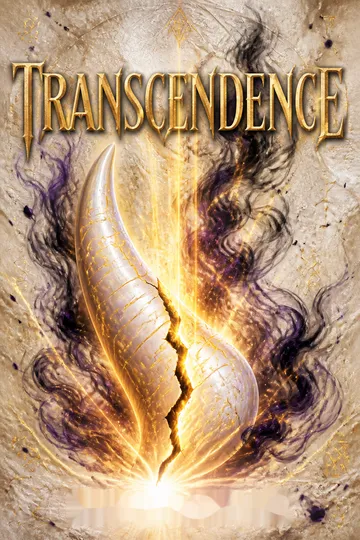
Transcendence receives mixed reviews, with an overall rating of 4.44/5. Readers praise the engaging plot, character development, and world-building. Some criticize the slow pacing, repetitive battles, and Arthur's decision-making. The book explores Arthur's struggle between his past and present identities, delving into his previous life as King Grey. While some find the training sequences and flashbacks tedious, others appreciate the deeper insight into Arthur's character. The cliffhanger ending and intense action scenes keep many readers eagerly anticipating the next installment.
People Also Read

Characters
Arthur Leywin / Grey
Reborn strategist and fighterArthur is the central figure of the present conflict, a young mage with the memories of his former life as Grey, a human king. His experience gives him unusual discipline, tactical insight, and a guarded relationship to emotion. In Dicathen he has built a family and friendships he never had as Grey, but the old habit of treating attachment as a vulnerability persists. He wants enough strength to protect others, yet increasingly learns that responsibility is not the same as control. His refusal of an easy power boost and his habit of questioning military assumptions reveal a person trying to choose his values rather than inherit them from either life.
Sylvie
Arthur’s bonded dragonSylvie is Arthur’s bond, companion, and closest confidante. She can shift between a small foxlike form and a powerful dragon, and their mental connection lets her sense much of what he feels. Her loyalty is fierce, but she is more than a protector: she questions Arthur’s recklessness and learns to think strategically beside him. As she grows, she becomes increasingly aware of her asuran inheritance and the limits imposed on her power. Her affection for Arthur is expressed through teasing, vigilance, and the willingness to share danger rather than leave him to face it alone.
Tessia Eralith
Elf princess and field leaderTessia is Virion’s granddaughter and an elven princess who wants her accomplishments to matter beyond her lineage. She trains hard, leads soldiers, and resents being protected through secrecy or exclusion. Her anger often masks grief and insecurity, especially when she compares her progress with Arthur’s. She and Arthur share a long friendship marked by attraction, teasing, and unresolved differences over danger and independence. Tessia’s development centers on claiming agency without mistaking risk for proof of worth, while her affection for Arthur forces her to speak more honestly than royal decorum encourages.
Nico
Inventive orphan and loyal friendNico grows up beside Grey and becomes the group’s engineer, planner, and source of irreverent humor. Where Grey relies on quick reflexes, Nico compensates for weaker physical instincts by building devices such as the shock glove. He is proud and occasionally disguises insecurity with jokes, but his loyalty is practical: he saves money, plans for school, and stays close when Grey’s choices become dangerous. His feelings for Cecilia make him more vulnerable than he admits. Nico’s intelligence is not a substitute for courage; it is the form his courage takes.
Cecilia
Powerful, guarded orphanCecilia arrives at Wilbeck’s orphanage with an immense, poorly controlled ki reserve that makes her dangerous to herself and others. Her silence and emotional reserve protect her from the attention her accidents attract, but Grey and Nico treat her as a person rather than a problem to solve. Over time she becomes more willing to trust them and to act despite fear. Her power is both a gift and a source of isolation, and her gradual confidence depends on friendship rather than simple mastery. Cecilia’s unusual abilities also make her a target beyond the orphanage.
Olivia Wilbeck
The orphans’ steadfast guardianHeadmaster Wilbeck runs the orphanage with stern affection and refuses to let the children carry burdens that belong to adults. Grey imagines her as the mother he never knew, while Nico respects her even when he evades her rules. Her insistence that Grey pursue education rather than spend his life repaying her gives his childhood a rare sense of possibility. She protects the children without demanding gratitude, making the orphanage a home rather than merely a shelter.
Virion
Dicathen’s weary commanderVirion is Tessia’s grandfather and the experienced leader responsible for holding Dicathen’s coalition together. He combines political caution with personal warmth, though the death of Cynthia and the approaching invasion visibly age him. Virion understands that leaders must preserve public trust, yet he does not pretend that every choice can be made safely. He treats Arthur as a useful adviser without trying to own his judgment. His most difficult work is translating military necessity into decisions that civilians and allies can accept.
Agrona
Vritra leader and rival powerAgrona leads the Vritra and commands the Alacryan forces opposing Dicathen. He is calculating and ambitious, but also articulate enough to present his actions as a civilizing project rather than conquest. His account of Alacryan society complicates Arthur’s assumptions without making Agrona trustworthy. He studies people closely and knows which private fears can influence their choices. Agrona’s interest in Arthur appears personal as well as strategic, and his confidence rests on the belief that strength gives him the right to define what benefits others.
Seris Vritra
An enigmatic ScytheSeris is a Vritra Scythe whose calm presence feels more dangerous than open aggression. Arthur encounters her in Darv and later sees her intervene in a battle involving Uto. Her conduct does not fit the simple image of an enemy who acts only on Agrona’s orders, but she offers no clear explanation of her motives. Seris is controlled, observant, and willing to make decisions without seeking approval. Her ambiguity becomes a strategic fact Arthur must manage rather than a mystery he can resolve at once.
Aldir
Asuran mentor and envoyAldir is a powerful asura assigned to assist Dicathen while bound by a treaty that restricts direct intervention. He advises Virion, challenges Arthur to conceal his strength, and increasingly recognizes Arthur’s judgment as valuable beyond combat. His respect for Dicathen’s leadership distinguishes him from a simple military overseer. Aldir carries grief from an earlier conflict with Agrona, but keeps that history largely contained behind discipline and political restraint.
Uto
Provoking Vritra retainerUto is a Vritra retainer whose taunts and appetite for combat make him a direct threat to Arthur. He uses darkness to manifest black-metal attacks and delights in unsettling opponents. His cruelty is personal as well as strategic, especially when he exploits Arthur’s anger over fallen Lances. Uto’s confidence comes from overwhelming strength, but his fixation on testing Arthur makes him less predictable than a disciplined battlefield commander.
Reynolds Leywin
Arthur’s soldier fatherReynolds is Arthur and Ellie’s father, a former adventurer and loyal member of the Twin Horns. He meets danger with warmth, but Adam’s death strengthens his resolve to return to the war. Reynolds wants his children to survive without believing that love gives him the right to choose their lives. His counsel to Arthur is grounded in hard experience: a soldier must return alive for the family who waits at home.
Alice Leywin
A healer reclaiming courageAlice is Arthur and Ellie’s mother, an emitter whose healing magic is shaped by a painful past mistake. After she failed to recognize venom in a teammate’s wound, she became afraid to use her abilities beyond minor injuries. Her decision to rejoin the Twin Horns is a deliberate attempt to face that fear and repay the party’s earlier support. Alice’s compassion is not effortless confidence; it is a choice she makes despite knowing that good intentions cannot guarantee a good outcome.
Eleanor Leywin
Arthur’s determined younger sisterEllie is Arthur’s younger sister, growing up in the castle while her family serves in the war. She is perceptive enough to resent being left behind, yet proud of Arthur and eager to build an identity of her own. Her talent for shaping pure mana into precise arrows gives her a route toward independence, and she trains with stubborn intensity. Ellie’s closeness with Arthur remains strong, but she increasingly asks him to recognize her as more than someone who needs protecting.
Rahdeas
Dwarven elder and guardianRahdeas is Elijah’s foster guardian and the dwarven delegate on Dicathen’s Council. He is reserved, politically influential, and regarded by Olfred as a father figure. His care for those he raises gives him a personal authority that extends beyond his formal position. Rahdeas also represents the dwarves’ grievances within a coalition where their status and interests are often overlooked, making his choices consequential for more than one kingdom.
Olfred Warend
Dwarven Lance and veteranOlfred is a senior dwarven Lance raised by Rahdeas after growing up without a family. His gratitude to Rahdeas is profound, and his years serving the royal house give him both discipline and political experience. He is powerful with earth magic and guarded in unfamiliar company. Olfred’s history makes him a useful lens on how loyalty, class resentment, and a father’s influence can shape a soldier’s allegiance.
Mica Earthborn
Dwarven Lance and prodigyMica is a gifted dwarven Lance from the influential Earthborn family. Her playful manner, third-person self-reference, and delight in food can make her seem unserious, but her command of gravity magic is exceptional. She learns through intuition rather than formal explanation and is more politically aware than her childish presentation suggests. Mica values her people and expects to be treated as a capable mage, not merely as a novelty or a child.
Aya Grephin
Elven Lance and illusionistAya is an elven Lance known as Phantasm, a dangerous fighter whose illusions and concealed movement let her control what opponents perceive. Her alluring manner can make others underestimate the precision beneath it. Aya is skilled at acting under pressure and understands how to exploit an enemy’s assumptions. She also carries a serious view of the danger posed by the Vritra, even when those around her treat the war as a contest of strength.
Varay Aurae
Dicathen’s disciplined ice LanceVaray is one of Dicathen’s most powerful Lances and Kathyln’s mentor in ice magic. Reserved and exacting, she expects skill to be matched by composure. Her control over ice gives her formidable defensive as well as offensive options, and she recognizes gaps in Arthur’s technique rather than being impressed by reputation alone. Varay’s presence teaches younger mages that strength includes precision, patience, and the ability to make an opponent’s own magic serve a new purpose.
Vanesy Glory
Professor turned field captainVanesy, formerly Arthur’s professor at Xyrus, now leads a division of soldiers on the western coast. She is practical, confident, and quick to assume responsibility when a battle turns chaotic. Her earth-and-fire techniques make glass into an extension of her swords, and her easy camaraderie helps soldiers endure life in camp. Vanesy is one of the adults who treats Arthur as a colleague without forgetting that he is still young.
Emily Watsken
Inventor measuring magicEmily is an artificer and Gideon’s apprentice, driven by the pleasure of making ideas work in the physical world. Her training sensors measure the force of spells and reveal how mages use their mana, turning combat into data that can be studied and improved. She is enthusiastic, hardworking, and sometimes so absorbed in a project that she forgets to rest. Emily’s inventions support military needs while also suggesting broader changes in education and industry.
Gideon
Inventor of new infrastructureGideon is a renowned artificer whose curiosity often outruns his patience for logistics. Arthur’s engineering ideas give him new problems to solve, including the steam-powered train and its underground route. He sees inventions not merely as tools but as the beginning of new industries and settlements. Though eccentric and easily distracted by technical possibilities, Gideon can turn a sketch into a working plan and persuade the Council that innovation has practical value.
Camus Selaridon
Blind master of windCamus is an elusive elven elder who teaches Arthur to look beyond the obvious forms of elemental magic. Though he cannot see with his eyes, he senses minute changes in the air and fights with exceptional awareness. His humor is dry, his manners rough, and his lessons exact. Camus challenges Arthur’s offensive instincts by showing how wind can slow, redirect, and protect rather than simply cut. His past loss has made him cautious about returning to war.
Hester Flamesworth
Fire mage and royal guardianHester is an accomplished fire conjurer and Kathyln’s guardian. Her blue flames demand exceptional control, while her pride pushes her to test herself against talented opponents. She is disciplined in public but capable of sharp humor and genuine concern. Hester’s training helps Arthur understand that elemental skill is not just raw force; it depends on timing, concealment, and how a spell changes the choices available to an opponent.
Claire Bladeheart
Former student leaderClaire once led the disciplinary committee at Xyrus Academy and earned the respect of Tessia, Curtis, and Kathyln through confidence and fairness. After a near-fatal school attack, she withdraws from public life while recovering. She is frank about her limitations and seeks a way to contribute through training others. Claire’s calm humor protects neither her from grief nor her friends from feeling its weight, but it helps her meet them without asking to be pitied.
Plot Devices
Grey’s Recovered Memories
Past life reframes present choicesArthur’s memories of Grey appear between events in the war, revealing an earlier life in which he was an orphan with extraordinary instincts and a small ki reserve. The memories show how Headmaster Wilbeck’s murder, Nico and Cecilia’s companionship, and Grey’s pursuit of military power shaped his emotional habits. They also give the reader access to the reason Arthur treats vulnerability as dangerous. Because the past is revealed in fragments rather than a single chronology, each recollection changes the meaning of a present decision without replacing the main war narrative.
Mana Cores and Realmheart
Power becomes perception and riskMages develop through mana cores, while Arthur’s inherited Realmheart lets him perceive mana and aether as visible patterns. The ability helps him see through illusions, trace the Alacryan route through Darv, and read spells before they form. It also taxes his body when he overuses it. Arthur’s core progression is therefore both a measure of strength and a change in what he can notice. The device supports the tactical battles, but it also makes knowledge costly: seeing more does not automatically give him enough time or power to prevent harm.
The Asuran Treaty
Limits the strongest alliesAn agreement bars the asuras from openly joining the war, restricting Aldir and other asuran allies to advising, training, and carefully limited actions. The treaty prevents Dicathen from simply relying on superior beings to end the conflict, while Agrona finds ways to work around the same restriction through retainers, half-bloods, and proxy forces. Its importance grows when Arthur learns that the asuras can no longer aid Dicathen. The treaty turns political rules into battlefield conditions and leaves the lessers responsible for a war whose greatest powers remain partly beyond their reach.
Uto’s Horns and Acclorite
Enemy power becomes unstable inheritanceThe horns removed from Uto contain potent mana, and Seris gives them to Arthur after the retainer’s defeat. Arthur’s acclorite, a gem embedded in his hand by the artificer Wren, draws in the first mana he tries to absorb. The horns also carry one of Uto’s memories, exposing unfamiliar details about Alacryan ranks and advancement. Their power contributes to Arthur’s white-core breakthrough and Sylvie’s awakening, but the process brings an abrupt physical and magical transformation. The device links combat spoils, hidden information, and new dangers in a single object.
Emily’s Spell Sensors
Turns combat into measurable dataEmily builds an apparatus of embedded sensors that records the force and spread of spells during sparring. Alanis complements it by observing the flow of mana through a mage’s body. Together, the tools identify weaknesses that reputation and intuition alone can obscure, then help Arthur and the elders track his growth across two months of training. The system also hints at a wider use in academies and military preparation. Its limitations matter: early measurements draw on a small, biased sample, and raw force cannot by itself measure mastery, judgment, or the ability to cooperate.
FAQ
Basic Details
What is Transcendence about?
- Orphaned boy's journey begins: The story follows Grey, an orphan, as he navigates a world of magic, danger, and political intrigue, discovering his own hidden powers and grappling with moral dilemmas.
- War looms, alliances shift: As war threatens the continent, Grey, now known as Arthur Leywin, becomes a key figure, facing betrayals and forging unexpected alliances.
- Power, responsibility, and choice: The narrative explores themes of power, responsibility, and the difficult choices one must make in the face of overwhelming odds, as Arthur strives to protect his loved ones and his world.
Why should I read Transcendence?
- Unique blend of genres: It offers a compelling mix of fantasy, action, and political intrigue, appealing to a broad range of readers.
- Character-driven narrative: The story delves into the complexities of its characters, exploring their motivations, relationships, and personal growth.
- Exploration of profound themes: It tackles thought-provoking themes such as morality, loyalty, and the nature of power, prompting readers to reflect on their own values.
What is the background of Transcendence?
- Magical world with classes: The story is set in a world where individuals possess varying degrees of magical ability, influencing social hierarchy and military power.
- Political tensions and war: The narrative unfolds against a backdrop of political tensions between different kingdoms and the looming threat of an intercontinental war.
- Asura influence and ancient pacts: The involvement of asuras, powerful beings from another realm, adds a layer of complexity, with ancient pacts and hidden agendas shaping the course of events.
What are the most memorable quotes in Transcendence?
- "You only truly lose when you die, because there are no second chances after that.": Reynolds Leywin's words to Arthur emphasize the importance of survival and resilience in the face of adversity, highlighting a core theme of the story.
- "It's wisest to close your heart to the elf princess.": Lord Indrath's cryptic advice to Arthur foreshadows potential romantic entanglements and the challenges they may bring, adding a layer of intrigue to Arthur's personal life.
- "Loyalty to one's country is born of mutual respect between a country's leadership and its people.": Arthur's speech encapsulates the essence of leadership and the importance of trust in times of war, defining his commitment to Dicathen.
What writing style, narrative choices, and literary techniques does TurtleMe use?
- First-person perspective: The story is primarily told from Arthur's point of view, providing intimate access to his thoughts, feelings, and experiences.
- Detailed world-building: TurtleMe crafts a rich and immersive world with its own history, cultures, and magic system, drawing readers into the story.
- Strategic use of foreshadowing: Subtle hints and clues are woven throughout the narrative, creating suspense and anticipation for future events.
Hidden Details & Subtle Connections
What are some minor details that add significant meaning?
- The state of Dawn's Ballad: The gradual degradation of Arthur's sword, Dawn's Ballad, mirrors his own physical and emotional toll, symbolizing the sacrifices he makes and the burdens he carries.
- Cecilia's ki outbursts: Cecilia's inability to control her ki foreshadows her later struggles with power and control, hinting at a deeper, more dangerous potential within her.
- The recurring image of the moon: The moon's presence during key scenes, such as the meeting with Seris, adds a layer of mystique and foreshadows the shifting tides of power and alliances.
What are some subtle foreshadowing and callbacks?
- Grey's orphanage theft: Grey's initial act of stealing to save the orphanage is a callback to his compassionate nature and willingness to sacrifice for others, traits that define his later actions as Arthur.
- Nico's glove invention: Nico's creation of the ki-conducting glove foreshadows his future aptitude for engineering and artificing, hinting at his potential to contribute to the war effort in unique ways.
- The broken floorboard: Grey's habit of fixing the broken floorboard in the orphanage symbolizes his desire for stability and order, contrasting with the chaos and uncertainty of his life.
What are some unexpected character connections?
- Arthur and Elijah's bond: The revelation of Rahdeas as Elijah's guardian deepens Arthur's sense of responsibility towards Elijah, adding emotional weight to his determination to find him.
- Arthur and Vanesy's past: The reveal of Vanesy as Arthur's former professor at Xyrus Academy adds a layer of familiarity and trust to their relationship, making her a valuable ally and confidante.
- Uto and Alea's history: The discovery that Uto was responsible for Alea's death fuels Arthur's rage and desire for revenge, highlighting the personal stakes in the larger conflict.
Who are the most significant supporting characters?
- Sylvie: As Arthur's bond, Sylvie provides unwavering support, companionship, and strategic insight, playing a crucial role in his development and decision-making.
- Virion: As a mentor and leader, Virion offers guidance, wisdom, and a moral compass, shaping Arthur's understanding of leadership and responsibility.
- Nico: As Arthur's childhood friend, Nico provides a sense of normalcy and loyalty, reminding him of his roots and the importance of human connection amidst the chaos of war.
Psychological, Emotional, & Relational Analysis
What are some unspoken motivations of the characters?
- Arthur's guilt and redemption: Arthur is driven by a deep-seated guilt over his past failures and a desire to redeem himself, motivating his actions and shaping his relationships.
- Cecilia's desire for acceptance: Cecilia's quiet demeanor masks a longing for acceptance and belonging, influencing her interactions with Grey and Nico and driving her to control her powers.
- Virion's fear of failure: Virion's leadership is fueled by a fear of failing his people and a determination to protect them at all costs, leading him to make difficult decisions and seek guidance from Arthur.
What psychological complexities do the characters exhibit?
- Arthur's PTSD and emotional suppression: Arthur's past life as King Grey and the trauma he experienced in battle have left him with deep-seated psychological scars, leading him to suppress his emotions and struggle with intimacy.
- Sylvie's identity crisis: Sylvie's transformation into a human and the revelation of her asura heritage create an identity crisis, forcing her to grapple with her place in the world and her relationship with Arthur.
- Uto's sadism and self-loathing: Uto's cruelty and violence stem from a deep-seated self-loathing and a desire to prove his worth, highlighting the destructive nature of unchecked power and insecurity.
What are the major emotional turning points?
- Arthur's reunion with Tessia: Arthur's reunion with Tessia at the castle stirs feelings of love and longing, reminding him of the personal stakes in the war and the importance of protecting his loved ones.
- Arthur's discovery of Alea's fate: Arthur's discovery of Uto's involvement in Alea's death ignites a burning rage and a desire for revenge, pushing him to the brink of losing control.
- Arthur's confrontation with Agrona: Arthur's conversation with Agrona challenges his beliefs and forces him to confront the complexities of the war, leading to a period of introspection and uncertainty.
How do relationship dynamics evolve?
- Arthur and Sylvie's bond deepens: As Sylvie transforms and unlocks her asura abilities, their bond deepens, evolving from a parental relationship to one of mutual respect and reliance.
- Arthur and Tessia's romance faces challenges: Arthur and Tessia's relationship is tested by the war and their individual responsibilities, forcing them to navigate the complexities of love and duty.
- Arthur and Virion's mentor-mentee relationship: Arthur and Virion's relationship evolves from a mentor-mentee dynamic to one of mutual respect and collaboration, as Arthur's insights and abilities become increasingly valuable to the war effort.
Interpretation & Debate
Which parts of the story remain ambiguous or open-ended?
- The true nature of Seris Vritra: Seris's motives and allegiances remain unclear, leaving readers to speculate about her role in the war and her potential to become an ally or an enemy.
- The extent of dwarven betrayal: The full scope of the dwarven betrayal and the identities of those involved remain uncertain, creating suspense and raising questions about the trustworthiness of allies.
- The ultimate fate of Elijah: Elijah's whereabouts and his potential to return as an ally or an enemy remain ambiguous, leaving readers to wonder about his future role in the story.
What are some debatable, controversial scenes or moments in Transcendence?
- Arthur's decision to spare Uto: Arthur's decision to spare Uto's life after learning of his involvement in Alea's death raises questions about the morality of revenge and the potential for redemption.
- Arthur's treatment of Tessia: Arthur's overprotectiveness of Tessia and his reluctance to acknowledge her strength and agency spark debate about gender roles and the complexities of relationships.
- The use of slaves in Dicathen: The existence of slavery in Dicathen, despite its supposed ban, raises ethical questions about the hypocrisy of the ruling classes and the systemic inequalities within the kingdom.
Transcendence Ending Explained: How It Ends & What It Means
- The story is ongoing: As of this point in the story, there is no definitive ending. Arthur has reached the white core stage and is preparing for future battles, but the war is far from over.
- Themes of sacrifice and growth: The current trajectory suggests that the ending will likely involve significant sacrifices and personal growth for Arthur, as he confronts the challenges ahead and strives to protect his loved ones.
- Uncertain future and potential for change: The open-ended nature of the story leaves room for speculation about the ultimate fate of Dicathen and the potential for a new world order to emerge from the ashes of war.
The Beginning after the End Series



About the Author

Download PDF
Download EPUB
.epub digital book format is ideal for reading ebooks on phones, tablets, and e-readers.








