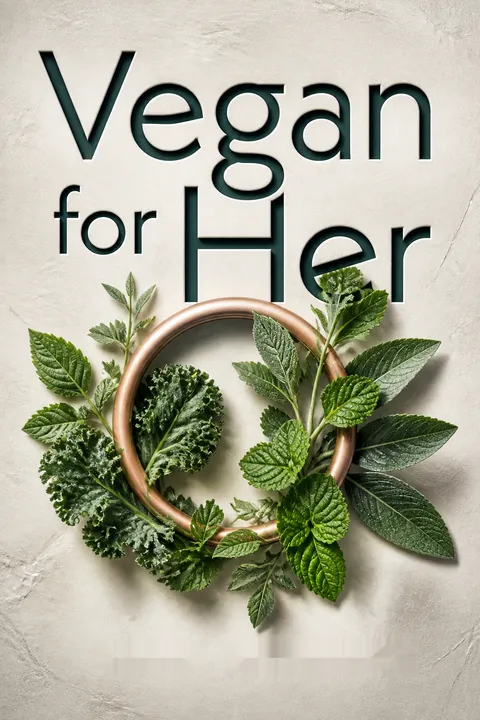


Key Takeaways
Make veganism a durable practice, not a test of dietary perfection
Start with what lasts. The book treats veganism as both a way to eat and a commitment to reduce animal exploitation. The authors’ paths begin with encounters that made animal lives harder to ignore: one was moved by the image of a calf, the other by a goat killed for a celebration. They also connect plant-based choices with lower environmental impact, while warning that a vegan diet does not guarantee perfect health or a particular body size.
Change at a workable pace. Add familiar plant foods, explore beans and tofu, use convenient substitutes when useful, and plan for travel or social meals. The goal is continued progress, not flawless performance. The book also extends vegan choices to clothing, personal-care products, household goods, and animal advocacy.
What's compelling is the connection between a personal meal and a wider ethical system. A gradual approach also resembles harm-reduction practice: people can make meaningful changes without first meeting an impossible standard. That matters because shame often drives people away from the very commitments they value. The argument is strongest when individual choices are treated as an accessible contribution, not the sole solution to industrial animal use or environmental damage. Practical action and institutional change can coexist.
Build daily meals around beans, produce, whole grains, and essential supplements
Use a reliable pattern. The book’s Plant Plate is a vegan meal-planning guide, not a rigid calorie prescription. It emphasizes at least three daily servings of legumes, five servings of vegetables, three of fruit, whole grains, and moderate amounts of nuts or seeds. Calcium-rich choices, such as fortified plant milk, calcium-set tofu, and certain leafy greens, should recur across meals. Pair iron-rich beans or grains with vitamin C-rich produce, such as lentils with tomatoes, to improve iron absorption.
Cover predictable gaps. The book stresses that vitamin B12 must come from supplements or reliably fortified foods. Vitamin D and iodine may also require deliberate sources, while flax, chia, or walnuts provide ALA, an essential omega-3 fat. It recommends mostly whole foods, without treating convenient vegan products as forbidden.
This is a useful distinction between dietary identity and nutritional planning. A vegan label does not itself certify adequacy, just as an omnivorous label does not guarantee a balanced diet. The guide makes recurring food patterns memorable and reserves special attention for nutrients with dependable plant-food gaps. Its exact serving targets and supplement suggestions belong to the book’s 2013 guidance, not a substitute for individualized advice. Life stage, medications, laboratory results, and local fortification practices can all change what is appropriate.
Choose slower-digesting carbohydrates to steady glucose and reduce metabolic strain
Think food structure. The glycemic index compares how quickly carbohydrate in a food raises blood glucose. The book’s “slow carbs” are foods that tend to release glucose more gradually, including beans, oats, barley, intact grains, and whole fruit. Processing and preparation matter: finely milled grains, pureed foods, and prolonged cooking can make carbohydrates faster to digest. Choosing intact grains and beans more often is more practical than memorizing a number for every food.
Follow the linked pathways. The book connects repeated glucose spikes with insulin resistance, a reduced cellular response to insulin, and describes chronic inflammation, oxidative stress, and advanced glycation end products as related processes. It also notes that acidic ingredients and moist cooking can slow glucose release or reduce AGE formation.
The value here is a systems view: one pattern of eating can influence glucose regulation, vascular health, and inflammatory processes at once. That helps explain why the same practical advice appears across several health topics. Still, these mechanisms do not make every food a medical intervention, and association is not proof that a particular meal prevents disease. The strongest application is a shift in the overall pattern, while people managing diabetes or using glucose-lowering medication should make changes with clinical guidance.
Treat soy as food with selective effects, not as dietary estrogen
Separate resemblance from identity. Soyfoods contain isoflavones, plant compounds often called phytoestrogens. The book explains that they are not the hormone estrogen. They can interact with estrogen receptors, with a preference for receptor beta, so their effects vary by tissue. The author uses the term selective estrogen receptor modulators, or SERMs, for compounds that can produce different estrogen-like or anti-estrogen effects depending on the receptor and tissue involved.
Prefer ordinary food amounts. The book considers one to three servings of traditional soyfoods, such as tofu, tempeh, or soymilk, a reasonable range. It reports evidence that soy may reduce hot flashes for some women, but research on fertility, bones, and cognition is mixed. Normal food intakes are not shown in the cited research to disrupt fertility.
The key reasoning lesson is that a chemical label does not tell the whole biological story. Receptor type, dose, tissue, and developmental timing all matter, which is why the word estrogen-like can mislead when treated as a complete description. At the same time, mechanistic plausibility is not a guarantee of a clinical benefit. The book appropriately separates ordinary soy foods from concentrated supplements and presents several outcomes as uncertain rather than promising a universal effect.
Plan pregnancy nutrition around nutrients whose needs rise before symptoms appear
Prepare before conception. The book highlights folic acid because early fetal development begins before many people know they are pregnant. It describes a 400-microgram daily supplement for people who might become pregnant, alongside folate-rich foods such as beans and leafy greens. Pregnancy also raises needs for protein, iron, and zinc. A vegan prenatal plan needs dependable B12, vitamin D, iodine, and attention to iron status; the book also discusses algae-derived DHA and EPA.
Support the changing workload. The text estimates about 340 extra calories daily beginning in the second trimester, rising by another 100 in the third. Breastfeeding requires still more energy, and B12 remains essential. Vegan pregnancies can be healthy, but calories, weight gain, and nutrient status matter. The book advises working with health-care providers on supplements and pregnancy-specific risks.
This section makes timing central: some nutrition decisions matter before a pregnancy is recognized, while later needs change with growth and milk production. It also avoids a false choice between ethical eating and prenatal care. The practical insight is to plan nutrients rather than rely on a broad claim that any diet is automatically safe. Pregnancy guidance changes with clinical history and current standards, so the book’s specific amounts should be checked with a qualified clinician rather than followed as a personalized prescription.
For female athletes, match food intake to training before blaming veganism
Energy comes first. The book argues that the central athletic risks are inadequate energy, protein, and iron, regardless of whether an athlete eats animal products. It describes the female athlete triad as low energy availability, menstrual disruption or amenorrhea, and bone loss. Missing periods are a warning sign, not evidence that intense training is working. The text notes that menstrual disruption has been reported in many young distance runners.
Fuel the actual workload. Needs depend on body size, sport, and training intensity. The book suggests that athletes plan generous carbohydrate intake for intense exercise, include enough legumes and other protein sources, and monitor iron with health-care support rather than supplementing blindly. It also describes creatine as a possible performance aid for some vegan athletes, while finding no clear case for carnitine supplements.
The section’s most transferable point is diagnostic: a dietary category may attract blame when the real problem is insufficient fuel for the workload. That is consistent with sports nutrition’s emphasis on energy availability, which links adequate intake with reproductive and skeletal function. The book also acknowledges that direct research on female vegan athletes is sparse, so some recommendations are extrapolated from broader athlete data. Individualized sports nutrition support is especially valuable for high-volume training.
Judge health by habits and markers, not the scale alone
Weight is not a simple score. The book notes that vegans have a lower average body mass index than meat-eaters, but that does not mean every vegan is thin or that switching diets guarantees weight loss. It describes weight as shaped by food environments, genetics, sleep, stress, and metabolism. After weight loss, the body may burn fewer calories and hunger signals may intensify, helping explain why long-term maintenance can be difficult.
Choose health-supporting behavior. The author favors an intuitive eating approach: notice hunger and fullness, eat with attention, and avoid turning every meal into a test. Beans, vegetables, fruit, and protein-rich foods can help with fullness. Exercise, sleep, and stress care matter whether or not body weight changes. The book also warns that repeated dieting and weight cycling can carry physical and psychological costs.
This is a welcome correction to the idea that body size alone reveals health or character. It shifts attention toward behaviors and measurable risk factors, while recognizing that social stigma can itself damage well-being. The nuance matters: weight can be clinically relevant for some people, but it is not a complete diagnosis, and weight-loss methods differ in sustainability and risk. A compassionate approach should not become another rulebook that makes hunger, pleasure, or food choices morally suspect.
Protect arteries with plant fats and fiber, not simply less fat
Focus on the kind of fat. The book describes heart disease as beginning with damage to the blood-vessel lining, with cholesterol, blood pressure, glucose, smoking, and inflammation among the contributors. It argues that replacing saturated and trans fats with unsaturated fats is more useful than simply minimizing all fat. Nuts, seeds, avocado, soyfoods, and modest amounts of olive or canola oil can fit a heart-supportive pattern.
Make plants do more than replace meat. Beans provide fiber and protein, while soyfoods can lower LDL cholesterol. Whole grains, fruits, and vegetables contribute fiber and potassium. The book also emphasizes avoiding trans fats and getting adequate B12, since deficiency can raise homocysteine. Exercise and stress management accompany the food advice. The evidence for cardiovascular protection is promising, though studies of vegetarians do not always isolate vegans.
The distinction between nutrient quantity and food source is important: a low-fat diet that replaces fats with refined starches may not deliver the expected benefit. The book’s model also treats cardiovascular health as a network of interacting risks rather than a single cholesterol number. Its caution about the evidence is appropriate because many diet studies compare people who differ in more than food. Individual lipid profiles, blood pressure, and medical history remain essential to decisions about prevention and treatment.
Use plant foods to improve cancer odds, not promise immunity
Read cancer evidence cautiously. The book explains that cancer develops over many years, making it difficult to isolate the effect of one food. Studies of vegetarians do not consistently show lower breast-cancer rates, and observational findings cannot establish cause and effect. Still, dietary patterns rich in plants provide fiber and phytochemicals, and the book points to evidence linking plant-forward patterns with lower risk in some populations.
Keep soy and prevention in perspective. The author reports that eating soy during childhood or adolescence may be associated with lower later breast-cancer risk. For survivors, observational studies suggest soyfoods are not harmful and may be associated with reduced recurrence, but they are not a treatment. The chapter also flags alcohol as a risk factor and emphasizes exercise, screening, and an overall pattern rich in vegetables, fruit, and whole grains.
The most useful lesson is calibrated confidence. A plausible mechanism or an association in a cohort can guide hypotheses, but it cannot guarantee that changing one food will prevent cancer. The book avoids a common trap by distinguishing a protective dietary pattern from an anti-cancer cure. Its discussion of soy is especially relevant because fear can be driven by simplified hormone analogies. Screening and medical treatment remain distinct from dietary choices, even when diet may support general health.
Build bone reserve with calcium, vitamin D, protein, greens, and loading exercise
Bone is living tissue. The book describes bone as a dynamic reservoir that continually releases and takes up minerals. Peak bone mass is generally reached by the early thirties, while bone loss accelerates around menopause. Dairy is not the only calcium source: the text highlights calcium-set tofu, fortified plant milks, kale, collards, turnip greens, and tahini. It warns that spinach and some other greens contain calcium that is poorly absorbed.
Protect more than calcium intake. Vitamin D helps the body absorb calcium, protein supports bone and muscle, and nutrients such as vitamin K, magnesium, potassium, and vitamin C also contribute. The author challenges the claim that protein inevitably leaches calcium from bones, noting that research does not support a simple protein-causes-fractures story. Weight-bearing activity and strength training help maintain both muscle and skeletal strength.
The broader model is stronger than a single-nutrient explanation. Bone health depends on the interaction of mineral supply, muscle, hormones, and mechanical loading, so adequate calcium alone cannot compensate for inactivity or other risks. This also clarifies why dairy is a convenient option for some people but not a biological requirement for everyone. The book’s practical message is sound, while vitamin D and calcium needs should be assessed in light of age, health, and clinical guidance.
Test food triggers methodically, and keep medical care in the loop
Evidence varies by condition. The book reviews rheumatoid arthritis, osteoarthritis, fibromyalgia, and migraine, but does not claim that vegan diets cure them. Some small studies suggest that plant-based or raw-food patterns may ease symptoms in some people with rheumatoid arthritis or fibromyalgia, yet study limitations make conclusions uncertain. For osteoarthritis, exercise and, where appropriate, weight loss are presented as more established supports.
Run careful experiments. A food diary can help identify a possible trigger. For an elimination trial, remove suspected foods for a set period, then reintroduce them one at a time and watch for changes. The book discusses possible triggers such as dairy, wheat, caffeine, alcohol, or MSG, depending on the condition. It advises consulting health-care providers before using supplements or making major changes.
A personal food trial resembles an n-of-1 experiment: one person tracks a change, observes an outcome, and tests whether the effect repeats. This can produce useful clues when symptoms fluctuate, but expectation, stress, and natural variation can distort the result. Keeping the trial narrow and recording symptoms makes it more informative than eliminating many foods indefinitely. The approach is best used alongside diagnosis and evidence-based treatment, not as a reason to stop medication or restrict an increasingly large share of the diet.
Support mood with nutrients, movement, rest, and human connection
Treat mood as health. The book links depression and chronic stress with inflammation, while noting that this relationship is not a complete explanation or a cure. It stresses reliable B12 and vitamin D, and discusses possible benefits from omega-3 fats, although study results are mixed. A balanced vegan diet can provide tryptophan, the amino acid used to make serotonin, so the text rejects the idea that vegan diets inherently lack this building block.
Use more than food. The author recommends sleep, exercise, outdoor light, meditation or prayer, journaling, and supportive relationships. Depression that disrupts daily life or produces hopelessness warrants professional care; lifestyle practices can complement treatment, not replace it. For vegans, community and constructive animal advocacy may also ease isolation and helplessness, while rigid rules about perfect eating can create additional stress.
The section’s strength is refusing to reduce mental health to a nutrient checklist. Social support, sleep, movement, and clinical treatment belong in the same conversation because mood is shaped by biological and social conditions. The book’s compassionate framing also guards against turning ethical eating into another source of perfectionism. Nutrition can matter, especially when deficiencies are present, but severe or persistent depression deserves direct professional assessment rather than an attempt to solve it through diet alone.
Analysis
Vegan for Her is a reference guide with an unusually broad mission: make a plant-based diet workable for women, explain nutrition across changing life stages, and keep animal compassion visible rather than treating it as a private preference. Its architecture moves from transition and nutrient basics to reproductive health, athletic demands, chronic disease, aging, and daily vegan practice. That breadth makes compression difficult. The book is not one claim supported by one study; it is a combination of a practical food guide, a tour of women’s health research, and two authors’ accounts of becoming vegan.
Its strongest organizing idea is that adequacy comes from repeatable patterns, not from making every meal perfect. Legumes, produce, whole grains, calcium sources, and reliable supplements anchor the nutrition advice. The repeated return to slow-digesting carbohydrates, healthy fats, and antioxidant-rich foods gives readers a compact model for several conditions. At the same time, the author often distinguishes clinical trials from observational evidence and notes when vegan-specific research is limited. That restraint is important in a field where plausible mechanisms are easily mistaken for proven benefits.
The source was published in 2013, so its detailed supplement amounts and some clinical recommendations should be read as the book’s guidance at that time, not as individualized medical instructions. Contemporary readers should confirm pregnancy, athletic, disease, and supplement decisions with qualified clinicians. The adaptation therefore preserves the book’s durable principles while making uncertainty and the need for personalization explicit.
The ethical argument is also central, not decorative. Food choices are presented as one route into a wider reconsideration of clothing, personal-care products, household goods, and activism. The book’s gentlest and most practical insight is that a compassionate life can be built incrementally. That approach respects both the complexity of nutrition and the reality of daily life, without requiring readers to confuse progress with purity.
Review Summary
Vegan for Her receives high praise for its comprehensive, evidence-based approach to vegan nutrition for women. Readers appreciate the clear, unbiased information on plant-based diets across different life stages. The book's strengths include its focus on women's health, thorough research citations, and practical advice. While some find the writing style dry, most consider it an invaluable resource. The recipes receive mixed reviews, with some finding them basic but others appreciating their simplicity. Overall, it's highly recommended for vegan women seeking nutritional guidance.
People Also Read








Glossary
Plant Plate
Vegan meal-planning guideThe Plant Plate is the book’s visual guide for assembling a nutritionally balanced vegan diet. It emphasizes legumes, fruits and vegetables, whole grains, nuts or seeds, calcium-rich foods, and selected supplements. It is intended as a flexible pattern for regular eating, not a strict prescription for calories or an expectation that every day will match the guide exactly.
slow carbs
Gradually digested carbohydratesSlow carbs are carbohydrate-rich foods that tend to release glucose into the bloodstream more gradually than refined or highly processed alternatives. The book’s examples include beans, oats, barley, whole fruit, and less processed grains. Their value is described in relation to steadier blood glucose and insulin responses, though the effect depends on food structure, preparation, and the whole meal.
Glycemic index
Relative blood-glucose responseThe glycemic index is a way of comparing how quickly carbohydrate from different foods raises blood glucose. Foods with a higher index generally produce a faster rise, while lower-index foods produce a more gradual response. The book uses the concept to explain why intact grains, legumes, and whole fruit may be preferable choices more often than refined, finely processed foods.
Selective estrogen receptor modulators
Compounds with tissue-specific effectsSelective estrogen receptor modulators, or SERMs, are compounds that interact with estrogen receptors but can produce different effects in different tissues. The book describes soy isoflavones as having a preference for estrogen receptor beta, unlike estrogen itself, which interacts with both major receptor types. This helps explain why isoflavones should not be treated as interchangeable with the hormone estrogen.
Female athlete triad
Low energy, menstrual, and bone problemsThe female athlete triad is the linked pattern of inadequate energy intake, disrupted menstruation or amenorrhea, and reduced bone health described in the book. It can arise when training demands exceed food intake, even without deliberate dieting. The text treats menstrual disruption as a warning that energy availability and skeletal health may also be affected.
Advanced glycation end products
Compounds formed by sugar reactionsAdvanced glycation end products, or AGEs, are compounds formed when sugars react with proteins or other molecules. The book discusses their formation in the body when blood glucose is elevated and their presence in some foods, particularly those cooked at high temperatures. It connects higher AGE exposure with oxidative stress, inflammation, and changes in tissues such as collagen.
Intuitive eating
Eating guided by body signalsIntuitive eating is an approach that gives attention to physical hunger and fullness rather than relying exclusively on restrictive diet rules. In the book, it also includes eating mindfully, enjoying food, and addressing emotional needs without automatically using food to manage them. It does not remove the need to plan for nutritional adequacy or mean that every food choice is health-promoting.
Orthorexia
Obsession with healthy eatingOrthorexia is the term the book uses for an unhealthy preoccupation with eating correctly or choosing only foods considered healthy. It describes a pattern in which strict food rules create fear, guilt, or significant distress around eating. The concept warns that a pursuit of nutritional perfection can undermine well-being, even when the foods selected appear healthful.
Vegan
Animal-product-avoiding diet and ethicThe book uses vegan to describe a diet without meat, fish, poultry, dairy foods, or eggs, and also discusses veganism as a broader effort to avoid animal exploitation in food, clothing, personal care, and other areas where practicable. Some people use the word only for their diet, while others apply it to a wider ethical commitment.
Download PDF
Download EPUB
.epub digital book format is ideal for reading ebooks on phones, tablets, and e-readers.








