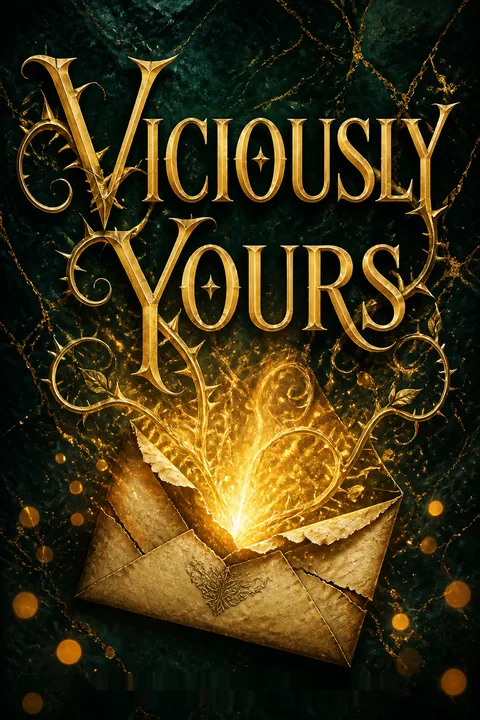


Plot Summary
A Name Beneath Grief
On his thirteenth birthday, Rennick, heir to the Mountain Kingdom, hears the gods name Amelia as his fated mate. His parents explain that the bond obliges them to marry but cannot make them love each other. He promises to protect her, though he has no idea where she lives. A week later, rebels breach the palace gardens and attack his mother, Queen Helena.
Rennick reaches the infirmary in time to watch her die beside his father, Callum. The loss turns his protective duty into something fiercer: the rebels have taken his mother, and the unknown girl destined to share his life may be in danger too. With the Mountain Kingdom under threat, finding Amelia becomes both a personal need and a matter of royal survival.
Rennick’s fate begins as an abstract obligation, but Helena’s death makes protection feel urgent and painfully personal. The story links his grief to the political danger facing royal families, giving his future devotion to Amelia a double source: love he has not yet felt and fear he already knows. His vow is sincere, but it is also formed in trauma. That origin helps explain why his care can later become controlling. The novel does not treat destiny as an automatic cure for loneliness; it first shows a boy learning that the people he loves can be taken from him.
The Black Envelope
Six months later, Callum finds Amelia in a Human Kingdom orphanage, but Queen Charlotte will not let her cross the magical barrier until Rennick takes the throne at twenty-five. Unable to reach Amelia himself, Rennick sends his friend Finn with a letter and a birthday gift: a porcelain doll that frightens her.
Amelia reads the note claiming she is a fae's mate, assumes it is a prank, and writes back with a sharp rejection and an apology for the writer's dead mother. The letter vanishes before she can keep it. Amelia has grown up without parents and retreats into books, so even this baffling attention lodges in her mind. A new orphan, Clover, gradually becomes her quiet reading companion and first real friend.
The letters create intimacy under radically unequal conditions. Rennick knows the relationship is fated, while Amelia has only an unsigned note and gifts that seem intrusive or absurd. Her suspicion is not a failure to understand romance; it is a reasonable response to being watched without context. Books and Clover give her forms of companionship she can choose for herself, in contrast to the bond imposed by gods. The vanishing letter also establishes the story's central imbalance: Rennick can reach across the barrier, but Amelia cannot answer in a lasting way.
Greta's Borrowed Eyes
At fifteen, Rennick receives his familiar, Greta, a snowy owl whose senses remain connected to him even across the barrier. He uses her to watch Amelia walk to school with Clover and realizes she is the girl he has imagined. Seeing her animated face and the way she persists in befriending Clover deepens his attachment beyond the bond.
He continues sending letters and gifts through Finn, including a bow, a necklace, clothes, and food, while Amelia keeps many gifts despite often disliking their style. Years pass. Rennick grows more possessive, and Amelia grows less certain that he will ever come for her. When his correspondence dwindles under royal duties, she begins working at the library and lets a local bookseller, Gilpin, court her.
Greta turns distant longing into visual knowledge, but the knowledge is one-sided: Rennick can watch Amelia without her knowing what he sees. His attachment becomes more grounded in her kindness and habits, yet the means of intimacy remain surveillance and gifts rather than mutual conversation. Amelia, meanwhile, has to build an ordinary life around a promise she cannot verify. Her decision to accept Gilpin's attention is not simply disloyalty; it is an attempt to stop treating an invisible correspondent as her only possible future.
The Cost of Being Watched
At a celebration after the rebels' leader is captured, Rennick feels Amelia's pleasure through their bond and realizes she is with someone else. He follows her through Greta's eyes and sees Gilpin walk her home.
Amelia has not heard from Rennick for months, and though she has begun seeing Gilpin, she still imagined Rennick during their intimacy. The next letter arrives only after Rennick senses what happened, making her furious at his timing and possessiveness.
Rennick abducts Gilpin, mutilates him, then kills him after Gilpin dismisses Amelia as unimportant. He sends Amelia Gilpin's bloodstained trousers as a warning. Horrified, she understands that the unseen man who claimed to protect her is capable of destroying someone who never knew he existed.
The bond functions here as both emotional intimacy and an invasive channel. Rennick experiences Amelia's pleasure as though it belongs to him, then treats that sensation as permission to punish Gilpin. His grief-driven protectiveness becomes violence against an innocent person, while Amelia's limited knowledge leaves her to absorb the consequences without having consented to his intervention. The bloodied trousers make his power tangible, turning an idealized romance into a moral crisis. Her anger matters: the novel allows her to desire his devotion while also recognizing that devotion without restraint can endanger the very person it claims to guard.
The King at Last
On her twenty-fifth birthday, Amelia finds no letter and worries that Rennick has abandoned her. Instead, he arrives in Friya with Finn after taking the Mountain throne and gaining the power to leave his kingdom. Amelia mistakes Finn for Nick, the name Rennick used in his letters, and runs to embrace him.
Rennick pulls Finn away and reveals himself through the owl tattoo Amelia remembers from the correspondence. She learns that her long-awaited mate is a king, not the young warrior she pictured.
When Rennick immediately assumes she will move to his palace, Amelia refuses. He agrees to let her choose where to live, and she decides to leave with him after collecting her belongings, saying goodbye at work, and retrieving Eddy, the little fox who has shared her life for years.
The reunion exposes the difference between loving a person and loving the image built around him. Amelia has mistaken Finn's appearance for Rennick's, so recognition arrives with embarrassment as well as longing. Rennick's royal status further unsettles her assumptions, especially when he initially treats her relocation as settled. His willingness to honor her choice marks the first practical correction to his controlling instincts. Amelia's decision to travel with him is not surrender: he offers a choice, and she makes it while keeping her attachments to her work, friends, and fox in view.
The Nick Between Them
At the palace, Amelia discovers that Rennick is gentle in private but still expects her to trust a life she barely understands. Their first intimacy is interrupted when she admits she had imagined Finn as the man behind the letters; Rennick leaves hurt.
The next day, she hears him laughing with Ora, his longtime friend, and assumes he has chosen another woman. Their argument ends when Rennick cuts the skin Ora touched, insisting that no one else has a claim on him. Amelia gives him the letters she secretly kept, including her own replies.
After reading them, Rennick tells Ora that their friendship is not a mating bond, despite her conviction that they belong together. He then orders blond men in his kingdom to shave their heads after finding Amelia's old letter about liking blond hair, a public display of jealousy that forces the couple to confront its excesses.
This section makes misrecognition reciprocal. Amelia has confused Finn with Rennick, while Ora has confused familiarity with destiny. Rennick's literal self-injury is an alarming attempt to reassure Amelia, not a healthy solution to jealousy; the scene reveals how readily he turns devotion into spectacle. The exchanged letters deepen their connection because Amelia's private responses finally become visible to him. Yet the decree about blond hair shows that understanding does not instantly produce moderation. Their romance advances through repair, but its emotional intensity remains entangled with possessiveness and power.
The Desert Heir Revealed
Before the wedding, rebels attack the palace walls while Amelia is with the guard Echo and Callum's familiar, Reyna. The Desert King, Amos, finds her with Eddy and reveals that he is her twin brother.
Their mother secretly placed Amelia in the Human Kingdom because their cruel father would not allow a daughter to inherit. Queen Charlotte helped hide her, while Amos sent Eddy to keep her company and Callum quietly protected both twins. Amelia learns that Amos's family watched over her from afar, though she was raised believing she had no relatives.
During the attack, she also instinctively makes herself invisible, suggesting that her fae magic is beginning to surface. The revelation gives her a family and a royal identity, but it cannot return the childhood she spent alone.
The hidden lineage reframes Amelia's orphanhood without erasing its effects. She was loved and protected, but secrecy made that care indistinguishable from abandonment to the child who experienced it. Her anger at Amos is therefore psychologically coherent even after she learns why he acted: benevolent motives do not cancel the cost of an imposed silence. The attack places this family history inside the present danger, while her brief disappearance suggests that identity and power are beginning to align. She is not merely being absorbed into Rennick's kingdom; she has a history and inheritance of her own.
Blood on the Snow
During a hunting trip, Rennick learns that Amelia has worn gifts she disliked and tried to hunt despite hating the thought of killing an animal. Her willingness to please him moves him more than the hunt itself.
Ora follows them carrying holy oil, intending to force a marriage bond by biting Rennick and making him swallow her blood. She attacks him, but the bond does not make her his wife. Amelia uses a glamour to approach unseen, takes Rennick's knife, and cuts Ora's throat before she can hurt him further.
Amelia faints at the sight of her own bloodied hand. Later, Clover reappears at the palace and reveals that Amos sent her to watch over Amelia when they were children. Amelia confronts Amos about the cost of that choice, then accepts his remorse and prepares to marry Rennick.
The climax makes Amelia an agent rather than a protected object. She uses the new magic she barely understands to stop Ora, and the act costs her psychologically even as she feels no regret for defending Rennick. The scene also crystallizes the couple's shared moral danger: both are willing to kill for the relationship, though Amelia's response is immediate defense rather than Rennick's earlier preemptive punishment of Gilpin. Clover's return repeats the book's question about protection and consent. Amos meant to keep Amelia safe, but his decision separated her from another family, a consequence she insists on naming.
A Vow and a Familiar
Amelia and Rennick marry in a private ceremony, each tasting the other's blood to complete the fae bond. Pain burns across Amelia's chest and leaves her with a familiar mark. Charlie, the lynx who followed her at the palace, returns as her familiar, while Eddy remains with Amos, his original bonded companion. At the coronation celebration, the Human Queen Charlotte finally meets Amelia, whom she helped hide as a baby.
The Garden King, Dean, then sees Fawn, a palace maid, and recognizes her as the mate he believed lost. Fawn resists his claim, but Callum takes them somewhere private to speak. Seven years later, Amelia and Rennick have a daughter, Corrigan, and their palace is full of the friends and family they fought to recover.
Marriage resolves the opening's imposed bond by making it mutual in practice: Amelia chooses Rennick, and the ritual gives her magic and a familiar of her own. The ceremony also distinguishes belonging from possession. Eddy's departure hurts, but Amelia lets him return to Amos rather than claiming him through affection alone. At the celebration, Dean and Fawn's encounter opens a fresh version of the book's central problem: a fated bond may identify two people, but it cannot decide their feelings or consent. The epilogue's crowded family life offers a concrete answer to Amelia's childhood loneliness, without pretending that every new bond is already settled.
Epilogue
Seven years later, Amelia and Rennick raise their daughter Corrigan inside the guarded palace play yard, where Finn's son Wren and Amos and Clover's daughter Rose join the games. Charlie, Greta, and Eddy remain part of the household's daily life, though Eddy still resists wearing a coat in the Mountain Kingdom.
Amelia has heard from Fawn that she and Dean will visit soon, leaving their unresolved bond in the future. The girl once alone in an orphanage now moves among a family she chose and a family she found, with Rennick close enough to turn even a children's game into an excuse to hold her.
The epilogue measures resolution through ordinary repetition rather than a final political triumph. Amelia's life is now crowded with children, siblings, friends, and familiars, the opposite of the isolated room where the first letter appeared. Yet the old patterns remain visible in comic form: Rennick's watchfulness, Eddy's stubbornness, and the guards' elaborate precautions. Fawn and Dean's future visit prevents the story from treating a mate bond as a complete romance by itself. Their relationship still requires conversation beyond recognition. The ending gives Amelia the belonging she longed for while leaving space for other characters to make their own choices.
Analysis
The novel treats fate less as a romantic solution than as an unequal starting condition. Rennick receives Amelia's name, understands the political meaning, and can act across the barrier; Amelia receives an anonymous letter and must decide whether to trust a person who watches her without explaining himself. The long correspondence is therefore both courtship and a study in asymmetrical knowledge. Gifts become a substitute for conversation, sometimes tenderly, sometimes absurdly, and sometimes as evidence of how little Rennick understands Amelia's tastes.
The story's emotional engine is the tension between care and control. Rennick's love is genuine, but grief teaches him to equate protection with preventing loss at any cost. His treatment of Gilpin shows the danger of that belief in its starkest form. Amelia's resistance supplies the necessary counterforce: she asks questions, objects to assumptions, and insists that love must include the right to choose. Their relationship strengthens not because the mate bond removes conflict, but because they repeatedly have to repair the harm caused by secrecy, jealousy, and power.
Amelia's hidden family history extends the same problem beyond romance. She was protected by people who loved her, yet their secrecy left her to experience childhood as abandonment. Her anger at Amos and her affection for Clover allow the book to distinguish intention from consequence. The final movement offers several kinds of belonging: marriage, siblinghood, friendship, and family life. It does not flatten them into one bond. Eddy returns to Amos, Amelia keeps Charlie, and Fawn's encounter with Dean remains unresolved. Those choices preserve the book's clearest insight: destiny may identify a connection, but only action, honesty, and consent can give it meaning.
Review Summary
Viciously Yours receives mixed reviews, with ratings ranging from 1 to 5 stars. Many readers praise the intense, possessive romance between Rennick and Amelia, finding it entertaining and steamy. The book is described as a quick, fun read with a focus on character relationships rather than complex world-building. Some readers appreciate the unique elements like letter-writing and fated mates. However, others criticize the lack of depth, inconsistent character development, and occasional plot holes. The explicit content and morally gray themes are divisive among readers.
People Also Read

Characters
Rennick
The watchful Mountain KingRennick is the Mountain Kingdom's heir and later king, a trained warrior whose sense of duty is sharpened by the loss of his mother. He approaches his fated mate first as someone he must protect, then as the person whose attention gives his life emotional focus. His letters reveal awkwardness and tenderness, while his actions reveal a possessive streak that can overwhelm his judgment. He is loyal to his people and close friends, but Amelia becomes the measure by which he tests every other obligation. His development depends on learning that devotion is not the same as deciding for someone else.
Amelia
The bookish hidden heirAmelia grows up in a Human Kingdom orphanage, where books and eventually friendship with Clover help her manage a persistent sense of isolation. She longs for romance but is not blindly trusting: she questions Rennick's secrecy, resents his assumptions, and tries to build a life while waiting for him. Her warmth toward vulnerable people and animals sits beside a sharp wit and a growing capacity to defend herself. As she enters the fae world, she must decide which parts of her former life to keep and how to accept power without surrendering her judgment.
Finn
Rennick's loyal friendFinn is Rennick's closest friend and fellow warrior, trusted with the dangerous task of carrying letters across the barrier. His loyalty is practical, not submissive: when Rennick treats him like a courier, Finn makes him recognize the cost. His humor and bluntness often puncture the king's self-importance, while his courage keeps him beside Rennick in moments of crisis.
Callum
The steady former kingCallum is Rennick's father and a former Mountain King whose affection for his son coexists with clear-eyed advice about royal duty. He protects the people close to him without pretending that power makes loss avoidable. His experience gives Rennick a model of tenderness, but Callum also understands how grief can shape a ruler's decisions.
Helena
Rennick's warm-hearted motherHelena is Rennick's mother, remembered as sociable, curious, and determined to make life grow even in the Mountain Kingdom's snow. Her warmth helps define the family life Rennick hopes to create, and her influence remains present in his ideas about love and care.
Ora
The ambitious childhood friendOra is the daughter of a royal advisor and has known Rennick and Finn since childhood. She is socially polished, interested in royal life, and accustomed to being close to Rennick. Her confidence can shade into entitlement, particularly when she interprets familiarity as evidence that she belongs at the center of his future.
Clover
Amelia's quiet companionClover is a reserved girl who shares Amelia's love of reading and becomes her first enduring friend. She listens more than she speaks, but her quietness is not indifference. Amelia's persistence gives Clover room to connect without demanding that she become more outgoing than she is.
Amos
The guarded Desert KingAmos rules the Desert Kingdom and carries himself with restraint, often keeping difficult feelings behind a measured manner. He is protective and strategic, but his choices can burden others even when he believes he is acting for their good. His relationship with Rennick's family is built on trust earned through years of shared danger.
Eddy
Amelia's devoted little foxEddy is a small fennec fox who follows Amelia through the Human Kingdom and becomes her closest nonhuman companion. He is affectionate, independent, and stubborn about his clothing. His presence gives Amelia comfort long before she understands his deeper connection to the fae world.
Greta
Rennick's snowy owlGreta is Rennick's white owl familiar, curious and independent. Their bond lets him see and hear through her, making her his one means of observing Amelia from afar. Greta is willing to question Rennick rather than simply obey his wishes.
Charlie
The palace lynxCharlie is a lynx who attaches himself to Amelia after she reaches the Mountain Kingdom. His boldness and prickly temperament echo the fierce protectiveness around him. He quickly becomes part of Amelia's circle and a source of comic friction with Rennick.
Reyna
Callum's snow leopardReyna is Callum's large snow leopard familiar. Her imposing appearance frightens Amelia at first, but her loyalty and judgment make her a reassuring presence during danger.
Fawn
The frank palace maidFawn is a palace maid with a direct manner and a quick sense of humor. She makes Amelia feel less alone in an unfamiliar court, sharing her own complicated experience of belonging to both human and fae worlds. She values independence and dislikes being treated as fragile.
Echo
Amelia's formidable guardEcho is a skilled palace guard assigned to protect Amelia. Their discipline and dry humor make them an effective counterweight to Rennick's more volatile protectiveness. Echo takes duty seriously but does not mistake kindness for weakness.
Birdie
The palace's trusted maidBirdie is an older palace maid who treats Amelia with warmth and practical respect. She helps Amelia navigate the palace and becomes an early advocate for her place in the household.
Dean
The charismatic Garden KingDean is the Garden King, confident and flirtatious, with a less casual core than his manner initially suggests. His arrival at the coronation brings a personal history into the celebration and unsettles the evening's careful formality.
Charlotte
The protective Human QueenCharlotte rules the Human Kingdom and has a longstanding connection with the fae royal families. She is discreet, politically alert, and willing to take risks when a vulnerable child needs protection.
Hollis
The Human KingHollis is Charlotte's husband and the Human King. He appears at the coronation celebration as a courteous presence beside his wife.
Tully
Ora's council-member fatherTully serves as an advisor to the Mountain Kingdom and is Ora's father. His position gives him access to the royal court and makes him part of the circle around Rennick's childhood.
Corrigan
Amelia and Rennick's daughterCorrigan is Amelia and Rennick's lively young daughter. Her confidence and mischievous energy make her a vivid presence in the family's later life.
Wren
Finn's young sonWren is Finn's young son and a frequent playmate of Corrigan at the palace. His presence reflects how closely the next generation grows up together.
Rose
Amos and Clover's daughterRose is the shy young daughter of Amos and Clover. She is affectionate with Rennick and joins the extended family's gatherings.
Plot Devices
The fated mate bond
A bond without instant loveThe gods tell each royal heir the name of a future mate on the heir's thirteenth birthday. The bond allows the pair to sense strong emotions, but it does not create love or guarantee compatibility. A royal can break it by marrying someone else before marrying the named mate. In this story, the bond lets Rennick sense Amelia across the barrier and drives his urgency, while Amelia's choices determine whether the connection becomes a relationship rather than merely a decree.
Letters and glamour
Intimacy across a barrierRennick cannot leave the Mountain Kingdom before taking the throne, so Finn carries his letters to Amelia and uses glamour to enter unnoticed. The magic also lets fae shape what humans and animals perceive. This arrangement lets Rennick offer affection and gifts while concealing his identity, but it denies Amelia a dependable way to answer. Her later discovery of the letters she wrote changes the relationship by giving Rennick evidence of her thoughts, not just the emotions he could sense.
The magical barrier
A border that protects and separatesA magical wall separates the Human Kingdom from four fae kingdoms. Fae can cross freely, while humans need a fae escort and legal permit. The barrier keeps humans from dangerous fae lands, but it also makes Amelia's separation from Rennick feel absolute. Royal heirs are additionally bound to their own kingdoms until their magic matures and they take the throne, explaining why Rennick cannot simply retrieve Amelia when he first learns her name.
Familiars and their marks
Animal bonds make hidden ties visibleAt fifteen, a royal receives a familiar and a magical mark showing the animal's species. The royal can sense the familiar's thoughts and use its senses. Rennick relies on Greta's sight to observe Amelia, while animal companions quietly connect characters whose histories are not yet known to one another. A familiar bond also makes the animals more than pets: their loyalties and needs can complicate human decisions about affection and belonging.
The holy blood exchange
Marriage completed through shared bloodFae marriage is sealed by marking each partner with holy oil, making a small cut, and having the other taste the blood. The ritual completes the mate bond and can awaken royal magic in a partner who has not yet manifested it. Ora attempts to exploit this custom to force a bond, but the ritual requires willing participation. Its use at Amelia and Rennick's wedding makes their marriage an act of mutual consent rather than a consequence of the bond alone.
FAQ
Synopsis & Basic Details
What is Viciously Yours about?
- Fated Mates and Duty: Viciously Yours centers on Rennick, a royal fae, who discovers his fated mate is Amelia, a human living in an orphanage. The story follows their journey as they navigate their bond, duty, and the challenges of their different worlds.
- Secret Identities and Longing: The narrative explores the development of their relationship through letters and gifts, with Amelia unaware of Rennick's true identity and royal status. This creates a sense of longing and anticipation as they grow closer.
- Political Intrigue and Personal Conflict: The plot includes elements of political intrigue, family secrets, and personal conflicts, as Rennick and Amelia must overcome obstacles to be together, including jealous rivals and dangerous rebels.
Why should I read Viciously Yours?
- Unique Fae Romance: The book offers a unique take on the fae romance genre, focusing on the complexities of a fated mate bond between a royal fae and a human, exploring themes of duty versus desire.
- Emotional Depth and Character Growth: Readers will be drawn to the emotional depth of the characters, particularly Amelia's journey of self-discovery and Rennick's struggle to balance his responsibilities with his love for her.
- Fast-Paced and Engaging Plot: The story is a fast-paced and engaging read, with a mix of romance, action, and suspense that keeps readers hooked until the very end, making it a fun and quick read.
What is the background of Viciously Yours?
- Fae and Human Kingdoms: The story is set in a world with five distinct kingdoms: four fae kingdoms (Mountain, Desert, Tropical, and Garden) and one human kingdom, each with unique characteristics and magical properties.
- Magical Barrier and Permits: A magical barrier separates the fae and human kingdoms, with fae able to pass freely but humans requiring a fae escort and a permit, highlighting the power dynamics between the two worlds.
- Royal Fae and Fated Mates: Royal fae have unique magical abilities, including stronger glamour and fated mates, which are determined by the gods on their thirteenth birthday, creating a bond that is central to the plot.
What are the most memorable quotes in Viciously Yours?
- "You will always be someone else's villain, whether you deserve the title or not. Your duty is to ensure their hate is unjustified.": This quote from Rennick's father highlights the burden of leadership and the importance of acting justly, even when facing opposition.
- "You are mine, and I am yours (whether we like it or not) and as mates, we can sometimes feel each other's emotions.": This quote from one of Rennick's letters to Amelia encapsulates the core of their fated bond and the challenges they face in accepting it.
- "My mate is not nothing. She is everything.": This quote, spoken by Rennick, emphasizes his fierce protectiveness and deep love for Amelia, showcasing the intensity of their bond.
What writing style, narrative choices, and literary techniques does Jamie Applegate Hunter use?
- First-Person Limited Perspective: The story is primarily told from Rennick's perspective, allowing readers to delve into his thoughts and emotions, while also creating a sense of mystery around Amelia's experiences.
- Epistolary Elements: The use of letters between Rennick and Amelia provides a unique way to develop their relationship and reveal their inner thoughts, adding a layer of intimacy and vulnerability to the narrative.
- Foreshadowing and Dramatic Irony: The author uses subtle foreshadowing and dramatic irony, particularly with the mistaken identity of Finn as Nick, to create suspense and keep readers engaged, while also highlighting the characters' misunderstandings.
Hidden Details & Subtle Connections
What are some minor details that add significant meaning?
- The Doll Gift: Rennick sends Amelia a porcelain doll as a gift, which she finds creepy, highlighting their different tastes and foreshadowing the later reveal of Ora's sabotage, as she likely chose it knowing Amelia would dislike it.
- The Color Red: The recurring mention of the color red, especially in Rennick's letters ("Mine is red, like blood"), foreshadows his possessive nature and the violent lengths he will go to protect Amelia, as well as his own inner darkness.
- The Missing Necklace: The detail of Amelia losing her necklace, which Rennick notices, foreshadows the later conflict with Ora, who breaks the necklace she received from Rennick, highlighting the importance of the trout necklace to their bond.
What are some subtle foreshadowing and callbacks?
- Greta's Behavior: Greta's bristling at Amelia's meager lunch foreshadows Rennick's protective nature and his desire to provide for her, as well as the familiar bond's ability to sense their bonded's needs.
- The Hand Mold: The clay hand mold Rennick sends Amelia is a callback to his earlier letters where he mentions wanting to hold her hand, and it foreshadows his possessive nature and desire to be physically close to her.
- The Mention of the Barrier: The repeated mention of the barrier and the rules surrounding it foreshadows Rennick's inability to cross it until he takes the throne, highlighting the limitations placed on royal fae and the lengths he goes to to circumvent them.
What are some unexpected character connections?
- Amelia and Clover's Bond: The deep, unspoken connection between Amelia and Clover, who are both quiet and bookish, reveals a shared understanding and foreshadows Clover's true identity as a protector sent by Amos.
- Callum and Amos's Relationship: The bond between Rennick's father, Callum, and Amelia's brother, Amos, is unexpected, as Callum acted as a father figure to Amos, highlighting the complex relationships between the fae kingdoms.
- Fawn's Heritage: The revelation that Fawn is half-fae and her parents were killed in a rebel attack connects her to the larger political conflicts of the story and provides a deeper understanding of her loyalty to the royal family.
Who are the most significant supporting characters?
- Finn: As Rennick's best friend, Finn is a crucial supporting character, acting as a confidant, messenger, and voice of reason, while also highlighting the importance of male friendships in the story.
- Callum: Rennick's father, Callum, is a significant supporting character, providing guidance and wisdom to Rennick, while also demonstrating the sacrifices made for love and duty, and his connection to Amos.
- Clover: As Amelia's friend and protector, Clover is a significant supporting character, revealing her true identity as a skilled warrior and highlighting the lengths to which Amos went to protect Amelia.
Psychological, Emotional, & Relational Analysis
What are some unspoken motivations of the characters?
- Rennick's Fear of Loss: Rennick's overprotectiveness of Amelia stems from his deep-seated fear of loss, rooted in his mother's death, which drives his need to control and protect her at all costs.
- Amelia's Desire for Connection: Amelia's longing for a love like the ones in her books reveals her deep-seated desire for connection and belonging, stemming from her abandonment as a child, which makes her vulnerable to Rennick's possessiveness.
- Ora's Insecurity and Obsession: Ora's actions are driven by her deep insecurity and obsessive belief that she is Rennick's true mate, highlighting her desperate need for validation and her inability to accept rejection.
What psychological complexities do the characters exhibit?
- Rennick's Internal Conflict: Rennick exhibits a complex internal conflict between his duty as a king and his possessive love for Amelia, often struggling to balance his responsibilities with his personal desires and his violent tendencies.
- Amelia's Insecurities and Self-Doubt: Amelia's insecurities and self-doubt stem from her upbringing in an orphanage and her lack of knowledge about her true heritage, making her question her worthiness of Rennick's love.
- Ora's Delusional Thinking: Ora's delusional thinking and obsessive behavior reveal a deep-seated psychological instability, as she refuses to accept that Rennick does not reciprocate her feelings and resorts to extreme measures to claim him.
What are the major emotional turning points?
- Amelia's Discovery of Rennick's Identity: The moment Amelia realizes that Rennick is the author of the letters and not Finn is a major emotional turning point, as it forces her to confront the reality of her fated bond and the deception she has been living under.
- Amelia's Killing of Ora: Amelia's killing of Ora is a major emotional turning point, as it reveals the darker aspects of her nature and the lengths she will go to protect her relationship with Rennick, highlighting her possessiveness.
- Rennick's Confession of Love: Rennick's confession of love to Amelia is a major emotional turning point, as it solidifies their bond and demonstrates his willingness to prioritize her happiness over his own desires, despite his possessive nature.
How do relationship dynamics evolve?
- Rennick and Amelia's Bond: The relationship between Rennick and Amelia evolves from a distant connection through letters to a deep, passionate love, marked by both tenderness and possessiveness, as they learn to navigate their differences and embrace their bond.
- Rennick and Finn's Friendship: The friendship between Rennick and Finn is tested by the revelation of Amelia's true identity and the jealousy of Ora, but ultimately their bond remains strong, highlighting the importance of loyalty and understanding.
- Amelia and Ora's Rivalry: The rivalry between Amelia and Ora escalates from subtle jealousy to open conflict, culminating in Ora's death, highlighting the destructive nature of obsession and the lengths some will go to for love.
Interpretation & Debate
Which parts of the story remain ambiguous or open-ended?
- The Gods' Intentions: The true intentions of the gods in creating the fated mate bond remain ambiguous, leaving readers to question whether it is a blessing or a curse, and whether it truly guarantees happiness.
- The Future of the Kingdoms: The future of the fae and human kingdoms remains open-ended, with the potential for future conflicts and challenges, as the story focuses primarily on the relationship between Rennick and Amelia.
- The Extent of Amelia's Magic: The extent of Amelia's magical abilities and her role in the fae world remains somewhat ambiguous, leaving readers to wonder how her human heritage will affect her future as queen.
What are some debatable, controversial scenes or moments in Viciously Yours?
- Amelia's Killing of Ora: The scene where Amelia kills Ora is controversial, as it raises questions about morality and the lengths one will go to for love, with some readers finding it justified and others finding it too violent.
- Rennick's Possessiveness: Rennick's possessive behavior towards Amelia is debatable, with some readers finding it romantic and others finding it controlling and problematic, highlighting the complexities of the fated mate bond.
- The Treatment of Gilpin: Rennick's treatment of Gilpin, including his imprisonment and eventual murder, is controversial, as it raises questions about justice and the lengths one will go to for love, with some readers finding it too extreme.
Viciously Yours Ending Explained: How It Ends & What It Means
- Marriage and Bond Completion: The story concludes with Rennick and Amelia's marriage, which completes their fated bond and grants Amelia her fae abilities, symbolizing their commitment to each other and their shared destiny.
- Hope for the Future: The ending offers a sense of hope for the future, as Rennick and Amelia are united in love and ready to face whatever challenges come their way, highlighting the power of love to overcome obstacles.
- Open-Ended Possibilities: While the main conflict is resolved, the ending leaves open the possibility for future stories, as the characters must navigate their new roles as leaders and partners, and the political landscape of the fae kingdoms remains complex.
Fae Kings of Eden Series
About the Author
Other books by Jamie Applegate Hunter
Download PDF
Download EPUB
.epub digital book format is ideal for reading ebooks on phones, tablets, and e-readers.








