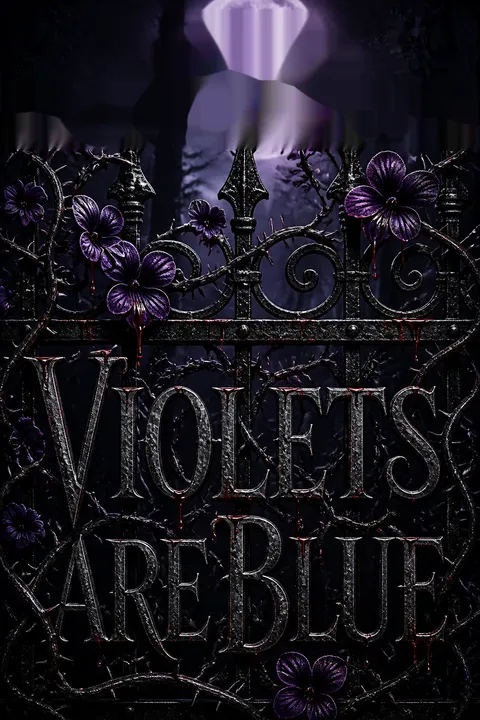


Plot Summary
Prologue
Alex Cross reaches the Virginia home of Betsey Cavalierre, his FBI partner and lover, and finds that she has been brutally murdered. While he is still at the scene, the Mastermind calls to taunt him and threatens the safety of Alex’s grandmother and children.
A second call makes clear that the family is not the immediate target: the killer wants Alex. Cross leaves believing Betsey’s death began the danger, though the scale of the threat and its history are still hidden from him.
The opening makes grief inseparable from professional danger. Cross is not simply asked to solve a murder; the crime reaches into his private life, turning his family into leverage and his own guilt into a pressure point. The Mastermind’s knowledge of where Cross is and whom he loves makes the telephone a weapon of surveillance. Cross’s belief that the crisis begins with Betsey’s murder is also deliberately unstable: the prologue signals that his understanding of cause and chronology will have to be revised.
Fog Brings the First Fangs
In San Francisco, Army lieutenant Martha Wiatt and her boyfriend, Davis O’Hara, hear growls pursuing them through Golden Gate Park. Martha escapes toward a road, where men posing as Red Cross workers knock her down and attack her with unnatural strength.
The next day, Detective Alex Cross is drawn from Washington to help Inspector Jamilla Hughes investigate the murders. The victims were found drained of blood and hung upside down. A veterinary dental expert identifies the deep wounds on Davis as tiger bites, while Martha’s injuries point to human attackers.
The combination gives Cross no familiar pattern to follow. It also establishes the case’s central unease: the killers behave like predators, yet someone seems able to control the animal.
The first crime scene destabilizes ordinary forensic categories without requiring anything supernatural to be true. A tiger’s bite supplies a physical fact, but the animal’s apparent obedience suggests human organization behind the violence. Martha’s survival adds a witness who cannot yet explain what attacked her. Cross enters a case where evidence is vivid but meaning remains elusive, while Jamilla’s precise work gives him a credible local partner rather than a guide into a ready-made solution. The mystery begins as a conflict between material proof and an almost theatrical performance of monstrosity.
A Girl Preserved in Time
Cross and Jamilla travel to San Luis Obispo to exhume Mary Alice Richardson, a fifteen-year-old whose body had been found hanging by her ankles more than a year earlier. The girl’s preserved remains reveal the same blood loss and violent biting that mark the newer cases. Her many cuts suggest a life of experimentation and self-harm, but not an explanation for her death.
Back in Mill Valley, another wealthy couple, Dawn and Gavin Brody, are found naked and drained in their kitchen, with their jewelry left untouched. Investigators identify similar killings across California and Nevada, some dating back six years. The variety of wounds and scenes makes a single neat offender profile increasingly unlikely.
The exhumation turns the investigation from a response to a recent atrocity into an encounter with accumulated harm. Mary Alice’s preserved body denies the investigators the comfort of time passing; the past remains physically present. Her self-inflicted cuts are an important ambiguity, not a simple clue, because they show how the killers’ ritual overlaps with an existing culture of bodily experimentation. The Brodys’ untouched valuables further detach the crimes from ordinary robbery. The expanding map suggests an organized pattern, but the differences among scenes resist the tidy unity that a task force wants.
The Survivor Names Vampires
Jamilla takes Cross to Los Angeles to interview Gloria dos Santos, a survivor of an earlier attack. Gloria describes two men who bit her and says they were vampires, a claim the detectives cannot accept literally but cannot dismiss after the evidence in San Francisco. Before they can make sense of her account, a young record executive is found hanging at the Chateau Marmont with bites to his neck.
Cross and Jamilla see how the killers’ method can make violence resemble sexualized ritual, while the Mastermind calls during their examination of the body and abruptly ends the conversation when Kyle Craig takes the phone. Gloria’s warning now seems less like an isolated fantasy than a glimpse into a wider subculture with dangerous members.
Gloria’s testimony places the investigators in a difficult interpretive position. Calling her attackers vampires may be a way to describe their theatrical identity, their feeding behavior, or her own terror; it is not proof of supernatural powers. The new murder gives her account evidentiary weight without making it wholly reliable. Meanwhile, the Mastermind’s interruption links Cross’s personal pursuit to the California investigation, but offers no explanation for the connection. The case’s violence repeatedly borrows the language of erotic performance, exposing how a chosen persona can become a license to treat another person as an object.
A Scholar of the Night
Seeking context rather than folklore, Cross visits Peter Westin, a Santa Barbara bookseller and self-described vampire, who distinguishes serious adherents from young people playing at the lifestyle. Westin describes blood as a source of life energy and warns that the subculture attracts people drawn to rebellion, eroticism, and power.
In Fresno, fangmaker John Barreiro confirms that custom fangs and vampire clubs are common, then lets slip that some followers expect a powerful Sire to lead them. Barreiro can even make tiger teeth for a human wearer. He briefly attacks Cross to demonstrate that the scene is not harmless costume play. Cross leaves with possible explanations for the bites and a new question: who is directing the followers?
Westin and Barreiro show how a subculture can supply both vocabulary and tools for violence. The fangs are fabricated, the clubs are social spaces, and the claims about energy are beliefs held by people, not supernatural evidence. Yet the distinction between role-play and serious commitment does not protect anyone from harm. Cross’s interviews also introduce hierarchy through the idea of a Sire, giving the scattered crimes a possible organizing principle. His skepticism is productive here: he takes the people seriously without accepting their mythology as fact.
The Bellagio Bloodbath
In Las Vegas, William and Michael Alexander, two powerful blond brothers, charm television actors Andrew Cotton and Dara Grey after a magic performance. They take the couple to a Bellagio suite, where seduction turns into a staged feeding and both actors are killed. Their bodies are left in a bathtub, with money and drugs untouched.
Cross studies the room and learns that the victims had attended a show by magicians Daniel and Charles. Jamilla then compares evidence from older cases and finds at least four distinct sets of human bite marks. The killings stop abruptly after the Las Vegas murders, leaving investigators unsure whether publicity frightened the perpetrators or whether their plan has simply changed.
The Bellagio scene condenses the case’s moral distortion: the brothers convert glamour, consent-seeming flirtation, and theatrical entertainment into a trap. The victims’ wealth is irrelevant to the killers, who select people as bodies to consume and display. The untouched drugs and gambling markers help distinguish motive from ordinary theft. Jamilla’s discovery of multiple bite patterns is structurally crucial because it breaks the investigators’ assumption that a single pair of offenders explains every death. The lull that follows offers no relief, only a new uncertainty about how many actors are moving through the same violent world.
Home Is Not a Cure
With the West Coast killings apparently paused, Cross returns to Washington after nearly two weeks away. His children, Damon and Jannie, and his grandmother, Nana, welcome him, but his absence has cost him Damon's choir concert and deepened Nana’s fear that the children are growing up without enough of their father.
Cross spends a rare day with them at the Smithsonian, trying to be present rather than merely promising he will be. He also wrestles with the deaths of his wife and former partners, and with the possibility that homicide work is changing him. The pause ends when a vampire-style double murder in Charleston brings him back into the investigation.
The family scenes give the procedural plot a measure of time that the case itself cannot provide. Damon’s missed concert is not a grand tragedy, but it makes Cross’s recurring absences concrete and difficult to excuse. Nana’s criticism reflects a practical concern about care, not a rejection of his work. The Smithsonian outing briefly allows Cross to participate in ordinary family life, yet even this reprieve is fragile. His professional competence has become a source of personal cost, and the return of the murders tests whether he can make room for both obligations.
The Murders Move East
A newlywed couple is found murdered near Charleston’s Colonial Lake, and a witness recalls two young men leaving the park. Quantico connects the scene to killings in a dozen eastern cities, some reaching back to 1989. Cross and FBI agent Kyle Craig then rush to Savannah, where student Stephen Fenton has been killed inside the Cathedral of St John the Baptist.
His shirt is missing, his money remains, and the medical examiner finds two sets of human bite marks. The placement at a station of the cross suggests deliberate religious imagery, though Cross cannot tell whether the killers mean sacrilege or spectacle. Before the investigators can settle on a theory, another murder is reported in Charlotte.
The eastern expansion makes geography itself part of the evidence. The cities form a route, but the route does not yet disclose whether the killers travel together, copy one another, or answer to a shared authority. Savannah’s cathedral intensifies the symbolic register: the victim is placed within a Christian narrative of suffering, while the attackers leave no clear statement of what they intend. Cross and Kyle can recognize the performance without decoding it. The pace of new crimes prevents interpretation from becoming mastery; each apparent clue arrives with another body.
The Boy Who Follows
In Charlotte, FBI agents surround an isolated farmhouse after a seventeen-year-old named Irwin Snyder is linked to the murders of his parents. Inside, they find a gathering of drugged and hostile teenagers. Snyder waits in the cellar with a crowbar, metal fangs, and a knife. He claims his parents had to die because he follows the Tiger, but he gives no usable account of who the Tiger is.
When Cross tries to restrain him, Snyder bites Cross’s shoulder and hand. The boy is too young to account for the decade-long series, yet his certainty suggests that someone has recruited or influenced him. Cross returns to Washington with infected wounds and a fever that takes him out of the field.
Snyder is a dangerous but incomplete answer. His youth rules him out as the source of the older crimes, while his obedience to an unseen Tiger gives the violence a structure of recruitment and belief. The bites make Cross’s body another site of evidence, but also expose him to consequences beyond the scene. His infection interrupts the investigation at the moment he most wants to remain in control. The episode complicates the idea of agency: Snyder commits murder, yet his language suggests he has surrendered the meaning of his actions to a leader he cannot explain.
The Tour Route Fits
Recovering at home, Cross searches for a common route among the murder cities and finds that a touring magic act has performed in many of them. Daniel and Charles, the Las Vegas magicians, were also booked in Savannah and Charlotte when killings occurred. Cross shares the pattern with Kyle and prepares to return to New Orleans, where the pair are performing.
He arrives as the task force begins watching their Garden District mansion. Their performances attract young audiences and feature elaborate illusions, while their private movements remain hard to interpret. When a local teenager disappears and police delay reporting it, Jamilla proposes entering the magicians’ Fetish Ball to find out whether the missing girl is inside.
The tour schedule gives the investigation its first strong causal bridge between cities. It is not yet proof that the magicians committed the murders, but it transforms a diffuse map into a testable hypothesis. Magic also mirrors the case’s structure: audiences see a carefully designed effect while the mechanism stays hidden. Jamilla’s proposal responds to a practical failure by local police, whose delay may have cost investigators crucial time. Her willingness to act comes from professional urgency, but it also exposes how easily a case can pull investigators into the very performance they are trying to observe.
The Sire Disappears
Cross and Jamilla enter the mansion’s Fetish Ball in costume and descend among followers who treat Daniel as the Sire. He announces two new princes, but the lights fail during the ceremony. When power returns, the two young men lie stabbed and their throats have been cut. Daniel and Charles have vanished.
Cross and Jamilla search the underground passages and find both magicians dead in another room, with bites at their throats. The double discovery destroys the simple theory that the celebrated performers alone direct the murders. Someone has killed the men who seemed to command the gathering, and the crowd’s obedience leaves the investigators surrounded by possible witnesses, followers, or accomplices.
The party stages authority as theater: costumes, titles, a tiger, and a formal anointing all give the Sire an audience. The blackout then turns that ceremony into a space where power can be seized without being seen. Daniel and Charles’s deaths collapse the investigators’ leading theory, but do not dissolve the hierarchy; the title of Sire remains vacant and therefore more significant. The crowd’s passivity is not neutral. By accepting the spectacle, its members help create the social conditions in which violence can be made to look like ritual and leadership can remain unaccountable.
The Cellar Keeps Moving
After Jamilla returns to San Francisco, Cross goes back to the sealed mansion and finds miniature effigies of Daniel and Charles in their closet. Two teenagers, Anne Elo and John Masterson, attack him in the underground tunnels; he overpowers them and has them arrested.
Neither will explain their presence or the dolls. During the interrogation, vice detective Maureen Cooke is found hanging and drained in a nearby carriage house, showing that the killings continue despite the magicians’ deaths.
Jamilla calls Cross with a lead from Santa Cruz, where disappearances, missing animals, and a concentrated vampire scene suggest another center of activity. She drives there alone on her day off. When she fails to call her newspaper contact, Cross realizes she may be in danger.
The effigies and Cooke’s murder make clear that the New Orleans deaths have not closed the case. The dolls operate as a message without an identified sender, while the new killing demonstrates that the network can continue after its public figures are gone. Anne and John’s silence shows how loyalty, fear, or shared identity can obstruct conventional interrogation. Jamilla’s solo trip is consistent with her tenacity, but also reveals the danger of a professional culture that rewards relentless work. Cross’s concern is sharpened by his own history of losing partners, turning an investigative lead into an urgent personal risk.
Jamilla Becomes the Prey
In Santa Cruz, Jamilla questions a dismissive local lieutenant and searches the foothills for the group behind the disappearances. William and Michael Alexander approach her on a quiet street, identify her as a detective, disarm her, and abduct her.
They take her to a rural compound where followers serve an unseen Sire. The brothers explain that the group has grown from an old commune and that its leader directs how members think and act. Jamilla is restrained and told she will be killed in a ritual feeding.
In Washington, Cross learns that she has vanished and flies west. FBI agent Robert Hatfield tells him the group’s ranch once housed trained wild animals, linking the compound to the tiger evidence. Cross finds Kyle already waiting outside the property.
Jamilla’s capture reverses the investigator’s usual relation to space: the detective who has been reading crime scenes becomes a body controlled by the perpetrators. The brothers’ account of the commune offers history but not moral excuse; they present obedience as belonging, while using it to justify predation. The trained-animal history gives the tiger a plausible material origin and ties the case’s most impossible image to a neglected property. Cross’s arrival with Kyle places friendship and professional authority side by side at the threshold of the climax, though Cross still has no reason to suspect how much he does not know about his partner.
The Ranch Releases Its Captives
At dawn, Kyle’s team raids the ranch. Hooded figures emerge in pairs, some apparently held at gunpoint, and one drops to the ground before agents can distinguish captives from captors. The distraction gives Jamilla a chance to escape. She tells Cross that the group had hung her from a beam, then insists on joining the search.
In a utility shack, they find three dead teenagers, including the missing New Orleans girl, all drained and bitten. A loose hatch in the floor opens onto a tunnel with fresh footprints. Cross descends before help arrives, following the trail toward a distant patch of daylight. The raid has recovered Jamilla and exposed the victims, but the leaders and the tiger remain unaccounted for.
The ranch raid is built around a deliberate confusion of captive and accomplice. Hooded bodies, weapons, and a timed escape force the agents to act without reliable visual certainty. Jamilla’s survival is a consequence of her own composure, not a simple rescue bestowed on her. The dead teenagers make the group’s predation tangible and establish that its members have been taking victims beyond the better-known city murders. Cross’s descent into the tunnel repeats the case’s defining risk: he follows evidence into a space designed by the people he is pursuing, even when doing so separates him from support.
The Tiger Guards the Exit
A tiger charges Cross in the narrow tunnel. He fires several shots, and the animal collapses beyond him. At the far exit, William and Michael Alexander drive a pickup toward the investigators; gunfire sends it tumbling down a slope. William is dead in the wreck. Michael climbs out and charges, so Kyle shoots him.
A wounded passenger remains inside the truck: Peter Westin, the vampire scholar Cross interviewed in Santa Barbara. Cross identifies Westin as the Sire and the hidden force behind the compound. Westin is taken into custody. With the brothers dead and the leader arrested, the vampire murders appear to be contained, though Cross remains uneasy about the gaps in the case and the danger still circling his life.
The tunnel resolves the tiger mystery through physical action rather than myth: Cross faces the animal directly and survives by shooting it. The Alexander brothers’ deaths end their immediate violence, but the revelation of Westin reframes his earlier interviews as calculated concealment. His authority depended less on supernatural power than on his ability to supply a story and a hierarchy to unstable followers. Yet Cross’s unease matters. Arresting a leader can close a case procedurally without explaining every murder or neutralizing every threat, especially when the investigator’s private enemy has remained active alongside the public one.
The Friend Outside the Window
After Westin’s arrest, Cross returns to San Francisco and cannot shake the sense that Jamilla is still at risk. He waits near her apartment and sees Kyle watching the building. When Cross and Jamilla prepare for an attack, a different FBI agent breaks in, claiming he was sent to stop a murder.
The agent’s story confirms that Kyle has manipulated Bureau resources and may be operating beyond official control. FBI Director Burns then tells Cross that the Bureau has begun investigating Kyle’s links to earlier crimes, including the Gentleman Caller case.
Cross understands that the man who recruited him into difficult investigations has also been the Mastermind who taunted him. The professional partnership that once gave Cross support becomes evidence of a long deception.
The reveal works because it transforms familiar competence into a source of dread. Kyle’s access to investigative information, his ability to arrange surveillance, and his calm presence beside Cross all acquire a second meaning. The false emergency call to the FBI agent demonstrates how authority can be imitated and redirected by someone who understands its procedures. Cross is not merely mistaken about a colleague; he has been drawn into the colleague’s self-authored drama. The betrayal attacks his judgment as much as his trust, making the case’s central question one of how intimacy can be used as cover.
The Mastermind Strikes Home
Kyle kills Cross’s close friends Zach and Liz Taylor with single shots to the head, then calls to make Cross understand that more violence is coming. Cross warns the people Kyle may target, secures Nana and the children with John Sampson, and learns from Kyle’s brother that the family has long suspected Kyle’s cruelty.
He realizes Kate McTiernan, whom Kyle once desired and who helped survive the Casanova case, may be next. Cross drives to Kate’s home in Nags Head and enters alone. Kyle calls from elsewhere, claiming to have attacked Cross’s family, but Cross recognizes the lie too late: Kyle has hidden above the kitchen and drops on him with an ice pick. Cross is stabbed, yet fights back and knocks Kyle unconscious.
Kyle’s violence is designed to make Cross experience helplessness rather than simply to remove obstacles. Zach and Liz are killed because their closeness to Cross gives their deaths symbolic force; the family threat then keeps him moving among incompatible duties. The false claim about Nana and the children exploits his deepest fear, while the attic ambush turns his own haste into a tactical weakness. Kate’s role is significant because she links Kyle’s personal fixation to Cross’s earlier history with Casanova. The confrontation strips away the intellectual game and leaves two men physically fighting over who controls the story.
A Confession on the Phone
Wounded but conscious, Cross questions Kyle about the murders and the long history of their partnership. Kyle admits that he killed Betsey because she threatened his secret and competed for Cross’s attention, and boasts of earlier crimes committed beside killers he later helped pursue.
He insists that Cross’s pursuit is also a form of appetite, but Cross rejects the comparison. Before Kyle can turn their final encounter into another private contest, Cross reveals that his phone has recorded the confession through a call to his home voicemail.
He knocks Kyle unconscious again and has him arrested. With Kyle imprisoned, Cross recovers at home, spends time with his children, and prepares to resign from the police force. His closing hope of falling in love again points toward a life not governed by the next case.
The recorded confession defeats Kyle on the level he values most: control over interpretation. He wants Cross to become an audience to his crimes, then to confuse the detective’s commitment to pursuit with his own appetite for domination. Cross’s recording converts the performance into admissible evidence and refuses Kyle the privilege of defining their relationship. The ending does not erase grief or repair every loss. Instead, Cross’s decision to leave the force acknowledges that resilience is not identical to endless exposure. His attention returns to parenting, domestic work, and the possibility of intimacy, forms of responsibility that cannot be solved by catching another killer.
Analysis
Violets Are Blue builds its suspense from competing performances of authority. The vampire killers stage themselves as predators, the magicians stage mastery over what an audience can see, and the Mastermind stages himself as the unseen intelligence behind Cross’s life. Each performance depends on other people accepting a role: prey, follower, audience, or grateful partner. The novel’s most disturbing insight is that such roles need no supernatural force. Human beings can manufacture ritual, hierarchy, and terror from belief, eroticized power, and access to weapons or information.
The investigative structure repeatedly corrects its own assumptions. Tiger bites point toward animal control; city patterns suggest one traveling pair; the magic tour appears to identify the central suspects. Each clue is real, yet each is incomplete. The story’s multiple groups make the detective’s desire for one coherent explanation both necessary and dangerous. Cross’s intelligence helps him see patterns, but his emotional investment in trusted partners can make him vulnerable to a pattern someone else has designed for him.
The family plot gives the procedural stakes their human measure. Cross’s missed concert and Nana’s criticism are small events beside murder, but they register the slow cost of a life organized around emergencies. His work has saved people, yet the same devotion repeatedly deprives his children of his presence and leaves him exhausted. The ending’s decision to leave police work does not imply that care and justice are simple alternatives. It is an acknowledgment that moral responsibility includes limits, and that being a protector cannot mean surrendering every other form of life to the next threat.
Review Summary
Violets Are Blue receives mixed reviews, with an average rating of 4.00/5. Many readers enjoy the fast-paced action, short chapters, and Alex Cross's character development. The vampire-themed murders intrigue some but disappoint others. The Mastermind plotline is generally well-received, though some find it predictable. Critics note repetitive dialogue and simplistic writing. Overall, fans of the series appreciate the entertainment value, while others find it lacking depth. The book is seen as a quick, engaging read despite its flaws.
Characters
Alex Cross
The burdened investigatorA Washington homicide detective and forensic psychologist, Alex combines patient observation with a strong sense of responsibility toward victims and their families. He is also a widowed father raising Damon, Jannie, and little Alex with help from his grandmother. His work gives him purpose, but his commitment repeatedly pulls him away from the people he loves, leaving him vulnerable to guilt and exhaustion. Alex tends to trust his instincts and to enter danger himself, partly because he believes he can protect others by taking the risk. His emotional life is shaped by grief, loyalty, and the difficult wish to remain both an effective detective and a present father.
Kyle Craig
The polished FBI partnerA senior FBI investigator and longtime colleague of Alex, Kyle is exceptionally intelligent, disciplined, and skilled at organizing complicated investigations. He speaks with confidence and prefers clear plans, controlled rooms, and carefully managed information. His formal manner can make him difficult to read, even to people who have worked beside him for years. Kyle values competence and status, and he is drawn to the intellectual challenge of understanding violent minds. His relationship with Alex is built on shared cases and professional admiration, while his private life and family history remain largely outside the partnership.
Jamilla Hughes
The relentless inspectorA San Francisco homicide inspector, Jamilla is practical, incisive, and deeply committed to difficult cases. She earns cooperation through careful work rather than intimidation, and she is quick to notice shifts in evidence that others might flatten into a single theory. Her confidence coexists with a guarded personal life and a tendency to push herself past reasonable limits. Jamilla values fairness and expects colleagues to respect her professional judgment, especially in institutions where women remain underrepresented. Her partnership with Alex develops through shared investigation, humor, mutual respect, and a recognition that both of them struggle to balance police work with the possibility of a fuller life.
William Alexander
The commanding brotherThe older Alexander brother is athletic, assured, and accustomed to directing the people around him. Raised in an isolated commune, he rejects conventional rules and interprets his desires as proof of superiority rather than as impulses that require restraint. He is protective of his younger brother, but that closeness also becomes a means of control. William enjoys danger, spectacle, and the feeling that ordinary people cannot understand him. His self-image combines the entitlement of a prince with the instincts of a predator, making him capable of treating violence as both recreation and doctrine.
Michael Alexander
The eager younger brotherMichael is William’s younger brother, a gifted athlete whose beauty and physical confidence make him seem almost effortless. He is more openly impulsive than William and often looks to his brother for direction, approval, and a sense of what their shared life means. Their upbringing taught him to distrust the outside world and to treat transgression as freedom. Michael’s need for excitement makes him responsive to risk, while his dependence on William limits his ability to question the beliefs they share. He is not merely a follower, however; he takes active pleasure in the identity the brothers have built together.
Peter Westin
The vampire scholarA Santa Barbara bookseller and authority on vampire history, Peter Westin speaks with theatrical formality and presents himself as a serious participant in the subculture. He is knowledgeable about its myths, social rituals, and distinctions between committed adherents and casual role-players. Westin is articulate, physically striking, and careful about what he chooses to disclose. He draws others toward his worldview by offering them a language for alienation, power, and belonging. His composure makes him difficult to assess, since apparent candor and careful self-presentation can occupy the same conversation.
Daniel Erickson
The theatrical magicianOne half of a touring magic act with Charles Defoe, Daniel is a polished performer who understands how to command an audience. Onstage, he relies on grand entrances, dramatic timing, and illusions that make spectators doubt what they have just seen. Away from the theater, he inhabits the same theatrical confidence, presenting himself as someone entitled to attention. His public persona makes him a natural focus for investigators trying to connect a touring act to a string of crimes.
Charles Defoe
The sharper showmanDaniel’s performing partner, Charles is blunt, provocative, and comfortable unsettling an audience. He plays the foil to Daniel’s more polished presentation, using insults and menace as part of the act. Their partnership depends on contrast as much as technical coordination. Charles’s stage manner blurs performance and hostility, making it difficult for onlookers to tell where the show ends and the men’s private beliefs begin.
John Sampson
Cross's steadfast partnerAlex’s longtime friend and police partner, John Sampson is physically imposing, perceptive, and loyal without being sentimental. He often sees when Alex is overworking or concealing distress, and he challenges him more directly than most colleagues would. Sampson is also a trusted presence for Alex’s family, which makes him a crucial link between the detective’s dangerous work and his domestic responsibilities. His humor and steadiness help Alex regain perspective without pretending that the cases are easy.
Nana Mama
The family anchorAlex’s grandmother helps raise Damon, Jannie, and little Alex, bringing affection, authority, and a sharp memory for the promises Alex has made. She is proud of her grandson but does not confuse his professional dedication with good parenting. Nana speaks plainly when his absences leave the children disappointed, and she expects him to take responsibility rather than ask for praise. Her cooking, humor, and family rituals give the Cross household a strong center even when Alex’s work threatens to pull him away.
Damon Cross
The observant sonAlex’s son Damon is a talented singer in the Washington Boys Choir and an enthusiastic student of basketball and science. He loves his father but is old enough to notice when Alex misses important events. His teasing often carries a genuine complaint beneath it. Damon’s growing independence reminds Alex that children do not remain young while a detective is occupied with the next emergency.
Jannie Cross
The quick-witted daughterAlex’s daughter Jannie is bright, mischievous, and quick to answer her father’s jokes with one of her own. She is affectionate but increasingly independent, aware of how often Alex’s work takes him away. When he is ill, she can become attentive and caring, showing that her sharpness does not conceal a lack of tenderness. Jannie helps make the family’s emotional stakes immediate rather than abstract.
Alex Cross Jr.
The youngest childAlex’s youngest child is still a baby, dependent on his family for care and comfort. His presence gives his father a daily reason to slow down, even if Alex sometimes treats that need as an antidote to the cases he cannot leave behind.
Betsey Cavalierre
The murdered FBI partnerAn FBI agent who became close to Alex both professionally and personally, Betsey was a trusted colleague with an active place in his life. Her death shapes his sense of danger and makes him wary of growing close to another investigative partner. The memory of her also intensifies his need to understand who is targeting him and why.
Christine Johnson
The distant former loveChristine is the mother of Alex’s youngest child and a former partner who left Washington for a life away from homicide investigations. She is a teacher who values stability and has been hurt by the dangers attached to Alex’s work. Their relationship retains affection and unresolved grief, even after they have separated.
Kate McTiernan
The resilient physicianA pediatrician Alex and Kyle know from an earlier investigation, Kate is intelligent, warm, and physically capable. She has survived severe danger and built a life around medicine, friendship, and a new relationship. Her confidence is grounded in experience rather than bravado, and she remains important to Alex as a friend he trusts.
Irwin Snyder
The recruited teenagerA seventeen-year-old from Charlotte, Irwin is a former school athlete whose life has shifted toward isolation, drugs, and a violent group identity. He speaks with conviction about following the Tiger, but cannot give investigators a coherent account of the authority he obeys. His case illustrates how a young person’s need for belonging can be exploited and turned toward violence.
Gloria dos Santos
The defiant survivorA Los Angeles woman who survived a violent attack, Gloria is confrontational, perceptive, and unwilling to make her account easier for police to accept. Her gothic interests and abrasive manner lead investigators to underestimate her, but she has firsthand knowledge of the attackers’ methods. She insists that the vampire identity is real to the men who harmed her, whether or not it is literally true.
Zachary Taylor
Cross's journalist friendA Washington Post writer and close friend of Alex, Zach is part of the community Alex has built beyond the police force. His friendship is grounded in personal trust and long familiarity, not merely in access to a famous detective. He and his wife provide Alex with a glimpse of companionship and stability.
Liz Taylor
Zach's devoted partnerZach’s wife and one of Alex’s close friends, Liz is remembered through the warmth and ease of her marriage. She shares with Zach a lasting intimacy that Alex admires, and their home is one of the places where he can briefly step outside the demands of police work.
Plot Devices
Vampire staging
Ritual disguises motiveThe killers hang victims, drain their blood, bite them, and sometimes leave their clothes or possessions arranged in conspicuous ways. These choices imitate vampire legends while functioning as a criminal signature and a means of terrifying witnesses and investigators. The staging does not prove supernatural activity; human teeth, fabricated fangs, and deliberate violence account for what the detectives can examine. Because the scenes vary, the ritual also conceals the possibility that more than one group is involved. Investigators must separate the imagery the perpetrators want them to see from the physical evidence that can identify who acted.
The touring magic act
A route links the crimesDaniel and Charles perform across the same broad geography where many murders occur. Cross compares their bookings with the dates and locations of the deaths, turning an entertainment schedule into a map of possible access. The magicians’ illusions echo the investigation’s uncertainty: a visible effect distracts from the mechanism behind it. The tour is a useful lead, but not a complete explanation, since the murders involve multiple perpetrators and a larger network. Its function is to focus the investigation on a pair of suspects while leaving room for the eventual discovery that the apparent center of the case is not its only source.
The trained tiger
Animal evidence becomes human threatA veterinary dental expert identifies tiger bites on a Golden Gate Park victim, an apparently impossible clue in a city setting. Later evidence about the brothers’ upbringing around trained animals and the Santa Cruz ranch makes the cat’s presence materially plausible. The tiger is not simply a shocking image: it indicates that the killers have access to an animal and may be able to control it. Its presence also encourages investigators to think in terms of an animal trainer before they understand the wider group. The tunnel confrontation turns that early forensic clue into a direct physical danger for Cross.
The Sire hierarchy
Belief organizes followersVampire clubs and their adherents use titles, rituals, and the idea of a Sire to create a hierarchy around the promise of belonging and power. Early interviews introduce the title before investigators know who holds it. The hierarchy helps explain why young followers imitate violent practices, protect leaders, and treat ordinary authority as illegitimate. It also provides cover: a leader can direct others while remaining distant from the crimes. The device is psychological and social rather than supernatural. It shows how a shared mythology can turn private alienation into coordinated action and make obedience feel like identity.
The Mastermind's calls
Threat invades private lifeThe Mastermind repeatedly contacts Cross, knowing his location, family relationships, and investigative history. The calls are difficult to trace and serve no simple informational purpose; they are instruments of intimidation and control. By threatening Nana and the children, the killer forces Cross to imagine the consequences of every professional choice. The calls also create a parallel investigation that Cross initially treats as separate from the vampire murders. Their source remains hidden behind the voice and the caller’s apparent access to FBI information, allowing a trusted professional presence to mask the threat.
FAQ
Synopsis & Basic Details
What is Violets Are Blue about?
- A Personal Vendetta Unfolds: Violets Are Blue plunges Detective Alex Cross into a deeply personal and terrifying investigation after his friend and FBI agent, Betsey Cavalierre, is brutally murdered. A taunting caller, identifying himself as "the Mastermind," claims responsibility and threatens Cross's family, setting a chilling tone for the escalating conflict.
- West Coast Horror Spree: The narrative expands to a series of gruesome, ritualistic murders across California and Nevada, where victims are found drained of blood and bearing savage bite marks, leading Cross to team up with San Francisco Inspector Jamilla Hughes to uncover a disturbing "vampire" subculture.
- A Twisted Game of Cat and Mouse: As Cross and Hughes pursue the elusive killers, they uncover a network of individuals seemingly operating under the influence of a charismatic leader known as the Sire, while the Mastermind continues his psychological torment of Cross, hinting at a deeper, more personal connection to the detective's past cases.
Why should I read Violets Are Blue?
- Deep Psychological Thriller: Readers seeking a novel that delves into the twisted minds of its antagonists will find Violets Are Blue compelling. It explores themes of narcissism, obsession, and the nature of evil through the Mastermind's chilling self-analysis and the cult's dark ideology, offering a profound psychological analysis of its villains.
- Patterson's Signature Pacing: The book exemplifies James Patterson's renowned fast-paced, short-chapter style, packed with cliffhangers and unexpected twists that keep the reader constantly engaged. This narrative choice enhances the sense of urgency and relentless pursuit, making it a quick yet impactful read.
- Exploration of Loyalty and Betrayal: At its core, the story is a powerful examination of trust and betrayal, particularly through Alex Cross's relationships. It highlights the emotional toll of police work and the profound impact when those closest to you are revealed to be your greatest adversaries, adding significant emotional depth to the suspense.
What is the background of Violets Are Blue?
- Emergence of Subcultures: The novel taps into the burgeoning Goth and vampire subcultures prevalent in the late 1990s and early 2000s, exploring how these alternative lifestyles, with their emphasis on rebellion and dark aesthetics, could be twisted into a justification for horrific violence, reflecting a cultural fascination with the macabre.
- Geographical Contrast and Symbolism: The story leverages distinct American cities—from the idyllic Golden Gate Park in San Francisco to the vibrant chaos of Las Vegas and the historic charm of New Orleans and Charleston—to create diverse backdrops for the murders. Each location subtly contributes to the atmosphere, contrasting beauty with brutality, and highlighting the killers' deliberate choice of "beautiful cities" (Chapter 46).
- Early 2000s Technology & Crime: The investigation relies on early 2000s technology, such as cell phone tracing (which the Mastermind expertly evades, Chapter 4), faxes, and the nascent use of the internet for criminal profiling and communication within subcultures. This grounds the story in its specific time period, showcasing the limitations and advancements of forensic science at the turn of the millennium.
What are the most memorable quotes in Violets Are Blue?
- "Nothing ever starts where we think it does." (Chapter 1): This opening line, repeated later by Cross (Chapter 108), serves as a profound thematic statement, foreshadowing the complex, deeply rooted origins of the Mastermind's vendetta and the unexpected twists that defy conventional understanding of crime. It encapsulates the novel's exploration of hidden motivations and long-held secrets.
- "If you hunt for the vampire, the vampire will hunt for you." (Chapter 26): This chilling adage, spoken by William Alexander and later echoed by Michael (Chapter 81), embodies the predatory nature of the cult and the Mastermind's game. It highlights the dangerous, reciprocal relationship between hunter and hunted, emphasizing the personal risk Alex Cross undertakes.
- "I wanted you to catch me, you asshole. What do you think of that?" (Chapter 115): Kyle Craig's final taunt to Alex Cross reveals the ultimate, perverse motivation behind his actions: a desperate need for recognition and validation from his perceived intellectual equal. This quote encapsulates the Mastermind's narcissistic personality and his desire for a grand, public confrontation, providing a shocking conclusion to his psychological warfare.
What writing style, narrative choices, and literary techniques does James Patterson use?
- Rapid-Fire, Short Chapters: Patterson employs extremely short chapters, often ending with cliffhangers, to maintain a relentless pace and build suspense. This technique, characteristic of his style, propels the reader forward, mirroring the urgency and chaos of Cross's investigation.
- First-Person Perspective with Occasional Shifts: Primarily narrated in Alex Cross's first-person perspective, the novel occasionally shifts to the Mastermind's internal monologue (e.g., Chapter 38, 54, 98) and the Alexander brothers' (e.g., Chapter 10, 18, 30). These shifts provide crucial insights into the villains' twisted psychologies and motivations, enhancing the psychological depth and narrative tension.
- Direct Address and Psychological Insight: Cross frequently addresses the reader directly, sharing his internal thoughts, fears, and profiling insights. This creates an intimate connection, drawing the reader into his mind and the complexities of the cases, while also showcasing his expertise as a forensic psychologist.
Hidden Details & Subtle Connections
What are some minor details that add significant meaning?
- The "Red Cross" Van's Irony: William and Michael's use of a "Red Cross" van (Chapter 11, 30) is a chilling detail. It symbolizes their perversion of aid and healing into instruments of death and bloodlust, allowing them to move undetected by masquerading as a benevolent organization while committing heinous acts.
- Mastermind's Self-Diagnosis: In Chapter 38, the Mastermind explicitly lists symptoms of "Narcissistic personality disorder" and "lacks empathy," directly foreshadowing Kyle Craig's identity and providing a clinical lens for his extreme behavior. This detail serves as a hidden clue for the astute reader, revealing the calculated nature of his madness.
- The Mill Valley Property Dispute: The detail that the murdered Mill Valley lawyers were involved in a lawsuit over the Santa Cruz ranch property (Chapter 86) subtly connects the seemingly disparate murder sprees. It suggests a deeper, long-standing motive for the cult's actions, linking the "vampire" killings to a tangible, real-world grievance beyond mere ritual.
What are some subtle foreshadowing and callbacks?
- Kyle's Early "Vampire" Remarks: Kyle Craig's casual remarks about believing in "vampires, ghosts, zombies" (Chapter 25) early in the investigation subtly foreshadow his deep involvement and twisted understanding of the cult. It hints at his own dark fascinations and his ability to blend into the very world he's supposedly investigating.
- Cross's Recurring "Coincidences": Cross's repeated assertion that he "doesn't believe in coincidences" (Chapter 41, 94) becomes a crucial callback. This internal mantra drives him to connect seemingly unrelated events, ultimately leading him to the shocking realization that Kyle Craig has been orchestrating events and stalking him for years, making the entire series of events a deliberate, personal attack.
- The Mastermind's "Triangles": The Mastermind's cryptic reference to "love and hate triangles" involving Cross and his family (Chapter 38) subtly foreshadows the deeply personal nature of his obsession. It hints at a complex, almost familial, dynamic that Kyle Craig later reveals, rooted in his own dysfunctional past and sibling rivalry.
What are some unexpected character connections?
- Kyle Craig's Link to Past Killers: The revelation that Kyle Craig knew and "hunted with" Casanova and the Gentleman Caller (Chapter 98, 114) is a shocking and unexpected connection. It retroactively recontextualizes previous Alex Cross novels, suggesting Kyle's long-standing involvement in a broader criminal underworld and his role in manipulating Cross's career.
- The Alexander Brothers' Commune Upbringing: William and Michael Alexander's background in a "California-dreaming hippies" commune (Chapter 10, 82) provides an unexpected origin for their extreme behavior. This detail explains their twisted sense of freedom, their comfort with nudity and violence, and their susceptibility to the Sire's influence, linking their psychopathy to a specific, unconventional upbringing.
- Peter Westin's "Real Vampire" Claim: Peter Westin's seemingly academic interest in vampires, culminating in his calm declaration "Yes. I am" a vampire (Chapter 27), is an unexpected twist. This connection reveals him not just as an expert, but as a central, manipulative figure within the cult, blurring the lines between academic study and dangerous belief.
Who are the most significant supporting characters?
- Nana Mama: The Moral Compass: Alex Cross's grandmother, Nana Mama, serves as his unwavering moral compass and emotional anchor. Her wisdom, fierce protectiveness of the children, and occasional blunt criticisms (Chapter 23, 58) ground Cross amidst the chaos, reminding him of his responsibilities beyond his detective work and highlighting the importance of family.
- John Sampson: The Steadfast Partner: John Sampson is Cross's loyal and physically imposing partner, providing both practical assistance and crucial emotional support. His unwavering friendship and willingness to protect Cross's family (Chapter 1, 95) stand in stark contrast to Kyle Craig's betrayal, emphasizing the theme of true loyalty.
- Kate McTiernan: A Recurring Victim/Survivor: Kate McTiernan, a survivor from a previous Alex Cross case (Casanova), reappears as a friend and potential target for Kyle Craig (Chapter 43, 112). Her resilience and continued connection to Cross underscore the long-term impact of his cases and the personal stakes involved for those in his orbit.
Psychological, Emotional, & Relational Analysis
What are some unspoken motivations of the characters?
- Cross's Guilt-Driven Protectiveness: Alex Cross's intense protectiveness of Jamilla Hughes (Chapter 19, 93, 94) is subtly motivated by his unspoken guilt and trauma over the deaths of his previous female partners, Patsy Hampton and Betsey Cavalierre. He subconsciously fears a repeat of past tragedies, driving his seemingly irrational actions.
- Kyle Craig's Need for Superiority: Kyle Craig's entire "Mastermind" persona and his elaborate game with Cross are driven by an unspoken, profound need to prove his intellectual and psychological superiority. His actions are a desperate attempt to validate his own perceived brilliance, stemming from deep-seated insecurities and a history of sibling rivalry (Chapter 38, 107).
- Cult Members' Search for Identity: Many of the "vampire" cult members, particularly the younger ones like Irwin Snyder (Chapter 50) and Anne Elo (Chapter 77), are implicitly motivated by a search for identity, belonging, and an escape from mundane reality. The cult offers them a sense of power, rebellion, and a twisted family structure that fills a void in their lives.
What psychological complexities do the characters exhibit?
- Cross's Burnout and Paranoia: Alex Cross exhibits significant psychological complexity through his struggle with burnout, exhaustion, and increasing paranoia (Chapter 24, 41, 93). The relentless nature of his work and the Mastermind's personal attacks blur the lines between professional duty and personal safety, leading to moments of self-doubt and a questioning of his own sanity.
- Kyle Craig's Functional Psychopathy: Kyle Craig is a chilling study in functional psychopathy, characterized by a grandiose sense of self-importance, lack of empathy, and manipulative tendencies (Chapter 38, 98, 115). His ability to maintain a facade of normalcy and friendship while orchestrating horrific crimes highlights the dangerous nature of his disorder, making him a truly terrifying villain.
- The Alexander Brothers' Sado-Erotic Bond: William and Michael Alexander display a complex sado-erotic bond, where violence and pleasure are inextricably linked (Chapter 10, 18, 33). Their upbringing in a commune, coupled with their inherent psychopathy, results in a twisted morality where inflicting pain and consuming blood are acts of ecstasy and self-fulfillment, showcasing a profound psychological deviance.
What are the major emotional turning points?
- Cross Missing Damon's Concert: Alex Cross's inability to attend his son Damon's choir concert (Chapter 23, 58) serves as a significant emotional turning point, highlighting the personal sacrifices demanded by his job. Nana Mama's blunt criticism and Damon's quiet disappointment underscore Cross's deep-seated guilt and his struggle to balance his professional and family life.
- Jamilla's Capture and Near-Death: Jamilla Hughes's capture and near-fatal hanging by William and Michael (Chapter 81-82) is a harrowing emotional turning point. It brings the threat of the cult directly to a beloved supporting character, intensifying the stakes for Cross and fueling his determination to rescue her, showcasing the brutal reality of the investigation.
- The Murder of Zach and Liz Taylor: The execution-style murders of Cross's close friends, Zach and Liz Taylor (Chapter 105), is a devastating emotional blow. This act, explicitly committed by Kyle Craig to inflict maximum pain on Cross, shatters Cross's remaining sense of security and transforms his pursuit of the Mastermind into a deeply personal quest for vengeance.
How do relationship dynamics evolve?
- Cross and Jamilla's Deepening Trust: The professional relationship between Alex Cross and Jamilla Hughes evolves from initial skepticism to one of deep trust, mutual respect, and unspoken affection (Chapter 19, 64, 75, 96). Their shared experiences in life-threatening situations forge a powerful bond, making her safety a personal priority for Cross.
- Cross's Strained Family Bonds: Cross's relationship with his children, Damon and Jannie, and Nana Mama, is constantly strained by his demanding job (Chapter 6, 23, 109). The novel explores his guilt and their longing for his presence, culminating in his decision to prioritize family, reflecting the evolving dynamic of a father trying to reconnect.
- The Twisted Bond of William and Michael: The relationship between William and Michael Alexander is portrayed as a deeply twisted, sado-erotic, and co-dependent bond (Chapter 10, 18, 33). Their shared history and mutual participation in violence create an unbreakable, yet perverse, connection that defines their actions within the cult.
Interpretation & Debate
Which parts of the story remain ambiguous or open-ended?
- The Full Extent of the Vampire Cult: While Peter Westin is captured, the novel leaves ambiguous the true global reach and long-term impact of the "vampire" subculture and its various "domains" (Chapter 27, 82). It's unclear if Westin's capture truly dismantles the entire network or if other "Sires" exist, leaving the potential for future threats.
- Kyle Craig's Ultimate Fate: Although Kyle Craig is captured and facing trial, the narrative leaves his ultimate fate open-ended (Chapter 116). Given his cunning and manipulative nature, and his past escapes, the possibility of his return or continued influence from prison remains a lingering ambiguity, fueling reader speculation about his future.
- Cross's Future Career and Relationships: The ending suggests Alex Cross will resign from the police force and hints at a potential new romantic relationship (Chapter 116). However, the long-term implications of these decisions, particularly whether he truly leaves police work behind and finds lasting personal happiness, are left for the reader to ponder, reflecting the ongoing challenges of his life.
What are some debatable, controversial scenes or moments in Violets Are Blue?
- Graphic Depictions of Violence and "Feeding": The novel's explicit descriptions of victims being "drained of blood," "bitten severely," and even "gnawed" on (Chapter 7, 18, 35) are highly controversial. These graphic details push the boundaries of typical thriller violence, raising questions about their necessity for plot versus their potential for gratuitous shock value.
- Portrayal of the Vampire Subculture: The depiction of the "vampire subculture" as a breeding ground for real-world violence and psychopathy (Chapter 27, 71) can be seen as controversial. It blurs the lines between fictional role-playing and actual criminal behavior, potentially misrepresenting or sensationalizing a real-world subculture.
- Kyle Craig's Psychopathy vs. Psychosis: A key debate revolves around Kyle Craig's mental state: is he a highly functional psychopath, as he claims (Chapter 38), or does his extreme behavior, particularly his uncontrollable laughter and elaborate fantasies, suggest a deeper psychosis (Chapter 104, 113)? This ambiguity challenges readers to interpret the nature of his evil.
Violets Are Blue Ending Explained: How It Ends & What It Means
- Kyle's Downfall: Narcissism as a Weapon: The novel culminates in Alex Cross outsmarting Kyle Craig by exploiting the Mastermind's greatest weakness: his insatiable narcissism and need for recognition. Cross records Kyle's full confession on his voicemail (Chapter 115), turning Kyle's desire to boast about his "masterpiece of
Synopsis & Basic Details
What is Violets Are Blue about?
- A Personal Vendetta Unfolds: Violets Are Blue plunges Detective Alex Cross into a deeply personal and terrifying investigation after his friend and FBI agent, Betsey Cavalierre, is brutally murdered. A taunting caller, identifying himself as "the Mastermind," claims responsibility and threatens Cross's family, setting a chilling tone for the escalating conflict.
- West Coast Horror Spree: The narrative expands to a series of gruesome, ritualistic murders across California and Nevada, where victims are found drained of blood and bearing savage bite marks, leading Cross to team up with San Francisco Inspector Jamilla Hughes to uncover a disturbing "vampire" subculture.
- A Twisted Game of Cat and Mouse: As Cross and Hughes pursue the elusive killers, they uncover a network of individuals seemingly operating under the influence of a charismatic leader known as the Sire, while the Mastermind continues his psychological torment of Cross, hinting at a deeper, more personal connection to the detective's past cases.
Why should I read Violets Are Blue?
- Deep Psychological Thriller: Readers seeking a novel that delves into the twisted minds of its antagonists will find Violets Are Blue compelling. It explores themes of narcissism, obsession, and the nature of evil through the Mastermind's chilling self-analysis and the cult's dark ideology, offering a profound psychological analysis of its villains.
- Patterson's Signature Pacing: The book exemplifies James Patterson's renowned fast-paced, short-chapter style, packed with cliffhangers and unexpected twists that keep the reader constantly engaged. This narrative choice enhances the sense of urgency and relentless pursuit, making it a quick yet impactful read.
- Exploration of Loyalty and Betrayal: At its core, the story is a powerful examination of trust and betrayal, particularly through Alex Cross's relationships. It highlights the emotional toll of police work and the profound impact when those closest to you are revealed to be your greatest adversaries, adding significant emotional depth to the suspense.
What is the background of Violets Are Blue?
- Emergence of Subcultures: The novel taps into the burgeoning Goth and vampire subcultures prevalent in the late 1990s and early 2000s, exploring how these alternative lifestyles, with their emphasis on rebellion and dark aesthetics, could be twisted into a justification for horrific violence, reflecting a cultural fascination with the macabre.
- Geographical Contrast and Symbolism: The story leverages distinct American cities—from the idyllic Golden Gate Park in San Francisco to the vibrant chaos of Las Vegas and the historic charm of New Orleans and Charleston—to create diverse backdrops for the murders. Each location subtly contributes to the atmosphere, contrasting beauty with brutality, and highlighting the killers' deliberate choice of "beautiful cities" (Chapter 46).
- Early 2000s Technology & Crime: The investigation relies on early 2000s technology, such as cell phone tracing (which the Mastermind expertly evades, Chapter 4), faxes, and the nascent use of the internet for criminal profiling and communication within subcultures. This grounds the story in its specific time period, showcasing the limitations and advancements of forensic science at the turn of the millennium.
What are the most memorable quotes in Violets Are Blue?
- "Nothing ever starts where we think it does." (Chapter 1): This opening line, repeated later by Cross (Chapter 108), serves as a profound thematic statement, foreshadowing the complex, deeply rooted origins of the Mastermind's vendetta and the unexpected twists that defy conventional understanding of crime. It encapsulates the novel's exploration of hidden motivations and long-held secrets.
- "If you hunt for the vampire, the vampire will hunt for you." (Chapter 26): This chilling adage, spoken by William Alexander and later echoed by Michael (Chapter 81), embodies the predatory nature of the cult and the Mastermind's game. It highlights the dangerous, reciprocal relationship between hunter and hunted, emphasizing the personal risk Alex Cross undertakes.
- "I wanted you to catch me, you asshole. What do you think of that?" (Chapter 115): Kyle Craig's final taunt to Alex Cross reveals the ultimate, perverse motivation behind his actions: a desperate need for recognition and validation from his perceived intellectual equal. This quote encapsulates the Mastermind's narcissistic personality and his desire for a grand, public confrontation, providing a shocking conclusion to his psychological warfare.
What writing style, narrative choices, and literary techniques does James Patterson use?
- Rapid-Fire, Short Chapters: Patterson employs extremely short chapters, often ending with cliffhangers, to maintain a relentless pace and build suspense. This technique, characteristic of his style, propels the reader forward, mirroring the urgency and chaos of Cross's investigation.
- First-Person Perspective with Occasional Shifts: Primarily narrated in Alex Cross's first-person perspective, the novel occasionally shifts to the Mastermind's internal monologue (e.g., Chapter 38, 54, 98) and the Alexander brothers' (e.g., Chapter 10
Alex Cross Series Series








About the Author
Other books by James Patterson




Download PDF
Download EPUB
.epub digital book format is ideal for reading ebooks on phones, tablets, and e-readers.








