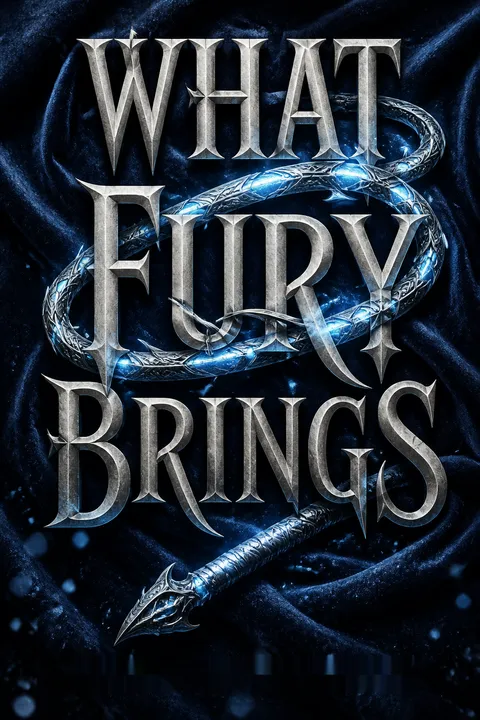


Plot Summary
Shamire’s Costly Victory
General Olerra Corasene defeats King Atalius for the fourth time in their struggle over Shamire, a rich border city. She lures him into a trap, flanks his army, and knocks him unconscious with a rock rather than risk a costly sword fight. After questioning him, she learns that his sons matter more to him than his pride.
Instead of killing him, she has him stripped, bound outside his castle, and returned to his country in disgrace. The humiliation is meant to punish Atalius without provoking a full war. It also gives Olerra a political idea: taking one of his sons could strengthen her claim to Amarra’s throne while striking at the king where he is most vulnerable.
Olerra’s victory establishes her as both a capable commander and a strategist who understands the emotional terrain around her. She avoids killing Atalius not from mercy but from political calculation, then turns humiliation into leverage. Yet her plan also exposes a tension in her idea of power: she opposes Brutus’s aggression while preparing to use a son as a political instrument. Her fury at male domination does not initially prevent her from reproducing its logic in reverse. The story’s central ethical problem begins here, in the distance between resisting an oppressive system and wielding its tools.
The Heir’s Birthday Beating
Sanos, the eldest Ladicus prince, returns from Brutus’s war against Ephenna expecting a brief respite for his birthday. Instead, he finds his father, Atalius, publicly humiliated after losing Shamire. The king turns his anger on Sanos, warning that his mother Ferida and sister Emorra will suffer if he ever challenges the throne.
Sanos’s caution is rooted in old cruelties: Atalius killed a puppy he had chosen as a child and forced him to execute his friend Vanus, then used threats against Emorra to make him obey. After Sanos and his brother Canus are beaten under the pretense of military training, Ferida tends his wounds and admits she hopes the king’s reign will end soon. Sanos keeps serving to protect his family.
Sanos’s obedience is not evidence of loyalty to Atalius. It is a survival strategy shaped by coercion, with his mother and sister held as hostages inside the family itself. The punishment scenes explain why he avoids attachments and suppresses ambition: affection gives the king another target, while success risks looking like a bid for power. His sense of responsibility is therefore both humane and imprisoning. Sanos has learned to call self-erasure duty because it keeps others alive. The contrast with Olerra’s public command is sharp: both characters live under violence, but only one has been taught that control of others is the price of safety.
A Husband for the Throne
Back in Amarra, Olerra asks Queen Lemya for permission to take a Brutish husband. Her cousin Glenaerys, usually called Glen, has money and noble support; Olerra has the army, but fears that the court will doubt her ability to lead because her mother died at a man’s hands.
A noble husband could strengthen her succession claim, and taking one from Brutus would also shame Atalius. Olerra selects the second-born prince, Andrastus, whom spies describe as gentle and scholarly, and plans to marry him after bringing him to Amarra.
Lemya cautions her about the risks but grants approval. Olerra then tells Glen she plans to travel west, concealing her true route. At Glen’s private auction, she sees men bought for household harems and recognizes the rival’s casual cruelty.
Olerra’s choice is driven by more than ambition. She wants the throne to prove that her family can still be trusted after her mother’s death, and she believes a husband will make that proof visible to the nobility. Her strategy converts marriage into public evidence of dominance, a political performance shaped by the same gendered expectations she resents. The scene at Glen’s auction sharpens the contrast between the cousins: Olerra recognizes the harm in treating men as property, but still plans to seize a prince. Her moral awareness is real, though it has not yet caught up with her methods.
The Wrong Prince Taken
On his birthday, Sanos joins his brothers at a tavern and then a brothel, where he expects a rare night without Atalius’s surveillance. His younger brother Andrastus is too drunk to meet a woman who has requested him, so Sanos takes him upstairs instead. The hooded woman, actually Olerra in disguise, kisses Sanos before pressing a ring containing the paralytic toxin vyra to his neck.
She and her companion Ydra carry him from a window into a waiting cart. Sanos wakes unable to move, bound and aroused by the toxin, and assumes his father may be behind the ordeal. Olerra believes she has captured the gentle second prince she selected. Sanos hides his identity because he fears ransom or death at Atalius’s hands.
The mistaken identity turns a political scheme into an intimate deception before either protagonist understands the full stakes. Sanos’s decision to take his brother’s place begins as entitlement mixed with curiosity, but it becomes an accidental escape from the role Atalius has built for him. Olerra’s victory is similarly compromised: she has captured the wrong man, yet the mistake gives her a partner whose temperament will challenge her assumptions. The scene also establishes how consent will complicate their romance. Their attraction is genuine, but it begins inside an abduction, with one person holding all the information and nearly all the power.
The Road South
Olerra binds Sanos to the cart and tries to explain the life awaiting him in Amarra, including her political need for a husband and his freedom to pursue interests of his own. He refuses to cooperate, so she feeds him while he is restrained and keeps him gagged when he shouts. During a roadside stop, Sanos cuts his hand bindings with a sharp stone and crawls into brambles, hoping to escape.
Olerra anticipates his route, shoots the rope tying his ankles, and catches him before he reaches the horses. She treats the cuts he receives in the thorns, then continues the journey. When she asks him to share something personal, he admits he has always wanted to see the ocean. Olerra promises to take him, but he remains determined to get home.
The road is an early contest over whether power can become care without first ceasing to be coercion. Olerra’s practical kindness does not erase Sanos’s captivity, and his failed escape confirms that she controls the terms of their relationship. Yet the small exchange about the ocean introduces a different form of attention: she asks about a desire unrelated to his usefulness as a husband. Sanos’s answer is cautious, but it creates a glimpse of the person beneath his guarded role. The promise matters because it imagines a future beyond the political bargain, even as neither character is ready to trust it.
A Prince on Display
At the palace, Olerra has Sanos dressed and presented to the city as her chosen husband. He tries to bolt, but Ydra throws him down before he can reach the streets. Servants bathe him, remove his beard and chest hair, and dress him in revealing Amarran clothes. Olerra explains that he must appear obedient so the nobles will see her as a strong candidate for the throne.
At breakfast, Sanos resists her handling and she punches him, then threatens him with a knife until he sits at her side. The court laughs at his discomfort, while Olerra claims he is already hers. He discovers that the onyx armband she gives him marks a man as claimed, and that his public humiliation is part of her campaign.
The palace turns private coercion into political theater. Olerra needs the court to witness her command, so Sanos’s body becomes evidence in a succession argument. His resistance makes the display more convincing, but it also makes him a person rather than a prop in her eyes, a contradiction she has not yet resolved. Sanos, meanwhile, encounters a society whose customs reverse the assumptions he has accepted at home. That reversal does not instantly produce insight; first it produces shame and anger. The armband’s dual role as protection and possession captures the ambiguity of Amarra itself: safety is offered through a system that restricts choice.
A Wrestler Wins the Crowd
At breakfast, Olerra’s former admirer Daneryn pleads to marry her instead, but she dismisses him as an opportunist. Glen then challenges Olerra’s new husband to wrestle Athon, a former soldier now in her service. Sanos accepts, believing a public victory might earn him freedom. The match is held before a vast crowd, and Olerra briefly stops it to teach Sanos how to exploit Athon’s aggressive style.
Sanos follows her advice and wins by trapping Athon with his legs. Olerra removes his restraints for the rest of the day. That night, Sanos slips through the interconnected bedrooms of Olerra’s empty harem rooms and incapacitates a guard without drawing blood. Olerra waits in the corridor, catches him, and defeats him in a private fight.
The wrestling match gives Sanos a first experience of being admired rather than feared or managed. The crowd’s approval unsettles him because it offers a form of recognition he has never been allowed to enjoy safely. His win also shows that Olerra can teach without simply overpowering him, even though the lesson serves her political ends. The escape that follows prevents this moment from becoming a false reconciliation. Sanos still sees freedom as the only acceptable answer, while Olerra sees his departure as a threat to her future. Their mutual attraction grows alongside, not instead of, the struggle over autonomy.
The Lesson of the Pit
After Sanos’s escape attempt, Olerra has him placed in nipple chains and a collar, then takes him to meet influential nobles. Glen arrives with Athon visibly injured, and Sanos challenges the idea that men must pretend to welcome their mistresses’ violence.
Olerra next leads him through the Pleasure Market, where men are sold for fighting and sexual performances. She tells him the story of Amarra’s first queen, who received divine strength after enduring abuse, and says the country’s hierarchy grew from that revolt.
At the city’s punishment pit, Sanos learns that a man is being mutilated for assaulting a child. He vomits at the sight. Olerra explains the crime and punishment, then arranges for Sanos to have an ear pierced to match his armband.
Olerra’s lesson is not a simple defense of Amarra. She exposes the system’s history while showing Sanos its present violence, asking him to compare rather than merely condemn. His revulsion at the assault on a child reveals moral instincts that his upbringing never gave him language to express. Yet his physical humiliation remains part of her method, so empathy is being demanded under unequal conditions. The section’s deepest pressure comes from the distinction between explanation and justification. Historical trauma accounts for Amarra’s institutions, but Olerra’s promise to change them implies that inherited fear cannot be the final moral authority.
Glen’s Bloodied Trap
At the palace gymnasium, Athon accuses Sanos of looking down on him and starts a fight. Sanos defends himself, but when Glenaerys tries to intervene, he shoves her and scrapes her elbow. In Amarra, a man who makes a woman bleed can be executed.
Glen demands Sanos’s head and has him chained before a guillotine while witnesses gather. Olerra invokes an old law allowing her to take the punishment in his place. The queen permits the substitution, though Glen chooses to wield brass knuckles herself.
She beats Olerra repeatedly, breaking bones and leaving her unconscious. Ydra carries Olerra away to recover at her estate, while Sanos is sent along under guard. He feels horrified and indebted, though he insists he never asked Olerra to suffer for him.
Glen weaponizes a law designed to protect women, turning Sanos’s reflexive violence into an instrument against Olerra’s political standing. The trap works because Sanos has not yet learned how quickly his actions acquire public meaning in Amarra. Olerra’s choice to take his punishment expresses honor, but it also deepens the imbalance between them: she can save his life by placing her own body in danger. Sanos’s guilt begins not as romantic devotion but as an unwanted moral debt. The episode forces him to confront the cost of treating a society’s rules as spectacle until those rules reach someone he cares about.
Kindness Beside the Wounds
While Olerra heals, Sanos explores Ydra’s estate and finds several boys who wear her harem’s armbands. They explain that Ydra rescued them from the streets and is educating them for future work, not keeping them as lovers. The discovery complicates Sanos’s view of Amarran women.
He finally asks to see Olerra and thanks her for taking his punishment. She says she acted because he belongs to her, hiding the honor that truly drove her. Once recovered, Olerra promises Sanos she will help him return home after winning her succession.
He agrees not to damage her standing again. On their next public outing, assassins collapse a bridge and attack the carriage. Olerra fights them; Sanos uses his discarded nipple chain to strangle an attacker instead of fleeing.
Ydra’s concealed care provides a counterexample to the crude categories Sanos has used to understand Amarra. The boys’ safety is not proof that the system is fair, but it shows that people can act ethically inside compromised institutions. Olerra’s recovery also changes the emotional terms of her bond with Sanos: she offers him an end date, and he accepts cooperation without surrendering his desire to leave. The ambush makes the choice more consequential. Sanos has a clear chance to escape, yet he stays to protect Olerra. His loyalty becomes an action rather than a feeling he can dismiss as obligation.
The Knife He Refuses
After the attack, Olerra offers to pleasure Sanos as thanks, but he refuses to treat intimacy as payment and agrees only when she makes clear that she desires him. Their first sexual encounter is tender and exploratory, and Sanos finds pleasure in a form of touch he never experienced at the brothels.
Later, the older husband Obar tells him that an apparently forced marriage became a loving life, though he does not tell Sanos what to choose. Glen privately gives Sanos a knife and orders him to kill Olerra once she trusts him, promising a way home.
Sanos hides the weapon in an unused bedroom. At a party, he impresses the court with a dangerous dagger performance, then returns to Olerra’s rooms and gives her the knife. He tells her he intends to help her win.
Sanos’s refusal of transactional sex marks a shift in how he understands desire. He wants Olerra to choose him freely, a standard he had never applied to his paid encounters until Amarra forced him to examine their conditions. Obar’s account offers a possible future without prescribing it, while Glen offers a familiar bargain based on threat and reward. Sanos chooses neither simple surrender nor revenge: he discloses the knife and accepts vulnerability. His performance at the party also converts skill into alliance, helping Olerra politically while allowing him to act from a capacity other than obedience.
Two Names, Two Secrets
Olerra and Sanos grow closer, but when she begins to call him Andrastus during sex, he stops her, unable to accept his brother’s name. Before he can explain, Glen bursts into Olerra’s rooms with guards and forces her to prove she has the Goddess’s Gift by shoving Athon. Olerra cannot move him; her secret is exposed before Queen Lemya.
Sanos defends her worth, then reveals that he is Sanos, Brutus’s crown prince, not the brother Olerra intended to capture. Olerra feels betrayed by both the false identity and the intimacy built around it. She sends Sanos to Ydra’s estate and tells Lemya she will exchange him for the real Andrastus to prevent war. Her cousin has now damaged her succession bid and brought Brutus’s attention to Amarra.
The paired revelations expose the protagonists’ deepest fears at the same moment. Olerra’s hidden lack of divine strength confirms her belief that she is unworthy of rule; Sanos’s concealed identity confirms her belief that closeness gives another person leverage over her. His silence began as self-preservation, but later became a choice that denied her informed trust. Her anger is therefore not a mere misunderstanding. The scene tests whether love can survive the difference between secrecy that protects someone and secrecy that controls what they are allowed to know. Glen’s intervention makes private vulnerabilities into public political weapons.
A City Braces for War
Olerra’s spies report that Atalius is marching toward Zinaeya with a force far larger than the one she defeated at Shamire. She addresses her soldiers openly about being Giftless; none abandon their posts. She fortifies the city, brings civilians inside the walls, and prepares to trade Sanos for Andrastus.
A council hearing challenges her fitness, but Lemya and Usstra keep the succession vote scheduled for the Goddess’s anniversary. At the same time, scouts discover a smaller Brutish force waiting near the southern gate.
Olerra realizes someone has promised to let them in. She and Lemya suspect Glen, who has already informed Atalius of Sanos’s location. Olerra plans to draw a public admission from the king, while Sanos is prepared as a bargaining piece for the exchange.
Olerra’s soldiers provide the first concrete rebuttal to her internalized shame: they continue to follow her after learning what she lacks. Her authority has been built through competence and trust, not simply inherited magic. The political council remains less generous, revealing how institutions can treat a hidden difference as evidence of disloyalty even when performance says otherwise. Meanwhile, Glen’s strategy escalates from court manipulation to collaboration with an enemy army. Olerra now faces a conflict in which personal attachment, public legitimacy, and civilian safety cannot be separated. Her plan to use Sanos as leverage repeats the original bargain, but she is beginning to see the human cost more clearly.
The Heir Chooses Her
Atalius arrives outside Zinaeya’s walls, and Olerra holds Sanos at the point of her whipblade while taunting the king about his son. She describes the city’s defenses and reveals that she knows about the force near the southern gate. Atalius does not admit Glen’s involvement, so Olerra offers single combat for Sanos rather than completing the planned exchange.
Sanos warns her that Atalius is the better swordsman, but she refuses to hand him back to his abuser. The queen allows the duel. Olerra fights with her sword until Atalius wounds her repeatedly, then draws her whipblade, a difficult weapon she has trained with in secret. She uses it to force him to yield, but the fight is to the death, and he tries to flee.
Olerra’s decision changes the negotiation from a contest over who owns Sanos into a test of what kind of protection she is willing to offer. She risks her life rather than returning him to Atalius, but her courage is not uncomplicated: she is also fighting for her claim and against the shame Glen has exposed. The whipblade embodies a skill acquired outside the divine hierarchy, making visible the discipline that her own society failed to recognize. Sanos’s role is to trust her rather than seize control. For a man trained to survive by managing every danger himself, standing still becomes an act of love and political faith.
The Kingsword Falls
Olerra uses the whipblade to pull Atalius off balance, then strikes him down with the Kingsword, ending the fight and his rule. Before dying, the king confirms that he devised the plan to take Amarra with Glen, giving Lemya grounds to arrest her niece for treason. Sanos runs to Olerra as she begins to collapse, then takes command of the Brutish army.
He refuses to let the soldiers attack and orders his brothers to return home for Ferida and Emorra, so he can bring them to safety. The army accepts him as its new king. Sanos carries the wounded Olerra inside the city, where healers treat her. Their victory prevents an immediate invasion, but Olerra’s succession and Glen’s fate still remain unsettled.
Atalius’s death resolves the violence that has governed Sanos’s family, but the scene does not make liberation automatic. Sanos must immediately choose what kind of king to be, and his refusal to retaliate against Amarra distinguishes authority from vengeance. Olerra’s victory likewise depends on more than strength: she secures evidence of Glen’s treason while defeating the man who had repeatedly challenged her. Still, both protagonists emerge injured, and political order remains unfinished. The Kingsword changes hands, but its meaning changes with it. It is no longer simply inherited power; Sanos must decide whether to use it to protect rather than terrorize.
The Old Crime Uncovered
While Olerra recovers, the court tries Glen and her mother, Shaelwyn. Letters linking Glen to Atalius, testimony from the soldiers at the southern gate, and witnesses to the king’s admission establish the conspiracy.
The queen sentences Glen to permanent house arrest because exile could let her rebuild support, and sentences Shaelwyn to death while confiscating her fortune. Before the sentence is carried out, Shaelwyn reveals that she murdered Olerra’s mother and framed Olerra’s father, whom she killed before he could testify.
Olerra’s childhood belief that her father killed her mother collapses. Lemya executes Shaelwyn, and Olerra tells Glen she will never see her again. Sanos supports Olerra as she faces grief for parents she barely remembers and the loss of the cousin she once loved.
The trial resolves the political conspiracy while destabilizing Olerra’s personal history. Her lifelong need to prove that her family can be trusted was built on a false account planted by Shaelwyn, so the revelation does not simply clear her father’s name; it alters the story through which Olerra understood herself. Glen’s failure to know the truth does not absolve her, and Olerra’s refusal to forgive her separates family loyalty from moral permission. The queen’s execution is both justice and another act of state violence. Olerra must now inherit a legacy less simple than innocence or revenge.
A Crown Earned Without Magic
At the anniversary celebration, Olerra kneels before Amarra’s leaders, expecting the court to choose another successor because she lacks the Goddess’s Gift. Instead, the nobles vote nearly unanimously to name her crown princess, recognizing her victory over Atalius and the treason she exposed.
Olerra weeps as Lemya presents her to the court. Sanos, now king of Brutus, celebrates with her before they prepare for their wedding. The vote completes the political struggle begun when Olerra sought a husband to prove her fitness.
She is chosen not because she can overpower every man through magic, but because she has led soldiers, protected people, and faced the consequences of her choices. Her future with Sanos now rests on their ability to build an equal partnership.
Olerra’s election answers the opening question of whether a woman without the expected divine power can be trusted to rule. The answer comes through accumulated action rather than a compensating revelation of hidden magic. Her authority is recognized because people have seen her command, protect, and take responsibility. This does not erase the court’s earlier prejudice or guarantee that Amarra’s institutions are just; it establishes a different basis for legitimacy. Sanos’s presence beside her also matters, but he is no longer the credential she needs. Their relationship can begin to move from political utility toward chosen partnership.
Epilogue
After the vote, Olerra dreams that the goddess explains she was not given the Gift because she did not need it to become compassionate, capable, and worthy. She wakes beside Sanos on their wedding day, settled in the knowledge that she is enough.
His mother, sister, and brothers have arrived safely in Amarra, and Olerra welcomes them into the palace. At the ceremony, she and Sanos bind their hands together and marry before the court. Their union joins two royal families, but its private promise is more important: they intend to protect one another without turning love into ownership.
The dream gives Olerra spiritual confirmation, but the novel has already supplied the evidence for her worth through action. The goddess names what Olerra has learned: the absence she treated as proof of failure helped her recognize vulnerability in others. The family reunion then makes Sanos’s transformation tangible. He can protect his mother and sister through power rather than self-erasure, while Olerra receives a family without surrendering her independence. Their hand-binding reverses the book’s recurring imagery of chains. The final bond is chosen, mutual, and publicly witnessed, a deliberate contrast to the captivity from which their relationship began.
Analysis
What Fury Brings makes gender hierarchy concrete by reversing who controls property, marriage, money, and physical safety. The reversal is not presented as a simple fantasy of justice: Amarra’s history explains its institutions, while scenes in the Pleasure Market and punishment pit show how readily protection becomes domination. Olerra recognizes the damage but initially uses the same logic of possession to advance her claim. Her development lies in learning that authority cannot be made ethical merely by placing it in better hands. It must be answerable to the people it governs.
Sanos’s arc runs alongside hers. At first he treats Brutus’s customs as normal and his own suffering as a private burden. Amarra gives him the position from which to notice what his country does to women, especially his mother, but understanding does not arrive as instant moral enlightenment. He must confront his own past participation in systems that served him, and he must learn that protection can be offered without demanding obedience in return. His choice to trust Olerra in the final duel is a meaningful reversal of his lifelong habit of controlling every danger alone.
The romance is intentionally entangled with power. Olerra kidnaps Sanos and stages his submission; Sanos conceals his name and later hides a weapon. Neither trust nor desire can erase these facts. Their relationship becomes possible only when each begins making room for the other’s agency: Sanos rejects Glen’s invitation to murder Olerra, while Olerra promises him a path home and eventually risks her own safety rather than return him to Atalius. The book’s resolution does not claim that love repairs injustice by itself. Instead, love becomes a test of whether these two people can act differently from the systems that formed them.
Olerra’s lack of the Gift also challenges inherited ideas of legitimacy. She earns support through military skill, loyalty, and the willingness to face consequences, not through a power she was denied. The ending grants her both personal and political recognition, but leaves the more difficult work of reform ahead. Its central proposition is not that reversing oppression makes a society fair. It is that history can explain fury, but each generation remains responsible for what it builds from it.
Review Summary
What Fury Brings has received mixed reviews. Many praise its unique premise of a matriarchal society and gender role reversal, finding it thought-provoking and addictive. Some appreciate the exploration of female rage and power dynamics. However, others criticize the book for its handling of consent issues, abusive relationships, and lack of character growth. Some readers found the world-building shallow and the romance problematic. The book's dark themes and explicit content have sparked debate about its marketing and intended audience. Overall, opinions are divided, with some loving the story and others finding it deeply uncomfortable.
People Also Read






Characters
Olerra Corasene
The unyielding generalOlerra is a twenty-one-year-old Amarran general competing with her cousin Glenaerys to inherit the throne. She trusts discipline, strategic thinking, and the loyalty she has earned from her soldiers. Her ambition is fueled by a deep fear that her family’s reputation was damaged by her mother’s death, as well as by her own uncertainty about what she lacks. Olerra can be commanding, teasing, and politically ruthless, yet she pays close attention to the suffering of people her society treats as disposable. She wants a partner but initially approaches marriage as a tool of statecraft. Her challenge is to reconcile her desire for control with her capacity for trust, without giving up the hard-won authority that defines her.
Sanos Ladicus
The guarded Brutish princeSanos is a disciplined royal raised to fight Brutus’s wars and keep his family safe from his father’s violence. He is watchful, physically capable, and accustomed to hiding his needs because affection can be used against him. His sense of duty is genuine, but it has been shaped by fear into self-denial: he keeps others at a distance to protect them. Encounters in Amarra force him to reconsider customs he once accepted without question, especially the treatment of women and the meaning of consent. He is wary of being controlled, yet longs for touch and belonging. His central conflict is learning how to accept care without mistaking vulnerability for surrender.
Glenaerys Corasene
Olerra’s polished rivalGlenaerys, usually called Glen, is Olerra’s cousin and chief rival for the Amarran succession. She is wealthy, politically skilled, and adept at cultivating noble support. Her polished manners conceal a calculating approach to power, and she treats influence as something to accumulate through money, information, and control over others. Glen’s rivalry with Olerra is complicated by a shared childhood and the intimacy they once had as sisters. She resents Olerra’s military reputation and ability to command loyalty without buying it. Glen represents a form of authority that prizes results over the welfare of people with less power.
Ydra
Olerra’s trusted secondYdra is Olerra’s sister-chosen, closest friend, and second-in-command. She is an accomplished fighter who understands Olerra’s moods well enough to challenge her without damaging their trust. Ydra’s humor often softens tense moments, but her loyalty is practical: she makes plans, protects Olerra, and is willing to confront Sanos when he puts her friend at risk. Her household appears to follow Amarran harem customs, though she uses her resources to shelter boys and prepare them for independent lives. Ydra’s care is generous but not selfless to the point of erasure; she wants Olerra to remember that protecting others should not mean abandoning her own happiness.
Atalius
The brutal Brutish kingAtalius rules Brutus through military strength, suspicion, and fear within his own family. He is a formidable fighter whose pride makes him vulnerable to humiliation, yet he is skilled at finding the emotional pressure points of those around him. He treats Sanos’s popularity as a threat and uses the safety of the prince’s mother and sister to enforce obedience. His authority depends on keeping his sons isolated and indebted, even as he expects them to become conquerors. Atalius embodies the difference between strength and legitimacy: physical dominance lets him command, but his cruelty makes loyalty impossible.
Queen Lemya
Amarra’s measured rulerLemya is Olerra’s aunt and queen of Amarra. She is politically experienced, skeptical of easy answers, and protective of the kingdom without being blindly protective of her relatives. She makes Olerra defend her plans, but grants her room to act when she believes the choice is genuinely hers. Lemya understands that law and custom can preserve order while also creating injustice, and she weighs consequences before intervening. Her relationship with Olerra combines affection with political judgment. She wants her niece to succeed, but she will not pretend that ambition, secrecy, or loyalty carry no cost.
Andrastus Ladicus
The intended second princeAndrastus is Sanos’s younger brother, a gentle prince known for poetry and religious study. He is not the battle-hardened figure Olerra imagines when she plans her abduction, and his drunkenness leaves him unable to attend the woman who requested him. Andrastus remains closely tied to the brothers who protect him, though he has less military experience than Sanos or Canus. His mistaken place in the kidnapping plan sets the central deception in motion. He represents the life Sanos believes he must preserve, even when protecting his brother requires taking on a danger intended for someone else.
Ferida
The threatened queenFerida is Sanos’s mother and Atalius’s queen. Gentle and attentive, she tends Sanos after his father’s punishments and offers him hope without pretending that their situation is safe. Her physical vulnerability contrasts with the authority she quietly exercises as a source of emotional clarity for her children. Ferida recognizes the damage Atalius does and imagines a future beyond his rule, but she has limited means to act openly. Her relationship with Sanos is marked by tenderness and shared caution, each trying to protect the other from drawing the king’s attention.
Emorra
The young royal inventorEmorra is Sanos’s younger sister, a curious girl with a strong interest in engineering. She builds miniature structures and studies subjects her brothers do not fully understand. Atalius’s contempt for daughters makes her vulnerable, so her brothers work to keep her out of his focus. Emorra is intellectually independent and has a future that does not fit the king’s narrow expectations. Her safety is one of the main reasons Sanos suppresses his own ambitions and later makes difficult political choices.
Canus
The defiant third brotherCanus is Sanos’s third-born brother, large, blunt, and openly angry at Atalius. He studies weapons and trains with the guards because he wants a role in warfare, though the king keeps him away from the front. Canus shares a close bond with Sanos, even when they argue, and his visible defiance contrasts with Sanos’s practiced restraint. He is protective of his siblings and quick to act when the family’s safety is at stake.
Trantos
The elusive peacemakerTrantos is Sanos’s fourth-born brother, restless, frequently absent, and difficult to pin down. He is trained as a warrior but prefers to avoid fighting and often acts as a peacemaker among his brothers. His independence makes him harder for Sanos to read, though his humor and loyalty emerge when the family reunites. Trantos resists being defined solely by the duties Atalius assigns his sons.
Ikanos
The youngest princeIkanos is the youngest Ladicus brother, still studying with tutors and unsure what future he wants. He enjoys reciting poetry, especially after drinking, and is quick to join his brothers’ teasing. His youth makes him especially dependent on the family’s protection from Atalius. Ikanos brings a lighter, more affectionate energy to the brothers’ gatherings.
Toria
The queen’s loving consortToria is Lemya’s wife and a steady presence at the heart of the royal household. She is affectionate with Lemya and supportive of Olerra, though she does not dominate political conversations. Her relationship offers a model of partnership based on mutual choice, distinct from the marriages shaped by coercion in both kingdoms.
Daneryn
The ambitious suitorDaneryn is the son of a countess and one of the few adult noblemen in Amarra. He has long hoped to marry Olerra and sees her as both a desirable partner and a route to influence. His affection may be genuine, but his social ambition makes Olerra cautious. He is a reminder that even a seemingly suitable match can carry political motives.
Athon
Glen’s formidable championAthon is a former soldier and powerful wrestler who leaves Olerra’s ranks to serve Glen. His physical strength makes him a useful political symbol, and his allegiance shifts with the promise of favor and status. Athon insists that he values his position, though his interactions with Glen reveal how easily loyalty can become entangled with dependence.
Obar
The contented elder husbandObar is an older husband from Dyphankar who has lived in Amarra for decades. He tells Sanos that a marriage he initially resisted became a source of love, purpose, and friendship. Obar does not pressure Sanos to accept the same life; he offers companionship and a perspective shaped by long experience.
Shaelwyn
Glen’s wealthy motherShaelwyn is Glen’s mother, a wealthy noblewoman whose money gives her influence over the succession. She is openly invested in her daughter’s political future and views wealth as a tool for directing the kingdom. Her hostility toward Olerra is sharpened by a long-standing family history that Olerra does not fully understand.
Vorika
Olerra’s discreet spymasterVorika runs Olerra’s spy network and brings intelligence about the movements of Atalius’s forces. She is observant, discreet, and trusted to handle sensitive information. Her reports help Olerra distinguish a straightforward military threat from a political conspiracy.
Enadra
The veteran generalEnadra is Amarra’s former general and Olerra’s mentor. Her long service gives her voice weight among the nobility and the military. She knows Olerra’s abilities firsthand and is willing to defend her record when political opponents question her fitness to lead. Enadra is married to Obar.
Plot Devices
The Goddess’s Gift
Power with a hidden costAmarran women receive supernatural strength that lets them physically overpower men, a gift tied to the country’s founding revolt against male domination. The power shapes law, social custom, marriage, and the hierarchy between genders. Olerra has no such strength, so she compensates through years of training and strategic skill. Her absence of the Gift becomes a secret she fears will disqualify her from rule, while the society’s dependence on it raises the question of whether justice can be built on a reversed imbalance.
The Onyx Armband
Protection that marks possessionAmarran husbands and harem members wear armbands identifying the woman who has claimed them. Olerra gives Sanos a silver band set with onyx, which signals both his status at court and his connection to her. The ornament can deter others from harming him, yet it also makes his captivity visible. As Sanos’s feelings change, the same object shifts in meaning from unwanted ownership to a sign of a bond he chooses to keep.
Vyra
A capture disguised as desireVyra is a toxin that paralyzes men while causing physical arousal. Olerra uses it through a hidden barb in her ring to incapacitate the prince she believes she has selected. Its effects make the first abduction more dangerous and confusing for Sanos, who cannot move or clearly understand his captors’ intentions. The toxin establishes the unequal conditions under which the romance begins and underscores the difference between a bodily response and consent.
Substitution Law
A life traded for anotherAmarran law allows the person responsible for an injury to demand severe punishment, but a royal woman may substitute herself for her claimed man. When Sanos accidentally injures Glen, she demands his execution. Olerra invokes the old rule and accepts Glen’s beating in his place. The law transforms Olerra’s private attachment into a public act with political consequences, showing how legal structures can protect someone while exposing the substitute to violence.
The Whipblade
A hidden skill changes the duelOlerra carries a sword and a whipblade, a flexible weapon with a blade at the end of a rope. She has trained with it in private because few people can master it safely. During her duel with Atalius, she first relies on the sword and then uses the whipblade’s reach and unpredictable motion to disarm and defeat him. Its revelation pays off her secret training and makes her victory depend on hard-earned expertise rather than the Goddess’s Gift.
About the Author
Download PDF
Download EPUB
.epub digital book format is ideal for reading ebooks on phones, tablets, and e-readers.








