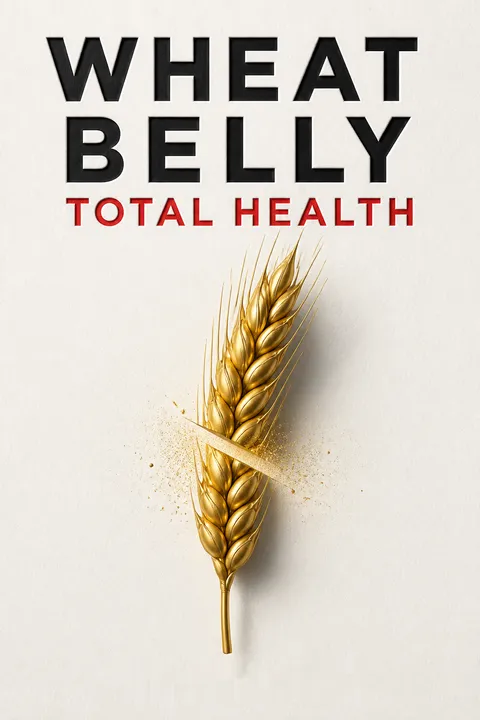


Key Takeaways
Davis's central bet is that removing every grain can reset health.
The book's wager. Davis argues that wheat is not the only concern: rye, barley, corn, rice, oats, and other grains should also be removed. He frames this as the first step toward “total health,” not merely a weight-loss tactic. His own account includes a fall in triglycerides from 350 to 42 mg/dl after he stopped eating grains, alongside improvements in mood and digestion. Such personal results explain the book's appeal, but they are not proof that the same change will produce the same outcomes for everyone.
A personal experiment. The book's practical arc is to remove grains, rebuild meals around minimally processed foods, then address any health problems that remain. Its sweeping claim that grains harm everyone is stronger than the evidence presented.
What's compelling is the book's invitation to treat everyday symptoms as worth investigating rather than as inevitable. A structured dietary trial can help a person notice patterns that broad population averages miss. The same discipline requires limits: a convincing personal response does not establish that grains caused every symptom, or that universal avoidance is necessary. A useful experiment starts with a clear baseline, changes one major factor at a time where feasible, and has a plan for reviewing results with a qualified clinician.
Treat evolutionary history as a clue, not proof of dietary harm.
Agriculture changed diets. The book contrasts the varied foods of hunter-gatherers with the grain-heavy diets that emerged after agriculture began about 10,000 years ago. Davis points to archaeological evidence of more tooth decay and other nutritional stresses among early farming populations. He also describes a study in which ten Aboriginal adults with diabetes returned to a traditional diet and lifestyle for seven weeks; their average weight and blood sugar fell, and five no longer met the study's diabetic threshold.
The comparison has limits. The participants also changed their activity, surroundings, and food choices beyond grain intake. Likewise, ancestral diets varied greatly, and agricultural societies differ in many ways besides grain consumption. These stories raise a question about modern diets, but cannot isolate grains as the cause.
What's useful here is evolutionary history as a source of hypotheses. It reminds readers that a food's modern ubiquity does not prove it is essential, and that diet changes can reshape health. But evolutionary fit is not a nutritional verdict: humans adapt to varied diets, and survival over generations does not show that a food is harmful to every individual. The Aboriginal study also illustrates a common challenge in nutrition research: a striking whole-lifestyle change can produce improvement without revealing which ingredient, or combination of changes, mattered most.
Separate grain's proposed mechanisms instead of blaming gluten alone.
Different components, different claims. Davis argues that grains contain several potentially relevant substances. Gliadin, a protein in wheat gluten, can be broken into peptides he calls exorphins, which he says interact with opioid receptors and may affect appetite or mood. Wheat germ agglutinin, or WGA, is a lectin, a protein that binds to certain sugar-bearing molecules. Grains also contain phytates, which can reduce mineral absorption, and starches that raise blood glucose. The book uses these separate mechanisms to argue that gluten is not the only possible issue and that “gluten-free” grain products may still affect health.
Mechanism is not diagnosis. These claims vary in the strength of their human evidence. A biological pathway or laboratory result does not establish that ordinary portions cause a particular illness in the general population.
The book is strongest when it distinguishes a food's components rather than treating “grain” as one substance. That approach is common in toxicology and pharmacology, where dose, route, and individual susceptibility matter. It also demands evidence at each step: a protein's ability to bind a receptor in a laboratory is not by itself evidence of a meaningful effect after eating a meal. The distinction between celiac disease, wheat allergy, and other reported sensitivities is especially important because the conditions differ in diagnosis, risks, and appropriate management.
Build meals from minimally processed foods, then watch blood sugar.
A practical reset. Davis's three-part approach is to remove grains, choose mostly single-ingredient foods, and manage other carbohydrate sources. His examples include vegetables, eggs, meat, fish, nuts, seeds, and unsweetened drinks. He warns that replacing wheat bread with packaged gluten-free bread made from ingredients such as rice flour, cornstarch, or potato starch may preserve a high refined-carbohydrate load. He also emphasizes that removing grains does not make sugary drinks or sweets metabolically neutral.
Use measurements carefully. The book proposes checking blood glucose before and 30 to 60 minutes after meals to identify foods that cause a rise. This is an optional self-monitoring tool, not a diagnosis or universal target. People with diabetes, or taking glucose-lowering medication, need clinical guidance before changing their diet.
The most durable practical insight is to replace a processed staple with recognizable foods, not merely a product wearing a different health label. That can reduce exposure to refined starch and make ingredients easier to track. Home glucose readings may help some people explore meal responses, but they vary with timing, devices, and individual physiology. A single reading cannot establish disease or predict long-term outcomes. The book's low-carbohydrate approach may suit some metabolic goals, yet dietary quality and suitability still depend on a person's health, preferences, and medical needs.
Expect the gut to need rebuilding, not just grain removal.
Symptoms can persist. Davis argues that removing grains may ease heartburn, urgency, or bloating without resolving every digestive problem. He uses dysbiosis to mean an imbalance in the gut's microbial community, and small intestinal bacterial overgrowth, or SIBO, for an abnormal excess of bacteria in the small intestine. His proposed recovery tools include probiotics, fermented foods, and prebiotic fibers, the fermentable food that gut microbes use. He recommends sources beyond grains, including onions, cabbage, legumes, and some tubers.
Do not self-diagnose. Persistent diarrhea, pain, or unintended weight loss can have causes unrelated to diet. The book discusses extensive supplements and protocols, but ongoing or severe symptoms call for medical assessment rather than an assumption that the gut simply needs more bacteria or fiber.
The attention to the gut microbiome is valuable because diet, medication, and illness can all influence microbial communities. Prebiotic fibers can support fermentation, while fermented foods and probiotic products vary widely in their organisms and effects. This is not a one-size-fits-all repair kit: evidence for a particular probiotic is specific to its strain and condition, and some fibers worsen symptoms in sensitive people. The book's gardening analogy captures the value of nourishment, but gardeners also diagnose pests and disease instead of endlessly adding fertilizer.
Replace removed grain calories with nutrient-dense foods, not supplements by default.
Check what is missing. The book highlights phytates, compounds in grains that can bind minerals such as iron and zinc. It also discusses deficiencies of B12, folate, magnesium, and vitamin D, particularly when digestive disease or poor absorption is present. Davis's practical emphasis is to build meals around varied foods, including vegetables, eggs, seafood, and meat, rather than assuming fortified grain products are the only route to adequate nutrition.
Test before treating. A person's nutrient status depends on their overall diet, health, medications, and life stage. The book recommends supplements for several deficiencies, sometimes at high doses. Those regimens should not be copied without assessment: excess iron, iodine, or vitamin D can be harmful, and supplements may interact with treatment.
This section makes an important distinction between calories and nutrition: a diet can provide plenty of energy while still lacking particular nutrients. It also offers a useful corrective to the idea that enrichment makes one food group indispensable. Yet grain fortification has public-health value, and removing fortified foods can matter for some people, especially during pregnancy or when diets are restricted. The sensible lesson is individualized assessment, not assuming that grains cause every deficiency or that supplements are automatically safer than food.
Use grain avoidance as an adjunct, never an autoimmune cure.
A proposed immune pathway. Davis describes molecular mimicry, in which the immune system mistakes a body's own protein for a similar-looking foreign one. He also discusses research on zonulin, a protein involved in the barriers between intestinal cells, and argues that grain proteins may increase intestinal permeability and contribute to autoimmune illness. The book applies this explanation far beyond celiac disease, but the strongest clinical reason to avoid particular grains is a diagnosed condition such as celiac disease or a grain allergy.
Keep medical care in view. The author presents grain elimination, vitamin D, and gut-focused strategies as ways to improve autoimmune conditions. They are not proven replacements for diagnosis, medication, or monitoring. Anyone considering a gluten-free diet should discuss testing first, because removing gluten can complicate celiac disease testing.
The proposed connection between intestinal barriers and immune regulation is scientifically interesting, and the idea of molecular mimicry is established in immunology. The leap from a plausible pathway to the claim that grains initiate a broad range of autoimmune diseases is much less secure. Autoimmune conditions have complex causes, including genetic and environmental factors, and a dietary response cannot confirm a diagnosis. This is a case where the book's practical suggestion can be tested only as an adjunct, with medical care preserved and claims about cure resisted.
When weight stalls, investigate sleep, medication, stress, and thyroid function.
Look beyond the menu. Davis argues that a stalled scale may reflect more than food choices. He identifies poor sleep, chronic stress, thyroid problems, changes in cortisol rhythms, some medications, and low muscle mass as possible obstacles. The book also warns against replacing grains with refined gluten-free products, sugary drinks, or frequent alcohol, which can undermine weight goals. Its larger point is that persistent weight difficulty can be a clue to a health issue rather than proof of weak willpower.
Review treatment safely. The author discusses adjusting diabetes and blood-pressure medication as diet and weight change. Such changes can create risks, including low blood sugar or blood pressure. Medication decisions belong with the prescribing clinician, not a self-directed diet plan.
This is a productive shift from moral judgment to troubleshooting. Sleep, stress, medication, and endocrine function can influence appetite, energy, and weight regulation, so a plateau may justify a broader health review. The caution is that symptoms alone cannot diagnose thyroid or adrenal dysfunction, and the book's preferred hormone targets and treatment approaches are contested. A careful clinician can separate a treatable condition from an attractive but unsupported explanation, while also protecting patients from abrupt medication changes.
Give endurance metabolism time to adapt before judging performance.
An adjustment period. Davis says people accustomed to relying on carbohydrate may feel less energetic during the first several weeks of grain and carbohydrate restriction. He describes the body shifting toward greater use of stored fat, with adaptation taking roughly four to six weeks. The book cites a study by Stephen Phinney in which participants on a ketogenic diet showed improved treadmill endurance after six weeks, despite carrying weights equivalent to the pounds they had lost.
Do not generalize too fast. That study involved a particular group and a specific diet. It does not prove that every athlete performs better without grains, or that competitive athletes should change fueling without planning. The book also recounts Novak Djokovic's success after removing wheat, but a single athlete's season cannot identify the cause.
The useful idea is that training fuel and performance can change over time, so judging a dietary shift by the first few days may be misleading. The evidence described is suggestive, not decisive: a small study under a specific protocol cannot settle what works for different sports, training loads, or athletes. Elite performance also reflects coaching, practice, recovery, and many other variables. Athletes who experiment should monitor training quality and recovery, and avoid treating one successful case as a universal prescription.
Measure outcomes beyond pounds, including energy, digestion, and metabolic markers.
Define success broadly. “Total health” in the book means looking beyond body weight to symptoms and measures such as blood glucose, blood pressure, triglycerides, sleep, joint comfort, and digestive function. Davis presents a timeline in which some reported changes appear within days, while inflammatory or neurological problems may take months or longer. Reader testimonials, including stories of major weight loss and reduced medication use, give the narrative its human force, but remain individual accounts rather than controlled evidence.
Make the test informative. Record a starting point, change the diet, and track a small set of relevant outcomes. That makes it easier to notice benefit, no effect, or deterioration. For celiac disease, allergy, chronic illness, or medication use, make the plan with a clinician rather than using symptoms alone to judge safety.
The book's best methodological lesson is to define what improvement would actually look like. A scale can miss gains in mobility or blood sugar, while a dramatic testimonial can make coincidence feel like proof. Simple tracking reduces both errors: it gives an intervention a fair test and makes unexpected changes visible. The approach also needs a stopping rule. If a restrictive diet harms social life, nutrition, or symptoms, that cost belongs in the assessment alongside any benefit.
Analysis
Wheat Belly Total Health is a popular medical argument built as a three-stage journey: remove grains, construct a minimally processed diet, then address residual health concerns. Its strongest feature is practical and rhetorical. Davis connects a familiar food category to everyday complaints, tells patient stories, and gives readers a way to question the assumption that whole grains are automatically healthy. The distinction between wheat, gluten, other grain proteins, starch, and phytates also invites more precise questions than a simple gluten-free label does.
Its central weakness is the gap between mechanism and broad causal certainty. Evidence that a protein can affect cells, that a disease is more common in a population undergoing dietary change, or that one person improves after changing diets does not prove that grains cause a wide range of illnesses in most people. The ancestral comparisons and testimonials are especially vulnerable to confounding: activity, food processing, income, infection, and other environmental changes move alongside grain intake. The book often presents debated mechanisms as if they establish the population-wide conclusion.
A careful reader can retain the experiment while rejecting the universal verdict. A time-limited, nutritionally sound dietary change may help identify personal triggers, particularly when symptoms repeatedly track exposure. That is different from declaring every grain harmful or discontinuing treatment. Celiac disease and food allergy require appropriate clinical evaluation, and removing gluten before celiac testing can affect the diagnostic process. People using medication for diabetes or blood pressure need supervision when dietary changes alter their readings.
The most useful adaptation is therefore not a decree to imitate an imagined ancestral menu. It is a method: distinguish a compelling hypothesis from demonstrated causality, observe individual response, replace foods thoughtfully, and measure outcomes beyond weight. The book's influence comes from making readers question dietary orthodoxy. Its claims are most valuable when that skepticism is applied to the book itself as well as to conventional advice.
Review Summary
Wheat Belly Total Health receives mixed reviews. Many praise its insights on grain elimination for improved health, citing benefits like weight loss, reduced inflammation, and better sleep. Readers appreciate the detailed explanations of how grains affect the body. However, some find the book repetitive and overly extreme in its claims. Critics question the scientific validity of eliminating all grains and argue the diet may be unsustainable. Despite these concerns, many readers report positive health changes after adopting the book's recommendations.
People Also Read



Glossary
Frankengrains
Modern altered grain varietiesDavis's term for modern grain varieties changed through breeding, hybridization, mutation, or genetic engineering to meet agricultural or food-processing goals. He argues that these changes may have altered grain proteins and other traits in ways that affect human health. The term is rhetorical, not a scientific classification, and does not itself establish that a variety is harmful.
Exorphins
Food-derived opioid-like peptidesThe book uses exorphins for small peptides derived from food proteins, particularly gliadin in wheat, that Davis says can bind to opioid receptors. He proposes that this may influence appetite, cravings, mood, or cognition. The concept describes a possible biological mechanism; the book's larger claims about ordinary grain consumption and widespread effects should not be treated as established for everyone.
Wheat germ agglutinin
A grain lectin proteinWheat germ agglutinin, abbreviated WGA, is a lectin found in wheat. Davis describes lectins as proteins that bind to particular sugar-bearing molecules and argues that WGA may affect intestinal tissue and hormonal signaling. The book extends these proposed effects to other grains with similar lectins. The term names a protein, while its alleged health effects in typical human diets require separate evidence.
Dysbiosis
Disrupted microbial balanceDysbiosis refers to an altered community of microorganisms in or on the body, especially the gut in this book. Davis associates it with digestive symptoms, inflammation, and several chronic conditions, and proposes probiotics, fermented foods, and prebiotic fibers as ways to support healthier microbial communities. The term does not identify one specific cause or diagnosis, and the significance of a microbial pattern depends on the person and condition.
Small intestinal bacterial overgrowth
Excess bacteria in small intestineSmall intestinal bacterial overgrowth, or SIBO, describes an abnormal increase or change in bacteria in the small intestine, where bacterial numbers are normally lower than in the colon. The book links it with bloating, bowel changes, and other symptoms, and discusses testing and treatment. Similar symptoms can have many causes, so SIBO should not be inferred from symptoms alone.
Prebiotics
Fibers that nourish gut microbesPrebiotics are fibers or related carbohydrates that resist digestion in the upper gut and can be used by certain intestinal microbes. Davis emphasizes that they can support fermentation and production of short-chain fatty acids, including butyrate, which helps nourish intestinal cells. He describes nongrain sources such as onions, legumes, and inulin. Tolerance varies, and increasing these fibers can initially cause gas or discomfort.
Molecular mimicry
Immune confusion between similar proteinsMolecular mimicry is the proposed process in which a foreign protein resembles a protein in the body closely enough that an immune response to the foreign substance also targets the body's tissue. Davis applies this idea to grain proteins and autoimmune disease. It is a recognized immunological concept, but the existence of a possible resemblance does not by itself show that eating a food causes a specific autoimmune condition.
Post-traumatic grain gut syndrome
Lingering digestive problems after grainsDavis's label for persistent digestive difficulties that he believes can remain after grain elimination. He attributes them to lingering changes in digestion, nutrient status, intestinal function, or gut microbial communities. The phrase is not a standard medical diagnosis. Persistent symptoms may need evaluation for causes unrelated to grains, rather than being presumed to reflect damage from a prior diet.
FAQ
1. What is Wheat Belly Total Health by William Davis about?
- Comprehensive grain-free health plan: The book presents a detailed program for eliminating all grains from the diet to restore health, lose weight, and reverse chronic diseases.
- Three-part structure: It covers why grains are harmful, how to live grain-free, and advanced steps for total health beyond just grain elimination.
- Focus on total health: Davis emphasizes correcting nutritional deficiencies, restoring gut flora, and addressing autoimmune and hormonal disruptions as part of the recovery process.
2. Why should I read Wheat Belly Total Health by William Davis?
- Challenges conventional dietary advice: The book exposes the hidden harms of grains and questions mainstream recommendations that promote grains as healthy.
- Empowering health transformation: It offers practical strategies to reverse chronic diseases, improve mental clarity, and enhance physical performance through a grain-free lifestyle.
- Evidence-based and inspiring: Davis draws on scientific research and real-life success stories to illustrate the dramatic health improvements possible with his approach.
3. What are the key takeaways from Wheat Belly Total Health by William Davis?
- Grain elimination is foundational: Removing all grains is the first and most crucial step to regaining health and reversing chronic conditions.
- Holistic health restoration: The plan goes beyond weight loss, addressing joint pain, allergies, hormonal imbalances, and autoimmune diseases.
- Return to natural eating: Davis advocates for a diet of real, single-ingredient foods—vegetables, meats, nuts, and healthy fats—mimicking ancestral eating patterns.
- Comprehensive lifestyle change: The book provides stepwise guidance, including managing carbohydrates, correcting deficiencies, and restoring gut health.
4. What are the main reasons grains are considered harmful in Wheat Belly Total Health by William Davis?
- Evolutionary mismatch: Humans have only consumed grains for a tiny fraction of their history and lack the digestive adaptations of grain-eating animals.
- Toxic grain components: Grains contain proteins like gliadin, wheat germ agglutinin, phytates, and lectins that damage the gut, cause inflammation, and block nutrient absorption.
- Modern grain mutations: Genetic alterations and hybridization have increased the toxicity of modern grains, contributing to autoimmune diseases and metabolic disorders.
5. How does Wheat Belly Total Health by William Davis explain the impact of grains on digestion and gut health?
- Gastrointestinal disruption: Grains can cause acid reflux, irritable bowel syndrome, constipation, and inflammatory bowel diseases by damaging the intestinal lining.
- Dysbiosis and SIBO: Grain consumption disrupts healthy gut flora, leading to bacterial overgrowth and worsening digestive symptoms.
- Increased intestinal permeability: Proteins like gliadin make the gut "leaky," allowing toxins to enter the bloodstream and trigger immune reactions.
6. What is the connection between grains and autoimmune diseases in Wheat Belly Total Health by William Davis?
- Molecular mimicry: Grain proteins, especially gliadin, resemble human enzymes, causing the immune system to attack the body’s own tissues.
- Wide range of conditions: Grains are linked to autoimmune diseases such as celiac disease, type 1 diabetes, rheumatoid arthritis, multiple sclerosis, and Hashimoto’s thyroiditis.
- Not limited to gluten sensitivity: Autoimmune reactions can occur even in people without celiac disease or obvious gluten intolerance.
7. What are the three key steps in the grain-free lifestyle recommended in Wheat Belly Total Health by William Davis?
- Step 1: Eliminate all grains: Remove both obvious and hidden sources of grains, including wheat, rye, barley, corn, rice, and processed foods.
- Step 2: Eat real, single-ingredient foods: Focus on vegetables, meats, nuts, seeds, and healthy fats, avoiding processed foods and hidden grain additives.
- Step 3: Manage carbohydrates: Control carb intake to maintain stable blood sugar, avoiding high-glycemic foods and gluten-free processed substitutes.
8. How does grain elimination affect weight loss and metabolism according to Wheat Belly Total Health by William Davis?
- Appetite suppression: Removing grains reduces appetite by eliminating gliadin-derived opiates, leading to a natural decrease in calorie intake.
- Blood sugar stabilization: Eliminating grains prevents blood sugar spikes, reduces insulin resistance, and helps decrease visceral fat.
- Leptin signaling restored: Grain lectins disrupt leptin, the satiety hormone; grain elimination helps restore normal appetite control and promotes weight loss.
9. What withdrawal and reexposure symptoms are described in Wheat Belly Total Health by William Davis?
- Opiate-like withdrawal: Initial grain elimination can cause fatigue, headaches, nausea, depression, and cravings, typically lasting about five days.
- Metabolic adjustment: The body shifts from burning carbs to fat, which may cause low energy for several weeks during adaptation.
- Reexposure reactions: After months grain-free, even small exposures can trigger severe digestive, joint, and mental symptoms, sometimes lasting weeks.
10. How does Wheat Belly Total Health by William Davis address hormonal and endocrine health?
- Grains as endocrine disruptors: Grain proteins mimic hormones like insulin and leptin, disrupting metabolism, appetite, and fat storage.
- Sex hormone balance: Grain elimination can restore menstrual regularity, fertility, and testosterone levels, benefiting both women and men.
- Adrenal and thyroid health: The book discusses how grains and environmental chemicals disrupt cortisol and thyroid hormones, and offers testing and treatment strategies for recovery.
11. What strategies does Wheat Belly Total Health by William Davis recommend for restoring gut health and correcting nutritional deficiencies?
- Probiotic supplementation: Use high-potency, broad-spectrum probiotics to restore healthy gut flora disrupted by grains.
- Prebiotic fiber intake: Consume nongrain prebiotic fibers from vegetables, legumes, and tubers to nourish beneficial bacteria.
- Correcting deficiencies: Focus on replenishing iron, zinc, magnesium, vitamin D, omega-3s, iodine, B12, and folate, as grains impair absorption of these nutrients.
12. What are the best quotes from Wheat Belly Total Health by William Davis and what do they mean?
- "You’ve been grained." Highlights the hidden, widespread damage grains have caused to human health despite their promotion as healthy staples.
- "Liberate your inner cow." Emphasizes that humans are not adapted to eat grains like ruminant animals, underscoring the evolutionary mismatch.
- "Less bad is not necessarily good." Warns against settling for less harmful grains; complete elimination is advocated for optimal health.
- "All great change in America begins at the dinner table." Stresses the transformative power of dietary change, especially grain elimination, for personal and societal health.
About the Author
Other books by William Davis




Download PDF
Download EPUB
.epub digital book format is ideal for reading ebooks on phones, tablets, and e-readers.








