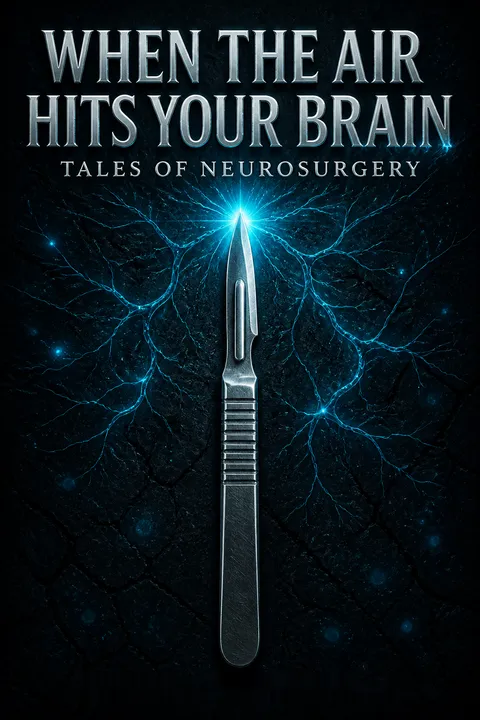


Key Takeaways
Treat every brain operation as major because mistakes cannot be undone.
Irreversibility changes everything. The brain and spinal cord have limited ability to repair damage. Vertosick’s mentor teaches that an operation’s difficulty is not measured only by the movements it requires, but by what a mistake could permanently take from a patient. A small procedure can carry enormous stakes when the tissue being handled cannot be replaced or restored with a stitch.
The stories are deliberately selective. The book’s cases are composites, and Vertosick chooses many painful outcomes because failure shaped him more than routine success. He warns that this darker collection does not represent neurosurgery’s usual results. Its focus is the human burden of acting where consequences can last a lifetime, not a claim that every operation ends badly.
What's striking is how irreversibility changes the psychology of ordinary work. A surgeon may perform a familiar motion hundreds of times, yet each patient receives a one-time version with no reset button. That resembles other high-stakes work, where reliable procedures matter because attention alone cannot eliminate risk. The principle should not become fatalism: the book also shows recovery, adaptation, and good outcomes. Its selected tragedies teach respect for consequences, but they cannot tell readers how often a particular operation succeeds.
When the chart and patient disagree, trust the mismatch enough to investigate.
An inconsistency can be a warning. During a routine history and examination, medical student Vertosick noticed that Harvey Rathman’s right-arm pain did not match a report describing a disc problem on the left. In the dim room, he also saw unequal pupils, a Horner’s sign, which can result when nerves supplying the eye are disrupted. Together, the clues suggested a tumor near the top of the lung, not a neck disc.
The operation was stopped. Further testing found a Pancoast tumor, a lung cancer that had spread into nerves serving the arm. The discovery spared Rathman an operation that could not have treated his real illness. The episode makes bedside examination more than paperwork: it can expose a wrong assumption hiding inside an otherwise convincing plan.
This is a vivid example of diagnostic reasoning as anomaly detection. A clinician does not need to know the answer immediately; noticing that two facts do not fit can be enough to prevent a cascade of avoidable action. The case also shows why checking the patient, images, consent, and operative side is a safety practice, not administrative fussiness. One striking success cannot establish how often this approach changes outcomes, and a suspicious sign still requires proper testing rather than confident guessing.
Training teaches more than technique; it teaches what a profession tolerates.
The career began by accident. Vertosick studied theoretical physics, then landed on a neurosurgery rotation because the specialty he wanted was unavailable. A patient's unusual eye finding helped persuade senior surgeons to recruit him. He entered a demanding hierarchy where trainees performed essential chores, endured criticism, and learned through close exposure to cases, not simply from textbooks.
Every workplace has a hidden curriculum. This is the set of unwritten lessons conveyed by daily behavior, status, and what supervisors reward or punish. In Vertosick’s residency, it included technical discipline and attention to emergencies, but also deference, bravado, and an expectation that trainees absorb punishing hours. His stories show that apprenticeship forms a professional identity along with a set of skills.
The hidden curriculum is powerful because people learn not only from instructions but from what earns approval. A trainee who sees speed rewarded and doubt mocked may acquire confidence while losing the habit of asking for help. The same apprenticeship can transmit precision, practical judgment, and responsibility that a lecture cannot provide. The book’s portrait is rooted in an earlier training culture, so its grueling conditions should not be treated as necessary proof of excellence. High standards and humiliation are not the same thing.
Pain is a sensation; suffering grows when fear supplies the meaning.
Pain carries more than a signal. Vertosick distinguishes physical pain from suffering, the emotional burden created by fear, uncertainty, anger, or despair. A backache may become terrifying if someone fears that cancer has returned; reassurance can ease that distress even when the ache itself has not changed. He describes endorphins, the body’s pain-modulating chemicals, and spinal gating, in which one sensation can reduce another sensation’s access to awareness.
Pain is hard to measure from outside. The service sees people whose suffering is difficult to trace to a clear injury, alongside patients with obvious disease. The residents debate what unusual pain descriptions mean, but the senior staff stress that no reliable pain meter exists and that a psychological component does not prove pain is fabricated. Treatment may require more than surgery.
The distinction helps explain why symptom intensity and emotional distress do not always rise together. It also warns against treating pain as a simple readout of tissue damage. Yet a clinician should be careful not to turn vivid language into a shortcut for diagnosing psychological illness. The book captures that tension: experience is real even when its cause is unclear. A useful response is curiosity about both the body and the story surrounding it, not a contest over whether the patient deserves belief.
Compare surgery’s risks with the disease, not with a surgeon’s appetite for action.
Some operations prevent future harm. Vertosick calls these statistical operations: procedures performed to reduce the chance of a later catastrophe, rather than to relieve a current symptom. Andy Wood had three brain aneurysms but only one artery supplying his brain. Clipping an aneurysm might prevent another bleed, yet injuring that lone artery could be devastating. The choice involved competing risks, not a guaranteed cure.
The patient bears the uncertainty. The attending surgeon favored operating, while a more cautious resident questioned whether the risk was justified. Andy’s parents, overwhelmed by the explanations, left the final judgment to the physicians. The episode exposes the responsibility involved in presenting options clearly, especially when patients cannot easily assess technical claims and no one can predict an individual outcome with certainty.
This is where technical skill and ethical judgment meet. Population statistics can show that an intervention helps a group, but they cannot erase the uncertainty facing one person with unusual anatomy. The surgeon’s confidence may clarify a decision, or it may quietly substitute personal temperament for the patient’s values. Shared decision-making is most meaningful when the uncertainties, alternatives, and likely consequences of doing nothing are explained in language the family can use.
Caring must steady the hand, not disappear from the room.
Emotional armor has a cost. Gary, a gifted chief resident, accidentally damaged an aneurysm during Andy’s operation. Andy survived the procedure but could not breathe independently, and months of complications left him blind and desperate to die. Gary showed little visible remorse. The case forces Vertosick to ask whether detachment protects a surgeon or makes it easier to stop seeing the patient’s loss.
Then Vertosick makes his own error. While operating on Charles Bognar, he tore a brain aneurysm and caused a devastating stroke. His guilt and depression were intense. A colleague reminds him that surgeons cannot control every disease or guarantee every result, but Vertosick concludes that caring still matters: it fuels caution and effort, even though it cannot make every outcome good.
The contrast rejects two easy stories: that a good doctor must feel nothing, or that deep concern guarantees good care. Emotional steadiness can protect a clinician from panic, while suppressed accountability can turn harmful outcomes into routine anecdotes. The book’s strongest implication is that resilience needs both boundaries and honest reflection. A difficult complication should prompt learning and support, not self-punishment without end or an automatic appeal to bad luck.
A patient's life may depend on ordinary presence after treatment stops helping.
Rebecca could not be cured. At six weeks old, she had a malignant brain tumor obstructing the flow of cerebrospinal fluid. Surgery failed to remove it fully and damaged her brain stem. She needed a ventilator and feeding tube, while her young parents struggled to face the prognosis and eventually stopped visiting.
The relationship still mattered. Vertosick kept returning to Rebecca’s room, bringing a rattle or her stuffed rabbit. Months later, when her tumor was growing again, she recognized him and struggled to greet him. She died ten days afterward, and the rabbit was buried with her. The story does not claim that prolonged treatment was the right choice for every patient. It shows that care can include attention, familiarity, and companionship when medicine has little power to cure.
Rebecca’s story makes presence visible as a form of care rather than a substitute for treatment. It also resists reducing a life to prognosis, expense, or the machinery keeping a body alive. That does not settle difficult questions about burdensome treatment, especially when a patient cannot speak for herself. It does make the questions harder to answer casually. The family’s distance, the clinicians’ attachment, and Rebecca’s apparent delight all belong to the moral picture.
A scan can locate disease, but a history reveals the person living with it.
Technology does not supply context. In London, Vertosick watched neurologists use detailed histories and physical examinations because scans could take days or weeks to obtain. One teacher asked what kind of shop a headache patient worked in: exposure to paint solvents could matter. The lesson returned to Vertosick years later, when he realized he had operated on a woman without remembering her age.
Clinical judgment can also inherit prejudice. A Pakistani patient with a spinal tumor was assumed to have tuberculosis largely because of his background. He worsened, and surgery eventually revealed an astrocytoma. The episode shows how a supposedly relevant fact can become a stereotype that blocks better reasoning. Care requires both the tools to see disease and the discipline to ask what the evidence actually supports.
The patient’s history supplies information a scan cannot, including work, function, and what changes would matter most to that person. But bedside knowledge is not automatically unbiased: the same attention to background can slide into assumptions about nationality or class. The strongest clinical picture comes from combining careful examination with appropriate tests, then checking whether a conclusion fits the whole case. Neither technology nor intuition deserves unquestioned authority.
The best surgical result can be a grandmother walking twenty yards again.
A small return can restore a life. Grace Catalano had severe leg and back pain that had been dismissed as ordinary arthritis. Vertosick suspected lumbar stenosis, a narrowing of the lower spinal canal that can compress nerves. After surgery and rehabilitation, she returned to his office walking with her twin granddaughters, rather than arriving in a wheelchair.
Recovery is not always dramatic. Billy Renaldo’s spinal cord was compressed by a blood clot after a truck crash. An emergency operation relieved the pressure, but he remained paralyzed for months. With rehabilitation, he began to recover movement and eventually walked again. These stories make success more concrete than prestige: a patient may measure it in a walk, a family outing, or the ability to return to work.
The measure of success changes when it is taken from the patient’s daily life rather than the operating room. A technically impressive procedure matters only insofar as it helps someone regain a valued capacity, and the capacity may seem modest from the outside. Grace’s walk is especially persuasive because the purpose is visible: she is again moving alongside her grandchildren. The book also shows that recovery is uncertain, so hope should be offered without promising a particular ending.
When the surgeon becomes a patient, control looks different.
The postscript changes the vantage point. Years after training, Vertosick developed a tremor in his left hand and was diagnosed with early Parkinson’s disease. He gradually gave up operating, although he remained able to play tennis, golf, and scuba dive. The change narrowed his professional life without erasing the rest of his life.
Medical knowledge does not cancel vulnerability. Vertosick writes about moving from healer toward patient, and about the possibility that he may someday need brain stimulation. The book closes not with a technical triumph but with a question about what it means to undergo the kind of intervention he once performed. The human dimension of illness, he argues, persists even as surgical tools and techniques change.
The reversal unsettles the clean division between expert and patient. A surgeon may know the anatomy and still face uncertainty, dependence, and the loss of a defining ability. That perspective can deepen empathy, but it should not be treated as a prerequisite for understanding patients; suffering is not a credential. The postscript’s force comes from showing that professional identity can change while a person remains larger than the work he can no longer do.
Analysis
This is a memoir built as a sequence of clinical encounters, not a textbook or a clean redemption story. Its narrative engine is the gap between what medicine can do and what patients need: the young surgeon learns procedures, but also learns that the outcome is often uncertain, the cost of error permanent, and the patient never reducible to the scan. Recurring characters, especially Gary, let the reader watch the same training culture produce technical excellence, dark humor, and troubling emotional habits.
The case structure makes difficult concepts memorable. A pupil finding redirects a planned operation; a ruptured aneurysm turns confidence into guilt; a baby’s brief smile makes bedside presence matter. These are not statistical samples. The author explicitly presents altered composite cases and selects many failures because they shaped his development. Their value is ethical and experiential, not as evidence about the frequency of complications or the effectiveness of treatments.
The book’s candor is also bound to its time. Its residency culture prizes endurance and hierarchy, while some of its clinical judgments, especially about pain and psychiatric illness, are offered through the language of one training environment. The reader should distinguish the durable questions from the dated answers: how to communicate uncertainty, how to examine before acting, how to learn from errors, and how to preserve dignity when cure is unavailable. The candid accounts of mistakes are valuable, but the narrative’s emphasis on individual character sometimes leaves institutional safeguards less developed than personal courage.
The postscript completes the perspective shift. The surgeon who spent years managing other people’s vulnerable brains faces Parkinson’s disease and the loss of surgery himself. This does not make the stories sentimental; it clarifies their central subject. Neurosurgery is the setting, but the book is ultimately about humans making consequential decisions for other humans, under conditions where mastery is real and never complete.
Review Summary
When the Air Hits Your Brain is a compelling memoir of a neurosurgeon's career, praised for its honest, humorous, and often emotional storytelling. Readers appreciate Vertosick's candid approach to discussing both successes and failures in his field. The book offers fascinating insights into the world of neurosurgery, balancing technical details with human experiences. Many reviewers found the stories deeply moving, particularly those involving young patients. While some readers noted the book's age, most felt its core messages about compassion, ethics, and the realities of medical practice remain relevant and impactful.
People Also Read


Glossary
Horner's sign
Eye changes from nerve disruptionA clinical pattern caused by disruption of sympathetic nerves serving the eye. It can include a smaller pupil on the affected side and other eye or facial changes. In Vertosick’s case, an unequal pupil helped suggest that a patient’s arm pain came from a tumor near the lung rather than from the spinal disc listed in his chart.
gating
One sensation masks anotherA pain-modulating process in which competing sensory input reduces how strongly a painful signal reaches conscious awareness. Vertosick describes rubbing an injured area as a familiar example. He also connects the idea to devices that stimulate touch pathways, such as TENS units and spinal cord stimulators, in attempts to lessen chronic pain.
statistical operation
Surgery to reduce future riskVertosick’s term for an operation performed chiefly to lower the probability of a future catastrophe, rather than to relieve a current symptom. Aneurysm clipping is an example. The decision compares the uncertain risks of surgery with the uncertain natural course of the disease, while recognizing that group statistics cannot predict exactly what will happen to one patient.
failed back syndrome
Persistent pain after back surgeryA term used in the book for severe leg pain that continues after one or more operations to remove a herniated lumbar disc. The pain may persist because a spinal nerve has been damaged, even when the operation was considered technically successful. Vertosick describes treatments such as TENS units and implanted spinal cord stimulators.
Ondine's curse
Loss of automatic breathingA rare condition described in the book in which damage to the medulla disrupts automatic respiratory drive. The person can breathe when consciously prompted but may stop breathing when attention lapses or sleep begins. Vertosick’s patient developed the condition after an aneurysm operation and remained dependent on a ventilator.
Lazarus movements
Reflex movements after severe brain injuryMovements generated by spinal circuits in patients whose higher brain function has been destroyed or severely damaged. A hand may grasp or a limb may withdraw without conscious awareness. The term warns clinicians and families that movement alone does not demonstrate recovery of consciousness or invalidate a careful determination of brain death.
Death and doughnuts
Conference on complications and deathsThe residents’ informal name for a regular meeting where surgical complications and deaths were discussed. Vertosick presents the conference as a place where grave outcomes could be reviewed, but also sometimes reduced to familiar shorthand. The label captures the uneasy mixture of routine hospital culture and the irreversible consequences being examined.
butterfly effect
Small beginnings change outcomesA concept from chaos theory describing how tiny differences in initial conditions can produce very different outcomes in a complex system. Vertosick applies it to his own career: a scheduling decision and other minor contingencies helped direct him toward neurosurgery. The term frames a life path as shaped partly by accidents that seem insignificant at the time.
FAQ
What's When the Air Hits Your Brain about?
- Neurosurgery Insights: The book offers an intimate glimpse into the life of a neurosurgeon, detailing the challenges and emotional toll of the profession. It combines personal anecdotes with clinical experiences, providing a unique perspective on brain surgery.
- Human Experience: Frank T. Vertosick Jr. shares stories of patients and their struggles, emphasizing the human side of medicine. The narrative is filled with reflections on life, death, and ethical dilemmas faced by surgeons.
- Training Journey: It chronicles Vertosick's journey through medical school and residency, highlighting the rigorous training and psychological impact of working in a high-stakes environment.
Why should I read When the Air Hits Your Brain?
- Educational Value: The book serves as an educational resource for those interested in medicine, particularly neurosurgery, offering insights into surgical processes and patient care.
- Emotional Connection: The author’s candid storytelling fosters an emotional connection with readers, making them empathize with both patients and medical professionals.
- Real-Life Stories: Filled with real-life stories, the book illustrates the unpredictability of medicine, showcasing both triumphs and failures in the profession.
What are the key takeaways of When the Air Hits Your Brain?
- Complexity of Neurosurgery: The book emphasizes that neurosurgery involves not just technical skill but also understanding the human condition, highlighting the emotional weight of life-and-death decisions.
- Training and Resilience: Vertosick discusses the grueling training process and the resilience required to succeed, reflecting on the psychological challenges faced by medical professionals.
- Patient-Centric Care: The narrative underscores the importance of seeing patients as individuals with stories, fostering compassion and empathy in medical practice.
What are the best quotes from When the Air Hits Your Brain and what do they mean?
- “You ain’t never the same when the air hits your brain.”: This quote encapsulates the profound impact of neurosurgery on both patients and surgeons, suggesting irreversible consequences on identity and consciousness.
- “The only minor operation is one that someone else is doing.”: Highlights the gravity of surgical procedures and the mindset of surgeons, reflecting the intense pressure and responsibility of surgery.
- “Failure instructs better than success.”: Speaks to the learning process in medicine, emphasizing that mistakes often provide deeper insights than successes, encouraging growth and reflection.
What is the significance of the title When the Air Hits Your Brain?
- Metaphorical Meaning: The title metaphorically represents critical moments in neurosurgery when decisions must be made that can affect a patient's life and brain function.
- Surgical Precision: Reflects the precision required in neurosurgery, where even a small mistake can have catastrophic consequences.
- Life and Death: Encapsulates the gravity of situations faced by neurosurgeons, where the air hitting the brain can signify both hope and despair.
How does When the Air Hits Your Brain address the emotional challenges faced by neurosurgeons?
- Emotional Toll: Vertosick candidly discusses the emotional toll of neurosurgery, including dealing with patient deaths and complications, and the psychological burden surgeons carry.
- Coping Mechanisms: Explores various coping mechanisms surgeons use to manage stress and emotional fatigue, highlighting the importance of support systems.
- Human Connection: By sharing his vulnerabilities, Vertosick emphasizes the need for human connection in medicine, advocating for a compassionate approach to patient care.
How does When the Air Hits Your Brain portray the training process for neurosurgeons?
- Rigorous Training: Details the rigorous training process neurosurgeons undergo, highlighting long hours and intense pressure, illustrated through Vertosick's experiences.
- Cult-like Environment: Describes the culture within surgical training programs, likening it to a cult with its own rules and expectations, shaping the identities of residents.
- Personal Growth: Emphasizes personal growth and resilience development, reflecting on how residency challenges prepare surgeons for medical practice realities.
What role does patient empathy play in When the Air Hits Your Brain?
- Importance of Empathy: The book underscores empathy's importance in patient care, advocating for a compassionate approach to medicine for better outcomes.
- Humanizing Medicine: By sharing personal stories, Vertosick humanizes medicine, reminding readers that behind every diagnosis is a person with a unique story.
- Impact on Surgeons: Reflects on how empathy affects surgeons, helping them cope with emotional challenges, maintaining humanity in medical practice.
How does When the Air Hits Your Brain address the concept of surgical failure?
- Learning from Failure: Vertosick emphasizes that failure is an inherent part of surgical practice, providing valuable lessons and shaping medical approaches.
- Emotional Impact: Explores the emotional impact of surgical failure on both patients and surgeons, sharing feelings of guilt and responsibility.
- Resilience and Growth: Encourages resilience and growth in the face of failure, highlighting the importance of learning from mistakes to improve future practice.
What are some patient stories highlighted in When the Air Hits Your Brain?
- Andy Wood's Tragedy: Illustrates the devastating consequences of surgical errors and the emotional toll on the medical team and family.
- Billy Renaldo's Recovery: Showcases human spirit resilience, as Billy battles paralysis and regains some function after a traumatic injury.
- Sarah Clarke's Fight: Highlights difficult choices patients face, with Sarah's journey through pregnancy and brain cancer impacting her family.
What challenges do neurosurgeons face according to When the Air Hits Your Brain?
- Emotional Burden: Neurosurgeons carry the emotional burden of patient outcomes, grappling with guilt and responsibility for surgical failures.
- High-Stakes Decisions: Emphasizes the high-stakes nature of neurosurgery, where decisions can lead to life-altering consequences for patients.
- Work-Life Balance: Discusses the difficulty of maintaining work-life balance in a demanding field, often leading to burnout and personal sacrifices.
How does the author reflect on his own experiences in When the Air Hits Your Brain?
- Personal Growth: Reflects on growth from a compassionate medical student to a seasoned resident, acknowledging the profession's emotional toll.
- Moral Complexity: Grapples with moral complexities of surgery, questioning decisions and their impact on patients' lives.
- Legacy of Care: Emphasizes the importance of leaving a legacy of care and compassion, even in a field that can feel cold and clinical.
Download PDF
Download EPUB
.epub digital book format is ideal for reading ebooks on phones, tablets, and e-readers.








