

Plot Summary
Prologue
The older narrator addresses her daughter as someone who must learn what happened to a group of girls sent to a maternity home. She remembers how adults called them irresponsible, sinful, and immature, even though Rose was not yet eighteen, Holly was fourteen, and she herself was fifteen.
Their pregnancies made them subjects of other people’s rules, judgments, and plans. The narrator begins by insisting that the girls were children, then hints that the only ally they found in the home was something their teachers and parents had taught them to fear.
The opening frames the tale as testimony, not simply recollection. The narrator’s repeated insistence on the girls’ ages counters the official language that made them seem culpable adults, while her secrecy about names shows that institutional shame has outlasted the institution itself. The hint that witchcraft became their friend establishes a charged reversal: the frightening supernatural may offer more recognition than respectable authorities do. By addressing her daughter, the narrator also makes the history intimate. The story’s central question is not whether the girls made mistakes, but who had the power to decide what those mistakes meant and what their consequences would be.
Southbound to Wellwood
At six months pregnant, fifteen-year-old Neva Craven rides south from Alabama while her father refuses to explain their destination. She has tried dangerous remedies to end the pregnancy and hidden from school, relatives, and neighbors, but her family has discovered the truth. At a roadside stop, her father gives her his wedding ring to wear, disguising her as a married woman for strangers who might judge her.
He promises this separation will be temporary, then drives her to Wellwood House, a home for unmarried pregnant girls. Neva enters hoping he will stay long enough to say goodbye. Instead, he leaves without her, taking with him the last familiar person who knows her as more than a pregnancy.
Neva’s father’s ring is a practical disguise, not a sign of affection or protection. The gesture briefly shields her from public judgment while making clear that the family’s main concern is how her condition appears to others. His departure turns concealment into exile: Neva is not merely separated from home, but stripped of the context that made her a daughter, student, and actress. The institution will reinforce that reduction by treating pregnancy as her defining identity. Her small hope that her father will say goodbye shows how much she still depends on ordinary parental care, even after his anger has made that care unreliable.
A Name From the Garden
The girls warn Neva not to use her real name, and the director, Miss Wellwood, assigns her the alias Fern, orders her to claim she comes from Baltimore, and forbids talk of family or past life. Her father has already left, so Fern follows the house rules in the hope that obedience will earn her return home.
She meets Rose, a sharp-tongued pregnant teenager who refuses to cooperate, and Hazel, who offers a gentler welcome. In the crowded rooms, the girls are called by assigned names and sorted into routines of meals, lessons, and work. Fern sees that their pregnancies are visible to everyone, while their actual histories are being deliberately erased.
The renaming policy is a technology of social control disguised as privacy. It protects the girls from being identified outside the home, but it also teaches them that their prior selves are liabilities to be hidden. Fern accepts the alias because she wants the promise of a return to normal life, not because she has embraced the institution’s judgment. Rose’s resistance offers a contrasting response, though it initially looks to Fern like mere hostility. Their different coping styles reveal a central tension: compliance can feel like a route back to safety, while defiance can preserve a sense of self at the cost of provoking authority.
Signing Away Tomorrow
At her first clinic appointment, Dr. Vincent conducts a painful internal examination without preparing Fern or respecting her fear. He treats her body as a medical task and her discomfort as childish resistance. Later, social worker Diane explains adoption as a chance to erase the crisis: Fern will not need to see the baby, and her family can pretend nothing happened.
Her father has already signed the papers. Desperate to regain her old life, Fern signs under the name Jane Doe. She accepts the plan not because she feels ready to surrender a child, but because every adult around her presents surrender as the only path back to school, family, and an ordinary future.
The clinic and the social worker’s office enact two forms of bodily authority. Vincent treats Fern’s modesty as irrelevant; Diane gives her a choice, but frames only one outcome as compatible with safety and a future. Fern’s signature is therefore neither wholly coerced nor fully informed. It is an adolescent’s attempt to make an impossible situation manageable by trusting adults who promise that consequences can be erased. The Jane Doe signature deepens the disappearance already begun by her alias. Her hope of returning unchanged becomes a psychological bargain: if she complies now, perhaps no one will ever have to acknowledge what was done to her.
Myrtle's Bloodied Warning
Wellwood House runs on rigid meals, cleaning duties, lectures, and medical orders, with the girls told that discipline protects their babies. Fern gradually learns the other residents’ habits and jokes, but no one explains childbirth honestly.
One night she finds Myrtle delivering in the bathroom, bleeding and terrified after hiding the start of labor. Staff later blame Myrtle’s disobedience and diet, insisting the birth was abnormal because she failed to follow instructions.
Fern has seen the blood and pain herself, so the explanation cannot comfort her. The incident breaks her belief that obedience guarantees protection. She understands that the adults may control the girls’ schedules while withholding the knowledge they need to protect themselves.
Myrtle’s emergency is the point where institutional reassurance becomes visibly untenable. The home’s authority depends on the claim that rules produce safety, so staff convert a frightening medical crisis into a lesson about personal failure. That explanation preserves the system by making the patient responsible for what the system did not prepare her to recognize. Fern’s shock is not only fear of childbirth; it is a collapse of trust in adult expertise. The girls’ informal knowledge, shared through observation and care, begins to matter more than the official instructions they receive.
Books Through the Trees
A new resident, Zinnia, arrives from a wealthy Black family and is placed in Fern and Holly’s crowded room. Zinnia is classical, careful, and nauseated by nearly everything, while Fern recognizes in her a fellow reader and a welcome change from the home’s stale magazines. When the bookmobile comes, Fern persuades Zinnia, Rose, and Holly to choose books for one another.
The librarian, Miss Parcae, quietly gives Fern a cheap paperback about witchcraft after Fern asks for a book that might explain childbirth. She also shifts the baby in Fern’s womb, easing the pressure on her bladder. For the first time, a stranger offers practical help without scolding her.
The bookmobile introduces knowledge as a form of contact with a world beyond Wellwood’s routines. Fern’s excitement is tied less to escape than to the possibility of asking a real question and receiving an answer. Miss Parcae’s physical intervention distinguishes her from the staff, whose examinations and instructions have made Fern feel acted upon. Yet the helpfulness also gives the librarian influence: she notices what Fern wants and supplies a tool that will redirect the girls’ lives. Care and recruitment begin in the same gesture, making the librarian’s kindness compelling without making it uncomplicated.
The Doctor Gets Sick
Fern persuades the others to test a spell called Turnabout, which claims one person’s suffering can be transferred to another. They gather an egg, lemon juice, peppercorns, and strands of Dr. Vincent’s hair, then hide the resulting charm in his office. At the appointed time, Zinnia smells cleaning chemicals without becoming ill, while Vincent suddenly vomits uncontrollably during Fern’s examination.
The timing matches their experiment too closely to dismiss. Zinnia is relieved enough to eat again, but she remains cautious about calling it magic. Rose sees a weapon against the rules that govern them. Fern sees proof that the book can do more than offer distraction.
The spell gives the girls their first experience of effective action against an authority figure. Its power comes from the reversal of Vincent’s own dismissal: the bodily distress he labeled imaginary becomes physically undeniable when it happens to him. Yet the working does not simply restore fairness. It transfers suffering rather than removing it, and the girls have no understanding of what else their intervention may set in motion. Their different readings of the event foreshadow the ethical divide within the group: Rose values leverage, Zinnia tests evidence, and Fern is drawn to the possibility that the book contains answers.
Holly Finds Her Voice
Following a large black dog into the woods, Fern, Zinnia, Rose, and Holly reach the river and swim under the moon. The girls speak more honestly there than they can inside the home. Rose explains that her wealthy boyfriend abandoned her after promising they would raise their child together; Zinnia describes her mother’s attempt to end the pregnancy with repeated Lysol douches.
Then Holly reveals that her church’s Reverend Jerry has abused her since she was eight, while her parents punished her for reporting it. The minister plans to adopt her baby. Fern realizes that going home would return Holly to the man who harmed her. She accepts Miss Parcae’s offer to teach them witchcraft and makes Holly’s safety her wish.
The river scene creates a temporary space where the girls can speak without the home assigning moral meaning to every disclosure. Their bodies, usually monitored as evidence of wrongdoing, become a source of shared recognition. Holly’s account changes the stakes from resisting an unfair institution to preventing a child from being returned to an abuser. Fern’s wish follows from listening, but it also begins her entanglement with Miss Parcae. The ritual makes solidarity potent while tying that solidarity to vows whose consequences the girls do not yet understand.
Blossom Taken Away
When Dr. Vincent orders Rose to the hospital early so doctors can induce labor before the Fourth of July holiday, Rose refuses and demands a reason. After she challenges the adults in front of the other girls, Diane provokes her with the prospect of adoption, and Nurse Kent restrains her while Vincent sedates her.
Rose gives birth, then returns to the Home without her daughter, Blossom. At the hospital, staff tell her she is too young to decide whether to keep the baby and threaten confinement until she signs. Frightened by the locked ward, Rose finally surrenders Blossom. She tells Fern she feels she has failed her daughter, then turns toward the witchcraft they had dismissed as useless.
Rose’s conflict reveals how a nominal choice can be narrowed by age, confinement, and the threat of psychiatric authority. Her refusal to be induced is an attempt to protect her child’s timing, but the adults answer dissent with restraint and sedation. The later surrender is not evidence that Rose never wanted her daughter; it is the result of a system that makes keeping her seem more dangerous than relinquishing her. Her grief exposes the violence hidden inside benevolent language. It also changes her desire from escape with Blossom to making the adults experience the helplessness they imposed.
The Price of Rose's Curse
Rose leads Fern and Holly through a ritual meant to make Miss Wellwood feel what she has made the girls endure. Rose pays for the working by tearing off her fingernails, then gives Fern powder to mix into Wellwood’s coffee in two doses. Rose’s parents soon take her home, leaving Fern to finish the task. Over the following days, Wellwood grows ill and disappears from the house.
Hagar discovers that the director is pregnant and, with her sister Miriam, helps deliver a mass of writhing white eels. The birth forces Wellwood to relive memories of her own secret pregnancy and the child she surrendered years before. Fern understands that the spell has reached far beyond an ordinary illness.
Rose’s curse turns victimhood into an instrument, but the price is paid through her own body and then extended to Fern, who must decide whether loyalty justifies dosing another person. The supernatural pregnancy links Wellwood to the girls she has disciplined, revealing a buried history beneath her rigid authority. The revelation complicates judgment without excusing her treatment of the residents. Her past helps explain her fear of scandal and her devotion to the home, while the grotesque birth makes repressed pain bodily and impossible to contain. The spell creates consequence, but not clean justice.
The Storm That Wouldn't Fall
Miss Parcae tells Fern that Holly may travel with the witches only if she proves her strength by making rain. Fern and Holly perform the demanding ritual, but the storm gathers without breaking. Hagar finds them before Holly can injure herself to increase the spell’s power.
She recognizes the smell of witchcraft, orders the girls to stop, burns the paperback, and bottles the unfinished storm in a Nehi bottle, which she buries under the front steps. Fern believes she has lost the only route to Holly’s safety. Zinnia instead argues that the librarian used them and that they must find a practical way to keep Holly away from home.
Hagar’s intervention sharply contrasts two models of protection. Miss Parcae presents power as something earned through sacrifice and a test of worth; Hagar sees frightened girls being pushed toward self-harm and interrupts the process. Burning the book appears to end the danger, but Hagar does not merely destroy it: she contains the storm and buries it, leaving a physical object that can later be found. Her practical knowledge does not erase the supernatural. It reveals a more cautious form of expertise grounded in responsibility for what has already been unleashed.
A Librarian's Final Claim
At the bookmobile’s final visit, Fern and Zinnia admit that Hagar burned the witch’s book and refuse further help. Miss Parcae reveals that Fern’s vows bind her to the coven and asks her to leave Wellwood immediately, carrying the inherited memories of Hecate’s line. Fern refuses because she does not want another mind living inside hers.
Hagar helps the girls bury silver at the yard’s corners and nail horseshoes above the doors, believing these protections will keep witches out. That night, witches fill the trees around the house. Fern sees that Miss Parcae’s pursuit is not over, and the adults’ protections will have to hold against a force they scarcely understand.
The librarian’s offer exposes the cost concealed by her earlier aid: Fern’s power is valuable because it can preserve a lineage, but that preservation may consume the person asked to carry it. Fern’s refusal is not a rejection of all solidarity; she has already risked herself for Holly. It is a demand that care not require the erasure of the caregiver. The wards introduce a competing system of protection, practical in form but fragile in authority. The witches outside the house turn Fern’s private fear into a visible siege and leave the girls dependent on imperfect allies.
Stones Over Wellwood
The witches’ attack begins as a rain of stones that shatters Wellwood House’s windows, injures the girls, and drives them into the Smoke Shack and clinic for shelter. Police search the woods and Miss Wellwood returns from her illness to take charge. She blames the girls for bringing witchcraft and disorder into her home, then orders Hagar to remove the silver and horseshoes.
Hagar replaces those defenses with lines of salt and gives Fern, Zinnia, and Holly protective pouches. The next night, unseen knocking circles the house, but Miss Parcae cannot enter. Fern fears the wards will fail, especially when labor and the approaching hospital journey will soon take her beyond their protection.
The stone attack makes the supernatural conflict impossible to contain as private belief. The house’s broken windows literalize its failure to protect the residents, while the police search for ordinary suspects and the director searches for moral culprits. Miss Wellwood’s return restores the familiar hierarchy just when Hagar’s defenses have proved useful, so authority itself becomes part of the danger. The salt and pouches offer protection through modest, repeatable acts rather than spectacle. Fern’s impending birth makes that protection temporary: her body will soon force her beyond the boundary of the house.
Birth Behind Locked Doors
Fern’s labor begins before her due date while she and Zinnia are restoring salt to the front threshold. Miss Parcae enters the house but cannot see the girls wearing Hagar’s pouches. At the hospital, staff shave and examine Fern, leave her alone through hours of pain, and remove her protective pouch. Parcae appears in the room and offers to ease the labor if Fern accepts the inherited voices.
Fern refuses. Doctors deliver her baby by forceps while she is unconscious. Afterward, Fern holds her daughter and asks to reconsider adoption, but Diane warns that keeping the baby would bring a large bill and little support. Fern signs the birth certificate as N. Craven, then leaves without her child.
Childbirth strips away the illusion that Fern can keep her body private or control its timing. The hospital’s procedures echo the home’s coercion, but the supernatural offer gives her a distinct decision: relief at the price of surrendering her own mind. She refuses that bargain, then faces a different pressure through poverty and social expectation. Holding her daughter makes the adoption papers newly real, yet love does not create housing, income, or family support. Signing with her own surname is a small act of self-preservation inside a decision whose terms were largely set by others.
The Preacher Returns
Back at Wellwood, Fern isolates herself while Zinnia devises a plan to get Holly safely away after birth. Fern rejects it, convinced that the hospital is the only responsible option. Then she sees Reverend Jerry, the pastor linked to Holly’s family, visiting the house and treating her as the mother of his future adopted child.
Fern understands the threat but still tries to retreat into the promise of going home. When Holly goes into labor early, she hides in Rose’s attic room and begs for help while refusing the hospital. Zinnia asks Fern to help take Holly to Hagar. Fern finally joins her, persuading the taxi driver to detour to Hagar’s home instead of going straight to the hospital.
Fern’s hesitation is not indifference to Holly; it is the exhausted reasoning of someone who has been taught that adult institutions, however cruel, are safer than improvised resistance. Her own hospital experience makes her doubt the rescue plan, but the preacher’s calm presence forces her to confront what the official adoption arrangement would enable. Choosing the detour is a return to responsibility after trying to withdraw from it. The shift is costly because Fern no longer believes that good intentions guarantee a safe outcome. She acts despite uncertainty, not because uncertainty has disappeared.
Hagar's House
Hagar and Miriam bring Holly inside and deliver her baby without a hospital. The labor nearly kills the infant: Miriam has to turn Holly onto her hands and knees, help release the baby’s trapped shoulder, and breathe life into the child. Holly survives and begins nursing her daughter. Hagar refuses to hide them for long, but directs Fern and Zinnia to a neighbor who may shelter them briefly.
Before the girls can reach safety, Wellwood staff and police arrive. Nurse Kent takes Holly’s baby, Dr. Vincent examines her, and Reverend Jerry claims the child. Police separate Fern and Zinnia and prepare to take them back to the home. Fern recognizes the Nehi bottle buried beneath the steps and decides to break it.
Holly’s birth transforms the girls’ promise into material labor: they must hold her, coach her, and accept the possibility that both mother and child may die. Miriam’s intervention makes skilled care visible where the institution had offered control without honest preparation. Yet survival does not end the danger. The authorities reclaim the baby before Holly can reach the promised refuge, demonstrating how quickly informal protection can be overpowered by legal and social authority. Fern’s decision to break the bottle follows from that defeat. She no longer treats the contained storm as a remote mistake; it is the remaining force she can choose to release.
The Bottle Breaks
Fern smashes the Nehi bottle and unleashes the storm Hagar had contained. Hail, wind, and falling trees wreck Wellwood House; Fern finds Zinnia and Holly alive with the baby beneath the kitchen wreckage. In the flooded yard, she spares the injured Reverend Jerry rather than use her power to harm him. Miss Parcae and the coven surround Fern and demand she inherit Hecate’s line.
Fern refuses. Holly offers herself and her daughter instead, but the witches hesitate until Mags, Periwinkle, and others reject preserving the lineage at the cost of breaking another girl. They take Holly and her baby with them. Fern and Zinnia remain behind, injured but alive, and Fern eventually returns to Alabama.
The storm is both consequence and choice: a failed working buried by Hagar becomes catastrophe when Fern releases it under pressure. Its destruction does not make Fern omnipotent; she cannot control whom it injures or repair the world it breaks. Her refusal to kill Reverend Jerry distinguishes power from revenge, while the coven’s refusal to sacrifice Fern for its own continuity marks a rare ethical change within the supernatural order. Holly’s departure is not presented as a painless rescue, but as a choice made by a girl who knows the cost of returning home. Mercy, rather than victory, becomes the decisive act.
Epilogue
Fifty-four years later, Neva learns that her daughter, Charlie, has found her through the engraved wedding ring she once gave Holly. Neva visits Rose, now living with the daughter she eventually reunited with, Blossom. She also reconnects with Zinnia, whose adult life has taken a different path.
Neva then calls Charlie and tells her that she did not choose to give her away; she was a child caught in a system that took the decision from her. The call does not erase the lost years, but it begins a relationship their younger selves were never allowed to choose.
The epilogue turns the ring from a temporary disguise into a means of recognition across decades. Its inscription preserves a trace of Neva’s family name when official adoption records have disappeared, so an object once used to conceal stigma becomes evidence that reconnects mother and daughter. Neva’s adult life is not portrayed as worthless, but its success has coexisted with grief and deliberate silence. Contacting Charlie risks disturbing the careful identity Neva built after Wellwood. Her choice to call is therefore not a simple happy ending; it is a belated refusal to let the institution’s version of the past stand uncontested.
Analysis
The novel’s central conflict is not simply between witches and a maternity home. It is between forms of authority that claim to protect girls while denying them the knowledge and control needed to protect themselves. Wellwood’s rules, the doctor’s examinations, and the adoption counseling each use a different language, religious, medical, or practical, but all can turn a teenager’s body into a problem managed by adults. The girls are told their decisions are irrational even when they are the people who must live with the consequences.
Magic offers a counterforce because it lets the girls make their intentions materially effective. Yet the spells do not provide uncomplicated liberation. Turnabout transfers sickness; Rose’s curse spreads suffering; the storm Fern releases destroys more than its intended targets. Witchcraft therefore mirrors the world it opposes: power has costs, and good intentions cannot guarantee control. The difference lies in whether those costs are acknowledged and whether participants can refuse them. Miss Parcae’s devotion to preserving a lineage becomes coercive when she values continuity over Fern’s consent. The coven’s eventual change of course matters because its members choose living women over an abstract inheritance.
Pregnancy is the story’s most intimate terrain of power. The girls’ bodies are monitored as evidence of sin, yet they are denied accurate information about labor and adoption. Birth becomes terrifying under institutional control, but Holly’s delivery with Hagar and Miriam shows what skilled, attentive care can look like when it responds to the mother rather than overriding her. Fern’s own adoption decision remains painful and constrained; the novel does not pretend that love alone could provide her with money, shelter, or family support.
The framing reunion refuses an easy repair. Decades of silence cannot be undone by one phone call, but Neva can finally correct the account her daughter inherited. Memory, like the ring, carries what official records discard. The book’s sharpest moral claim is that the girls should never have been forced to make these choices alone.
Review Summary
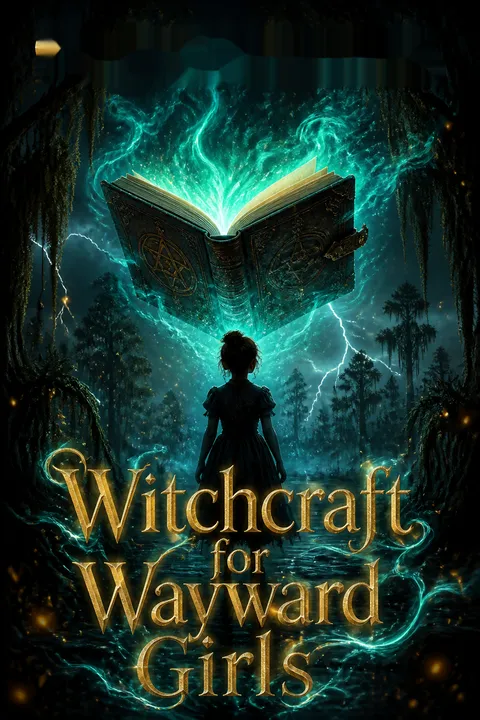
Witchcraft for Wayward Girls receives mixed reviews, with many praising its powerful feminist themes and emotional depth. Set in 1970, it follows pregnant teenagers in a home for unwed mothers who discover witchcraft. Readers appreciate Hendrix's handling of sensitive topics and character development, though some find the pacing slow and the horror elements minimal. The graphic birthing scenes and heavy subject matter are noted as potentially triggering. Overall, the book is seen as a departure from Hendrix's usual style, offering a more serious and thought-provoking narrative.
Characters
Neva Craven, called Fern
The reluctant witnessNeva is fifteen, pregnant, an aspiring actress, and a girl who initially believes that behaving well will restore her former life. At Wellwood House she is renamed Fern and tries to make herself agreeable, partly because she fears being blamed and partly because she wants her family to accept her again. Her love of books gives her a way to imagine alternatives, while her instinct to notice and care for younger girls draws her into conflicts she would rather avoid. She is neither naturally rebellious nor secretly fearless. Her defining struggle is learning to act without certainty, especially when the available choices have been shaped by adults who deny her a genuine one.
Zinnia
The practical skepticZinnia is a well-bred, intelligent teenager whose classical music training and cautious manner set her apart from the other residents. She is pregnant by Paul, whom she hopes to marry, and arrives at Wellwood already frightened by what her mother has done to her body. Zinnia distrusts easy explanations and tests the girls’ magical discoveries against evidence, but skepticism does not make her passive. She plans, challenges Fern, and tries to protect Holly through practical means. Her tension with Fern comes from different ways of managing fear: Fern follows a promise into the unknown, while Zinnia looks for a route that can be explained and carried out.
Rose
The defiant firebrandRose is an older pregnant resident with long blond hair, a political vocabulary, and little patience for the Home’s authority. Her sharp humor and theatrical declarations make it easy to mistake her for someone untouched by fear. In fact, she has been hurt by a wealthy boyfriend and by adults who control what happens to her child. Rose uses defiance to protect her sense of agency, even when her tactics alarm the other girls. She is drawn to action more readily than to caution, and she pushes Fern toward a form of resistance that carries physical and moral costs.
Holly
The quiet youngest girlHolly is fourteen, small for her age, marked by a large birthmark, and often assumed by adults to be incapable. She rarely speaks in the early weeks and carries a worn stuffed dog, which becomes a container for the small comforts and secrets she cannot safely share. Holly watches closely, remembers more than others think, and responds to trust in her own time. Her silence should not be confused with consent or lack of understanding. Her central need is safety from the adults who claim to know what is best for her, and her friendships with Fern and Zinnia offer the first setting where her choices are taken seriously.
Miss Parcae
The dangerous librarianMiss Parcae appears to be a bookmobile librarian who notices what the girls need and offers them knowledge outside the Home’s curriculum. Her manner can be gentle, eccentric, and theatrically grand, but she treats magic as a discipline with demands rather than a harmless pastime. She is associated with a coven and a long female lineage, and she wants to preserve what that lineage carries. Her conviction that continuity matters gives her purpose, yet it can make her disregard the wishes of individuals. She embodies the unsettling overlap between genuine aid and recruitment, making it difficult for the girls to separate care from obligation.
Hagar
The blunt protectorHagar is the Home’s fierce cook and a practical caretaker who rarely softens her language for the girls. She knows the local woods and the signs of witchcraft, and she trusts experience more than formal assurances. Her work is often hidden behind the institution’s routines, but she and her sister Miriam have knowledge that the director and doctor lack. Hagar’s protectiveness is expressed through action: she intervenes when the girls endanger themselves and takes responsibility for containing what they have started. She is not sentimental, but her severity often comes from seeing the consequences adults prefer not to discuss.
Miss Wellwood
The keeper of rulesMiss Wellwood directs the maternity home from the family house built by her father. She is formal, religious, and invested in preserving the institution’s reputation and routines. She believes that strict order can protect the girls and make their pregnancies disappear from their families’ lives. Her authority is personal as well as administrative: she assigns names, controls movement, and decides what subjects may be discussed. The house’s portraits and inherited language reflect how deeply she measures herself against her father’s standards. Her rigidity makes her a formidable presence, even when the beliefs sustaining it are more complicated than she admits.
Diane Keller
The adoption counselorDiane is the young social worker assigned to guide the girls through decisions about their babies. She presents adoption as a loving, practical route to a more secure future and believes she is helping girls make choices they may not be able to make alone. Her warmth distinguishes her from the colder staff, but her counseling still reflects the assumptions of the institution and the era. She can listen and show concern, yet she also frames the girls’ options through poverty, stigma, and the expectations of their families. Diane is both a person trying to help and an agent of a system that narrows what help can mean.
Dr. Vincent
The unquestioned doctorDr. Vincent is the elderly physician who examines the residents and enforces rules about diet, weight, and health. His authority is reinforced by his professional title and by the girls’ lack of access to other medical opinions. He treats their bodies as cases to manage and often assumes that his knowledge makes explanation unnecessary. His manner can be patronizing, and his clinical confidence leaves little room for a frightened teenager’s questions. Through him, the novel shows how medical care can become coercive when expertise is not paired with consent, communication, or respect.
Miriam
The quiet midwifeMiriam is Hagar’s sister and works quietly around the Home, guiding girls through chores with patient gestures rather than threats. She speaks little, but her attention is precise, and her skill becomes especially clear when someone needs care the institution cannot provide. Miriam’s gentleness is not helplessness; she knows when to act and does not need to dominate a room to be effective. Her bond with Hagar is built on long familiarity, shared work, and trust. Together they represent practical knowledge passed through women’s experience rather than through official authority.
Nurse Kent
The home’s medical handNurse Kent handles clinic visits, watches the residents, and transports them when labor begins. She follows the institution’s procedures and can be brisk or impatient, especially when the girls resist instructions. Yet she is also the person responsible for moving them through emergencies, and her actions do not always fit neatly into a single judgment of cruelty or care. Her role reflects the tension between individual workers and a system that decides what the residents are allowed to know, refuse, or choose.
Reverend Jerry Webster
The trusted pastorReverend Jerry is a respected religious leader connected to Holly’s family and to plans for her baby’s adoption. He presents himself as a caring authority, someone whose position gives him access to children and families. His public respectability contrasts with the fear that surrounds Holly’s private history. As a character, he represents the danger of treating social status, religious office, or community approval as proof of safety. The girls’ limited power against him shows how difficult it can be to challenge an adult whose word is trusted more readily than a child’s.
Myrtle
The frightened first-time motherMyrtle is a pregnant resident who loves television, jokes about her situation, and often insists she should not have been sent to the Home. Her humor gives her a way to resist being reduced to a medical case, though it cannot protect her from the risks of labor. Her experience becomes a warning for the other girls, who see how little honest preparation they receive. Myrtle is remembered less as a source of advice than as a fellow teenager whose pain exposes the consequences of the adults’ silence.
Daisy
The hopeful roommateDaisy is a young resident who talks persistently about the puppy she hopes to have after she returns home. Her bright questions and concern over small pleasures preserve a childlike future in a place organized around pregnancy and punishment.
Neva’s father
The ashamed parentNeva’s father drives her from Alabama to Florida after her pregnancy becomes known. He is angry and focused on the damage he believes she has done to the family. His actions are shaped by shame and fear of scandal, but they leave Neva without the support she needs. He represents the parental impulse to make a crisis disappear rather than help a child face it.
Guy
The absent boyfriendGuy is the older boy Neva trusted and the father of her baby. When she tells him she is pregnant, he leaves rather than share responsibility. His disappearance deepens Neva’s fear that affection can vanish as soon as it carries consequences.
Charlie
Neva's daughterCharlie is the daughter Neva gives birth to while still a teenager. Though absent from most of the story, she is the person whose future shapes Neva’s hardest decisions and whose later search reopens the past. The name Charlie Brown begins as Neva’s private way of speaking to the baby before she knows the child’s sex.
Plot Devices
How to Be a Groovy Witch
A manual that changesMiss Parcae gives Fern a cheap paperback that introduces the girls to spells and the idea that power requires intention and sacrifice. The book initially appears incomplete and difficult to understand, then changes by adding a glossary and further guidance. Its practical effect is to give the girls a method of acting against the conditions imposed on them, but it also draws them into work they do not fully understand. Hagar eventually burns it, believing she has ended the danger. The book therefore functions as both a source of knowledge and a means of testing which girls will pursue that knowledge.
The Witch's Sixpence
Pain as magical paymentThe coven’s magic demands a price measured through pain and blood. The girls first encounter this principle through small experiments, then through a working that requires Rose to injure her own hand. Later, Fern and Holly are told that greater magic requires greater sacrifice. The rule makes their desperation physically legible: each spell asks how much suffering they will accept to change an outcome. It also complicates the idea of empowerment, since a system that grants agency can reproduce coercion when the participants do not understand its terms or feel free to refuse.
The wedding ring
A name carried forwardNeva’s father lends her his wedding ring during the drive to Florida so strangers will assume she is married. The gesture briefly conceals her unmarried pregnancy, but the engraved family details remain inside the band. Years later, Neva gives the ring to Holly as a sign that hospital staff might treat her better. The inscription ultimately provides Charlie with a clue to her birth family when official adoption records cannot be found. The ring moves from concealment to protection to identification, carrying a trace of Neva’s name through the secrecy imposed on both mother and child.
Salt and iron wards
A boundary against witchesHagar uses silver, horseshoes, salt, and handmade pouches to protect the girls from Miss Parcae and the coven. The protections work by creating boundaries around the house and concealing the girls from supernatural attention, giving them time to sleep and plan. Miss Wellwood’s removal of the horseshoes weakens the defenses, while the pouches later protect Fern during labor. These objects are deliberately ordinary and domestic, fitting Hagar’s practical approach to danger. Their effectiveness depends on being maintained and respected, just like the girls’ fragile safety in the human world.
The Nehi bottle
A storm held in glassAfter Holly’s rainmaking ritual fails, Hagar contains the unfinished storm in a Nehi bottle, seals it with string and wax, and buries it beneath a well-trodden part of the yard. This transforms an uncontrolled working into a stored danger. The bottle is later dug up when Fern faces the loss of Holly’s baby and sees no other way to act. Breaking it releases the storm, which devastates Wellwood House and forces the final confrontation into the open. The bottle makes a failed spell consequential long after the girls believe the book and their magic are gone.
FAQ
Synopsis & Basic Details
What is Witchcraft for Wayward Girls about?
- Unwed mothers in 1970s: The story centers on a group of pregnant teenagers in 1970s America, confined to a Home for unwed mothers in the South. The girls face societal stigma and limited options, highlighting the era's restrictive attitudes towards female sexuality and single motherhood.
- Finding power in witchcraft: The girls discover a book on witchcraft and begin experimenting with spells, seeking agency and control over their lives in a world where they have little power. This exploration of witchcraft becomes a form of rebellion against the oppressive environment of the Home.
- Friendship and shared struggle: The novel explores the bonds of friendship and solidarity that develop between the girls as they navigate their pregnancies, the strict rules of the Home, and the challenges of their circumstances. Their shared experiences create a unique sisterhood.
Why should I read Witchcraft for Wayward Girls?
- Exploration of female agency: The novel offers a compelling exploration of female agency and resistance in a time when women's choices were severely limited. The girls' embrace of witchcraft provides a unique lens through which to examine themes of power, control, and self-determination.
- Unique blend of genres: The story blends historical fiction with elements of horror and the supernatural, creating a captivating and thought-provoking narrative. This genre-bending approach offers a fresh perspective on a familiar historical setting.
- Character-driven narrative: The novel features a cast of complex and relatable characters, each grappling with their own personal struggles and desires. Readers will be drawn into their lives and invested in their fates as they navigate the challenges of the Home and the power of witchcraft.
What is the background of Witchcraft for Wayward Girls?
- Social stigma of unwed mothers: The novel is set against the backdrop of the social stigma surrounding unwed mothers in the 1970s. This historical context informs the characters' experiences and the oppressive environment of the Home. The quotes at the beginning of the book highlight the historical attitudes towards unwed mothers.
- Maternity homes in mid-20th century: The story explores the history and practices of maternity homes, institutions that housed pregnant women and often pressured them to give up their babies for adoption. These homes reflected the societal pressures and limited options faced by women during this era.
- Emergence of counterculture: The novel also touches on the emergence of counterculture movements in the 1970s, including feminism and the occult revival. These movements offered alternative ways of thinking about power, spirituality, and female identity, influencing the girls' exploration of witchcraft.
What are the most memorable quotes in Witchcraft for Wayward Girls?
- "We were girls. That's what they called us in their articles and their speeches and their files: bad girls, neurotic girls, needy girls, wayward girls, selfish girls...": This quote encapsulates the dehumanizing labels placed upon the young women, highlighting the societal judgment they faced and setting the stage for their rebellion. It defines the core theme of societal perception versus individual identity.
- "You are here because you acted like a barnyard animal. You took the glory of your womanhood and threw it in the mud.": This quote from Miss Wellwood reveals the harsh, judgmental attitude prevalent in the Home, emphasizing the shame and sin associated with unwed pregnancy. It underscores the oppressive environment the girls are trying to escape.
- "In here, everyone lies.": This quote, spoken by Rose, captures the atmosphere of distrust and deception within the Home, where the girls are forced to hide their true identities and feelings. It highlights the theme of survival and the lengths to which the girls must go to protect themselves.
What writing style, narrative choices, and literary techniques does Grady Hendrix use?
- First-person retrospective narration: The story is told from Neva's perspective, years after the events occurred, providing a reflective and emotionally resonant account. This allows for a deeper exploration of the characters' motivations and the long-term impact of their experiences.
- Blend of horror and humor: Hendrix seamlessly blends elements of horror with dark humor, creating a unique and engaging tone. This approach allows him to explore serious themes while maintaining a sense of levity and entertainment.
- Pop culture references: The novel is peppered with references to 1970s pop culture, including movies, music, and television shows. These references help to create a vivid sense of time and place, immersing the reader in the world of the story.
Hidden Details & Subtle Connections
What are some minor details that add significant meaning?
- The recurring image of the fountain: Early in the book, Neva recalls being by a fountain with Guy, the father of her child, when he rejects her. Later, the radio mentions a fountain in heaven. This recurring image highlights Neva's longing for a better life and the lost innocence associated with the fountain.
- The state of the Wellwood family portraits: The descriptions of the portraits of Miss Wellwood's father, Dr. Wellwood, reveal his dominating presence and Miss Wellwood's adherence to his values. The fact that there are six portraits, each depicting him in a position of authority, emphasizes his lasting influence on her and the Home.
- The girls' code names: The girls' use of code names, like Fern and Hazel, underscores their need to hide their true identities and protect themselves from judgment. It also allows them to create new identities and explore different aspects of themselves.
What are some subtle foreshadowing and callbacks?
- Margaret Roach's warnings about the Homes: Early in the book, Neva recalls Margaret Roach's warnings about the Homes, foreshadowing the harsh realities and oppressive conditions she will encounter. This sets the reader up for the darker aspects of the story.
- The recurring mention of Patty Duke: Neva's admiration for Patty Duke, particularly her role as an unwed mother in "My Sweet Charlie," foreshadows Neva's own journey and her desire to find strength and resilience in the face of adversity. It also highlights the limited representation of unwed mothers in popular culture at the time.
- The description of the Lawn Ranger: The radio advertisement for the Lawn Ranger, promising salvation from "yellow lawns, wilting bushes, and dead flowerbeds," subtly foreshadows the girls' search for salvation and escape from their own "wilting" lives. It's a satirical commentary on the superficiality of societal expectations.
What are some unexpected character connections?
- The connection between Hagar and Miriam: The fact that Hagar and Miriam are sisters, despite their contrasting personalities, reveals the complex dynamics within the Home and the different ways in which women coped with their circumstances. It also highlights the limited options available to Black women in the South during this era.
- The connection between Holly and Reverend Jerry: The revelation that Reverend Jerry is adopting Holly's baby creates a disturbing and unexpected twist, highlighting the predatory nature of power and the vulnerability of young women in the Home. It also underscores the systemic abuse and exploitation that can occur within religious institutions.
- The connection between Miss Parcae and the model on the book cover: The reveal that Miss Parcae is the model on the cover of "How to Be a Groovy Witch" adds a layer of mystery and intrigue to her character, suggesting a hidden past and a deeper connection to the world of witchcraft. It also raises questions about her true motivations and the authenticity of her teachings.
Who are the most significant supporting characters?
- Hagar: As the cook and a figure of authority within the Home, Hagar provides a glimpse into the lives of Black women in the South during this era. Her knowledge of folk remedies and her no-nonsense attitude offer a counterpoint to the more privileged backgrounds of some of the other girls.
- Miriam: Hagar's sister, Miriam, offers a softer and more nurturing presence within the Home. Her quiet strength and her ability to connect with the girls on a personal level make her a valuable source of support and comfort.
- Nurse Kent: While seemingly a figure of authority, Nurse Kent's actions and comments reveal a more complex character. She embodies the contradictions of the Home, enforcing its rules while also showing moments of empathy and understanding towards the girls.
Psychological, Emotional, & Relational Analysis
What are some unspoken motivations of the characters?
- Miss Wellwood's need for control: Miss Wellwood's strict adherence to rules and her desire to maintain order within the Home stem from a deep-seated need for control. This need may be rooted in her own personal experiences and her desire to uphold her father's legacy.
- Rose's desire for validation: Beneath her rebellious exterior, Rose craves validation and acceptance. Her embrace of radical politics and her desire to keep her baby may be driven by a need to prove her worth and defy societal expectations.
- Holly's longing for acceptance: Holly's silence and her attachment to her stuffed dog reveal a deep-seated longing for acceptance and love. Her vulnerability makes her susceptible to manipulation and exploitation, highlighting the importance of protecting those who are most vulnerable.
What psychological complexities do the characters exhibit?
- Neva's internal conflict: Neva grapples with conflicting desires: her longing for her old life and her growing sense of responsibility towards her child. This internal conflict drives her actions and shapes her journey of self-discovery.
- Rose's self-destructive tendencies: Rose's rebellious nature and her tendency to push boundaries often lead to self-destructive behavior. This may be rooted in her past experiences and her inability to trust others.
- Miss Wellwood's repressed emotions: Miss Wellwood's rigid demeanor and her adherence to rules mask a deep well of repressed emotions. Her inability to express her feelings may stem from her upbringing and the societal expectations placed upon women during this era.
What are the major emotional turning points?
- Neva's father abandoning her at the Home: This moment marks a significant emotional turning point for Neva, as she realizes the full extent of her isolation and the loss of her former life. It fuels her desire to find strength and resilience in the face of adversity.
- Myrtle's traumatic birth experience: Myrtle's harrowing experience with childbirth shatters the illusion of safety and control within the Home, forcing the girls to confront the harsh realities of their situation. It also highlights the lack of adequate medical care and support for unwed mothers.
- Rose's decision to give up her baby: Rose's decision to surrender her baby is a deeply emotional moment that reveals her vulnerability and the immense pressure she faces. It also underscores the limited options available to unwed mothers and the societal forces that shape their choices.
How do relationship dynamics evolve?
- Neva and Rose's evolving friendship: Their relationship starts with initial differences but evolves into a bond of mutual respect and support. They challenge each other's beliefs and help each other to grow, highlighting the power of female friendship in the face of adversity.
- Neva and Miss Wellwood's power dynamic: The power dynamic between Neva and Miss Wellwood shifts throughout the story, as Neva begins to question Miss Wellwood's authority and assert her own agency. This reflects the broader theme of rebellion against oppressive systems.
- The coven's shifting allegiances: The coven's unity is tested as the girls face the consequences of their actions and their individual desires clash. This highlights the complexities of group dynamics and the challenges of maintaining solidarity in the face of adversity.
Interpretation & Debate
Which parts of the story remain ambiguous or open-ended?
- The true nature of Miss Parcae: Miss Parcae's true motivations and her connection to the world of witchcraft remain ambiguous throughout the story. It is unclear whether she is a benevolent guide or a manipulative force, leaving the reader to question her intentions and the authenticity of her teachings.
- The effectiveness of the girls' spells: The extent to which the girls' spells are actually effective is open to interpretation. It is possible that their actions are simply coincidences or that their belief in witchcraft provides them with a sense of empowerment and control, regardless of its actual power.
- The ultimate fate of Holly and her baby: While the story suggests that Holly and her baby find a new path to freedom, their ultimate fate remains uncertain. The reader is left to imagine what their lives will be like and whether they will be able to escape the oppressive forces that seek to control them.
What are some debatable, controversial scenes or moments in Witchcraft for Wayward Girls?
- The graphic depiction of Myrtle's childbirth: The scene depicting Myrtle's traumatic birth experience is graphic and disturbing, raising questions about the author's use of violence and its impact on the reader. Some may argue that it is necessary to depict the harsh realities faced by unwed mothers, while others may find it exploitative or gratuitous.
- The girls' use of witchcraft: The girls' embrace of witchcraft may be seen as empowering or problematic, depending on the reader's perspective. Some may argue that it is a form of self-expression and resistance, while others may view it as a dangerous and misguided path.
- Fern's decision to give up her baby: Fern's decision to surrender her baby is a complex and controversial one, raising questions about the nature of motherhood, societal expectations, and the right to choose. Some may sympathize with her difficult situation and support her decision, while others may condemn her for abandoning her child.
Witchcraft for Wayward Girls Ending Explained: How It Ends & What It Means
- Neva's reflection on the past: The ending sees Neva, now an older woman, reflecting on her experiences at the Home and the choices she made. This retrospective narration allows for a deeper understanding of the characters' motivations and the long-term impact of their experiences.
- The reunion with Charlie/the baby: The reunion with her daughter, Charlie, after many years provides a sense of closure and redemption for Neva. It also highlights the enduring power of the mother-daughter bond and the possibility of healing from past trauma.
- The legacy of witchcraft: The ending suggests that the power of witchcraft, while not always effective in a literal sense, had a lasting impact on the girls' lives. It empowered them to resist oppression, find strength in sisterhood, and ultimately forge their own paths to freedom. The final line, "We were witches," reclaims the label and transforms it into a symbol of resilience and empowerment.
About the Author
Other books by Grady Hendrix





Download PDF
Download EPUB
.epub digital book format is ideal for reading ebooks on phones, tablets, and e-readers.








