

Key Takeaways
Question the convenience whose hidden costs may outlast its usefulness
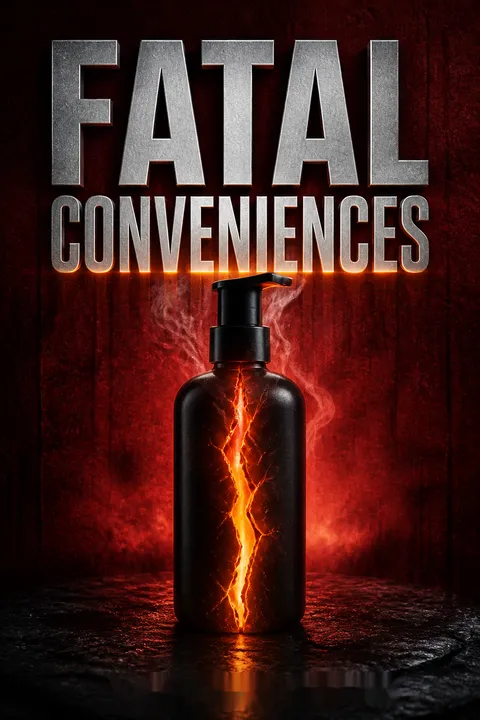
Convenience has a shadow. Olien uses “fatal convenience” for an everyday product or habit that saves effort while potentially harming health or the environment. The idea becomes personal through his father, a university professor who developed severe reactions to ordinary fragrances and detergents. Avoiding these products helped Olien recognize how much exposure daily routines can involve, and inspired him to seek safer substitutes rather than reject convenience altogether.
The goal is better choices. The book ranges from cosmetics and food to clothing, electronics, and furniture. Its recurring question is practical: does a product solve a real problem, and is its benefit worth its possible costs? The story makes the stakes vivid, though one person's sensitivity cannot establish that the same products harm everyone in the same way.
What's striking is the book's shift from asking whether modern life is convenient to asking who bears its hidden costs. Olien's father's experience makes an invisible exposure legible through its social consequences: a routine fragrance can become a barrier to family life. That is a powerful way to make environmental health feel intimate. At the same time, personal testimony is an entry point, not a population-level risk estimate. The most useful reading keeps the motivating story while distinguishing sensitivity, plausible hazard, and demonstrated harm.
Add up everyday exposures instead of judging each product alone
The whole mixture matters. Olien calls the combined exposure from daily life “cumulative body burden.” Some chemicals leave the body quickly but recur through repeated contact; others persist for much longer. He cites a report testing umbilical cord blood from ten newborns that identified 287 industrial chemicals and pollutants. The report noted that many were associated with harms in human or animal research, while also acknowledging that the effects of this particular mixture had not been studied.
Exposure is not a diagnosis. The concept helps explain why assessing one ingredient at a time may miss interactions, persistent substances, and exposure across generations. It does not mean every trace amount causes illness, or that the effects of all substances can be simply summed. The book's practical implication is to reduce avoidable contact rather than wait for every product to be proven harmful.
The mixture problem is a genuine challenge for toxicology. Real people encounter overlapping exposures, while laboratory and regulatory assessments often isolate a single chemical, dose, and route. This gap supports better mixture research and more transparent product information. It also calls for careful language: finding a substance in blood demonstrates exposure, not by itself that it caused disease. A useful precautionary approach reduces unnecessary sources without treating every detectable chemical as an emergency or making individual consumers responsible for solving an industrial-scale problem.
Do not mistake a shelf label or regulator for a safety verdict
Approval has limits. The book argues that product oversight often follows evidence of harm instead of requiring complete safety testing before widespread use. Olien describes more than 80,000 chemicals entering commercial use over roughly five decades, most without prior testing, and points to the 2016 reform of the Toxic Substances Control Act as a belated expansion of the EPA's authority. Labels can also conceal ingredients: a personal care product may list only “fragrance,” protected as a trade secret.
Scrutinize, then prioritize. The book's example of chlorpyrifos, used for decades before a federal ban in 2022, illustrates how regulation can lag. Olien urges readers to question purpose, ingredients, and alternatives. But neither a legal sale nor an alarming-sounding ingredient name alone establishes a specific health risk. Ingredient transparency and credible evidence are more useful guides than fear or marketing.
The book highlights a real asymmetry: companies can profit from products before long-term evidence is complete, while consumers have little ability to inspect undisclosed ingredients. That makes transparency and independent oversight public goods, not merely shopping preferences. Yet the argument is strongest when it focuses on known gaps and incentives, not when it treats regulatory delay as proof that a product is dangerous. Risk assessment asks both whether something can cause harm and whether actual exposure makes that harm likely. Those questions deserve separate answers.
Remove unnecessary scented and antibacterial products before replacing everything
Start with what is optional. Olien argues that fragrances are unusually hard to evaluate because companies may group undisclosed scent ingredients under a single label. A typical morning routine can layer scents from soap, shampoo, deodorant, lotion, laundry detergent, and perfume. He recommends fragrance-free products and less reliance on products whose main appeal is scent. He also questions antibacterial soaps, noting that plain soap and water can clean hands without some added antibacterial ingredients.
Use less, not just different. The book also challenges daily head-to-toe scrubbing and routine moisturizing, suggesting that people consider whether their skin actually needs these products. Handwashing remains important, particularly for reducing foodborne and respiratory infections. The broader lesson is to preserve useful hygiene while avoiding unnecessary extras, rather than assuming that a longer ingredient list means better care.
This is one of the book's more immediately usable arguments because it separates hygiene from grooming conventions. The distinction matters: handwashing has clear public-health value, while scent layering often serves social expectations and product marketing. Fragrance sensitivity also affects people beyond the purchaser, making the issue partly one of shared indoor air. Still, “natural” scent is not automatically harmless, and fragrance-free products can contain other irritants. The durable principle is to choose products for a defined function and consult reliable guidance when a specific health concern exists.
Make minimally processed meals easier than engineered calories
Food convenience reshapes eating. Olien contrasts the effort once required to obtain and prepare food with a modern system built around delivery and inexpensive packaged products. He cites research estimating that roughly two-thirds of calories consumed by American children come from ultraprocessed foods. These products are designed for convenience and strong appeal, while often displacing foods rich in fiber and other nutrients. The book also examines industrial farming, pesticide use, nutrient changes in crops, and pollution from animal agriculture and commercial fishing.
Change the default. Olien recommends cooking more often, buying seasonal or frozen produce, shopping at farmers' markets when practical, and growing herbs or vegetables at home. He favors beans and other plant proteins, while advising readers who eat animal products to seek more responsible sources. These suggestions acknowledge that food choices are shaped by price, time, access, and marketing, not simply willpower.
The strongest insight is that eating behavior is partly engineered by the food environment. When highly processed calories are cheap, heavily promoted, and ready immediately, advice to “choose better” ignores the forces shaping choice. Cooking, community food access, and agricultural policy therefore belong in the same conversation. The book's emphasis on plant foods is actionable, but its broad claims about farming and diet should not erase variation among products or people's nutritional needs. Better systems make nourishing choices easier without turning food into a test of personal virtue.
Choose plain materials over stainproof, wrinkleproof, and disposable upgrades
Product superpowers have trade-offs. Olien repeatedly examines treatments that make clothing and household goods resist stains, wrinkles, water, or fire. He focuses on PFAS, a large family of persistent industrial chemicals used in some treated fabrics, food packaging, cookware, and other products. He also describes volatile organic compounds, or VOCs, which can evaporate from materials and enter indoor air. Carpets, furniture, cleaning products, and synthetic textiles are examples of possible sources.
Prefer durable and simple. The book recommends buying fewer clothes, choosing secondhand or natural-fiber items where practical, avoiding unnecessary performance treatments, airing out new furnishings, and using simpler cleaning methods. These steps can reduce waste and some exposures. They cannot guarantee a chemical-free home, and a material's presence does not establish the dose a person receives or the health outcome that will follow.
The useful connection here is between household exposure and product design. Features that appear to offer effortless maintenance can require persistent treatments, while short-lived goods create a separate burden through manufacturing and disposal. Buying less and repairing more addresses both sides of that equation. The evidence, however, varies considerably by chemical and product. A precautionary preference for simpler materials is reasonable, but it should not imply that every synthetic fiber or treated object presents the same danger. Clear standards and safer-by-design manufacturing are more scalable than expecting shoppers to decode every label.
Keep heat away from plastic, and check your local water report
Contact conditions count. The book warns that heat can increase the release of chemicals from some plastics, especially when food is heated or stored in plastic containers. It discusses BPA, a chemical used in some plastics and resins, and notes that common replacements may have similar concerns. Olien recommends glass, ceramic, or stainless-steel storage instead, and advises against microwaving plastic.
Know your water source. The book also describes drinking-water contamination, including PFAS and lead from old plumbing. It points readers to municipal Consumer Confidence Reports and recommends filtration. A report can identify what has been measured locally, while a filter should be selected for the contaminants it is designed to remove. No single approach guarantees pure water, and replacing containers or installing a filter does not substitute for preventing pollution at its source.
These recommendations are strongest because they turn a broad concern into checkable decisions: avoid heating food in plastic, inspect the local water report, and match treatment to a specific contaminant. That last step matters. Filters differ in what they remove, and an expensive system is not automatically the right one for every household. The book's wider point is also important: safe drinking water cannot depend solely on private purchases. Monitoring, infrastructure, and pollution controls determine whether protection is available to everyone, including people who cannot afford household filtration.
Put distance between wireless devices and your body, without treating uncertainty as proof
The evidence is unsettled. Olien argues that wireless devices expose people to electromagnetic radiation, or EMR, and worries that long-term, combined exposure has not been adequately studied. He discusses research on possible links with cancer, sleep, and reproductive health, while acknowledging that scientists do not know the full effects. His practical suggestions include using wired connections, speaker mode, and keeping phones away from the body when not in use.
Low-cost caution is possible. These steps can reduce close contact with a transmitting device without requiring people to abandon essential technology. The book's most alarming claims, particularly about 5G, rest on limited evidence in the material presented. Readers should not confuse a possible hazard with proof of substantial everyday risk, nor replace established medical advice with unverified protective products.
This section benefits from a distinction central to risk science: a mechanism that could cause harm is not the same as demonstrated harm at ordinary exposure levels. Long-term research can be difficult when technology changes quickly, so continued independent study is sensible. At the same time, a small number of studies or a reported symptom after exposure cannot settle population-wide causation. Wired connections and speaker mode are relatively simple choices for people who prefer caution, but the evidence does not justify presenting wireless technology as a proven equivalent of smoking.
Buy less, reuse more, and demand proof behind every green claim
Individual choices meet systems. Olien links personal health to the wider environment: pollutants released into water, air, and soil can re-enter food and daily life. He urges readers to reduce needless purchases, repair or share goods, choose secondhand clothing and furniture, and support local food sources when available. He also calls for stronger product disclosure and accountability from manufacturers and regulators.
Beware greenwashing. The book uses this term for marketing that presents a product or company as environmentally responsible without meaningful changes to its practices. Certifications and ingredient databases can help, but readers should examine what a label actually verifies. The book's closing message is that safer consumption is not just about finding a perfect product. It is also about reducing demand for disposable, opaque, and needlessly complicated goods.
The book's most valuable closing move is to connect consumer health with environmental externalities. Pollution is not a distant side effect when it returns through water, food, and shared air. Reuse and reduced consumption can lower demand directly, while public pressure can shift standards across whole product lines. Still, consumer choice has limits: affordability, access, and corporate disclosure are uneven. Personal action is most effective when paired with collective measures, such as transparent labeling, independent testing, and rules that make safer products the default.
Analysis
Fatal Conveniences is a health and environment argument built from personal narrative, product-by-product investigation, and practical substitutions. Its organizing insight is that modern convenience can hide costs in ingredients, manufacturing, exposure, and waste. The father's chemical sensitivity gives that thesis emotional weight, while chapters on food, clothing, household goods, and electronics show how ordinary routines become exposure pathways. The book is difficult to compress because its catalog is enormous, and because evidence strength varies sharply from one topic to another.
Its strongest contribution is not the claim that every modern product is dangerous. It is the demand to examine how products are tested, labeled, used, and discarded, and to notice that risks can accumulate across systems. In public-health terms, a hazard is a substance's capacity to cause harm; risk depends on exposure, including dose, duration, and route. That distinction helps retain the book's precautionary instinct without interpreting detection as proof of injury. The case for reducing needless fragrance, disposable packaging, or unnecessary product features is generally more persuasive than its most sweeping claims about wireless radiation or particular consumer products.
The book also exposes a tension in consumer health writing. It criticizes corporations and weak oversight, yet many remedies ask individuals to research ingredients, buy premium substitutes, and manage exposures privately. That can empower readers, but it can also shift responsibility away from manufacturers and public institutions. The more durable response combines personal triage with collective demands: transparent ingredients, independent safety testing, strong drinking-water standards, and product designs that avoid persistent pollution. Read as a guide to informed scrutiny, the book is valuable. Read as a definitive medical risk ranking, it is less reliable, since some recommendations and claims exceed the evidence described. Its best practical rule is to reduce unnecessary exposure while preserving proven protections and seeking qualified advice for specific health decisions.
Review Summary
Fatal Conveniences presents an eye-opening look at everyday products and practices that may be harmful to health and the environment. Readers appreciate the informative content and practical alternatives offered, though some find the tone alarmist. The book raises awareness about hidden toxins and encourages mindful consumer choices. While some readers feel overwhelmed by the extent of potential dangers, others are motivated to make lifestyle changes. Critics note a lack of citations and question the feasibility of some recommendations. Overall, the book sparks important conversations about health and sustainability.
People Also Read







Glossary
Fatal Convenience
Convenience with hidden costsOlien's term for a product, habit, or technology that makes life easier while potentially harming human health, other living things, or the environment. The term covers both direct exposure, such as applying a personal care product, and indirect costs, such as pollution from manufacturing or disposal. The book's aim is to identify safer alternatives rather than reject convenience itself.
cumulative body burden
Combined chemical exposureThe combined effect of substances people encounter through daily life, rather than the effect of one chemical considered in isolation. The concept includes repeated exposure to short-lived chemicals, longer-lasting substances that persist in the body, and possible interactions among mixtures. It describes an important research challenge, but does not mean that every detected chemical causes harm or that combined effects are already fully known.
allostatic load
Accumulated physiological strainA term for the body's cumulative physiological burden from chronic stress and life events. Olien applies this broader concept to the many chemical and environmental pressures people encounter, arguing that their combined effects may be difficult to measure. The term does not itself identify which particular exposure causes illness, and the book distinguishes it from the more severe condition of allostatic overload.
allostatic overload
Challenges exceed coping capacityA condition in which environmental challenges exceed an individual's ability to cope, as described in the research summary cited by the book. It is related to allostatic load but emphasizes a threshold at which accumulated demands become excessive. Olien uses the idea to express concern about overlapping stresses and exposures, while the specific contribution of any one chemical remains difficult to isolate.
PFAS
Persistent industrial chemical familyShort for per- and polyfluoroalkyl substances, a large family of chemicals used in products that repel water, oil, or stains and reduce friction. Some PFAS persist for long periods in the environment and can be detected in people. The book discusses their use in treated fabrics, food packaging, and other goods, and their association with several health concerns. Individual PFAS compounds and exposures are not identical.
volatile organic compounds (VOCs)
Chemicals that evaporate into airOrganic compounds that can evaporate from products and materials into the surrounding air. The book describes VOC emissions from sources including cleaning products, furnishings, carpets, and fragrances. Exposure varies with the substance, amount released, ventilation, and duration. The presence of a VOC does not automatically establish a specific health effect, but identifying sources can help guide ventilation and product choices.
greenwashing
Misleading environmental marketingMarketing that portrays a company or product as environmentally responsible without meaningful evidence that its overall practices support that claim. The book traces the term to environmentalist Jay Westerveld's 1986 criticism of hotels promoting towel reuse while overlooking larger environmental impacts. Consumers can look beyond slogans by checking what a certification measures and whether a company discloses its materials and practices.
electromagnetic radiation (EMR)
Energy transmitted through electromagnetic wavesEnergy that travels as electromagnetic waves. The book discusses radiation from wireless devices and household electronics, distinguishing nonionizing radiation from higher-energy ionizing radiation such as X-rays. Olien raises concern about possible indirect effects of long-term exposure, while also noting that the health consequences are uncertain. Evidence about mechanisms, exposure levels, and actual health risks must be evaluated separately.
endocrine disruptors
Chemicals that interfere with hormonesSubstances that can interfere with the endocrine system, the network of hormones and glands that helps regulate development, reproduction, and other bodily functions. The book discusses compounds such as phthalates, bisphenols, and some PFAS in consumer products. Potential effects depend on the chemical and exposure, and measuring the consequences of simultaneous exposure to multiple endocrine disruptors is challenging.
FAQ
1. What is Fatal Conveniences by Darin Olien about?
- Hidden dangers in daily life: Fatal Conveniences by Darin Olien uncovers the toxic products and harmful habits embedded in everyday routines that are making people sick.
- Wide-ranging investigation: The book explores categories like personal care, food, clothing, household items, and technology, revealing how they contain chemicals and hazards that harm health and the environment.
- Empowerment through knowledge: Olien’s mission is to inform readers so they can make safer, more conscious choices, not to scare them.
- Practical alternatives: The book provides actionable solutions and alternatives to help readers reduce exposure and reclaim control over their well-being.
2. Why should I read Fatal Conveniences by Darin Olien?
- Awareness of hidden risks: The book exposes the unseen dangers in common products, such as carcinogens and hormone disruptors, helping readers protect themselves and their families.
- Environmental connection: Olien links personal health risks to environmental damage, showing how individual choices impact the planet.
- Actionable advice: Readers receive practical steps and alternatives for safer living, from choosing organic products to reducing EMR exposure.
- Empowerment and sovereignty: The book encourages readers to question their habits and regain control over their health and environment.
3. What are the key takeaways from Fatal Conveniences by Darin Olien?
- Cumulative exposure matters: It’s not just one product or chemical, but the combined effect of many exposures that leads to health problems.
- Personal and environmental health are linked: What harms the environment also harms people, and vice versa.
- Everyday products can be harmful: Items like clothing, cosmetics, and food packaging often contain toxic substances.
- Simple changes make a difference: Small, practical shifts—like choosing natural materials or filtering water—can significantly reduce risk.
4. What are “Fatal Conveniences” according to Darin Olien?
- Definition: Fatal Conveniences are everyday products and habits that offer comfort or save time but come with hidden health and environmental costs.
- Examples: These include stain-resistant clothing, nonstick cookware, disposable diapers, air fresheners, and wireless devices.
- Trade-offs: While convenient, these items often introduce carcinogens, endocrine disruptors, or persistent pollutants into our bodies and ecosystems.
- Cumulative effect: The combined burden of multiple conveniences can overwhelm the body’s ability to cope, leading to chronic illness.
5. What is the concept of cumulative body burden in Fatal Conveniences?
- Definition: Cumulative body burden refers to the total accumulation of harmful chemicals and toxins in the body from multiple sources over time.
- Scientific evidence: Studies have found hundreds of industrial chemicals in umbilical cord blood and teenagers, many linked to cancer and neurotoxicity.
- Health implications: The combined effects of multiple chemicals can be greater than individual risks, affecting immune function, reproduction, and disease susceptibility.
- Importance: This concept underpins Olien’s advice to reduce overall exposure, not just focus on single products.
6. What are the main health risks discussed in Fatal Conveniences by Darin Olien?
- Chemical exposures: Risks from PFAS, phthalates, formaldehyde, pesticides, and other toxins found in clothing, personal care, and household products.
- Radiation from technology: Electromagnetic radiation (EMR) from cell phones, Wi-Fi, and Bluetooth devices is linked to DNA damage and possible cancer risk.
- Heavy metals: Exposure to lead, mercury, and cadmium in food, water, and products can cause neurological and reproductive harm.
- Cumulative and chronic effects: The book emphasizes that chronic, low-level exposures add up to significant health risks over time.
7. How do personal care products contribute to health risks according to Fatal Conveniences?
- Harmful ingredients: Many personal care items contain parabens, phthalates, synthetic fragrances, and preservatives that can disrupt hormones or cause allergies.
- Fragrance loophole: Ingredients in “fragrance” are often undisclosed, hiding potentially toxic chemicals from consumers.
- Cumulative exposure: Using multiple products daily increases the body’s chemical load, raising the risk of cancer, allergies, and neurological issues.
- Environmental impact: Packaging and persistent chemicals from these products contribute to pollution and microplastic contamination.
8. What does Fatal Conveniences by Darin Olien say about food, beverages, and their impact on health?
- Ultraprocessed foods: Convenience foods are high in sugars, unhealthy fats, and additives, contributing to obesity, diabetes, and cancer.
- Agricultural chemicals: Pesticides like glyphosate contaminate produce and water, posing cancer and neurological risks.
- Animal products and seafood: Factory-farmed meat and seafood often contain hormones, antibiotics, mercury, and PFAS, with additional environmental harm from industrial farming.
- Dietary advice: The book recommends organic, local, and plant-based foods to reduce exposure and support sustainability.
9. How does Fatal Conveniences by Darin Olien explain the impact of clothing on health and the environment?
- Toxic chemicals in fabrics: Clothing often contains formaldehyde, PFAS, phthalates, and synthetic dyes, which can off-gas or be absorbed through the skin.
- Environmental damage: Cotton farming uses excessive water and pesticides, while synthetic fabrics shed microplastics that pollute waterways.
- Fast fashion waste: The book highlights the massive waste and pollution generated by fast fashion and synthetic textiles.
- Practical clothing advice: Olien suggests choosing organic cotton, natural fibers, and secondhand clothes, and washing less often with microfiber filters.
10. What are PFAS (“forever chemicals”) and why are they important in Fatal Conveniences?
- Definition and use: PFAS are synthetic compounds used to make products stain-resistant, waterproof, and nonstick, found in clothing, food packaging, and cosmetics.
- Health hazards: They persist in the environment and human bodies, accumulating over time and linked to cancer, thyroid disease, and immune suppression.
- Regulatory challenges: PFAS are rarely labeled, making them hard to avoid, and regulation is slow and inconsistent.
- Environmental persistence: These chemicals contaminate water, soil, and wildlife, posing long-term risks to ecosystems and people.
11. What does Fatal Conveniences by Darin Olien say about electromagnetic radiation (EMR) and its risks?
- Sources of EMR: Cell phones, Wi-Fi routers, Bluetooth devices, and other wireless technologies are constant sources of EMR exposure.
- Health concerns: Studies suggest links to DNA damage, brain tumors, reproductive harm, and neurological symptoms, especially in children.
- Precautionary advice: Olien recommends minimizing exposure by using wired connections, turning off devices when not in use, and using EMF-blocking products.
- Uncertain long-term effects: The book warns that we are “guinea pigs” in a real-world experiment with unknown long-term consequences.
12. What practical steps and solutions does Fatal Conveniences by Darin Olien recommend to reduce exposure to harmful products?
- Choose natural and organic: Opt for organic cotton, hemp, wool, and natural personal care products free of parabens, phthalates, and fragrances.
- Limit wireless radiation: Use Ethernet cables, turn off routers at night, avoid Bluetooth devices, and keep cell phones away from the body.
- Adopt sustainable habits: Buy secondhand clothing, repair and recycle garments, wash clothes less, and use microfiber filters.
- Safer household choices: Use glass or stainless steel containers, filter drinking water, and make cleaning products from natural ingredients like vinegar and baking soda.
About the Author
Other books by Darin Olien
Download PDF
Download EPUB
.epub digital book format is ideal for reading ebooks on phones, tablets, and e-readers.








