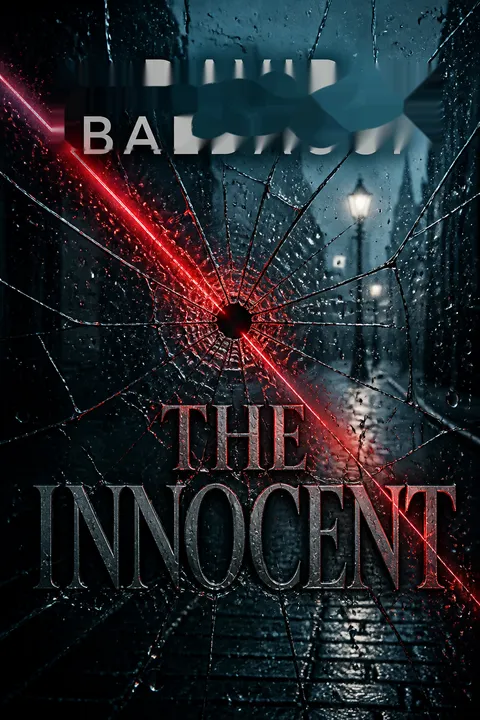


Plot Summary
Five Men Beneath Edinburgh
Will Robie spends his birthday eve in Edinburgh watching the streets, then enters the city’s underground passages dressed as a tour guide. He has timed every step to meet Carlos Rivera, a Mexican trafficker whose planned coup threatens American interests, and the four armed guards surrounding him.
When the group rounds a bend, Robie attacks with a knife and suppressed pistol, killing the guards before shooting Rivera twice. Back in Virginia, he receives no formal debrief, only a new assignment and a congratulatory message he cannot accept.
Rivera’s crimes explain the order, but the real purpose was geopolitical: his planned meeting with a Russian crime boss was bait, and Mexican generals tied to the coup have also been killed. Robie marks another birthday alone, unable to make the work feel like an achievement.
The Edinburgh mission establishes Robie’s method and its cost in the same breath. He converts people into numbered targets so he can act without hesitation, yet the birthday message exposes a moral remainder that the numbers cannot erase. The operation is presented as both precise and politically instrumental: Rivera is killed not simply for his trafficking, but because his ambitions threaten an American arrangement. Robie’s isolation is therefore not just temperament. It is a condition of work that asks him to treat lethal decisions as routine, then offers no language adequate to what he has done.
Three Days Above Tangier
Robie’s next assignment takes him across the Strait of Gibraltar to Tangier, where he hides inside a supposedly secure facility for three days. Saudi prince Khalid bin Talal arrives with a large armed entourage to meet a Russian and a Palestinian.
From a distant perch, Robie watches the gathering and shoots the man he believes is Talal through the jet’s window. He disables the aircraft and escapes by a slow ferry, carrying a recording of the visitors’ conversation.
The men had described a decades-long operation, a person placed close to a high-value target, and access to a weapon through that person’s job. Robie completes his assignment, but the fragments suggest a threat larger than the prince’s death. He reports what he heard, leaving others to investigate while he returns to his isolated routine.
Robie’s concealment inside a locked facility mirrors the conspiracy’s central tactic: danger can occupy a protected space without being seen. His shot appears to end one threat, but the recorded discussion turns a successful mission into an unresolved warning. The plan depends on intimacy and access, not overwhelming force, which makes ordinary trust part of its machinery. Robie, trained to read bodies and sight lines, recognizes the operational clue but not yet its human implications. The passage plants the novel’s central unease: security systems can be breached through the very people they are designed to protect.
The Bedroom Crosshair
Months later, Robie is ordered to kill Jane Wind, a Defense Department investigator living with her young sons. He enters her apartment under remote instruction, but the toys and children’s drawings unsettle him before he reaches the bedroom.
A little boy wakes beside Jane, and Robie lowers his weapon instead of killing them. His handler insists that he shoot both mother and child. Before Robie can decide what to do next, a rifle round from outside passes through the boy’s head and kills Jane. Robie finds their infant unharmed, carries him downstairs, and leaves him with a neighbor.
He also photographs Jane’s government identification and passport, realizing that the briefing concealed important facts. The surveillance equipment in his clothing contains a tracker, so he abandons the planned escape and flees his own agency.
Robie’s refusal is a concrete break with the system that has defined him. The toys do not make Jane innocent by sentiment alone; they reveal that his briefing has withheld the lives most affected by the order. His handler’s command to kill the child strips away any remaining pretense that obedience is morally neutral. The second shooter then makes Robie both witness and suspect in a murder he tried to prevent. Saving the infant is not a complete redemption, but it is the first action in the novel that places a vulnerable person above the mission and gives Robie a reason to distrust his own side.
The Burning 112
Fourteen-year-old Julie Getty has just escaped a foster home where the adults force children to steal and sell drugs. Before leaving, she sends Social Services photographs proving their crimes. She returns to her parents’ home, expecting a fresh start, but hears an intruder interrogating Curtis and Sara Getty.
Her father is shot; her mother attacks the gunman long enough for Julie to escape through a window. A note supposedly from her mother directs her to take the 112 bus to New York, where her parents will meet her.
On board, Julie notices a man stalking her and sprays him with pepper spray; Robie knocks him down and restrains him. They leave the bus, which explodes moments later, killing its passengers. Julie and Robie survive the blast, but her refusal to explain herself leaves them with danger and grief, not answers.
Julie’s intelligence is survival shaped into method. She documents abuse, protects younger foster children as best she can, and reads danger on the bus through a reflection others overlook. Yet the note that seems to offer escape also steers her into a planned killing, showing how easily care can be counterfeited when a child has few safe adults to trust. The explosion turns Robie’s failed mission into a wider catastrophe and binds him to Julie through shared survival. Their partnership begins not in confidence, but in the recognition that each has been placed inside someone else’s plan.
Two Runaways, One Safehouse
Robie finds Julie beside the wrecked bus, then spots a rifle scope’s reflection and leads her through an alley. When an armed pursuer catches up, Robie knocks him unconscious, takes his weapons, and discovers a tracking device hidden in Robie’s own equipment.
He drives Julie to a remote farmhouse. She slips out during the night, still unwilling to depend on him, but returns after he offers food and lets her choose to leave in the morning. News coverage of Jane Wind’s murder makes Julie suspect Robie was the intruder in her apartment.
He denies killing Jane and shows her his federal credentials, but she leaves anyway. Robie follows her to the Getty home, where they find signs that someone removed the bodies and cleaned the rooms. Julie finally explains what she witnessed, and Robie agrees to help find her parents’ killers.
The farmhouse offers physical shelter without producing emotional safety. Julie tests Robie by leaving, and his decision not to force her return matters more than his claim to be trustworthy. Her accusation after seeing Jane’s death on television is equally important: she understands that a rescuer can also be dangerous, and refuses to let gratitude substitute for evidence. Robie, meanwhile, accepts responsibility for a child despite having built his life around avoiding attachments. Their alliance is conditional and practical, which gives it credibility. Trust grows through specific choices, such as returning the pepper spray and answering Julie’s questions, rather than through reassuring promises.
Jane's Badge Changes Everything
Robie learns from his superiors that Jane Wind worked covertly for them as well as for the Defense Department. A senior official, known only as Blue Man, assigns Robie to act as a liaison with the FBI while concealing his true role.
Special Agent Nicole Vance leads the investigation and quickly connects the cases: Robie’s gun, lost in the bus blast, has been found near the scene, and its bullet matches a round fired inside Jane’s apartment. At the crime scene, Vance identifies evidence of two shooters, one inside the bedroom and another firing from a distant building.
The infant Robie rescued is alive, but Jane and her older son are dead. Robie feeds Vance enough information to remain useful while hiding Julie’s survival and his own presence in the apartment.
The case forces Robie to investigate his own actions under a cover identity, making truth a tactical resource rather than a simple virtue. Vance’s independent deductions prevent him from controlling the narrative completely, while Blue Man’s selective disclosure confirms that institutional authority is not the same as institutional trustworthiness. Jane’s official and covert work overlap, but neither fully explains her death. The novel turns procedure into a moral pressure point: evidence can expose Robie, yet withholding it may protect Julie. His work with Vance begins as a bargain between agencies, then gradually becomes a relationship grounded in their shared need to distinguish facts from convenient explanations.
The Gettys Leave a Trail
Robie traces Julie through the foster system and finds Gerald and Patty Dixon, the foster parents she fled. He uncovers drugs in their home just as Social Services arrives with evidence Julie had already supplied. At the Getty duplex, Julie describes the gunman’s questions about what her parents knew.
Robie learns from diner waitress Cheryl Kosmann that Curtis and Sara had recently shared a strained meal with Leo and Ida Broome. Julie knows the Broomes through Ida’s hair salon, but neither appears where expected: their apartment has been carefully scrubbed, and Ida fails to show for work.
A stylist remembers that Ida had been unusually distracted after talking about Leo. Each absence suggests the same thing, but Robie and Julie cannot yet tell whether the Broomes are hiding or have already been silenced.
The investigation gives Julie a way to act on grief without pretending she can master it. Her evidence against the Dixons protects other foster children, so her earlier escape becomes more than self-preservation. Cheryl’s ordinary memories of shifts, meals, and schoolwork make the Gettys legible as a family rather than as a file marked with addiction. The contrast matters: people who have been dismissed as socially insignificant may still hold the key to a larger crime. The Broomes’ absence turns friendship into a trail, while the cleaned apartment shows that someone has the skill and resources to erase the traces left by ordinary lives.
Gunfire at Donnelly's
While discussing the military-grade bullet used to kill Jane and her son, Robie and Vance are ambushed outside Donnelly’s restaurant by a shooter in a black SUV. Robie forces Vance behind cover and fires at the vehicle, but his bullets ricochet off its armor and run-flat tires.
The gunman escapes after killing four people and wounding seven, while Robie receives only a graze. The SUV is later found to belong to the Secret Service and to have been stolen from a motor pool. Its use suggests someone can penetrate a highly protected agency.
Vance sees Robie’s skill under fire and begins to recognize that his supposed Defense Department background cannot account for everything he knows. Robie, who has already seen betrayal inside his own organization, now has reason to suspect the FBI is compromised too.
The attack expands the cost of the conspiracy beyond its named targets. The victims at Donnelly’s are not participants in the case, yet they pay for a conflict in which the powerful can treat civilians as expendable cover. The armored SUV converts state protection into an offensive weapon, collapsing the distinction between public security and private violence. Robie’s composure saves Vance, but it also exposes him: competence that protects people can make him harder to trust. Vance’s growing suspicion is therefore rational, not merely personal. Their partnership becomes more intimate precisely as institutional certainty becomes less defensible.
The Bus Was Meant for Robie
A homeless witness, Diana Jordison, tells Robie she saw a man and a teenage girl rise near the burning bus and flee. Forensics later find a motion-triggered device in the bus’s wheel well, and Robie investigates the depot where the vehicle waited for hours.
The timing and his reserved ticket under an alias lead him to conclude that the bomb was planted for him, not Julie. Someone knew his escape route and was willing to kill an entire busload of strangers to reach him. Vance then introduces Michele Cohen, who claims she saw two Black people leave the bus and watched Robie’s gun fall beneath a car.
Robie knows her account is false, but the FBI treats it as corroboration. Meanwhile, he begins spending time with Annie Lambert, his White House neighbor, whose attention offers a brief distraction from the case.
The bomb changes the scale of Robie’s danger and exposes the conspiracy’s indifference to collateral lives. Julie was not simply unlucky enough to share his route; someone arranged the route around Robie and accepted mass death as a cost. Diana’s account provides a fragile human counterweight to forensic evidence, while Cohen’s polished story demonstrates how testimony can be manufactured to direct an investigation. Annie’s arrival in Robie’s private life offers an apparent return to ordinary intimacy. That comfort is structurally risky: he is so hungry for normal connection that he has little defense against a person whose presence is deliberately placed in his path.
A Date Beneath the Dome
Robie and Annie meet for a drink at a rooftop bar overlooking Washington, then share a quieter night above their apartment building. Annie describes her White House work on energy policy and her uncertain future; Robie admits that his current life no longer feels sufficient.
Their kisses and growing ease give him a rare glimpse of companionship, though he continues to hide his work. At the same time, Vance examines Rick Wind’s autopsy and identifies a Spartan tattoo in a hoplite stance, the same emblem Julie remembers on her father’s arm.
The medical examiner has found that Rick was suffocated with his own severed tongue. Robie and Vance recognize that this is not an ordinary robbery or domestic killing. Their separate lines of inquiry begin to converge on the men who served together in the Gulf War.
Robie’s attempts at intimacy are not a cure for his isolation; they reveal how much of himself he has learned to conceal. Annie’s civic idealism and his operational secrecy create an asymmetry he does not confront, even as he takes pleasure in being seen as a person rather than as a weapon. The Spartan tattoo provides the opposite kind of connection: a visible mark shared by men who may have buried their common past. Rick’s death method makes betrayal the likely organizing idea, but does not yet identify what was betrayed. The section pairs chosen closeness with inherited allegiance, suggesting that both private and political bonds can become channels for manipulation.
Cohen's Costly Lie
Robie follows Michele Cohen after she gives the FBI a false description of the bus survivors. He confronts her at home with security footage showing that she was nowhere near the explosion. Cohen admits that her husband’s gambling debts made them vulnerable to people who ordered her to mislead investigators.
Robie tries to reach her husband, Mark, but finds him shot dead in a Bethesda bar. The federal agents sent to protect Cohen have been killed, and a third operative, Malcolm Strait, has abducted her.
Blue Man confirms the betrayal but cannot account for the missing man. Julie and Vance are moved to a secure FBI location, where a sniper nearly kills Julie after someone leaves the blinds open. Robie escapes with her and Vance, destroying two Bureau cars to create a diversion.
Cohen’s lie is not an isolated act of greed; it is coercion operating through ordinary vulnerabilities, here gambling debt and fear of exposure. Robie’s decision to confront her privately creates a chance to learn the truth, but it cannot undo the danger created by her handlers. The deaths of Mark Cohen and the federal agents show that information itself has become lethal. The sniper attack then makes the supposedly secure FBI facility another compromised space. Julie’s survival depends on Robie’s suspicion, but her presence also forces him to act as a protector rather than a detached investigator. Every institution now contains both possible shelter and possible threat.
The Squad's Old Wound
Robie brings Julie and Vance to his farmhouse, then asks his former mentor Shane Connors to identify the remaining members of the Army squad shared by Curtis Getty, Rick Wind, and Leo Broome. Connors supplies three living names: Gabriel Siegel, Elizabeth Van Beuren, and Jerome Cassidy.
The group visits Siegel, who works at a bank and fears the lingering effects of Gulf War exposure. They find Van Beuren, a terminally ill veteran at a hospice, too sedated and ventilated to answer questions. Cassidy owns a successful bar and remembers Curtis, but says he lost contact with the family years ago.
Soon Siegel vanishes after receiving a call at work. The meetings produce no clear confession, but the old squad is no longer a theory. Its members are being removed one by one, and Robie has to learn why before the last survivor disappears.
The squad’s shared tattoo turns military history into an investigative map, but the men’s different later lives resist a simple explanation. Siegel fears illness, Van Beuren is physically unable to speak, and Cassidy has made a life far removed from the battlefield. These differences complicate the temptation to reduce them to a single conspiracy. Connors’s help also carries emotional weight: Robie reaches back to the person who taught him how to survive when his current institutions are failing. The section’s strongest pressure comes from time. The survivors are not merely sources; their shrinking number means the past is being actively erased before it can be understood.
The Missing Hospice Page
Robie studies the hospice guestbook and notices that one page has been torn out. Its date falls shortly before Rick Wind and the Gettys were killed, suggesting that someone visited Elizabeth Van Beuren while she could still speak.
When Robie returns, he learns she has died after her husband, George, ordered her ventilator removed. At George’s home, a photograph identifies him as a Secret Service uniformed officer. Robie understands that the conspirators have access to the president’s protective circle, while Annie is scheduled to work at a White House event attended by the Saudi crown prince.
He alerts Blue Man and the Secret Service director. Their search finds George unconscious, bound, and missing his service weapon. The stolen gun, not George himself, is now likely in the hands of the assassin inside the event.
The missing page transforms an administrative detail into a record of deliberate silencing. A guestbook is meant to preserve ordinary contact, but its erasure reveals that memory can be managed through small, quiet interventions. The ventilator’s removal and George’s absence make family intimacy inseparable from political danger: a husband’s access to his dying wife may have become a way to control what she could reveal. Robie’s realization depends on connecting these private facts to Annie’s work schedule. The threat is no longer abstract or overseas. It has entered the rooms where national power performs its public rituals.
Lambert Takes the Shot
Disguised as a waiter, Robie enters the White House Family Dining Room, where the president, the Saudi crown prince, staff, and security agents have been quietly gathered. He scans the room for the shooter and sees Annie among the guests.
Her dilated pupils and sudden expression tell him she is about to act. Robie shouts a warning and draws his weapon, but Annie fires first. A nearby agent moves the president, turning a shot aimed at his chest into a wound through his arm. Robie shoots Annie before she can target the crown prince.
The president survives, and the assassination attempt is stopped, but Robie is left staring at the woman he had trusted and slept beside. Her role as a planted assassin makes their brief intimacy feel less like a mistake than a carefully engineered weapon.
The climax makes recognition arrive a fraction too late: Robie reads Annie correctly only after the danger has entered motion. His warning saves the president, but it cannot prevent the shot or the death of the woman he had begun to trust. The White House setting intensifies the betrayal because public loyalty and private attachment collapse in the same room. Annie’s polished competence does not prove that she was born cruel; it shows how thoroughly a person can be shaped to perform a role. Robie’s skill remains essential, yet it offers no protection from grief or self-doubt. The scene leaves him with the hardest question of his profession: whether the person he killed ever had a real chance to choose otherwise.
Talal's Final Round
Talal’s people abduct Vance and Julie and send Robie photographs and an ultimatum demanding that he come to Tangier. He boards the ferry alone and is taken to a hangar, where Talal reveals that the man Robie shot months earlier was a double.
The prince has survived and arranged the entire sequence to punish Robie after the failed assassination. Talal refuses to release the women and orders his guards to kill Robie. One guard, Abdullah, secretly turns against him and passes Robie a pistol. Robie and Abdullah shoot their way through the prince’s men while Shane Connors supports them from a stealth helicopter.
Saudi agents arrive and take Talal away. Vance and Julie survive, though badly injured. Robie has ended the immediate threat, but the victory arrives through more violence and does not restore what the conspiracy has taken.
The double’s revelation recasts Robie’s earlier success as an illusion engineered by an adversary who understood how to manipulate his confidence. Talal’s revenge is personal, but it uses statecraft, money, and innocent hostages as instruments. Robie’s willingness to surrender himself for Julie and Vance marks a shift from solitary survival toward chosen responsibility. Yet the rescue still depends on violence and on another compromised insider, Abdullah, reversing sides at the decisive moment. Connors’s return provides earned loyalty rather than institutional assurance. Talal’s removal ends the immediate contest, while the emotional damage remains unresolved and cannot be settled by the body count.
Julie Inherits a Future
Back in Washington, Blue Man explains that George Van Beuren betrayed his country to finance his wife’s experimental care and to punish the government he blamed for her illness. Elizabeth had exposed his plan to Leo Broome, who warned Rick Wind and Curtis Getty; Talal’s network killed them to protect the attack.
Curtis was not part of the stolen-antiquities scheme, though Rick and Broome were. Robie later learns that Cassidy is Julie’s biological father, a truth Cassidy had hidden for years.
Rather than burden a grieving teenager, Robie helps present Cassidy as her maternal uncle and explains that a loan from her parents left her with a substantial share in Cassidy’s businesses. Julie gains a guardian and a possible home. Robie leaves her with that future, carrying Annie’s death and his own guilt into whatever comes next.
The explanations restore causality without restoring innocence. Van Beuren’s motives are understandable as grief and resentment, but his choices still make other people pay for them. The distinction between Curtis’s innocence and the other veterans’ theft prevents guilt from spreading indiscriminately across the squad. Cassidy’s hidden paternity gives Julie a living connection, yet Robie and Cassidy choose a gentler story over immediate disclosure, raising the question of whether protection can become another form of concealment. Julie’s inheritance is more than money: it creates options that foster instability had repeatedly denied her. Robie’s final measure of service is not killing another target, but helping an innocent person retain a future.
Analysis
The novel’s central conflict is not simply an assassin against an enemy network. It is a struggle over who gets to define innocence, loyalty, and acceptable collateral damage. Robie begins as a man trained to treat orders as operational facts, but Jane Wind’s apartment makes the human consequences impossible to keep outside the frame. His refusal to shoot the family does not erase his past; it forces him to act within a moral field his institution would prefer to suppress.
Julie gives that change a living test. She is not a symbol of helplessness but a person whose intelligence has been sharpened by neglect. She notices the attacker on the bus, preserves evidence against abusive foster parents, and pushes Robie to investigate the old soldiers rather than accept adult assurances. At the same time, her desire for revenge shows the cost of making survival her only dependable skill. Robie’s protection of her becomes a form of responsibility that cannot be completed by merely keeping her alive. Cassidy’s concealed paternity and the inheritance offer her material choices, but they also repeat the adults’ instinct to manage truth for her own good.
The political plot mirrors the personal one. Secret agencies, military units, family relationships, and the Secret Service all promise protection, yet each can be compromised by money, grievance, or coercion. Van Beuren’s motives are intelligible without being exculpatory. Talal’s immense wealth lets him turn human beings into instruments, while Annie’s upbringing shows how a life can be directed toward violence before the person has a meaningful chance to choose. Robie’s final anger at her conditioning complicates the clean categories his profession depends on. He remains a killer, but the story asks whether judgment can be separated from responsibility for the circumstances that produce one. Its answer is not absolution. It is the narrower, harder duty of protecting people who have not chosen the violence around them.
Review Summary
The Innocent is a fast-paced thriller featuring Will Robie, a skilled government assassin. Readers praise Baldacci's engaging storytelling, complex plot, and character development. The relationship between Robie and Julie, a teenage runaway, adds depth to the story. While some find the humanizing of Robie unconvincing, most enjoy the action-packed narrative and unexpected twists. Critics note predictable elements but appreciate the entertainment value. Overall, reviewers recommend the book as an exciting start to the Will Robie series.
People Also Read



Characters
Will Robie
The government’s hidden weaponRobie is a highly trained government assassin whose life is organized around preparation, anonymity, and survival. He studies people as carefully as he studies buildings, and his instinct to plan an exit reflects the knowledge that his agency may disown him if a mission fails. He tries to keep emotion outside his work, but his hesitation over Jane Wind and his protection of Julie reveal a moral judgment that his profession cannot fully extinguish. His loneliness is not simple misanthropy; intimacy has become dangerous because it gives others leverage over him. Robie is most himself when acting decisively, yet the story forces him to confront what his decisions mean after the target is gone.
Julie Getty
The watchful runawayJulie is a gifted fourteen-year-old who has learned to rely on observation because the adults around her are often unreliable. She protects younger foster children, documents abuse, reads reflections and body language, and resists being treated as helpless. Her loyalty to Curtis and Sara is intense, even when she sees their failures clearly. Grief makes her want vengeance, while her intelligence pushes her to ask questions that adults would rather postpone. Julie’s toughness is real, but it is also an adaptation to instability, not proof that she needs no care. She challenges Robie and Vance to treat her as a person with judgment while still recognizing the danger she faces.
Nicole Vance
The FBI case leaderVance is an experienced FBI special agent who leads the investigation into Jane Wind’s murder and the connected attacks. She is analytical, direct, and accustomed to working within procedure, but she is not blind to its limits. Robie’s evasions frustrate her, while his competence in the field earns her reluctant respect. Her loyalty to the Bureau is tested when she discovers that its people and protections may have been compromised. Vance’s courage is practical rather than theatrical: she keeps investigating, protects Julie, and accepts personal risk when the official chain of command proves unreliable. Her relationship with Robie grows through professional conflict and shared danger.
Annie Lambert
The White House policy aideAnnie is a bright, ambitious White House staffer specializing in energy policy. She is adopted, an only child, and conscious of how much access and opportunity her background has given her. Her work matters to her because it connects daily administrative labor to public service, though she worries that her identity is tied too closely to the fortunes of the president she serves. In private, she is warm and candid with Robie, and she longs for a life that includes more than professional achievement. Her combination of intelligence, social ease, and idealism makes her presence in Robie’s orbit feel natural, even as the story places that apparent normality under pressure.
Khalid bin Talal
The Saudi royal dissidentTalal is a wealthy Saudi prince and cousin to the king, accustomed to private aircraft, armed escorts, and rooms arranged around his authority. He despises Western influence while borrowing its security methods and technology, a contradiction that suits his belief that power belongs to whoever can use it most effectively. He is ambitious, suspicious, and convinced that his wealth gives him unusual freedom to shape events. His public standing protects him from ordinary consequences, while his ties to international business and political actors make him more dangerous than a conventional criminal. Talal treats people as assets and calculates loyalty in terms of advantage.
Jane Wind
The Defense Department investigatorJane is a federal investigator who has worked in the field and later serves in the Defense Department inspector general’s office while raising two young sons. She is described through the pressures of combining government service with care work: a modest home, a demanding schedule, and professional responsibilities brought back to the kitchen table. Her career gives her access to sensitive military and investigative worlds, but her life is not defined solely by her job. She is connected to former soldier Rick Wind through marriage and to her children through the daily work of protecting and raising them.
Curtis Getty
Julie’s devoted, troubled fatherCurtis is a former soldier who tries to provide for his family through warehouse work despite the lasting effects of his service and a serious drug problem. Julie sees him with affection and recognizes both his weakness and his kindness. He and Sara repeatedly try to regain custody of their daughter, and he remains part of her idea of home even when the family’s circumstances are precarious. His past in the Army is largely unknown to Julie, which makes the silence around his earlier life as significant as the love he shows her.
Sara Getty
Julie’s protective motherSara works long shifts at a neighborhood diner and uses what little she has to support Julie’s education and keep the family together. She is warm, resourceful, and determined to reclaim her daughter whenever the foster system separates them. Her care is practical: earning tuition money, cooking, and trying to give Julie a safer future than the one she and Curtis have known. Sara’s bond with Julie is strong enough that her daughter understands her instructions even in a moment of terror. She is one of the few adults Julie remembers as consistently loving.
Rick Wind
The ex-soldier pawnbrokerRick is Jane Wind’s former husband, a career Army veteran who later owns a pawnshop in a rough Washington neighborhood. His military experience links him to Curtis Getty, Leo Broome, and other members of an old squad. The tattoo shared among those soldiers suggests a bond formed in combat, while his modest business and private life offer little outward sign of what he carried from service. Rick’s connection to Jane remains consequential even after their marriage ends, because their shared children and past place them in overlapping worlds.
Leo Broome
The government liaisonLeo is a former soldier who works as a public liaison for the Department of Agriculture and maintains a long connection to the men in his old Army squad. His unassuming federal job obscures the more complicated history he shares with Curtis Getty, Rick Wind, and Gabriel Siegel. He is married to Ida and appears to have lived carefully, but the traces of his past eventually make him important to the investigation. Leo’s role shows how a person can carry consequential knowledge into an ordinary civilian life without appearing remarkable.
Jerome Cassidy
The squad’s successful survivorCassidy is a former soldier who owns a chain of profitable businesses, including a western-themed bar in Arlington. He remembers the Gettys as people who helped him when his own life was unstable, and he has remained sober for years despite working in a business built around alcohol. His manner is guarded, commercially shrewd, and sometimes theatrical, but his loyalty to old friends is sincere. Cassidy carries unresolved history from his Army years and from his earlier relationship with Sara. He is more connected to Julie’s family than she initially understands.
Gabriel Siegel
The anxious squad veteranSiegel is a former Army staff sergeant who now manages a bank branch and worries about losing his job and suffering the delayed effects of Gulf War exposure. In the old squad, he was a practical leader who valued the abilities of his fellow soldiers, including Elizabeth Claire. His present life is modest and cautious, and he has not kept equally close ties with every member of the unit. Siegel’s fear reflects the uncertainty many veterans face when the consequences of service are poorly understood and institutions offer little reassurance.
Elizabeth Van Beuren
The dying former soldierElizabeth served in the Army during the Gulf War and was remembered by Gabriel Siegel as an exceptionally capable soldier. Later, cancer leaves her in hospice, where medical equipment and family visits define her days. Her history links military service to the long, uncertain aftermath of exposure and illness. Even when she can no longer speak easily, her presence matters to the people investigating the old squad. Elizabeth’s story also reflects the burden placed on veterans whose bodies become evidence of a conflict that official records may not fully explain.
Shane Connors
Robie’s retired field mentorConnors held Robie’s position before him and taught him the habits that have kept him alive, especially the need to maintain an escape plan no one else controls. Now assigned to a desk, he remains respected by Robie for his judgment and reliability. Connors is disciplined without being rigid, and his help comes from a history of earned trust rather than institutional obligation. He understands the cost of field work and recognizes that a life outside it must be imagined before retirement arrives.
Blue Man
The senior intelligence officialBlue Man is a high-ranking official who communicates through a code name and controlled disclosures. He values Robie as an asset, but the revelations of betrayal within the agency make his assurances difficult to accept. He is pragmatic, guarded, and aware that the institution he serves can be infiltrated by determined people. His professional reserve masks a more personal capacity for judgment, particularly when he chooses not to burden Julie with unproven accusations about her father. Blue Man represents authority that may be well intentioned without being wholly trustworthy.
Diana Jordison
The overlooked eyewitnessDiana is a recently homeless woman who sees Robie and Julie after the bus explodes. Her careful account helps confirm that two survivors escaped the wreckage. She is frightened of authority but willing to cooperate once Robie treats her with respect and buys her a meal. Diana’s presence demonstrates how often useful knowledge resides with people whom investigators and reporters overlook.
Cheryl Kosmann
The diner’s observant waitressCheryl has worked for years at the diner where Sara Getty is employed and knows the Getty family through ordinary routines. She remembers who visited, what shifts Sara worked, and how the adults behaved around a meal. Her loyalty to Sara makes her anxious when Robie begins asking questions, but she still shares what she recalls. Cheryl’s practical compassion gives the investigation details that official records cannot supply.
Plot Devices
The covert kill order
Makes obedience dangerousRobie receives assignments through flash drives and operates without a formal record or reliable rescue plan. The system gives him authority to kill while insulating the institution from public responsibility. When his handler orders him to kill Jane Wind and her child, Robie’s refusal exposes the difference between a lawful-looking chain of command and moral legitimacy. The same secrecy that once protected Robie becomes a means of tracking and targeting him.
The hoplite tattoo
Links the old squadA Spartan warrior tattoo in a hoplite stance appears on Rick Wind and is recognized by Julie as the mark her father also wore. The image gives Robie and Vance a concrete connection among former Gulf War soldiers. It shifts the inquiry away from isolated murders and toward shared history, allowing the investigation to locate surviving squad members and ask what knowledge or loyalty binds them.
The hidden tracker
Turns equipment into betrayalRobie’s pinhole camera and earpiece, intended to let his handler monitor a mission, contain a tracking device. He discovers it while trying to protect Julie, confirming that the surveillance system is also a way for his own agency to control him. The device changes his status from operative to fugitive and teaches him to inspect every tool, safehouse, and helper for concealed access.
The torn hospice page
Makes absence evidenceRobie notices a missing page in Elizabeth Van Beuren’s guestbook, dated shortly before the murders of the old squad’s associates. The gap suggests that someone deliberately removed a visitor’s name. That small administrative absence points him toward the possibility that a former soldier spoke with Elizabeth while she could still communicate, then leads him to examine her husband’s role and his access to presidential security.
The staged eyewitness
Distorts the official caseMichele Cohen gives the FBI a confident account that falsely describes Robie and Julie as Black survivors and claims to have seen Robie’s gun fall near the bus. Robie recognizes that details of her story do not fit what happened and finds footage proving she was not at the scene. Her lie is coerced through her husband’s gambling debts, redirecting the investigation while creating another opportunity for the conspirators to remove witnesses.
FAQ
Synopsis & Basic Details
What is The Innocent about?
- Elite Assassin Questioned: The Innocent introduces Will Robie, a highly effective, solitary government assassin whose latest mission in Edinburgh goes awry, leading him to question his orders and the agency he serves.
- Unexpected Alliance Formed: On the run, Robie encounters Julie Getty, a resourceful teenage girl also fleeing unknown pursuers after witnessing her parents' murder, forcing the two unlikely individuals into a dangerous alliance.
- Conspiracy Unraveled: As Robie and Julie navigate a series of deadly encounters, including a bus bombing and attacks by skilled operatives, they uncover a complex conspiracy involving international figures, government secrets, and a hidden motive that connects their seemingly separate plights.
Why should I read The Innocent?
- High-Stakes Thriller: Readers seeking a fast-paced, action-packed espionage thriller with intricate plotting and unexpected twists will find The Innocent compelling, as Will Robie faces threats from both known enemies and his own organization.
- Complex Character Study: The novel offers a deep dive into the psychological landscape of a professional killer, exploring themes of isolation, morality, and the search for connection through Robie's internal struggles and his evolving relationship with Julie.
- Intriguing Mystery: Beyond the action, the story presents a layered mystery involving hidden pasts, government corruption, and a conspiracy whose true scope and motivation are gradually revealed, keeping readers guessing until the end.
What is the background of The Innocent?
- Post-9/11 Espionage: The novel is set against a backdrop reflecting contemporary concerns about international terrorism, clandestine government operations, and the moral compromises made in the name of national security in the post-9/11 era.
- Global & Domestic Settings: The narrative spans diverse geographical locations, from the historic underground of Edinburgh and the bustling markets of Tangier to the seemingly ordinary neighborhoods and powerful corridors of Washington, D.C., highlighting the global reach of the conspiracy and its impact on domestic life.
- Military & Government Context: The plot is deeply rooted in the world of U.S. military service (specifically Gulf War I veterans) and the complex, often shadowy operations of intelligence and defense agencies, exploring how past actions and hidden allegiances can resurface with deadly consequences years later.
What are the most memorable quotes in The Innocent?
- "You're the only one out there who really has your back, Will.": This advice from Robie's mentor, Shane Connors (Chapter 7), encapsulates Robie's isolated existence and the necessity of his personal contingency plans, highlighting the theme of self-reliance in a world of betrayal.
- "I didn't kill those people.": Robie's desperate assertion to Julie (Chapter 21) after she sees the news report about Jane Wind and her son, underscores his internal conflict and the moral line he refused to cross, despite his profession.
- "She was better than me... Faster, steadier.": Robie's reflection on Annie Lambert (Chapter 99) reveals his grudging respect for her skill as an operative, even as he grapples with the personal betrayal and the chilling effectiveness of her lifelong programming.
What writing style, narrative choices, and literary techniques does David Baldacci use?
- Lean, Action-Oriented Prose: Baldacci employs a direct, unadorned writing style characterized by short sentences and paragraphs, focusing on action and immediate sensory details, which propels the plot forward at a relentless pace.
- Third-Person Limited POV: The narrative primarily follows Will Robie's perspective, offering insight into his thoughts, observations, and internal conflicts, while maintaining a sense of mystery about the larger conspiracy and the motives of others.
- Foreshadowing and Misdirection: Baldacci skillfully uses subtle hints and deliberate narrative misdirection (red herrings) to build suspense and keep the reader off balance, mirroring the deceptive world Robie inhabits and making the reveals more impactful.
Hidden Details & Subtle Connections
What are some minor details that add significant meaning?
- Robie's Physical Scars: Robie's broken nose and false tooth (Chapter 1) are presented not just as injuries but as deliberate, uncorrected reminders of past mistakes, symbolizing his commitment to learning from failure and the physical toll of his job.
- The Hospice Guestbook Page: The missing page in Elizabeth Van Beuren's hospice guestbook (Chapter 89) is a seemingly small detail, but its deliberate removal signifies a cover-up, pointing directly to someone wanting to hide their visit and connecting the hospice to the broader conspiracy.
- The Blood Smudge at Julie's House: The small, uncleaned bloodstain on the baseboard at Julie's parents' house (Chapter 55) is a critical detail missed by the initial cleanup crew, serving as a deliberate message left for someone (likely Robie) to find, confirming the murders and signaling the orchestrator's awareness of Robie's involvement.
What are some subtle foreshadowing and callbacks?
- Edinburgh Underground Lore: The historical context of Mary King's Close and the idea of people being "walled up" (Chapter 1) subtly foreshadows the theme of people being trapped or eliminated by powerful forces for perceived threats, mirroring the fate of the victims in the novel.
- The "Invisible Man" Motif: Robie's observation of the street performer dressed as the invisible man in Edinburgh (Chapter 1) is a subtle callback to his own existence – a highly skilled operative who must remain unseen and unknown to survive, highlighting his professional isolation.
- The Spartan Tattoo Significance: The recurring mention of the Spartan hoplite tattoo on Rick Wind (Chapter 57) and later revealed on Curtis Getty (Chapter 60) and Leo Broome (Chapter 86) is a crucial piece of foreshadowing, hinting at their shared military past and the secret that connects them to the present danger.
What are some unexpected character connections?
- Annie Lambert's True Identity: The most shocking connection is Annie Lambert, the seemingly innocent White House staffer Robie develops feelings for, being revealed as a highly trained, lifelong operative programmed by her parents and controlled by Talal (Chapter 94).
- Jerome Cassidy's Paternity: Jerome Cassidy, the successful bar owner and former squad member, is unexpectedly revealed to be Julie Getty's biological father (Chapter 88), adding a deeply personal layer to Julie's search for answers and providing her with a potential future guardian.
- George Van Beuren's Role: Elizabeth Van Beuren's husband, George, initially presented as a grieving spouse, is revealed to be a Secret Service agent involved in the conspiracy (Chapter 91), highlighting the infiltration of even the most secure government agencies.
Who are the most significant supporting characters?
- Nicole Vance: As the determined FBI agent leading the official investigation, Vance serves as Robie's primary point of contact with law enforcement, providing crucial information and resources while also challenging his methods and forcing him to confront his own moral code. Her evolving trust in Robie is central to the plot's progression.
- Blue Man: This high-ranking, enigmatic figure within Robie's agency represents the institutional power and hidden agendas that Robie must navigate. Blue Man provides limited, often cryptic support, highlighting the pervasive mistrust and the internal threats within the government itself.
- Shane Connors: Robie's retired mentor, Connors, embodies the past generation of operatives and provides Robie with critical advice and, ultimately, the crucial resources (the squad list and air support) needed to confront the conspiracy, symbolizing the enduring bonds of loyalty in a treacherous world.
Psychological, Emotional, & Relational Analysis
What are some unspoken motivations of the characters?
- Robie's Search for Redemption: Beyond following orders, Robie's decision to protect Julie and investigate the conspiracy is driven by an unspoken need for redemption, particularly after his near-miss in killing Jane Wind and her son (Chapter 12), seeking to balance the lives he's taken with a life he saves.
- Julie's Quest for Vengeance: While outwardly seeking answers about her parents' murders, Julie is also fueled by a deep, unspoken desire for vengeance against those responsible (Chapter 53), a motivation that mirrors Robie's own professional purpose but clashes with his protective instincts towards her.
- Talal's Personal Revenge: Prince Khalid bin Talal's elaborate plan is motivated not just by geopolitical ambition but by a deeply personal desire for revenge against Robie for thwarting his previous assassination attempt (Chapter 96), turning the conspiracy into a deadly, psychological game aimed specifically at Robie.
What psychological complexities do the characters exhibit?
- Robie's Emotional Detachment vs. Empathy: Robie displays a practiced emotional detachment necessary for his job, referring to targets as "Numbers" (Chapter 2), yet he shows profound empathy and protective instincts towards Julie (Chapter 12) and a surprising vulnerability in his connection with Annie Lambert (Chapter 70), revealing the strain his work puts on his humanity.
- Julie's Resilience and Trauma: Julie exhibits remarkable resilience and street smarts for her age, having survived significant trauma (Chapter 9), but her moments of fear (Chapter 61) and her hardened acceptance of violence (Chapter 79) reveal the deep psychological impact of her experiences.
- Vance's Professionalism and Vulnerability: Agent Vance is portrayed as a highly competent and professional FBI agent (Chapter 25), but her physical reaction to the Donnelly's shooting (Chapter 35) and her struggle with trusting Robie (Chapter 67) highlight the emotional toll of her work and her human vulnerability.
What are the major emotional turning points?
- Robie Refuses the Kill Order: The moment Robie sees Jane Wind's son and refuses to shoot (Chapter 12) is a pivotal emotional turning point, marking his break from unquestioning obedience and setting him on a path of moral conflict and independent action.
- Julie Witnesses Her Parents' Murder: Julie's experience of witnessing her parents' violent deaths (Chapter 9) is the traumatic event that triggers her flight and sets her on a collision course with Robie, fundamentally shaping her character and motivations throughout the story.
- Robie Kills Annie Lambert: Robie's forced act of killing Annie Lambert (Chapter 94) is a devastating emotional turning point, representing the ultimate personal cost of the conspiracy and leaving him deeply shaken, questioning his judgment and capacity for connection.
How do relationship dynamics evolve?
- Robie and Julie's Paternal Bond: The relationship between Robie and Julie evolves from an uneasy alliance of necessity (Chapter 17) to a complex paternal bond, with Robie becoming fiercely protective of her (Chapter 61) and Julie finding a sense of safety and trust in him (Chapter 67), despite his secretive nature.
- Robie and Vance's Professional Trust: Robie and Agent Vance's dynamic shifts from initial suspicion and professional rivalry (Chapter 25) to a grudging respect and, eventually, a deep professional trust (Chapter 67), forged through shared danger and a mutual commitment to uncovering the truth, even when it challenges their respective agencies.
- Robie and Annie Lambert's Tragic Connection: Robie's brief, intense connection with Annie Lambert (Chapter 70) evolves from casual interest to romantic intimacy, only to be tragically revealed as a manipulative deception (Chapter 94), highlighting Robie's vulnerability and the devastating impact of the conspiracy on his personal life.
Interpretation & Debate
Which parts of the story remain ambiguous or open-ended?
- The Full Extent of Infiltration: While the novel reveals moles in Robie's agency and the FBI (Chapter 66), the true depth and breadth of the conspiracy's infiltration into other government branches, particularly the Secret Service beyond George Van Beuren, remains somewhat ambiguous.
- Annie Lambert's Inner Life: Despite the reveal of her programming, the extent to which Annie Lambert had any genuine feelings or independent thoughts versus being a complete product of her upbringing remains open to interpretation, leaving the reader to ponder the nature of her connection with Robie.
- The Future of Robie's Career: The ending leaves Robie's future with his agency and his role as an assassin uncertain (Chapter 99), suggesting a potential shift in his path but not definitively resolving whether he will continue his work or seek a different life.
What are some debatable, controversial scenes or moments in The Innocent?
- Robie's Refusal to Kill the Child: Robie's decision not to shoot Jane Wind and her son (Chapter 12), while morally understandable, is a controversial act within the context of his profession and the orders he was given, sparking debate about duty versus conscience and the definition of "innocent."
- The Bus Bombing Casualties: The scene where the bus explodes, killing dozens of innocent people (Chapter 16), is a shocking and controversial moment, raising questions about the proportionality of the villains' actions and the high cost of the conspiracy's psychological game against Robie.
- Robie Killing Annie Lambert: Robie's act of shooting and killing Annie Lambert (Chapter 94), despite their personal connection, is a highly controversial and tragic moment, forcing readers to confront the harsh realities of his job and the devastating consequences of her deception.
The Innocent Ending Explained: How It Ends & What It Means
- The Conspiracy's Unveiling: The Innocent ending explained reveals that the conspiracy was orchestrated by Prince Khalid bin Talal as revenge against Robie for the failed assassination attempt in Tangier (Chapter 96). Talal used George Van Beuren, a Secret Service agent whose wife's death from Gulf War-related illness fueled his rage against the U.S. government, to gain access and plan an attack on the President and the Saudi Crown Prince (Chapter 91).
- The Human Cost & Manipulation: The deaths of Julie's parents, the Broomes, and Rick Wind were collateral damage, silenced because Elizabeth Van Beuren, before her death, revealed her husband's plot to Leo Broome, who then shared it with the others (Chapter 99). Annie Lambert was a lifelong operative, programmed by her anti-Western parents and controlled by Talal, placed in Robie's building specifically to manipulate him (Chapter 96). Robie is forced to kill her during the White House attack (Chapter 94).
- Redemption and New Paths: Robie, with help from Shane Connors and Nicole Vance, thwarts the White House attack and captures Talal (Chapter 98). The ending sees Julie finding a new home and family with her biological father, Jerome Cassidy (Chapter 100), and Robie seemingly finding a potential connection with Vance. The final pages suggest Robie is grappling with the emotional toll and the blurred lines between his professional life and personal feelings, hinting at a possible shift in his future path while acknowledging the permanent impact of his experiences.
Synopsis & Basic Details
What is The Innocent about?
- Elite Assassin Questioned: The Innocent introduces Will Robie, a highly effective, solitary government assassin whose latest mission in Edinburgh goes awry, leading him to question his orders and the agency he serves.
- Unexpected Alliance Formed: On the run, Robie encounters Julie Getty, a resourceful teenage girl also fleeing unknown pursuers after witnessing her parents' murder, forcing the two unlikely individuals into a dangerous alliance.
- Conspiracy Unraveled: As Robie and Julie navigate a series of deadly encounters, including a bus bombing and attacks by skilled operatives, they uncover a complex conspiracy involving international figures, government secrets, and a hidden motive that connects their seemingly separate plights.
Why should I read The Innocent?
- High-Stakes Thriller: Readers seeking a fast-paced, action-packed espionage thriller with intricate plotting and unexpected twists will find The Innocent compelling, as Will Robie faces threats from both known enemies and his own organization.
- Complex Character Study: The novel offers a deep dive into the psychological landscape of a professional killer, exploring themes of isolation, morality, and the search for connection through Robie's internal struggles and his evolving relationship with Julie.
- Intriguing Mystery: Beyond the action, the story presents a layered mystery involving hidden pasts, government corruption, and a conspiracy whose true scope and motivation are gradually revealed, keeping readers guessing until the end.
What is the background of The Innocent?
- Post-9/11 Espionage: The novel is set against a backdrop reflecting contemporary concerns about international terrorism, clandestine government operations, and the moral compromises made in the name of national security in the post-9/11 era.
- Global & Domestic Settings: The narrative spans diverse geographical locations, from the historic underground of Edinburgh and the bustling markets of Tangier to the seemingly ordinary neighborhoods and powerful corridors of Washington, D.C., highlighting the global reach of the conspiracy and its impact on domestic life.
- Military & Government Context: The plot is deeply rooted in the world of U.S. military service (specifically Gulf War I veterans) and the complex, often shadowy operations of intelligence and defense agencies, exploring how past actions and hidden allegiances can resurface with deadly consequences years later.
What are the most memorable quotes in The Innocent?
- "You're the only one out there who really has your back, Will.": This advice from Robie's mentor, Shane Connors (Chapter 7), encapsulates Robie's isolated existence and the necessity of his personal contingency plans, highlighting the theme of self-reliance in a world of betrayal.
- "I didn't kill those people.": Robie's desperate assertion to Julie (Chapter 21) after she sees the news report about Jane Wind and her son, underscores his internal conflict and the moral line he refused to cross, despite his profession.
- "She was better than me... Faster, steadier.": Robie's reflection on Annie Lambert (Chapter 99) reveals his grudging respect for her skill as an operative, even as he grapples with the personal betrayal and the chilling effectiveness of her lifelong programming.
What writing style, narrative choices, and literary techniques does David Baldacci use?
- Lean, Action-Oriented Prose: Baldacci employs a direct, unadorned writing style characterized by short sentences and paragraphs, focusing on action and immediate sensory details, which propels the plot forward at a relentless pace.
- Third-Person Limited POV: The narrative primarily follows Will Robie's perspective, offering insight into his thoughts, observations, and internal conflicts, while maintaining a sense of mystery about the larger conspiracy and the motives of others.
- Foreshadowing and Misdirection: Baldacci skillfully uses subtle hints and deliberate narrative misdirection (red herrings) to build suspense and keep the reader off balance, mirroring the deceptive world Robie inhabits and making the reveals more impactful.
Hidden Details & Subtle Connections
What are some minor details that add significant meaning?
- Robie's Physical Scars: Robie's broken nose and false tooth (Chapter 1) are presented not just as injuries but as deliberate, uncorrected reminders of past mistakes, symbolizing his commitment to learning from failure and the physical toll of his job.
- The Hospice Guestbook Page: The missing page in Elizabeth Van Beuren's hospice guestbook (Chapter 89) is a seemingly small detail, but its deliberate removal signifies a cover-up, pointing directly to someone wanting to hide their visit and connecting the hospice to the broader conspiracy.
- The Blood Smudge at Julie's House: The small, uncleaned bloodstain on the baseboard at Julie's parents' house (Chapter 55) is a critical detail missed by the initial cleanup crew, serving as a deliberate message left for someone (likely Robie) to find, confirming the murders and signaling the orchestrator's awareness of Robie's involvement.
What are some subtle foreshadowing and callbacks?
- Edinburgh Underground Lore: The historical context of Mary King's Close and the idea of people being "walled up" (Chapter 1) subtly foreshadows the theme of people being trapped or eliminated by powerful forces for perceived threats, mirroring the fate of the victims in the novel.
- The "Invisible Man" Motif: Robie's observation of the street performer dressed as the invisible man in Edinburgh (Chapter 1) is a subtle callback to his own existence – a highly skilled operative who must remain unseen and unknown to survive, highlighting his professional isolation.
- The Spartan Tattoo Significance: The recurring mention of the Spartan hoplite tattoo on Rick Wind (Chapter 57) and later revealed on Curtis Getty (Chapter 60) and Leo Broome (Chapter 86) is a crucial piece of foreshadowing, hinting at their shared military past and the secret that connects them to the present danger.
What are some unexpected character connections?
- Annie Lambert's True Identity: The most shocking connection is Annie Lambert, the seemingly innocent White House staffer Robie develops feelings for, being revealed as a highly trained, lifelong operative programmed by her parents and controlled by Talal (Chapter 94).
- Jerome Cassidy's Paternity: Jerome Cassidy, the successful bar owner and former squad member, is unexpectedly revealed to be Julie Getty's biological father (Chapter 88), adding a deeply personal layer to Julie's search for answers and providing her with a potential future guardian.
- George Van Beuren's Role: Elizabeth Van Beuren's husband, George, initially presented as a grieving spouse, is revealed to be a Secret Service agent involved in the conspiracy (Chapter 91), highlighting the infiltration of even the most secure government agencies.
Who are the most significant supporting characters?
- Nicole Vance: As the determined FBI agent leading the official investigation, Vance serves as Robie's primary point of contact with law enforcement, providing crucial information and resources while also challenging his methods and forcing him to confront his own moral code. Her evolving trust in Robie is
Will Robie Series


About the Author
Other books by David Baldacci







Download PDF
Download EPUB
.epub digital book format is ideal for reading ebooks on phones, tablets, and e-readers.








