

Key Takeaways
Defend Muslims from bigotry without placing religious ideas beyond criticism
A debate becomes a turning point. In 2014, Mohammed watched actor Ben Affleck accuse Sam Harris and Bill Maher of bigotry during a discussion of Islam. Harris had distinguished criticism of a religion's ideas from hostility toward its followers. Mohammed, who had left Islam a decade earlier, recognized how rarely people discussed the experiences of women and dissenters in Muslim communities without the conversation being shut down as racist.
People are not doctrines. The book argues that defending Muslims from prejudice should not require defending every religious claim or practice. Mohammed sees a double standard when Western liberals criticize other religions but treat Islam as uniquely beyond scrutiny. She accepts the personal risk of speaking publicly, including estrangement and threats, because silence can leave vulnerable people unrepresented.
What's compelling is the distinction between protecting people and insulating ideas. It offers a useful test for public debate: is criticism aimed at a doctrine, a policy, or an entire population? Those categories are often blurred, sometimes by prejudice and sometimes by an understandable fear of causing harm. The distinction needs care in both directions. A memoir can expose suffering that polite discourse overlooks, but it cannot represent every Muslim or every interpretation of Islam. Scrutiny is strongest when it is specific, evidence-based, and open to voices within the communities being discussed.
Teach children to question before fear makes obedience feel like virtue
Fear shaped daily life. Mohammed describes being woken for prayer, required to memorize Quran passages, and taught that mistakes could lead to eternal punishment. At six, she was beaten on the soles of her feet for failing to recite correctly. Her questions about religious teachings brought anger and punishment, so she learned to treat her own doubts as evidence of wickedness rather than as ordinary curiosity.
Obedience crowded out choice. She recalls being taught rules for prayer and even routine actions, while their meaning was rarely explained. Later, when she began making decisions for herself, she found it difficult to trust her judgment. Her account is not that every religious practice is abusive. It is that fear and coercion can turn education into compliance, leaving a person with few tools for independent thought.
The deeper issue is epistemic agency: the ability to ask what is true, weigh reasons, and revise a belief without fearing punishment. That capacity is built through practice, not simply granted at adulthood. A child's repeated experience of questions being punished can make authority feel safer than judgment. Religious teaching can also provide community, ethical language, and comfort, so the relevant distinction is not belief versus disbelief. It is whether children may inquire, understand, and disagree without being threatened or harmed.
Apply one child-protection standard, even when culture makes adults uncomfortable
A teacher took action. In junior high, Mohammed showed her drama teacher, Rick Fabbro, bruises and welts from beatings at home. He reported the abuse, and police and social workers interviewed her. Her mother, siblings, and the other children in the household denied what had happened, leaving Mohammed as the only child who testified to it.
The court sent her back. Mohammed recalls the judge treating the punishment as culturally shaped and legally permissible. She was returned to the same home, and her mother later removed her from school. The decision extinguished the hope she had placed in outside protection. The author argues that abuse harms children regardless of a perpetrator's ethnicity or religion, and that cultural sensitivity should not mean accepting a lower standard of safety.
The case makes a sharp point about institutional neutrality: cultural knowledge should help officials understand risk, not excuse it. A fair system must distinguish unfamiliar customs from conduct that endangers a child, while giving both the child and family due process. The memoir describes one court experience, so it cannot establish how all Canadian child-protection cases are handled. Its value is more focused. It shows how a rule that appears even-handed can fail when decision-makers treat identity as a reason to discount a child's account.
Recognize how extremist movements turn exclusion into a promise of belonging
A private danger emerged publicly. Mohammed says she learned from Canadian intelligence officers that the man she had been pressured to marry had ties to Al Qaeda. They approached her at a hospital while her mother was receiving emergency care. She recalls that her husband had entered Canada under a false identity and that Egyptian authorities had sought him. Later reporting, she writes, connected him to Osama bin Laden's network and earlier militant activity.
Belonging can recruit. Mohammed recounts her husband's explanation that, as a socially excluded teenager, he found acceptance and purpose among jihadists who promised religious glory. She distinguishes Islamists, whom she describes as seeking political change through nonviolent means, from jihadists who embrace armed violence. Her account shows how ideology and personal need can reinforce each other, though it is one individual's story.
The account is most useful as a portrait of recruitment's social dimension. A movement can offer identity, status, and a tight-knit group to someone who feels rejected, while framing violence as meaningful service. That mechanism is not unique to religious extremism; political movements and gangs can use belonging in similar ways. The distinction between Islamist and jihadist movements also matters, but the memoir's categories should not be treated as a complete map of Muslim politics. A specific case illuminates a pathway, not the beliefs or motives of a whole population.
Pair courage with practical allies who can open an exit
Help took several forms. Fabbro listened and reported what he saw, even though the court outcome failed Mohammed. Years later, when she fled her abusive marriage, a lawyer prepared divorce, custody, and restraining-order papers without charging her. A grocery cashier quietly avoided escalating a dispute over her mother's credit card. A university instructor noticed her distress and offered support when she could barely complete an exam.
Kindness became infrastructure. These people did not all solve the same problem, and not every attempt at help worked. Together, however, they offered information, protection, money, or simply proof that she could be treated with care. Mohammed often contrasts their actions with the hostility of relatives who invoked religion or family authority to control her. Her story makes escape look less like a single heroic leap than a series of openings made possible by other people.
The account turns courage from a personality trait into a practical process. People facing coercive control may need a safe listener, a confidential legal route, money, transportation, or a place to go. Encouragement matters, but it cannot substitute for those resources. Institutions can reduce the burden on chance helpers by training staff to recognize danger and by making referrals discreetly. The memoir also shows why support must be offered without assuming that reconciliation with an abuser is safe or that a survivor can leave on a convenient timetable.
Test the beliefs that tell you your own judgment cannot be trusted
A classroom image clarified the trap. In a psychology course, Mohammed learned about young elephants tethered to a heavy object. After repeatedly failing to break free, they may stop pulling even when an adult elephant could snap the small restraint. She recognized her own learned helplessness in the image: years of being told that women could not live independently had made possibility hard to imagine.
Small tests rebuilt confidence. She had warned her mother against buying a Volvo from a dubious seller, but her mother ignored her. When the car failed after two days, Mohammed saw that her judgment had been sound. Later, she arranged to move out with her daughter. The book presents these moments as evidence that self-trust can return through action and experience, not through a sudden command to feel confident.
This is a vivid account of self-efficacy, the belief that one's actions can affect outcomes. It grows through manageable experiences of acting, observing what happens, and updating one's view of personal capability. The metaphor is memorable because the restraint becomes psychological as well as physical. Still, not every barrier is imaginary or easily broken. Money, legal status, childcare, and real threats can limit choices. The most useful lesson is to question learned impossibility while also identifying the material support needed to make an option genuinely safe.
Expect freedom from coercion to feel gradual, not instantly liberating
Leaving belief did not erase fear. A university course on the history of religions helped Mohammed examine Islam as she had examined other faiths. She came to reject religion, but did not immediately shed the guilt, anxiety, and habits formed by years of teaching. She removed the niqab and hijab gradually, and for a time maintained separate public and private identities.
The body kept its alarms. Even when she no longer accepted religious claims, she could still fear punishment or feel shame around actions she wanted to take. She describes relearning how to make decisions and how to trust people. Her path moved through several self-descriptions before she settled on atheist and ex-Muslim. The memoir presents religious departure as an extended process of rebuilding, not a clean break made in one dramatic moment.
The distinction between changing one's beliefs and changing one's reflexes is important. A person may intellectually reject a threat yet still react to it with fear, especially when that threat was repeated during childhood or enforced through violence. Identity also involves relationships and community, so leaving a faith can mean losing more than a set of propositions. At the same time, no single trajectory should be treated as universal. Some people retain religious identity while rejecting coercion, and others leave with less conflict than Mohammed describes.
Give children bodily agency before inherited shame becomes their inheritance
Motherhood changed the stakes. Mohammed describes her husband's demand that their infant daughter undergo female genital mutilation. Her mother agreed to postpone it, and Mohammed decided she had to get her child away from the household. She later moved out, despite family pressure, and worked to raise her daughter in a home where the child could express preferences and feel safe.
Protection also meant changing ordinary habits. Mohammed recalls letting her daughter choose her clothes and teaching her to notice small sources of gratitude. These choices were deliberate contrasts with her own upbringing, where dress, friendships, and bodily boundaries were controlled. She did not claim to undo every consequence of her past. Her aim was to prevent the same cycle of abuse and submission from being handed to her children.
Intergenerational change often begins in mundane decisions: whether a child can refuse an outfit, ask a question, or expect comfort after a mistake. Those experiences teach that care does not depend on obedience. The memoir also connects bodily autonomy to safety, not simply individual preference. A parent's protective instinct can be powerful, but it works best when it cultivates a child's own judgment rather than replacing one controlling authority with another. The book's strongest example is the choice to make freedom tangible in daily family life.
Support dissidents with safe networks, not just public applause
Visibility can break isolation. Mohammed created the hashtags #NoHijabDay and #FreeFromHijab to connect women who opposed being forced to cover. She describes women posting photographs and videos of resistance, finding others with similar experiences, and receiving encouragement across borders. She also founded Free Hearts Free Minds, an organization that connects people leaving Islam, especially women and LGBTQ people in Muslim-majority countries, with support.
Advocacy has costs. Mohammed initially tried to respond personally to people facing threats, including a woman at risk from an armed group. The workload and emotional weight contributed to severe panic attacks. She then sought professional help for people contacting her. Her experience suggests that solidarity needs more than sympathetic attention: it needs privacy, skilled support, and sustainable organizations that do not depend on one exhausted activist.
Digital networks can create recognition where a person has been taught that no one else shares their doubts. That recognition may be the first step toward seeking help. Yet visibility can also expose people to surveillance, family retaliation, or state punishment, particularly when public dissent is illegal. Effective solidarity therefore requires consent, careful handling of identifying details, and practical support beyond sharing a post. Mohammed's decision to build an organization also points to a broader lesson: movements become more durable when care is distributed rather than concentrated in a single public figure.
Judge a veil by the wearer's freedom to choose it
The same garment can carry different realities. Mohammed was made to wear hijab from age nine and describes nearly two decades of feeling controlled by it. She rejects the claim that hijab is simply cultural clothing, arguing that religious teachings link it to modesty and gender roles. She criticizes Western campaigns that celebrate hijab without acknowledging women and girls who face punishment for refusing it.
Choice is the central question. Her objection is not that every woman who covers is coerced. The book supports women who choose their clothing and argues that those under pressure deserve to be heard. A person who wears a scarf by choice can take it off; someone compelled to cover may not be able to refuse safely. Treating both situations as identical can erase the very agency a celebration is meant to honor.
This argument is strongest when it makes consent, rather than the garment itself, the measure of freedom. The same practice can express faith, identity, modesty, family belonging, or coercion, and those meanings may overlap. Outsiders cannot reliably infer a woman's experience from her clothing alone. Nor should respect for individual choice become an excuse to ignore laws or threats that remove that choice. The challenge is to defend both the right to wear religious dress and the right to refuse it, while listening to women whose experiences differ.
Analysis
Unveiled is both a survival memoir and an argument about public speech. Its narrative strength comes from showing how large questions about religious authority, liberal values, and women's rights enter a child's daily life: a prayer routine, a forced garment, a family meeting, a court hearing, or a decision about where to live. These scenes make autonomy concrete. Freedom is not an abstract principle here. It means being able to question, leave, seek help, and protect a child.
The book's central political distinction is valuable: criticism of religious ideas is not automatically hostility toward believers. That principle is necessary for honest discussion of law, doctrine, and coercive practices. The memoir also shows the damage caused when officials treat cultural sensitivity as a reason to discount a child's account. Its examples of teachers, lawyers, and other helpers demonstrate how abstract rights depend on people and institutions capable of making them usable.
The same distinction demands care in the other direction. Mohammed's personal testimony is powerful evidence of what happened to her and of what other ex-Muslims have told her. It cannot, by itself, establish broad claims about Islam, Muslims, or the causes of violence across many societies. At points, the narrative moves from a particular fundamentalist household and militant network toward sweeping claims about a diverse religion. Readers can take the testimony seriously without adopting every generalization. That is not a way to evade criticism; it is a way to make criticism more precise and credible.
The most enduring contribution is the book's insistence that protecting people must outrank protecting a group's reputation. Its most useful companion principle is that no community should be reduced to its most coercive members. Read together, those ideas support a demanding standard: hear dissidents, investigate specific harms, protect individual rights consistently, and resist turning either identity or ideology into a shortcut for judgment.
Review Summary
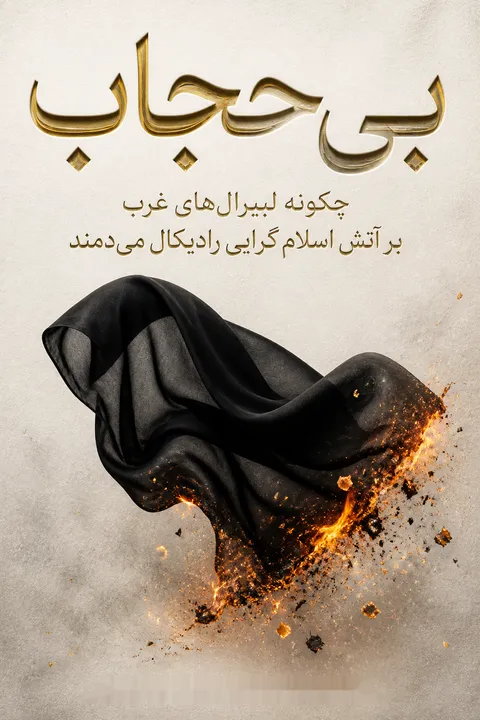
Unveiled is a powerful memoir detailing Yasmine Mohammed's escape from fundamentalist Islam. Readers praise her bravery in sharing her traumatic experiences and criticizing Islamic practices. Many found the book eye-opening and important, highlighting issues of cultural relativism and human rights. Some critics felt the book overgeneralized Islam or didn't fully address the subtitle's claim. Overall, reviewers commend Mohammed's resilience and call for greater awareness of women's struggles within Muslim communities.
People Also Read





Glossary
Ex-Muslim
person who left IslamA person who was raised Muslim or once identified as Muslim but no longer believes in or follows Islam. In Mohammed's account, leaving can carry substantial social and physical risks, including family rejection, threats, or punishment in countries where apostasy is criminalized. The term can also describe a community identity among people who share that experience.
Ummah
Muslim communityThe worldwide community of Muslims. In the book, the term refers both to a religious community and to the collective identity invoked in teachings about solidarity, prayer, and political struggle. Mohammed describes feeling that this identity could pressure individuals to conform, while also noting that shared online spaces can help dissenters find one another.
Sharia
Islamic law and guidanceA body of religious principles and legal interpretations derived from Islamic sources and applied in different ways across communities and states. Mohammed uses the term particularly for legal systems she sees as restricting women's rights and punishing dissent. The specific rules and their enforcement vary, so the book's use reflects its critical focus rather than a full account of all interpretations.
Hijab
Islamic head coveringA head covering worn by many Muslim women, often as part of modest dress. In Mohammed's childhood, it was imposed on her at age nine and became a visible sign of rules governing her clothing and behavior. The book emphasizes the difference between wearing hijab by choice and being compelled to wear it by family, community, or law.
Niqab
face veilA veil that covers the face, usually leaving the eyes visible, and is commonly worn with other covering garments. Mohammed describes wearing a niqab, black clothing, gloves, and socks during her abusive marriage. She experienced the full covering as isolating and physically restrictive, while the book's broader argument centers on whether a woman can choose to wear or remove it.
Katb El Kitab
Islamic marriage ceremonyAn Islamic marriage contract ceremony described in the book, which establishes a marriage as religiously permissible. Mohammed says her ceremony took place with men and women separated, and that her silence was treated as consent. She presents the event as part of the coercion surrounding her marriage, not as a freely chosen celebration.
Islamist
political Islamic movementIn Mohammed's distinction, an Islamist seeks to shape society or government according to Islamic principles through political or other nonviolent means. She contrasts this with jihadists, whom she describes as pursuing similar religious-political aims through armed violence. These labels are used differently by different writers and movements, so the definition here follows the book's framing.
Jihadist
armed religious militantA person or movement that advocates or uses armed violence in the name of jihad, especially to advance a political or religious project. Mohammed uses the term for the militant network she says her former husband joined and for which he faced scrutiny from Canadian intelligence. The term describes a subset of political actors, not Muslims generally.
Free Hearts Free Minds
support organization for ex-MuslimsAn organization founded by Mohammed to support people who have left Islam and face isolation or danger. The book says it prioritizes women and LGBTQ people in Muslim-majority countries and connects those seeking help with counseling support. It grew from Mohammed's experience receiving messages from people who had few safe sources of understanding or assistance.
FAQ
What's "Unveiled: How Western Liberals Empower Radical Islam" about?
- Author's Journey: The book is a memoir by Yasmine Mohammed, detailing her life growing up in a fundamentalist Muslim family and her eventual escape from an abusive marriage to a member of Al Qaeda.
- Critique of Western Liberals: It explores how Western liberals, in their attempts to be culturally sensitive, often end up empowering radical Islam by ignoring or excusing its oppressive practices.
- Personal and Political: The narrative intertwines personal experiences with broader political and social commentary on Islam and its impact on women's rights.
- Call for Reform: Yasmine advocates for a critical examination of Islam and supports the need for reform within Muslim communities to ensure human rights and gender equality.
Why should I read "Unveiled: How Western Liberals Empower Radical Islam"?
- Eye-Opening Perspective: The book provides a firsthand account of the challenges faced by women in fundamentalist Muslim societies, offering insights that are often overlooked in Western discourse.
- Courageous Story: Yasmine's story is one of immense bravery and resilience, inspiring readers to understand the importance of standing up against oppression.
- Cultural Critique: It challenges the reader to reconsider the implications of cultural relativism and the unintended consequences of Western liberal policies.
- Empowerment and Advocacy: The book serves as a call to action for supporting women's rights and freedom of expression in Muslim-majority countries.
What are the key takeaways of "Unveiled: How Western Liberals Empower Radical Islam"?
- Cultural Relativism Critique: The book argues that cultural relativism can lead to the empowerment of oppressive practices under the guise of respecting cultural differences.
- Need for Reform: Yasmine emphasizes the necessity of reform within Islam to align with universal human rights, particularly concerning women's rights.
- Personal Liberation: Her journey highlights the importance of personal freedom and the courage required to break free from oppressive environments.
- Role of Western Liberals: The book critiques Western liberals for often failing to support reformers within Muslim communities, inadvertently supporting radical elements.
How does Yasmine Mohammed describe her childhood in "Unveiled"?
- Strict Upbringing: Yasmine describes a childhood marked by strict adherence to Islamic practices, including wearing the hijab from a young age and enduring physical abuse for not memorizing Quranic verses.
- Isolation and Control: Her family life was characterized by isolation from non-Muslims and strict control over her actions and thoughts, instilling fear and submission.
- Cultural Conflict: Growing up in Canada, she experienced a cultural conflict between her family's fundamentalist beliefs and the more liberal society around her.
- Early Signs of Rebellion: Despite the oppressive environment, Yasmine showed early signs of questioning and resisting the strictures imposed on her.
What role does Yasmine's mother play in "Unveiled"?
- Enforcer of Tradition: Yasmine's mother is portrayed as a strict enforcer of Islamic traditions, often prioritizing religious edicts over her daughter's well-being.
- Complicit in Abuse: She is depicted as complicit in the abuse Yasmine suffered, both from her stepfather and later from her husband, by failing to protect her.
- Cultural Pressure: Her actions are influenced by cultural pressures and the desire to maintain family honor, often at the expense of her children's safety.
- Complex Relationship: The book explores the complex and painful relationship between Yasmine and her mother, highlighting themes of betrayal and longing for maternal love.
How does "Unveiled" address the issue of women's rights in Islam?
- Oppression Highlighted: The book highlights the systemic oppression of women in Islamic societies, including forced marriages, lack of autonomy, and gender-based violence.
- Call for Change: Yasmine advocates for a critical examination and reform of Islamic practices that violate women's rights, urging for a separation of religion and state.
- Personal Testimony: Her personal experiences serve as a powerful testimony to the urgent need for change and the empowerment of women within Muslim communities.
- Global Perspective: The narrative connects her story to broader global issues, emphasizing the universal struggle for women's rights and equality.
What are the best quotes from "Unveiled" and what do they mean?
- "I was the bridge; I was the first generation—I was Hodor from Game of Thrones, holding the door so my daughters could live free." This quote symbolizes Yasmine's role in breaking the cycle of oppression for her daughters, ensuring they have the freedom she was denied.
- "Religious rights cannot supersede human rights." This statement underscores the book's central argument that human rights should take precedence over religious practices that oppress individuals.
- "I survived the darkness and clawed my way into the light." This reflects Yasmine's journey from a life of oppression to one of freedom and empowerment, serving as an inspiration for others.
- "The Muslim world has been shielded from criticism for so long." This quote calls for open dialogue and criticism of oppressive practices within Islam to foster reform and progress.
How does Yasmine Mohammed critique Western liberals in "Unveiled"?
- Cultural Sensitivity Missteps: She argues that Western liberals often mistake cultural sensitivity for acceptance of oppressive practices, failing to support reformers within Muslim communities.
- Empowerment of Radical Islam: By excusing or ignoring human rights abuses in the name of cultural relativism, Western liberals inadvertently empower radical elements within Islam.
- Need for Honest Dialogue: Yasmine calls for honest and open dialogue about the challenges within Islam, urging Western liberals to support those fighting for reform and human rights.
- Double Standards: The book highlights the double standards in how Western liberals approach criticism of Islam compared to other religions, advocating for consistent support of universal human rights.
What challenges did Yasmine face in her marriage as described in "Unveiled"?
- Abusive Relationship: Yasmine's marriage to a member of Al Qaeda was marked by physical and emotional abuse, with her husband exercising control over every aspect of her life.
- Cultural and Religious Coercion: She was coerced into the marriage by her mother and faced immense pressure to conform to strict Islamic practices, including wearing a niqab.
- Struggle for Freedom: Her journey to escape the marriage involved significant personal risk, including threats to her life and the safety of her daughter.
- Legal and Social Barriers: Yasmine faced numerous legal and social barriers in her quest for freedom, highlighting the challenges women face in escaping abusive relationships within Islamic contexts.
How does "Unveiled" explore the concept of identity?
- Cultural Conflict: Yasmine's story is one of navigating the cultural conflict between her fundamentalist upbringing and the liberal society she lived in, shaping her identity.
- Personal Liberation: The book chronicles her journey of personal liberation, shedding the identity imposed on her by her family and religion to discover her true self.
- Redefining Identity: Yasmine redefines her identity through education, personal experiences, and the support of friends, ultimately embracing a secular and feminist worldview.
- Universal Themes: Her story reflects universal themes of identity, belonging, and the struggle to reconcile personal beliefs with societal expectations.
What impact did Yasmine's story have on her activism?
- Catalyst for Activism: Her personal experiences of oppression and liberation became the catalyst for her activism, advocating for women's rights and reform within Islam.
- Public Speaking and Writing: Yasmine uses her platform to speak and write about the challenges faced by women in Islamic societies, raising awareness and fostering dialogue.
- Support for Ex-Muslims: She founded Free Hearts Free Minds, an organization supporting ex-Muslims and those questioning their faith, providing resources and community.
- Global Influence: Her story has resonated globally, inspiring others to speak out and join the fight for human rights and gender equality in Muslim-majority countries.
What is the significance of the title "Unveiled: How Western Liberals Empower Radical Islam"?
- Symbolic Unveiling: The title "Unveiled" symbolizes Yasmine's journey of uncovering the truth about her life, her religion, and the broader societal issues she addresses.
- Critique of Empowerment: The subtitle highlights the book's critique of how Western liberals, in their attempts to be culturally sensitive, can inadvertently empower radical Islam.
- Call for Awareness: The title serves as a call for awareness and action, urging readers to critically examine the impact of cultural relativism on human rights and gender equality.
- Personal and Political: It reflects both the personal journey of the author and the political and social commentary woven throughout the narrative.
Download PDF
Download EPUB
.epub digital book format is ideal for reading ebooks on phones, tablets, and e-readers.








