

Key Takeaways
CRISPR turns bacterial immunity into a programmable tool for rewriting life
A lucky accident revealed the stakes. Kim, a woman with a severe immune disorder, unexpectedly recovered after one blood-forming stem cell lost the chromosome region carrying her disease-causing gene. The event, called chromothripsis, removed millions of DNA letters and could just as easily have killed her. Her case showed that cells can sometimes correct genetic disease, but nature does so unpredictably.
A bacterial defense became a tool. CRISPR began as part of an immune system in bacteria: microbes store snippets of viral DNA, then use matching RNA guides and proteins to recognize and destroy future invaders. Doudna and Emmanuelle Charpentier’s team found that Cas9, guided by RNA, could cut a chosen DNA sequence. A redesigned guide made the system programmable, allowing scientists to direct it beyond bacteria and viral DNA.
What's striking is the reversal of scale: a survival strategy evolved by microbes becomes a tool for deliberately changing genomes across species. The story also makes a useful distinction between capability and control. Kim's recovery is not evidence that genetic damage usually repairs itself safely; it shows how rare and contingent a favorable outcome can be. The larger lesson is that understanding a biological mechanism can turn an accident into an intervention, but the intervention inherits none of nature's presumed wisdom. Human choices, not evolutionary history, must determine what counts as a desirable edit.
A precise cut can repair, disable, or rearrange a gene
Cells decide what follows the cut. CRISPR-Cas9 uses a guide RNA to direct Cas9 to a matching DNA sequence, where the enzyme cuts both strands. The cell then repairs the break. One common repair process, nonhomologous end joining, reconnects the ends imperfectly, often adding or deleting DNA letters. That can scramble the gene and switch it off, a result called a knockout.
A template enables correction. If researchers supply a matching DNA repair template, the cell can use it to replace damaged code through homologous recombination, a more precise repair process. Multiple cuts can remove or flip a larger stretch of DNA. Scientists can also disable Cas9's cutting function while keeping its ability to locate a gene, then use it to influence whether that gene is active. The same targeting system therefore supports several different interventions.
The useful mental model is not scissors alone, but a cut followed by a cellular repair decision. That distinction prevents a common misunderstanding: targeting a mutation does not guarantee that the cell will repair it exactly as intended. The outcome depends on the cell's repair machinery and on whether a template is available. The genome-as-text comparison helps explain the technology, but it has limits. DNA operates inside cells and biological networks, so a seemingly small edit can change more than the isolated line of code suggests.
Cheap, simple editing turns genome engineering into ordinary lab equipment
A guide replaces custom engineering. Earlier programmable tools, including zinc finger nucleases and TALENs, required specialized protein design, expertise, time, or money. CRISPR made targeting a new gene much simpler: researchers select a DNA sequence and make a guide RNA that matches it. In Doudna's account, a CRISPR guide could be designed in minutes and made for a small fraction of the cost of custom earlier tools.
Distribution accelerated adoption. Shared plasmids, online design software, and standard lab methods helped spread the technology. In 2015, Addgene shipped about 60,000 CRISPR-related plasmids to researchers in more than 80 countries. This accessibility enabled experiments across many plants and animals, and even genome-wide screens that test the role of thousands of genes. It also meant that increasingly powerful methods were no longer limited to a small circle of specialists.
The book captures a familiar feature of technology: a tool becomes transformative when it is not only powerful, but usable by many people. Standardization and shared materials make experiments easier to reproduce and invite more researchers to ask questions. Yet accessibility also changes who can act before institutions can agree on safeguards. Democratization is therefore not automatically democratic in the civic sense. A tool can become widely available while decisions about its risks and benefits remain concentrated among researchers, companies, and regulators.
Match gene editing to the tissue, and test every unintended cut
Treatment depends on delivery. Many of CRISPR's most compelling medical results in the book came from cells or animals in laboratories, not routine treatment of patients. Ex vivo editing removes a patient's cells, edits them outside the body, checks them, and returns them. This is especially promising for blood disorders such as sickle cell disease. In vivo editing sends CRISPR directly into the body, where it must reach the right tissue without provoking harmful reactions.
Mistakes can last. Cas9 can sometimes cut DNA sequences that resemble its intended target. Unlike a drug side effect that may fade when treatment stops, an unintended edit can remain in the genome and be copied into descendant cells. Researchers were improving targeting, screening for similar sequences, and limiting the amount of CRISPR delivered. These safeguards matter because the therapeutic promise is strongest for diseases with a clear genetic cause, not complex conditions shaped by many genes and other factors.
The distinction between ex vivo and in vivo treatment is also a distinction in controllability. Cells edited outside the body can be inspected before they are returned, while edits made inside a patient are harder to monitor and retrieve. This makes delivery and quality control central parts of the therapy, not mere technical details. The risk comparison also needs care: natural mutations are common, but that fact alone does not establish that an intentional edit is safe. The relevant question is whether the intervention's expected benefit justifies its specific, measurable risks.
Gene drives can spread one edit through wild populations
Ordinary inheritance has limits. In sexual reproduction, a particular version of a gene is usually passed to about half of an organism's offspring. A gene drive uses CRISPR to copy its own genetic instructions onto the other chromosome, increasing the chance that offspring inherit it. In principle, this lets an edit spread through a population much faster than ordinary inheritance would.
The scale creates both promise and danger. Laboratory demonstrations described in the book included mosquito gene drives designed either to spread resistance to the malaria parasite or to spread female sterility, which could reduce a population. One reported malaria-resistance experiment reached 99.5 percent inheritance in tested mosquitoes. But a drive released into the environment could cross borders and be difficult to contain. The book presents containment and proposed reversal drives as possible safeguards, while emphasizing that ecological consequences cannot be fully predicted in advance.
A gene drive changes the unit of risk from an individual organism to an entire population and its ecosystem. That shift makes ordinary laboratory consent and containment insufficient as the sole ethical framework: affected communities may live far from the laboratory and across national boundaries. The potential public-health gains are serious, particularly when disease causes widespread harm. But a successful intervention could alter ecological relationships in ways that are difficult to reverse. The central challenge is not simply whether a drive works, but who has authority to release it and who bears the consequences.
Judge edited crops by outcomes and production process
Precision can improve food. Conventional breeding and mutation methods can alter many parts of a plant's genome. Gene editing can make a narrower change. The book describes wheat made resistant to powdery mildew by altering all six copies of the Mlo gene, and potatoes edited to reduce acrylamide, a chemical formed during high-heat cooking. The edited potatoes produced chips with about 70 percent less acrylamide and less browning.
The label can matter as much as the crop. Many gene-edited plants change their own DNA without retaining foreign DNA, unlike common transgenic crops. That distinction raises a regulatory question: should oversight depend on the final product, the method used to create it, or both? The book argues that public resistance to genetically modified foods often conflicts with scientific assessments of safety, while acknowledging that consumer trust and clear communication shape whether beneficial crops are accepted.
This debate exposes two different ideas of safety. One focuses on the traits and risks of the food itself; the other asks whether the method of production deserves scrutiny, even when the final crop resembles one that could arise through conventional breeding. Neither question can simply substitute for the other. Scientific evidence is essential for judging hazards, but public acceptance also depends on transparency, institutional trust, and who controls agricultural technology. Calling opposition uninformed may close the conversation that would help people evaluate specific products more carefully.
Germline editing changes descendants, not just the patient
Two kinds of cells, two kinds of consequence. Somatic cells make up most of the body, and edits to them are not passed to children. Germ cells, including eggs, sperm, and their precursors, transmit DNA to future generations. Editing an early embryo can therefore change the person who develops and the genetic material that person may pass on.
A first embryo experiment showed the technical gap. In 2015, researchers edited 86 nonviable human embryos while studying a mutation associated with beta-thalassemia. Only four showed the intended change. Other embryos had unintended edits, used the wrong repair sequence, or contained a mixture of differently edited cells. The embryos were not intended for pregnancy, but the experiment demonstrated why a research result is not the same as a safe reproductive procedure, and why heritable edits raise questions beyond individual patient care.
The somatic and germline distinction clarifies why some uses of the same tool provoke different judgments. A patient can consent to treatment for their own body, but future descendants cannot consent to an inherited change made before they exist. That does not settle the issue: preventing a severe inherited disease could spare a family substantial suffering. It does mean that ordinary clinical reasoning must be supplemented with attention to long-term effects, family choice, and public legitimacy. Technical feasibility is only one condition for responsible use.
Disease prevention can slide into enhancement and widen genetic inequality
The boundary is hard to draw. Editing an embryo to prevent a devastating disease may seem like treatment. But changing a gene to reduce future risk of heart disease, increase muscle, or alter another trait can blur the line between therapy and enhancement. The same biological change may look like prevention to one family and an unfair advantage to another. Traits such as intelligence or athletic ability are also shaped by many genes and other influences, making simple genetic upgrades far less straightforward than popular visions suggest.
Choice exists within social history. The book weighs reproductive freedom against concerns about eugenics, unequal access, and pressure to treat certain forms of disability as defects. If expensive editing is available first to wealthy families, inherited advantages could compound across generations. At the same time, people facing severe genetic diseases may reasonably see prevention as an urgent form of relief. Respecting choice requires more than permitting a procedure; it also requires protecting people who choose differently.
This is where individual choice meets social structure. A decision made privately by parents can still contribute to public expectations about which bodies and minds are acceptable. Disability perspectives are especially important because a medical account of impairment does not capture every person's experience of identity, community, or quality of life. Yet dismissing prevention as eugenic can also disregard families confronting severe, predictable suffering. The strongest ethical approach separates coercive population policies from voluntary care, while still examining access, social pressure, and the meanings attached to genetic difference.
Put the public in the room before technical success becomes policy
Scientists have a duty to explain. After recognizing that embryo editing might arrive before public debate, Doudna helped organize a 2015 meeting and coauthored a call for broader discussion and caution about clinical germline use. The effort drew on the history of recombinant DNA research, when scientists raised concerns, paused some experiments, and convened the Asilomar meeting to discuss safeguards. That process helped research continue, though critics argued that scientists and a small invited group had too much control over the debate.
Expertise is necessary, not sufficient. The book argues that researchers should make the science understandable, while patients, disability advocates, social scientists, faith leaders, regulators, and the public help decide what purposes are acceptable. International discussion matters because rules differ across countries and the technology can cross borders. A pause is not a final answer; it creates room to weigh risks, benefits, and values before actions become difficult to reverse.
The Asilomar analogy is useful because it shows that scientific self-restraint can create time for oversight rather than simply stopping discovery. Its limitation is equally instructive: a meeting led by experts cannot stand in for democratic participation. Researchers have privileged knowledge about what a tool can do, but that does not give them exclusive authority to decide what society should want. Good governance needs both technical literacy and legitimate representation, with public participation early enough to shape research priorities rather than merely react to results.
Analysis
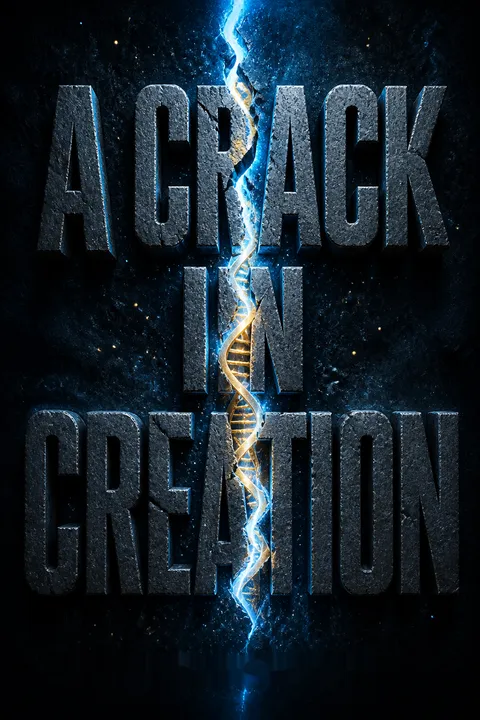
A Crack in Creation is both a scientific origin story and an argument about responsibility. Its narrative begins with a startling natural event, then traces how bacterial immune machinery became a programmable DNA editor. That history matters because CRISPR did not emerge from a plan to redesign humanity. It arose from curiosity about microbial defense, illustrating how basic research can generate applications no one initially intended.
The book's central tension is between therapeutic promise and the asymmetry of consequences. Editing a patient's blood cells may be contained, monitored, and limited to that person. Editing an embryo can affect descendants, while a gene drive can propagate through an ecosystem. These are not simply different applications of one technique. They differ in reversibility, scale, who can consent, and who bears risk. Treating them as one debate called gene editing obscures the policy distinctions that matter most. Doudna's position is deliberately unsettled. She supports pursuing treatments for serious disease, urges caution about heritable human edits, and resists an absolute ban that could block future relief. This stance is strongest when it separates the question of whether an intervention can work from whether it should be used. It is less settled on the safeguards needed to ensure equitable access and meaningful public consent. A treatment can be safe in a laboratory sense and still amplify social disadvantage or stigmatize people whose traits it aims to prevent.
The book also makes communication part of scientific practice, not public relations after the discovery. Its account of Asilomar shows that early discussion can produce a more workable path than secrecy or a reactive backlash. Yet expert-led forums have limits: knowledge of mechanisms does not confer sole authority over social values. The enduring lesson is institutional. Society needs structures that can distinguish promising somatic therapies from heritable or ecological interventions, scrutinize each on its own risks, and involve affected communities before technical momentum determines the choices for them.
Review Summary
A Crack in Creation explores CRISPR gene editing technology, its potential applications, and ethical implications. Reviewers praise Doudna's clear explanations of complex science, though some find the ethical discussions lacking depth. The book's personal narrative and insights into scientific discovery are appreciated. Readers are fascinated by CRISPR's potential to revolutionize medicine, agriculture, and human evolution, but express concerns about unintended consequences and societal impacts. Overall, the book is considered an important read for understanding this groundbreaking technology and its far-reaching implications.
People Also Read



Glossary
CRISPR
Bacterial immune memoryAn acronym for clustered regularly interspaced short palindromic repeats. In bacteria and archaea, CRISPR regions contain repeated DNA sequences separated by snippets often copied from viruses. With associated proteins, these snippets help microbes recognize and attack genetic material from familiar invaders. Researchers adapted parts of this natural defense system into programmable tools for targeting DNA.
Cas9
RNA-guided DNA cutterA CRISPR-associated protein that can bind guide RNA and cut matching DNA. In its natural bacterial setting, Cas9 helps target viral genetic material. Researchers can change the guide sequence to direct Cas9 to chosen DNA locations. Modified versions can also retain the ability to locate DNA while losing the ability to cut it.
single-guide RNA
Combined targeting guideA laboratory-designed RNA that joins the targeting and supporting roles played by two separate RNA molecules in the natural Streptococcus CRISPR system. It pairs with Cas9 and directs the protein to a complementary DNA sequence. Fusing the two RNA components simplified the system and helped make Cas9 easier to program for gene editing.
gene drive
Biased genetic inheritanceA genetic system designed to make a particular DNA sequence pass to offspring more often than ordinary inheritance would allow. A CRISPR gene drive can copy its own sequence onto a matching chromosome, increasing the odds that offspring inherit it. This could spread a trait through a wild population, but it may be difficult to contain or reverse.
somatic cells
Noninherited body cellsCells of the body whose DNA is not normally passed to offspring. They include cells in tissues such as blood, muscle, skin, and the brain. Editing these cells can affect the treated individual without intentionally changing the genetic material inherited by future generations, which distinguishes somatic editing from germline editing.
germline
Inherited genetic lineageThe chain of reproductive cells that carries genetic information from one generation to the next. In humans, it includes eggs, sperm, their precursor cells, and very early embryonic cells whose DNA may be inherited. Editing the germline can create changes that are passed to descendants, so its consequences extend beyond the individual who develops from an edited embryo.
off-target effects
Unintended DNA changesChanges made at DNA sequences other than the intended target. They can occur when a guide RNA directs a gene-editing system to a similar but nonmatching sequence. Because DNA edits can persist and be copied as cells divide, researchers test for off-target changes and try to improve the system's ability to discriminate between target and near-match sequences.
homologous recombination
Template-directed DNA repairA cellular repair process that uses a matching DNA sequence as a template to repair a break or exchange genetic material. In gene editing, researchers can supply a repair template containing the desired sequence. The cell may then use it to replace damaged or mutated DNA more precisely than repair methods that simply reconnect broken ends.
nonhomologous end joining
Imprecise break repairA cellular process that repairs a DNA double-strand break by reconnecting the broken ends without using a matching template. The repair can insert or delete DNA letters at the join. Researchers use these small errors to disrupt a gene, but the exact sequence of the resulting change is not fully controlled.
FAQ
What’s A Crack in Creation by Jennifer A. Doudna about?
- CRISPR discovery and development: The book chronicles the scientific journey behind the discovery and development of CRISPR, a revolutionary gene-editing technology derived from a bacterial immune system.
- Personal and scientific narrative: Jennifer Doudna shares her personal experiences as a scientist, highlighting the collaborative efforts, excitement, and challenges involved in CRISPR’s invention.
- Societal and ethical implications: The narrative explores the profound possibilities and risks of gene editing, including its impact on medicine, agriculture, and the future of human evolution.
Why should I read A Crack in Creation by Jennifer A. Doudna?
- Accessible science explanation: The book demystifies complex molecular biology, making CRISPR technology understandable for readers interested in genetics and biotechnology.
- Ethical and societal context: It raises critical questions about the moral, social, and ecological implications of gene editing, encouraging readers to engage in the ongoing debate.
- Firsthand scientific perspective: Authored by a CRISPR pioneer, it offers an insider’s view of the scientific process, collaboration, and the responsibilities scientists face in guiding powerful new technologies.
What are the key takeaways from A Crack in Creation by Jennifer A. Doudna?
- Transformative potential of CRISPR: CRISPR has revolutionized gene editing, making it faster, cheaper, and more accessible than previous technologies.
- Broad applications and risks: The technology holds promise for treating genetic diseases, improving agriculture, and even controlling evolution, but also poses significant ethical and ecological challenges.
- Need for responsible stewardship: Doudna emphasizes the importance of public engagement, ethical governance, and international cooperation to ensure CRISPR is used wisely and safely.
What is CRISPR-Cas9 and how does it work according to A Crack in Creation?
- Bacterial immune system origin: CRISPR-Cas9 is a natural defense mechanism in bacteria that uses RNA guides to target and cut specific DNA sequences from invading viruses.
- Programmable gene editing tool: Scientists repurposed this system, using the Cas9 protein and guide RNAs to make precise cuts in DNA, enabling targeted gene modifications.
- Cellular repair mechanisms: After Cas9 cuts the DNA, cells repair the break either by error-prone nonhomologous end joining (disrupting genes) or by homology-directed repair (introducing precise changes).
How does CRISPR-Cas9 differ from earlier gene-editing technologies like ZFNs and TALENs in A Crack in Creation?
- Ease of design: CRISPR uses simple RNA guides for targeting, while ZFNs and TALENs require complex protein engineering, making CRISPR much easier and cheaper to use.
- Efficiency and versatility: CRISPR achieves higher editing efficiencies and can target multiple genes simultaneously, surpassing the capabilities of earlier tools.
- Democratization of gene editing: The simplicity and low cost of CRISPR have enabled widespread adoption in research labs worldwide, accelerating innovation.
What are the main applications of CRISPR-Cas9 in medicine and agriculture described in A Crack in Creation?
- Medical therapies: CRISPR is being explored to treat genetic diseases like sickle cell anemia, cystic fibrosis, and muscular dystrophy by correcting mutations in human cells.
- Agricultural improvements: The technology is used to create crops with enhanced disease resistance, improved shelf life, and better nutritional content, as well as livestock with desirable traits.
- Biomedical research: CRISPR enables rapid creation of genetically modified animal models to study human diseases and develop new treatments.
How does A Crack in Creation by Jennifer A. Doudna explain the potential of CRISPR in human therapeutics?
- Treating monogenic diseases: CRISPR offers hope for curing diseases caused by single-gene mutations by repairing or correcting faulty genes in patient cells.
- Ex vivo and in vivo approaches: Ex vivo editing modifies patient cells outside the body, while in vivo editing delivers CRISPR directly into tissues, each with unique challenges and opportunities.
- Cancer and infectious disease: The technology is advancing cancer research and immunotherapy, and is being explored to engineer immune cells to resist infections like HIV.
What ethical and societal challenges does Jennifer Doudna discuss in A Crack in Creation?
- Human germline editing: Editing embryos to prevent disease or enhance traits raises concerns about safety, consent, equity, and the potential for eugenics.
- Regulation and public engagement: Doudna stresses the need for inclusive, global discussions involving scientists, ethicists, policymakers, and the public to guide responsible use.
- Potential misuse and unintended consequences: The book warns about risks such as ecological impacts, genetic discrimination, and the moral implications of altering evolution.
What are gene drives and why are they significant in A Crack in Creation by Jennifer A. Doudna?
- Definition and mechanism: Gene drives are genetic systems that bias inheritance, allowing specific genes to spread rapidly through wild populations using CRISPR-based technology.
- Applications in ecology: They could be used to control disease vectors like mosquitoes, eradicate invasive species, and address agricultural pests.
- Risks and biosecurity: The self-sustaining nature of gene drives raises ecological and biosecurity concerns, including unintended consequences and difficulty in reversing changes.
How did Jennifer Doudna and her collaborators discover and develop CRISPR-Cas9, according to A Crack in Creation?
- Bacterial immune system research: The journey began with studying how bacteria use CRISPR sequences and Cas proteins to defend against viruses.
- Key biochemical breakthroughs: Doudna’s lab purified Cas9 and demonstrated its RNA-guided DNA-cutting activity, engineering a single-guide RNA for simplicity.
- Collaboration and rapid adoption: The 2012 Science paper by Doudna, Charpentier, and colleagues revealed CRISPR-Cas9’s programmable DNA-cutting ability, sparking global interest and innovation.
What are the main challenges and future directions for CRISPR technology discussed in A Crack in Creation?
- Improving precision and delivery: Reducing off-target effects and developing efficient delivery methods, especially for in vivo therapies, are critical for clinical success.
- Ethical governance: Ongoing ethical reflection, public education, and international regulatory frameworks are needed to guide responsible use, particularly for germline and ecological applications.
- Expanding applications: CRISPR’s potential extends to synthetic biology, environmental management, and beyond, requiring a balance between innovation and caution.
What are the best quotes from A Crack in Creation by Jennifer A. Doudna and what do they mean?
- On scientific responsibility: “Decisions concerning the application of this knowledge must ultimately be made by society, and only an informed society can make such decisions wisely.” This highlights the need for public engagement in gene editing decisions.
- On CRISPR’s power: “The power to control our species’ genetic future is awesome and terrifying. Deciding how to handle it may be the biggest challenge we have ever faced.” This reflects the dual nature of CRISPR as both transformative and risky.
- On natural mutations: “Genetic editing would be a droplet in the maelstrom of naturally churning genomes.” This quote puts CRISPR’s risks in perspective, comparing them to the constant natural mutations in all living organisms.
Download PDF
Download EPUB
.epub digital book format is ideal for reading ebooks on phones, tablets, and e-readers.








