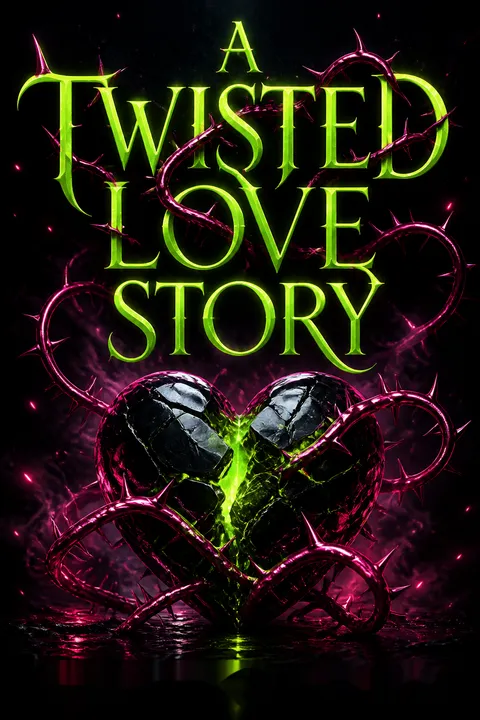


Plot Summary
A Detective Cancels Dinner
Wes Harmon has timed his workday around an evening date when Detective Karen Colglazier arrives at his office. She explains that his former girlfriend, Ivy Banks, has reported notes, photographs, and gifts left by someone watching her. Ivy has named Wes as the likely stalker, so Karen warns him to leave her alone. He denies doing it and describes their long, intense relationship as finished.
His date disappears from his plans. Karen leaves without arresting him, since the reported behavior has not yet crossed a prosecutable line. At home, Wes replays the interview, then smiles at the thought of Ivy. Across town, Ivy waits behind a locked door, expecting someone. When Wes knocks, she opens it without fear.
The opening makes the police visit both a threat and an invitation. Wes performs innocence for Karen, yet privately welcomes Ivy's return, revealing how little distance exists between his denial and his desire. Ivy's calm at the door complicates the idea of a conventional victim in peril: she has engineered contact, though the gifts and surveillance remain unexplained. The mismatch between the police's limited authority and the couple's private history creates the book's central uncertainty. Is this romance, coercion, or a contest whose rules only the two participants understand?
The Door Opens Again
Wes and Ivy first met at a crowded UC Davis party, where a playful exchange led him to guide her toward a quieter bathroom and later protect her from a mugger on her walk home. Their attraction hardened into a pattern of breakups, elaborate apologies, and returns. Years later, after the police visit, Wes comes to Ivy's apartment.
She admits she used the stalking report to draw him back, and he admits her plan worked. They sleep together, then agree to try being a couple again, with promises against games and lies. Their familiar tenderness surfaces in small habits, shared jokes, and remembered kindnesses, but neither can mistake familiarity for stability. Ivy decides not to correct Karen's assumption that Wes stopped the stalking.
The relationship is built from evidence that can support opposite readings. Wes's rescue of Ivy and his attention to her needs suggest care, while his uninvited pursuit and her deliberate police report turn intimacy into leverage. Their memories make the bond feel earned, not merely compulsive, which is why outside warnings fail to settle the question. The promise of honesty is especially fragile: Ivy withholds the truth from Karen almost immediately, and Wes accepts a reunion built on manipulation. Their private language of gestures and rituals offers comfort, but also helps them avoid naming harm.
Nesting Dolls and Police Files
At Siphon, the investment company where Wes works, assistant Bianca Mercado watches him closely after Detective Colglazier visits. Wes gives her a flimsy explanation, and Bianca notices the mismatch between his story and the detective's Sex Crimes assignment.
She uses a concealed master key to search his office, finding a memorial fund for Joey Fisher in his browser history. Bianca begins tracing Wes's contacts and Ivy's online life, while keeping the investigation hidden from colleagues.
Karen, meanwhile, reviews old police reports connected to Ivy and Wes, including a vandalized car and a later report that Ivy's Toyota 4Runner was stolen. The records suggest a longer history than either former lover has admitted, but neither Karen nor Bianca yet has enough to explain it.
Bianca and Karen become parallel readers of incomplete records. Bianca treats offices, passwords, and social media as a human archive; Karen reads police paperwork for patterns that institutions once dismissed. Both act outside ordinary boundaries, but their motives differ: Bianca seeks an answer tied to personal grief, while Karen is driven by professional experience and an instinct to protect. The nesting dolls embody Bianca's method, hiding access inside an innocuous object. Their investigations also challenge the apparent privacy of Wes and Ivy's relationship. What the couple has kept unspoken is still legible in the traces they left behind.
Scissors in the Sales Office
Wes and Ivy's reunion turns brittle over dinner after Karen tells Ivy she has found an old report about Wes accusing her of damaging his car. Ivy also recalls the Fine Line, a gentlemen's club where she once took a job without Wes believing her.
At Siphon, Bianca stays late to investigate Wes's records. Her boss, Tanner Duncan, arrives drunk and presses himself against her despite her attempts to stop him. Trapped against a desk, Bianca reaches blindly for something to defend herself and finds scissors.
She stabs Tanner in the neck. Karen arrives at the blood-soaked office and learns that Bianca is in the hospital and Tanner is dead. The killing is investigated as self-defense, but Karen recognizes the workplace and Wes's open office door.
Tanner's attack exposes the violence that can hide beneath Siphon's polished corporate manners. Bianca's access to information has made her vulnerable, and her decision to stay late places her alone with a superior who mistakes professional flirtation for permission. The scissors are not a plan but the nearest available interruption to an assault. Karen's presence at the scene links two cases through an address, not yet through proof. The chapter also sharpens the book's question of credibility: Bianca's act will be judged by what can be documented, while the fear that preceded it is harder to make visible.
The 4Runner's Hidden Shape
Karen follows the old stolen-car report beyond the limits of her assigned work. Photographs of Joey Fisher's damaged car and the 4Runner recovered from a lake lead retired crash investigator Hugo Garrison to a possible match: the 4Runner's angular headlight appears to have left its shape in Joey's door.
Karen finds a 911 call from the night Ivy worked at the Fine Line, then learns that Ivy left the club and returned the next day for a bag she had abandoned. Bianca adds a photograph of Wes behind the wheel of the 4Runner, taken six days before Joey died, and metadata that fixes its location and date. Karen presents the links to her superiors and wins an official assignment to the dormant hit-and-run case.
The investigation advances through ordinary remnants: an old photograph, a damaged headlight, a call log, and a forgotten bag. None alone proves guilt, but together they alter the meaning of the stolen-car report. Karen's persistence exposes how institutional attention is rationed; Joey's case was left behind when a more urgent homicide took precedence. Bianca's contribution shows how supposedly trivial workplace knowledge can become forensic evidence. The method is cumulative rather than miraculous. Each clue asks the reader to revise an earlier assumption, turning the couple's carefully sealed past into a sequence that outsiders can reconstruct.
A Promise Under Stars
After Tanner's funeral, Karen lets slip that she interviewed Wes again, and Ivy realizes he kept the meeting from her. Their fragile reunion collapses into silence. Wes sleeps with Abigail Wright, Siphon's poised executive assistant, while Ivy tries to provoke his jealousy with a man she meets at a bar.
Her old friend Heath returns from Oregon and urges her to leave Wes, but Ivy cannot accept that the relationship is over. When Karen tells her the Joey Fisher case is active again, Ivy goes to Wes.
They rehearse the account they have given police about the 4Runner's theft and agree to stay aligned. Under the pressure of possible prosecution, Wes proposes marriage partly for legal protection and partly because he wants Ivy as his wife. She accepts, and they plan a quick Vegas ceremony.
Each character tries to manage uncertainty by imposing a preferred story. Heath calls the relationship destructive; Ivy calls Wes's disappearances grand gestures; Wes treats marriage as both legal strategy and emotional commitment. The distinction between those motives matters, but the novel refuses to make it clean. Their alignment around a shared account resembles intimacy because it requires trust, yet it also binds them through concealment. Abigail's brief entanglement and Ivy's jealousy tactics show how easily outsiders become instruments in the couple's ongoing contest. The proposal is sincere without being innocent.
Vegas Without a Groom
Ivy reaches the Sacramento airport dressed and prepared for the wedding, but Wes never arrives. After calling him repeatedly, she breaks into his house and finds signs that he packed for the trip. A lawyer finally explains why Wes vanished: police have arrested him for Joey Fisher's death.
The arrest comes after Karen gathers a witness, taxi records showing Ivy rode to the Fine Line, and crash evidence connecting the 4Runner to Joey's car. The case forces the buried night into view. Wes found Ivy working at the club, carried her out, and drove away after she grabbed the steering wheel and the 4Runner struck Joey's parked car. Wes and Ivy left the scene, hid the damaged vehicle in a lake, and falsely reported it stolen.
The abandoned wedding turns a private promise into a public rupture. Ivy's search of Wes's house briefly comforts her because his packed belongings suggest he intended to meet her, but the arrest makes that evidence feel cruelly incomplete. The flashback reveals that the couple's shared secret began not with a calculated murder but with a reckless chain of choices: force, panic, collision, flight, and concealment. Their decision not to confess protected each other in the moment while transferring the cost to Joey's family and to their future selves. The crime is both accidental and culpable.
The Case Against Wes
Wes secures bail by putting up his house, but an ankle monitor confines him to home and work. Siphon places him on unpaid leave, while Ivy visits, cooks, and tries to keep their wedding plans alive. Karen's case grows stronger: crash reconstruction, taxi records, and evidence from Wes's desk point toward the 4Runner.
Bianca has found the old parking sticker Wes kept after removing it from the stolen vehicle, and Abigail claims she heard Wes and Ivy arguing about the accident at Siphon. The couple debates whether Ivy should confess and risk charges herself. Wes insists they wait. Facing legal costs, public shame, and the prospect of prison, he cuts off his monitor and disappears before Ivy can persuade him to stay.
Bail gives Wes temporary freedom but converts his home into a monitored cage, exposing the material consequences of a case that once existed only in memory. Ivy responds with care, but her service cannot undo the joint secret or restore ordinary life. The evidence is powerful precisely because it is mundane: a sticker, travel records, and a witness's account. Their disagreements over confession reveal different forms of loyalty. Wes tries to protect Ivy by controlling the timing; Ivy wants to stop him from bearing blame alone. His flight breaks their tacit pact by choosing action without her consent.
Nightingale Collision
While Karen searches for the fugitive, Ivy drives to her neighborhood hoping to learn what the detective knows. Milo, the bearded man she once used to provoke Wes, appears and follows her. As Ivy speeds away, she hits Karen with her car and flees, leaving a neighbor to call for help. At the same time, Wes has tracked Abigail to her home, convinced she is the witness who supplied the account against him.
Abigail admits she spoke to police after Bianca connected her to Joey Fisher, and she reveals that Bianca found the old parking sticker. When Wes presses her, Abigail draws a gun and shoots his arm. He strikes her with a baseball bat, takes her car, and escapes. Heath urges Ivy to blame Wes for the collision; she refuses.
The parallel accidents collapse the distinction between past and present. Ivy repeats the flight that followed Joey's death, this time striking the detective who pursued it; Wes answers a threatened exposure with physical violence. Neither can pretend that their actions are merely romantic games now. Heath offers Ivy an escape through a lie, but it would make Wes carry the cost of another act she committed. Her refusal is not a clean moral awakening: she still hides what happened and chooses flight. The couple's loyalty remains real, but it has become inseparable from evasion.
No Names, No Phones
Wounded, Wes reaches Ivy's apartment, where she patches his arm after learning that Abigail shot him. He admits he struck Abigail with a bat and believes police will soon find her. Ivy reveals she hit Karen, and the two decide that prison would separate them for years. They take Abigail's car, switch its plates, withdraw cash, discard Ivy's bank card, and walk to an abandoned mall to meet a rideshare van headed east.
On the road, they compare the stalking accusations that began their reunion. Wes insists he never sent the photographs or bitten truffles; Ivy insists she never staged them. Their certainty breaks. The epilogue later strongly implicates Heath, who admits to interfering and sending things to disrupt their relationship.
The escape completes the couple's recurring movement toward one another, but removes the social scaffolding that once made return possible. They abandon phones, names, possessions, and legal defenses, carrying only cash and their shared version of events. The stalking revelation destabilizes their most recent reunion: Ivy's accusation helped bring Wes back, yet neither partner can claim authorship of the gifts that fueled it. Heath's later admission suggests that a supposed act of romantic pursuit was another person's intervention. Even so, the lovers leave together, choosing attachment over accountability without resolving what that choice will cost.
Epilogue
Six months later, Milo hosts Heath on his Broken Men podcast. Heath admits that he tried to interfere in Ivy and Wes's relationship and had sent things to provoke a rupture, though he does not give the full details. He acknowledges that his certainty about what Ivy needed was not the same as understanding her.
He is now involved with Bianca, whose connection to Wes's past has drawn them together. The police have not found the fugitives. Heath imagines them somewhere beyond reach, still separating and returning to each other.
The podcast offers a public ending without a legal one. The fugitives remain absent, so the final account belongs to the people left behind, especially Heath, whose protective certainty has to yield to the limits of his knowledge. His admission also reframes the opening mystery: the stalking may have been an intervention disguised as devotion, just as the couple's own gestures repeatedly blur care and control. Heath's relationship with Bianca forms a quieter counterpoint, but the book resists treating it as proof of a universally correct model. The unresolved search leaves love powerful, not absolving.
Analysis
A Twisted Love Story builds its thriller around a relationship that cannot be cleanly classified from the outside. Wes and Ivy manipulate, punish, comfort, and protect each other, sometimes within hours. Karen's experience gives her a valuable language for coercion, but her certainty also exposes the danger of treating a familiar pattern as proof about a particular couple. Heath makes the opposite error: he believes that loving Ivy entitles him to decide what she should want. Bianca, meanwhile, turns grief into patient investigation, while institutions repeatedly leave victims and witnesses to manage consequences on their own.
The novel's most consequential acts begin as attempts to control an immediate crisis. Wes carries Ivy from the club because he cannot tolerate her choice; she grabs the wheel; they hit Joey's car; then both choose concealment. That chain makes the couple's tenderness morally complicated. Their shared secret is an intimate bond, but it also preserves their freedom at the cost of justice for Joey. Later, the stalking report and Ivy's collision with Karen echo the original pattern: panic, action, flight, explanation.
Objects do the work memory cannot. A photograph, parking sticker, bite-marked chocolates, and damaged headlight keep returning with meanings their owners thought they had buried. The mystery is not only who committed each act, but who has the right to interpret it. The ending refuses a reassuring verdict. Wes and Ivy remain devoted, yet devotion neither repairs their victims' losses nor makes their choices harmless. The book's sharpest question is not whether their love is genuine. It is whether genuineness can excuse the damage people do while insisting that love is all they need.
Review Summary
A Twisted Love Story receives mixed reviews, with some praising its addictive plot and complex characters, while others find it repetitive and lacking in thrills. The toxic relationship between Wes and Ivy captivates many readers, though some struggle to connect with the unlikeable protagonists. Short chapters and unexpected twists keep readers engaged, but the pacing is criticized as uneven. Overall, fans of Downing's previous works may find this book less satisfying, but it still offers an entertaining exploration of a dysfunctional romance with a dash of mystery.
People Also Read





Characters
Wes Harmon
The meticulous returnerA sales representative at Siphon, Wes plans his days carefully and prefers choices that can be measured, scheduled, or explained. His orderly habits coexist with a powerful attachment to Ivy, whose unpredictability unsettles and attracts him. He often believes that practical problem-solving is a form of care, though his need to manage situations can become controlling. He values loyalty and remembers small acts of kindness, but he also protects himself by withholding information and rationalizing bad decisions. His relationship with Ivy repeatedly draws him toward both tenderness and competition, leaving him unsure whether he is trying to build a stable life or recreate the charged beginning of their romance.
Ivy Banks
The defiant romanticIvy works in a large corporation where routine leaves her hungry for novelty, so she studies languages and looks for ways to make ordinary days feel less fixed. Raised amid her parents' illicit marijuana business and their frequent absences, she learned to adapt and to expect people to return. With Wes, she is witty, physically affectionate, impulsive, and skilled at provoking a reaction. She can also be fiercely attentive, remembering his preferences and small vulnerabilities. Ivy knows their relationship brings pain as well as pleasure, but she resists other people's efforts to define what it means. Her challenge is not simply choosing between Wes and a safer life; it is recognizing which of her choices are truly hers.
Karen Colglazier
The stubborn detectiveA veteran detective in Fair Valley's Sex Crimes Unit, Karen is patient with victims and impatient with institutional indifference. She notices details others dismiss and trusts experience when a person's account does not fit the surrounding evidence. Her work is shaped by a deep understanding of coercive relationships and by a personal history that makes her especially alert to danger. Karen is organized, persistent, and willing to pursue difficult questions beyond the neat borders of an assignment. That commitment can also tempt her to overstep, particularly when she believes someone needs saving. She wants justice to protect people, but must confront the risk of imposing her own reading on someone else's life.
Bianca Mercado
The office observerSiphon's administrative assistant, Bianca reads people by noticing what they leave unattended: schedules, passwords, browser histories, and the stories they offer without being asked. She is young and often underestimated, a position she turns into access. Her curiosity is not merely office gossip; she wants to understand the hidden causes behind what people do. Bianca's careful methods sit beside a powerful emotional investment in the past, giving her investigation both precision and risk. She is not a trained detective, and she sometimes crosses boundaries to get answers, but she knows how easily institutions overlook people who lack influence.
Heath
Ivy's protective confidantIvy's childhood friend, Heath is an environmentally minded architect who builds small, sustainable communities. He has known her long enough to recognize her humor, stubbornness, and appetite for drama, and he worries that her relationship with Wes narrows her choices. His advice comes from genuine care, but care can harden into certainty: he often assumes that knowing Ivy's history means knowing what she should do. Heath values healthier boundaries and tries to offer Ivy an alternative to the couple's cycle. His own judgments and desires complicate his role as confidant, though he remains one of the few people she trusts enough to call.
Tanner Duncan
The polished sales bossTanner directs Siphon's sales team and serves as Wes's mentor, having taught him the company's business and helped advance his career. Charming and industrious, he knows how to make himself useful to colleagues and persuasive to clients. His authority is supported by a culture that rewards confidence and results, while his private conduct reveals a more entitled streak. Tanner's relationship with Bianca is shaped by the imbalance of their workplace roles, and his view of himself as a likable leader blinds him to how others experience his power.
Abigail Wright
The composed executive aideAbigail is the CEO's assistant and a former member of Siphon's sales department. Tall, polished, and highly efficient, she has earned a reputation for keeping her composure when colleagues are under pressure. She knows the company and its people well, and her professional manner makes others assume they understand her. Abigail is careful about reputation and workplace boundaries, though personal loyalties can complicate those boundaries. Her past interactions with Ivy and Wes make her a consequential observer of their relationship.
Joey Fisher
The case's absent centerJoey is a young man whose death in an old hit-and-run remains an unresolved part of Fair Valley's history. He had friends and plans beyond the narrow facts recorded in a police file, and his life matters to people who remember him as more than a case number. The lack of attention given to his death becomes a source of grief and unanswered questions. His story draws the present-day characters into a shared past they have tried to keep sealed.
Stella
Wes's blunt sisterWes's sister lives a more conventional adult life than he does, with a husband and young child. She is intelligent, direct, and impatient with her brother's tendency to mistake intense feeling for a sound decision. Their family bond lets her challenge him without the politeness he expects from colleagues. Stella cares about Wes but does not automatically endorse his choices.
Brooke
Ivy's social companionA colleague who joins Ivy and Lucia for drinks, Brooke is sociable, image-conscious, and quick to rally around a friend. She offers Ivy companionship and blunt reactions, though she has only a partial view of Ivy's life.
Lucia
Ivy's sympathetic colleagueLucia works with Ivy and becomes one of her regular companions outside the office. Small, expressive, and attentive, she offers practical sympathy when Ivy is under pressure. Her kindness gives Ivy a measure of support without requiring her to explain everything.
Louis Knox
Karen's fellow detectiveLouis is Karen's longtime colleague and a detective on the investigation into Tanner's death. He is experienced, practical, and conscious of case boundaries. His professional partnership with Karen is built on familiarity, but he does not always share her instincts or her willingness to pursue a lead beyond the official assignment.
Coral St. James
The club's former managerCoral once managed the backstage staff at the Fine Line and understood the routines and loyalties of the club. Now a mother in a quiet neighborhood, she has built a life far from that workplace. Her memories are imperfect, but she knows who might remember more and is willing to help when Joey Fisher's case reaches her.
Milo
The bearded podcasterMilo hosts a podcast called Broken Men and meets Ivy during a night out. He is personable enough to hold a conversation, but his self-conscious account of his own flaws does not make him an easy romantic prospect. His engagement and his response to Ivy's social media post bring unwanted complications into her already tangled private life.
Clarissa
Milo's suspicious fiancéeClarissa is Milo's fiancée, and she contacts Ivy after seeing their photograph online. A previous betrayal has made her alert to signs of infidelity. She wants a clear account of what happened, but her doubts pull Ivy into a conflict she did not intend to own.
Hugo Garrison
The retired crash analystA former crash investigator, Hugo examines photographs of Joey's car and the recovered 4Runner. He is meticulous, curious, and willing to revisit old evidence. His experience helps Karen see a possible connection that earlier investigators missed.
Bryce Kendrick
Wes's defense attorneyBryce is an established local attorney with the connections and experience to guide Wes through arrest, bail, and the coming prosecution. His calm manner makes grim legal realities easier to hear, but not easier to escape.
Stan Mitchell
Ivy's cautious lawyerStan represents Ivy as police attention turns toward the old Fine Line incident. He advises her to avoid volunteering information and helps her understand the difference between an interview request and a legal summons.
Plot Devices
The Stalking Report
A reunion with consequencesNotes, photographs, and a box of bitten chocolates lead Ivy to accuse Wes of stalking her. The report brings Karen to Wes's office and draws him back to Ivy, restarting their relationship. Because neither of them admits to creating the evidence, the report remains both an inciting event and an unresolved mystery. Its most important function is to make a private romantic tactic look like a public safety complaint, pulling law enforcement into a history the couple has hidden.
The Stolen 4Runner
A past crime resurfacedIvy's old Toyota was reported stolen after the night Joey Fisher died, then recovered from a lake years later. Damage to its front end matches a mark on Joey's car, while photographs and records place the vehicle in Wes and Ivy's lives. The car turns a disputed memory into a material trail. Its sticker, crash damage, and travel history allow Karen and Bianca to connect Joey's death to the couple's account of the vehicle's disappearance.
Bianca's Nesting Dolls
Hidden access and evidenceBianca uses a set of Russian nesting dolls to conceal a master key that opens Siphon's offices. The dolls represent the layers of her investigation: a harmless-looking administrative assistant quietly gathers access to private records. Their presence at the scene of Tanner's death also gives Karen a reason to question Bianca's account. Bianca's snooping eventually uncovers the memorial fund, the old photograph of Wes in the 4Runner, and the parking sticker that strengthens the case.
The Ankle Monitor
Freedom with a boundaryAfter Wes makes bail, the monitor restricts him to home and work while tracking his movements. It makes his financial and professional collapse visible, and intensifies his dependence on Ivy. When Wes cuts it off, the device triggers a manhunt and marks the point at which his legal defense becomes flight. The monitor also gives the police a false sense that location technology can guarantee control over a person determined to disappear.
The Shared Cover Story
Loyalty built on silenceAfter Joey dies, Wes and Ivy agree not to confess and report the 4Runner stolen. Years later, they rehearse that version of events when Karen reopens the case. Their shared account lets them protect each other, but every new piece of evidence makes the silence harder to maintain. The cover story tests whether their devotion can survive pressure and reveals how a promise made in panic can govern an entire adult life.
FAQ
```markdown
Synopsis & Basic Details
What is A Twisted Love Story about?
- A Volatile Romance Unravels: A Twisted Love Story centers on Wes Harmon, whose meticulously ordered life is thrown into chaos when his ex-girlfriend, Ivy Banks, reports him for stalking. This event draws Detective Karen Colglazier into their lives, forcing Wes and Ivy to confront their tumultuous past and the secrets they've buried.
- Intertwined Destinies: The narrative weaves together multiple perspectives, including Bianca Mercado, an assistant at Wes's company, Siphon, who becomes entangled in a separate, violent incident. Her actions inadvertently expose a seven-year-old cold case involving the death of Joey Fisher, which Detective Colglazier links back to Wes and Ivy.
- A Desperate Flight: As the investigation intensifies and their past misdeeds threaten to surface, Wes and Ivy find themselves drawn back into their destructive cycle. Facing potential imprisonment, they make a desperate decision to flee, testing the limits of their unconventional love and loyalty.
Why should I read A Twisted Love Story?
- Masterful Psychological Suspense: Samantha Downing excels at crafting a dark, witty, and utterly compelling narrative that delves deep into the complexities of toxic relationships. Readers will be hooked by the unreliable narrators and the constant shifts in perspective, questioning every character's motives.
- Unpredictable Twists & Turns: The story is a rollercoaster of unexpected revelations, from a shocking office murder to a cold case reopening, ensuring that just when you think you've figured it out, Downing pulls the rug out from under you. It's a perfect read for fans of domestic thrillers and dark humor.
- Provocative Exploration of Love: Beyond the suspense, the novel offers a unique and often unsettling examination of what "love" can mean, particularly in its most obsessive and destructive forms. It challenges readers to consider the fine line between passion, manipulation, and co-dependency, making for a truly memorable and thought-provoking experience.
What is the background of A Twisted Love Story?
- Contemporary California Setting: The story is primarily set in Fair Valley, California, a town experiencing rapid growth due to the tech industry, creating a backdrop of modern corporate life contrasted with underlying personal turmoil. This setting highlights the characters' aspirations for success and stability against their chaotic personal lives.
- Exploration of Trauma & Justice: The narrative delves into the long-term psychological impact of past traumas, particularly through Bianca's experience with assault and Karen's personal history of an abusive marriage. This background provides a powerful undercurrent to their pursuit of justice, blurring the lines between professional duty and personal vendetta.
- Subversion of Genre Tropes: Samantha Downing is known for subverting domestic thriller conventions, and A Twisted Love Story is no exception. It takes familiar elements like "stalking" and "toxic relationships" and twists them, offering a fresh, darkly humorous, and often morally ambiguous take on the genre.
What are the most memorable quotes in A Twisted Love Story?
- "Love is a serious mental disease.": This Plato quote, appearing early in Chapter 1, sets a cynical and foreshadowing tone for Wes's perspective on love, hinting at the destructive and irrational nature of his relationship with Ivy. It encapsulates the novel's central theme of love as a potentially pathological force.
- "Love always wins.": The final line of the epilogue, delivered by Heath, is profoundly ambiguous. After detailing the chaos, destruction, and flight of Wes and Ivy, this statement forces readers to question whether "winning" in love is always a positive outcome, or if it can signify the triumph of obsession and co-dependency.
- "Sometimes you have to do things that are . . . inconceivable. To protect yourself.": Uttered by Detective Karen Colglazier to Bianca in Chapter 40, this quote reveals Karen's deep understanding of trauma and self-preservation, stemming from her own past. It justifies extreme actions taken by victims and highlights the moral complexities within the justice system.
What writing style, narrative choices, and literary techniques does Samantha Downing use?
- Multiple Unreliable Perspectives: Downing employs a shifting third-person limited point of view, primarily alternating between Wes, Ivy, Karen, and Bianca. This narrative choice creates suspense and ambiguity, as each character's perception of events is colored by their biases, secrets, and self-deception, making readers constantly question the "truth" in A Twisted Love Story.
- Dark Humor and Ironic Tone: The author infuses the narrative with a dry, sardonic wit, often juxtaposing mundane observations with shocking revelations. This dark humor, particularly evident in the characters' internal monologues and their casual recounting of extreme actions, serves to heighten the unsettling nature of the story and subvert reader expectations.
- Foreshadowing and Callbacks: Downing masterfully uses subtle hints and recurring motifs to foreshadow future events and connect seemingly disparate plot points. From the early mention of Wes's "famous-quotes app" to Ivy's "sky blue" dress, these literary devices create a tightly woven plot where minor details gain significant meaning later, enriching the overall A Twisted Love Story analysis.
Hidden Details & Subtle Connections
What are some minor details that add significant meaning?
- Ivy's Pen Clicking Habit: Ivy's repetitive pen clicking, noted in Chapter 3 and later by Wes in Chapter 62, is more than a nervous habit; it symbolizes her internal agitation and her subtle, often unconscious, provocations. Wes's irritation with it highlights their ingrained dynamic of mutual annoyance and control, a microcosm of their larger relationship struggles.
- Wes's "Squirrel" Story: The anecdote in Chapter 5 about Wes swerving to avoid a squirrel, only to hit it, and his subsequent guilt, reveals a hidden layer of empathy and moral struggle beneath his often-callous exterior. This detail subtly foreshadows his later internal conflict regarding the hit-and-run, suggesting a capacity for remorse that he often suppresses.
- Bianca's Russian Nesting Dolls: The recurring presence of Bianca's nesting dolls (Chapter 8, 22, 40) symbolizes her methodical nature, her hidden layers of secrets, and her quest for uncovering concealed truths. The smallest doll, initially holding a master key and later a flash drive (a fabricated story), represents her access to hidden information and her meticulous approach to investigation, crucial for the Bianca Mercado motivations and her role in the Joey Fisher case explained.
What are some subtle foreshadowing and callbacks?
- Plato's Quote on Love: The initial Plato quote, "Love is a serious mental disease," appearing in Chapter 1, subtly foreshadows the pathological and destructive nature of Wes and Ivy's relationship, suggesting their "love" is less a healthy bond and more an illness they cannot escape. This early detail sets the stage for the dark themes in A Twisted Love Story.
- Ivy's "Sky Blue" Dress: The "sky blue" dress Ivy wears to dinner in Chapter 16, which deeply angers Wes, is a direct callback to her strip club uniform from Chapter 20. This seemingly innocent choice is a deliberate, albeit subconscious, provocation by Ivy, reminding Wes of a painful past event and reigniting their cycle of conflict and control.
- Karen's "No Coincidences" Mantra: Detective Karen Colglazier's repeated internal assertion that "There are no coincidences" (Chapter 27, 33) subtly foreshadows her eventual success in connecting seemingly unrelated events—Ivy's stolen car, her strip club job, and Joey Fisher's death—into a coherent case, highlighting her intuitive and relentless investigative style. This is key to understanding Detective Karen Colglazier's methods.
What are some unexpected character connections?
- Bianca and Joey Fisher's Past: The most significant unexpected connection is revealed in Chapter 40: Joey Fisher, the hit-and-run victim, was Bianca Mercado's high school boyfriend. This revelation transforms Bianca's character from a mere assistant to a deeply motivated avenger, explaining her relentless Bianca Mercado motivations for investigating Wes and her willingness to break rules for justice.
- Abigail Wright's Betrayal: Abigail, initially presented as a professional and detached executive assistant, is revealed to be a key witness against Wes and later, his captor (Chapter 70, 71). Her involvement stems from Bianca's blackmail, creating a complex web of alliances and betrayals that significantly impacts Wes's fate and adds depth to the Abigail Wright character analysis.
- Heath's Role in the Stalking: The epilogue reveals Heath, Ivy's best friend, admits to "doing some things I shouldn't have" to separate Ivy and Wes, implying he was involved in the initial "stalking" that Ivy attributed to Wes (Chapter 75). This recontextualizes the entire premise of the story, highlighting the manipulative nature of even seemingly supportive relationships and adding a layer of ambiguity to the Ivy Banks motivations.
Who are the most significant supporting characters?
- Bianca Mercado: The Unlikely Avenger: Bianca transcends her initial role as a background assistant to become a pivotal force for justice. Her personal connection to Joey Fisher, coupled with her traumatic experience with Tanner, fuels her methodical digital espionage and relentless pursuit of truth, making her instrumental in exposing Wes. Her journey from victim to empowered investigator is a significant arc in A Twisted Love Story.
- Detective Karen Colglazier: The Driven Investigator: Karen is far more than a typical detective; her personal history of an abusive marriage (Chapter 38) deeply informs her relentless pursuit of Wes and her desire to "rescue" Ivy. Her willingness to bend rules and her intuitive understanding of toxic dynamics make her a formidable and morally complex character, central to the Karen Colglazier character analysis and the novel's exploration of justice.
- Heath: The Conflicted Best Friend: Heath, Ivy's lifelong friend, serves as a moral compass and a foil to Wes, constantly trying to pull Ivy away from their destructive cycle. His unrequited feelings and his own admission of manipulative actions (Epilogue) add layers of complexity, revealing that even "good intentions" can be twisted. His eventual relationship with Bianca provides a contrasting, healthier dynamic, offering a nuanced perspective on relationships in A Twisted Love Story.
Psychological, Emotional, & Relational Analysis
What are some unspoken motivations of the characters?
- Karen's Personal Crusade for Justice: Detective Karen Colglazier's relentless pursuit of Wes and her deep concern for Ivy are driven by her own past experience in an abusive marriage (Chapter 38). Her unspoken motivation is to prevent Ivy from suffering the same fate she did, projecting her own trauma onto Ivy's situation and making her investigation a personal mission for justice, a key aspect of Karen Colglazier motivations.
- Ivy's Addiction to Intensity and Drama: Ivy's childhood, marked by her parents' frequent arrests and the "excitement" of their disappearances (Chapter 13), instilled in her an unspoken need for drama and intensity in her relationships. This psychological conditioning explains her repeated returns to Wes, as their volatile dynamic provides the emotional highs and lows she unconsciously craves, central to Ivy Banks psychological analysis.
- Wes's Need for Control and Validation: Wes's meticulous planning and desire for a structured life (Chapter 1) are often undermined by his relationship with Ivy. His unspoken motivation is a deep-seated need for control and validation, which Ivy, through her unpredictability and provocations, constantly challenges and then fulfills by always returning to him. This dynamic fuels their co-dependency and is crucial for understanding Wes Harmon motivations.
What psychological complexities do the characters exhibit?
- Co-dependency and Trauma Bonding: Wes and Ivy exhibit a profound co-dependency and trauma bond, where their intense emotional connection is fueled by their shared history of conflict, manipulation, and mutual rescue. Their cycle of breaking up and getting back together, often after extreme acts, highlights a relationship where pain and passion are inextricably linked, a core theme in A Twisted Love Story.
- Bianca's Trauma-Induced Vigilantism: Bianca's psychological state after killing Tanner in self-defense (Chapter 22) leads to a form of vigilantism. Her unresolved trauma and guilt over Joey Fisher's death (Chapter 44) manifest as an obsessive need to expose Wes, blurring the lines between justice and revenge. Her digital espionage is a coping mechanism and a way to regain control in a world that has deeply wronged her.
- Karen's Projection and Ethical Dilemmas: Karen's past abuse causes her to project her own experiences onto Ivy, leading her to cross ethical boundaries in her investigation (Chapter 27, 53). Her psychological complexity lies in her genuine desire to help balanced against her manipulative tactics, which she justifies as necessary to save a victim, revealing the moral gray areas of her character.
What are the major emotional turning points?
- Wes's "Fresca" Revelation: An early emotional turning point for Wes occurs in Chapter 19 when he realizes Ivy's elaborate "Fresca" revenge after their first fight was a profound act of commitment, not just anger. This moment solidifies his attachment to her, seeing her destructive creativity as a unique form of love and making him unwilling to let her go.
- Ivy's Realization of Wes's Betrayal: Ivy experiences a significant emotional shift when she discovers Wes has cut off his ankle monitor and fled without telling her (Chapter 67). This act of abandonment, after his promise to "take care of this," shatters her belief in their united front and forces her to confront the possibility that he doesn't truly have her back, leading to her own desperate flight.
- Karen's Assignment to the Fisher Case: Karen's official assignment to the Joey Fisher case (Chapter 47) is a major emotional turning point for her. It validates her intuition and personal crusade, transforming her clandestine investigation into a legitimate pursuit of justice, allowing her to channel her past trauma into a professional victory and a chance to help Ivy.
How do relationship dynamics evolve?
- Wes and Ivy's Escalating Co-dependency: Their relationship evolves from a volatile on-again, off-again romance to a deeply co-dependent bond, culminating in their decision to marry for legal protection (Chapter 51) and their joint flight from justice. This evolution highlights how their shared secrets and extreme actions bind them together, making separation increasingly difficult, a central aspect of Wes and Ivy relationship analysis.
- Karen's Shift from Victim to Protector: Karen's personal history of an abusive marriage (Chapter 38) transforms her from a silent victim into a fierce protector. Her relationship with her late husband, characterized by manipulation and control, directly influences her professional dynamic with Ivy, as she seeks to empower Ivy to escape a similar fate, showcasing the themes in A Twisted Love Story of healing through advocacy.
- Heath and Bianca's Shared Trauma Bond: Heath's relationship with Bianca evolves from a casual acquaintance to a deep, supportive bond forged through their shared experiences with Wes and Ivy. Their mutual disdain for the toxic couple and their individual traumas (Bianca's assault, Heath's unrequited love/manipulation) create a foundation for a healthier, more respectful relationship, as explored in the A Twisted Love Story ending explained.
Interpretation & Debate
Which parts of the story remain ambiguous or open-ended?
- The True Identity of Ivy's Initial Stalker: While Heath admits in the epilogue to "doing some things I shouldn't have" to separate Wes and Ivy, the novel leaves ambiguous whether he was the sole stalker who left the specific notes, photos, and half-eaten truffles. Wes denies sending them (Chapter 77), and Ivy believes he did, creating an interpretive debate about who truly initiated the "stalking" and the extent of Heath's involvement in A Twisted Love Story.
- The Nature of Wes and Ivy's "Love": The epilogue's final line, "Love always wins," prompts readers to debate whether Wes and Ivy's intense, destructive bond is genuinely "love" or a pathological mix of obsession, addiction, and co-dependency. The story never definitively labels it, leaving it open to individual interpretation of their complex emotional connection and the themes in A Twisted Love Story.
- The Long-Term Fate of Wes and Ivy: While the epilogue confirms Wes and Ivy are "somewhere out there, breaking up and getting back together ten times a day," their ultimate fate on the run remains open-ended. The story doesn't reveal if they are ever caught, if their relationship eventually implodes, or if they find a twisted form of happiness, leaving their future to the reader's imagination.
What are some debatable, controversial scenes or moments in A Twisted Love Story?
- Ivy's Decision to Fake Stalking Wes: Ivy's initial act of fabricating a stalking complaint against Wes and naming him as the suspect (Chapter 3) is highly controversial. Readers debate the morality of her actions, whether it was a desperate cry for help, a manipulative tactic to regain his attention, or a justified response to their toxic dynamic, sparking discussion on Ivy Banks motivations and ethical boundaries.
- Karen Colglazier's Investigative Methods: Detective Karen's willingness to bend rules, manipulate witnesses, and use her personal history to drive her investigation (e.g., implying Wes and Abigail were involved in Chapter 53) is a debatable aspect of her character. While driven by a desire for justice and to protect Ivy, her methods raise questions about police ethics and the ends justifying the means in A Twisted Love Story analysis.
- Wes and Ivy's Mutual Provocation and Escalation: The entire dynamic between Wes and Ivy, characterized by constant provocation, emotional manipulation, and escalating acts of revenge (e.g., Ivy destroying his garden, Wes trashing her patio in Chapter 10; Ivy's "sky blue" dress in Chapter 16), is highly controversial. It forces readers to confront the destructive nature of their relationship and question whether either character is truly a "victim" or if they are both complicit in their toxic dance.
A Twisted Love Story Ending Explained: How It Ends & What It Means
- The Escape and Life on the Run: The novel concludes with Wes and Ivy fleeing together, having committed new crimes (Ivy's hit-and-run of Karen, Wes's assault on Abigail and bail jumping). They adopt new identities ("Mark" and "Cleo") and embark on a life as fugitives, relying on a rideshare van to escape California. This signifies their ultimate commitment to each other, choosing a life of shared danger over separation and legal consequences.
- The Revelation of Heath and Bianca's Alliance: The epilogue, set six months later, reveals Heath and Bianca are now a couple, bonded by their shared experiences with Wes and Ivy. Heath admits to "doing some things I shouldn't have" to separate the toxic pair, implying he was involved in the initial "stalking" that Ivy attributed to Wes. Bianca, driven by justice for Joey Fisher, provided the crucial evidence against Wes. Their relationship represents a healthier, albeit still trauma-informed, alternative to Wes and Ivy's dynamic, offering a contrasting perspective on relationships in A Twisted Love Story.
- "Love Always Wins" - A Dark Interpretation: The podcast discussion in the epilogue, culminating in the statement "Love always wins,"
About the Author

Download PDF
Download EPUB
.epub digital book format is ideal for reading ebooks on phones, tablets, and e-readers.








