Plot Summary
Spartan Daughters, Rival Sisters
Clytemnestra and Helen, daughters of Sparta's king and queen, grow up in a world where strength and beauty are both blessings and burdens. Clytemnestra, fierce and clever, excels in the Spartan arts of war and leadership, while Helen's beauty is legendary, drawing admiration and envy in equal measure. Their bond is deep but complicated, marked by competition and the expectations of their parents. As they train, hunt, and dance together, the sisters' differences become more pronounced—Clytemnestra's ambition and Helen's allure set them on diverging paths. Yet, beneath rivalry, there is fierce loyalty, each protecting the other from the harshness of their world. The seeds of future conflict and tragedy are sown in these formative years, as both sisters learn that in Sparta, love and power are always entwined with danger.
The First Betrayal
Clytemnestra's world is shaken by the arrival of Tantalus, a foreign king who sees her strength and intelligence, not just her lineage. Their love is passionate and genuine, offering Clytemnestra a glimpse of happiness and agency. But the political machinations of her father, Tyndareus, and the ambitions of the House of Atreus—Agamemnon and Menelaus—loom over her. When Agamemnon murders Tantalus and Clytemnestra's infant son to seize her as his bride, Clytemnestra is shattered. This act of violence is the first great betrayal, not just by Agamemnon but by her own family, who allow it for the sake of alliances. Clytemnestra's grief hardens into resolve, and her trust in the world is forever broken. The cycle of vengeance and power begins, setting her on a path from victim to avenger.
A Queen's First Love
Clytemnestra's brief marriage to Tantalus is a rare period of joy and mutual respect. In Maeonia, she experiences a different kind of power—one rooted in partnership rather than domination. The birth of her son brings hope, but this happiness is brutally cut short by Agamemnon's ambition. The murder of Tantalus and their child is not just a personal loss but a political act, stripping Clytemnestra of agency and forcing her into a new, violent marriage. This trauma transforms her, forging a queen who will never again be powerless. Her love for Tantalus becomes a memory that fuels her future actions, and her grief is the crucible in which her resolve is hardened. The personal and political are now inseparable in her quest for justice and survival.
Blood and Vows
Clytemnestra's forced marriage to Agamemnon is marked by violence, domination, and the constant threat of betrayal. In Mycenae, she must navigate a court rife with intrigue, where her intelligence is both weapon and liability. She learns to wield power through cunning, alliances, and calculated displays of submission. The birth of her children—Iphigenia, Electra, Orestes, and Chrysothemis—offers moments of tenderness, but also new vulnerabilities. Clytemnestra's relationship with Agamemnon is a battlefield, each seeking to outmaneuver the other. The vows of marriage are stained with blood, and Clytemnestra's survival depends on her ability to adapt, endure, and plot. The lessons of Sparta—strength, loyalty, and suspicion—become her guiding principles as she prepares for the inevitable reckoning.
The House of Atreus
The House of Atreus is infamous for its cycle of betrayal, murder, and revenge. Agamemnon and Menelaus, heirs to this legacy, bring their own ambitions and cruelties to Mycenae and Sparta. Their presence disrupts the fragile peace, as old grudges and new desires collide. The curse of the family—rooted in ancestral crimes—infects every relationship, making trust impossible and violence inevitable. Clytemnestra, now both participant and victim, must navigate this web of enmity. The arrival of Helen's suitors, the political marriages, and the constant threat of war all serve to tighten the noose around the women of the house. The sins of the fathers are visited upon the daughters, and the stage is set for tragedy on a grand scale.
Helen's Choice, Clytemnestra's Loss
Helen's beauty draws suitors from across Greece, culminating in her marriage to Menelaus—a union meant to secure peace but instead sowing discord. Clytemnestra, isolated in Mycenae, watches as her sister's fate becomes a matter of national interest, her own pain and agency overlooked. The sisters' bond is tested as Helen's choices—first with Theseus, then with Menelaus, and later Paris—have consequences that ripple through their family and the wider world. Clytemnestra's sense of loss deepens, not just for her own stolen happiness but for the sister she can no longer protect. The personal becomes political, and the women's lives are shaped by the ambitions and desires of men.
The Price of Power
As queen, Clytemnestra must balance her roles as mother, wife, and ruler. Her children are both her greatest joy and her deepest vulnerability. The demands of power require sacrifices—of love, of trust, of innocence. Clytemnestra's ambition is not for herself alone but for her children's future, yet every decision is fraught with danger. The court is a nest of vipers, and betrayal can come from any quarter. The lessons of her own childhood—never to trust too easily, to expect treachery—are both shield and burden. The price of power is constant vigilance, and Clytemnestra's heart hardens as she prepares for the next inevitable loss.
The Sacrifice at Aulis
The Greek fleet, stalled at Aulis by unfavorable winds, demands a sacrifice to appease the gods. Agamemnon, desperate for glory and victory, lures Clytemnestra and their daughter Iphigenia to the camp under the pretense of a marriage to Achilles. The truth is a horror: Iphigenia is to be sacrificed. Clytemnestra's pleas and resistance are ignored; her daughter is murdered by her own father, with the complicity of the Greek leaders. This act is the ultimate betrayal, shattering any remaining bonds of trust or love. Clytemnestra's grief is boundless, her rage incandescent. The sacrifice at Aulis is not just a personal tragedy but a turning point—the moment when Clytemnestra's vengeance becomes inevitable, and the fate of the House of Atreus is sealed.
The Queen's Fury
After Iphigenia's death, Clytemnestra is consumed by grief and rage. She withdraws from the world, haunted by memories and the voices of her lost children. The court whispers about her madness, but beneath the surface, she is plotting. Her pain becomes a weapon, her sorrow a source of strength. She forges alliances with those who have also suffered—Aegisthus, the outcast cousin, and loyal servants who understand the cost of survival. Clytemnestra's fury is not blind; it is calculated, patient, and relentless. She prepares for Agamemnon's return, knowing that justice—her justice—will require blood. The queen's fury is the engine of the story, driving her toward the act that will define her legacy.
War's Long Shadow
The Trojan War drags on for a decade, casting a long shadow over Mycenae and all of Greece. News from the front is sporadic and often grim—heroes die, cities burn, and families are torn apart. Clytemnestra rules in Agamemnon's absence, consolidating power and navigating the treacherous politics of the court. Her children grow, each marked by the trauma of their family's history. Old friends become rivals, and new alliances are forged in the crucible of war. The cost of vengeance is high, and Clytemnestra must decide whom she can trust, whom she must sacrifice, and what kind of queen she will be when the war finally ends.
Lovers and Traitors
In Agamemnon's absence, Clytemnestra finds solace and passion in Aegisthus, the exiled cousin and fellow survivor of the House of Atreus's violence. Their love is both a rebellion and a partnership, rooted in shared pain and mutual ambition. Together, they plot the downfall of their enemies, weaving a web of intrigue that ensnares friends and foes alike. The court is rife with suspicion, and every relationship is a potential betrayal. Clytemnestra's affair is both a source of strength and a vulnerability, as the lines between love and treachery blur. The stage is set for the final act of vengeance, as old wounds demand new blood.
The Lion Returns
With Troy fallen, Agamemnon returns to Mycenae in triumph, bringing with him the spoils of war and the Trojan princess Cassandra as his concubine. The city prepares a hero's welcome, but beneath the surface, tensions simmer. Clytemnestra masks her hatred with hospitality, biding her time. The court is divided—some loyal to the king, others to the queen. The children are caught in the crossfire, each forced to choose sides. Agamemnon's arrogance and cruelty are undiminished, and his return is not a restoration of order but a catalyst for chaos. The lion has come home, but the queen is ready.
The Queen's Justice
Clytemnestra enacts her long-planned revenge, murdering Agamemnon in his bath with the help of Aegisthus. The act is both personal and political—a reckoning for the murder of Iphigenia, Tantalus, and all the wrongs done to her. The court is thrown into turmoil, and Clytemnestra must defend her actions before the elders and the people. She claims her justice, refusing to be shamed or silenced. The murder of Agamemnon is not the end of violence but the beginning of a new cycle, as the children—Electra and Orestes—are left to grapple with the legacy of blood and vengeance. The queen's justice is both triumph and tragedy, a victory that comes at the highest cost.
House in Order
With Agamemnon dead, Clytemnestra consolidates her power, ruling Mycenae alongside Aegisthus. The court is purged of traitors, and the city is brought to heel. But the cost of vengeance is steep—her children are alienated, her allies few, and her soul scarred. Electra's hatred festers, and Orestes's return is fraught with danger. The cycle of violence continues, as the sins of the parents are visited upon the children. Clytemnestra's house is in order, but peace is elusive. The queen is both victor and victim, her legacy forever marked by blood.
The Cycle Continues
Clytemnestra's story ends as it began—in a world where power, love, and violence are inseparable. The curse of the House of Atreus is not broken; it is merely passed on to the next generation. The queen's triumph is fleeting, her justice incomplete. The cycle of vengeance, betrayal, and loss continues, as the gods and fate demand their due. Clytemnestra's life is a testament to the cost of survival in a world ruled by men and haunted by the past. Her story is both warning and lament, a reminder that in the end, no one escapes the consequences of blood.
Characters
Clytemnestra
Clytemnestra is the heart of the narrative—a woman of extraordinary strength, intelligence, and resilience. Born a Spartan princess, she is shaped by a culture that values both beauty and brutality. Her early life is marked by rivalry with her sister Helen and the expectations of her parents. The murder of her first husband, Tantalus, and their child by Agamemnon is the defining trauma of her life, transforming her from a hopeful bride into a vengeful queen. As wife to Agamemnon, she endures violence, betrayal, and the loss of her daughter Iphigenia, sacrificed for the Greek war effort. Clytemnestra's psychological complexity lies in her ability to channel grief into power, forging alliances and plotting revenge. Her relationships—with her children, her lovers, and her enemies—are marked by both tenderness and ruthlessness. Over time, she becomes both victim and perpetrator, her quest for justice blurring the lines between right and wrong. Her legacy is one of survival at any cost, a testament to the indomitable will of a woman in a world designed to break her.
Helen
Helen, Clytemnestra's younger sister, is renowned for her beauty—a gift and a curse that shapes her destiny and the fate of nations. Her early bond with Clytemnestra is deep but fraught with rivalry and misunderstanding. Helen's choices—her abduction by Theseus, her marriage to Menelaus, and ultimately her elopement with Paris—are both acts of agency and sources of catastrophe. She is both pawn and player, her allure making her the object of desire, envy, and blame. Helen's psychological depth emerges in her longing for love and belonging, her guilt over the suffering her beauty causes, and her complex relationship with her sister. She is both victim and instigator, her actions setting in motion the events that lead to the Trojan War and the unraveling of her family. Helen's survival, despite the chaos she brings, is a testament to her adaptability and the enduring power of myth.
Agamemnon
Agamemnon, king of Mycenae and leader of the Greek forces at Troy, is driven by ambition, pride, and a ruthless will to power. His marriage to Clytemnestra is marked by violence and domination, and his decisions are often guided by political expediency rather than morality. The murder of Tantalus and the sacrifice of Iphigenia are acts of supreme cruelty, justified in his mind by the demands of kingship and war. Agamemnon's psychological makeup is defined by a belief in his own right to rule and a contempt for those who challenge him, especially women. His return from Troy is not a homecoming but a reckoning, as the consequences of his actions come due. Agamemnon is both product and perpetuator of the curse of the House of Atreus, his fate sealed by his inability to see beyond his own desires.
Aegisthus
Aegisthus, cousin to Agamemnon and Menelaus, is a figure marked by trauma, rejection, and a burning desire for revenge. Born of incest and raised in a house of violence, he is both victim and perpetrator. His relationship with Clytemnestra is rooted in shared pain and mutual ambition, offering both solace and danger. Aegisthus is psychologically complex—haunted by his past, wary of trust, and driven by a need to prove himself. His love for Clytemnestra is both genuine and possessive, and his role in Agamemnon's murder is both personal and political. Aegisthus embodies the cycle of vengeance that defines the House of Atreus, his actions both liberating and damning.
Iphigenia
Iphigenia, the eldest daughter of Clytemnestra and Agamemnon, is a symbol of innocence destroyed by the ambitions of others. Raised in a world of violence and expectation, she is both beloved and vulnerable. Her sacrifice at Aulis is the ultimate betrayal, a moment of horror that shatters her family and sets Clytemnestra on her path of vengeance. Iphigenia's psychological presence lingers throughout the narrative, her memory haunting her mother and shaping the destinies of her siblings. She is both martyr and catalyst, her death the price paid for the sins of her fathers.
Electra
Electra, Clytemnestra's second daughter, is marked by alienation, jealousy, and a fierce sense of justice. Overshadowed by her siblings and caught between her parents' war, she struggles to find her place. Her relationship with her mother is fraught with misunderstanding and resentment, while her loyalty to her father is complicated by his crimes. Electra's psychological turmoil is expressed in her obsession with vengeance and her inability to forgive. She becomes both witness and judge, her actions and choices ensuring that the cycle of violence continues. Electra is both product and perpetuator of her family's curse, her fate inseparable from the legacy of blood.
Orestes
Orestes, the only son of Clytemnestra and Agamemnon, is shaped by the expectations of kingship and the trauma of his family's history. Raised in a world of violence and betrayal, he is both beloved and burdened. Orestes's psychological struggle centers on loyalty—to his mother, his father, and the demands of justice. His eventual role as avenger of Agamemnon's death is both inevitable and tragic, a fulfillment of the curse that haunts his house. Orestes is both victim and executioner, his fate a testament to the inescapability of the past.
Tantalus
Tantalus, Clytemnestra's first husband, represents a lost world of possibility—a marriage based on respect, partnership, and mutual affection. His murder by Agamemnon is the original sin that sets the cycle of vengeance in motion. Tantalus's psychological presence endures in Clytemnestra's memory, shaping her understanding of love, loss, and justice. He is both symbol and casualty, his death the measure of all that is lost in the pursuit of power.
Penelope
Penelope, cousin to Clytemnestra and Helen, is a figure of quiet strength and resilience. Her marriage to Odysseus is marked by absence and uncertainty, yet she endures, ruling Ithaca in his stead and fending off suitors. Penelope's psychological depth lies in her adaptability, her ability to survive through cunning and patience. She is both contrast and complement to Clytemnestra—where one seeks justice through action, the other through endurance. Penelope's story is a reminder that there are many ways to survive in a world ruled by men.
Calchas
Calchas, the seer who guides the Greeks at Troy, is a figure of both power and menace. His prophecies shape the course of events, often demanding blood and sacrifice. Calchas is psychologically opaque—his motivations are a blend of religious conviction, personal ambition, and a willingness to serve the powerful. He is both instrument and architect of tragedy, his role in Iphigenia's sacrifice making him a target of Clytemnestra's vengeance. Calchas embodies the dangers of blind faith and the ways in which religion can be used to justify cruelty.
Plot Devices
Cycles of Vengeance and Fate
The narrative is structured around the ancient Greek concept of moira—inescapable fate—and the curse of the House of Atreus. Every major event is both consequence and cause, each act of violence begetting another. Betrayals, murders, and sacrifices are not isolated incidents but links in a chain that binds generations. The story uses foreshadowing—prophecies, omens, and the ever-present threat of the gods—to create a sense of inevitability. The structure is circular, with the sins of the parents visited upon the children, and the quest for justice always tainted by the impossibility of true resolution. The narrative voice often shifts to reflect the psychological states of the characters, blurring the line between victim and perpetrator. The use of letters and multiple perspectives deepens the sense of a world where truth is elusive and every action is both justified and damning. The interplay of personal and political, love and power, ensures that the story is both intimate and epic, a tragedy in which no one escapes unscathed.
Analysis
Clytemnestra is a powerful reimagining of myth, recasting the infamous queen not as a mere villain but as a complex, deeply human figure shaped by trauma, love, and the relentless demands of survival. The novel interrogates the roles assigned to women in patriarchal societies—how beauty, ambition, and agency are both celebrated and punished. Through Clytemnestra's journey, the story explores the cost of vengeance, the corrosive effects of violence, and the impossibility of true justice in a world governed by cycles of retribution. The psychological depth of the characters—especially the women—offers a modern lens on ancient themes, challenging the reader to empathize with those traditionally cast as monsters or victims. The narrative structure, with its use of prophecy, shifting perspectives, and intimate detail, underscores the ways in which personal and political are inseparable. Ultimately, the novel suggests that survival in a brutal world requires both strength and sacrifice, and that the quest for justice is always fraught with ambiguity. Clytemnestra's legacy is not one of simple triumph or defeat, but of endurance—a testament to the power and peril of refusing to be broken.
Last updated:
Review Summary
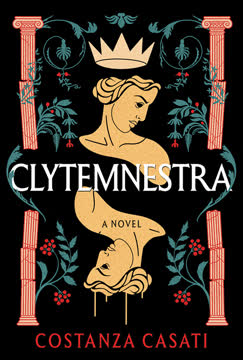
Clytemnestra by Costanza Casati reimagines the vilified Greek queen's story, exploring her transformation from Spartan princess to vengeful murderer. Reviews are highly divided: many praise the powerful feminist retelling, compelling character development, and elegant prose that humanizes a traditionally maligned figure. Readers appreciate Clytemnestra's complexity as warrior, mother, and queen shaped by profound trauma and loss. However, critics argue the novel suffers from shallow characterization, "girlboss" feminism, clunky writing, and lacks moral nuance, reducing Clytemnestra to a one-dimensional victim rather than embracing her darker complexity.