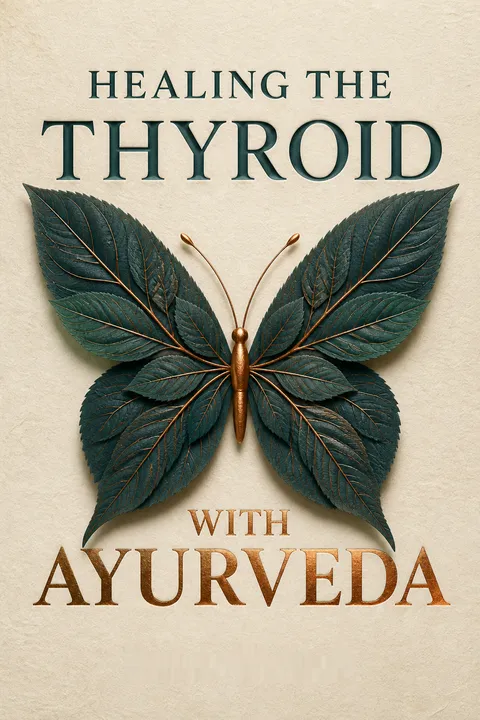


Key Takeaways
Treat persistent symptoms as a reason to investigate, not a diagnosis
Symptoms deserve a hearing. The book opens with Judy, a patient troubled by hair loss, weight gain, palpitations, swelling, and brain fog despite normal test results. Her story illustrates the author's central complaint: a reassuring lab result can feel dismissive when a person still feels unwell. Teitelbaum argues that thyroid function should be understood in the context of the whole patient, including symptoms, daily habits, and other health conditions.
Keep the distinction clear. Symptoms alone do not establish thyroid disease, and the book's account of Judy's improvement through its program is a case report, not proof that the treatment caused it. Persistent or severe symptoms call for a careful clinical assessment, not a self-diagnosis or a decision to stop prescribed treatment.
What's valuable here is the distinction between taking symptoms seriously and treating them as proof of a particular cause. Clinical care works best when patient experience and objective testing inform each other. A normal result may narrow the search without explaining every complaint, but symptoms can also arise from many conditions besides thyroid dysfunction. Judy's story encourages better listening; its resolution cannot establish that the book's treatment was responsible. The practical lesson is to bring a clear symptom history to a qualified clinician and ask what else should be considered.
Trace thyroid hormone through the body, not only to the gland
Hormone supply is a pathway. The thyroid produces mostly T4, a less active hormone that the body converts into T3, the form that acts on cells. The book describes conversion in the liver and gastrointestinal tract, and notes that illness, inflammation, nutritional deficiencies, and stress may affect thyroid hormone metabolism. It also discusses transport proteins that carry hormones through the blood and the possibility that hormone availability in tissues may not match a single test result.
A broader view helps. This is why the author urges readers and clinicians to consider more than TSH alone, including symptoms and additional laboratory measures where appropriate. She discusses free T3, free T4, reverse T3, and thyroid antibodies. Testing choices and interpretation belong with a clinician, since not every test is useful for every patient.
The useful conceptual move is to treat hormone action as a chain of production, transport, conversion, and cellular response. That systems view is familiar in physiology: a signal can be present in blood yet have different effects across tissues. It also helps explain why one laboratory value may not capture a person's whole condition. The limit is that the book gives substantial weight to tests such as reverse T3 and to its own account of cellular thyroid problems. Readers should not assume that broader testing is always better; clinical usefulness depends on the question being asked.
Use Ayurveda's balance model as a lens, not a laboratory result
Three forces organize the model. Ayurveda describes vata, pitta, and kapha as doshas, principles associated respectively with movement, transformation, and structure. The book uses them to interpret patterns such as restlessness and dryness, heat and irritability, or heaviness and sluggishness. A person's relatively stable constitution is called prakriti; their current imbalance is called vikruti. Teitelbaum presents these ideas as a way to look beyond an isolated gland and consider the person's overall pattern.
The model has a timeline. The samprapti chakra, or disease-progression model, describes nine stages, from early imbalance without symptoms to advanced disease. The author argues that noticing early changes could prompt attention before a condition becomes readily diagnosable. These are Ayurvedic concepts, not replacements for validated diagnostic criteria or a substitute for medical evaluation.
A traditional framework can help people notice patterns that a list of isolated symptoms misses. Its value may be organizational: it prompts questions about routine, digestion, stress, and physical changes. The distinction between a stable tendency and a current state also resembles the broader clinical distinction between baseline traits and changing conditions. But metaphorical categories should not be mistaken for measurable biological mechanisms. The nine-stage model can encourage early attention, while only appropriate examination and testing can determine whether a specific thyroid disorder is present.
For Hashimoto's, examine immune health without assuming one hidden cause
The target is autoimmune activity. Hashimoto's is an autoimmune thyroid condition: the immune system produces antibodies associated with thyroid inflammation and damage. Teitelbaum argues that treatment should consider the immune system alongside thyroid hormone levels. She focuses on three areas: gut bacteria, liver function, and bone marrow, and connects these with infection, inflammation, diet, stress, and exposure to environmental substances.
Melanie's story is a case study. The author describes a severely ill patient whose food and chemical sensitivities improved during an Ayurvedic program; she reports that Melanie's thyroid antibody levels fell over two years. The book recommends diet changes, herbs, and detoxification as parts of its approach. Those results do not show that these measures reverse Hashimoto's generally. Do not stop thyroid medication or begin a restrictive diet or detox regimen without medical guidance.
The emphasis on immune function is apt because Hashimoto's is not simply a shortage of hormone. The microbiome, immune system, and endocrine system do interact, so questions about digestive symptoms, medications, and overall health can belong in a comprehensive assessment. The evidentiary leap comes when these relationships are turned into a single causal story about toxins in the marrow or a treatment claim based on one patient's antibody trend. Antibody levels and symptoms need careful interpretation. The case can motivate further questions, but it cannot establish a general cure.
Protect sleep and recovery when stress keeps the endocrine system on alert
Stress can affect hormonal regulation. The book describes the thyroid and adrenal glands as connected parts of the endocrine system. It argues that prolonged stress may affect hormone signaling, T4-to-T3 conversion, and energy, while disrupted sleep and overwork can worsen fatigue and other symptoms. Hans Selye's general adaptation syndrome provides a three-part account of stress responses: alarm, resistance, and exhaustion. The stages are used to explain why someone who runs at full speed for months may eventually feel depleted.
Build a steadier routine. Teitelbaum recommends consistent meal and sleep times, reducing late nights, avoiding overwork, and making room for rest. She emphasizes an early bedtime, often no later than 10 p.m. The book's precise timing rule is an Ayurvedic recommendation, not a universal medical threshold. The broader point is to protect adequate, regular sleep and recovery.
This advice has a plausible bridge to modern circadian biology: sleep timing and regularity influence many physiological rhythms, including hormone secretion. The book's memorable strength is to frame rest as part of health maintenance rather than a reward earned after work is finished. Still, the narrative of adrenal exhaustion should not be confused with a standard diagnosis of adrenal insufficiency, which requires appropriate medical assessment. Chronic fatigue deserves investigation rather than being attributed automatically to stress or treated with unverified adrenal products.
Meet nutrient needs through balanced food, not megadoses or blanket bans
Thyroid function needs raw materials. The book identifies iodine, iron, magnesium, selenium, zinc, and vitamins A, B12, and D as nutrients involved in thyroid hormone production or metabolism. It warns that both deficiency and excessive intake can be harmful, especially with iodine, and gives food sources such as seafood, eggs, legumes, cooked greens, and Brazil nuts. It also argues that severe dietary restriction can lead to inadequate nourishment, and favors varied, cooked meals over highly processed foods.
Its food rules are expansive. Teitelbaum discourages unfermented soy, some vegetables, many beans, raw foods, and several common supplements, while recommending foods such as fish, dairy, ghee, and small lentils. These restrictions are not universal thyroid guidance. Avoid unnecessary elimination diets or supplement changes, and discuss suspected deficiencies, food allergies, and dietary needs with a qualified health professional.
The sound principle is adequacy rather than dietary perfection. Thyroid hormone production depends on nutrients, but more is not automatically better, and supplements can interact with medication or cause harm. Food advice also needs to fit the person: a diet that supports one patient's needs may be unsuitable for someone with allergies, intolerance, ethical commitments, or another condition. The book's sweeping judgments about whole food categories exceed what its case examples can establish. A focused assessment is more useful than replacing one rigid diet with another.
Include digestion and bile flow in the conversation about thyroid symptoms
The book links thyroid and gallbladder function. Bile helps digest fats, absorb fat-soluble vitamins, and carry some waste products out through the intestines. Teitelbaum explains that low thyroid function may slow gallbladder emptying and bile flow, and that digestive symptoms such as constipation, bloating, or reflux can coexist with thyroid problems. She also discusses soluble fiber as a way to bind bile components in the gut and carry them out in stool.
This connection is worth discussing, not self-treating. The book recommends warm meals, avoiding ice-cold drinks, eating fiber, and using herbs to promote bile flow. It also describes gallstone remedies and a manual gallbladder technique. These interventions can be risky, particularly when stones are present. New or severe abdominal pain, jaundice, persistent vomiting, or other concerning symptoms require medical care, not a home cleanse.
The thyroid-gallbladder connection gives readers a useful reminder that hormone disorders can affect systems beyond the gland itself. The discussion of bile also makes digestion feel less like a side issue and more like a relevant part of a health history. However, the book sometimes presents proposed mechanisms and traditional remedies with more certainty than the evidence supports. In particular, attempts to flush bile or dissolve stones without clinical assessment can cause harm. A systems perspective is helpful; home procedures are not a safe substitute for diagnosis.
Treat Ayurvedic herbs as active interventions, not harmless natural add-ons
The book favors individualized remedies. Teitelbaum discusses herbs including ashwagandha, tulsi, shilajit, kanchanar, guduchi, and moringa for thyroid, stress, or immune support. She also describes different delivery methods, including teas and skin-applied preparations, and argues that treatment should be tailored to the person's constitution and symptoms. Her larger point is that giving an herb without considering why a problem developed may miss the mark.
Natural does not mean risk-free. The book itself warns that some herbs may aggravate symptoms in certain contexts and stresses practitioner supervision for detoxification. Herb quality, dose, interactions, pregnancy, and existing medication all matter. Claims that particular preparations can replace thyroid hormone or heal autoimmune disease are not established by the patient stories presented. Never stop prescribed treatment or start a potent herb without discussing it with a clinician who knows your medical history.
Personalization is a sensible goal, and the book is right to challenge the assumption that a remedy is appropriate simply because it is popular. Its discussion of formulation and delivery also recognizes that an intervention's effects depend on more than its name. The necessary counterweight is that herbs contain biologically active substances. They can affect the body, interact with medication, and vary in composition. Individualized care requires reliable evidence and safety monitoring, not only a practitioner's confidence or a traditional explanation.
Build care around listening, prevention, and collaboration across medical traditions
The book's destination is shared care. Teitelbaum imagines clinicians listening when patients feel unwell despite apparently reassuring tests, and medical and Ayurvedic practitioners working together. The stories of Judy, Melanie, and twins Elizabeth and Megan give the book its narrative arc: people arrive distressed, receive a whole-person plan, and the author reports improvement. These accounts make a complex argument personal, while also showing that the book's evidence relies heavily on clinical anecdotes.
Keep both principles. Patients should be heard, and prevention through sleep, nutrition, and appropriate care deserves attention. At the same time, conventional evaluation and treatment can be lifesaving, and complementary approaches should be discussed openly rather than used to delay them. The strongest version of the book's vision is collaborative: clinicians take symptoms seriously, explain uncertainty, and coordinate care around the patient's needs.
The collaborative ideal is the book's most durable proposal. It avoids a false choice between listening to patients and using medical tests, or between prevention and treatment. Each can correct the other's blind spots. Patient narratives reveal what a protocol means in daily life, while controlled evidence helps separate genuine treatment effects from coincidence, expectation, and natural variation. Respectful collaboration therefore requires more than open-mindedness: it also requires clear boundaries, honest discussion of uncertainty, and agreement that an unproven remedy should not displace effective care.
Analysis
Healing the Thyroid with Ayurveda is part medical primer, part practitioner memoir, and part guide to a traditional healing system. Its through-line is that thyroid symptoms emerge from a wider pattern involving nutrition, stress, digestion, immune function, and environment. The stories give that argument emotional force: Judy feels dismissed by normal results, while Melanie and the twins are presented as examples of recovery through the author's approach. The book is therefore easiest to understand as a case for whole-person attention, not as a neutral survey of thyroid care.
Its strongest contribution is a set of questions worth bringing into a clinical conversation: What symptoms persist? Could medication, sleep, diet, or another condition matter? Is the person receiving adequate follow-up? It also explains the broad physiological reach of thyroid hormones and offers a vivid account of how Ayurveda organizes health through doshas, tissues, digestion, and routine.
The central weakness is the shift from useful questions to confident causal claims. Patient improvement does not show that a treatment caused it, and a change in antibodies does not by itself prove disease reversal or establish that a protocol works for others. The book's assertions about toxins lodged in bone marrow, electromagnetic exposure disrupting prana, supplements as inherently harmful, and broad food prohibitions should be read as the author's claims, not settled clinical conclusions. Pulse diagnosis and Ayurvedic categories may provide a practitioner's interpretive framework, but they cannot establish thyroid disease in place of validated assessment.
The safest way to use the book is selectively. Keep its advocacy for attentive listening, sensible routines, adequate nourishment, and individualized discussion. Treat herbs, detox regimens, restrictive diets, and claims of medication replacement with caution. Thyroid disorders have effective medical treatments, and the book itself identifies its content as supplementary. Complementary care is most useful when it supports, rather than delays or substitutes for, appropriate clinical care.
Review Summary
Healing the Thyroid with Ayurveda receives mixed reviews. Some readers find it informative and helpful, praising its holistic approach and detailed explanations of Ayurvedic principles. Others criticize its extreme dietary recommendations and lack of scientific evidence. The book is noted for its in-depth coverage of thyroid function and endocrine system interactions. While some appreciate the Ayurvedic perspective, others find the suggested treatments impractical or contradictory to modern medicine. The book's technical nature appeals to some but may be overwhelming for others seeking practical advice.
People Also Read




Glossary
The New Ayurveda
Adapted Ayurvedic practiceThe author's name for a modern adaptation of Ayurvedic medicine developed with her teacher, Vaidya Rama Kant Mishra. It retains Ayurvedic concepts while adjusting herbal amounts, cleansing practices, oils, and delivery methods for the author's view of contemporary patients and environmental conditions. The term describes the approach advocated in the book, not a standardized medical system.
doshas
Three bodily organizing principlesIn Ayurveda, vata, pitta, and kapha are principles used to describe patterns of movement, transformation, and structure in body and mind. The book uses their qualities to interpret symptoms and guide individualized diet and routines. They are concepts within an Ayurvedic framework, not laboratory measurements or accepted substitutes for diagnosing a thyroid condition.
prakriti
Baseline constitutionAn Ayurvedic term for a person's underlying constitution, understood in the book as the relatively stable balance of vata, pitta, and kapha present from birth. It contrasts with vikruti, the person's current imbalance. The author uses the distinction to explain why people with similar symptoms may receive different Ayurvedic recommendations.
vikruti
Current dosha imbalanceAn Ayurvedic term for the imbalance a person is experiencing at a given time, in contrast with prakriti, their baseline constitution. In the book, diet, sleep, stress, and other influences may shift the expression of the doshas and contribute to symptoms. Vikruti is an interpretive concept in Ayurveda, not a conventional laboratory diagnosis.
prana
Life-giving intelligenceThe book describes prana as a vital, organizing force found in nature and conveyed through food, water, air, and herbs. It is said to support communication and function throughout the body's cells. This is a spiritual and Ayurvedic concept, not a measurable substance in modern physiology; the author's claims about its disruption by processed food or electromagnetic fields are not established medical findings.
samprapti chakra
Nine-stage disease progressionAn Ayurvedic model describing disease as a process that moves through nine stages, from early imbalance to serious complications. The author uses it to argue that patterns of imbalance may precede diagnosable disease. It is a traditional framework for understanding illness, not a validated staging system for thyroid disorders or a replacement for clinical testing.
ama
Undigested residueIn the book's Ayurvedic vocabulary, ama is residue said to form when food is not adequately digested or absorbed. The author associates it with heaviness, sluggishness, and bodily obstruction, and distinguishes it from ama visha, which she describes as a more acidic, harmful form. These terms belong to Ayurveda and do not correspond directly to specific medical toxins.
ama visha
Fermented digestive residueAn Ayurvedic term used by the author for ama that has remained in the body's channels and, in her account, fermented into a more acidic and damaging substance. She links it to inflammation and autoimmune conditions and describes cooling herbs as a treatment. The book's description is a traditional explanatory model, not an established biomedical diagnosis.
gara visha
Accumulated environmental toxinsThe author's Ayurvedic term for toxins attributed to external sources, including pesticides, pollution, pharmaceuticals, food additives, and personal-care products. She argues that they may accumulate in tissues and affect immune function. The category combines many distinct exposures, whose risks and effects vary; it should not be treated as a single clinically defined toxin or diagnosis.
nadi vidyan
Ayurvedic pulse assessmentThe Ayurvedic method of pulse diagnosis described in the book. Practitioners assess qualities of the pulse and interpret them as information about doshas, tissues, organs, and channels. The author presents it as capable of detecting early imbalance, but its interpretations are not equivalent to validated laboratory tests or conventional clinical examination.
dinacharya
Ayurvedic daily routineA Sanskrit term for a daily routine organized around Ayurvedic ideas about natural cycles and the doshas. The book recommends regular waking, meals, exercise, and bedtime, and describes certain hours as more associated with vata, pitta, or kapha. The routine is a traditional health practice, not a thyroid-specific medical treatment.
FAQ
1. What is Healing the Thyroid with Ayurveda by Marianne Teitelbaum about?
- Holistic thyroid healing: The book presents a comprehensive Ayurvedic approach to thyroid health, focusing on natural treatments for Hashimoto’s, hypothyroidism, and hyperthyroidism.
- Integration of ancient and modern: Marianne Teitelbaum combines Ayurveda’s ancient wisdom with modern scientific insights to address both root causes and symptoms.
- Whole-body balance: Emphasis is placed on restoring balance in the body’s doshas, immune system, digestion, and endocrine function for lasting thyroid health.
- Practical guidance: The book covers diet, lifestyle, herbs, detoxification, and diagnostic tools like pulse diagnosis.
2. Why should I read Healing the Thyroid with Ayurveda by Marianne Teitelbaum?
- Addresses gaps in modern care: The book offers solutions for those with persistent thyroid symptoms despite “normal” lab results or ineffective pharmaceutical treatments.
- Natural, non-toxic remedies: Readers learn about safe, time-tested Ayurvedic herbs, dietary changes, and lifestyle practices that support the thyroid and overall health.
- Empowerment and education: The book teaches Ayurvedic principles, self-care routines, and how to have informed discussions with healthcare providers.
- Root cause focus: It goes beyond symptom management to address underlying issues like bile flow, digestion, toxicity, and stress.
3. What are the key takeaways from Healing the Thyroid with Ayurveda by Marianne Teitelbaum?
- Thyroid as a systemic issue: Thyroid dysfunction is often a symptom of deeper imbalances in digestion, immunity, and doshas.
- Early detection and prevention: Ayurvedic pulse diagnosis and attention to subtle symptoms allow for earlier intervention than conventional blood tests.
- Diet and lifestyle matter: Consistent routines, warm cooked foods, and stress reduction are essential for thyroid and adrenal health.
- Herbs and detoxification: Specific Ayurvedic herbs and gentle detox methods are central to restoring thyroid function and overall vitality.
4. What are the most important Ayurvedic concepts for thyroid health in Healing the Thyroid with Ayurveda?
- Doshas and subdoshas: Vata, pitta, and kapha imbalances are at the root of thyroid disorders, with vata often leading to initial hyperthyroidism and eventual hypothyroidism.
- Prana, agni, and ama: Prana (life force) and agni (digestive fire) must flow freely; ama (toxins) from poor digestion or diet can inflame the thyroid.
- Seven dhatus and ojas: Proper nourishment and transformation of bodily tissues (dhatus) create ojas, the essence of immunity and hormonal health.
- Pulse diagnosis: This ancient tool detects imbalances and pranic flow before lab abnormalities appear, allowing for early, personalized intervention.
5. How does Marianne Teitelbaum explain the function and importance of the thyroid gland in Healing the Thyroid with Ayurveda?
- Central metabolic regulator: The thyroid produces hormones (T3, T4, calcitonin) that control metabolism, growth, temperature, heart rate, and brain development.
- Hormone conversion and transport: Most T4 is converted to active T3 by the liver and gut bacteria; impaired conversion can cause symptoms even with “normal” labs.
- Endocrine system integration: The thyroid works closely with the hypothalamus, pituitary, adrenals, and other glands, making it sensitive to stress, toxins, and diet.
- Universal influence: Every cell has thyroid hormone receptors, highlighting the gland’s systemic importance.
6. What are the root causes of thyroid dysfunction according to Healing the Thyroid with Ayurveda by Marianne Teitelbaum?
- Dosha imbalances: Vata, pitta, and kapha disturbances disrupt thyroid function, often starting with vata aggravation.
- Nutritional deficiencies: Lack of iodine, iron, selenium, zinc, and vitamins A, B12, and D impairs hormone production and conversion.
- Inflammation and toxicity: Liver overload, gut dysbiosis, environmental toxins, and EMFs create systemic inflammation that harms the thyroid.
- Chronic stress: Prolonged adrenal stress and high cortisol levels reduce thyroid hormone production, conversion, and receptor sensitivity.
7. How does Healing the Thyroid with Ayurveda by Marianne Teitelbaum address Hashimoto’s thyroiditis and autoimmunity?
- Autoimmune root cause: Hashimoto’s is viewed as an immune system imbalance, often triggered by gut flora disruption, liver heat, and bone marrow toxins.
- Three-part immune protocol: The approach focuses on replenishing gut bacteria, cooling liver inflammation, and detoxifying bone marrow to restore immune balance.
- Herbal and dietary support: Herbs like guduchi, moringa, and kanchanar are used carefully; gluten, dairy, and allergenic foods are avoided initially.
- Lifestyle changes: Early bedtime, stress reduction, and a vata-pacifying diet are emphasized for immune and thyroid healing.
8. What is the relationship between thyroid health and bile/gallbladder function in Healing the Thyroid with Ayurveda?
- Thyroid regulates bile flow: Hypothyroidism slows bile secretion, causing sludge and impaired fat digestion, which worsens thyroid symptoms.
- Bile’s detox role: Bile eliminates fat-soluble toxins and excess estrogen; poor flow leads to toxin reabsorption and hormone imbalances.
- Ayurvedic remedies: Herbs like triphala, pashan bhed, and kulthi lentils are recommended to promote bile flow and dissolve gallstones.
- Dietary implications: Including bitter tastes and avoiding foods that clog channels supports bile and thyroid health.
9. What dietary and lifestyle advice does Marianne Teitelbaum give in Healing the Thyroid with Ayurveda for thyroid health?
- Regular routine: Consistent sleep and meal times, with early bedtime, help balance doshas and support adrenal and thyroid function.
- Warm, cooked foods: Avoid cold, raw, and heavy foods; favor ghee, olive oil, nuts, and cooked vegetables for nourishment.
- Balanced six tastes: Meals should include sweet, sour, salty, pungent, bitter, and astringent tastes, with an emphasis on bitter for liver and gallbladder health.
- Avoid problematic foods: Nightshades, onions, garlic, soy, processed foods, and large beans are discouraged due to their negative impact on digestion and thyroid.
10. What are the best Ayurvedic herbs and treatments for thyroid and adrenal support in Healing the Thyroid with Ayurveda?
- Ashwagandha and tulsi: These adaptogens calm stress, improve sleep, and balance thyroid hormones, but should be used carefully to avoid overheating the liver.
- Shilajit: A mineral-rich resin that boosts energy, supports hormone levels, and promotes gut flora, often combined with ashwagandha.
- Kanchanar and patrang: Used to reduce glandular swelling, balance hormones, and support liver detoxification.
- Other remedies: Triphala for bile flow, bhringaraj oil for hair loss, and transdermal magnesium for heart rhythm are also recommended.
11. How does Healing the Thyroid with Ayurveda by Marianne Teitelbaum recommend managing stress and daily routines for thyroid health?
- Dinacharya (daily routine): Following natural cycles of vata, pitta, and kapha times of day helps maintain dosha balance and thyroid function.
- Stress reduction practices: Meditation, yoga, abhyanga (oil massage), and time in nature are encouraged to calm the nervous system and reduce cortisol.
- Sleep hygiene: Early bedtime during kapha time (6–10 p.m.) prevents insomnia and adrenal stress, supporting thyroid recovery.
- Consistent habits: Avoid rushing, irregular eating, and late nights, as these disturb vata and contribute to thyroid imbalance.
12. What are the best quotes from Healing the Thyroid with Ayurveda by Marianne Teitelbaum and what do they mean?
- “Our bodies are home to the greatest hormonal symphony ever played. Your thyroid is one of its conductors.” — Highlights the thyroid’s central role in orchestrating bodily functions and the importance of its balance.
- “If all you do is give herbs to the patient, you are a bad doctor.” — Stresses the necessity of treating root causes, not just symptoms, through comprehensive lifestyle and dietary changes.
- “Ayurveda is the science of life.” — Emphasizes Ayurveda’s holistic approach to health, addressing body, mind, and spirit.
- “You are what you assimilate.” — Underscores the importance of digestion and nutrient absorption for thyroid and overall health.
Download PDF
Download EPUB
.epub digital book format is ideal for reading ebooks on phones, tablets, and e-readers.








