


Plot Summary
The First Disappearance
In October 2012, novelist Jorge Castro runs through the rain toward Deerfield Park and finds Emily and Rodney Harris beside a van, apparently stranded with a wheelchair-bound husband. Jorge recognizes Emily, a colleague, and helps push Rodney up the ramp. A sting at the back of his neck makes his arms fail. The couple load him into the van, bind his wrists, and drive home.
Emily calls their capture a success. Nearby, an elderly poet watches the van pass without understanding what she has seen. This opening establishes the Harrises’ careful performance of need and the quiet geography around the park, where a good deed can become an abduction before anyone nearby thinks to intervene.
The Harrises’ first crime depends on courtesy. Jorge is not careless so much as morally legible: he sees an older couple in trouble and acts. Their staged vulnerability turns decency into an opening for violence. The park’s orderly public image sharpens the contrast, but the actual mechanism is ordinary social trust, exploited in a place where nobody expects an elderly professor to be dangerous. The poet’s brief witness role adds a second kind of blindness: she sees the van, yet has no reason to interpret it as evidence. The novel begins by making the crime visible while withholding its meaning.
Grief Calls Back
In July 2021, private investigator Holly Gibney attends her mother Charlotte’s funeral by Zoom, then leaves the service before its sentimental montage ends. Charlotte has died of COVID after refusing vaccination, and Holly is grieving a relationship marked by anxiety, control, and long silences.
Four messages from Penelope Dahl wait on the agency phone. Penny’s adult daughter, Bonnie, disappeared three weeks earlier after leaving the Bell College library.
Her bicycle turned up beside an abandoned garage, carrying a short note that could mean departure or despair. Holly plans to ignore the calls, but Penny’s anxious voice recalls her mother’s. She takes the case, partly because a practical investigation gives her mind somewhere to go besides regret.
Holly’s decision does not erase grief; it gives grief a task. The work offers structure when her private feelings seem shapeless, and Penny’s anxious manner activates both recognition and resistance. Holly hears her mother in the client, but she does not simply confuse the two women. Instead, that echo makes her curious about what a frightened parent might miss or misread. The pandemic is not background decoration here. It has killed Charlotte, isolated Holly from ordinary mourning, sickened her partner Pete, and weakened public services. The case enters a world already strained, where delay can look like indifference and suspicion can be dismissed as overreaction.
The Helmet Is Gone
At their first meeting, Penny explains Bonnie’s route, library routine, recent breakup with Tom Higgins, and argument with her mother over a bank job. The security video shows Bonnie buying a soda at her usual Jet Mart stop, laughing with the clerk, then riding away.
Holly notices that Bonnie’s helmet and backpack are missing from the recovered bicycle, although the bike itself has no damage. She searches the bushes around the garage and finds a gold triangular earring. A photograph Penny sends later shows Bonnie wearing its mate.
Holly also questions the note’s careful printing. Each detail weakens the idea that Bonnie simply left town: the bicycle was loved, the helmet mattered, and the evidence suggests someone arranged the scene to invite a false conclusion.
Holly works by treating absence as evidence. The missing helmet matters because it does not fit the story Penny has been given, while the intact bicycle complicates any account of a sudden struggle or reckless escape. Holly does not leap from inconsistency to certainty. She checks the earring against a photograph, verifies the bike’s condition with its finder, and keeps alternative explanations open. This is investigative method as a discipline of resisting the most emotionally satisfying answer. Penny’s distress is real, but Holly cannot let a mother’s certainty substitute for proof. The case advances through small physical contradictions that accumulate until the official explanation becomes less plausible than abduction.
Charlotte’s Hidden Fortune
While beginning the investigation, Holly calls the lawyer handling Charlotte’s estate and learns that her mother left her more than six million dollars, with another inheritance expected from Uncle Henry. The money was never stolen by the supposed financier Daniel Hailey.
Charlotte and Henry had invented that loss, concealing the truth while Holly struggled to keep Finders Keepers alive. At the family home, Holly finds valuable jewelry Charlotte never wore, her old poetry notebooks, and a bedroom preserved like a display of the obedient, unhappy girl her mother wanted back.
Holly breaks the china figurines and throws away the tartan coverlet, then leaves the childhood poems where they are. The discovery deepens her grief, but also clarifies the difference between love and support.
The financial revelation makes Holly’s case against her mother more complex, not simpler. Charlotte’s deception was designed to reclaim her daughter by making independence seem financially impossible. Yet the same mother kept Holly’s poems, evidence of affection that does not cancel the coercion. Holly’s anger therefore has no clean object: she can expose the con and still recognize tenderness in the notebooks. Destroying the figurines is a small act of separation rather than a final repudiation. The scene also changes Holly’s relationship to evidence. Her failure to investigate her own family becomes a painful reminder that professional skepticism is hardest to practice where trust and longing are already involved.
The Boy from the Dairy Whip
Skateboarders near the Dairy Whip mention Peter Steinman, called Stinky by his friends, who disappeared in 2018. Holly sends her partner Jerome Robinson to speak with Peter’s mother, Vera. Jerome finds a woman who has returned to heavy drinking after years of sobriety and who believes her son is dead.
When she collapses from alcohol and pills, Jerome gets her to an overcrowded hospital and stays long enough to make sure she is safe. In Peter’s room, he finds the skateboard and an almost unused helmet. Vera says the board was recovered in the Thickets near Red Bank Avenue. Holly sees a disturbing resemblance to Bonnie’s abandoned bicycle, but keeps the connection tentative rather than declaring a serial pattern too soon.
Peter’s case makes the novel’s investigative question broader and more ethically difficult. The similarities are striking, but a resemblance between abandoned vehicles does not establish a common offender. Holly and Jerome must hold two truths at once: Vera’s grief deserves attention in its own right, and her son’s disappearance may help explain Bonnie’s. Jerome’s rescue of Vera also exposes the cost of treating abandoned people as solved cases. Police once accepted the runaway explanation because Peter had talked about Florida, while his mother’s relapse made her an easy person to discount. The missing boy is not merely a clue. He is a family still living inside uncertainty.
Ellen’s Uncollected Pay
At the Bell College library, Keisha Stone tells Holly that another acquaintance, custodian Ellen Craslow, disappeared in late 2018 and never collected her final paycheck. Holly follows the trail to Ellen’s trailer park, where manager Stella Lacey remembers a quiet tenant leaving without explanation.
Neighbor Imani McGuire reveals that a white older woman came to clear Ellen’s belongings, claiming she was returning to Georgia. Imani describes Ellen’s estrangement from her religious family after she became a vegan and disclosed that men from her church had raped her.
Holly searches Bell’s old faculty pages and recognizes the woman as Emily Harris. Ellen’s disappearance now connects the college, the park, and the Harrises through a person whose absence had gone largely unnoticed.
Ellen’s history exposes the social conditions that make disappearance easy to conceal. Her family rejected her, her workplace did not pursue her, and her friend assumed she had moved away. Each institution had a plausible reason not to ask another question. Imani’s memory breaks that chain of acceptable neglect. Holly’s identification of Emily gives the case its first direct connection between a missing person and the Harris household, but the evidence remains circumstantial. The section also refuses to reduce Ellen to a victim profile: her refusal of her family’s beliefs, her self-sufficiency, and her decision to live on her own terms survive in other people’s memories, even when official records barely register her absence.
Cary’s Moped Stops
A Jet Mart clerk remembers another regular who stopped appearing: Cary Dressler, a young employee of Strike Em Out Lanes who rode a noisy, sticker-covered moped. The moped was later found in the Thickets. Holly learns Cary bowled with the Golden Oldies, whose members include retired biologist Rodney Harris.
Roddy claims they were only acquaintances, but another bowler recalls that they drank together and that Roddy encouraged Cary to speak about himself. Jerome and Pete study the van on the Jet Mart footage and notice its raised body, consistent with a wheelchair ramp. Holly now has a likely method for approaching victims, several people tied to the Harrises, and a route circling Deerfield Park.
Cary’s disappearance shifts the case from scattered resemblance toward a possible system. His moped, like Peter’s board and Bonnie’s bicycle, marks a person whose ordinary route brought him into a predictable landscape. Rodney’s relationship with Cary is not proof, but his false minimization is meaningful because it conflicts with another witness’s memory. The raised van offers a mechanism that can make a stranger stop voluntarily, converting assistance into capture. Holly’s reasoning remains provisional, and that restraint matters: she is building a case, not simply following a hunch. The section also makes routine itself suspicious. Regular stops, work schedules, and familiar routes can be mapped by someone patient enough to watch.
Barbara Learns to Trust
Holly’s friend Barbara Robinson has secretly begun showing poems to Olivia Kingsbury, a celebrated poet nearing one hundred. Olivia challenges Barbara’s revisions and teaches her to draw from difficult experience without turning every wound into explanation.
After Olivia submits several poems to the Penley Prize without first asking, Barbara learns she has made the longlist and later the shortlist. Their friendship deepens as Olivia’s health fails. She also tells Barbara about Jorge Castro’s disappearance and recalls Emily Harris’s cold response when Castro defended Bell’s poetry workshop.
Barbara has seen Rodney beside a van at the Harris home, but does not yet know what the memory means. Olivia’s attention gives Barbara confidence in her work and leaves her with clues she will later assemble.
Barbara’s apprenticeship is a parallel story about who gets to interpret another person’s experience. Olivia offers rigorous attention without claiming ownership of Barbara’s poems, while Emily’s earlier mentorship carries the threat of control. The contrast echoes Holly’s family history, but Barbara is not simply a younger version of Holly: she can ask for recognition while preserving her own voice. Olivia’s unauthorized submission crosses a boundary, yet her faith in Barbara’s talent proves consequential. The poetry plot also makes memory active. Olivia’s recollections of Jorge and Emily do not solve the case by themselves, but they give Barbara a framework for recognizing what she has already seen. Art here is not escape from evidence. It is a way to notice it.
The Christmas Elf’s Trail
After a party acquaintance remembers Bonnie describing herself as a Christmas elf, Holly checks with Keisha and learns that Bonnie delivered food and beer for the Harrises’ pandemic-era Zoom party. Bonnie later did short-term computer work for Emily.
Holly visits Rodney, who denies knowing Cary well and appears confused about basic details, then returns to the Harris property after dark. She slips into a neighboring garage and finds the modified van bearing out-of-state disability plates, with a wheelchair inside.
Before she can leave, Emily stages a fall and attacks Holly with a stun device. Rodney adds a second shock. They take Holly’s phone and bag, drive her car, and lock her in the basement cage. The investigation has become a threat the Harrises intend to silence.
The elf clue changes a social detail into a route of access. Bonnie was not simply passing through the Harrises’ orbit; she had worked inside their home, giving them knowledge of her habits and an opportunity to approach her later. Holly’s break-in crosses a legal boundary because the ordinary channels have produced no proof strong enough to compel a search. Her caution is understandable, but the danger is real. The staged fall repeats the Harrises’ first tactic in a more intimate form: they present helplessness and use the rescuer’s response against her. The point of no return arrives when Holly finds the wheelchair. She has crossed from inference into evidence, and the killers know she has seen it.
The Cage and the Meat
Holly wakes in a steel cage beneath the Harris house, bruised, dehydrated, and watched by a camera. Her bag and phone are gone, but Bonnie’s helmet and backpack hang on the workshop wall. Rodney eventually explains the Harrises’ belief that eating human flesh can restore memory, ease pain, and prolong life.
They have captured people connected to Deerfield Park, then consumed them as a private medical regimen. Their victims include Jorge, Cary, Ellen, Peter, and Bonnie. The plan began with Emily’s hatred of Jorge and Rodney’s theories about nutrition; each supposed improvement reinforced their delusion.
Holly recognizes that the treatments’ brief effects were likely placebo, while Rodney’s memory continues to fail. An earring hidden beneath the futon gives her one small tool in a room built to deny escape.
The reveal strips away the respectable language the Harrises use to protect themselves. Rodney calls violence research and consumption treatment, turning a moral choice into a false medical necessity. Emily’s cruelty and Rodney’s self-deception reinforce one another: her animus supplies targets, his theories supply permission. Their aging bodies contradict the cure, yet the couple interpret temporary relief as proof and decline as a reason to take again. Holly’s captivity makes the power imbalance physical, but her attention remains analytic. She notices the camera, the tools, the victims’ belongings, and the earring. Knowledge does not make her safe; it makes her harder to deceive and gives her a chance to act.
The Earring Turns
When Rodney comes downstairs to lecture Holly again, she draws him close, loops an arm through the bars, and cuts his throat with Bonnie’s sharp triangular earring. Emily returns with Bill Hodges’s revolver and fires, but the empty chamber under the hammer prevents the shot she expects to end Holly’s life.
Holly seizes Emily through the bars and breaks her neck. At the same time, Barbara connects Bonnie’s Christmas-elf work, the Harris van, and the earlier disappearances.
She enters the house, hears Holly calling from below, and brings her water before police arrive. Officers and firefighters cut through the cage. The rescue closes the immediate chase, but Holly emerges wounded, thirsty, and responsible for telling Penny what happened to Bonnie.
The climax converts objects accumulated across the investigation into instruments of survival. Bonnie’s earring, first a trace of her presence, becomes the means by which Holly resists being erased. Bill’s revolver matters because Holly remembers its mechanics, while Barbara’s recognition matters because she has learned to trust an association that seems unlikely. Neither woman succeeds alone: Holly acts inside the cage, Barbara locates her, and the responders make physical release possible. The violence is not triumphant in a simple sense. Holly survives by killing, then immediately confronts the human consequence that cannot be solved with evidence: Penny must learn what was done to her daughter.
The Deadly Evidence
Police and forensic teams find a woodchipper and a hidden workroom, human remains in a disposal bag, and stored flesh in the refrigerator and freezer. The evidence confirms that Bonnie was killed and partly consumed, while remains and records connect the Harrises to earlier victims.
Diaries reveal Emily’s racist hatred of Jorge and Ellen, alongside her growing obsession with the supposed health benefits of cannibalism. Holly tells investigators how she identified the couple and killed them in self-defense.
Detective Isabelle Jaynes informs Penny that Bonnie is dead and explains the manner of her death; Penny’s grief erupts into screams and violence. Jerome visits Vera Steinman and tells her Peter is dead, offering the assurance that the boy did not suffer. The case is solved, but no discovery can restore the families’ lost years.
Material evidence transforms a private suspicion into a public crime, but it does not produce emotional closure. The remains confirm what Holly feared, and the diaries reveal that prejudice was not incidental to Emily’s violence. Her polished public identity coexisted with an interior written in hatred, showing how institutional respectability can conceal rather than correct moral corruption. The survivors receive different forms of truth: Penny is forced to absorb an unbearable account, while Jerome chooses a consoling certainty for Vera that he cannot independently verify. The book treats disclosure as an obligation with costs, not as a cure. Solving the mystery ends uncertainty about what happened, but not grief, guilt, or the damage done.
A Voice Finds Its Place
After Olivia’s death, Barbara continues the poems they shaped together and learns that she has won the Penley Prize. Random House will publish her collection, and she plans to dedicate it to Olivia. Holly, meanwhile, recovers from her wounds and considers whether her inheritance makes retirement possible.
Charlotte’s betrayal still hurts, and the Harrises’ crimes have shown Holly how ordinary evil can be. Yet she cannot imagine living indefinitely without the work that made her independent in the first place.
When the agency phone rings with another request for help, Holly answers. Barbara’s achievement gives the ending a second kind of continuation: the work Olivia nurtured passes to a new writer, while Holly returns to the work Bill Hodges taught her to trust.
The final choices reject the idea that money, recognition, or a solved case can settle a life. Barbara’s prize validates her craft without replacing the private discipline that made the poems possible. Holly could use her inheritance to leave the dangers of investigation behind, but answering the phone confirms that the agency is not merely a job she inherited from Bill. It is a chosen identity, built through competence and care. Both women continue by accepting responsibility for work that cannot promise comfort. The ending does not erase Charlotte’s control or the Harrises’ brutality. It gives Holly and Barbara a future in which those experiences can be carried without being allowed to dictate every next step.
Analysis
Holly turns on the gap between how a person appears and what others are willing to investigate. The Harrises are elderly professors with orderly routines, polished reputations, and a familiar place in college life. Their victims, by contrast, include people whose absences can be explained away: a troubled boy, a Black custodian estranged from her family, a transient young worker, a gay writer who has discussed leaving. The couple exploit not only individuals but social habits of disbelief. Police shortages, pandemic disruption, prejudice, and the convenience of calling someone a runaway all help make disappearance administratively quiet.
The novel also examines the way self-justification can turn cruelty into a procedure. Rodney’s vocabulary of nutrition and research gives his appetite the shape of reason, while Emily’s status and composure shield her hatred from public view. Their supposed cure works briefly because they want it to work, then fails in ways they reinterpret as a need for more. This is not supernatural evil arriving from outside. It is a closed system of belief that absorbs every contradiction and uses it to authorize another crime.
Holly’s own story complicates the investigation. Her mother’s lie about the family fortune echoes the Harrises’ manipulation, but on a different moral scale. Charlotte wanted to pull Holly back into dependence, while Holly has built a life through work, friendship, and the lessons Bill left her. Discovering the deception does not settle her love or anger. It teaches her that loyalty is not the same as obedience and that refusing to look closely can be a form of surrender.
Barbara’s poetry offers a parallel model of attention. Olivia teaches her to preserve the force of experience without letting another person take over its meaning. Holly does something similar as a detective: she notices the earring, the helmet, the van, and the contradictions between witnesses, then resists premature certainty. The ending joins the two forms of work. Barbara continues writing, and Holly answers another call, choosing neither innocence nor permanent withdrawal, but a life that keeps looking.
Review Summary
Holly receives mixed reviews, with some praising King's storytelling and character development, particularly Holly Gibney's evolution. The novel's blend of crime and horror elements is lauded, as is King's ability to create tension despite revealing the villains early on. However, criticism focuses on the heavy inclusion of COVID-19 and political themes, which some readers found distracting or off-putting. The book's setting in 2021 and its portrayal of pandemic-era society polarized readers, with some appreciating the historical context and others preferring escapism.
People Also Read







Characters
Holly Gibney
Private investigator in griefHolly runs Finders Keepers and approaches uncertainty through lists, physical details, and careful routines. Shy and private, she is also persistent, observant, and more courageous in the field than she believes herself to be. Her mother’s control shaped Holly’s anxiety and self-doubt, while her work with Bill Hodges helped her build an independent life. She is grieving Charlotte when Penny Dahl asks for help, and the case gives Holly a way to focus without making her own pain disappear. Her habits, including strict attention to evidence and an often underestimated instinct for danger, are both professional tools and defenses against a world she has long found difficult to navigate.
Emily Harris
Authoritative English professorEmily is a retired English professor whose precise manners and academic standing give her influence in Bell College’s literary community. She enjoys judging writing, managing people, and maintaining the appearance of competence. Her marriage to Rodney is a long partnership, and she understands his habits and vulnerabilities with unusual intimacy. Beneath her controlled public behavior lies a fierce need to direct outcomes and punish those she considers disobedient. Emily’s confidence is not simply self-assurance; it depends on making other people smaller, more manageable, and less able to challenge her version of events.
Rodney Harris
Retired life-sciences scholarRodney is an emeritus biologist and nutritionist, respected for his research and remembered by students for his forceful lectures. He is proud of his intellect and treats scientific language as proof of authority, even when his conclusions outrun evidence. His marriage to Emily is intimate and mutually sustaining, and he depends on her judgment as his own memory becomes less reliable. Rodney’s vulnerability to decline fuels his search for control over aging. He is most dangerous when sincere: his capacity for rationalization lets him redescribe desire, fear, and violence as disciplined inquiry.
Barbara Robinson
Young poet finding confidenceBarbara is Jerome’s younger sister, a gifted young poet who keeps her writing private while she tries to understand her own talent. Her family is close, and she loves Jerome without wanting to compete with his ambitions. An encounter with supernatural horror has left her grappling with experiences she cannot easily explain, and poetry gives her a form for holding fear without pretending to resolve it. Olivia’s attention helps Barbara become more exacting and more confident. Her curiosity and loyalty make her a perceptive ally to Holly, while her own creative life develops on terms distinct from her brother’s.
Jerome Robinson
Holly’s loyal research partnerJerome works with Holly and brings warmth, humor, and practical investigative skill to their partnership. He is a careful researcher and a capable interviewer, though he is also pursuing a writing career of his own. His relationship with Barbara is affectionate rather than competitive, and he takes her ambitions seriously even when she keeps them secret. Jerome’s empathy is active: he stays with Vera after she collapses and later returns to deliver difficult news in person. His confidence and ease complement Holly’s caution, but he knows when a case has become emotionally dangerous.
Bonnie Dahl
Missing college librarianBonnie is a twenty-four-year-old assistant librarian who enjoys her work, rides her bicycle regularly, and has a warm, open manner with people she sees often. She is close to her friend Keisha and has a complicated but enduring relationship with her mother, Penny. Bonnie values independence and resists pressure to exchange a job she likes for a career chosen by someone else. Her confidence about her body and willingness to pursue her interests distinguish her from the anxious assumptions others make about her. In the investigation, the everyday details of Bonnie’s route and relationships become essential clues.
Penelope Dahl
Bonnie’s anxious motherPenny is a divorced bank officer whose worry about Bonnie comes out as rapid questions, criticism, and demands for reassurance. She is deeply attached to her daughter but has difficulty separating protection from control, especially when Bonnie makes choices Penny considers impractical. Their arguments coexist with affection and shared rituals, including watching movies together. After Bonnie vanishes, Penny refuses to accept the easy explanation that she simply left. Her persistence brings Holly into the case, even as Penny’s anxiety sometimes strains their working relationship.
Olivia Kingsbury
Elder poet and mentorOlivia is a celebrated poet and former Bell College teacher, approaching one hundred but still intellectually sharp and artistically demanding. She treats Barbara as a serious writer rather than a promising child, asking her to defend choices and keep working through difficulty. Her wit and candor make their meetings lively, while her physical frailty gives their limited time together a quiet urgency. Olivia remembers the college’s literary history and carries a long view of how institutions reward some forms of work while neglecting others. Her mentorship gives Barbara both craft and confidence.
Charlotte Gibney
Holly’s controlling motherCharlotte is Holly’s mother, a woman who expresses love through care, rules, and persistent supervision. She worries constantly and often treats silence or compliance as evidence that a problem has been solved. Holly’s childhood lessons and rituals remain embedded in her adult habits, even after she builds a life apart from Charlotte. Their relationship is affectionate but difficult, shaped by Charlotte’s resistance to Holly’s independence and Holly’s effort to claim it. The memories of Charlotte continue to influence Holly’s choices long after their last conversations.
Pete Huntley
Holly’s ailing agency partnerPete is Holly’s business partner and a former police detective with a dry, blunt manner. He knows her habits well and can challenge her without diminishing her abilities. During the investigation, his illness limits his fieldwork, but he contributes information and research when he can. He is practical about danger and skeptical of cases that seem poorly timed, yet he remains loyal to Holly and the agency. His experience gives Holly a second perspective, even when she chooses to proceed against his advice.
Isabelle Jaynes
Police detective and allyIsabelle is a city detective who knows Holly through years of shared cases and professional overlap. She is direct, competent, and burdened by a police department strained by the pandemic and public distrust. Isabelle recognizes when the missing-person investigation exceeds the resources available to her team, and she is willing to share information with Holly rather than defend institutional pride. Her relationship with Holly blends friendship with the practical limits of police work. She offers assistance without pretending that the system is functioning well.
Keisha Stone
Bonnie’s closest friendKeisha works at the Bell College library and is Bonnie’s closest friend among the staff. She understands the affection beneath Bonnie and Penny’s arguments and can distinguish a strained relationship from an abandoned one. Keisha is outspoken about unequal attention from police and about the way Black residents’ disappearances can be overlooked. Her memories of Ellen Craslow help Holly widen the investigation beyond Bonnie. Keisha’s loyalty is strong, but she does not romanticize her own knowledge; she admits when she failed to pursue Ellen’s sudden absence.
Ellen Craslow
College custodian living aloneEllen is a Bell College custodian remembered as bright, independent, and willing to talk with the library staff during breaks. She is a vegan and has built a life far from the religious family that rejected her. Her past contains severe trauma, but she is not defined by it; she values privacy, work, and the small community she has made for herself. Ellen’s disappearance is initially easy for others to misread as a move or a return south. The few people who remember her provide Holly with a more personal account than the official records contain.
Peter Steinman
Boy who loved make-believePeter is Vera Steinman’s son, a boy whose vivid imagination turns ordinary walks and skateboarding into private adventures. His school difficulties are tied to his mother’s drinking and the cruelty of peers who mock her, though he also remains deeply attached to her. He considers leaving for Florida, a fact that shapes the police interpretation of his disappearance. Peter’s room preserves his interests in films, action heroes, and model-building, giving Jerome a glimpse of the child behind the missing-person report.
Vera Steinman
Peter’s grieving motherVera is Peter’s mother, a capable and composed woman whose drinking has repeatedly damaged her life. After recognizing the harm it caused her son, she achieves a period of sobriety and tries to repair their relationship. Peter’s disappearance leaves her caught between hope and the suspicion that he will never return. She uses alcohol to blunt that uncertainty, yet moments of honesty and connection remain possible. Jerome sees both her careful presentation and the suffering beneath it, without mistaking either for the whole person.
Cary Dressler
Bowling alley employeeCary works at Strike Em Out Lanes, where he is valued for his reliability, easy manner, and ability to handle difficult customers. He enjoys films, bowling, and cannabis, and he fits comfortably among people much older than himself. His history before the bowling alley includes an unhappy home life, but he speaks of it without asking for sympathy. Cary’s friendliness makes him widely liked, while his routine at the Jet Mart and the bowling alley leaves a clear trail for Holly to follow.
Jorge Castro
Writer in residenceJorge is a novelist teaching at Bell College, known for his wit, vivid shirts, and commitment to students. He is a gay man who uses humor to protect a fundamental kindness, and he takes literary community seriously enough to defend the struggling poetry workshop. His professional life includes tension with Emily Harris, whose authority and opinions he challenges. Jorge’s disappearance becomes a long-buried part of the college’s history, while his novels and former partner preserve memories of the person who vanished.
Imani McGuire
Ellen’s observant neighborImani is a retired city worker who lives near Ellen’s former trailer and remembers her with affection. She knits, sells her work, and has a plainspoken understanding of how women protect one another through conversation and small acts of attention. Imani knows the painful history Ellen shared with her, but she is careful about whom she trusts with it. Her account of the older woman removing Ellen’s belongings becomes a crucial lead for Holly.
Freddy Martin
Jorge’s devoted partnerFreddy shares a home with Jorge and is devastated when Jorge disappears. He describes their future discussions as calm, but his certainty that Jorge would not have simply left makes him one of the few people who resists the easy explanation.
Emilio Herrera
Jet Mart regular’s clerkEmilio works at the Jet Mart where Bonnie regularly stops for a drink. He remembers her as friendly and later recalls Cary, another customer who disappeared. His attention to familiar faces supplies Holly with a useful connection between separate investigations.
Plot Devices
The disability van
A staged call for helpThe Harrises use a van fitted with a wheelchair ramp to make a target believe that an elderly couple needs assistance. Their apparent vulnerability encourages passersby to approach, and the van conceals the moment when the victim is drugged and taken away. Holly first sees a similar vehicle in the Jet Mart footage, then recognizes the raised chassis and wheelchair inside the Harris garage. The device connects several disappearances to a repeatable method rather than a single opportunistic crime. It turns public kindness into a trap and allows the perpetrators to make abduction look like an ordinary roadside emergency.
The abandoned rides
False evidence of departureBonnie’s bicycle, Peter’s skateboard, and Cary’s moped remain behind near Deerfield Park, each inviting people to imagine that its owner simply left. The objects are not interchangeable clues: Holly studies their condition, their location, and what is missing. Bonnie’s helmet and backpack are absent, Peter’s board is found in the Thickets, and Cary’s moped is recovered in the same general area. These abandoned possessions establish a geographic pattern while also exposing how readily a disappearance can be mislabeled a runaway when there is no body and no forceful witness.
The triangular earring
A trace becomes a weaponHolly finds a gold triangular clip-on earring in brush beside the garage where Bonnie’s bicycle was recovered. She matches it to Bonnie’s photograph, turning a small piece of jewelry into physical evidence that the scene involved her. Later, Holly finds its mate beneath the futon in the basement cell. Its pointed edge gives Holly a means of fighting back when Rodney approaches the bars. The earring links Bonnie’s last known route to Holly’s captivity and carries the evidence of her presence into the climax.
Rodney’s nutrition theory
Violence disguised as medicineRodney believes human flesh can restore health, memory, and vitality, and the Harrises interpret temporary relief as proof that their regimen works. Emily’s pain and Rodney’s fear of cognitive decline give the belief an emotional purpose: it promises control over aging. When symptoms return, they take another victim rather than question the premise. Their scientific vocabulary hides a mixture of delusion, appetite, and desperation. The idea that expectation can temporarily alter perceived symptoms helps explain why the couple mistake placebo effects for a cure, even as Rodney’s memory continues to deteriorate.
The empty chamber
Training becomes survivalHolly carries Bill Hodges’s revolver when she investigates the Harris home. Bill taught her to leave the chamber beneath the hammer empty, a handling practice that prevents an accidental discharge. The Harrises take the gun after capturing Holly, but Emily fails to account for that chamber when she points it at her. The resulting click creates the opening Holly needs to seize Emily and defend herself. The detail pays off Holly’s loyalty to Bill’s practical lessons and shows how memory, not strength, can determine the outcome of a confrontation.
FAQ
Synopsis & Basic Details
What is Holly about?
- Grief-stricken detective takes case: Private investigator Holly Gibney, reeling from her mother's death and the isolation of the Covid-19 pandemic, reluctantly takes on a missing persons case that quickly spirals into something far more sinister.
- Pattern of disappearances emerges: Holly discovers a series of seemingly unrelated vanishings over the past decade, all centered around Deerfield Park and Bell College, hinting at a calculating predator operating undetected.
- Unlikely suspects hide in plain sight: Her investigation leads her to a seemingly harmless elderly couple, retired professors Rodney and Emily Harris, whose connection to the victims appears improbable but grows increasingly suspicious.
- A race against hidden evil: As Holly closes in, she uncovers a horrifying truth about the Harrises, putting herself in grave danger and forcing a confrontation with a monstrous evil hiding behind a veneer of respectability.
Why should I read Holly?
- Deep dive into a beloved character: Fans of Stephen King's Bill Hodges trilogy and The Outsider get a dedicated novel exploring Holly Gibney's continued growth, resilience, and unique investigative style as she navigates personal grief and professional peril.
- Masterful suspense and horror: King delivers a chilling narrative that blends procedural investigation with visceral horror, building tension through alternating perspectives and revealing the terrifying banality of evil.
- Timely themes of isolation and vulnerability: The novel uses the Covid-19 pandemic as a powerful backdrop, exploring how societal breakdown, isolation, and blind spots can create opportunities for darkness to flourish, making the horror feel disturbingly real.
What is the background of Holly?
- Set during the Covid-19 pandemic: The story takes place primarily in the summer of 2021, with the ongoing pandemic influencing character interactions, police resources, and the general atmosphere of fear and isolation in the city.
- Continues Holly Gibney's story: This novel is a direct continuation of Holly's journey after the events of If It Bleeds, showing her running the Finders Keepers agency alone following Bill Hodges's death and Pete Huntley's illness.
- Explores themes of aging and prejudice: The antagonists, elderly academics, allow King to delve into societal perceptions of age and respectability, contrasting them with the deep-seated prejudices (racism, homophobia) that fuel their monstrous actions.
What are the most memorable quotes in Holly?
- "Sometimes the universe throws you a rope.": This quote, attributed to the late Bill Hodges, serves as a recurring motif and a source of inspiration for Holly, reminding her to seize opportunities and trust intuition, even in the darkest moments.
- "It ain't bragging if it's true.": Professor Rodney Harris's internal justification for his perceived intellectual superiority, highlighting his arrogance and self-delusion, which ultimately extends to his horrifying pseudo-scientific beliefs about cannibalism.
- "My poetry is my essay.": Barbara Robinson's powerful statement in her Penley Prize submission, encapsulating her belief that her art is the truest expression of her experience and purpose, a defiant rejection of academic convention.
What writing style, narrative choices, and literary techniques does Stephen King use?
- Alternating Point of View: King employs a dual narrative, shifting between Holly's first-person perspective (or close third-person focusing on her thoughts) and the third-person perspective of the Harrises, creating dramatic irony and heightening suspense as the reader knows the villains' secrets before Holly does.
- Detailed Procedural Elements: The novel grounds the horror in realistic detective work, showcasing Holly's meticulous process of gathering clues, interviewing witnesses, and piecing together disparate facts, lending credibility to the escalating mystery.
- Integration of Real-World Context: King weaves contemporary events like the Covid-19 pandemic, political polarization, and social issues (like police brutality and systemic prejudice) into the fabric of the story, making the fictional horror resonate with real-world anxieties and adding layers of social commentary.
Hidden Details & Subtle Connections
What are some minor details that add significant meaning?
- The Golden Triangle Earring: Holly finds one of Bonnie Dahl's clip-on earrings near the abandoned auto shop where her bike was left. This seemingly small item not only confirms Bonnie was likely abducted there but later becomes the improvised weapon Holly uses to kill Rodney Harris, a chilling callback that underscores the victim's unwitting role in her avenger's survival.
- The Van's Customization: Jerome and Pete notice something "funny" about the van in the Jet Mart security footage – its body is unusually high. This subtle detail, later identified as a customization for a wheelchair ramp, is a crucial clue linking the van to the Harrises' abduction method and confirming it wasn't a random vehicle.
- The Blacked-Out Garage Window: Holly observes that the single window in the Harrises' garage is painted black from the inside. This seemingly minor detail suggests the Harrises are deliberately concealing something within the garage, raising suspicion and justifying Holly's decision to break in for a closer look.
What are some subtle foreshadowing and callbacks?
- The Old Poet's Observation: In the opening chapter, the old poet sees Jorge Castro running and later sees the Harrises' van pass by, noting its out-of-state license plate. This early, seemingly disconnected observation subtly links the first victim to the villains and their unusual vehicle before Holly has any idea they are connected.
- The Note "I've Had Enough": Bonnie Dahl's note, dismissed by police as evidence of a runaway, echoes Jorge Castro's note ("I've had all I can take") mentioned in the BellRinger article. This recurring phrase, initially a red herring suggesting suicide or escape, becomes a subtle thematic link between victims, hinting at a shared, imposed despair rather than personal choice.
- The Vipertek Tasers: Emily Harris uses a Vipertek taser (Thing One) to incapacitate Holly, and Rodney mentions having another (Thing Two). This callback to the specific model of weapon used in previous King stories (like Mr. Mercedes) subtly links the Harrises' methods to other villains in King's universe, reinforcing the idea of calculated, repeated violence.
What are some unexpected character connections?
- Barbara Robinson and Emily Harris: Barbara seeks out Emily Harris for an introduction to Olivia Kingsbury, unaware of Emily's true nature or her past animosity towards poets and Jorge Castro. This seemingly innocent connection places Barbara briefly in the Harrises' orbit and highlights Emily's ability to maintain a facade of academic respectability.
- Rodney Harris and Cary Dressler: Beyond simply bowling in the same league, Vic Anderson reveals that Rodney Harris and Cary Dressler were "good buddies" and sometimes had beers together, with Rodney encouraging Cary to talk about himself. This contradicts Rodney's later claim of being mere acquaintances and suggests he was actively gathering information on a potential victim.
- Holly Gibney and Victor Anderson: Holly's visit to Victor Anderson in the elder care facility, initially just to ask about Cary, reveals a surprising connection: Anderson is in the same facility as Holly's Uncle Henry. This coincidence, while not directly plot-driving, underscores the theme of aging and vulnerability present throughout the novel.
Who are the most significant supporting characters?
- Barbara Robinson: Barbara is crucial not only for her emotional support of Holly and her computer skills but also for her independent investigation and connection to Olivia Kingsbury. Her quick thinking and arrival at the Harris house ultimately save Holly's life, making her far more than a supporting character in the climax.
- Imani McGuire: Ellen Craslow's neighbor, Imani, provides vital information about Ellen's past, her veganism, and the woman who cleaned out her trailer. Her identification of Emily Harris from a college photo is a pivotal moment that confirms Holly's suspicions about the Harrises' direct involvement.
- Emilio Herrera: The Jet Mart clerk, Emilio, provides the initial security footage of Bonnie and later remembers the "bowling guy" (Cary Dressler) and his noisy moped. His observations, though seemingly minor, help Holly connect Bonnie's disappearance to earlier victims and establish the location as a potential hunting ground.
Psychological, Emotional, & Relational Analysis
What are some unspoken motivations of the characters?
- Emily Harris's Need for Control: Beyond prejudice and a desire for rejuvenation, Emily is driven by a deep need for control, evident in her manipulation of Rodney, her micro-management of Bonnie's brief employment, and her desire to shut down the poetry workshop. Her actions are often aimed at asserting dominance and punishing those who defy her perceived authority.
- Rodney Harris's Denial of Decline: Rodney's fervent belief in the "cure" is fueled by a desperate denial of his own physical and mental deterioration. His scientific rationalizations are a shield against the terrifying reality of aging and loss of control, making him vulnerable to Emily's influence and complicit in her crimes.
- Holly's Pursuit of Justice as Coping: While genuinely dedicated to her job, Holly's intense focus on the case is also a coping mechanism for her unresolved grief and trauma, particularly the complex emotions surrounding her mother's death and the revelation of her mother's lies about the inheritance. The external pursuit distracts from internal pain.
What psychological complexities do the characters exhibit?
- Holly's Trauma and Resilience: Holly grapples with anxiety, OCD tendencies, and the lingering effects of past traumas (Brady Hartsfield, Chet Ondowsky). Her journey showcases the complex interplay of vulnerability and resilience, demonstrating how past suffering can both hinder and empower her in confronting new horrors.
- The Harrises' Shared Psychosis: The Harrises exhibit a rare form of shared delusional disorder, or folie à deux, where Rodney's pseudo-scientific beliefs about cannibalism are reinforced and amplified by Emily's pathological hatred and desire for control, creating a toxic feedback loop that enables their atrocities.
- Vera Steinman's Grief and Self-Destruction: Vera's alcoholism and self-destructive behavior are complex responses to the unbearable grief and uncertainty surrounding her son's disappearance. Her struggle highlights the psychological toll of ambiguous loss and the ways individuals cope (or fail to cope) with unimaginable pain.
What are the major emotional turning points?
- Holly Taking the Case: Despite her grief and Pete's advice, Holly's decision to take Penny Dahl's case marks a turning point, pulling her out of isolation and back into her calling, setting the stage for her confrontation with evil.
- The Revelation of Charlotte's Lies: Holly's discovery that her mother lied about losing the inheritance is a profound emotional shock, forcing her to re-evaluate her entire relationship with her mother and confront the depth of her manipulation, adding a layer of personal reckoning to the external investigation.
- Holly's Escape from the Cage: Holly's violent act of killing Rodney Harris, followed by Emily, is a brutal emotional turning point. It signifies her desperate fight for survival and the shattering of her remaining innocence, forcing her to confront her own capacity for violence in the face of monstrous evil.
How do relationship dynamics evolve?
- Holly and Her Mother's Legacy: The relationship between Holly and her deceased mother continues to evolve through Holly's memories and the revelation of Charlotte's lies. Holly grapples with resentment and anger but ultimately finds a path toward understanding and breaking free from her mother's manipulative hold.
- The Harrises' Toxic Partnership: The Harrises' marriage, initially presented as a loving, enduring partnership, is revealed to be a horrifying codependency fueled by delusion and cruelty. Their dynamic deteriorates as Rodney's mind fails and Emily's pain increases, exposing the rot beneath the surface.
- Holly and Barbara's Deepening Bond: Holly's reliance on Barbara grows throughout the case, transforming their relationship from mentor-mentee to a bond of mutual support and trust. Barbara's courage and loyalty in the climax solidify their connection, highlighting the importance of chosen family in overcoming trauma.
Interpretation & Debate
Which parts of the story remain ambiguous or open-ended?
- The Full Extent of the Harrises' Victims: While the remains of multiple victims are found, the exact number and identities of all those taken by the Harrises remain somewhat ambiguous. The diaries may shed more light, but the narrative leaves room for the possibility of other undiscovered victims.
- The True Nature of the "Cure": The novel presents Rodney's belief in the rejuvenating power of human flesh as a delusion, linking it to the placebo effect. However, the narrative also hints that the "cure" did seem to work for a time, leaving a subtle ambiguity about whether it was purely psychological or if there was some temporary, unknown physiological effect, adding to the unsettling horror.
- The Long-Term Impact on Survivors: While Holly, Barbara, and Jerome survive the immediate threat, the long-term psychological impact of the Harrises' crimes and the horrors they witnessed remains open-ended. The novel suggests they are forever changed, but the full extent of their healing and coping is left for the future.
What are some debatable, controversial scenes or moments in Holly?
- The Cannibalism Rituals: The detailed descriptions of the Harrises' preparation and consumption of human remains are graphic and disturbing, pushing the boundaries of horror and potentially sparking debate about the necessity and impact of such explicit content.
- Holly's Killing of the Harrises: While presented as self-defense, Holly's actions in killing both Rodney and Emily Harris from within the cage could be debated. Her deliberate provocation of Rodney and her cold efficiency in killing Emily raise questions about the line between survival and vengeance, particularly given her intense emotional state.
- The Portrayal of Prejudice: Emily Harris's explicit racism and homophobia, detailed in her diaries and actions, are presented starkly. While serving to highlight the banality of evil, the direct portrayal of such hateful views could be controversial for some readers.
Holly Ending Explained: How It Ends & What It Means
- The Climax: Holly's Imprisonment and Escape: The Holly ending sees Holly trapped in the Harrises' basement cage, injured and facing certain death. Using her wits and a sharp earring left by Bonnie Dahl, she provokes and kills Rodney Harris. When Emily descends to kill her, Holly, despite her injuries, outmaneuvers and kills Emily as well, breaking her neck. This confrontation is a brutal act of self-preservation, highlighting Holly's resilience and capacity for survival against overwhelming odds.
- The Aftermath: Discovery and Revelation: Barbara Robinson, alerted by Holly's unusual behavior and missed check-in, finds Holly in the basement with the two dead professors. The police and FBI arrive, uncovering the full extent of the Harrises' cannibalistic crimes, including human remains, the woodchipper, and Emily's horrifying diaries. This reveals the Harrises as the serial killers, their respectable facade shattered, confirming Holly's terrifying deductions.
- The Meaning: Survival, Justice, and Enduring Evil: The ending signifies Holly's survival and the bringing of the Harrises to a form of justice, albeit one delivered by their final victim. It underscores the novel's themes of evil hiding in plain sight, the vulnerability of the isolated, and the importance of persistence in seeking truth. While the immediate threat is neutralized, the discovery of the Harrises' diaries and the sheer horror of their actions reinforce the idea that evil is pervasive and often rooted in disturbingly human flaws like prejudice and delusion, leaving Holly and the other survivors forever changed but ultimately choosing to continue fighting against the darkness.
Holly Gibney Series
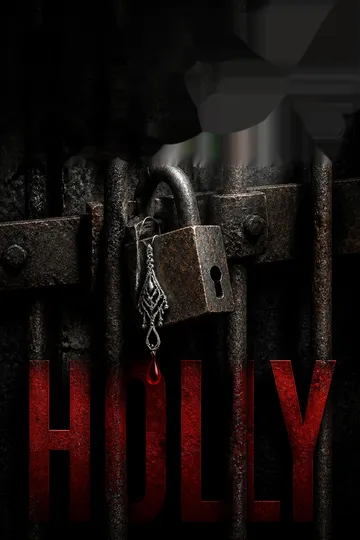
About the Author
Other books by Stephen King



Download PDF
Download EPUB
.epub digital book format is ideal for reading ebooks on phones, tablets, and e-readers.








